
Ever watched your friends react differently to a forest hike? One person stands transfixed by towering trees and chirping birds, while another counts down minutes until they can return to the comfort of air conditioning. This striking variation in how we connect with the natural world has fascinated scientists for decades.
Recent research suggests our relationship with nature isn’t just about preference or childhood experiences. There might be something deeper at play, woven into the very fabric of our DNA. The emerging picture reveals a complex interplay between our genetic makeup, early experiences, and environmental factors that shapes whether we become nature lovers or indoor enthusiasts.
The Genetic Blueprint of Nature Connection
Studies reveal that personality traits, including those that influence our connection to nature, show roughly 40 to 50 percent heritability, with identical twins reared apart displaying remarkably similar personalities even when raised by different parents. This suggests a substantial genetic component to how we relate to the natural world.
Recent research supports a genetic component in people’s nature orientation and experience, though environmental influences explain over half of individual variation in nature experiences. Scientists now believe our genes don’t just influence basic traits like eye color but also complex behaviors like seeking out natural environments.
The fascinating part? Studies have identified sets of genes that explain nearly all the expected heritability for character traits, with self-regulatory personality traits being strongly influenced by organized interactions among more than 700 genes. This massive genetic orchestra plays a symphony that may determine whether you’re the type to plan camping trips or prefer museum visits.
The Biophilia Hypothesis: Nature in Our DNA
The biophilia hypothesis suggests that humans possess an innate tendency to seek connections with nature and other forms of life, a concept popularized by American biologist Edward O. Wilson. This isn’t just scientific speculation but potentially an evolutionary advantage that helped our ancestors survive.
The theory suggests that a deep-rooted connection with the natural world became ingrained in our DNA, as the ability to appreciate and seek out natural settings provided essential resources like food, water, and shelter. Over millennia, this affinity for nature became hardwired into our genetic code.
Think of it as evolutionary programming. Those ancestors who felt drawn to lush landscapes and flowing water sources were more likely to find food and safety. Our ancestors who had stronger connections to nature would hold an evolutionary advantage over less connected people as they would have better knowledge and therefore access to food, water, and shelter.
However, not everyone carries this programming equally. Genes that influence biophilia have not been identified specifically, and it’s suspected that increased dependence on technology has led to an attenuation in the human drive to connect with nature.
The Power of Early Environmental Exposure

Your childhood environment acts like a sculptor, shaping your adult relationship with nature. From a very early age, experiencing nature with all senses is critical for development, and exploration of the natural world allows young children to create a lasting attachment to the environment.
Research reveals startling differences in how early exposure affects people. Children’s discomfort and aversion to nature, which may stem from unfamiliarity, safety issues, or fear, likely shape their lifelong perceptions of the natural world. Growing up in highly urbanized areas with few green spaces negatively affects how youth perceive and appreciate the natural environment.
Experiences of actual contact with nature, especially interactive behaviors rather than merely visiting natural spaces, are better predictors of future nature connection. The interactive behaviors of observing natural processes and cultivating plants had significantly independent contributions to nature relatedness.
The timing matters tremendously. Studies comparing fourth graders to sixth graders found that younger students maintained higher pro-environmental attitudes than their older counterparts, suggesting environmental education may be more effective with younger children.
Individual Sensitivity: Why Some People Respond More
Research shows that depending on their genotype, people may be differentially sensitive to the environmental conditions they encounter, with different variants of genes moderating how environmental conditions affect psychological outcomes. This means some people are naturally more responsive to nature’s influence than others.
Some children are more responsive to the social environment and are affected by both negative and positive environmental factors. Highly susceptible children are not just affected by unsupportive conditions but may also benefit disproportionately from positive environments.
Picture two children on the same nature walk. One notices every butterfly, feels energized by forest sounds, and returns home excited to explore more. The other struggles with insects, finds the uneven terrain annoying, and prefers structured indoor activities. Their different responses might stem from underlying genetic sensitivities.
This differential sensitivity extends beyond childhood. Research confirms that intrinsic factors governing individual responses to nature result from a combination of inherited and environmental factors, creating unique nature profiles for each person.
The Role of Geographic and Cultural Context
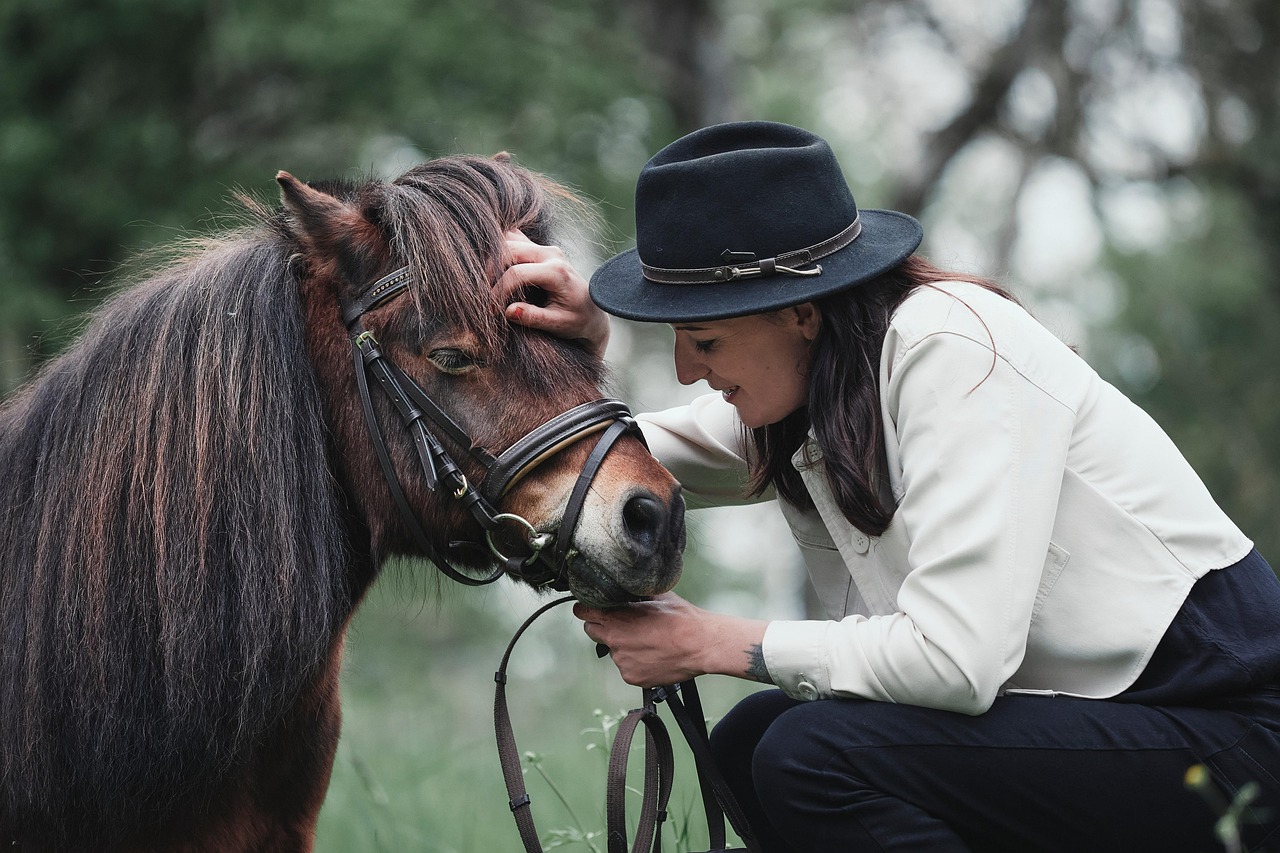
Where you grow up shapes your nature connection in unexpected ways. Interactions between genes and environmental factors, including physical and social environments, vary between populations and different societies, with environmental influences explaining substantial individual variation in nature experiences.
Culture and society impact how students view the world around them and shape their relationships with the natural world. An individual born into a logging town views the natural world differently than another individual who grows up in an urban environment.
Urban versus rural upbringing creates dramatically different nature baselines. Children in towns and cities are constrained by academic pressure, spending more time in classroom education with fewer opportunities for outdoor free play and direct contact with nature.
Yet geography isn’t destiny. Studies suggest that an urbanized living environment will not necessarily reduce the level of nature relatedness of future generations, provided meaningful nature interactions occur during crucial developmental periods.
Personality Traits That Predict Nature Affinity

Certain personality characteristics strongly predict who will seek out natural experiences. Research shows that neuroticism and extraversion explain nearly a quarter of variance in life satisfaction, with personality facets accounting for even more. Four facets were particularly important: anxiety and depression in the neuroticism domain, and activity and positive emotions within extraversion.
Studies found that specific character profiles showed distinct genetic pathways, with people becoming highly self-directed through multiple mechanisms: a creative route involving enhanced self-awareness, an organized route involving executive control, or taking initiative through learned resourcefulness.
People high in openness to experience often show stronger nature connections, while those with higher anxiety levels might avoid unpredictable outdoor environments. Extraverted individuals may seek nature for social experiences like group hiking, while introverts might prefer solitary nature contemplation.
These personality differences create feedback loops. Someone who enjoys nature seeks more outdoor experiences, reinforcing their connection. Meanwhile, those who find nature uncomfortable or overwhelming may avoid it, deepening their disconnection over time.
The Modern Disconnection Challenge
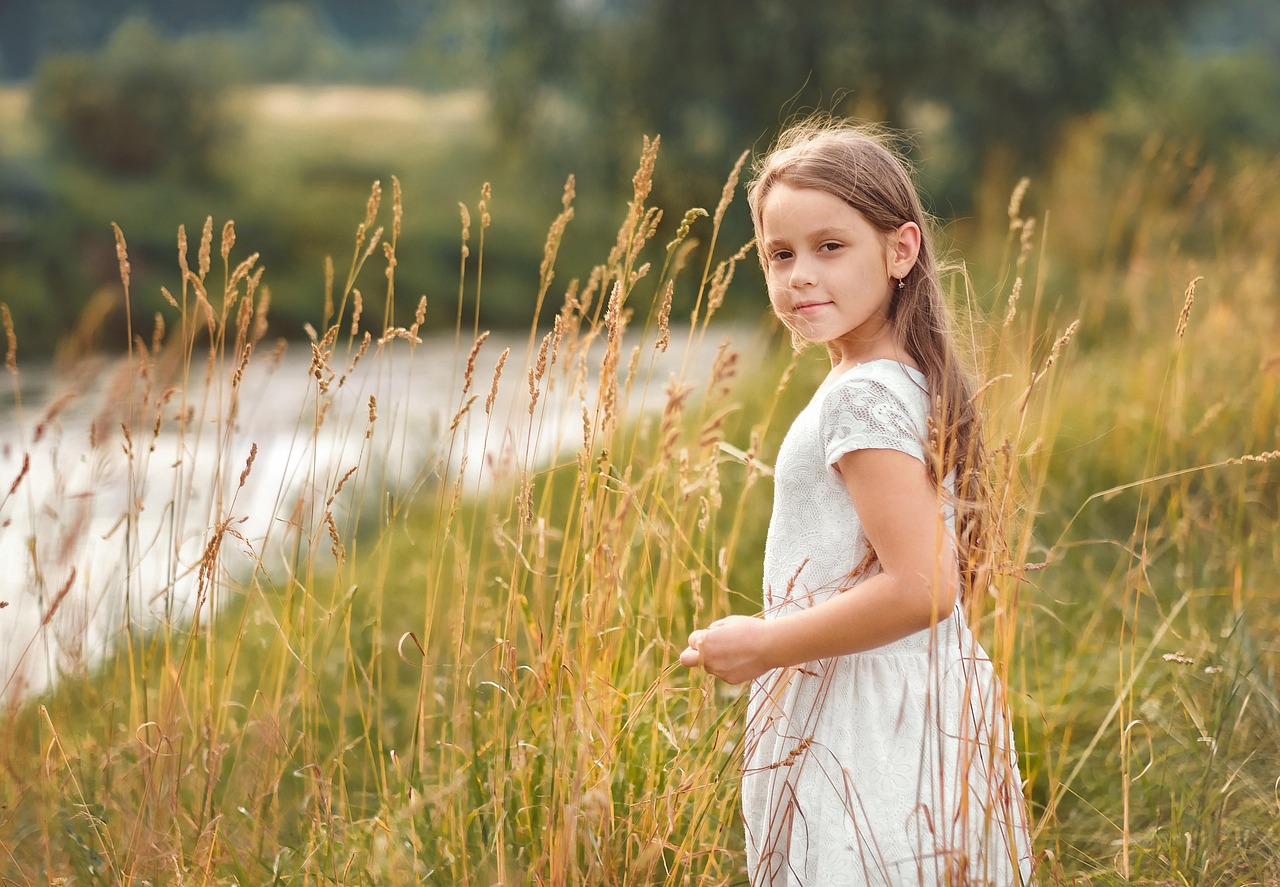
Contemporary children spend considerably less time outside than did children in previous generations, with decreases in interactions with nature harming children’s physical health and cognition. This trend affects how genetic predispositions for nature connection get expressed.
Children increasingly occupy their time with technological devices which tend to replace nature as a playing and learning space. Children losing their connection with nature has negative impacts on their health and wellbeing, leading to higher risk of obesity, decreased problem-solving abilities, and loss of motivation to protect nature.
The modern environment may be suppressing natural biophilic tendencies. Research suggests that our modern urban environments are not suited for minds that evolved in natural environments, creating a mismatch between our genetic programming and current lifestyle.
However, individual differences remain crucial. Some people actively seek nature despite urban living, while others remain disconnected even with access to green spaces. This suggests that genetic predisposition, combined with early experiences, creates relatively stable patterns of nature connection.
The Interplay: How Nature and Nurture Dance Together

The question isn’t whether genetics or environment determines nature connection, but how they interact. An interaction between individual and contextual factors is the central theme in personality development, with behavioral genetics suggesting focus on the joint effect of genes and environment over the course of a person’s life.
The biophilia hypothesis highlighting humans’ innate, positive response to nature is both increasingly accepted and questioned, with studies supporting that the interplay between inheritance and environment, including culture, governs an individual’s response from positive to negative.
Consider identical twins separated at birth. Even if both have genetic predispositions for nature connection, the twin raised on a farm might become an environmental scientist, while the urban twin becomes an indoor-focused professional. Yet both might still show similar stress-relief patterns when exposed to nature.
Genetic factors always work with environmental factors to create personality, with given genetic patterns not necessarily meaning particular traits will develop, as some traits might occur only in specific environments.
Conclusion

The evidence suggests that yes, some people are indeed destined to be closer to nature than others, though it’s more nuanced than simple genetic determinism. We inherit predispositions that make us more or less responsive to natural environments, but early experiences and cultural context significantly shape how these tendencies develop.
Your connection to nature emerges from a complex dance between your genetic blueprint, childhood experiences, personality traits, and environmental opportunities. While you might inherit a strong biophilic tendency, without childhood exposure to nature, that potential may remain dormant. Conversely, someone with weaker genetic predisposition might develop deep nature connection through meaningful early outdoor experiences.
Understanding this interplay offers hope. Even if you weren’t born with strong nature-seeking genes or missed crucial childhood nature exposure, research suggests that intentional contact with natural environments can still provide benefits and potentially strengthen your connection over time. What do you think shapes your own relationship with the natural world most?
