
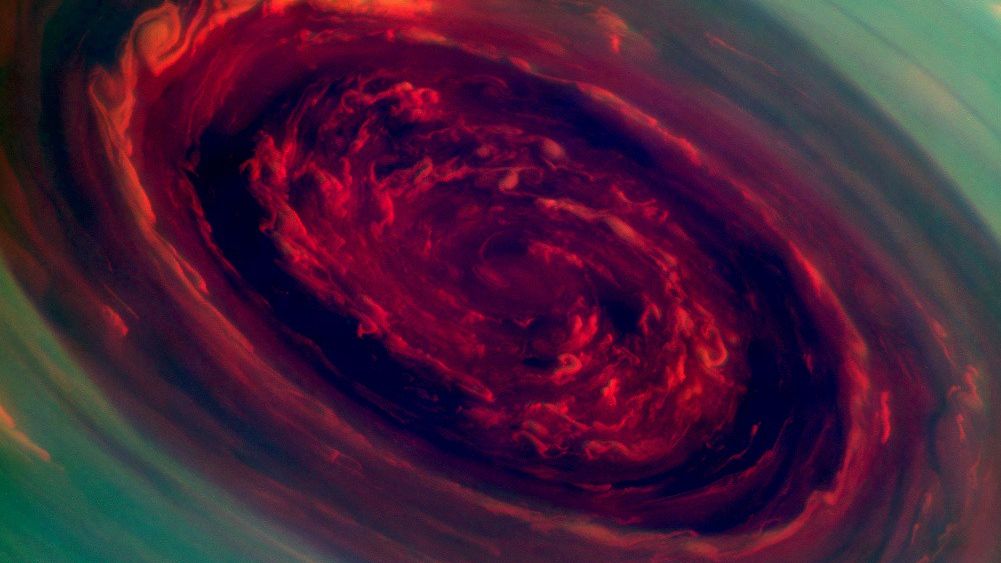
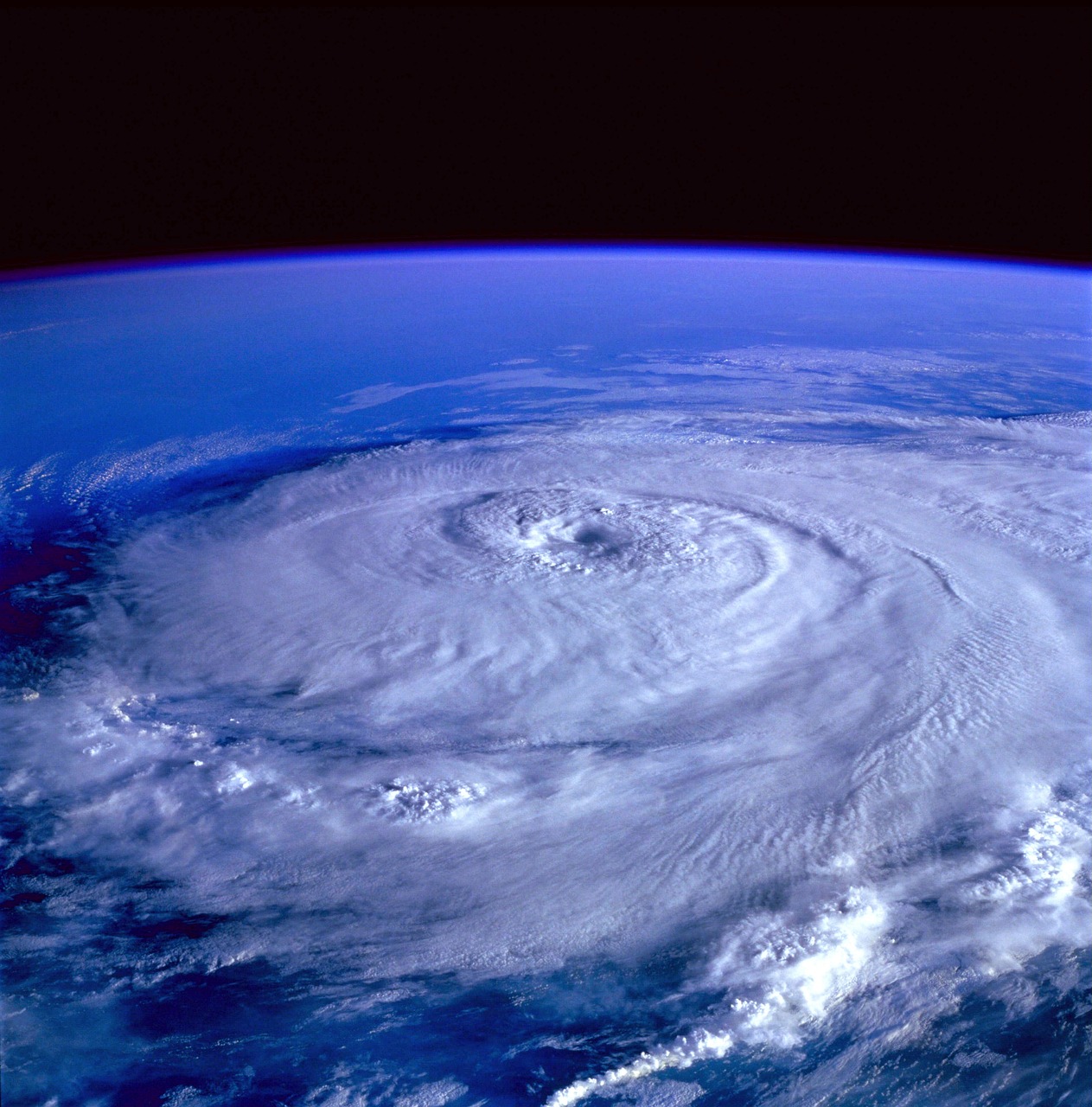
High above Earth’s familiar weather patterns, something extraordinary churned in the ionosphere that scientists never expected to find. While we’ve grown accustomed to tracking hurricanes in our lower atmosphere, the discovery of their celestial cousin has opened an entirely new chapter in space weather research. In February 2021, an international team revealed the first documented observation of what they called a “space hurricane” that occurred years earlier, challenging our understanding of what’s possible in the uppermost reaches of our atmosphere.
Scientists observed and documented the first phenomenon of its kind, which they dubbed a “space hurricane,” as reported in Nature Communications in February 2021. This groundbreaking discovery promises to reshape how we think about the complex interactions between solar wind and Earth’s magnetic field.
The Historic Discovery That Changed Everything
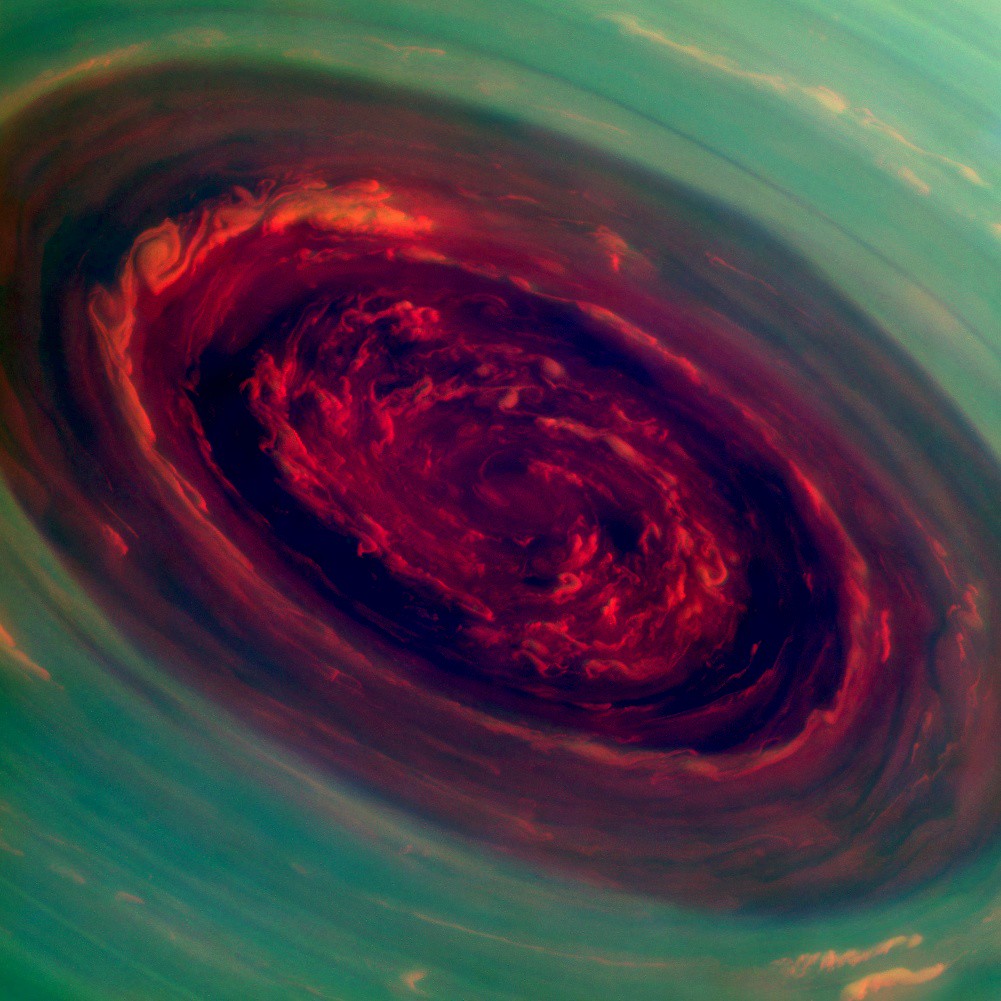
The first documented space hurricane occurred on August 20, 2014, when a spiral of plasma stretching more than 620 miles across swirled above the magnetic North Pole for nearly eight hours. Yet this wasn’t just a fleeting moment of cosmic drama.
While combing through data collected by a Cold War-era satellite program, researchers spied a burst of auroral emissions over the North Pole captured in unprecedented detail, with the observations only uncovered during retrospective analysis by scientists at the University of Reading. This type of discovery could have been easily missed had the researchers not spotted clues in the six-year-old data and had the patience to stitch together all the threads, as they had various instruments measuring various things at different times.
A Monster Storm in Earth’s Upper Atmosphere
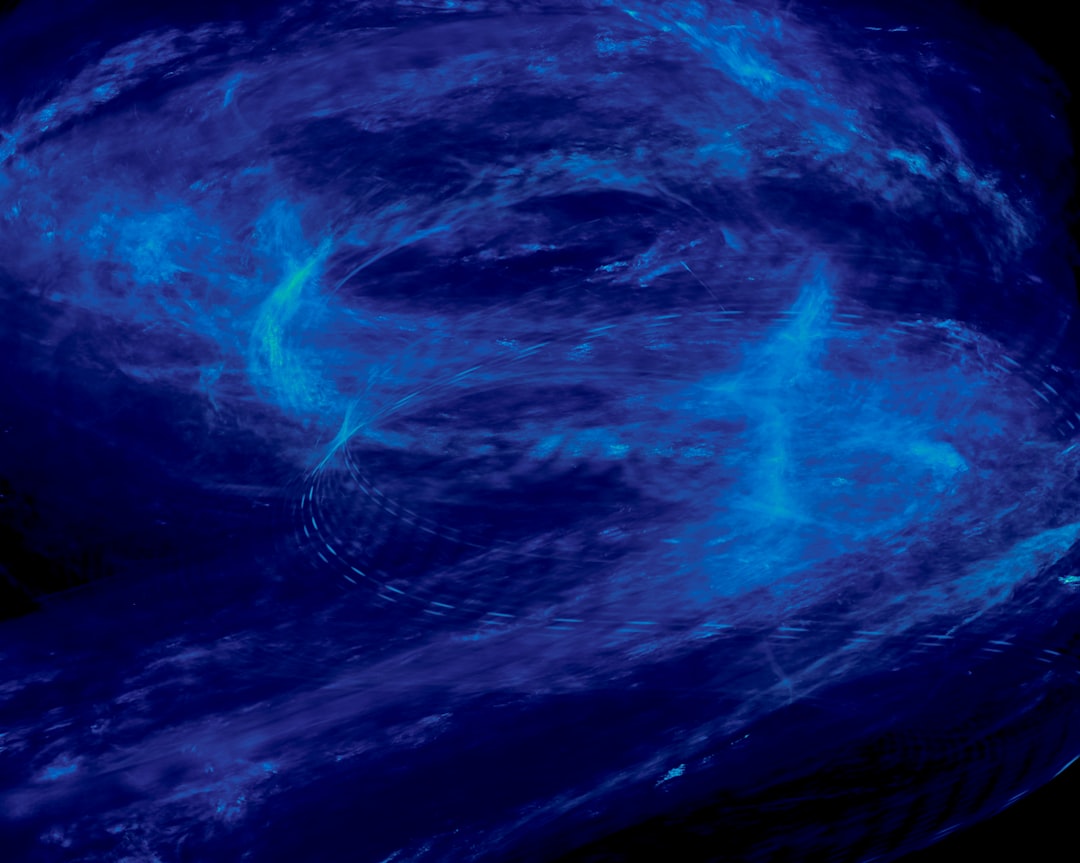
Scientists observed a 620-mile-wide swirling mass of plasma that roiled for hours in Earth’s upper atmosphere, raining electrons instead of water, labeling the disturbance a space hurricane because it resembled and behaved like the rotating storm systems that routinely batter coastlines around the world. The scale was breathtaking.
Lasting for around eight hours, it was more than 620 miles across and stretched from its base 60 miles above sea level to 500 miles high, reaching into space, creating a 3D image of the swirling mass of plasma several hundred kilometers above the North Pole. Space hurricanes are made up of plasmas, consisting of extremely hot ionized gases that rotate at extremely high speeds, with rotational speeds reaching up to 7,560 kilometres per hour.
The Eye of the Space Storm
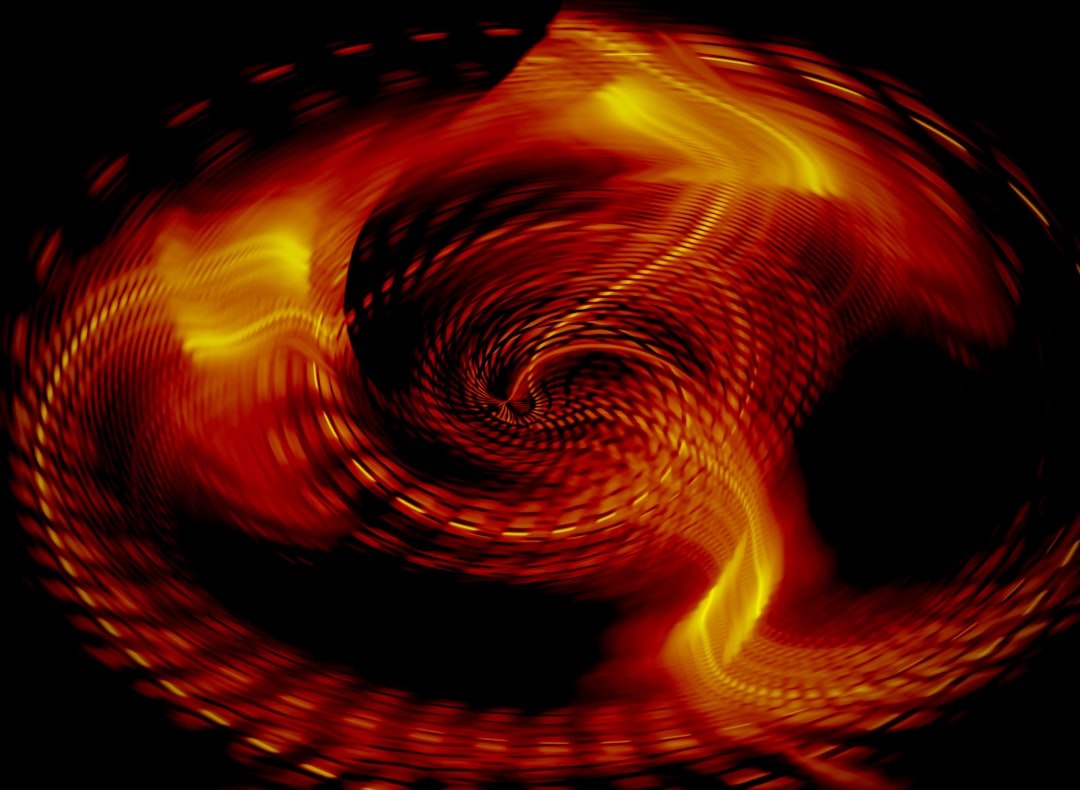
The unusual aurora that appeared in 2014 over the North Pole had a calm center, or “eye,” with strong “winds” of plasma zipping around it in a vortex-like manner. This familiar structure provided the key connection to earthbound hurricanes.
You could see flows of plasma going around, which were like the winds of the space hurricane, with these flows strongest at the edge and decreased as you moved toward the eye in the center, before picking up again on the other side, just like the flow of air in a regular hurricane. The space hurricane was characterized by multiple spiral arms, a negative-to-positive bipolar magnetic structure, and a large and rapid deposition of energy and flux into the polar ionosphere.
Formation Under Surprisingly Quiet Conditions
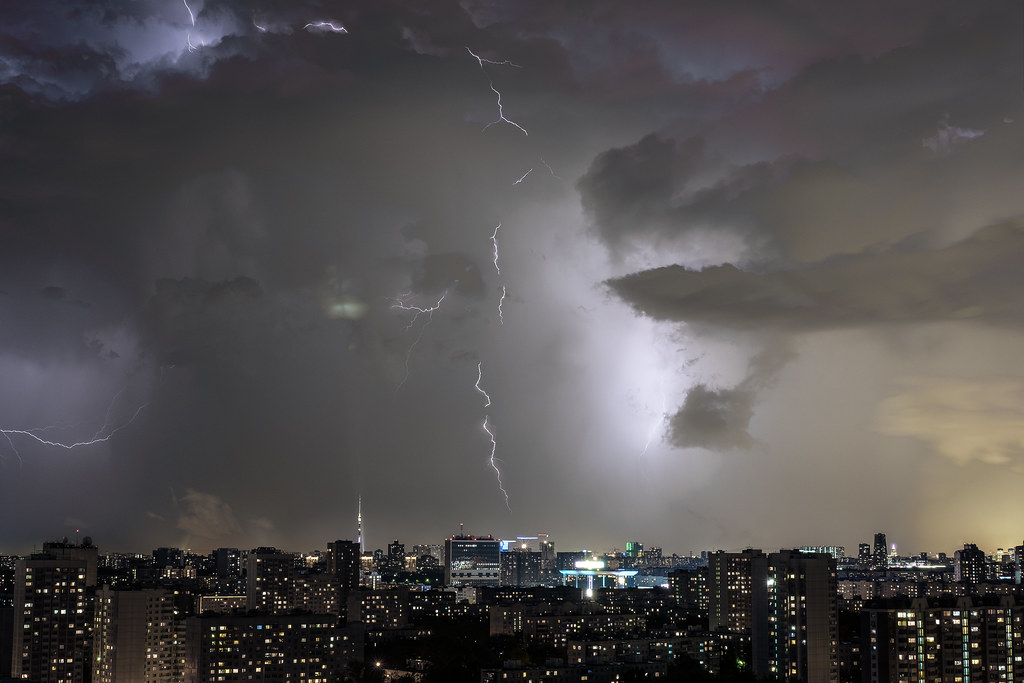
Scientists presented an observation of a long-lasting, large and energetic space hurricane in the northern polar ionosphere that deposited solar wind energy during a several hour period of northward IMF and very low solar wind density and speed. This timing puzzled researchers completely.
The electromagnetic conditions in 2014 featured the sun at the maximum of its most recent 11-year cycle, with August being a time of “low solar and otherwise low geomagnetic activity,” creating conditions likely similar to hurricane-conducive conditions that help cause hurricanes on Earth. It seems like it occurs when conditions are quiet, with very little geomagnetic activity and low solar wind.
Electron Precipitation and Aurora Effects
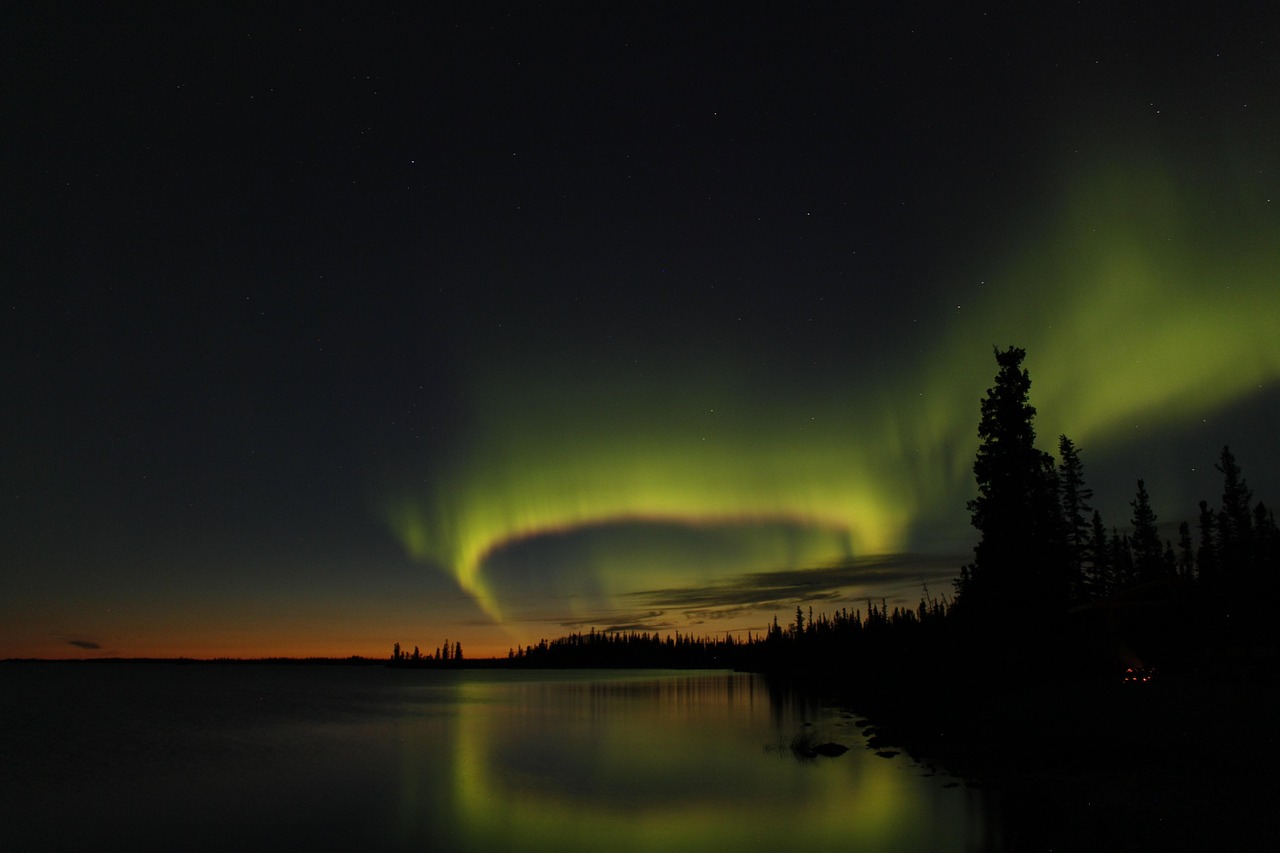
Unlike regular hurricanes that dump huge amounts of precipitation over Earth’s surface, the scientists instead observed electrons raining into the upper atmosphere. This electronic rainfall created stunning visual effects high above our planet.
They are related to the aurora borealis phenomenon, as the electron precipitation from the storm’s funnel produces gigantic, cyclone-shaped auroras, with space hurricanes having electric precipitation that can create stunning aurora. However, the aurora caused by this specific space hurricane may have gone unnoticed by people on the ground as it occurred during the summer in the Northern Hemisphere, the worst time of the year to look for aurora.
Implications for Space Weather and Technology
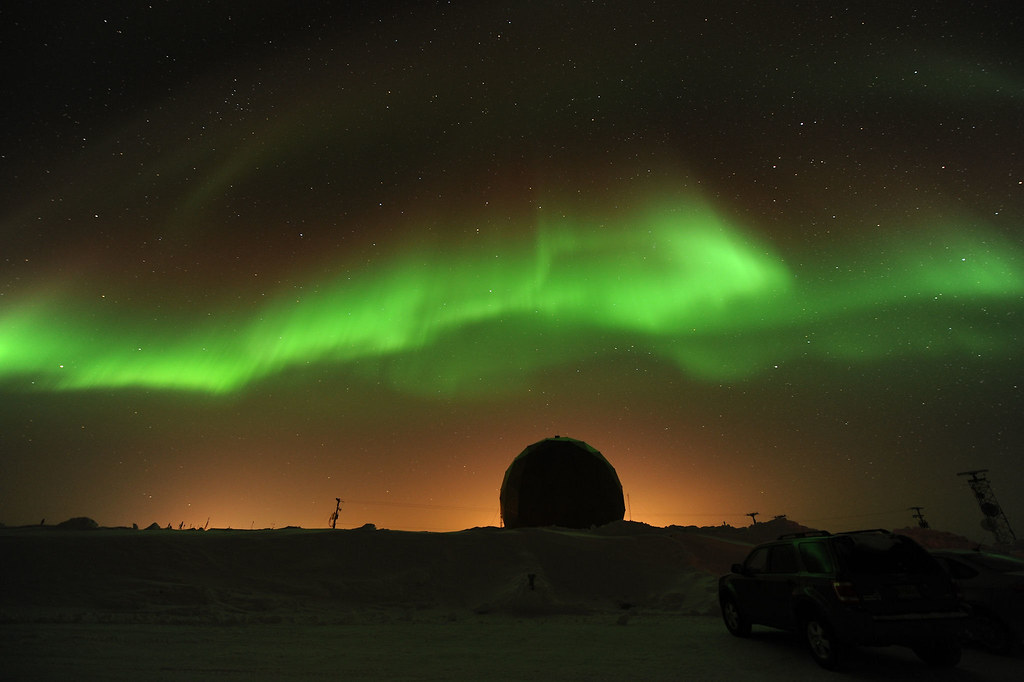
If strong enough, a space hurricane could potentially cause some disruptions on the ground, as enough charged particles raining down from space could disrupt GPS signals, radio waves and in extreme cases, the power grid. The technological implications extend far beyond simple communication issues.
The space hurricane observed on August 20, 2014 was associated with enhanced ionospheric phase scintillation reaching up to 0.8, localized geomagnetic disturbances with variations of up to 400 nT, and values reaching 1 nT/s, with these disturbances comparable in magnitude to those observed during geomagnetic storms. Studying these space hurricanes is of interest not just for gaining knowledge about the universe, but because it could help us get better at predicting space weather, which can disrupt satellites, radar and communication systems vital to life on Earth.
Conclusion
The discovery of Earth’s first documented space hurricane has fundamentally altered our understanding of what’s possible in the uppermost reaches of our atmosphere. While this is the first observed space hurricane, researchers hypothesize that these weather systems could be common events on any planet with a magnetic shield and plasma in its atmosphere, as plasma and magnetic fields in the atmosphere of planets exist throughout the universe. The research team has already identified “tens of space hurricane events” in the same trove of satellite data that produced this first confirmed instance, suggesting we’ve only scratched the surface of this phenomenon.
What fascinates me most is how this discovery emerged from data that sat dormant for years, waiting for the right eyes to recognize its significance. The next time you gaze up at the aurora dancing across polar skies, remember there might be an invisible hurricane spinning hundreds of miles above, painting the darkness with electronic rain. What other cosmic storms might be churning above us right now, invisible to our eyes but detectable by our instruments?

- 17 Things Cat Owners Did in the 1980s That Vets Would Never Recommend to Anyone Today - August 9, 2026
- What Cats Really Do at Night Will Surprise You 19 Behaviours Researchers Still Cannot Explain - August 9, 2026
- 18 American Places Park Rangers Say Almost Nobody Visits That Genuinely Deserve Far More Attention - August 9, 2026