
Imagine a people who have maintained their sacred bond with the Earth for over a thousand years, living in harmony with the desert winds and honoring every grain of sand as a gift from the Creator. The Hopi religion is rooted in a deep respect for the natural world and a belief in the importance of maintaining harmony and balance with all living things. The Hopi are deeply religious people living by the ethic of the Hopi Way, Maasaw’s Way through peace and goodwill, spiritual knowledge, adherence to religious practices, and responsibility as Earth stewards.
The Hopi trace their history back thousands of years, making them one of the oldest living cultures in the world. Their spiritual practices aren’t simply religious ceremonies but a complete way of life that connects them intimately with every element of the natural world. Unlike many modern societies that view nature as something to be conquered or controlled, the Hopi see themselves as caretakers, guardians of an ancient covenant with the Earth itself.
The Sacred Circle of Life: Understanding Hopi Worldview
A fundamental theme of the Hopi world view is that the universe is divided into two realms, the upper world of the living and the lower world of spirits. This isn’t just philosophical theory for the Hopi; it’s the foundation of how they understand every aspect of existence. Events occur regularly between these two worlds in alternating cycles. For example, the sun moves between the upper world by day and the lower world by night.
Think of it like a cosmic heartbeat, where life flows continuously between visible and invisible realms. When it is planting time (Spring) in the upper world, it is harvest time (Fall) in the lower world. Similarly, there is a cycle for an individual: one is born, lives, dies and goes to the spirit realm-to be reborn as ancestor spirits, or Katsinam, as are the spirits of the animals and plants. This cyclical understanding means death isn’t an ending but a transformation into another form of service to the living world.
Corn: The Sacred Mother of Life
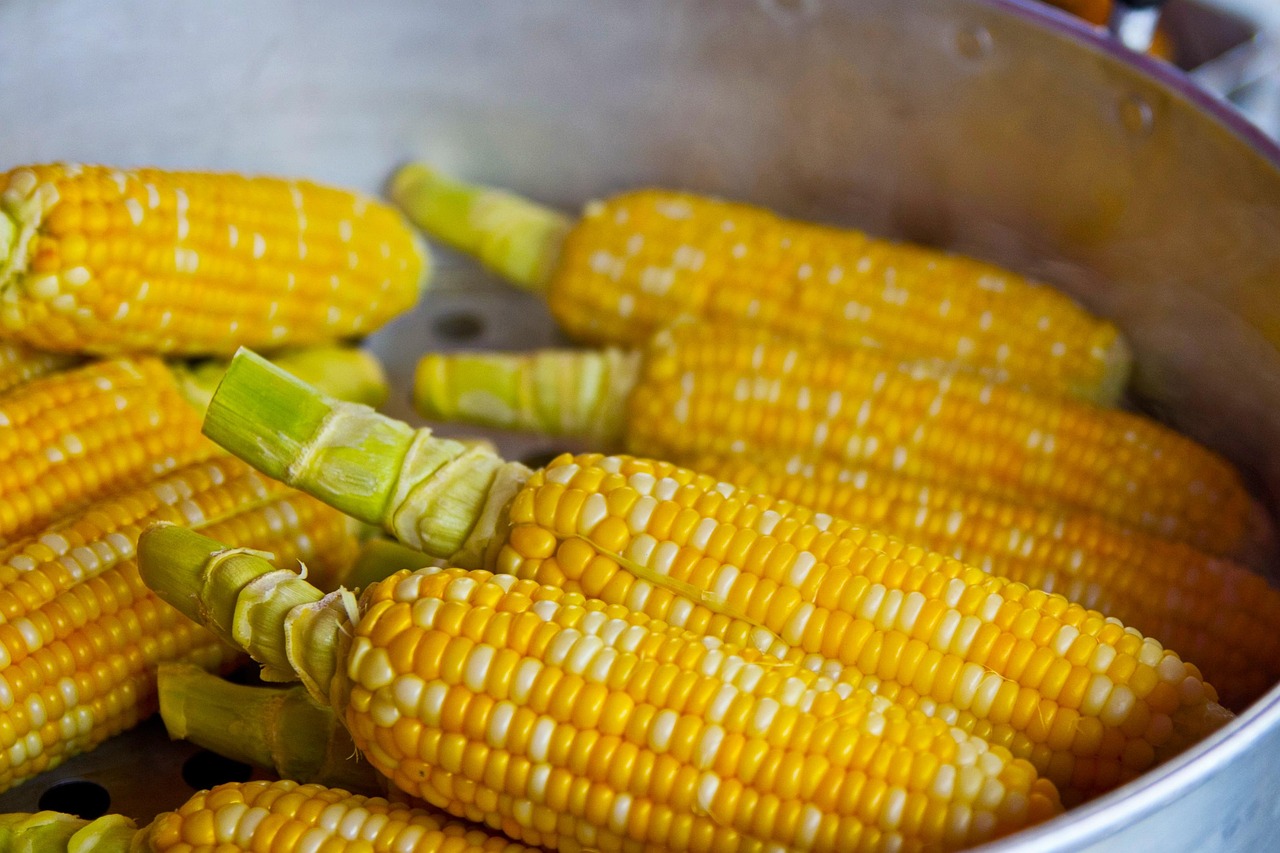
For traditional Hopis, corn is the central bond. Its essence, physically, spiritually, and symbolically, pervades their existence. You might wonder why corn holds such sacred importance. For the people of the mesas corn is sustenance, ceremonial object, prayer offering, symbol, and sentient being unto itself. Corn is the Mother in the truest sense that people take in the corn and the corn becomes their flesh, as mother milk becomes the flesh of the child.
Corn is the Mother of the Hopi, they say. This relationship goes far beyond simple agriculture. No Hopi ceremony is ever conducted without cornmeal. The use of cornmeal in the ceremonies is so varied and so significant in meaning that it would be inconceivable if not included. Cornmeal, from Mother Corn, is the sustenance of life. Mother Corn is the same as Mother Earth to the Hopi. Every ceremony, every blessing, every prayer involves this sacred grain that literally becomes part of their physical and spiritual being.
The Katsina: Spirit Messengers Between Worlds
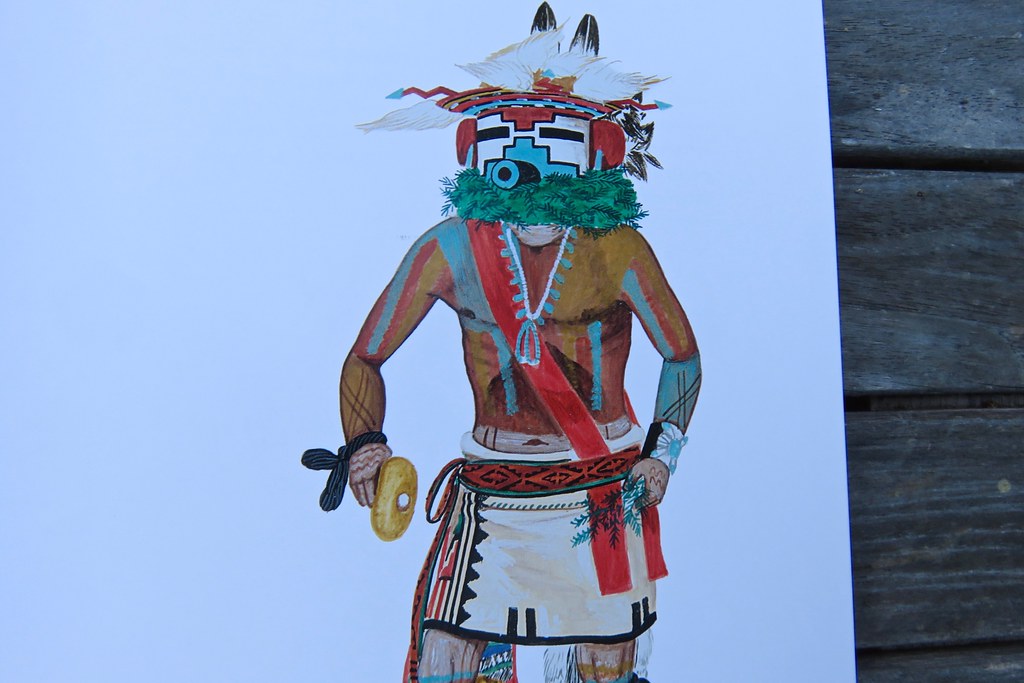
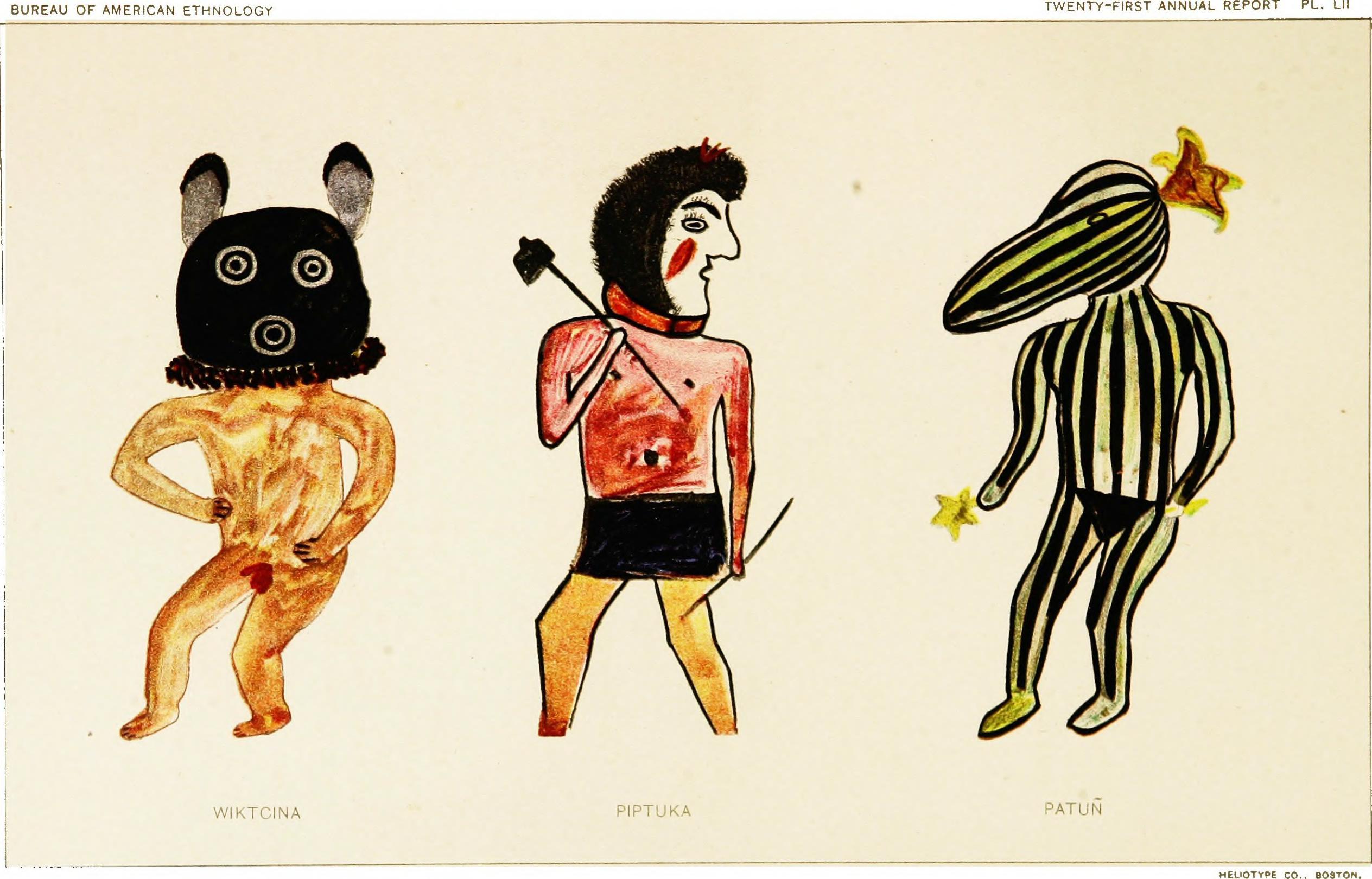
To the Hopis, kachinas are supernatural beings who visit the villages to help the Hopis with everyday activities and act as a link between gods and mortals. According to Susanne and Jake Page, the katsinam are “the spirits of all things in the universe, of rocks, stars, animals, plants, and ancestors who have lived good lives.” These aren’t distant, untouchable deities but intimate spiritual companions who participate directly in daily Hopi life.
In many ways the Kachina rites are the most important ceremonial observances in the Hopi religious calendar. Within Hopi religion, the kachinas are said to live on the San Francisco Peaks near Flagstaff, Arizona. Katsinam, of which there are several hundred different types, represent various beings, from animals to clouds. During their stay at Hopi, the katsinam appear among Hopi people in physical form, singing and dancing in ceremonies.
The Sacred Calendar: Living in Rhythm with Nature
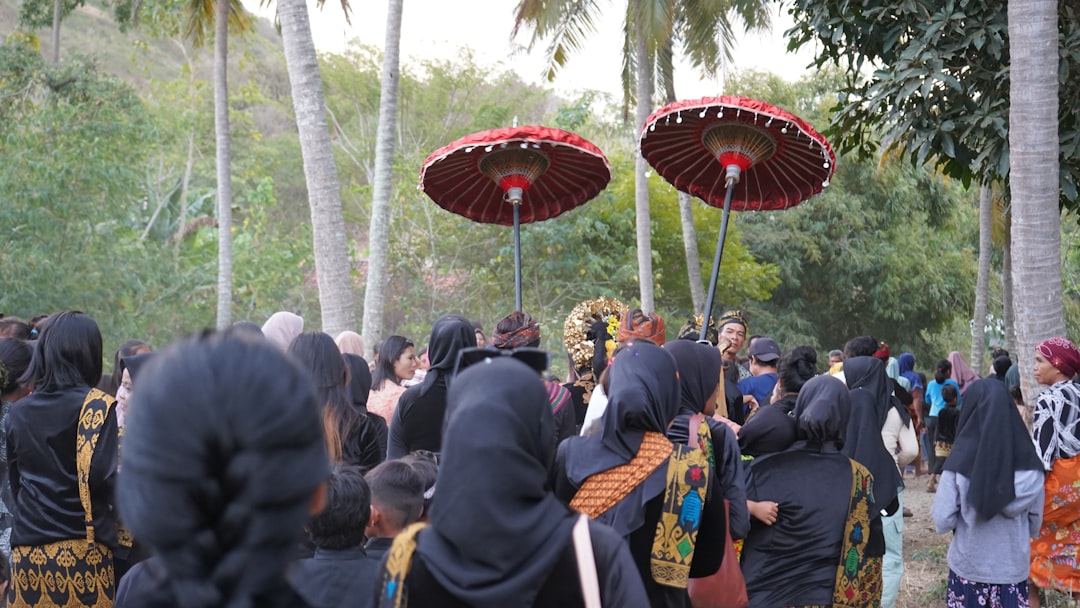
The Hopi people have their own unique calendar which coincides with their extensive ceremonial schedule. The ceremonial calendar is divided into two sections – Katsina Season and non-Katsina Season. The seasons are planned according to the position of the Sun and the Moon, and ceremonies line up fairly close to the months of the year.
As the colder months arrive, Hopi villagers seek guidance and assistance from the Katsina spirits. The Katsina Season begins at winter solstice, when figures representing the Katsina spirits emerge around Hopi villages. About thirty days before summer solstice is the time for general corn planting and about thirty days following summer solstice is the end of the Katsina season celebrated by the Niman, or Home-Going ceremony. This final appearance of the Katsinam signals the ripening of the first early corn crop and the departure of the Katsinam to the San Francisco Peaks.
Their entire year revolves around these natural cycles, with ceremonies that support the Earth’s rhythms rather than fighting against them. Night dances are held until the end of March, followed by day dances from May to July. Virtually no weekend goes by during this period without a katsina dance in at least one Hopi village.
Ancient Prophecies: Wisdom for Modern Times
The Hopi believe in a cyclical concept of time, with a series of worlds, each representing different eras of human history. According to the prophecies, we are currently living in the Fourth World, and the previous three worlds were destroyed due to humanity’s disregard for spiritual and moral principles. The prophecies predict the eventual destruction of the Fourth World and the emergence of the Fifth World, which will be characterized by peace, balance, and harmony.
According to Hopi tradition, humanity has already lived through three previous worlds, each ending in catastrophe due to moral and spiritual failings. These worlds were destroyed by fire, ice, and floods, symbolizing purification through the elements. These aren’t stories of fear but teachings about the importance of maintaining balance with nature. The Hopi prophecies emphasize the importance of individual and collective human actions in determining the outcome of the Fourth World. According to the prophecies, humanity has the power to change the course of history by choosing a path of peace, love, and respect for the earth and all living beings. This choice can help avert the predicted destruction and usher in the age of the Fifth World.
Sacred Waters and the Protection of Life

Life-giving water guided their migrations. For the Hopi Tribe and many tribes in the dry southwest, water is sacred and needs to be protected. For Nicholas, this tradition of taking care of the spring and showing respect for water has been passed down from generation to generation and continues to this day. Restoring the spring is an important opportunity to continue these traditions to share cultural knowledge with Hopi youth. We tell the stories to them of why we should keep maintaining these areas so that when the youth grow up and start to have kids of their own, they can pass these stories on down to them.
Long before the Grand Canyon got its English name and became a tourist destination, the Hopi Tribe referred to the land as ‘Öngtupqa,’ translating to ‘Salt Canyon.’ Salt Canyon is an integral part of their spiritual homelands and where their ancestors emerged into this world as part of their creation story. Every spring, every river, every drop of water carries spiritual significance, connecting the present generation to their ancient emergence into this world.
The Living Earth: Animals as Sacred Teachers
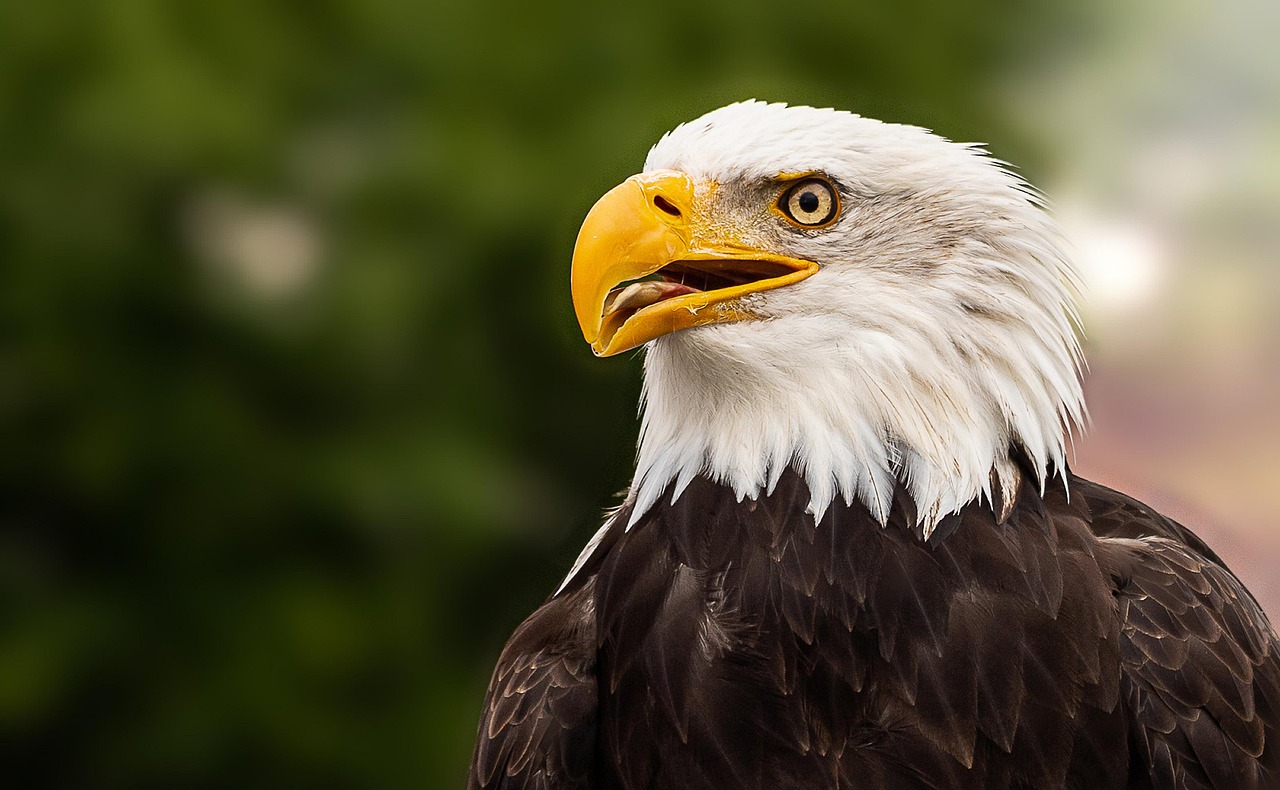
For Native American author and religious scholar Vine Deloria Jr. “tribal religions have a natural affinity with living creatures in a fellowship of life.” The Hopi, for example, “revere not only the lands on which they live but the animals with which they have a particular relationship.” Indian tribes, on the other hand, view all living beings as sentient. Animals are “people” in the same way that human beings are people.
Animals have special powers and abilities and are often portrayed in Hopi jewelry designs. The Hopi have and continue to live their beliefs, farm their land, create beauty with their hands and share glimpses of their life with us through their art. A harmony with nature is at the center of these beliefs and is reflected in the symbols used in their dances, rituals, art, and jewelry. Water may be symbolized as turtles, frogs, clouds, lightning, rain and waves; fertility and abundance may appear as corn, bean sprouts, and other crops; the spiritual world as katsinas, stories of creation (birth from the earth and migration through the maze of life), prayer feathers or folk figures.
Conclusion: The Hopi Way as a Global Teaching

The Hopi understanding of nature runs deeper than environmental awareness; it’s a complete philosophy of interconnected existence where every element of creation holds sacred purpose. The Hopi word “Koyaanisqatsi” means “life out of balance.” This concept is central to their worldview. The elders believe that the modern world has reached a state of Koyaanisqatsi due to materialism, environmental destruction, and disregard for spiritual values. The Hopi say that only by returning to a life of balance and harmony can humanity avoid the foretold destruction of the Fourth World. This includes restoring relationships with nature, living sustainably, and adhering to spiritual principles.
Their ancient wisdom offers profound guidance for our modern world struggling with environmental crisis and spiritual disconnection. The Hopi prophecies also speak of a time of spiritual awakening and unity, in which people from all cultures and backgrounds will come together to share their knowledge and wisdom, ultimately leading to a more harmonious and peaceful existence. In summary, the Hopi prophecies are a collection of ancient teachings and predictions that serve as a spiritual guide for the Hopi people and others interested in their wisdom.
The Hopi way teaches us that we are not separate from nature but part of an intricate web of relationships that extends far beyond what our eyes can see. Their ceremonies, prophecies, and daily practices offer a roadmap for healing our relationship with the Earth and with each other. What wisdom might we discover if we truly listened to the whispers of the wind and honored the sacred in every grain of sand?
