
Choosing your first dog is one of life’s most exciting decisions. The thought of having a loyal companion running to greet you each day fills your heart with anticipation. Yet many first-time owners make the mistake of selecting breeds based purely on looks or popularity, only to discover they’ve signed up for far more than they bargained for.
Some breeds demand extensive training, constant mental stimulation, or possess energy levels that would exhaust a marathon runner. Others have temperaments that require experienced handling or grooming needs that rival a full-time job. Without much experience, highly independent, task-oriented, stubborn, aggressive, or anxious dogs can be very challenging for first-time pet parents and require intense training and attention. Understanding which breeds might test your limits could save you years of frustration and ensure both you and your future companion live happily together.
Border Collie: The Workaholic Who Never Clocks Out
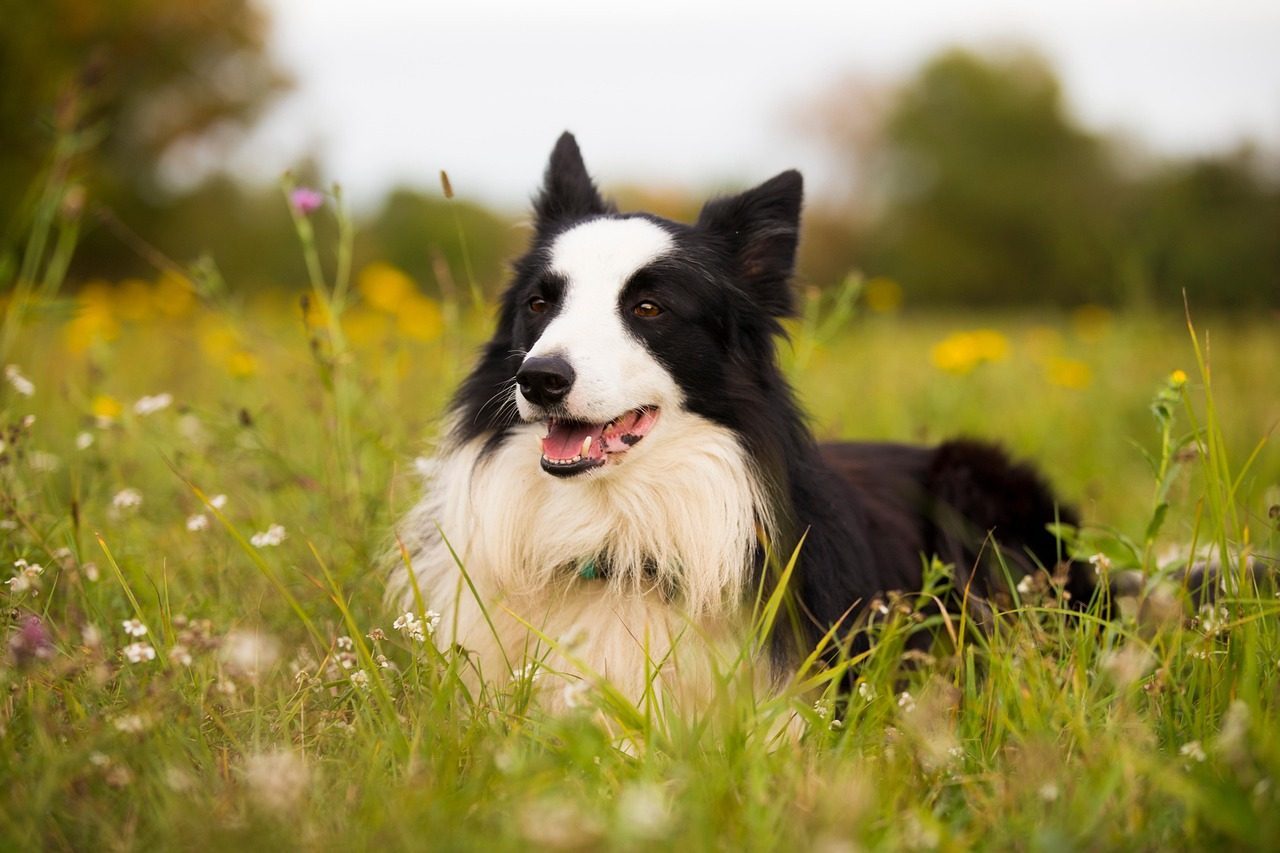
These dogs are ranked as the most intelligent breed in the world, and they know it. But don’t let their beauty and charm fool you – keeping up with a Border Collie is a full-time job. Originally bred to herd sheep across the rugged Scottish countryside, these dogs possess an almost supernatural ability to focus and an energy level that seems to defy the laws of physics.
First-time owners often struggle with their extreme intelligence, endless energy, and near-obsessive need for activity. A Border Collie isn’t just smart – they’re problem solvers. Leave them alone with nothing to do? They’ll create their own fun. Some figure out how to open doors, others herd children (or even furniture), and some develop bizarre habits. These dogs need roughly two hours of vigorous exercise daily, plus mental challenges that would stump most humans. Without proper stimulation, they transform from gentle shepherds into destructive masterminds who view your home as their personal puzzle to solve.
Belgian Malinois: The Elite Athlete in Dog Form
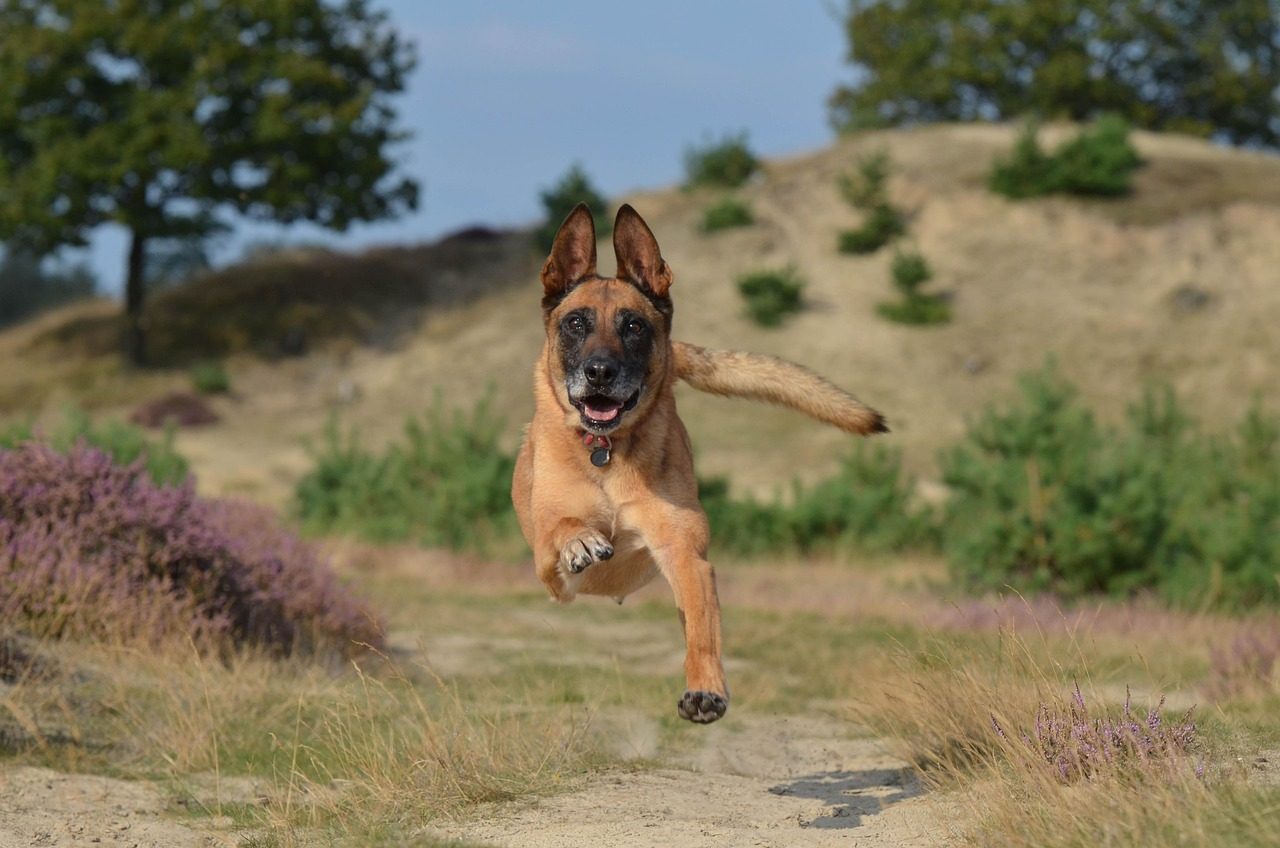
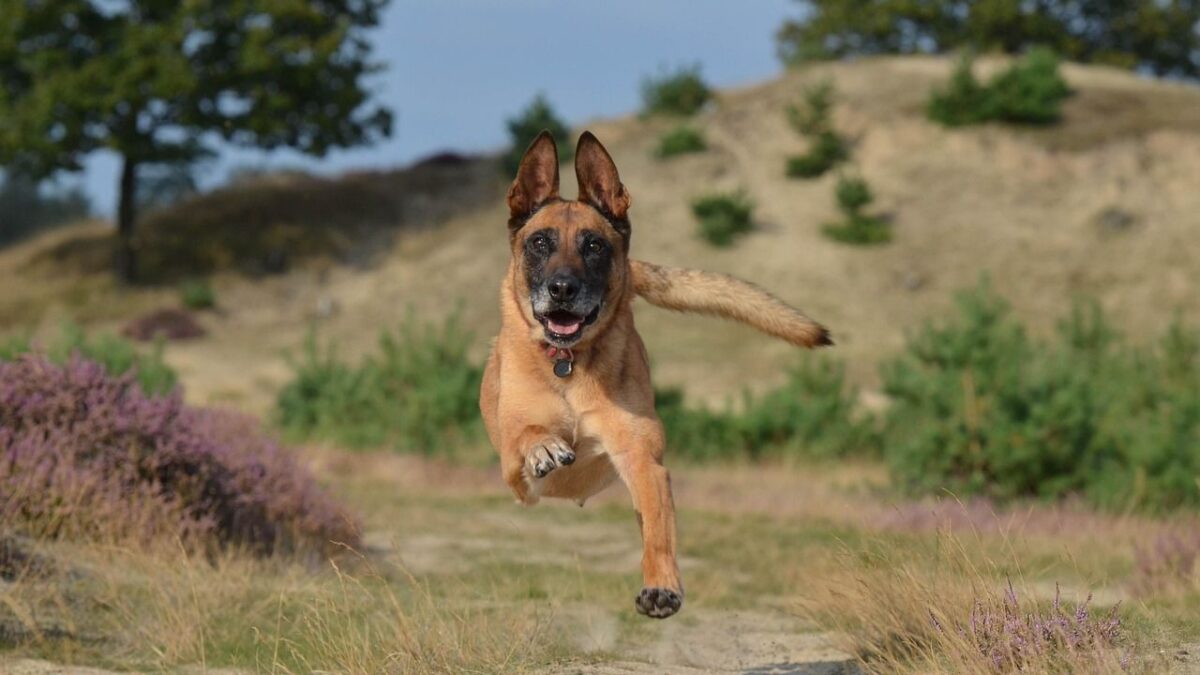
The Belgian Malinois is an intelligent, energetic breed well-suited to military and police work. These dogs are fiercely loyal and make exceptional watchdogs. However, they aren’t the best choice for new pet parents. Without the firm training and guidance of an experienced pet owner, they’re prone to neurotic and destructive behavior.
These dogs live and breathe intensity. They form deep emotional bonds with their owners that border on obsession. Malinois form intense bonds with their owners, and they can develop separation anxiety if left for long hours without proper training. A bored, anxious Malinois isn’t just sad – it’s destructive. Their protective instincts run so deep that they might interpret normal social interactions as threats, making early socialization absolutely critical.
Siberian Husky: The Escape Artist with Endless Stamina
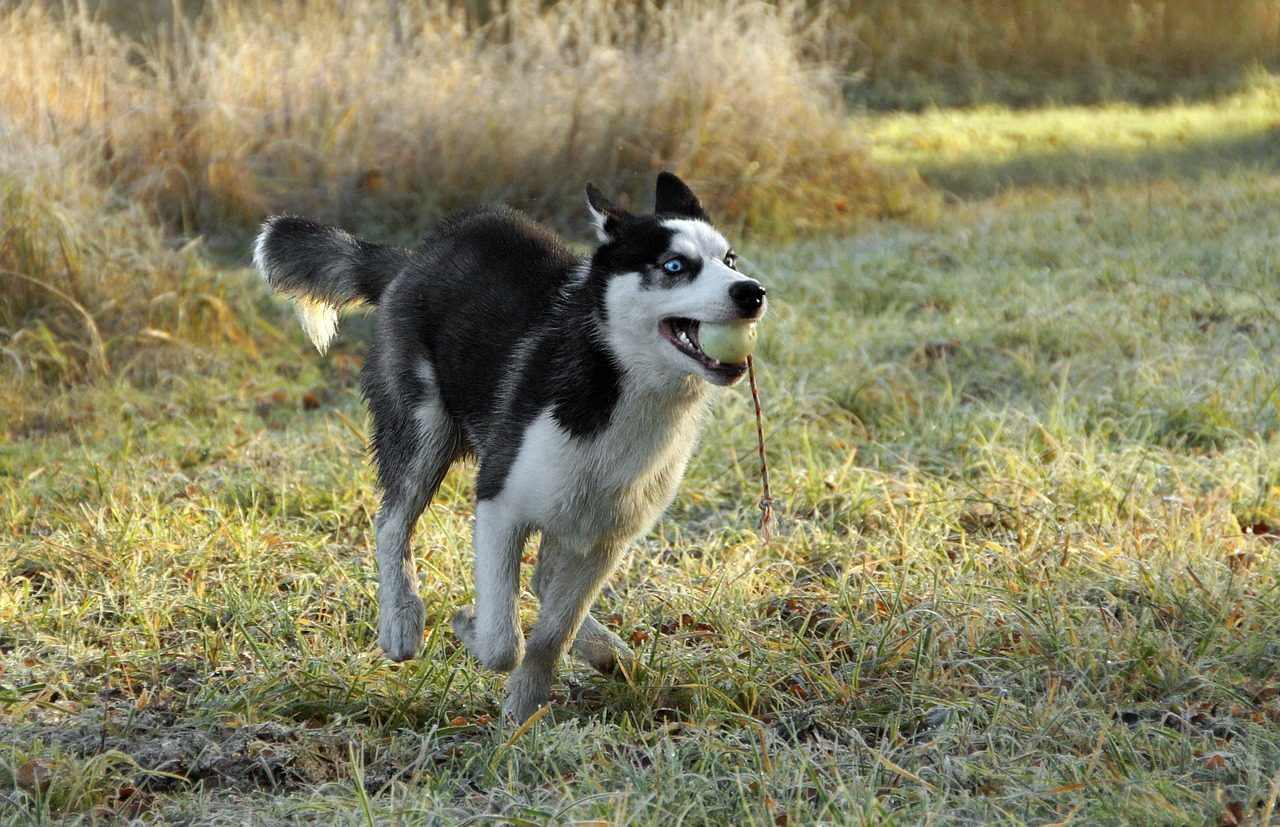
A Siberian Husky is a strong breed requiring extensive training and socialization, making the breed a tough choice for first-time dog owners. The dogs need plenty of exercise and space, so apartment living isn’t ideal. These stunning arctic athletes were literally bred to run hundreds of miles through frozen wilderness, pulling heavy sleds for days on end.
These dogs can be a handful, with an independent streak, a mischievous nature, a tendency to serenade with howls, a love of escapes, and pent-up energy that needs a release. Training can also be a challenge with their stubbornness. As pack dogs, they’re not overly fond of being alone, either. If they don’t get all the stimulation they need, they can be destructive. They’re notorious for their Houdini-like ability to escape from seemingly secure yards, often disappearing for hours on solo adventures that leave their owners frantically searching the neighborhood.
Chow Chow: The Regal Ruler Who Doesn’t Take Orders
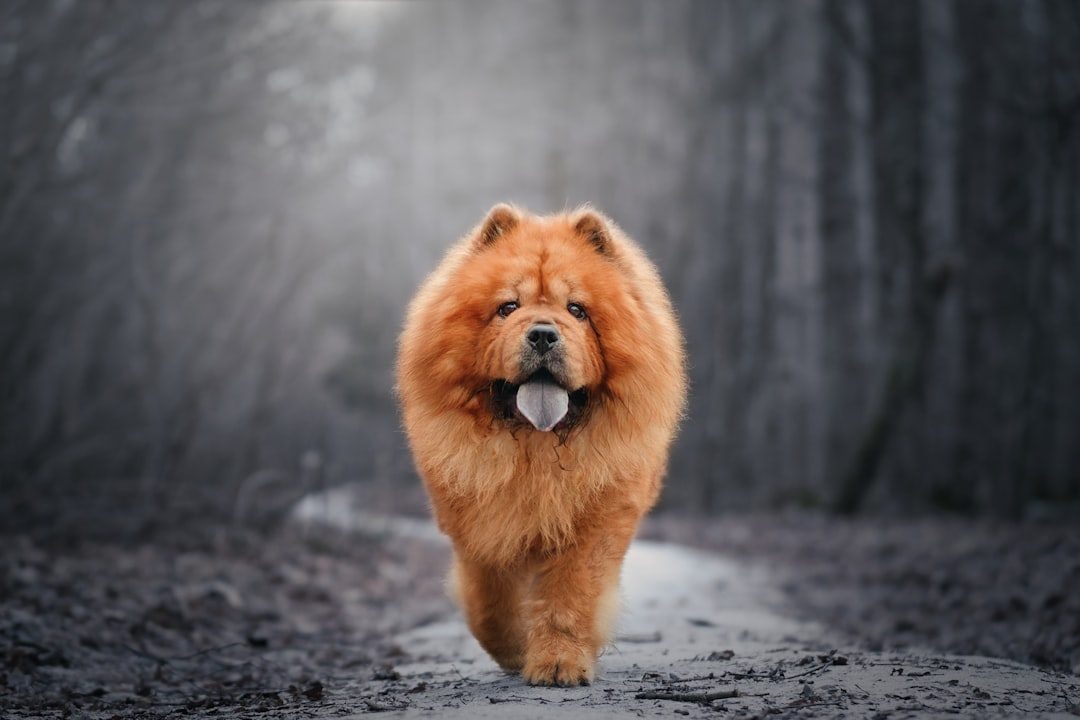
Ever heard of “Chow attitude”? These dogs have a strong sense of self-importance. If they don’t feel like doing something, good luck changing their mind. This makes training a challenge, especially for first-time owners who aren’t used to handling stubborn breeds. These fluffy lions of the dog world possess an aristocratic bearing that suggests they believe humans exist solely to serve them.
Their grooming needs are no joke. That thick, double coat looks majestic, but it sheds heavily and requires frequent brushing to prevent matting. Without proper care, their fur can quickly turn into a tangled mess. They look cute and cuddly, but Chow Chows can be stubborn and tough to train – not the best combo for first-time pet owners. PetSide also doesn’t recommend them for families, as they can be possessive and need supervision around small children.
Australian Cattle Dog: The Hyperactive Genius
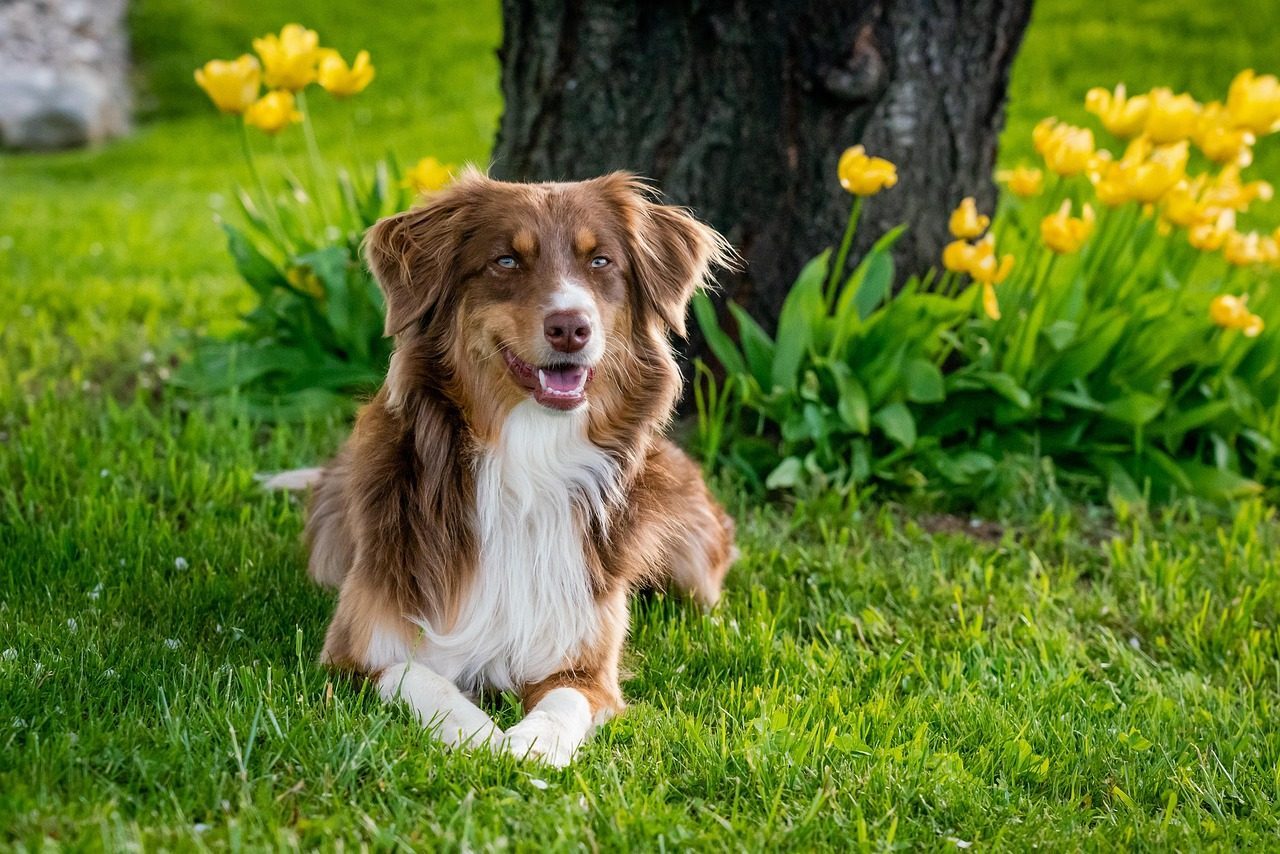
Ever met a dog that’s always on duty, even when there’s no job to do? That’s the Australian Cattle Dog (ACD) for you. These high-energy herders can be stubborn cattle, meaning they have a relentless drive, razor-sharp intelligence, and an independent streak a mile long. Imagine having a brilliant employee who never takes sick days, vacation time, or even coffee breaks.
Cattle Dogs thrive on work. They don’t just want activity; they need it. A quick walk won’t cut it. They crave intense exercise, mental challenges, and structured tasks. Without a job, they get creative – and trust me, you won’t like their version of entertainment. They’re wickedly smart dogs but also independent thinkers. If a command doesn’t make sense to them, they might ignore it. First-time owners often struggle with this, mistaking intelligence for stubbornness.
Jack Russell Terrier: The Small Package with Big Attitude
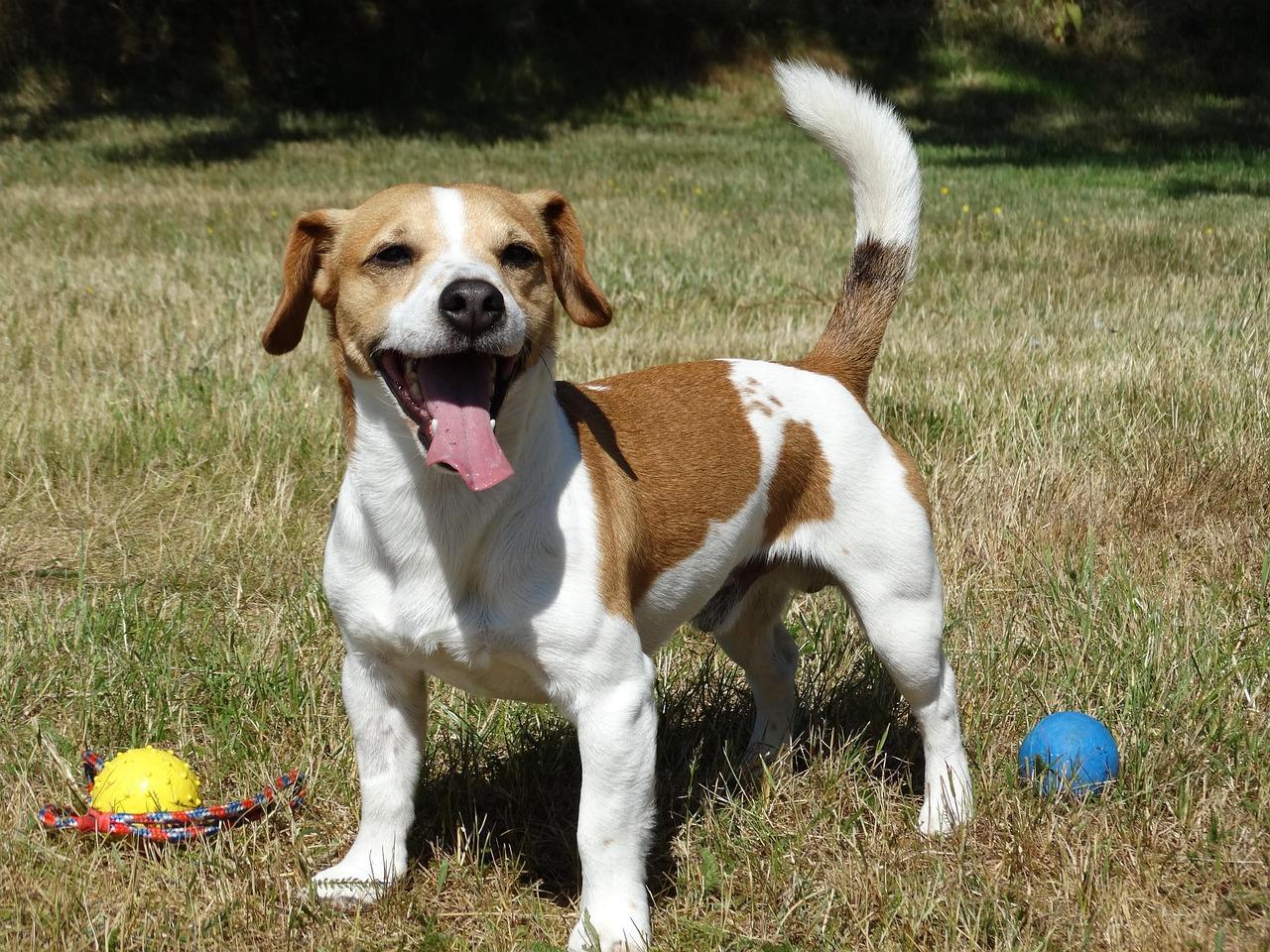
Jack Russells are fond of getting into a bit of trouble, love digging, are apt to escape, and are curious little investigators. They need an owner that understands this energy and who can provide plenty of ways to expend it. Training can be a challenge, too, as these dogs learn quickly and need to continue to be engaged. Fresh approaches will likely be needed.
Don’t let their compact size fool you into thinking they’re apartment-friendly lap dogs. These terriers pack the personality of a much larger breed into a body that typically weighs 9-15 pounds. The typically super-active and super-smart JRT was born to dig. And bark. And investigate. An owner ready to celebrate those traits is a great fit, but anyone else might want to look into a different breed. They view every day as a new adventure filled with holes to dig, small animals to chase, and mysteries to solve.
Doberman Pinscher: The Elegant Guardian with Serious Instincts
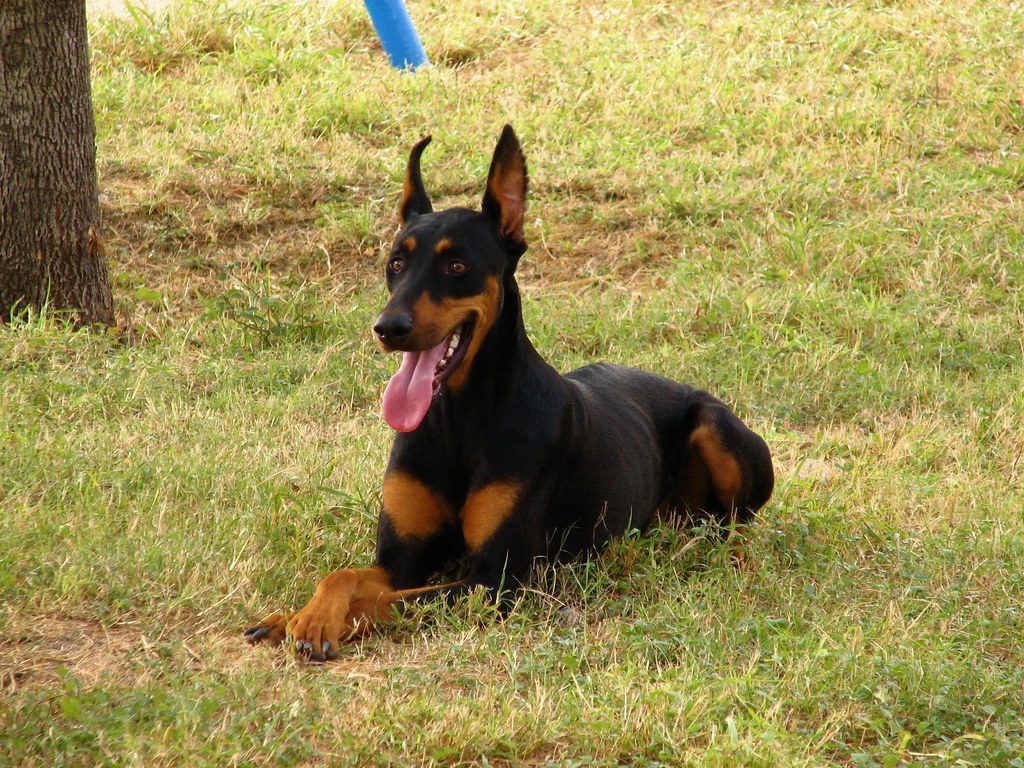
Want a dog that looks like it came straight out of an action movie? According to Britannica, the Doberman Pinscher is as sleek, powerful, and intimidating as they come. But don’t be fooled – behind that fearsome reputation is a deeply loyal and intelligent dog. First-time owners often struggle with their intensity, energy, and strong protective instincts.
The Doberman Pinscher can have a bit of a reputation as a difficult dog. While she has plenty of devoted fans praising her generally loving and loyal nature, there are reasons she has that rep. Developed as a guard dog, the Doberman typically has an innate ability not only to protect her family but also to anticipate danger and threats. These dogs possess an almost psychic ability to read situations and people, often reacting to threats that their owners haven’t even noticed yet. While this makes them exceptional protectors, it also means they require extensive socialization to distinguish between genuine dangers and everyday interactions.
Finding Your Perfect Match
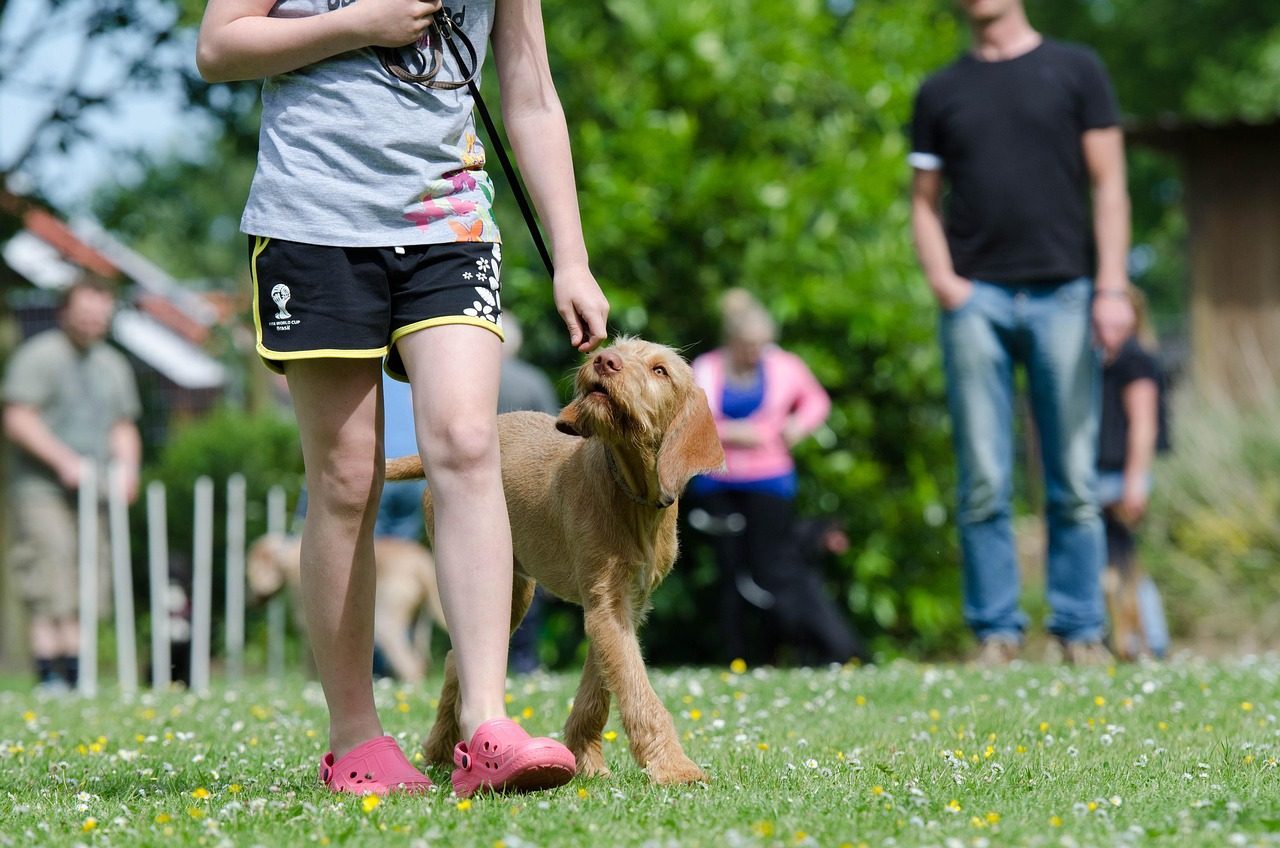
The breeds mentioned aren’t inherently problematic dogs. They’re simply mismatched when paired with inexperienced owners who underestimate their needs. While all pups have unique quirks, certain breeds pose extra training, exercise and health demands better tackled by seasoned owners. Of course, with preparation and an openness to learn, even “difficult” dogs can thrive in loving forever homes.
The key lies in honest self-assessment. Can you provide two hours of daily exercise? Do you have experience with strong-willed personalities? Are you prepared for intensive grooming routines or potential behavioral challenges? While certain breeds carry extra challenges, with proper preparations and realistic expectations, even “difficult” dogs can blossom with first-timers. The key is choosing a pup suited for your unique situation.
Remember, every dog deserves an owner who can meet their needs and appreciate their unique qualities. Sometimes the most rewarding relationships require us to grow into the person our dog needs us to become. What kind of owner are you ready to be?
