
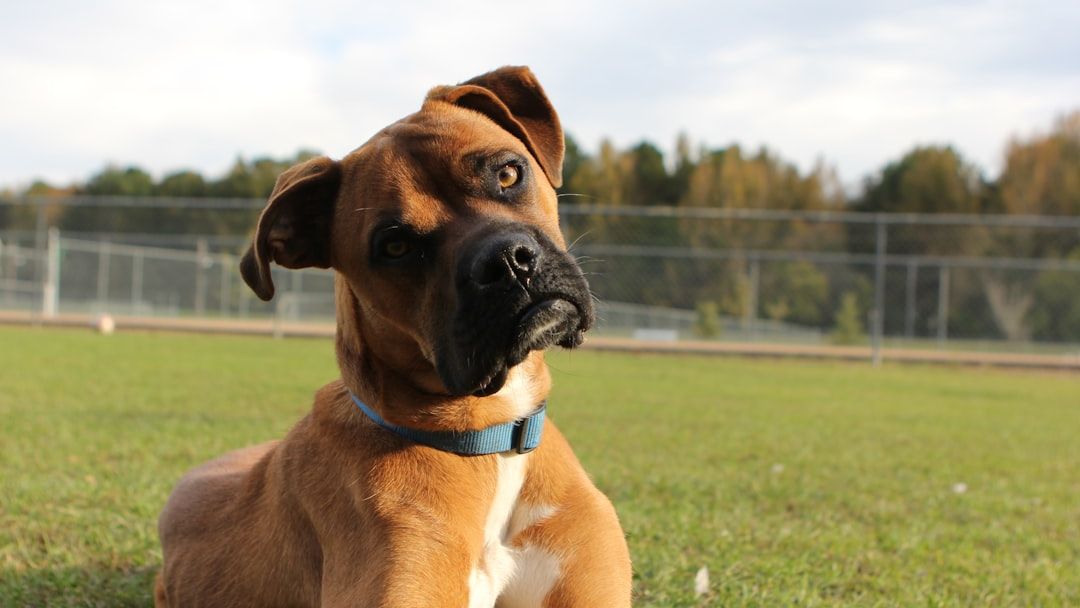
You’ve seen it countless times. You’re talking to your dog, and suddenly that adorable head tilts to one side, ears perked, eyes focused intently on you. It’s one of those moments that melts your heart and makes you wonder what’s going on inside that furry head. This endearing gesture isn’t just random cute behavior, it’s actually a fascinating window into how our dogs process the world around them.
Recent scientific research has begun unraveling the mystery behind this charming canine quirk. From cognitive processing to physical adaptations, the reasons heads are more complex and interesting than you might expect. So let’s explore what’s really happening when your furry friend gives you that signature sideways look.
The Science Behind Those Tilted Heads
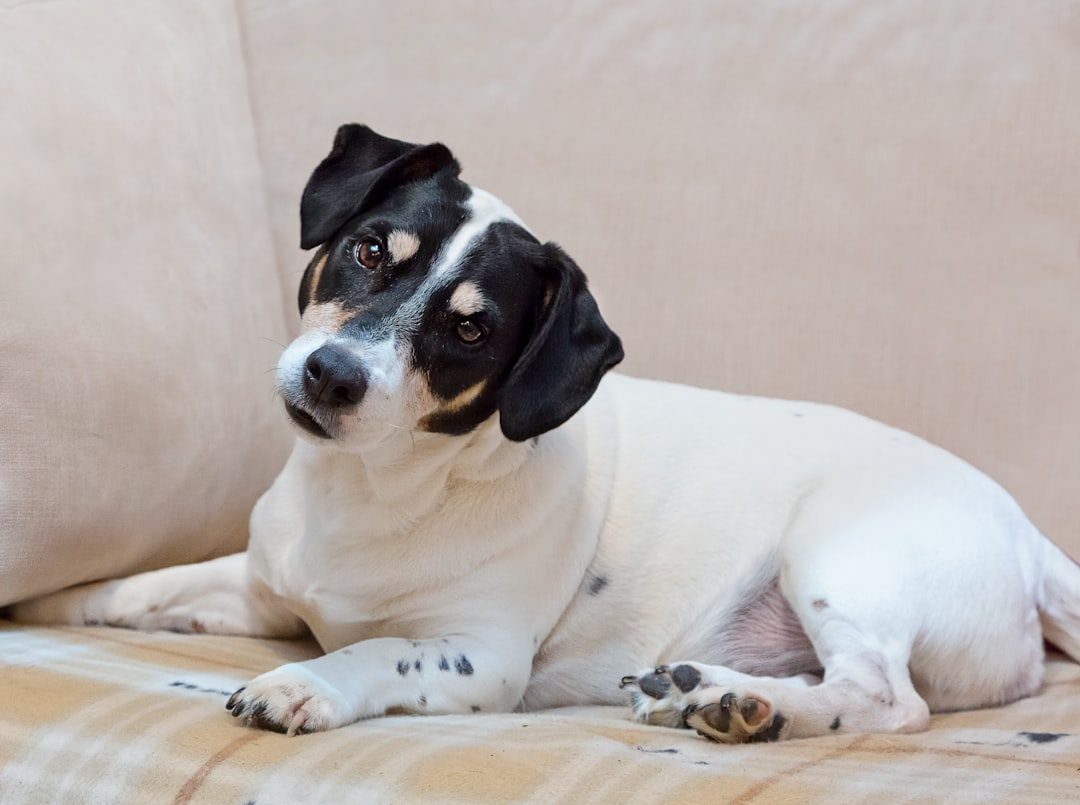
Recent groundbreaking research suggests that head tilting might be a sign of mental processing, particularly when dogs encounter meaningful sounds. Scientists believe this behavior could be linked to high attentiveness or concentration, especially in dogs trying to understand specific commands. Researchers compare it to how humans tilt their heads when remembering stories or forming mental images.
Surprisingly, despite being such a well-known canine behavior, very little scientific investigation had been conducted on head tilting before recent studies. The most compelling research found that “gifted” dogs who could learn toy names tilted their heads forty-three percent of the time when hearing familiar words, compared to just two percent in typical dogs. This suggests something special is happening in those brilliant canine minds.
Smart Dogs and Their Special Tilts
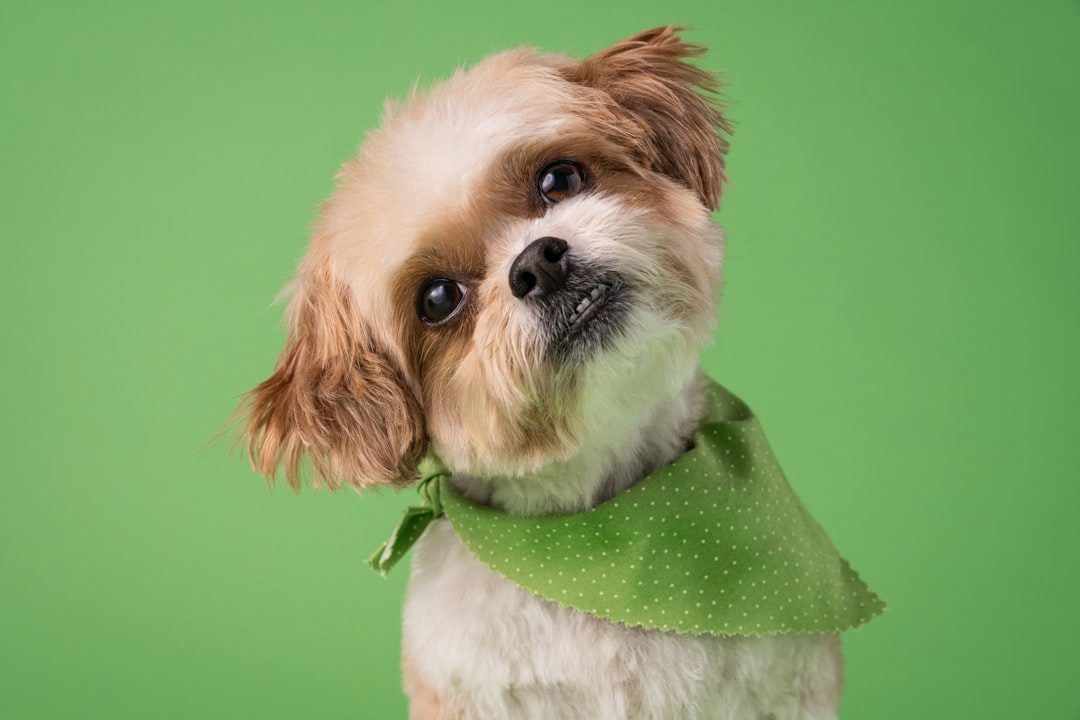
Border collies and other exceptionally intelligent dogs who can memorize the names of multiple toys show significantly more head tilting behavior than average dogs. Only the gifted dogs who had correctly attached meaning to specific words consistently exhibited the tilting behavior. This head tilt appears to be a sign of mental processing, where dogs are matching the toy’s name with a visual memory of it.
Interestingly, these gifted dogs tilt their heads in the same direction regardless of where their owner is standing. This consistency suggests the behavior isn’t about pinpointing sound location but rather about internal cognitive processing. The side preference remains consistent across months of testing, indicating one side of each dog’s brain may favor the mental activity underlying head tilting.
Hearing and Sound Processing
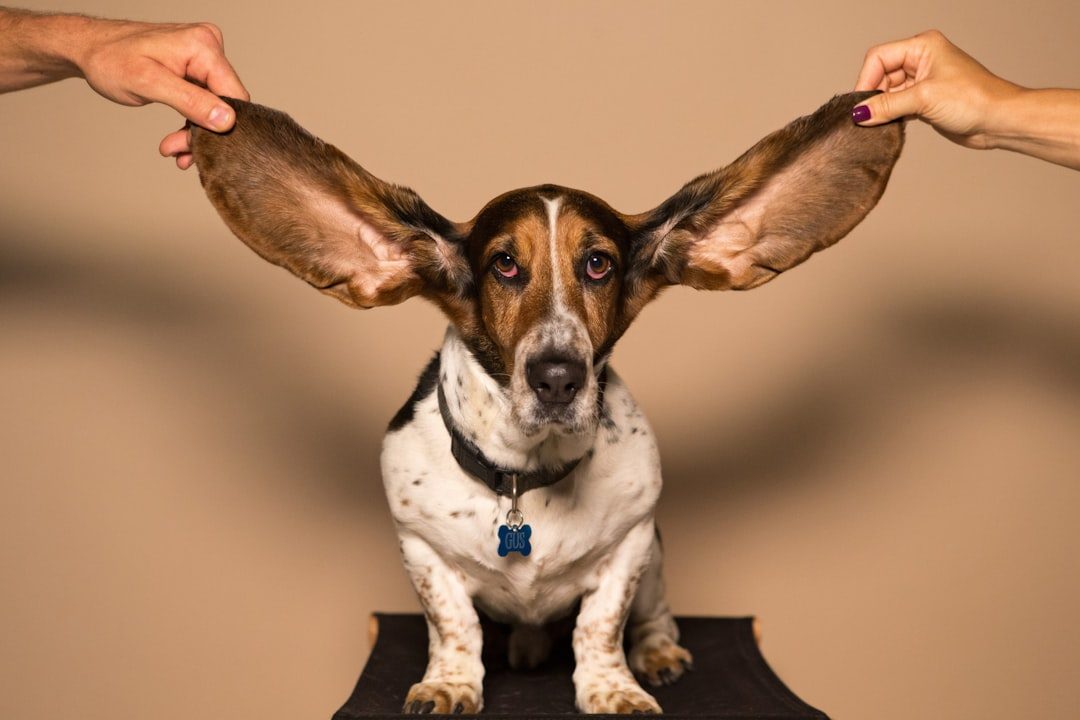
Dogs possess keener hearing than humans and can detect frequencies we can’t hear, but they have more limited directional hearing abilities. Their ear flaps partially cover the ear canal and can interfere with sound transmission, so dogs must adjust their position to optimize sound detection. The movable ear flap allows them to focus on the exact location of sounds.
Dogs perk up their ears and tilt their heads for optimum sound collection, particularly when interesting sounds come from the front. This positioning also helps them judge a sound’s distance by determining the time difference between when the sound reaches each ear. Think of it as your dog’s way of fine-tuning their natural stereo system.
The Vision Connection
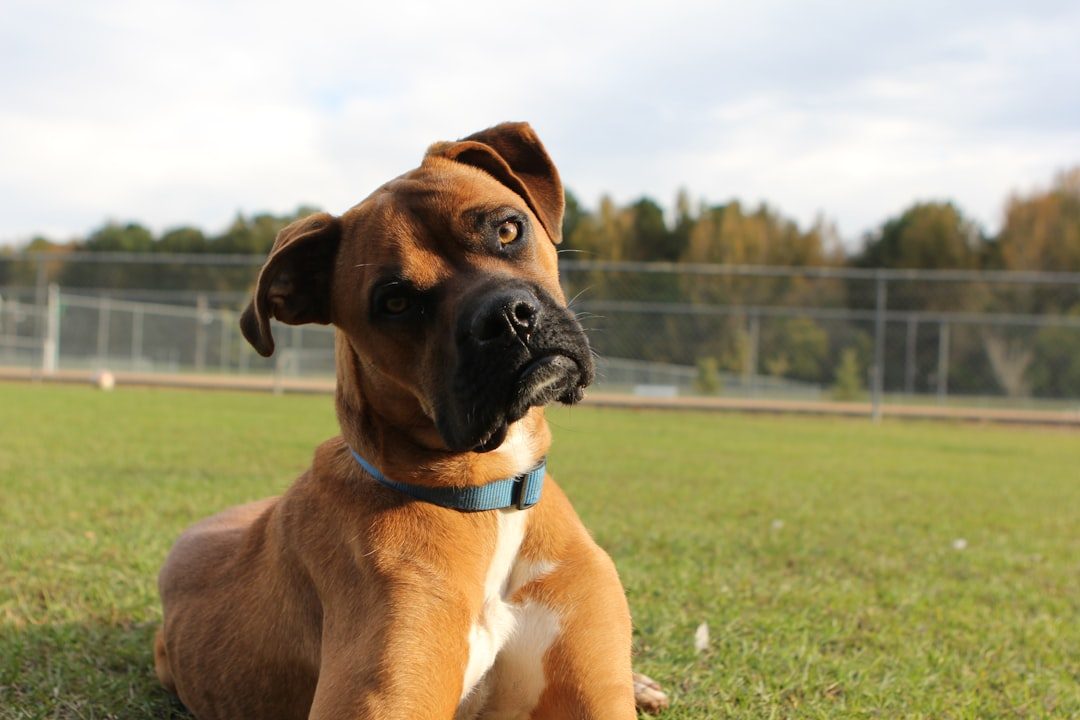
Veterinary behaviorist Stanley Coren hypothesized that dogs tilt their heads to get a better view around their muzzles, which can obstruct their vision when looking at their owner’s face. His research showed that dogs with more pronounced muzzles, like Greyhounds, exhibited head tilting more frequently than flat-faced breeds.
By tilting their heads, dogs work around their interfering muzzles to improve their visual perspective and more clearly see a person’s face. To understand us better, dogs must clearly see our facial expressions, and head tilting may help in this process. It makes sense that dogs with flatter faces may tilt their heads less since their short noses don’t obstruct their view as much.
Communication and Social Bonding
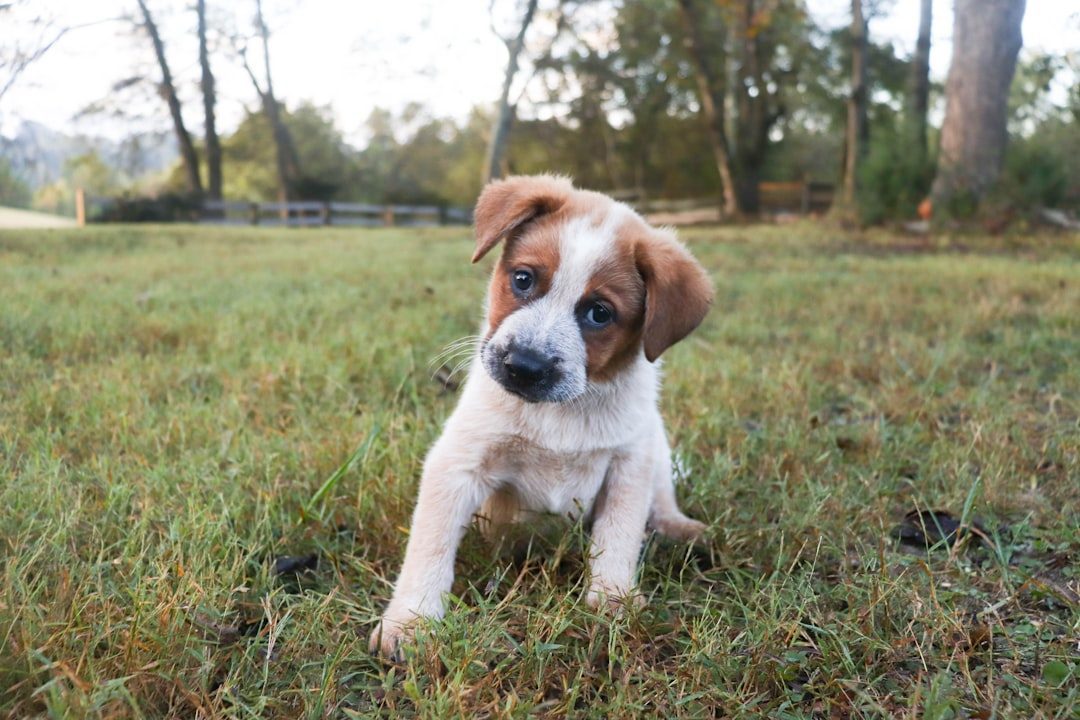
When dogs tilt their heads, they’re trying to hear your words, understand what you’re saying, and show they’re concentrating on you, much like humans nod during conversation to indicate listening. Social dogs that enjoy human interaction typically tilt their heads more often to encourage continued conversation and prolong human contact.
We humans inadvertently reinforce this behavior by cooing, smiling, and praising our dogs when they tilt their heads, and studies show people rate dogs as cuter when their heads are tilted. The behavior most likely repeats because it’s positively reinforced. Your dog has figured out that this adorable gesture gets them exactly the attention they crave.
Breed Differences and Individual Preferences
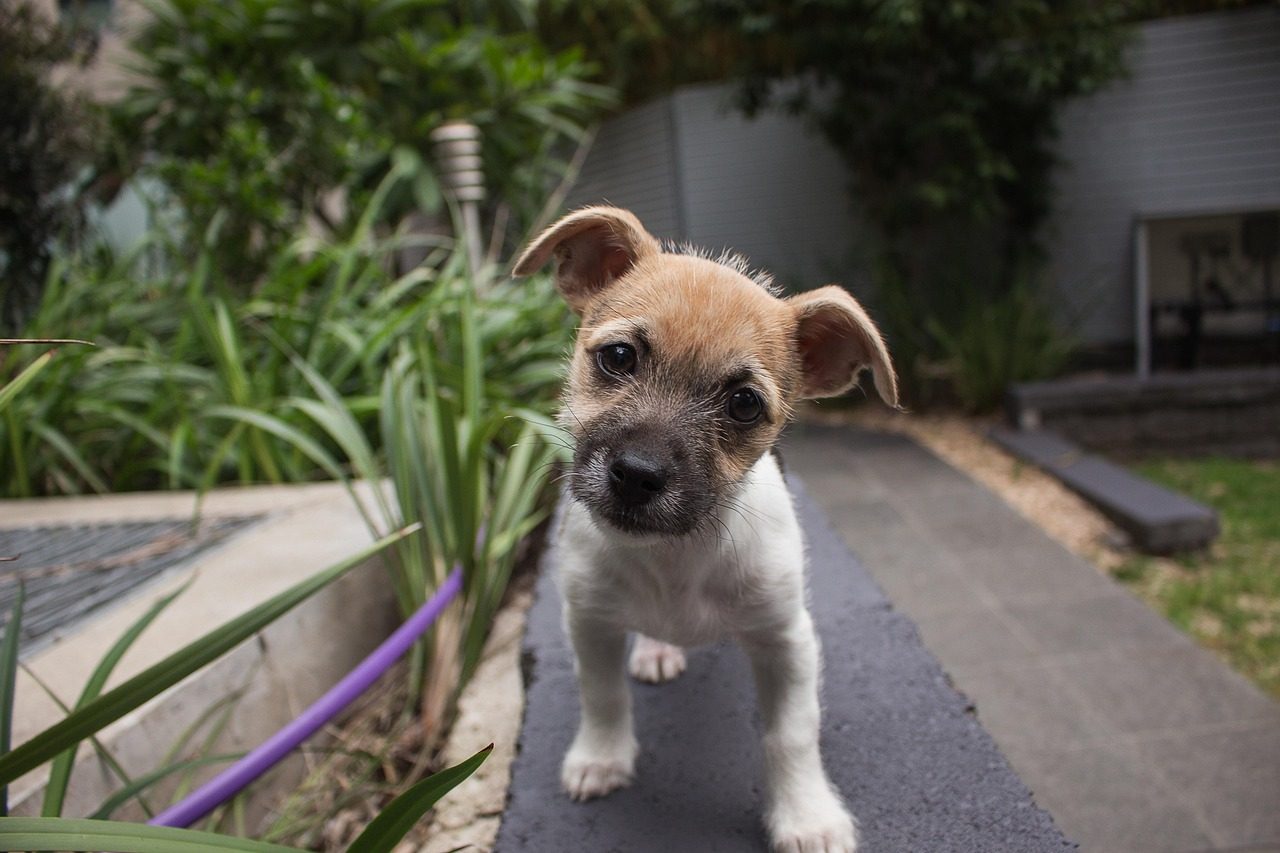
Dogs with long muzzles, like German Shepherds and Greyhounds, may tilt their heads to get a better view since their snouts can block part of their vision. Meanwhile, dogs with floppy ears might tilt to fine-tune their hearing, adjusting their ear flaps to better determine sound direction and distance.
Research has discovered that dogs usually have individual preferences for which direction they tilt, with consistent “right-tilters” and “left-tilters”. Like many animal behaviors, dogs display asymmetrical processing, often favoring one side for various activities including tail wagging and sniffing. This personal preference makes each dog’s head tilt uniquely their own.
When Head Tilting Becomes a Concern

While we love our dogs’ head tilting, persistent or continuous head tilting unrelated to sounds or interactions should prompt a veterinary visit. Vestibular disease in dogs can cause impaired balance, head tilts, and coordination problems among other serious symptoms. Emergency veterinary care is needed if your dog cannot stand at all, is vomiting repeatedly, or shows rapid eye movements that won’t stop.
Ear infections affecting the inner ear are among the most common causes of pathological head tilting, accounting for up to fifty percent of cases. Canine idiopathic vestibular syndrome, also known as old dog vestibular disease, is one of the most common neurological disorders in veterinary medicine. Most dogs with idiopathic vestibular dysfunction recover within days to weeks, though some may retain a residual head tilt.
Understanding why dogs tilt their heads reveals just how sophisticated our canine companions truly are. Whether they’re processing complex information, optimizing their senses, or simply communicating with us, that adorable head tilt represents a beautiful blend of intelligence, adaptation, and social connection. Next time your dog gives you that signature sideways look, you’ll know there’s so much more happening than meets the eye. What do you think about your dog’s head tilting now? Tell us in the comments.
