
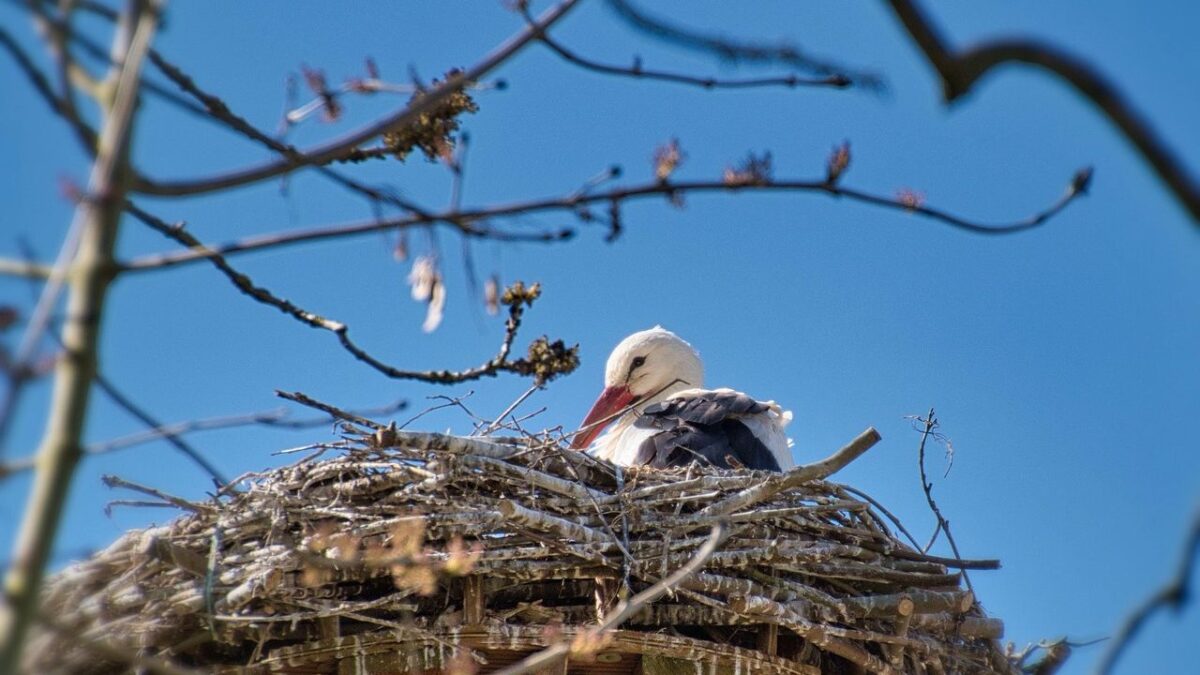
High in the trees or tucked away in shrubs, bird nests might seem like simple bundles of twigs and leaves. Yet these remarkable structures withstand fierce storms, protect precious eggs, and house growing families. The secret lies in principles of engineering that rival our most sophisticated buildings.
From the careful selection of materials to the intricate way they’re woven together, every aspect of serves a purpose. These feathered architects employ strategies that scientists are only beginning to understand, using techniques that could revolutionize human construction. Let’s uncover the engineering marvels hidden in nature’s most humble homes.
Strategic Material Selection

Birds don’t just grab whatever’s nearby when building their nests. Previous studies have suggested that birds and mammals select materials needed for nest building based on their thermal or structural properties. Species like the blue tit have mastered this art, considering their weight and structural properties. By integrating the principles of mass distribution, birds ensure the nests are strong enough to withstand environmental conditions and protect the occupants.
The strategic placement of different materials throughout the nest reveals sophisticated engineering instincts. The outer nests of all species were constructed of significantly thicker, stronger, more rigid and heavier materials than the cup linings. This isn’t random – it’s calculated construction that maximizes strength where it’s needed most.
Layered Construction Design
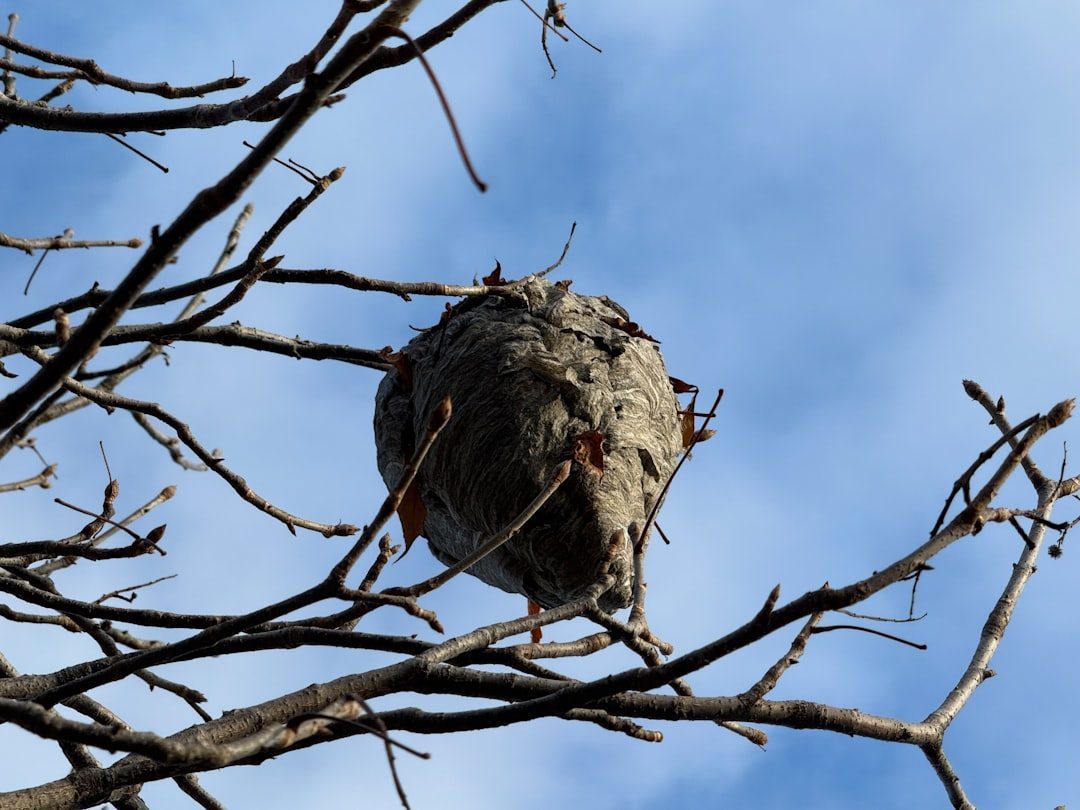
Nests usually have one thing in common, though, and that’s layers – a tougher, more durable outer one, and then getting softer as you go further in. This architectural strategy mirrors how engineers design buildings, with structural elements on the outside and comfort features within. Each layer serves its purpose in the overall strength of the structure.
In the nests of the Common Blackbird Turdus merula, the outer nest was composed of thicker, stronger and more rigid elements compared to the materials present within the structural wall and the cup lining. The outer nest components were more loosely arranged and are suggested to have a role in providing a supporting foundation framework for the nest. This foundation acts like the steel frame of a skyscraper, providing the essential structural support that keeps everything intact.
Interwoven Framework Systems
The genius of nest construction lies in how birds weave materials together. Basal elements also exhibited a higher number of lateral (side) branches which may have helped to keep the structure together; it was noted that these side branches were often interwoven, presumably by the birds when building the nests, to the main nest structure. This interlocking system distributes weight and stress throughout the entire structure.
A bird’s nest is a marvel of natural engineering: a disordered bundle of flexible rods woven into a material that is lightweight and springy, yet cohesive. They found that the friction between strands and the distribution of the strands’ points of contact play a crucial role in determining a nest’s properties. The seemingly random arrangement actually creates a network of mutual support that’s incredibly difficult to break apart.
Load Distribution Mathematics
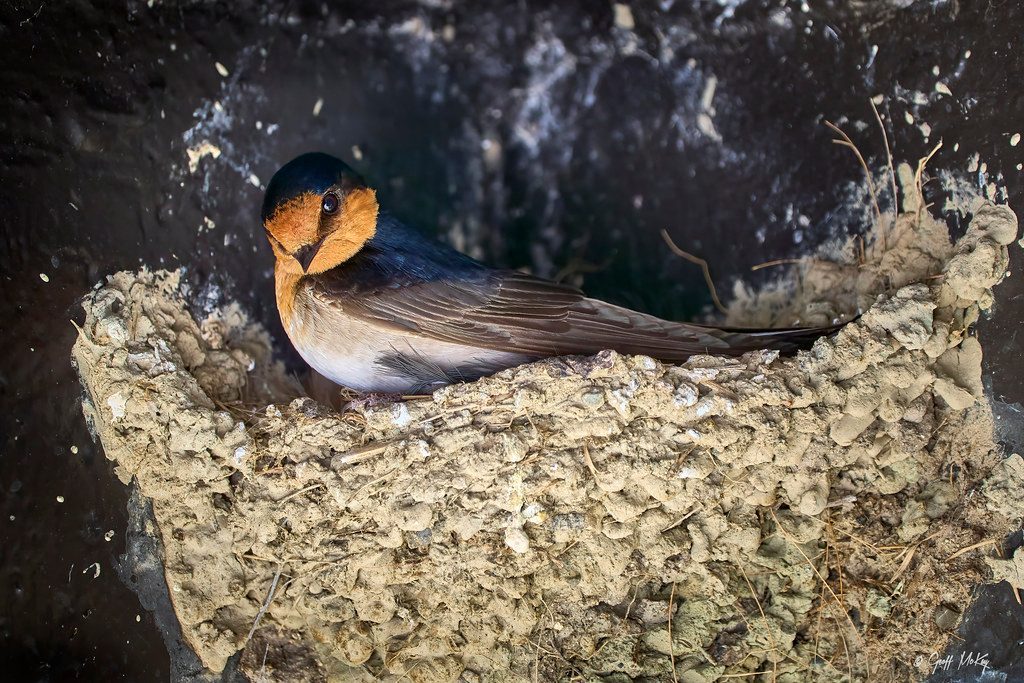
Birds instinctively understand engineering principles that humans spend years learning. The study found that 66 percent of sticks were set at an angle greater than 45 degrees. This shows that birds have a very specific method that they follow while building their homes and helps to answer why nests can withstand wind damage. These angles aren’t coincidental – they’re the optimal configuration for distributing weight and resisting forces.
This is achieved by two design principles: a) a gradually decreasing cross section towards the outer rim; and b) a horizontally biased fabrication strategy, with fibers spreading the stresses in the horizontal direction. Due to these principles, the stresses experienced by the various components of the nest are significantly smaller than the nest’s material fracture strength. It’s mechanical engineering at its finest, all accomplished through instinct.
Flexible Resilience Engineering
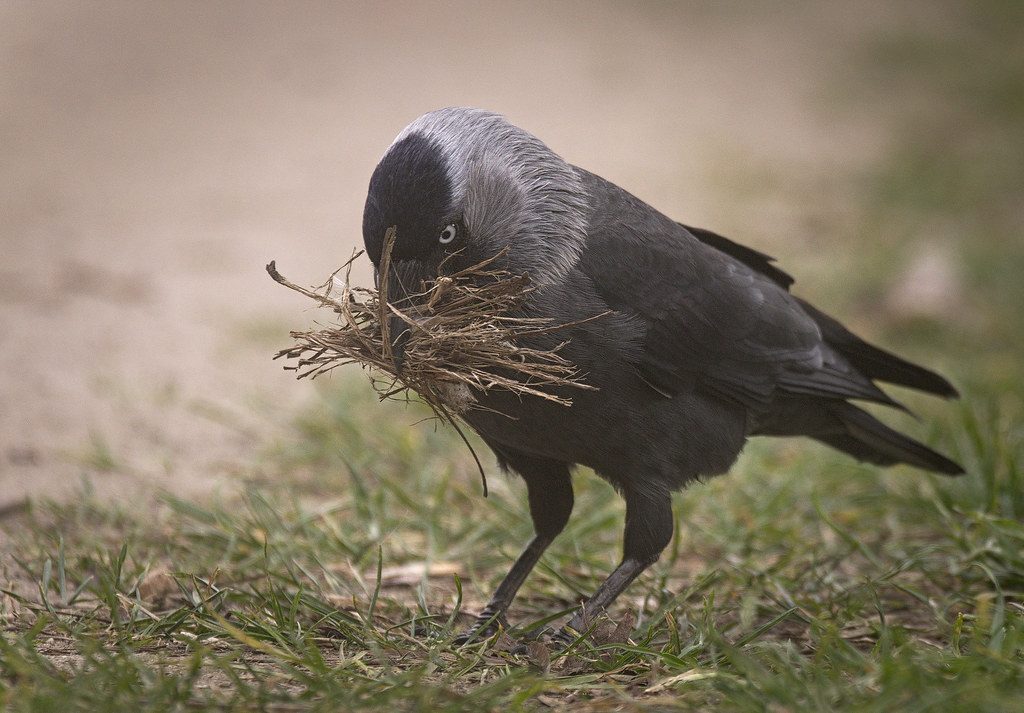
They found that this rod assembly springs back to more or less its original volume when the pressure of the plate is released. And there is hysteresis – the stress-strain curve for compression doesn’t match the one during release. This means nests can absorb impacts and return to their original shape, much like modern shock absorbers.
The flexibility isn’t a weakness – it’s a strength feature. Birds will even use moulted snakeskin if they see any, but a fantastic component that many birds like to use is spider silk. This exceptionally strong and flexible material holds nesting materials together like glue, and provides enough give for the nest to stretch as the chicks grow. This natural engineering allows the structure to adapt to changing loads without breaking.
Redundant Safety Systems
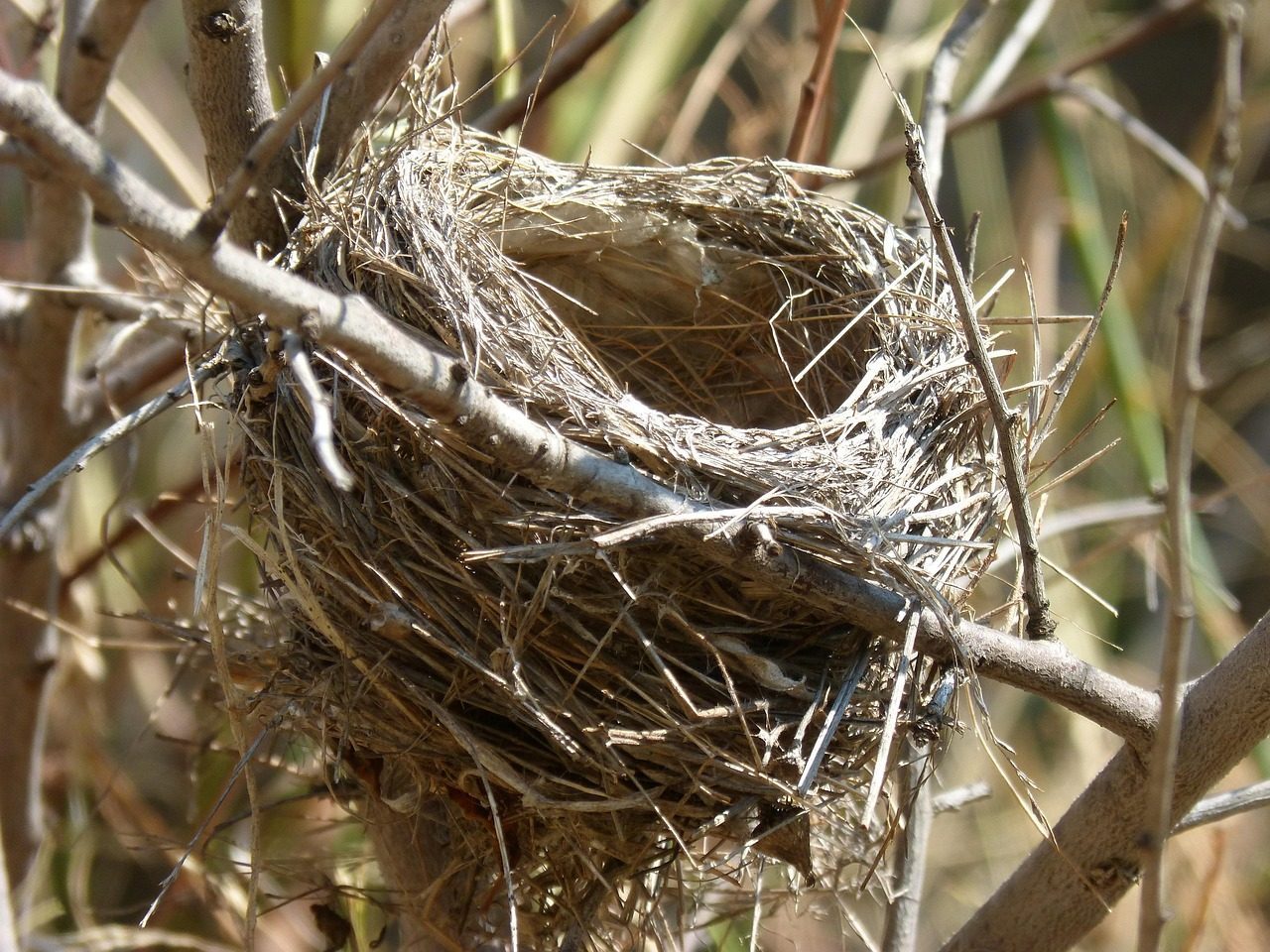
The nests’ response to applied loads of birds and eggs in finite element simulations suggests a mechanical overdesign strategy, which ensures the stresses experienced by its components in any loading scenario are actively minimized to be significantly smaller than the tensile fracture strength of the nests’ material. These findings highlight mechanical overdesign as a biological strategy for resilient, single-material constructions.
This overengineering isn’t wasteful – it’s insurance. Just like how bridges are built to handle far more weight than they’ll ever carry, nests contain multiple backup systems. If one twig breaks or one section weakens, the interwoven network of materials keeps the whole structure stable and secure.
Optimized Geometric Principles
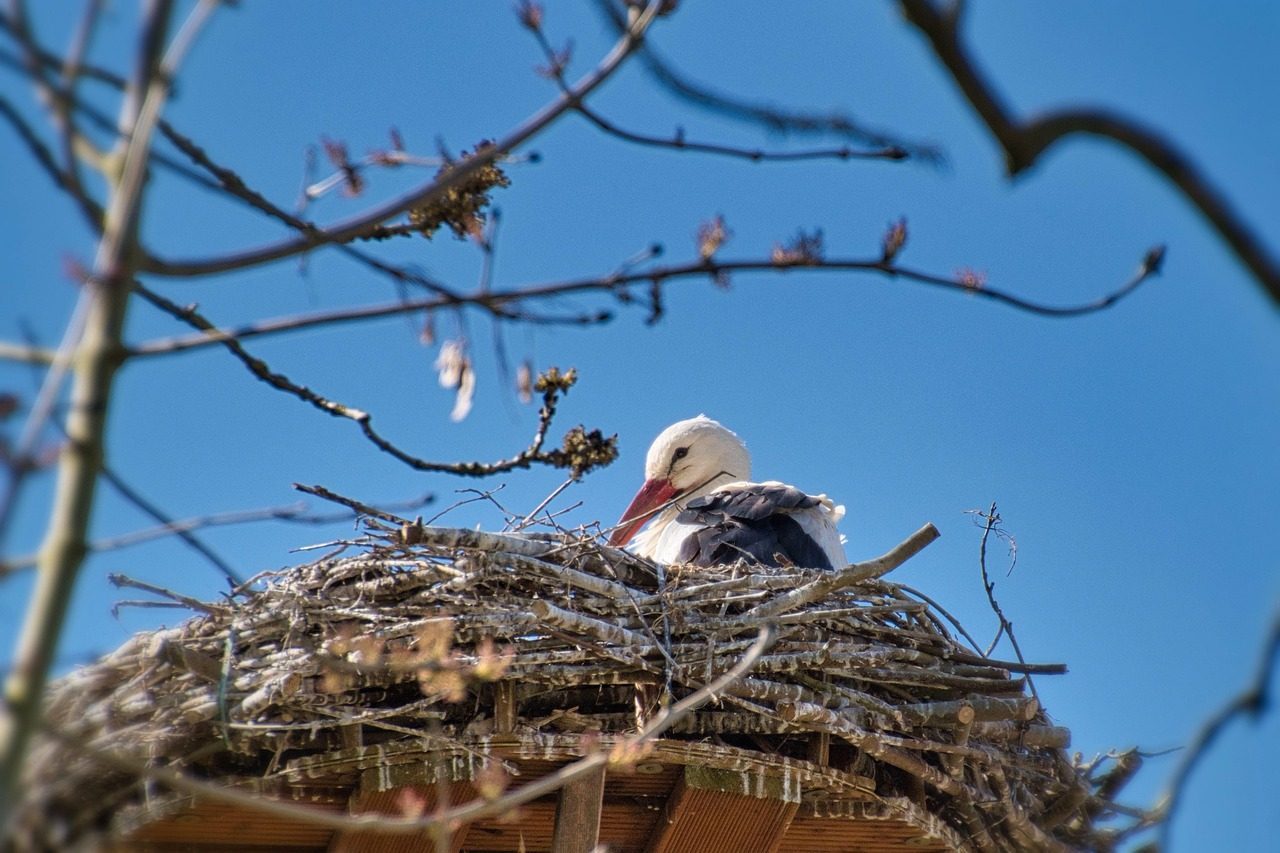
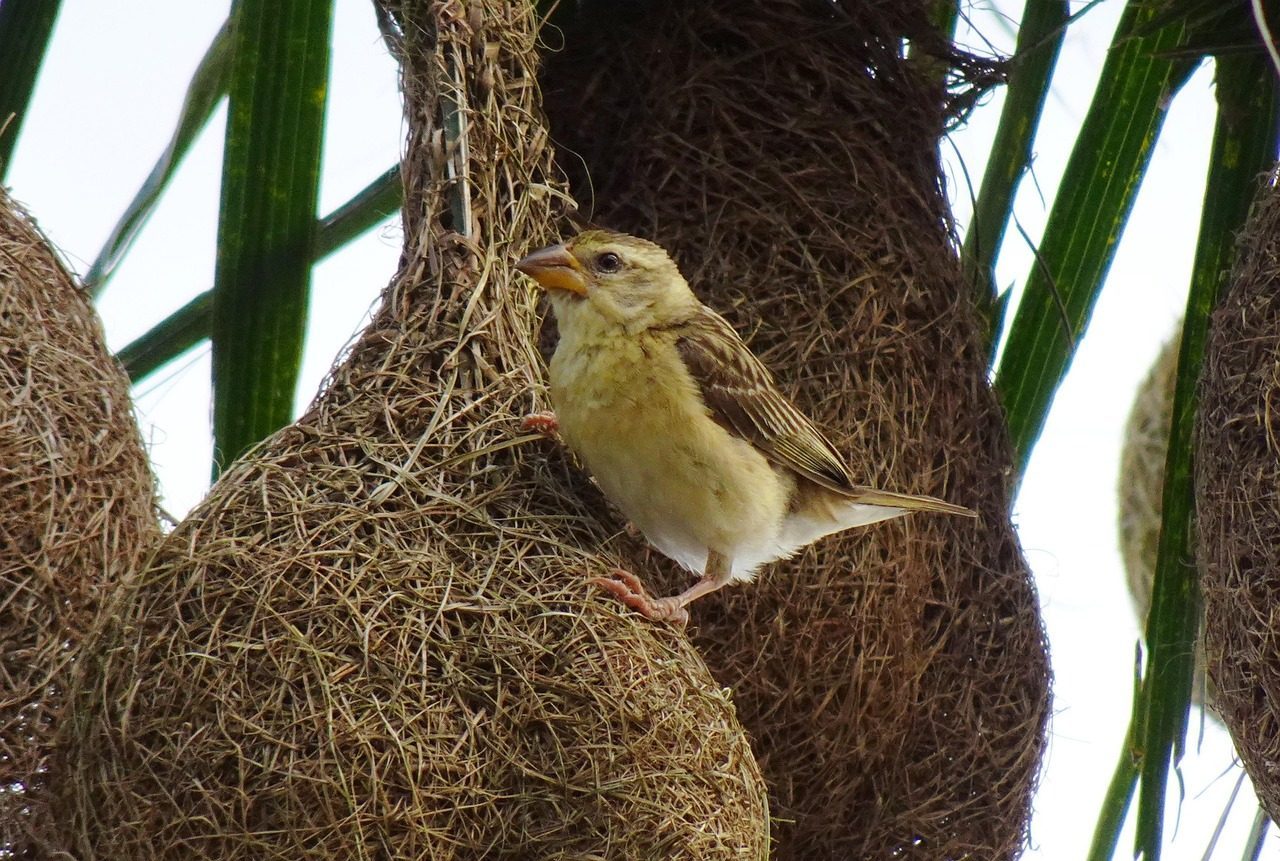
Birds cleverly employ mathematical principles to maximize the volume and surface area of their nests. This optimization ensures sufficient space for eggs and nestlings while maintaining thermal regulation. By constructing retort-shaped nests, like those of the baya weaver birds, they achieve optimal volume-to-surface-area ratios. This shape reduces heat loss, shields from predators, and provides adequate ventilation.
Mathematics plays a vital role in the geometric precision of birds nest construction. Many birds, such as the weaver birds, are master weavers, crafting nests with intricate patterns. They utilize geometry and symmetry to ensure structural integrity and stability. By incorporating precise angles, lengths, and weaving patterns, birds achieve a balance between strength and efficiency. These natural mathematicians create structures that would impress any architect.
The strength of a bird’s nest comes from millions of years of evolutionary refinement. These tiny architects combine material science, structural engineering, and mathematical optimization into packages that weigh mere ounces yet can support families and survive nature’s fury. Perhaps most remarkably, they accomplish all this without blueprints, tools, or engineering degrees.
What do you think about nature’s engineering prowess? Tell us in the comments.
