
Worried about unexpected vet bills?
Pet insurance can cover thousands in unexpected vet costs. Get a free quote from Lemonade in under 2 minutes.
Get My Free Quote →Sponsored · Opens Lemonade.com
Picture this: sunrise breaking over rolling fields, the gentle sound of cattle moving to pasture, and at the center of it all, your faithful canine companion working alongside you like they were born for this exact moment. Honestly, there’s something truly magical about watching the right dog thrive in a farm environment. Yet choosing the perfect breed for your agricultural lifestyle isn’t as simple as picking the most beautiful pup at the local shelter.
The truth is, not every dog breed can handle the demands of farm life. Some need the structured comfort of suburban backyards, while others crave the endless horizons and purposeful work that only rural living can provide. Let’s explore which four-legged partners will make your farming journey not just easier, but genuinely joyful.
Understanding What Makes a Great Farm Dog
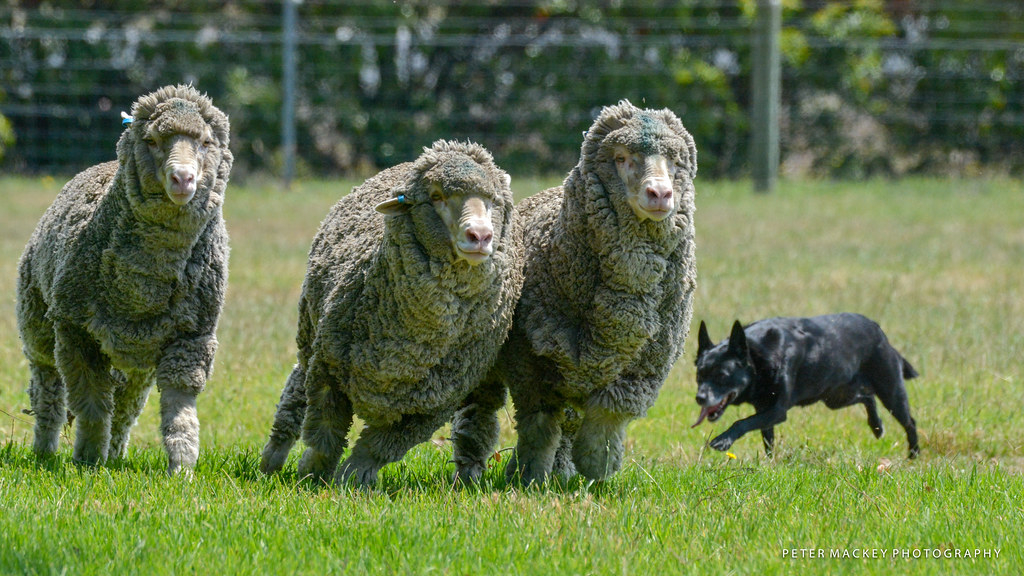
When you step back and really think about what farm life demands from a canine companion, the requirements become crystal clear. Working around the farm can be grueling, requiring hours of daily work for a pooch. Accordingly, all farm dogs must have drive, stamina, and intelligence – couch potatoes need not apply.
The best farm dogs possess an almost magical combination of traits that city dogs simply don’t need. A good dog can serve not only as a companion, but also as a protector and a help with some farm chores, such as rodent control, herding, and guarding livestock. They need that special kind of intelligence that lets them make independent decisions when you’re busy in another field.
There is no room for loose cannons, as a farm is a business, and a four-footed helper must make your life easier – not harder. Think of your ideal farm dog as a reliable employee who happens to have four paws and an unshakeable work ethic.
Herding Champions: Border Collies and Australian Shepherds
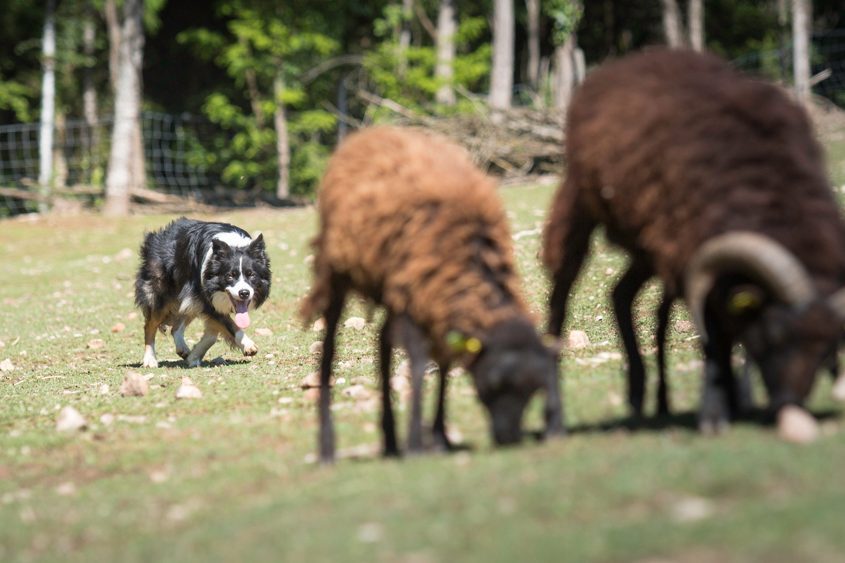
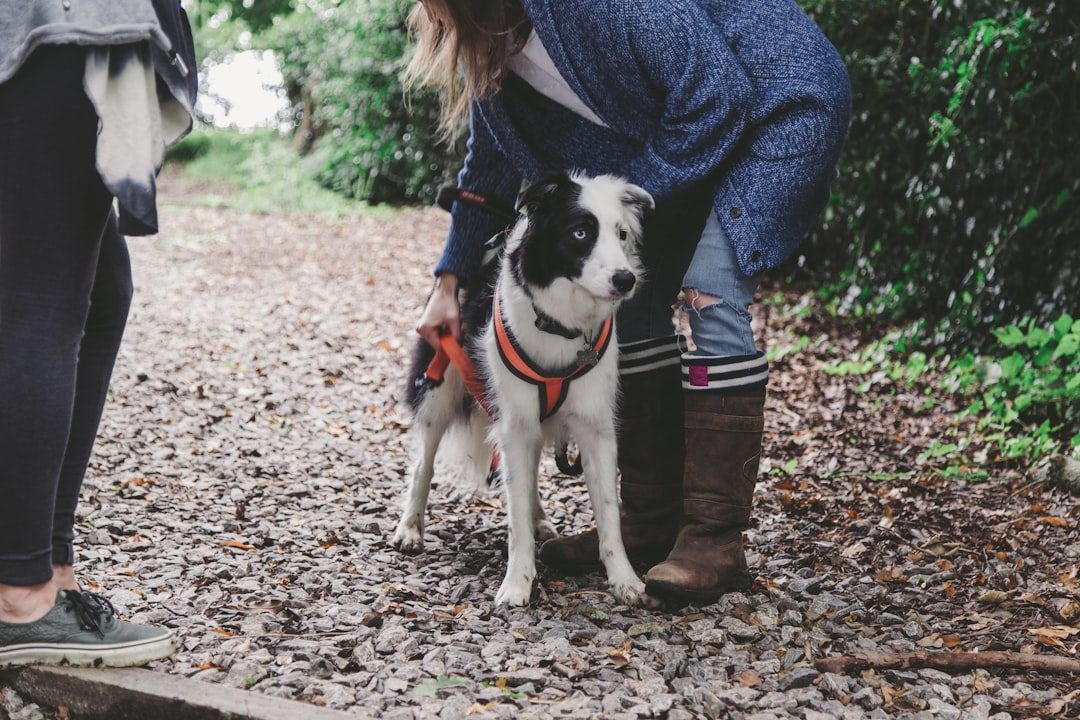
If there’s one breed that practically defines “farm dog,” it’s the Border Collie. Border Collies have endless energy and a strong work ethic, which might make them the ultimate farm dog. Their astuteness and intuition make them easy to train, and their gentle and loving nature makes them excellent companions at home, as well.
Australian Shepherds earn their place right alongside Border Collies in the herding hall of fame. Australian Shepherds or “aussies” are a midsize breed known for their intelligence and herding instincts. Fast learners and always ready to work, these dogs are great for herding sheep, cows or even kids. They bring that perfect blend of work focus and family friendliness that makes them shine in both pasture and living room.
Both breeds share an almost uncanny ability to read livestock behavior and anticipate their next moves. Their innate herding instinct allows Border Collies to easily gather, move and control livestock with precision. Combined with their insatiable work ethic, the Border Collie may be the ultimate herding breed.
The Mighty Guardians: Great Pyrenees and Anatolian Shepherds
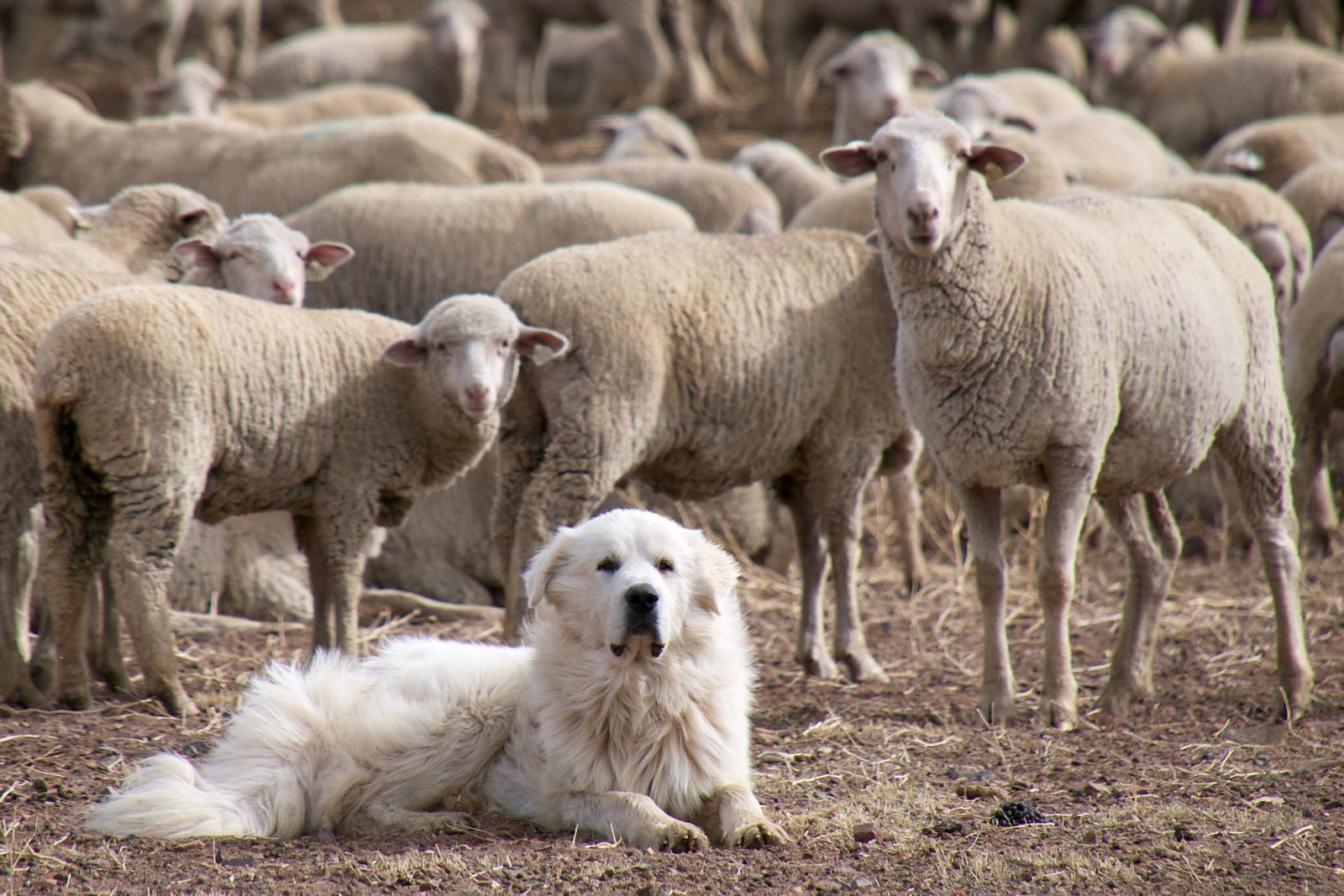
Underneath the calm and gentle exterior of the Great Pyrenees lies a fierce, dedicated protector. These massive, fluffy giants were literally born to guard livestock, and they approach this job with the seriousness of a professional security team.
Anatolian Shepherd dogs are devoted protectors with imposing size, strength and presence. The large canines have historically served as guardians of sheep and other livestock. These dogs don’t just deter predators through their intimidating appearance, they’re genuinely prepared to face down wolves, coyotes, and other threats to your animals.
What truly sets guardian breeds apart is their independence. They are independent, and once trained, they can make the right decisions without their master standing over them. This means they’ll patrol your property and protect your livestock even when you’re sleeping soundly in your bed.
Versatile Workers: German Shepherds and Australian Cattle Dogs
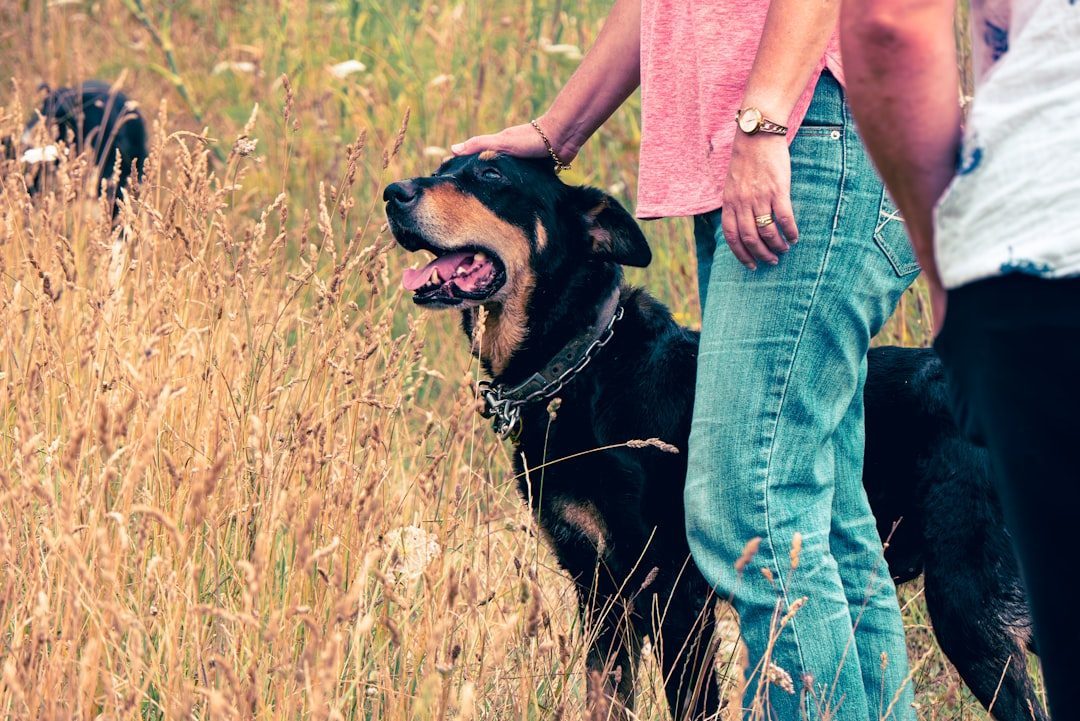
German Shepherds represent the Swiss Army knife of farm dogs. Highly trainable and extremely intelligent, the German Shepherd is perhaps the ideal candidate for farm work. Their physical capabilities – strength, stamina and agility – are matched by an almost incomparable work ethic.
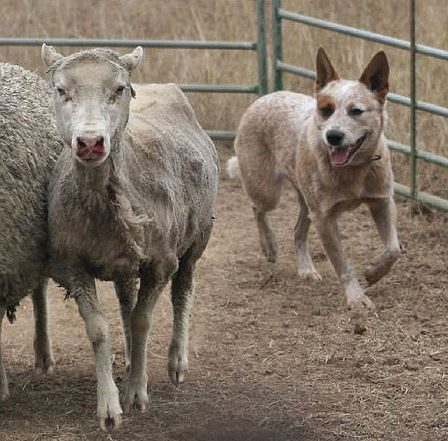
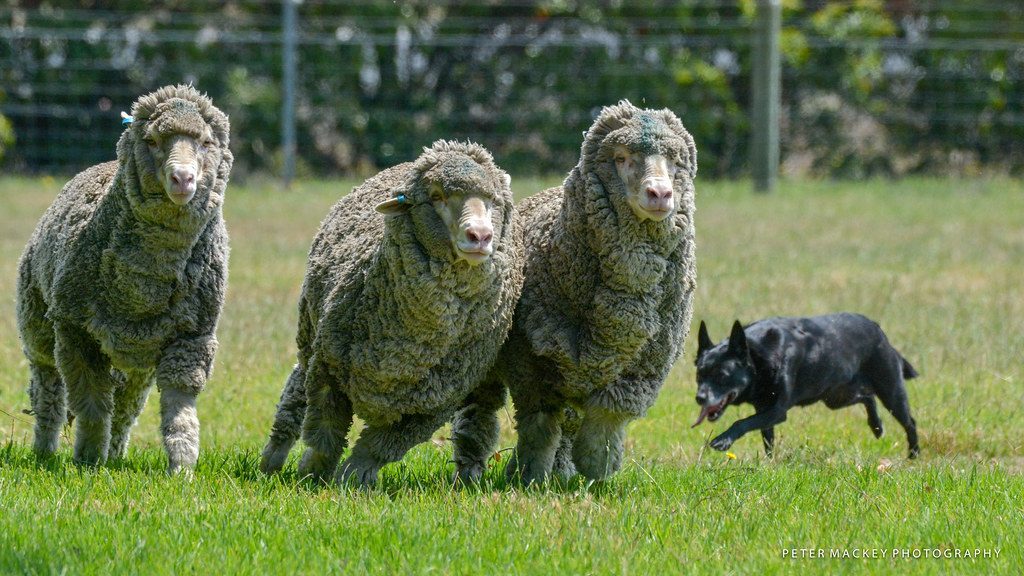
Australian Cattle Dogs are known for being quick and agile and will nip at the heels of livestock to herd them along – they’re definitely the best farm dogs for cattle herding. These compact powerhouses earned their reputation working the vast Australian ranches, where toughness and endurance weren’t just preferred qualities, they were survival necessities.
Both breeds excel at adapting to whatever task you throw at them. The Australian cattle dog’s quick wit and drive lend well to farm life, where he’ll happily round up livestock or chase off vermin like rabbits. Like his Aussie friend, he’s tireless when it comes to work and will jump from job to job without much fuss.
Small but Mighty: Terriers and Compact Heroes
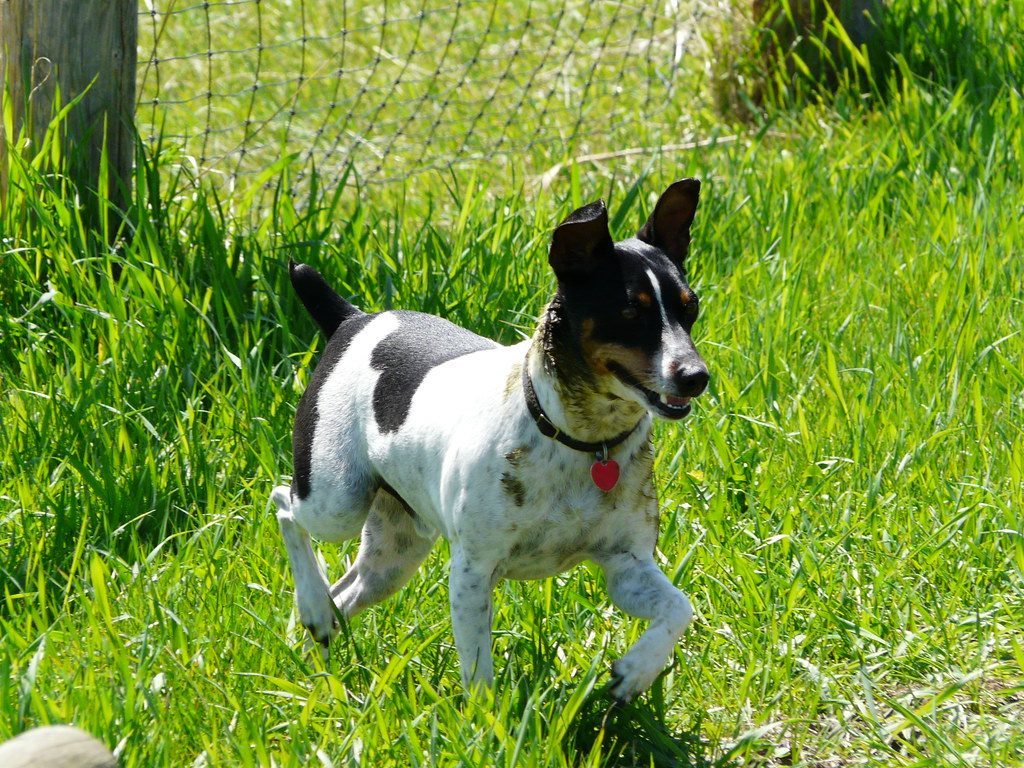
Don’t underestimate the power of smaller breeds when it comes to farm work. Small but mighty, they are “very high energy dogs and thus well suited to the open spaces of a farm,” according to Dr. Hunt. “Their best farm job is in rodent control. Extremely effective at killing rats, the JRT can be a valuable addition to farms where grain is stored.”
Small but mighty, the Pembroke Welsh Corgi might not be the first breed to come to mind when you need a hardy herding dog but these pint-sized canines are bred to work. From cows to sheep, these dogs are agile and quick despite their compact size. Queen Elizabeth II’s love for these dogs wasn’t just about their cute factor, it was recognition of their genuine working ability.
Although perhaps not traditionally regarded as a farm dog, the unique hunting characteristics of the Dachshund can be a valuable asset when it comes to removing vermin. Their long, low-slung bodies – combined with an alert nature and a propensity for hunting – enables the Dachshund to track and hunt smaller animals like badgers, rodents and rats. This can protect against damage to crops or stored supplies on the farm property.
Health and Safety Considerations for Farm Dogs
Farm dogs face unique health challenges that house pets rarely encounter. All dogs should receive vaccinations against parvo, rabies, adenovirus, parainfluenza, and distemper. Vaccinations are essential for outside dogs because they may come into contact with wildlife. Vaccines are crucial for preventing the spread of disease between wild and domestic animals.
Fleas, ticks, and internal parasites like heartworms aren’t just an annoyance – protecting your dogs against parasite infestations could save their lives. It’s crucial for dogs living outdoors to take preventative medication since they encounter so many parasites in the grass and soil. Think of parasite prevention as insurance for your hardworking companion.
Weather protection is absolutely critical for outdoor working dogs. Heat, snow, intense wind, rain, and dust storms can be problematic for dogs living outdoors. Keep your dogs safe and comfortable during adverse weather by building outdoor shelters or bringing them inside during inclement weather. Many dogs thrive in extreme temperatures, but they should have the option of taking refuge when they want to.
Training and Socialization for Success
The foundation of any successful farm dog starts with proper training and early socialization. If your dogs will be around other animals on your homestead or farm, introduce them to these animals as puppies. This early exposure creates dogs who see livestock as family members to protect rather than prey to chase.
Boundary training becomes especially crucial for farm dogs who have access to vast open spaces. Teach your dogs to stay on your property. Farm dogs that roam beyond the boundaries of your fence may harass your neighbors’ livestock or pets, which can lead to dangerous conflicts.
Early socialization is critical. Expose your farm dog to various animals, environments, and situations from a young age. Controlled interactions, positive reinforcement, and gradual introduction to farm life help develop well-adjusted working dogs. Think of socialization as building your dog’s confidence and judgment, essential traits for independent farm work.
Conclusion
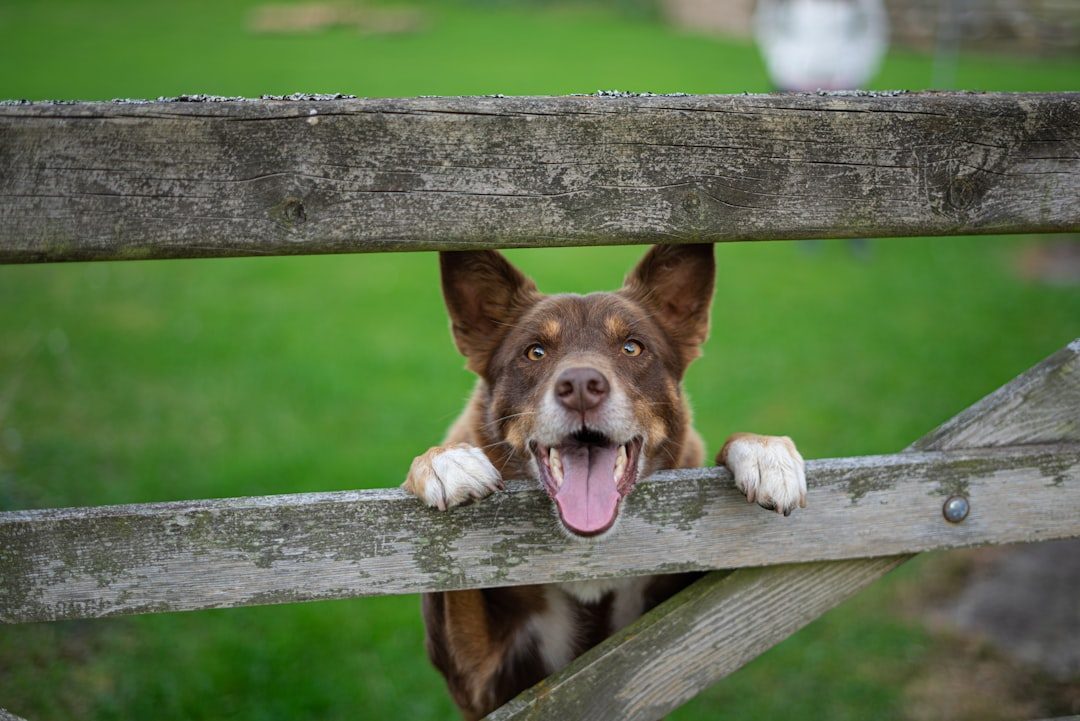
Choosing the right farm dog isn’t just about picking a breed that can survive rural life, it’s about finding a partner who will thrive alongside you as you build something meaningful from the ground up. The best farm dogs become extensions of yourself, anticipating needs, solving problems, and providing that steady companionship that makes even the hardest days bearable.
Whether you choose the intense intelligence of a Border Collie, the protective instincts of a Great Pyrenees, or the versatile capabilities of a German Shepherd, remember that individual personality matters just as much as breed characteristics. Take time to meet potential dogs, observe their behavior, and trust your instincts about which one feels like the right fit for your specific farming operation.
What kind of farm dog do you think would be the perfect match for your agricultural dreams? Tell us in the comments.
Worried about unexpected vet bills?
Pet insurance can cover thousands in unexpected vet costs. Get a free quote from Lemonade in under 2 minutes.
Get My Free Quote →Sponsored · Opens Lemonade.com

- How Muskrat Behavior Can Indicate Climate Change in The Carolinas - June 6, 2026
- What Ancient Animal Symbolizes Prosperity for Your Zodiac Sign? - June 6, 2026
- The US States With the Most Elk - June 6, 2026