
Picture this: You’re searching for a truly extraordinary wildlife encounter, something that will make your friends lean forward with wide eyes when you share your story. While millions flock to see Yellowstone’s famous geysers or the Grand Canyon’s breathtaking vistas, there’s a secret world of remarkable creatures hiding in plain sight across America’s national parks. These aren’t your typical tourist attractions.
I’ve spent years exploring the quieter corners of our park system, and honestly, some of the most incredible animal discoveries happen when you least expect them. From salamanders with names like “snot otter” to tiny fish living in underground pools, these hidden gems will completely change how you think about wildlife watching. So grab your binoculars and prepare to discover nature’s best-kept secrets.
The Mysterious Hellbender of the Great Smokies
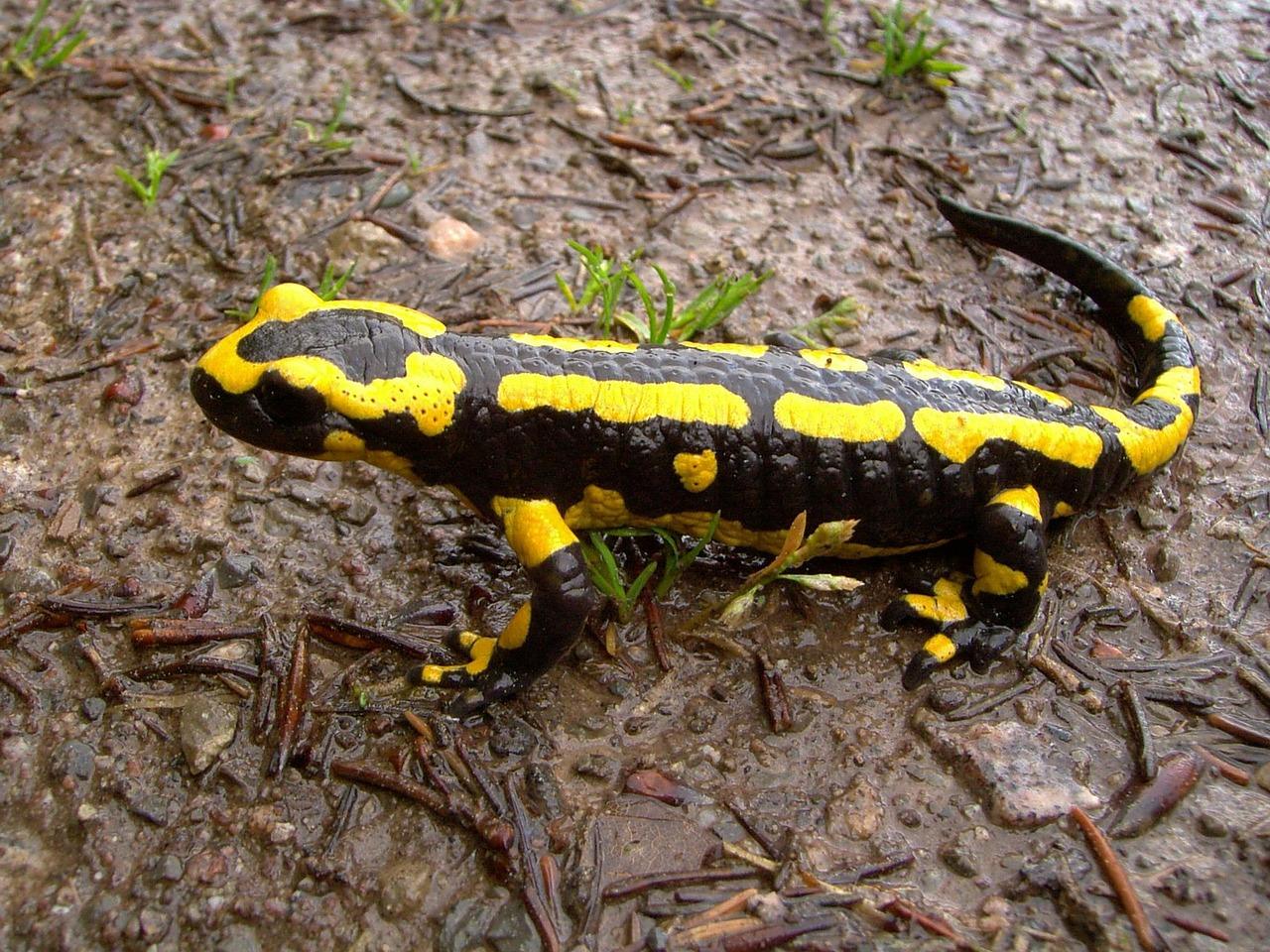
This creature’s unusual appearance has inspired such colorful nicknames as “mud devil,” “water dog,” “snot otter,” and “old lasagna sides.” The curious amphibian is North America’s oldest and largest salamander, growing up to two feet long. When you first encounter a hellbender in Great Smoky Mountains National Park, you might question what you’re actually looking at. It is also an example of “divergent evolution” – though the hellbender has Asian ancestors in China and Japan dating back 160 million years, there are no other species like them anywhere else on the planet.
An endangered animal, hellbenders rely on clear, clean water to survive, and their populations have been in steep decline for several decades. These ancient creatures serve as living indicators of water quality. If you spot one during your visit to the Smokies, consider yourself incredibly fortunate to witness a piece of prehistoric history that has survived for millions of years.
Desert Tortoises: The Mojave’s Living Legends
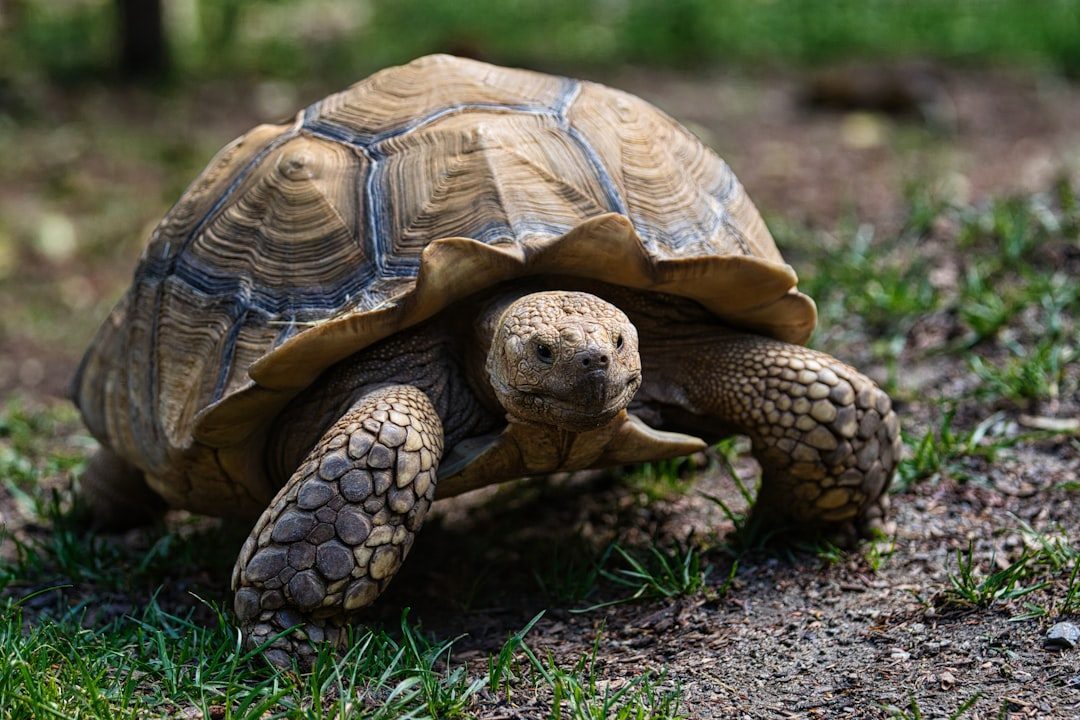
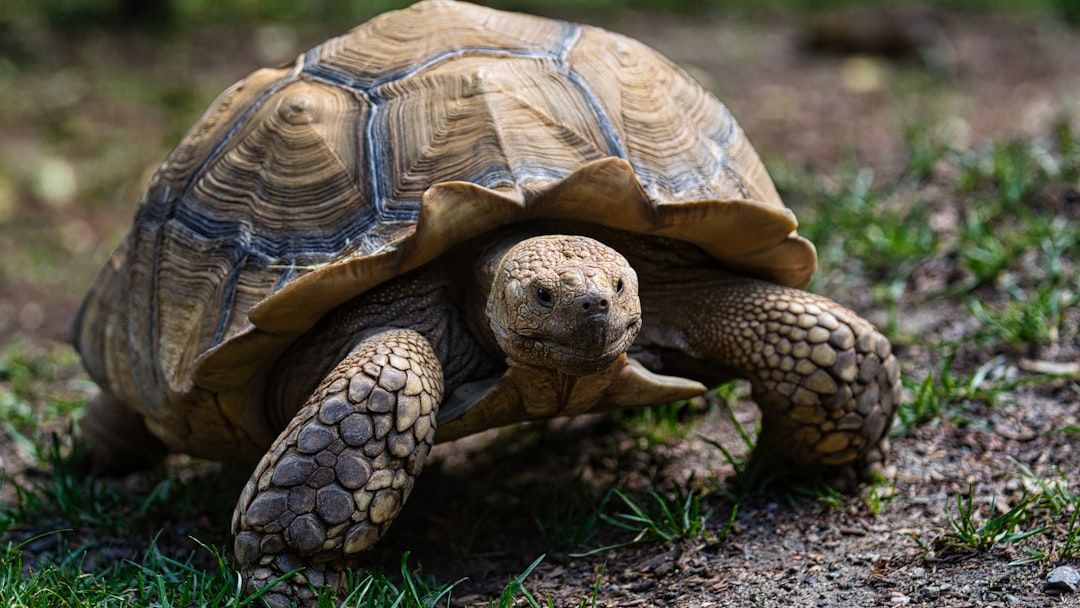
The rarest animal you might encounter in Death Valley is the threatened desert tortoise. While its range extends through much of Southern California and parts of Nevada, Arizona, and Utah, the desert tortoise is unfortunately facing several threats, most notably habitat destruction and invasive species. These remarkable survivors can live over 100 years and have adapted to one of the harshest environments on Earth. Their shells tell stories of decades spent navigating the unforgiving desert landscape.
Declining desert tortoise populations could have devastating effects on the entire Mojave ecosystem, making their conservation all the more critical. Death Valley National Park provides much-needed protection for these remarkable animals, though they do face risk from vehicle collisions. When driving through the park, always watch out for the desert tortoise’s distinctive domed, patterned shells along the roads. Finding one basking in the morning sun feels like discovering a natural treasure chest.
Javelinas: The Southwest’s Quirky Wanderers
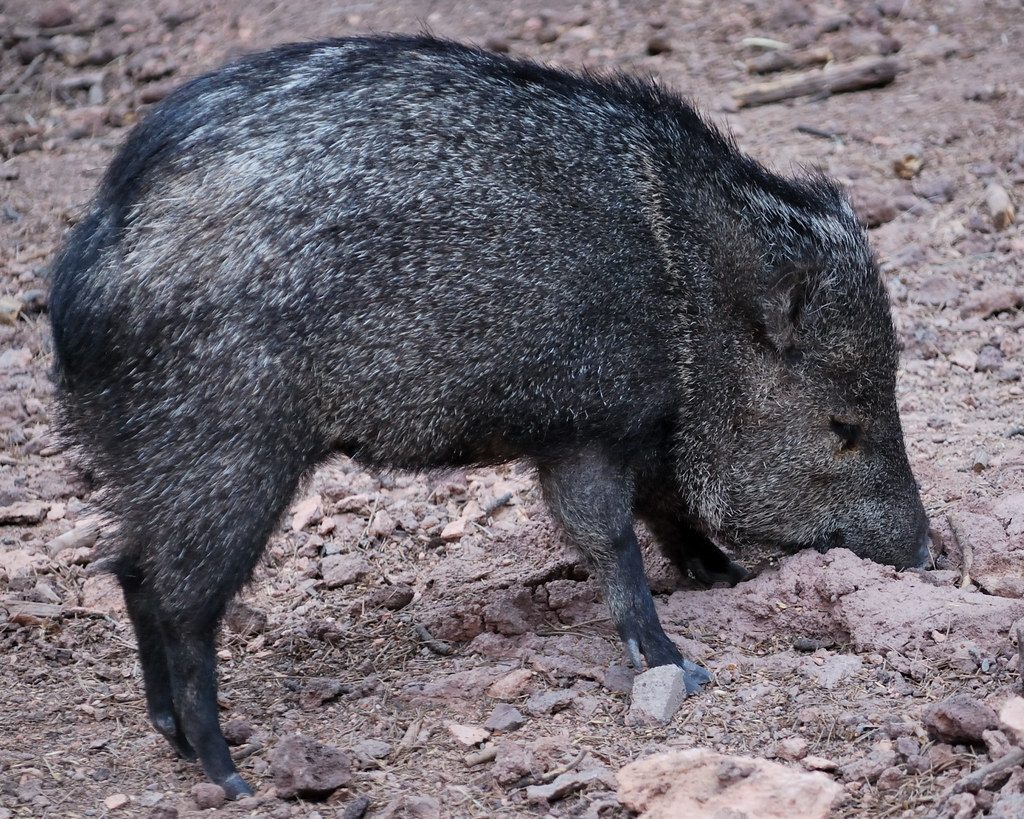
It looks like a cross between a hog and an aardvark, but the javelina is actually neither. These Southwestern mammals are more technically known as collared peccaries, though they are also sometimes called musk hogs and skunk pigs, due to the strong scent glands they use to mark their territories. These fascinating creatures roam through places like Big Bend National Park with their unique social dynamics on full display.
The javelina defends itself with its long tusks, which sharpen every time the animal closes its mouth; when threatened, it will rub its tusks together to make a chattering noise. Herds of javelina can sometimes be a nuisance in suburban areas, feeding on garbage and garden plants, but for the most part, they ignore humans. Watching a family group communicate through soft grunts and squeaks while they forage creates an unexpectedly endearing wildlife moment.
Burrowing Owls: The Ground-Level Hunters
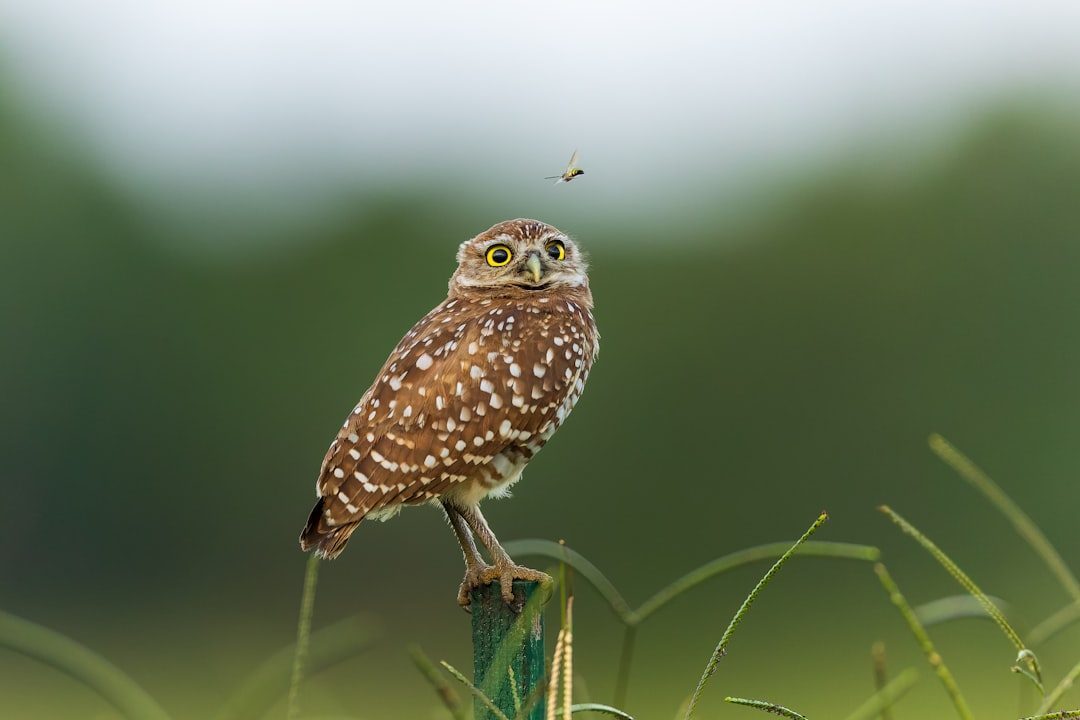
One of the smallest owls on the continent, this feathery predator lives in burrows that other animals such as prairie dogs and skunks have already excavated (though it will sometimes dig its own). Unlike other owls, these birds are diurnal, meaning that they are active during the daytime rather than at night. Finding these charming hunters in parks like Badlands or Everglades requires patience and sharp eyes.
Its unusually long legs help the animal raise itself up for a better view from where it perches on the ground. The burrowing owl lacks the ear tufts that are common in many woodland owl species – but its fluffy white “eyebrows” more than make up for it in charm. These owls have mastered the art of looking simultaneously fierce and adorable.
California Condors: Giants of the Grand Canyon
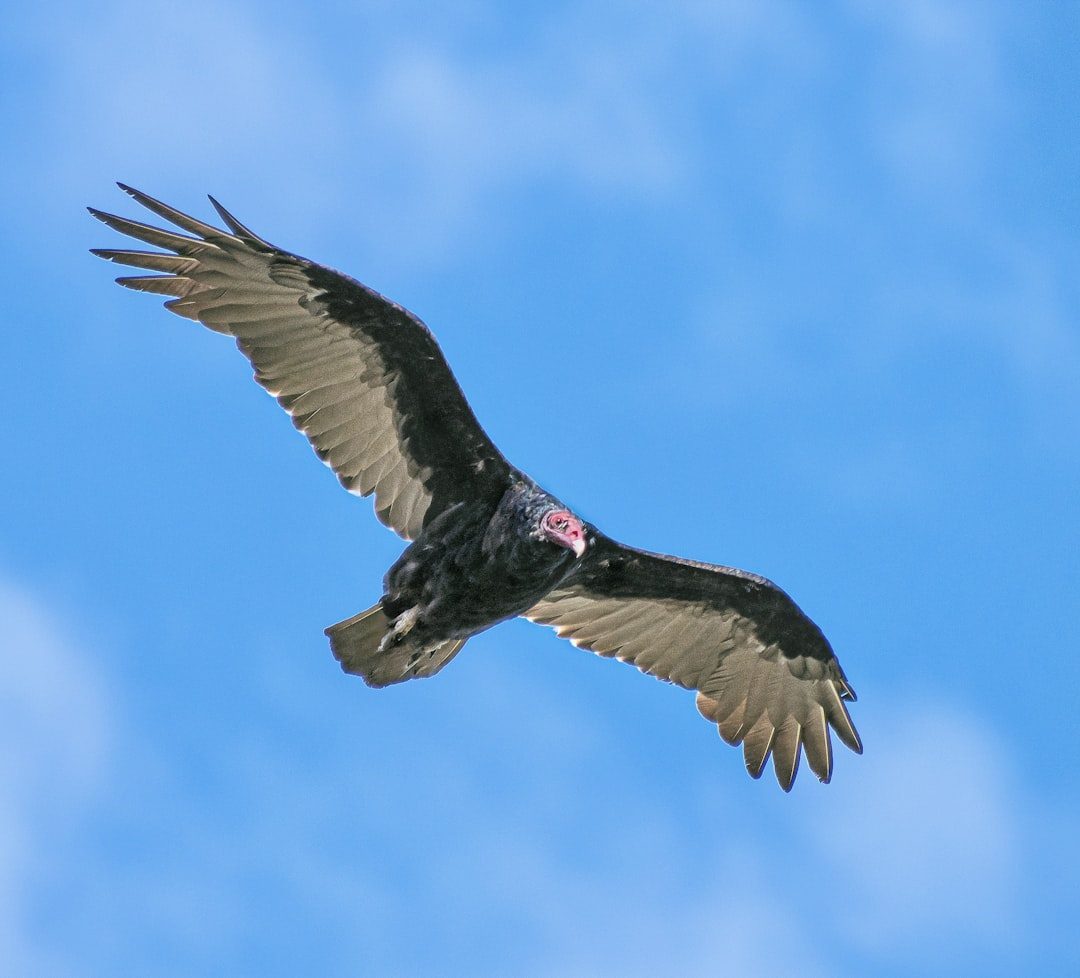
Among the prehistoric bones found in Grand Canyon caves are those of California condors, a species (Gymnogyps californianus) that perilously circled extinction in the 1980s. A reintroduction program has brought them back. The species hit its nadir in the 1980s, when there were only 22 wild condors identified. Dedicated conservation efforts have since brought this endangered species back from the brink, with Pinnacles playing a major role in the condor’s comeback story.
Today, more than a hundred of these scavengers roam the Colorado Plateau backcountry, some raising chicks in the same caves their ancestors used. Watch for them soaring along the rims: dark, broad-winged giants with white shoulder patches. Witnessing one of these magnificent birds gliding effortlessly over the canyon represents one of conservation’s greatest success stories unfolding before your eyes.
Spadefoot Toads: Masters of Desert Survival
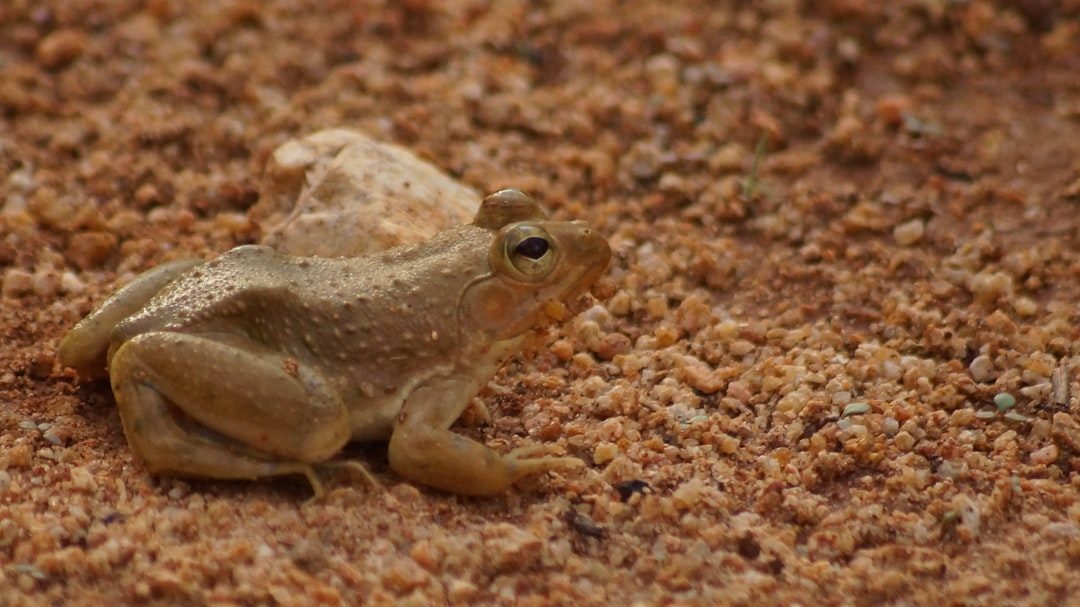
This unusual amphibian goes where most toads fear to tread, living in a variety of habitats, including arid desert areas. It survives the dry heat by taking up another odd habit: burrowing. The toad’s namesake “spades” – the hard protrusions on the animal’s hind feet – help it dig a path into the sand where it can spend weeks at a time underground between rains.
Ever the opportunists, spadefoot toads are sometimes referred to as “explosive breeders,” taking advantage of rare spring storms to lay sudden multitudes of eggs. Even tadpoles can bury themselves for protection. These remarkable amphibians have turned waiting into an art form, emerging only when conditions are absolutely perfect for reproduction.
Death Valley Pupfish: Life in the Most Unlikely Places
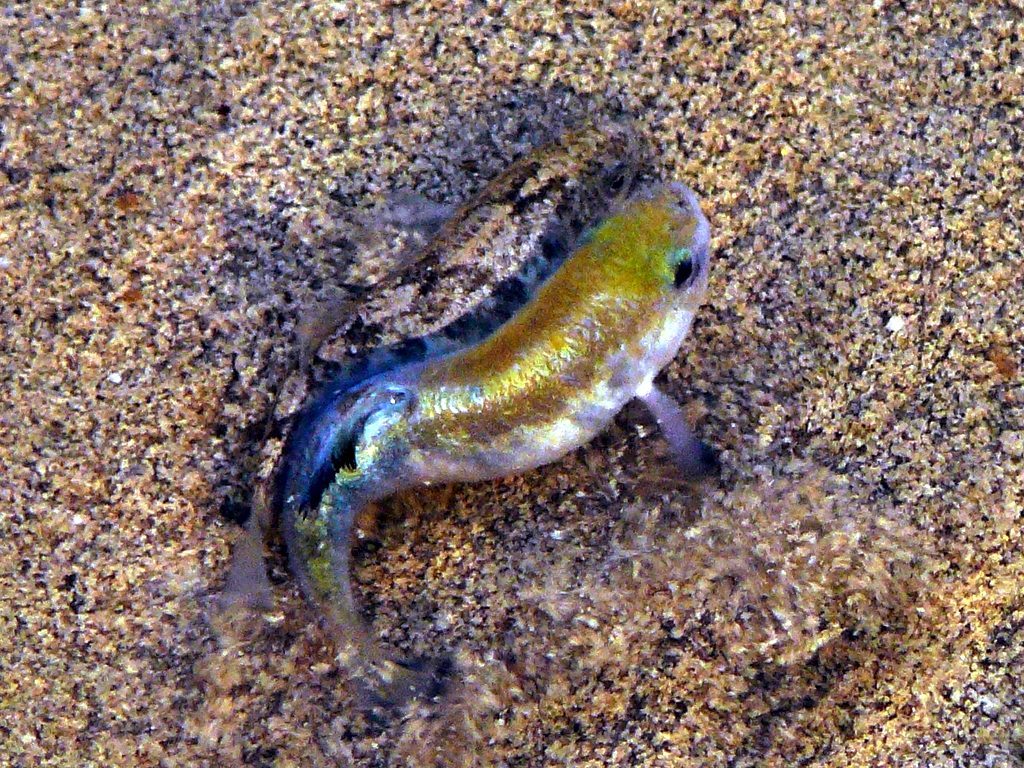
An underground lake in Death Valley’s detached Devils Hole unit in Nevada serves as home to one of the world’s rarest fish. The Death Valley pupfish is only found in this small subterranean pool. This small, shiny resident of Death Valley, Capitol Reef, and other southwestern parks may look like just another aquatic species, but it is the most extreme survivor of any animal on Earth. It can withstand very cold and hot water, extremely salty water, and even acidic water.
The three-inch-long fish also has a historic connection to water rights in the United States: It was the star of a landmark 1976 Supreme Court ruling that curtailed groundwater pumping by a private development that could have destroyed the pupfish’s habitat. And though the pupfish is much harder to see than the desert tortoise (as its lake home is in a fenced-off cave), you can still enjoy the knowledge that so rare a fish is swimming below your feet!
American Pikas: High-Altitude Survivors Under Threat
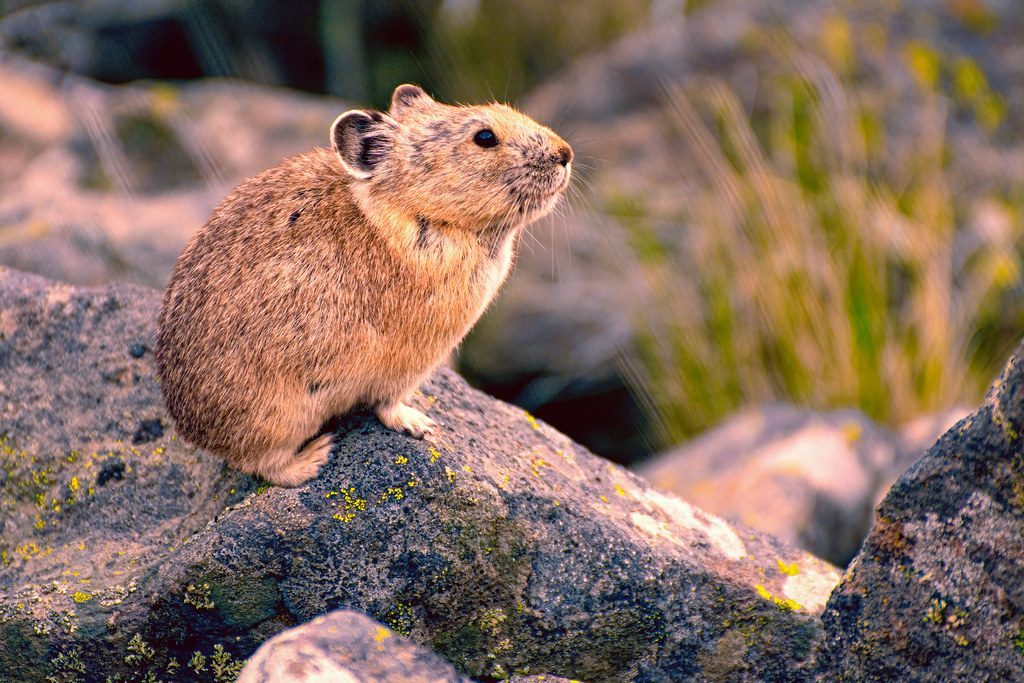
You’d be hard-pressed to find a cuter animal than this. Descended from Siberian ancestors, pika live in high-altitude terrain across western America, in parks including Yellowstone, North Cascades National Park and San Juan National Forest in Colorado. Yet the cuddly-looking critters are regarded as an indicator species for showing the impacts of climate change. As temperatures increase in lower-elevation zones, their total habitat is shrinking and pika numbers are diminishing, which prompted the creation of conservation group Pikas in Peril in 2010.
These tiny relatives of rabbits have become living thermometers for our changing climate. Their high-pitched alarm calls echo across alpine meadows, warning visitors and researchers alike about the fragile balance of mountain ecosystems. Spotting a pika gathering vegetation for winter storage offers a poignant reminder of nature’s resilience and vulnerability.
Pacific Fishers: Elusive Forest Phantoms
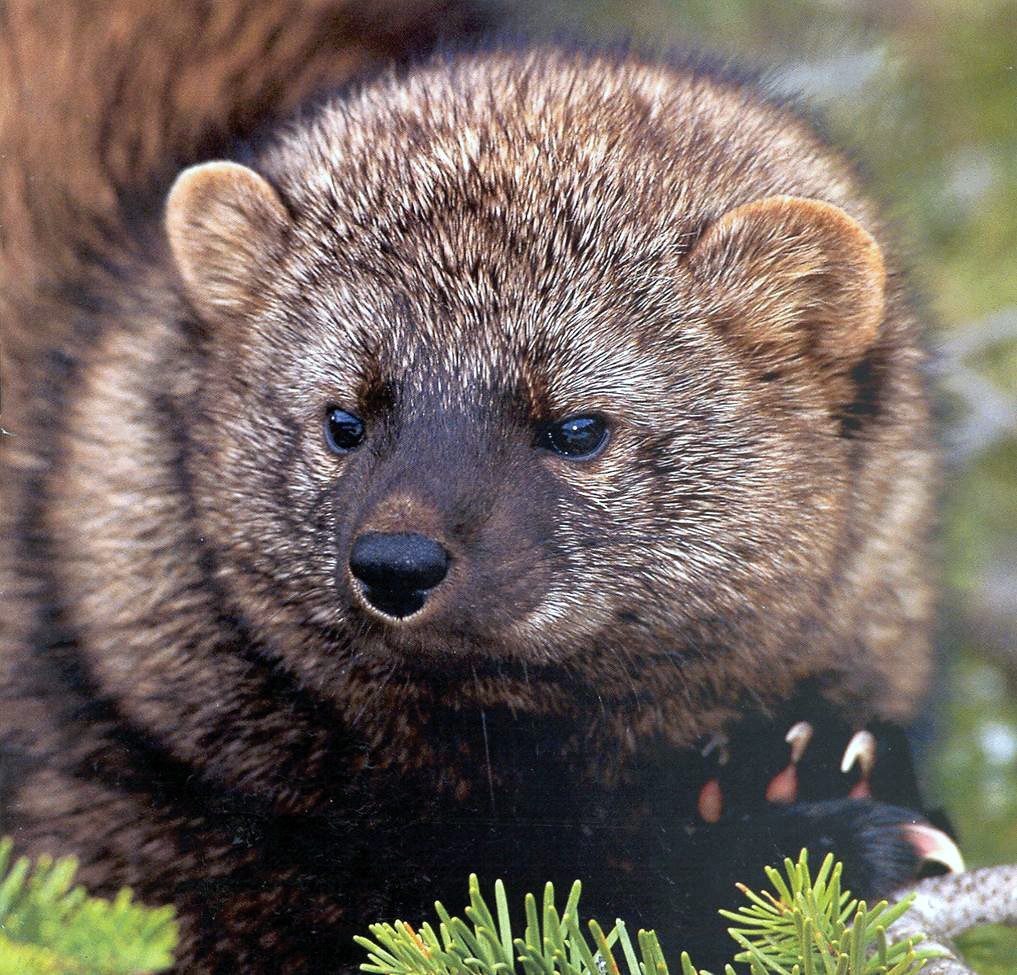
The pacific fisher is an extraordinary predator found in the remote forests of Olympic National Park. Mostly active at night, they’ve perfected staying out of sight, making spotting one nearly impossible. These skilled hunters are part of the weasel family and thrive on a diet of small mammals and birds. So, while you’re out hiking and imagining wildlife encounters, remember this: you’re probably surrounded by them, but they’ll never let you know.
Pacific fishers represent the ultimate game of hide and seek in the forest. Their return to Olympic National Park through reintroduction efforts marks another conservation success story. These cat-sized predators move through old-growth forests like shadows, reminding us that some of nature’s most remarkable creatures prefer to remain mysteries.
West Indian Manatees: Gentle Giants of Florida Waters
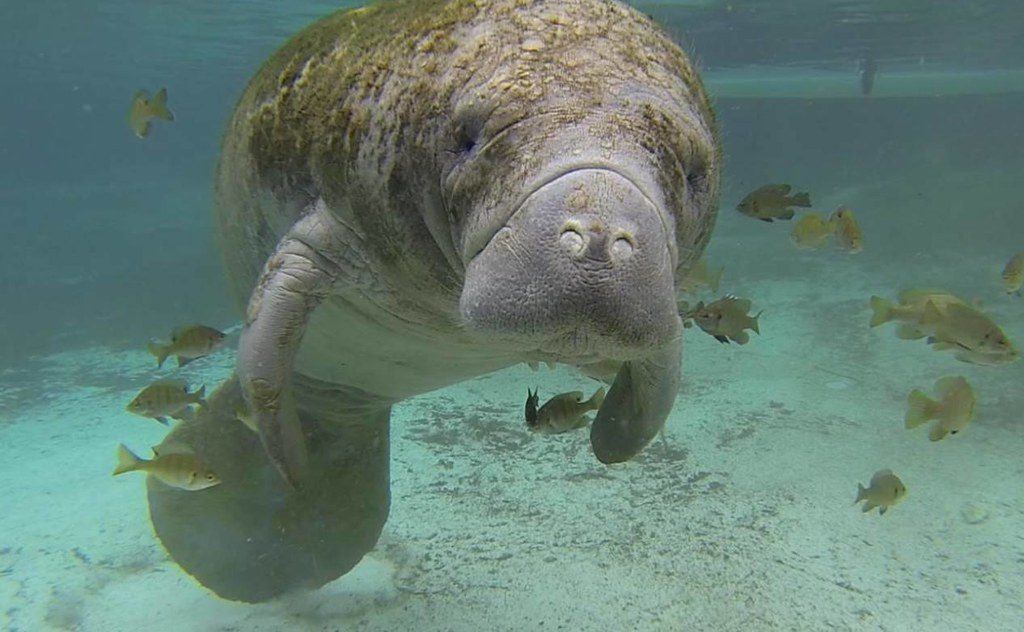
It is home to 36 protected species, including the Florida panther, American crocodile, and West Indian manatee. At the north end of the Florida Keys not too far from Miami, is a national park with four marine ecosystems – mangrove forest, the Bay, the Keys and coral reefs – that provide habitat for a diversity of wildlife, including threatened animals like the West Indian Manatee, American crocodile, sea turtles and peregrine falcon.
Biscayne is also home to rare marine mammals, most notably the lovable but vulnerable West Indian manatee. These peaceful herbivores glide through warm coastal waters like underwater ballet dancers. Their curious nature often brings them close to kayakers and snorkelers, creating magical encounters that feel almost otherworldly. Watching a mother manatee teach her calf to navigate shallow waters provides one of Florida’s most heartwarming wildlife experiences.
These magnificent creatures spend their days grazing on seagrass beds and surfacing to breathe with endearing snorts. Their scars tell stories of boat encounters, making every peaceful sighting a reminder of the delicate relationship between humans and marine life.
In the end, these hidden wonders remind us that America’s national parks hold secrets far beyond their famous landmarks. Each creature represents millions of years of adaptation, survival, and the ongoing story of life on Earth. The next time you visit a national park, look beyond the obvious attractions. Sometimes the most extraordinary experiences come from the smallest, quietest, and most unexpected encounters.
What would you have guessed? Tell us which of these hidden creatures surprised you most in the comments.
