
Every night, mysterious lights dance across our atmosphere in ways that seem almost supernatural. While most people gaze up at ordinary stars and clouds, they’re missing some of the most spectacular light shows nature has to offer. From ghostly red tendrils stretching toward space to electric blue clouds that glow in the darkness, our skies hold secrets that even scientists are still unraveling.
These phenomena occur at altitudes far above normal weather, creating displays that can appear otherworldly to those lucky enough to witness them. Some flash for mere milliseconds while others persist for hours, painting the heavens in colors that photographers spend years trying to capture. Ready to discover the extraordinary light shows happening right above your head?
Red Sprites: The Jellyfish of the Sky
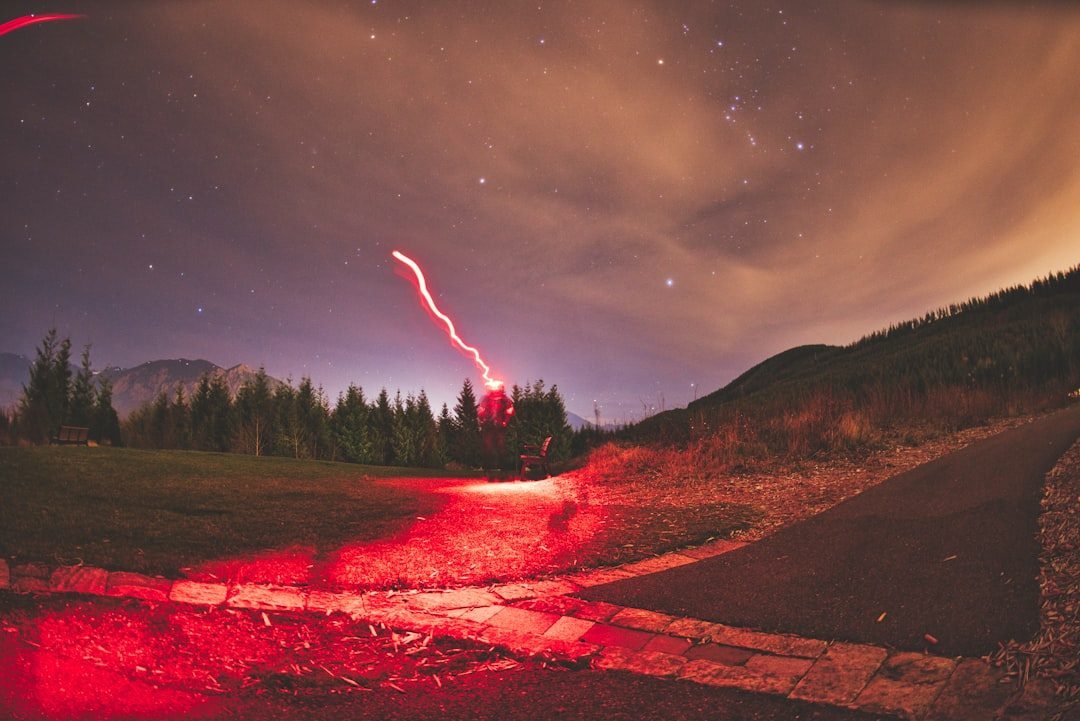
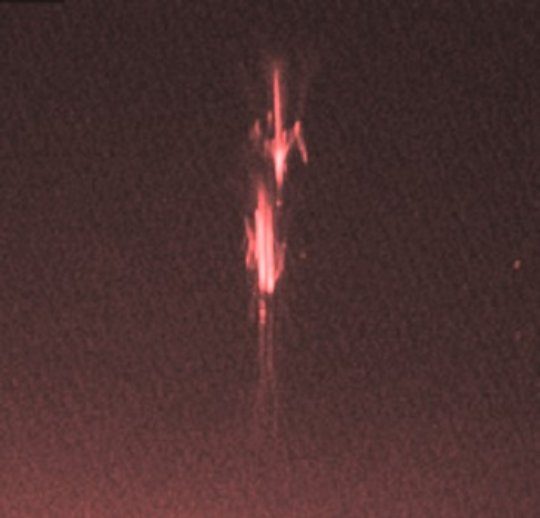
Red sprites are large-scale electrical discharges that occur far above an active thunderstorm, usually triggered by powerful cloud to ground lightning strikes. The elusive sprites are rarely photographed as they only last a few milliseconds and occur way up in the mesosphere. They may be fleeting, but red sprites can reach up to 30 miles high and usually form clusters that resemble jellyfish or carrots.
Sprites appear as luminous red-orange flashes. They often occur in clusters above the troposphere at an altitude range of 50–90 km (31–56 mi). Sprites are colored reddish-orange in their upper regions, with bluish hanging tendrils below, and can be preceded by a reddish halo. Unlike regular lightning, sprites are cold plasma, similar to fluorescent tube discharge.
Blue Jets: Shooting Stars of Lightning
Blue jets project directly from the top of the thunderstorm in a narrow cone jet up to approximately 50 km altitude and last only a fraction of a second. Unlike sprites, blue jets are, as the name implies, blue in color. They are not connected to lightning strikes.
These phenomena create pillars of brilliant blue light that shoot upward like reverse lightning bolts. A minor variation of blue jets are blue starters, similar to blue jets, but only reach about 20 km high up and are thought to be ‘failed’ blue jets. Gigantic jets are similar to blue jets but reach 70 km high and are exceedingly rare. When captured on camera, they often appear as magnificent columns reaching toward the cosmos.
ELVES: The Mysterious Doughnuts of Light
ELVES is a whimsical acronym for emissions of light and very low frequency perturbations due to electromagnetic pulse sources. ELVES (Emission of Light and Very Low Frequency perturbations due to Electromagnetic Pulse Sources) are indistinct types of TLE, producing large diffuse and expanding ring-shaped glows, up to 400 km in diameter. They occur in the ionosphere 100 km above the ground over thunderstorms.
They are so quick (0.001 seconds), that it is impossible to see them with the naked eye. Surprisingly, the existence of elves was predicted before one was actually observed. These enormous halos spread across the sky like ripples on a cosmic pond, visible only through specialized equipment.
Noctilucent Clouds: The Alien Glow
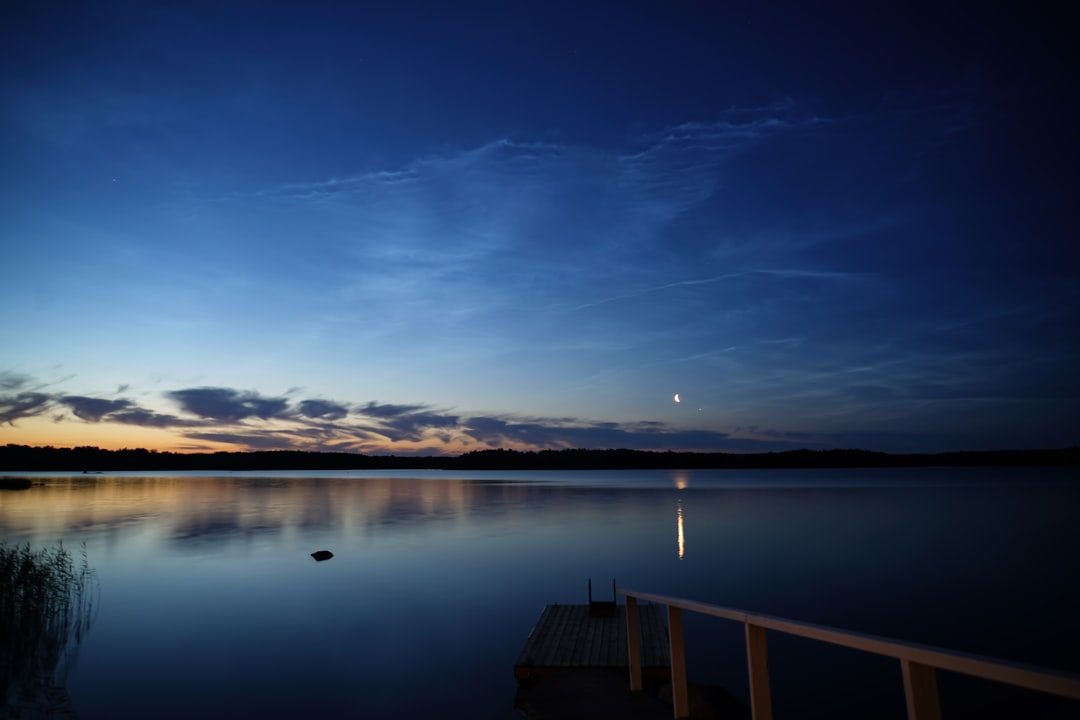
Noctilucent means “night shining” in Latin. These clouds get the name because they glow electric blue in a dark sky in late twilight. The sky is already dark, with the Sun well below the horizon as seen from the surface, but it is still above the horizon and shining at the height of noctilucent clouds, illuminating them.
However, noctilucent clouds form much higher up in the Earth’s mesosphere, at 76-85 km high. Noctilucent clouds consist of ice crystals, but they don’t have precipitation as they occur during summer when the weather is dry. They are the highest-appearing clouds in Earth’s atmosphere and the newest of all the clouds we have today, first seen in 1885 after the explosion of the Krakatoa volcano. Their ethereal blue shimmer has become increasingly visible in recent decades, possibly linked to climate change.
Asperitas Clouds: The Ocean in the Sky
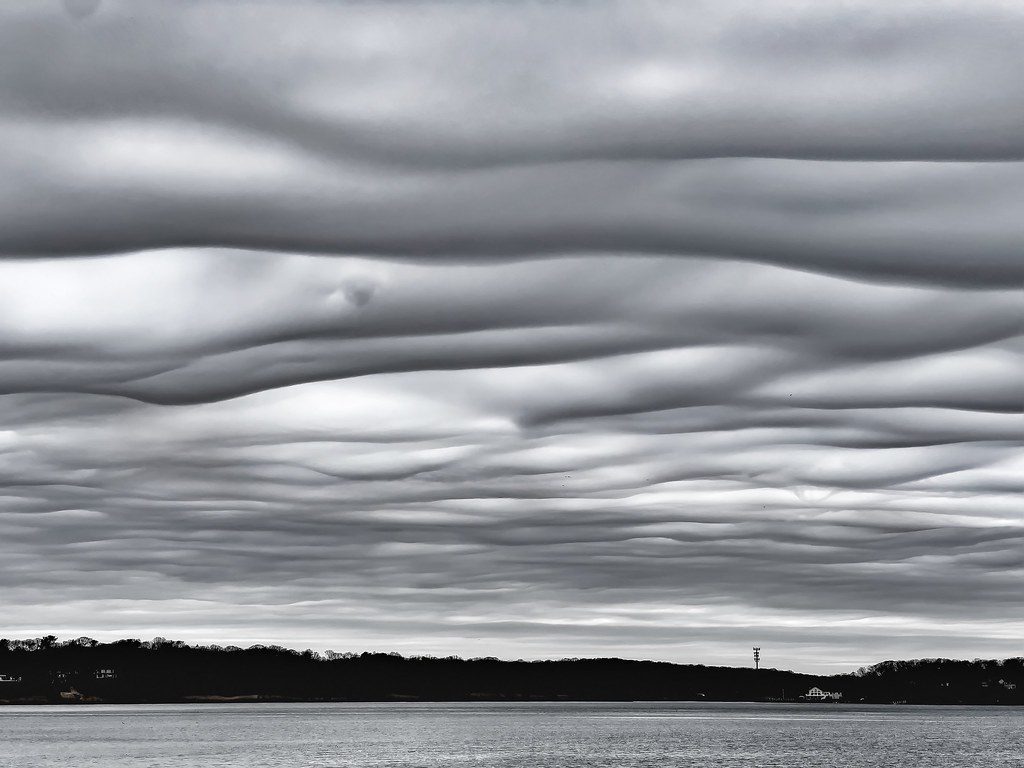
Asperitas is a relatively rare but distinctive wave-like cloud formation, best described as like looking at a rough sea from below the surface. It has the honour of being the newest cloud type in the skies, and was officially named by the World Meterological Organization in March 2017 following a ten-year campaign for recognition.
Formerly known as Undulatus Asperitas, these clouds form in rippling waves on the underside of other clouds, making the sky look like it has a rough sea surface. These clouds are the “youngest” on our list as they were recognized as a cloud type in 2017 by the International Cloud Atlas. How exactly these clouds form is still somewhat of a mystery with much debate on how these wave-like clouds originate.
Mammatus Clouds: Nature’s Hanging Gardens
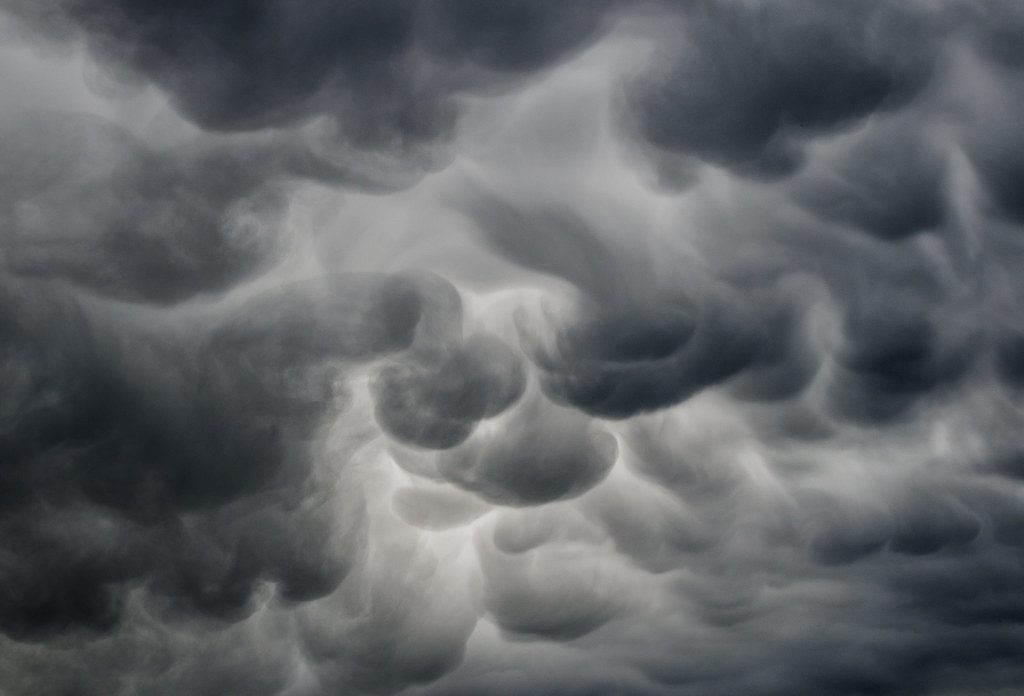
Mammatus clouds get their name from the Latin word mamma, meaning “breast,” as their form consists of lumps and bulges. They require unstable and stormy weather to form, but they usually appear after a thunderstorm has passed, not before, as people fear upon seeing these clouds in the sky. Mammatus clouds occur underneath cumulonimbus clouds formed by turbulence.
These formations create one of the most dramatic sights in meteorology. Mammatus Clouds are a dramatic, rare formation characterized by pouch-like bulges that hang down from the base of a storm cloud. Mammatus is a Latin term meaning “mother’s breast,” and the clouds can look almost surreal, like a sky full of upside-down pouches or sacs. Witnessing these clouds feels like standing beneath nature’s own chandelier.
Ball Lightning: The Mysterious Floating Orbs
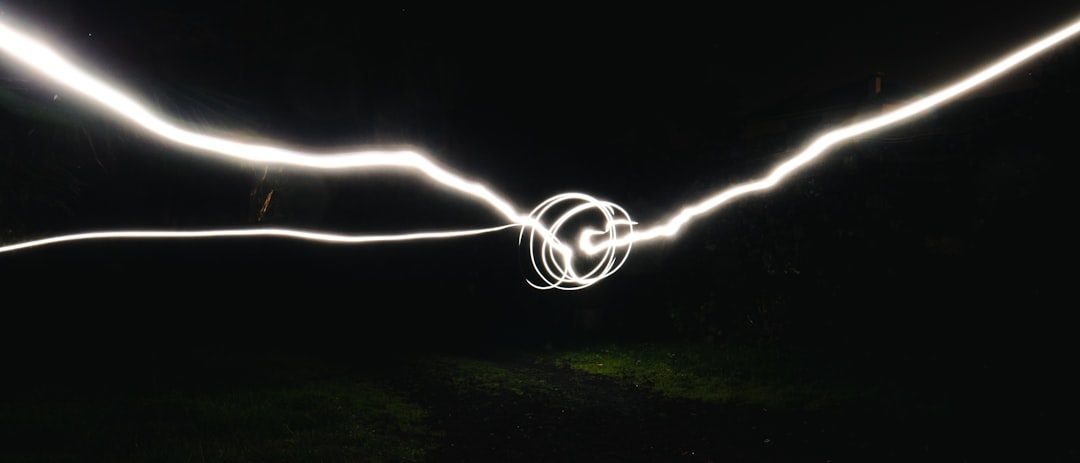
Ball lightning is a rare and unexplained phenomenon where luminous, spherical objects appear during thunderstorms. These glowing orbs of light can vary in size and colour, and often seem to float or bounce around before disappearing. Ball lightning comes in the form of fiery orbs ranging in size from a golf ball to a very large beach ball (1 to 100 centimeters). These glowing spheres can be white, yellow, red, orange, purple or green, and can live for seconds or even minutes. Over the centuries, there have been thousands of reported sightings of ball lightning, for example, floating into people’s homes, but its rare and unpredictable nature has greatly limited scientific understanding of it.
However, scientists have recreated ball lightning or something very much like it in the lab, results that suggested ball lighting was mostly the result of lightning striking the ground, vaporizing mineral grains in the soil. A video recorded by accident of ball lightning in China supports this idea. These enigmatic spheres remain one of nature’s most puzzling electrical phenomena.
Stable Auroral Red Arcs (SAR): The Silent Crimson Bands
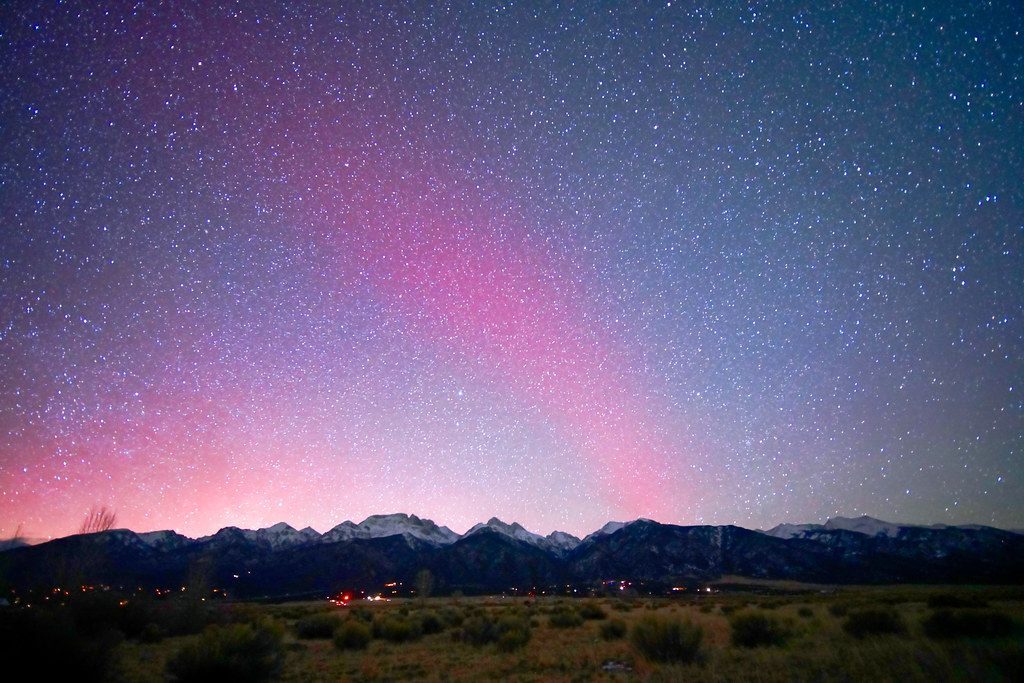
The unusual phenomenon is known as a stable auroral red arc (SAR) – but despite the name, it is neither an aurora nor particularly stable. Unlike auroras, which appear when solar radiation excites gas molecules in the upper atmosphere, SARs form when atmospheric gas is superheated by Earth’s ring current system – a massive loop of electric current that surrounds our planet. Both phenomena become more likely after solar storms weaken Earth’s magnetosphere. For unknown reasons, only oxygen is heated up during a SAR, which means these phenomena always emit the same shade of red.
There’s something haunting about their slow, crimson hue, as if the sky itself is holding its breath, gently radiating the energy stored during periods of magnetic disturbance. SAR reminds us that not all cosmic phenomena need to be flashy to command attention; sometimes it’s the quieter movements that leave a lasting impression.
Light Pillars: The Cosmic Columns
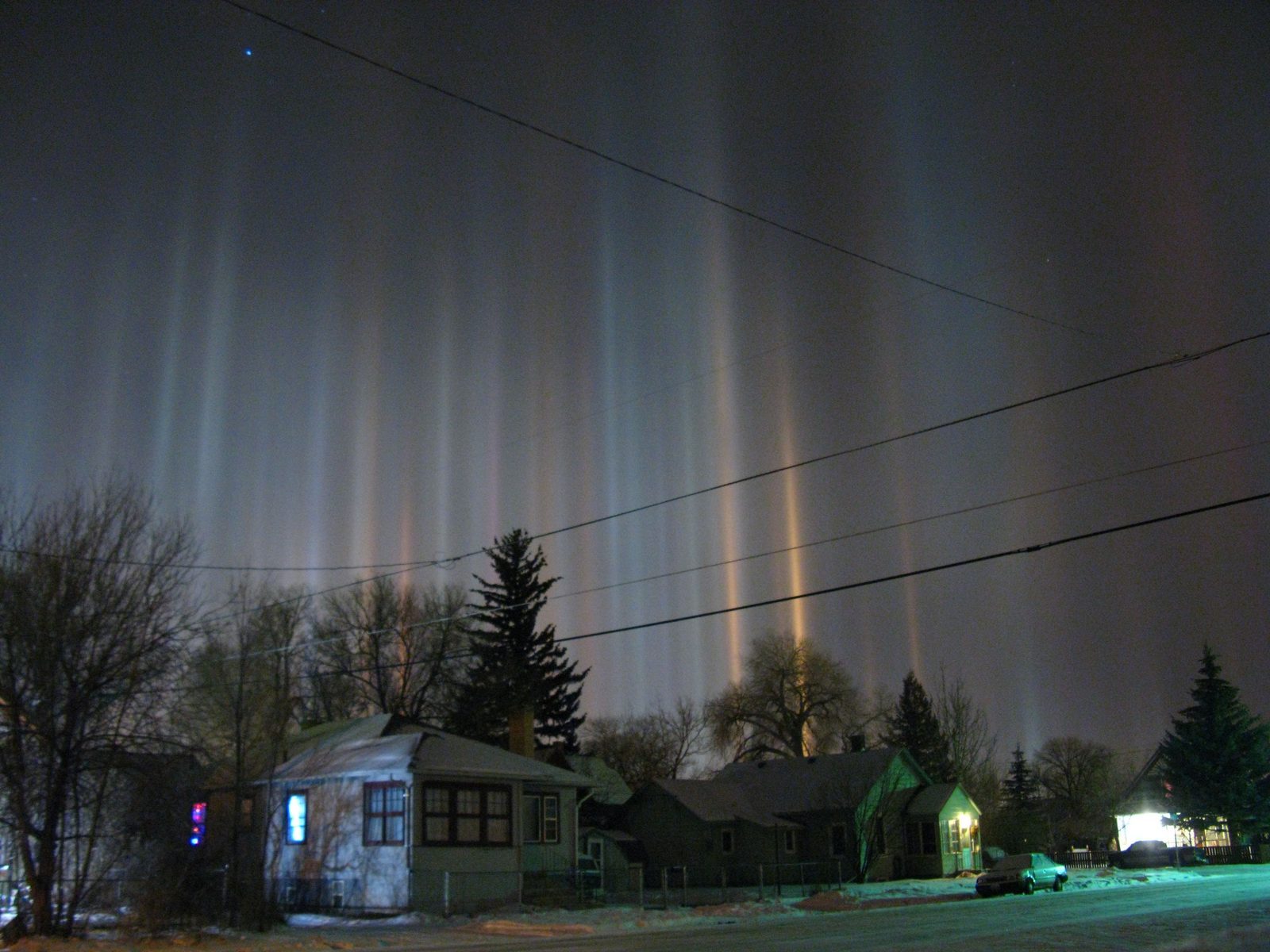
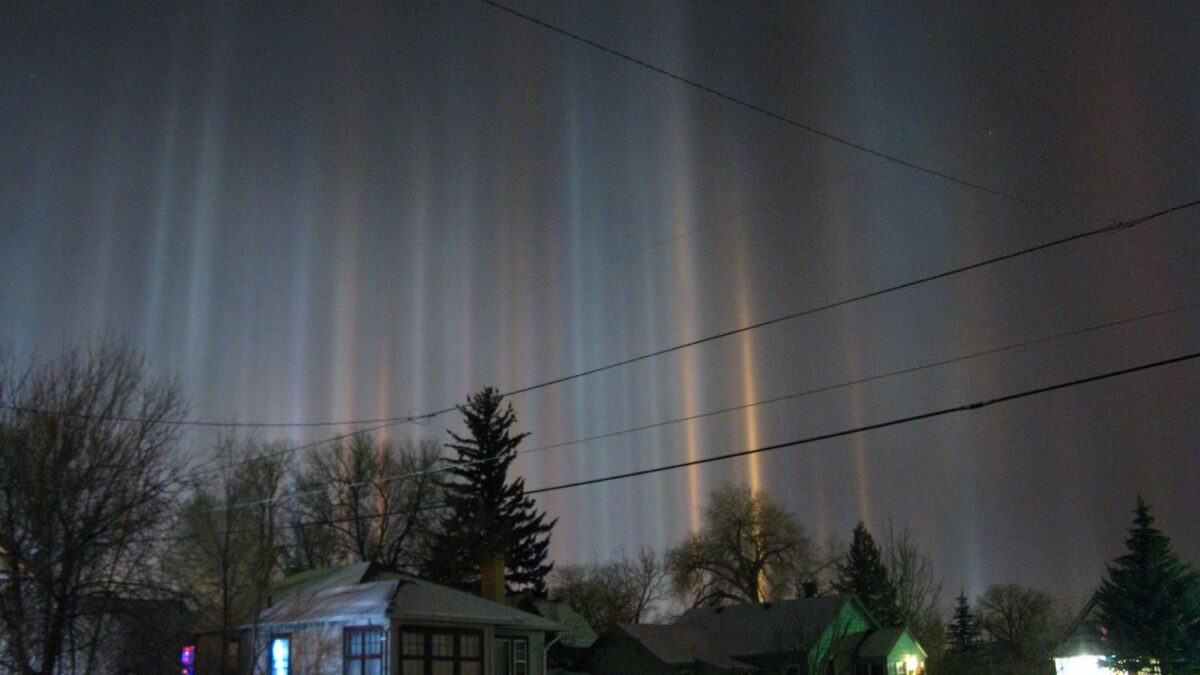
Long pillars of multicolored light streaking the sky seem like the perfect backdrop for impending alien invasion, but in reality, light pillars are a common effect that can be found all over the world. They do come from above – not extraterrestrials, but tiny crystals of ice hanging in the atmosphere. That means we get these vertically stacked mirrors floating in the atmosphere. The light hitting it gets reflected up and up (or down and down, depending on the source), and becomes a radiant column in the sky.
Light can come from the sun, moon, cities, street lights – any strong light source. These towering beams create the illusion of celestial searchlights sweeping across the heavens. During winter nights near cities, countless ice crystals transform artificial lights into magnificent vertical displays that seem to connect earth with space itself.
Conclusion
The atmosphere above us hosts an incredible theater of light phenomena that most people never get to witness. From the fleeting millisecond flashes of sprites to the hours-long glow of noctilucent clouds, these displays remind us that our planet exists within a complex web of electromagnetic forces and atmospheric dynamics.
Each of these phenomena requires specific conditions to occur, making them rare treasures for those fortunate enough to observe them. As climate patterns shift and our understanding deepens, we’re discovering that some of these lights are becoming more frequent while others remain as elusive as ever. What would you think if you suddenly looked up and saw jellyfish-shaped lightning dancing fifty miles above a thunderstorm?
