
America’s landscape tells stories that stretch back thousands of years, long before European settlers ever set foot on this continent. Hidden across the vast expanse of our country are remarkable places where you can still touch the legacy of Native American peoples, experience their enduring traditions, and walk in the footsteps of ancient civilizations. These destinations offer something far more profound than typical tourist attractions.
You’ll discover sacred sites where generations of Indigenous peoples lived, thrived, and created architectural marvels that still inspire awe today. From cliff dwellings carved into sandstone walls to earthen mounds that rival ancient pyramids, these locations preserve not just buildings and artifacts, but living connections to cultures that continue to flourish. Let’s explore these incredible destinations that bring America’s deepest history to life.
Mesa Verde National Park, Colorado
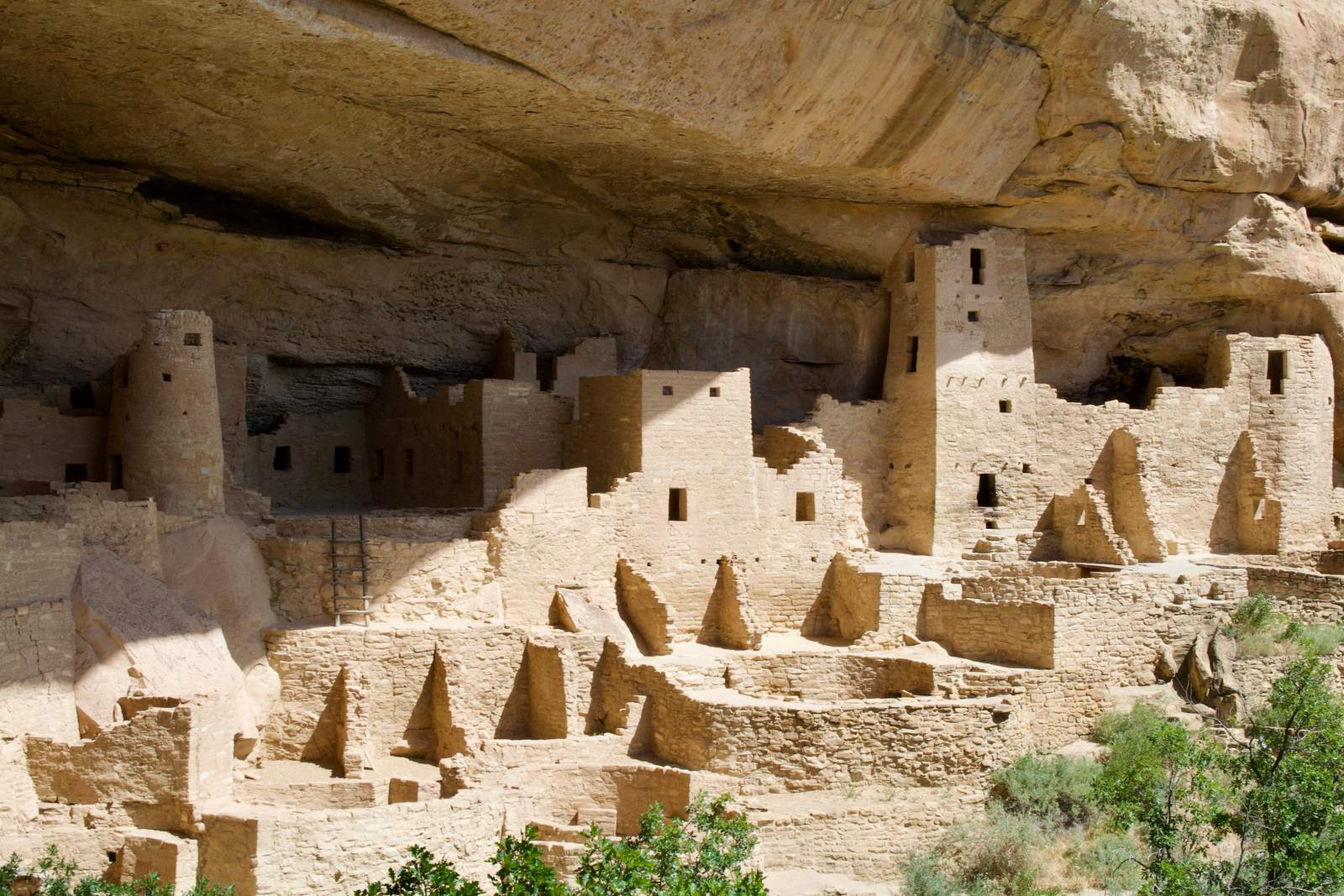
Step into the world of the Ancestral Puebloan people at Mesa Verde National Park, a UNESCO World Heritage Site that protects some of the best-preserved Ancestral Puebloan sites in the United States, including the famous Cliff Palace, one of the largest cliff dwellings in North America. For over 700 years, the Ancestral Pueblo people thrived on this high desert mesa, building intricate stone dwellings from around CE 550 to CE1300, shaping the region with pithouses, pueblos, towers, kivas, and cliff dwellings carved into sandstone alcoves.
With more than 5,000 sites, including 600 cliff dwellings, it is the largest archaeological preserve in the United States. It wasn’t until the final century of their time here – between CE 1190 and CE 1300 – that they began building the cliff dwellings that define the park today, ranging from small storage alcoves to sprawling 150-room villages, often tucked beneath dramatic overhangs in the canyon walls. President Theodore Roosevelt established Mesa Verde National Park in 1906 to “preserve the works of man” – making it the first national park dedicated to cultural preservation.
Canyon de Chelly National Monument, Arizona
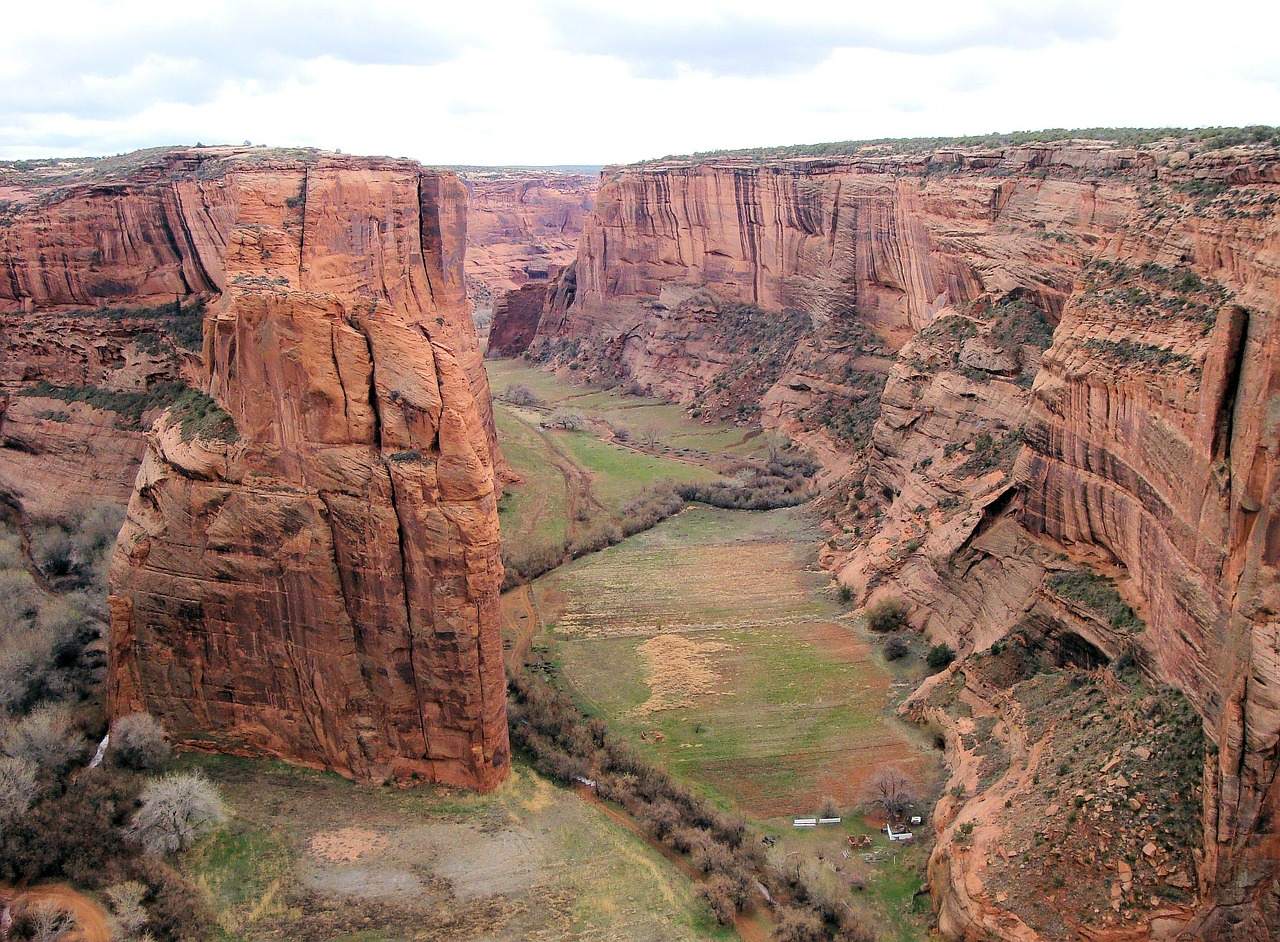
Canyon de Chelly is one of the longest continuously inhabited landscapes in North America, preserving the ruins of the Ancestral Puebloans (Anasazi) to the Navajo. For nearly 5,000 years, people have used the towering sandstone walls of Canyon de Chelly as a place for campsites, shelters, and permanent homes. People have lived in these canyons for nearly 5,000 years, which is longer than anyone has lived continuously on the Colorado Plateau.
Canyon de Chelly is entirely owned by the Navajo Tribal Trust of the Navajo Nation and is the only National Park Service unit that is owned and cooperatively managed in this manner. About 40 Navajo families live in the park, and access to the canyon floor is restricted, with visitors allowed to travel in the canyons only when accompanied by a park ranger or an authorized Navajo guide. Ancient cliff dwellings and petroglyphs tell the story of the Diné people who have farmed and raised livestock at the site for more than 5,000 years, and according to tribal legend, Navajo culture emerged from this canyon.
Chaco Culture National Historical Park, New Mexico
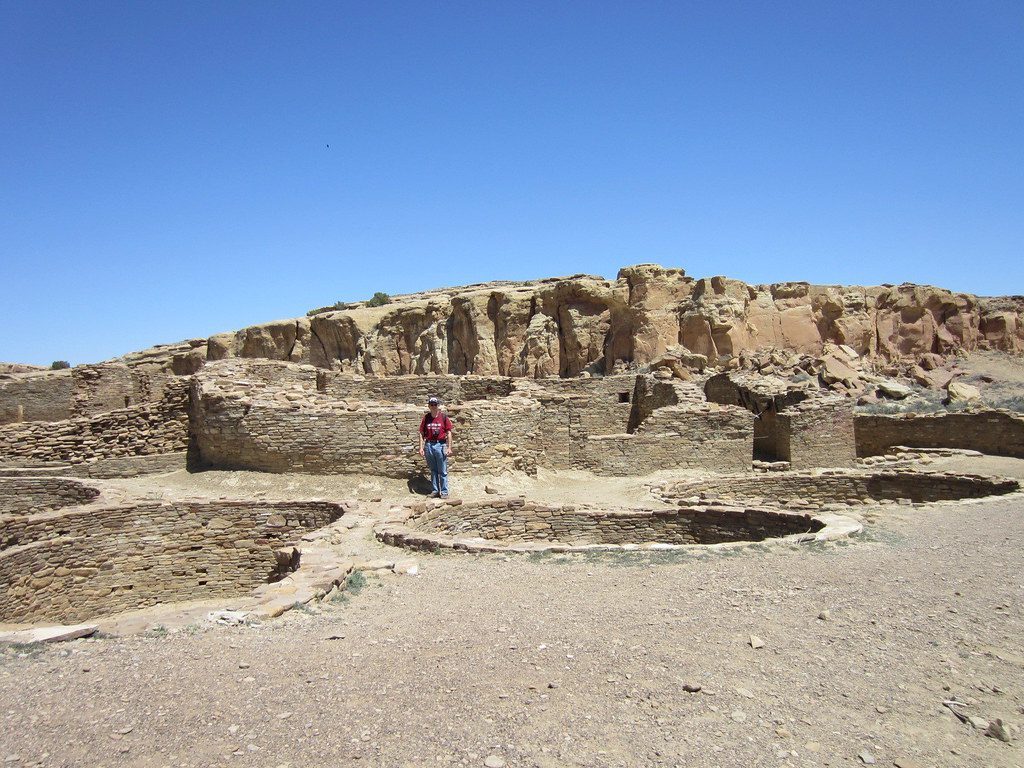
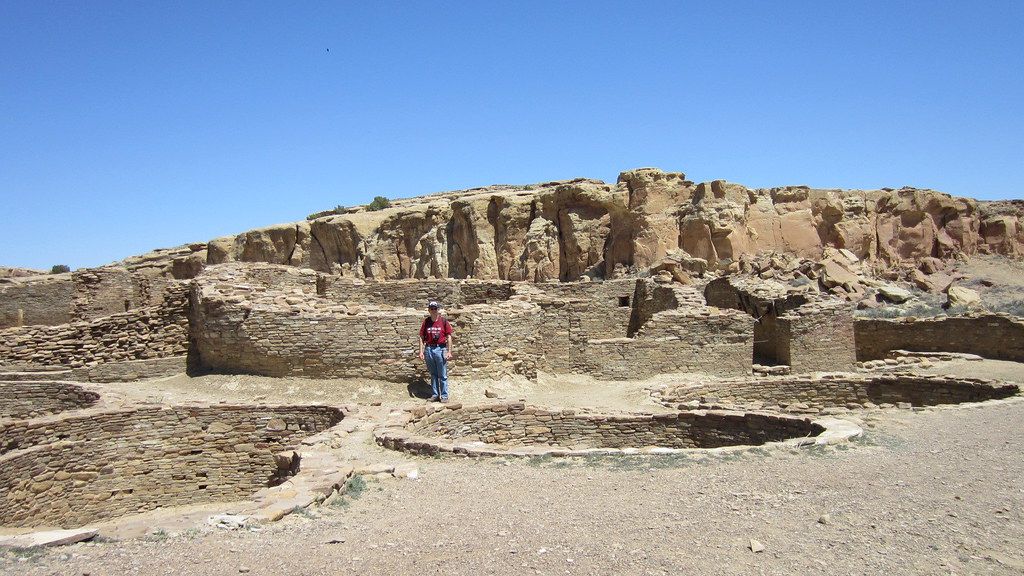
The Chaco Canyon area served as the epicenter of the Puebloan peoples – the ancestors of the Hopi and others – at least 3,000 years ago, where astronomy, art, and trade began to flourish and then spread throughout the Southwest. Another ancient city that was home to thousands between 850 and 1250 CE, Chaco Culture National Historic Park is one of the largest pre-Columbian historical sites in the United States, where the ancestors of today’s Hopi and Pueblo peoples built huge houses and deep ceremonial chambers called kivas from sandstone blocks and massive timber oriented according to astronomical observations.
The National Park System preserves the Chaco Culture National Historical Park, which features unique architecture, extensive rock art, and domestic and ceremonial structures, and archaeologists recently discovered pre-Colombian chocolate at the site, one indication of trade with people in Central America and beyond. Today, the night sky is still stunningly visible, and Chaco is designated as an official International Dark Sky Park, though this city was abandoned by 1300 CE due to climate change, the descendants of Chaco Canyon’s residents still remember their time there in oral histories passed down over the last nearly eight hundred years.
Little Bighorn Battlefield National Monument, Montana
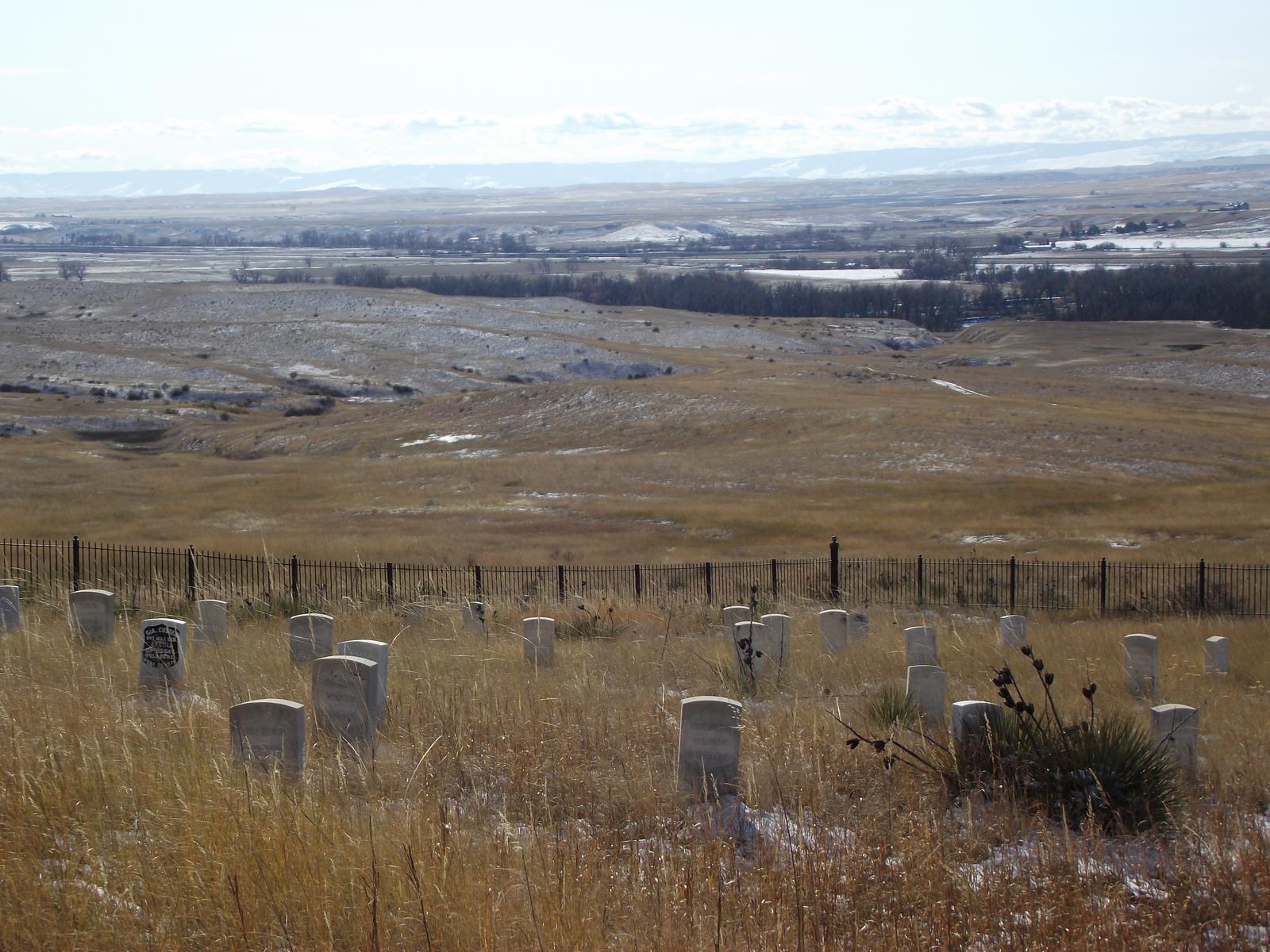
Today members of the Crow tribe guide tours of the Little Bighorn Battlefield National Monument, where visitors can see the site of “Custer’s Last Stand” on Last Stand Hill; visit a museum of historic and prehistoric artifacts; reflect at the Indian Memorial; and walk through the National Cemetery. About a century after Patrick Henry’s declaration during the American Revolution, members of the Lakota and Cheyenne tribes joined forces in one of the last Native American attempts to protect their land and way of life from encroaching settlers and expansionists.
The museum at this National Park Service site tells both sides of the story, sharing both the tragedy and the triumph, and gazing at the 7th Cavalry Monument and Indian Memorial where Native Americans and settlers fought to the death while a gentle breeze rustles through the prairie grass, it’s easy to remember that there really aren’t any winners during a war. This is a deeply meaningful site for many contemporary Native American people.
Taos Pueblo, New Mexico
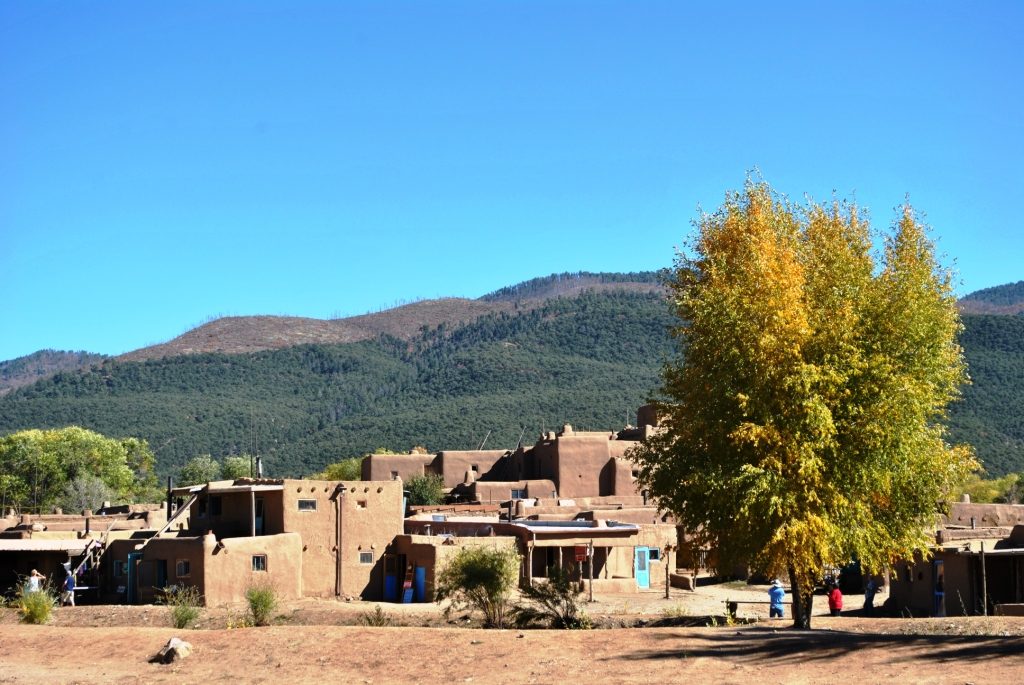
Taos Pueblo has been continuously inhabited by members of the Taos tribe for more than 1,000 years and is set against a backdrop of the Sangre de Cristo Mountains, this UNESCO World Heritage site centers around the San Geronimo chapel and two large multistory buildings constructed in typical pueblo style. Parts of the pueblo were constructed between 1000 and 1450, making the five-story adobe structure the oldest continuously inhabited pueblo in the United States, and the pueblo is both a UNESCO World Heritage Site and a National Historic Landmark.
The ancestors of the Taos Pueblo people, also known as the People of the Red Willow, have lived in the Taos Valley in New Mexico for more than 1,000 years, and set against the foothills of the Sangre de Cristo Mountains, the buildings exude a quiet dignity. You’ll find that visiting here connects you directly with living Native American culture, where traditions continue unbroken across centuries.
Effigy Mounds National Monument, Iowa
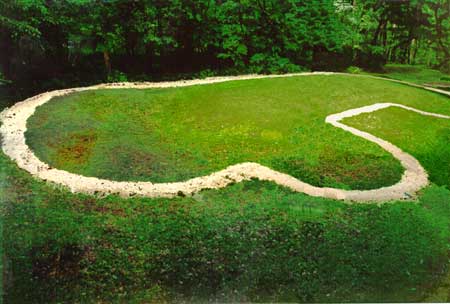
The Midwest of the US is sprinkled with giant earthworks that indigenous people built for purposes we still don’t thoroughly understand, and situated in Iowa, along the Mississippi River, the Effigy Mounds are shaped like lynx, water spirits, bison, turtles, and more. The builders created these structures about 1,400 years ago, and in consultation with Native American groups, anthropologists have traced the lineage of more than 20 contemporary tribes who descend from this culture.
These mysterious earthen sculptures rise from the Mississippi River bluffs like ancient messages written in the landscape itself. The sheer scale and artistry of these mounds challenges any notion that pre-contact American societies were simple or primitive. Walking among these sacred forms, you’ll feel the profound spiritual connection between the land and the people who shaped it with such reverence and skill.
Acadia National Park, Maine
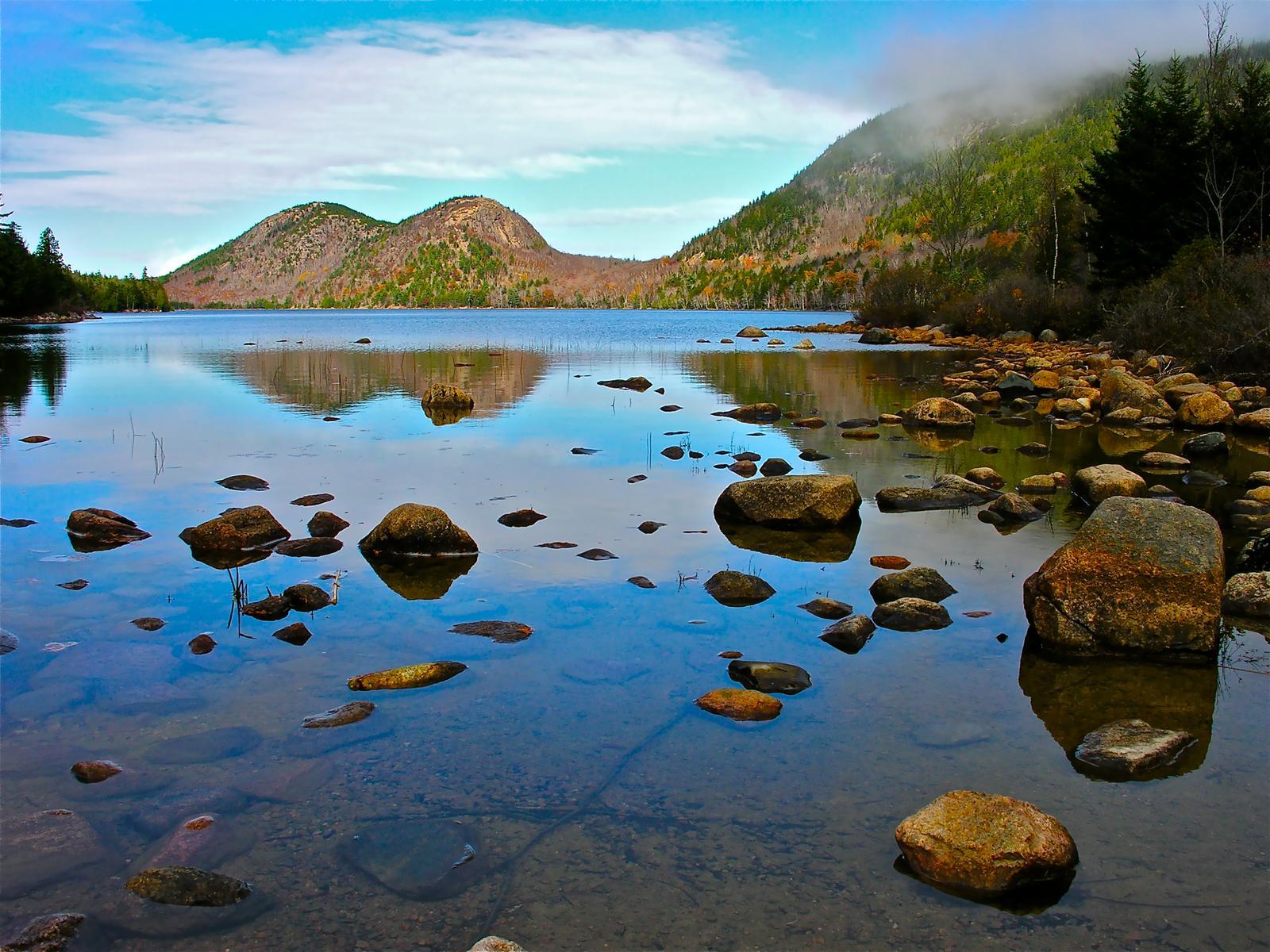
Native American people have had ties to Maine and the area now known as Acadia National Park for more than 12,000 years, with five principal nations – the Mi’kmaq, Maliseet, Passamaquoddy, Abenaki and Penobscot, collectively known as the Wabanaki – remaining connected to this landscape. Wabanaki, which translates to “People of the Dawnland,” is particularly fitting, as Acadia’s Cadillac Mountain is the highest point along the Northern Atlantic Seaboard, and the first place in the U.S. to see dawn from October through March.
In summer, Acadia National Park produces free, weekly “Cultural Connections in the Park” events that feature Wabanaki artisans and performers. This stunning coastal landscape holds profound meaning as the ancestral homeland where Indigenous peoples first greeted each dawn. The rocky shores, dense forests, and pristine lakes witnessed countless generations of Wabanaki families living in harmony with nature’s rhythms.
Ocmulgee Mounds National Historical Park, Georgia
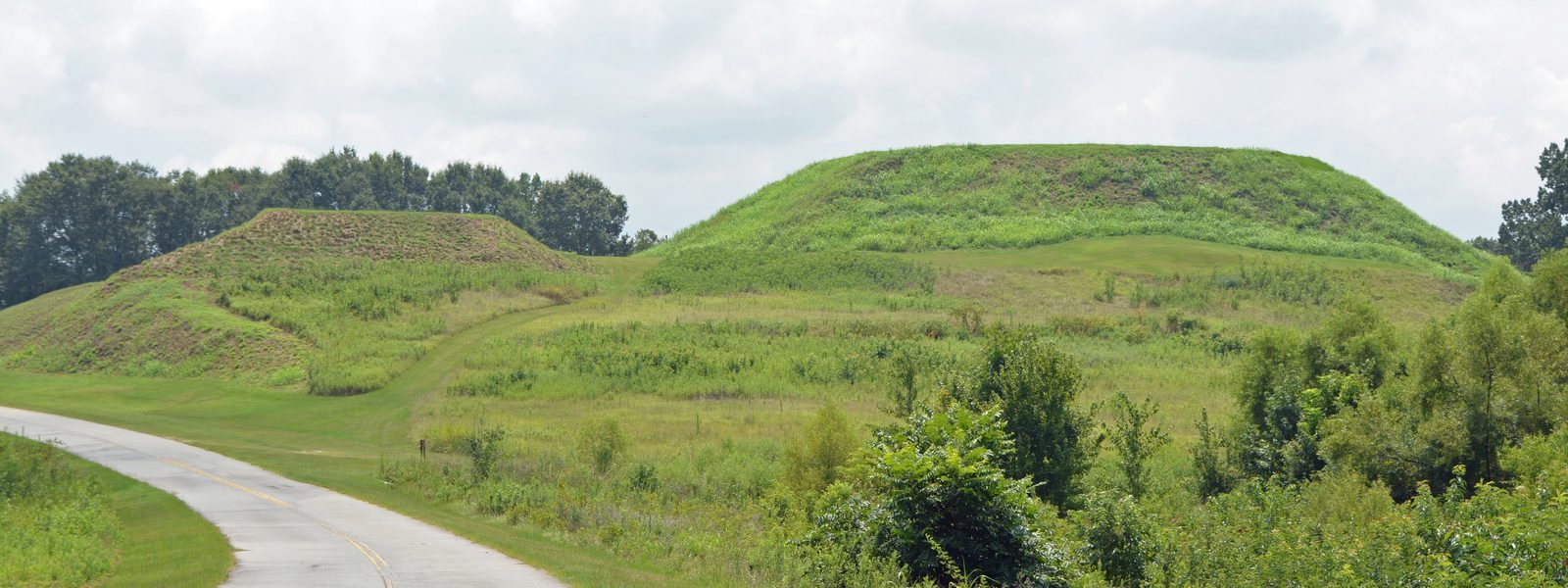
The Ocmulgee sites trace more than 17,000 continual years of Native American heritage, with occupation beginning thousands of years before the arrival of the Europeans. It was at one time the largest archaeological dig in the United States, with sites ranging from ancient houses to historic villages to very old earthworks, and an onsite museum housing more than 2,000 artifacts showcases their finds.
Every September, over 300 Native Americans gather at the site for a public celebration of culture, including dancing, storytelling, music, and art, as Ocmulgee is the ancestral homeland of the people of the Creek, or Muscogee, Nation. Six miles of trails thread through the site and the main entrance is just off a highway near the city of Macon. This remarkable site demonstrates the incredible depth of American history, with evidence of continuous human presence spanning nearly two hundred centuries.
Conclusion
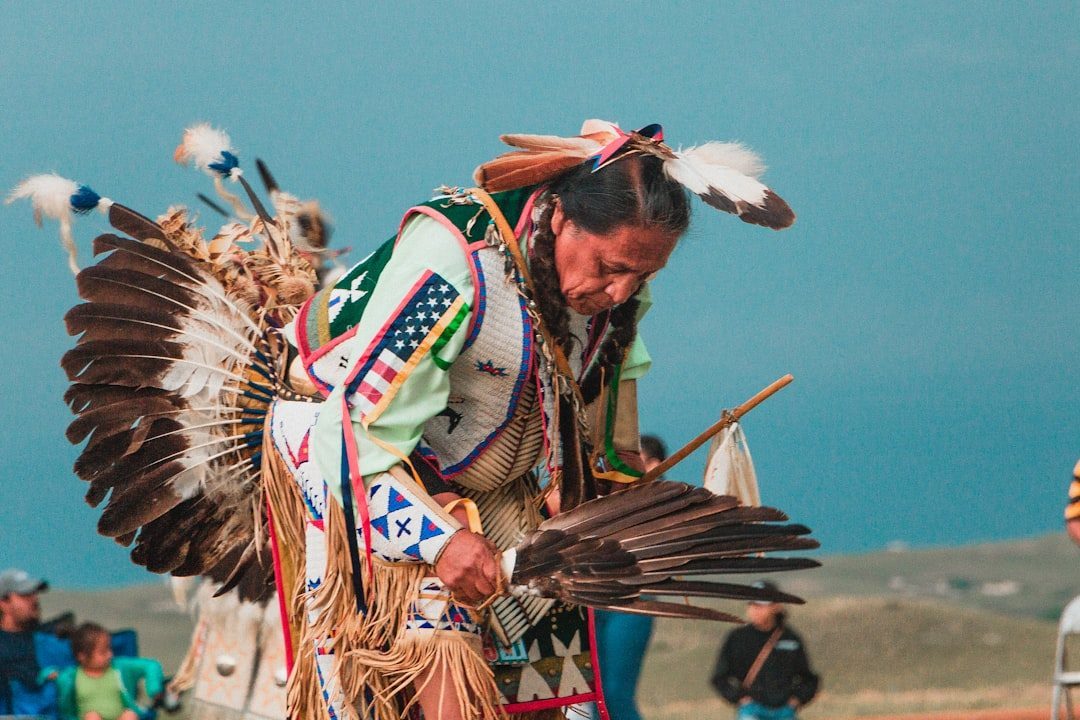
These eight destinations represent just a fraction of America’s incredible Native heritage sites, yet each one offers you a profound journey through time and culture. From the cliff dwellings of Mesa Verde to the living pueblos of Taos, from the mysterious earthworks of Iowa to the coastal traditions of Maine’s Wabanaki people, these places challenge us to see American history through Indigenous eyes.
What makes these destinations truly special isn’t just their age or architectural significance. It’s the fact that they connect you to cultures that continue to thrive today, honoring traditions that have endured despite centuries of challenges. When you visit these sacred places, you’re not just seeing artifacts in a museum – you’re witnessing the resilience and beauty of America’s first peoples.
What stories from these ancient places resonate most with you? Have any of these destinations inspired you to learn more about the Indigenous history in your own region?
