
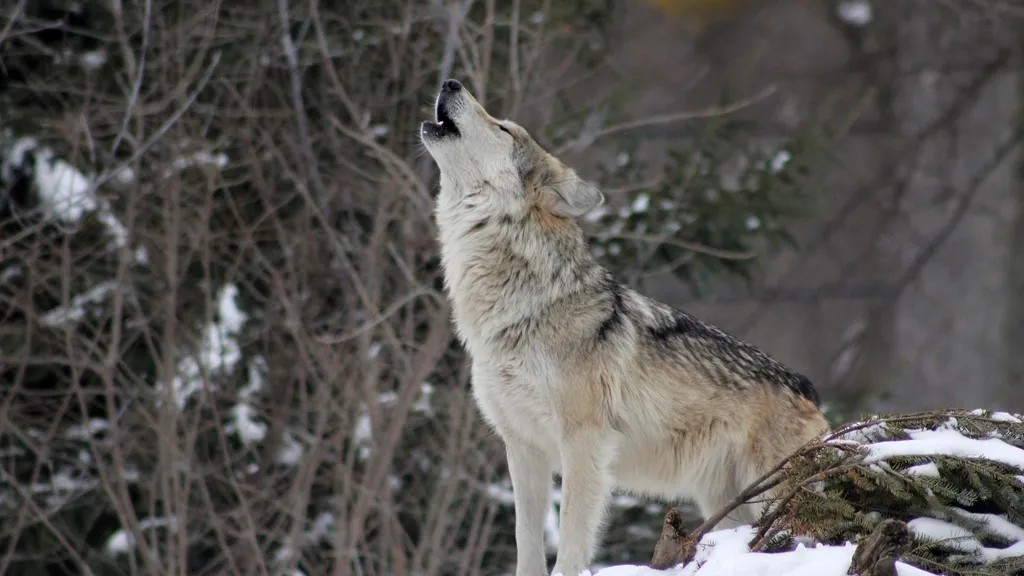
Every time you’ve watched a classic horror movie or seen artwork depicting the wild, there’s one image that’s permanently etched in our collective imagination: a lone wolf, silhouetted against the moonlight, its muzzle tilted toward the sky, releasing a haunting howl that pierces the night air. It’s romantic, mystical, and absolutely captivating. But here’s the thing – this iconic image is actually one of nature’s most persistent myths.
For centuries, humans have been convinced that wolves and the moon share some mystical connection. We’ve woven this belief into our folklore, our literature, and our movies. Yet the truth behind wolf howling is far more fascinating than any mythical tale. Let’s dive into what wolves are really doing when they seem to be serenading the moon.
The Ancient Origins of the Moon Howling Myth
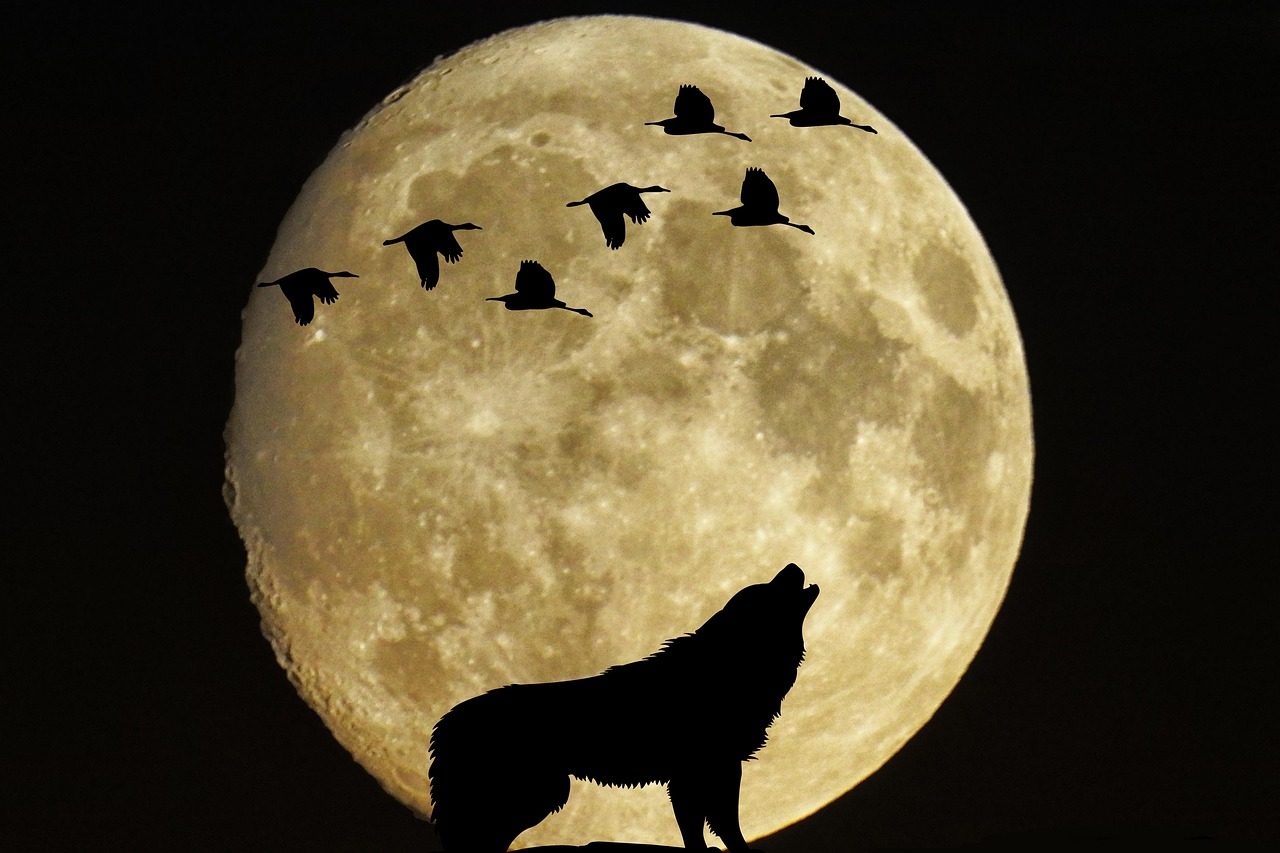
Throughout human history, different cultures have created stories to explain things they don’t understand. Natural phenomena were often paired with such traditional stories, and passed down between generations. In Greek, Roman and Norse mythology, there was a strong connection between wolves and the moon, and Native American legends often saw wolves as the guardians of the moon, howling it into existence at night.
The association of wolves with the moon has developed over centuries and in many other parts of the world. In Norse mythology, the descendants of Loki (the trickster god of Thor fame) were wolves prophesied to eventually devour the moon and sun. If wolves and the Moon had a fuzzy connection throughout history, then the rise of popular gothic horror movies in the 20th century solidified it. Films like The Wolf Man (1941), An American Werewolf in London (1981) and so many others have linked wolfish behavior to the lunar phases.
The Scientific Truth About Wolves and the Moon
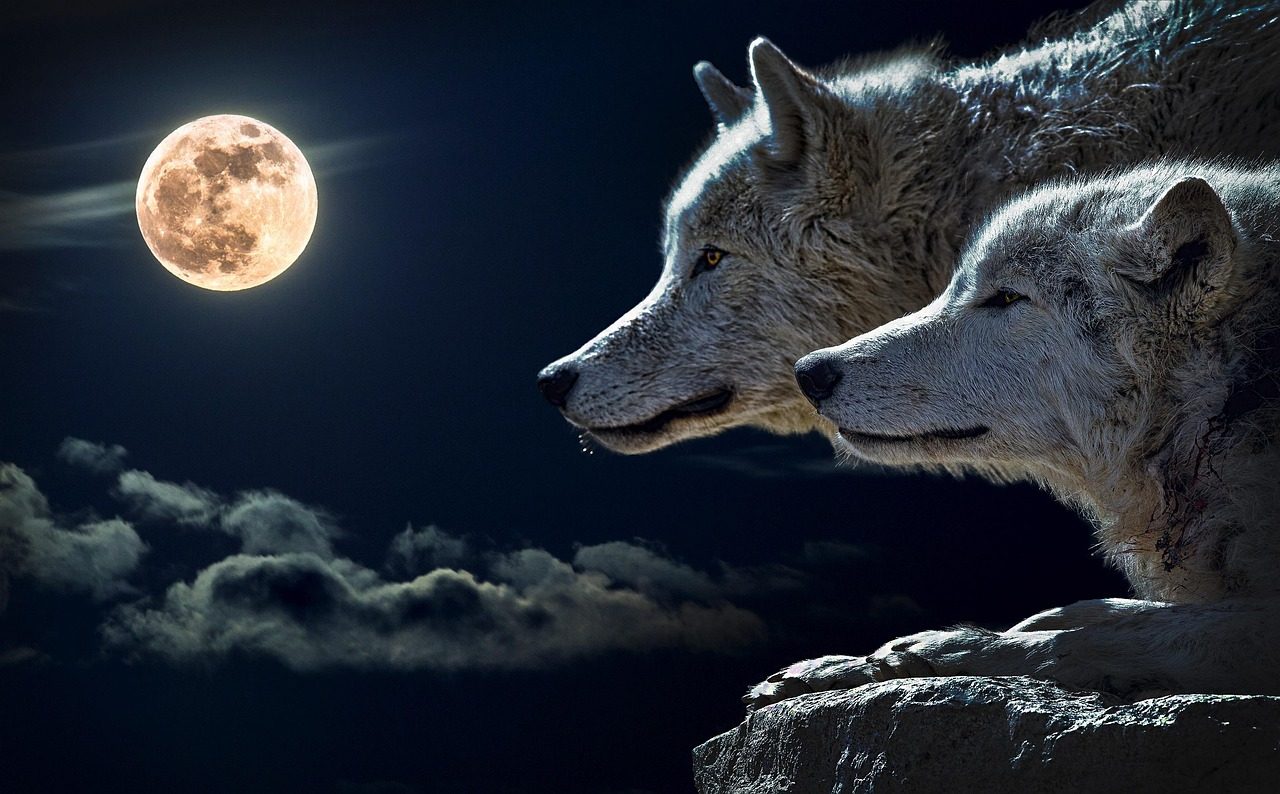
Scientists have not found any evidence, however, that wolves howl any more or less when the Moon is full or in any other phase. Numerous research studies in modern times have shown that wolves do not howl in any sort of pattern in regards to the moon. In other words, whether it’s a full moon, a new moon, or anything in between, including a completely cloudy sky, or if the moon hasn’t even risen, wolves are still known to howl.
Even if it may seem like wolves are always howling more during a full moon or just any time when the moon is out, it’s generally a coincidence rather than two connected events. There isn’t any evidence of wolves’ behavior being in any way linked to lunar phases. The truth is that wolves – the real-life, Canis lupus variety – don’t howl at the moon. Scientists have found no correlation between the canine and Earth’s satellite, except perhaps an increase in overall activity on brighter nights.
The Acoustic Reason Behind the Head Tilt
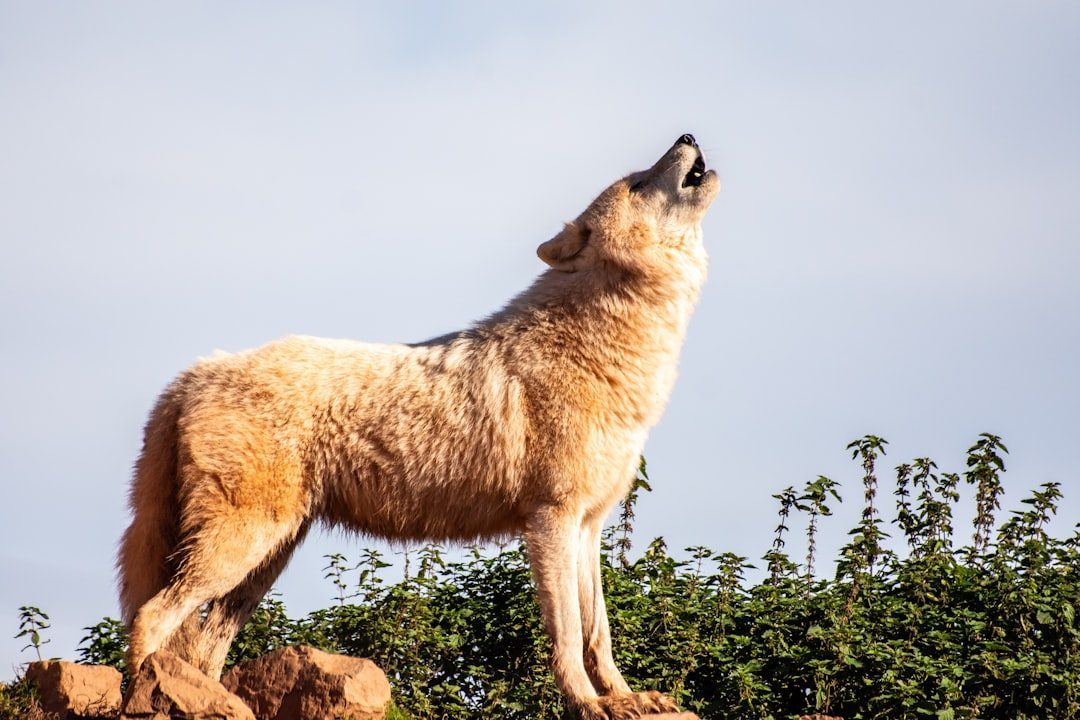
In order for a single vocalization to reach several kilometers, the wolf must tilt its head back. This position is also one of the factors that gave rise to the belief that wolves howl at the moon. That iconic image of a wolf tilting its snout toward the sky as it opens its mouth to howl? Of course, that looks like it’s howling at the moon. However, experts believe this is an acoustic choice: it helps the sound travel farther than if they kept their snouts facing the ground.
What we do know is that because of its pitch and the suspension of notes, the sound of a howl can be heard as far as 16 kilometers (10 miles) away on open tundra. Howling is a long-distance form of communication between wolves, and it is suggested that wolves are able to hear another howl up to 10 miles away in open terrain. This remarkable range means every bit of acoustic optimization matters.
Why Wolves Really Howl
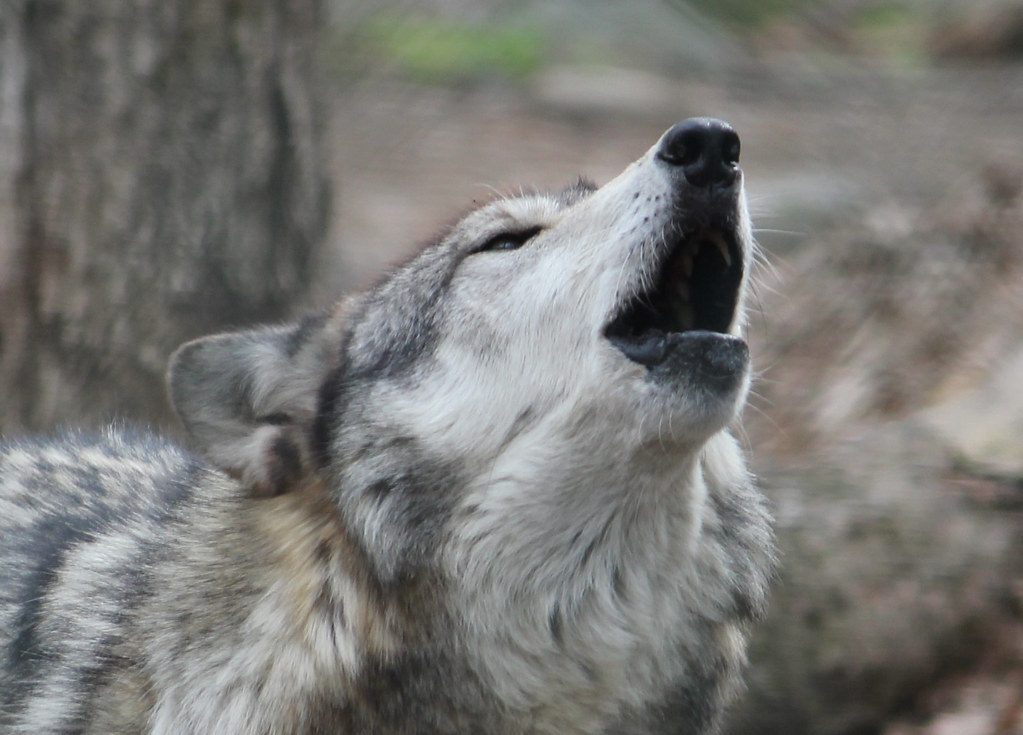
Howling is the one form of communication used by wolves that is intended for long distance. Howls seem to be about togetherness, whether the wolves are gathering for a hunt, mourning a lost pack mate, or announcing territorial or mating intentions. Biologists have identified a surprisingly wide range of possible functions: Wolves howl to assemble their pack, attract a mate, mark territory, scare off enemies, signal alarm, or communicate their position.
Gray wolves howl to assemble the pack (usually before and after hunts), to pass on an alarm (particularly at a den site), to locate each other during a storm or unfamiliar territory and to communicate across great distances. Another primary function of howling is locating pack members. When wolves become separated, perhaps during a hunt or while traveling, they howl to find one another and regroup. Each wolf possesses a unique howl, allowing individual recognition by other members of their pack, similar to how humans recognize familiar voices.
The Social Bonds and Pack Communication
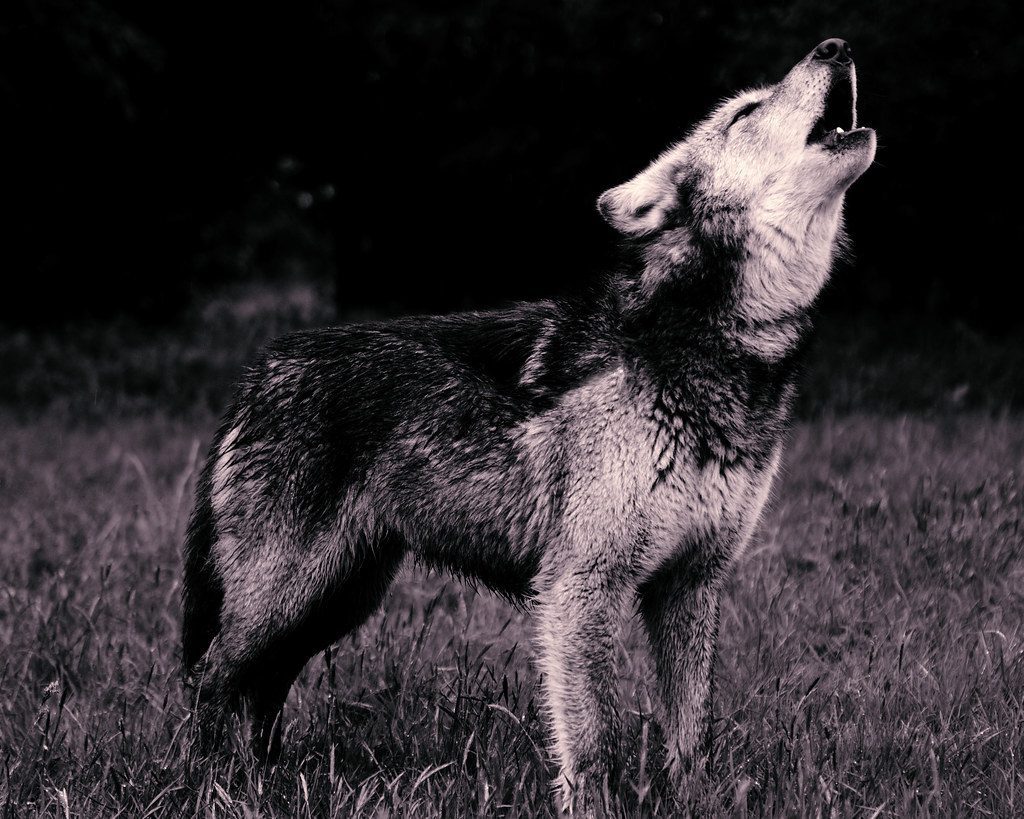
Howling also plays an important role in strengthening social bonds and fostering unity within the pack. Group howling sessions can reinforce the connections between pack members, promoting a sense of solidarity and shared identity. Studies suggest that wolves howl more frequently to pack members with whom they share strong social connections, indicating these vocalizations can be expressions of affection.
Much like each human has their own distinct voice, each wolf has a unique howl. When every pack member howls together, the harmony of their individual howls makes it sound as though the pack is larger than it is. On no occasion are the social bonds of wolves more clear than during a pack rally. A rally occurs when the pack howls together in chorus. It is a call to assembly, a territorial claim, a declaration of solidarity, and a celebration of being alive and being together.
Territorial Defense and Seasonal Changes
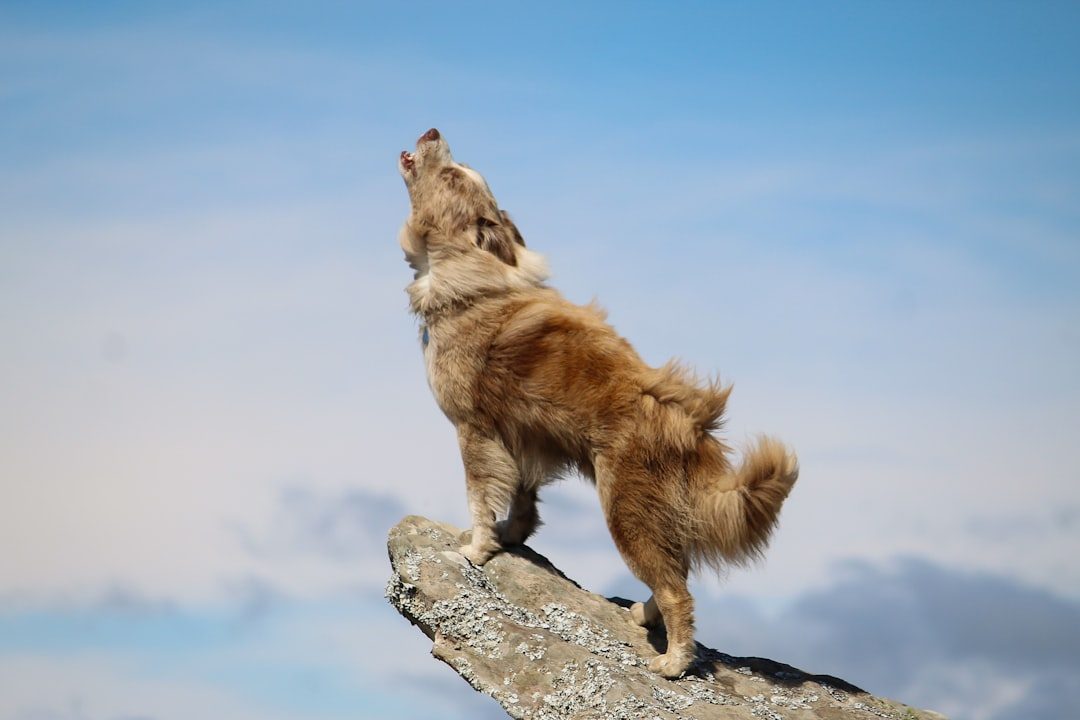
Howling also serves as an important mechanism for territorial marking and defense. Wolves use howls to warn rival packs to stay out of their established areas, often heard more frequently at the edges of a pack’s territory. When an entire pack howls together in a chorus, it creates the illusion of a larger group, deterring potential intruders and preventing direct physical confrontations.
Researchers studying wolves in Yellowstone National Park heard four times more wolf howls in February than in May. The conclusion was that the breeding season and reproduction influence when wolves howl. This time of year coincides with when wolves have hormonal changes in testosterone and estradiol. Similarly, wolves will howl more frequently before and during the breeding season when they are seeking a mate.
The Coincidence of Nighttime Activity
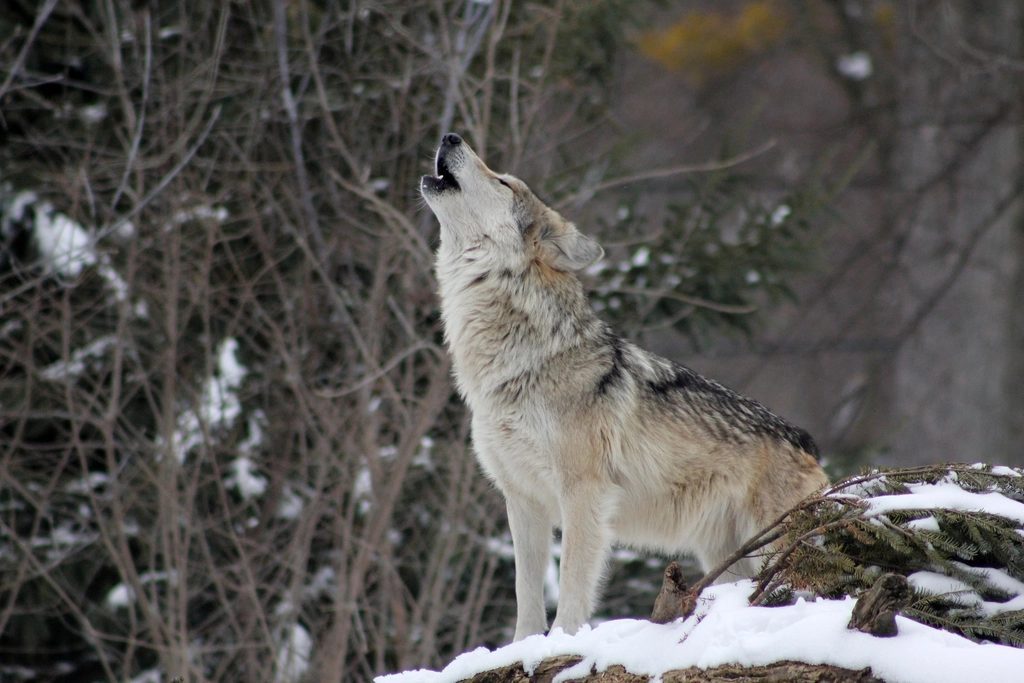
Crepuscular animals, wolves are most active in the hours around dawn and dusk. Since most species like the gray wolf (Canis lupus) are crepuscular, it is not uncommon to hear howling in the hours around dawn and dusk. And while the moon may be present when the howling occurs, it is entirely unrelated to the moon’s presence. That the moon is out at the time wolves are the most likely to howl is nothing more than a coincidence.
Wolves are simply more active at night, as Wonderopolis reminds us. They use the cover of the night to go out hunting for prey, and the moon may be out while they hunt. So while it may seem that wolves howl at the moon, the timing and view of the moon is more a coincidence with the wolves’ natural nocturnal habits. Wolves may howl during the day, in times of the new moon, and even when the moon is obscured by thick cloud cover.
Conclusion
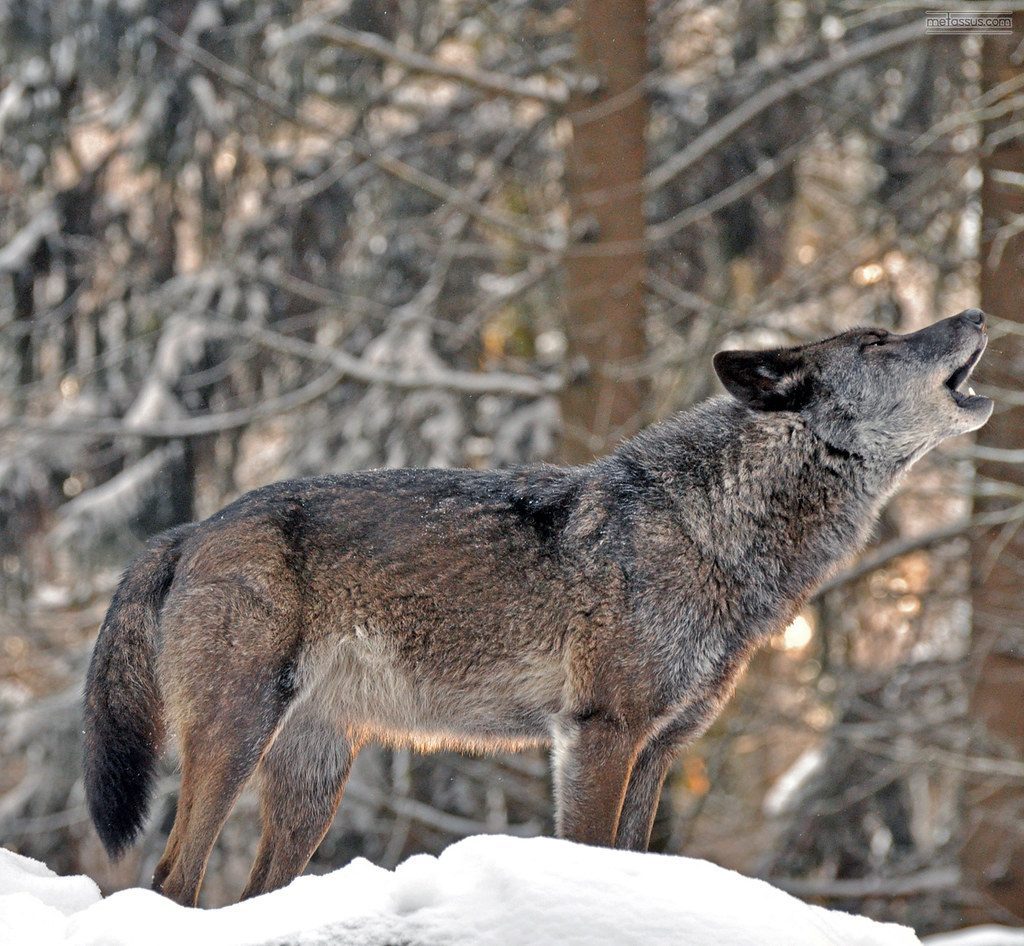
The next time you hear that haunting wolf howl echoing through the wilderness under a starlit sky, you’ll know it’s not directed at the moon above. Instead, it’s a complex form of communication that has evolved over thousands of years – a language of the wild that speaks of family bonds, territorial claims, and the intricate social lives of one of nature’s most remarkable predators.
Honestly, I think the reality is far more impressive than the myth. While movies and folklore paint wolves as mystical moon worshippers, the truth reveals creatures with sophisticated communication systems that rival our own social networks. What do you think is more fascinating – the romantic myth or the incredible reality?
