

Imagine waking up tomorrow to news broadcasts announcing the discovery of an entirely new continent. Picture it rising from the depths of the ocean, complete with towering mountains, vast forests, and ecosystems that have evolved in complete isolation for millions of years. The Nippon Foundation-Nekton Ocean Census, the world’s largest collaborative effort to accelerate the discovery of marine life, today announced the discovery of 866 new marine species.
This isn’t just science fiction anymore. With our oceans being less than 5 percent of the world’s oceans currently explored, and researchers constantly finding new species in the most unexpected places, the possibility becomes tantalizingly real. Such a discovery would revolutionize our understanding of evolution, biogeography, and life itself. So let’s dive in and explore what this remarkable scenario might actually look like.
The Geological Genesis of a New World
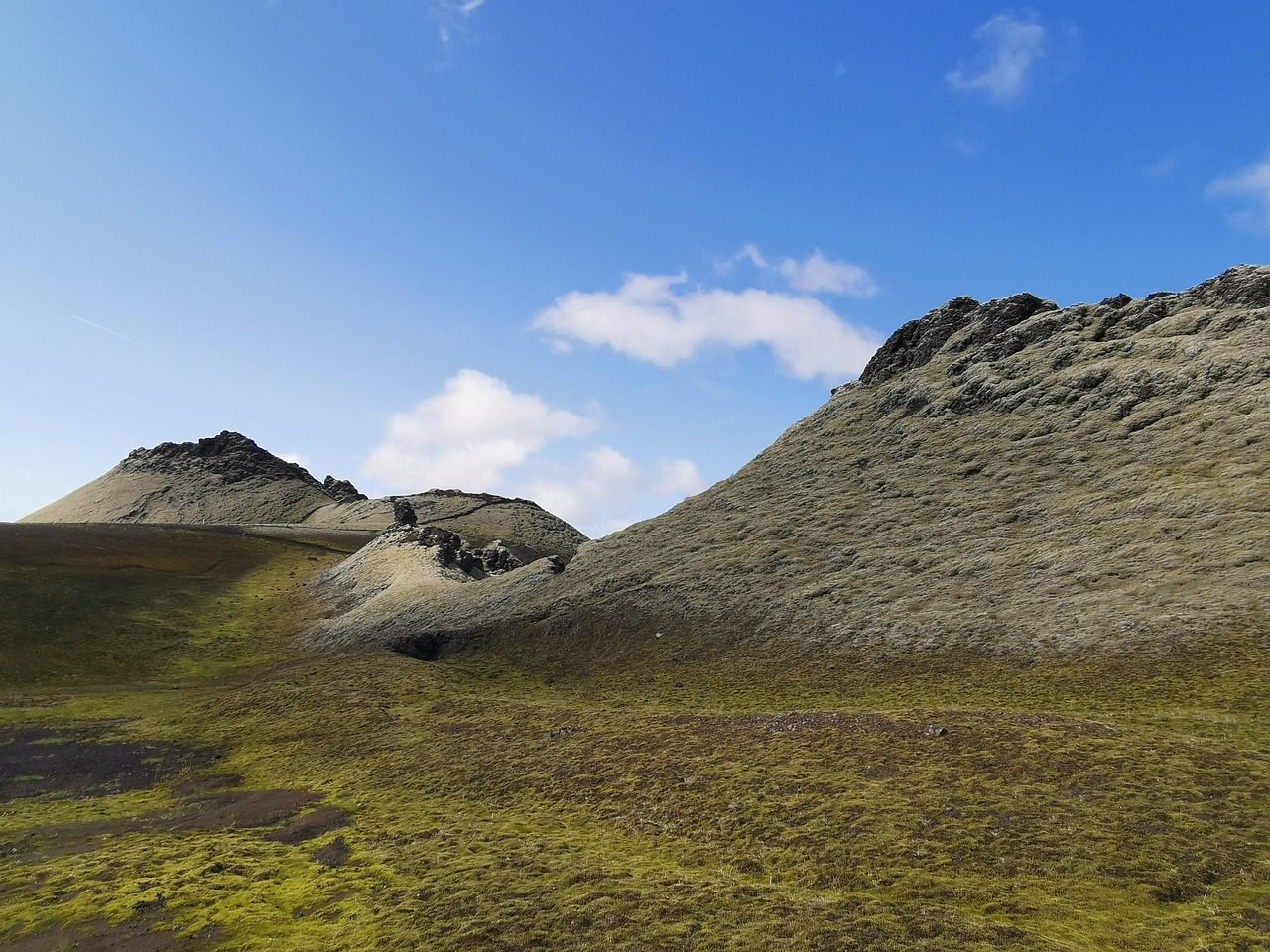
Creating a new continent isn’t some magical overnight process. The formation of continents is a complex geological process that spans millions of years and involves various tectonic and geological forces. Think about it like nature’s slowest construction project, where mountain ranges emerge grain by grain and ocean basins gradually shift their boundaries.
Our hypothetical new continent could emerge through several fascinating mechanisms. Scientists at UC San Diego’s Scripps Institution of Oceanography have found evidence that a fourth process called “ridge-jump tectonics” can also grow these continental roots. This process involves tectonic plates literally jumping to new positions, potentially lifting massive underwater landmasses above sea level. New continents can begin to form when there is significant separation of a tectonic plate, creating a new ocean between the plates. As the movement of these plates continues, the new ocean can expand, and new continental crusts may emerge, marking the beginning of a new continent.
Isolated Evolution and the Species Time Machine

Here’s where things get absolutely mind-blowing. When a landmass becomes isolated from the rest of the world, evolution essentially gets a blank canvas to paint with. Allopatric speciation has resulted in many of the biogeographic and biodiversity patterns found on Earth: on islands, continents, and even among mountains. Islands are often home to species endemics – existing only on an island and nowhere else in the world – with nearly all taxa residing on isolated islands sharing common ancestry with a species on the nearest continent.
Imagine creatures that have been evolving in complete isolation for potentially millions of years. We’re talking about animals that could have taken evolutionary paths so different from anything we know that they might seem almost alien. A common feature of these islands is the occurrence of adaptive radiations, where a lineage quickly diversifies to occupy different ecological niches. Picture marsupials that fly, reptiles that photosynthesize, or mammals with completely novel sensory organs we’ve never even dreamed of.
The Explosion of Adaptive Radiation

Our new continent would likely showcase one of nature’s most spectacular phenomena: adaptive radiation on an unprecedented scale. Adaptive radiation is a fascinating process where a single ancestral species rapidly diversifies into multiple descendant species. This evolutionary phenomenon occurs when organisms encounter new ecological opportunities, leading to rapid speciation and phenotypic divergence across different geographical regions and ecosystems.
Think of it as evolution’s version of a creative explosion. Evolutionary radiations can be triggered by a combination of biotic and abiotic factors, including key evolutionary innovations that enable exploitation of new resources, release from competitive pressures, environmental changes such as climate shifts or mass extinctions, and geographic isolation through barriers like islands or tectonic movements. With an entire continent of unexplored niches, we might witness dozens of new families of animals, each more remarkable than the last.
Unique Ecosystems Beyond Our Imagination
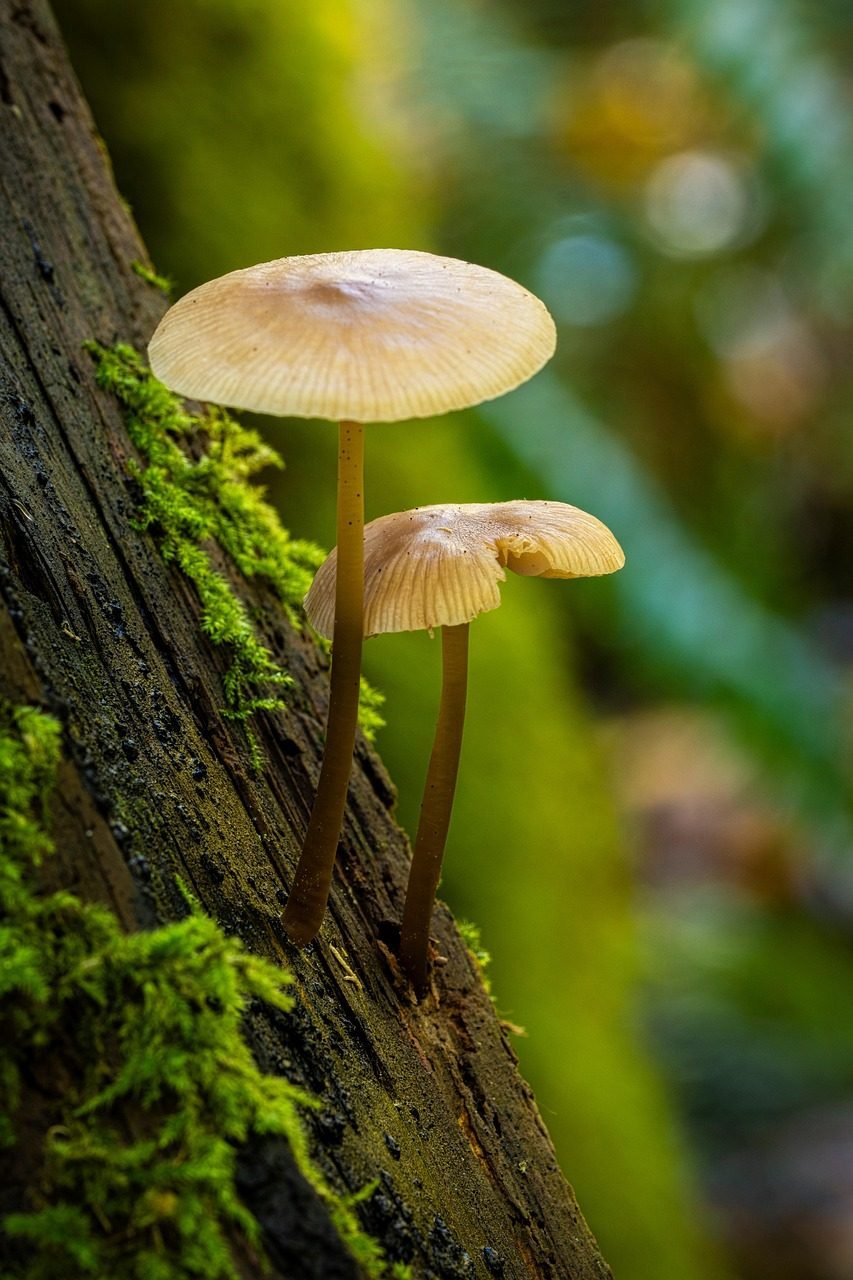
The ecosystems on our mystery continent would be unlike anything currently existing on Earth. Without human interference or competition from established global species, these environments could have developed completely novel food webs and ecological relationships. We find significant differences in morphology between species that occur in distinct environments and convergence in ecomorphology with repeated habitat shifts across the continent. These results suggest that isolated analogous habitats have provided parallel ecological opportunity and have repeatedly promoted adaptive diversification.
Picture forests where the dominant “trees” might actually be giant fungi, or grasslands populated by creatures that combine characteristics we typically see in completely different animal groups. This combination of habitat characteristics is unlike any seen on Earth, creating opportunities for life forms that challenge our basic understanding of biological categories.
Revolutionary Discoveries in Deep-Sea Emergence
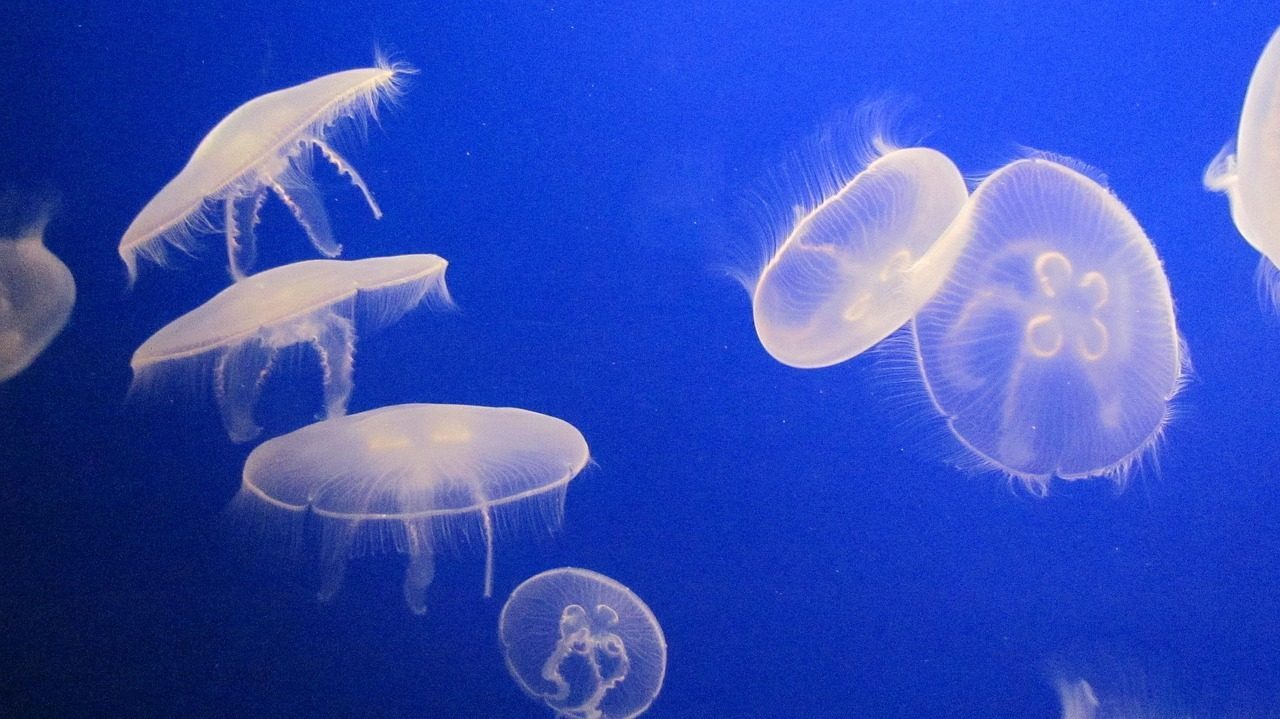
If our continent emerged from deep ocean depths, it would bring with it secrets from one of Earth’s most mysterious realms. A world-first study conducted by the Museums Victoria Research Institute has discovered that marine life in the cold, dark, and pressurized depths of the ocean is far more globally interconnected than scientists had previously believed. This means our new landmass could harbor species with genetic connections spanning the globe.
Using underwater robots capable of descending more than 4,500 meters (14,760 feet), researchers say they may have discovered more than 100 never-before-seen species living on the Salas y Gómez and Nazca ridges, which stretch across the southeastern Pacific. “We far exceeded our hopes on this expedition,” said Dr. Javier Sellanes from Universidad Católica del Norte in Chile, who was co-chief scientist of the expedition. “You always expect to find new species in these remote and poorly explored areas, but the amount we found, especially for some groups like sponges, is mind-blowing.” Now imagine an entire continent of such discoveries.
The Biogeographical Treasure Trove
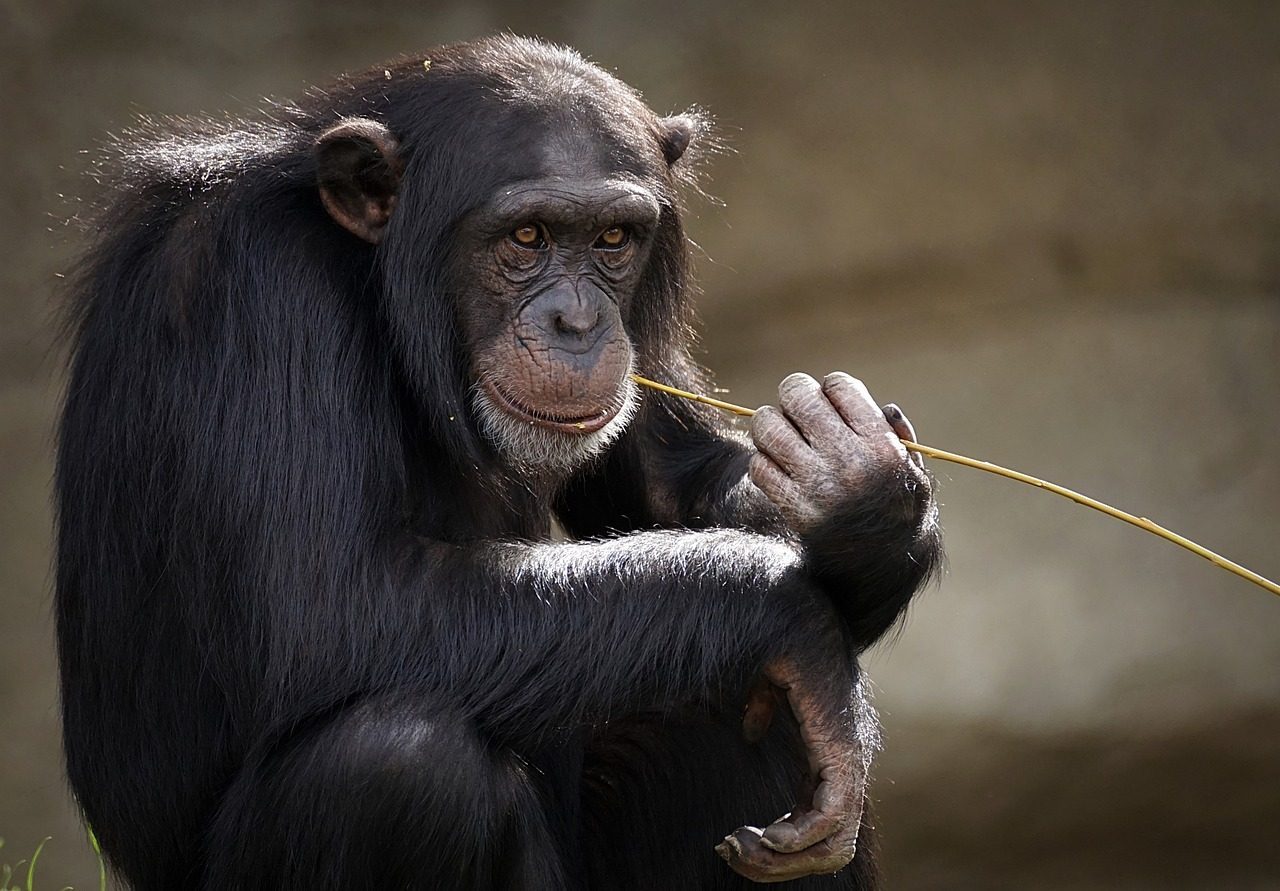
From a scientific perspective, this new continent would be the ultimate natural laboratory. The patterns of species distribution across geographical areas can usually be explained through a combination of historical factors such as: speciation, extinction, continental drift, and glaciation. However, our isolated continent would offer a unique case study where these typical factors might have played out in completely unexpected ways.
Our study provided a mechanistic model to help understand the effects of biogeography and stochasticity on radiation size in the idealized scenario where there are no effects of adaptation. Our main finding suggests possible new drivers of radiation size in connected groups of isolated communities, including radiation cascades. This leads us to tentatively suggest that niche differentiation can be an effect rather than a cause of rapid radiations. Such insights could revolutionize our understanding of how life diversifies.
The Scientific and Conservation Implications
The discovery of a continent populated by entirely new species would create the ultimate conservation challenge and opportunity. Scientists estimate there may be between 700,000 and 1 million species in the ocean (excluding most microorganisms, of which there are millions). Roughly two-thirds of these species, possibly more, have yet to be discovered or officially described. Our new continent could potentially double or triple these numbers overnight.
The ethical questions would be staggering. How do we study these species without disrupting their ancient ecological balance? As we often say, we can’t manage or protect something that we don’t even know exists. The race would be on to catalog and understand these species before human activity inevitably begins to impact their pristine environments. It would represent both the greatest scientific opportunity and responsibility of our time.
The emergence of a continent filled with undiscovered species would fundamentally reshape our understanding of life on Earth. From revealing new evolutionary pathways to challenging our basic assumptions about biogeography and ecosystem function, such a discovery would provide insights that could take centuries to fully comprehend. It would remind us that our planet still holds mysteries beyond our wildest imagination, waiting to be discovered in the most unexpected places.
What fascinates you most about this possibility? Tell us in the comments.
