
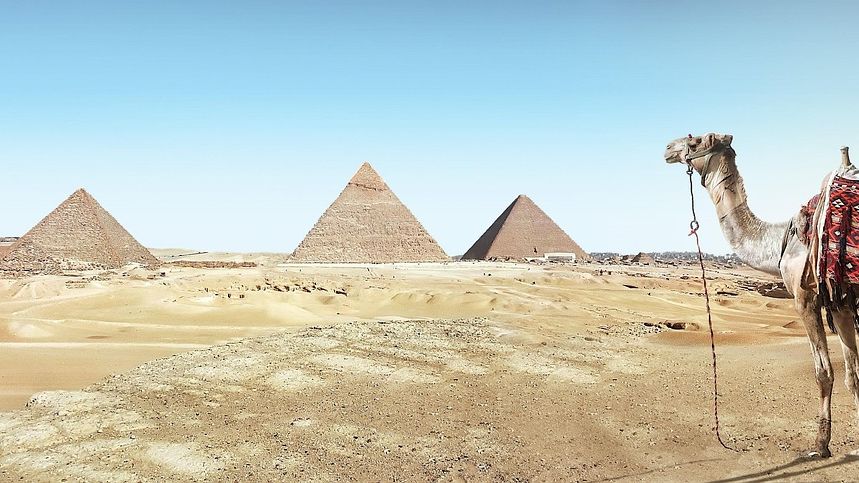
Pyramids Of Giza stands as a monument to human ingenuity, an ancient structure that continues to captivate our imagination thousands of years after its construction. Think about this for a moment: a civilization without modern machinery, computers, or even the wheel as we know it today managed to create one of the most precise and massive structures ever built. How is that even possible?
When you stand before this ancient wonder, you’re looking at more than just stacked stones. You’re witnessing the culmination of advanced engineering, astronomical knowledge, and sheer determination that still puzzles experts today. Let’s explore some truly remarkable aspects of this incredible monument that might just change how you see the ancient world.
It Held the Record as the World’s Tallest Structure for Nearly Four Millennia
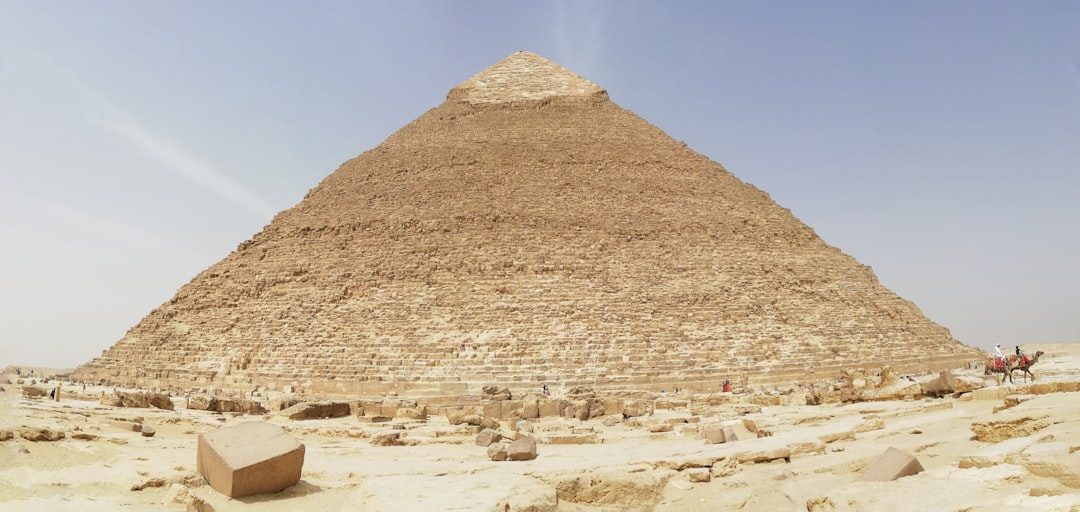
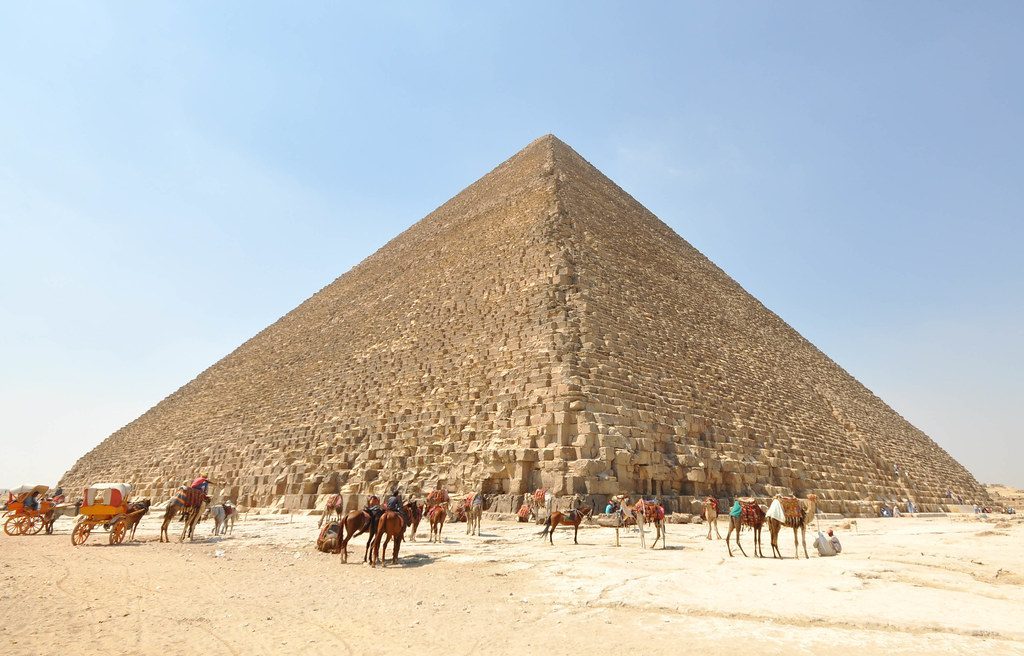
Initially standing at 146.6 metres (481 feet), the Great Pyramid was the world’s tallest human-made structure for more than 3,800 years. To put this in perspective, it’s like a building maintaining the height record from ancient times all the way through to the medieval period. That’s an absolutely staggering achievement.
Over time, most of the smooth white limestone casing was removed, which lowered the pyramid’s height to the current 138.5 metres (454.4 ft). Even after losing nearly eight meters, it remains an imposing sight on the Giza plateau. The structure only lost its title when Lincoln Cathedral in England was completed in the 14th century.
The Mathematical Precision Is Almost Unbelievable
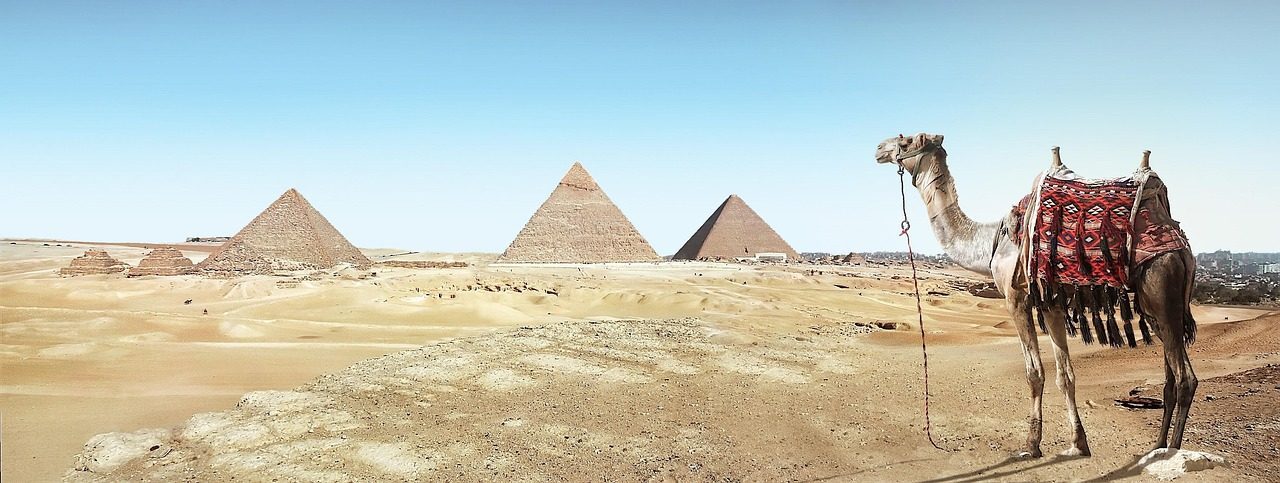
Let’s be real here, the accuracy achieved by ancient Egyptian builders is mind-blowing. Many of the casing-stones and inner chamber blocks of the Great Pyramid fit together with high precision, with joints, on average, only 0.5 millimetres (0.020 in) wide. That’s thinner than a credit card!
The accuracy of the pyramid’s perimeter is such that the four sides of the base have an average error of only 58 millimetres (2.3 inches) in length and the finished base was squared to a mean corner error of only 12 seconds of arc. When you consider they were working with copper tools and rope, this level of precision seems almost impossible. Each side measures roughly 755 feet, yet the variance is barely noticeable.
Over Two Million Blocks Were Used in Its Construction
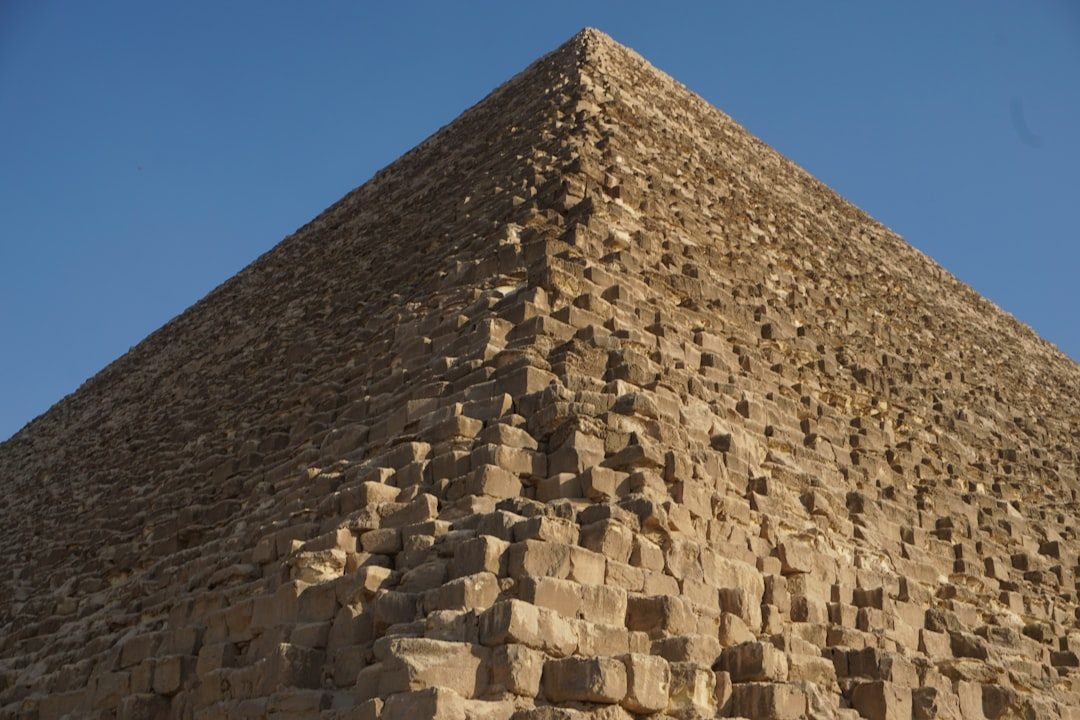
The Great Pyramid was built by quarrying an estimated 2.3 million large blocks, weighing 6 million tonnes in total. Imagine placing one block every few minutes for decades on end. That’s not just construction, that’s a logistical miracle.
The blocks weren’t uniform either. Its estimated 2.3 million stone blocks each weigh an average of 2.5 to 15 tons. Some of the granite blocks in the King’s Chamber weighed up to 80 tonnes and were transported from Aswan, hundreds of miles away. The sheer organizational capacity required to coordinate this work is staggering.
It Wasn’t Built by Enslaved People
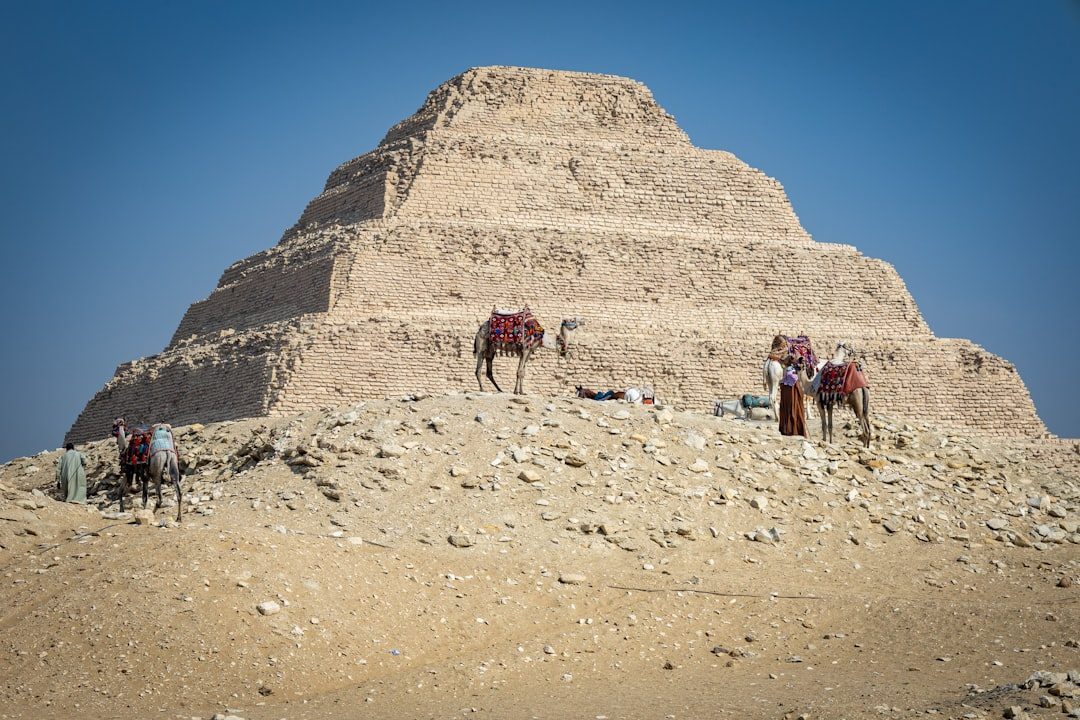
Here’s something that surprises many people: the pyramid wasn’t constructed by slaves. Archaeologists now believe that (at least) was built by tens of thousands of skilled workers who camped near the pyramids and worked for a salary or as a form of tax payment (levy) until the construction was completed, pointing to workers’ cemeteries discovered in 1990.
Contrary to popular belief, these laborers were not enslaved, but were well-paid employees afforded good living conditions and an abundance of food. Entire workers’ villages have been discovered near the pyramid, complete with evidence of medical care and decent housing. Honestly, this changes the whole narrative about ancient Egyptian society.
The Alignment with Cardinal Directions Is Remarkably Accurate
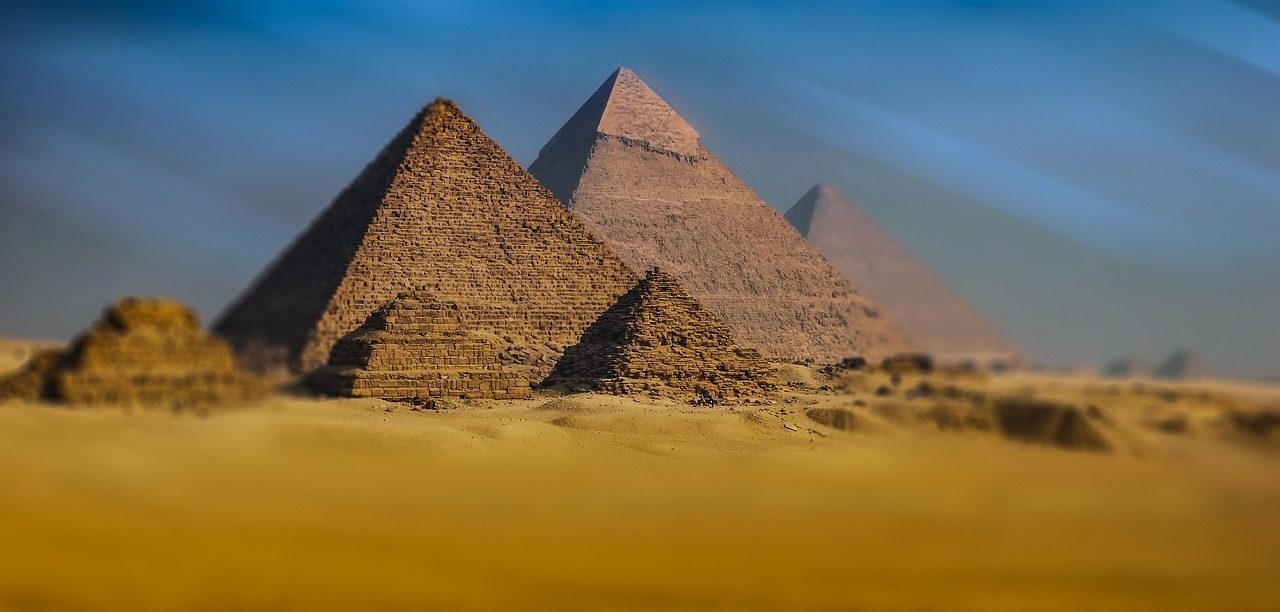
The pyramid’s sides rise at an angle of 51.87° and are accurately oriented to the four cardinal points of the compass. Think about trying to achieve that level of astronomical precision without modern instruments. The 4,500-year-old pyramid is laid out with its sides running just one-fifteenth of a degree askew of the cardinal directions.
All three pyramids were aligned to the compass points with uncanny accuracy, perhaps by using stars, or mapping shadows on key dates like the fall equinox. Some researchers believe the ancient Egyptians used the stars or solar observations to achieve this precision, but the exact method remains a fascinating mystery.
An Extinct Nile Branch Made Construction Possible

One of the most recent discoveries helps explain how materials were transported to the site. A new study published in May 2024 mapped an extinct branch of the Nile, Ahramat Branch, which once flowed near Egypt’s Great Pyramid and other Giza monuments. This changes everything we thought we knew about logistics.
Today, the Nile flows around five miles east of the Great Pyramid, but in Khufu’s time, its course cut much closer to the plateau. Excavations, sediment coring, and modern mapping techniques have revealed that the Egyptians engineered an intricate series of canals, harbors, and basins to ensure that stones and other supplies could be off-loaded at the foot of the construction site. The river itself was part of the construction plan.
The Interior Contains Three Mysterious Chambers
There are three known chambers inside of the Great Pyramid. The lowest was cut into the bedrock, upon which the pyramid was built, but remained unfinished. The so-called Queen’s Chamber and King’s Chamber, which contain a granite sarcophagus, are above ground, within the pyramid structure.
That tall corbelled passageway is 151 feet (46 meters) long. This refers to the Grand Gallery, an architectural marvel in itself. What’s fascinating is that the unfinished underground chamber raises questions about whether the builders changed their plans mid-construction. Recent scanning technology has also revealed hidden voids within the structure, adding to the mystery.
Ancient Papyrus Records Reveal Construction Details
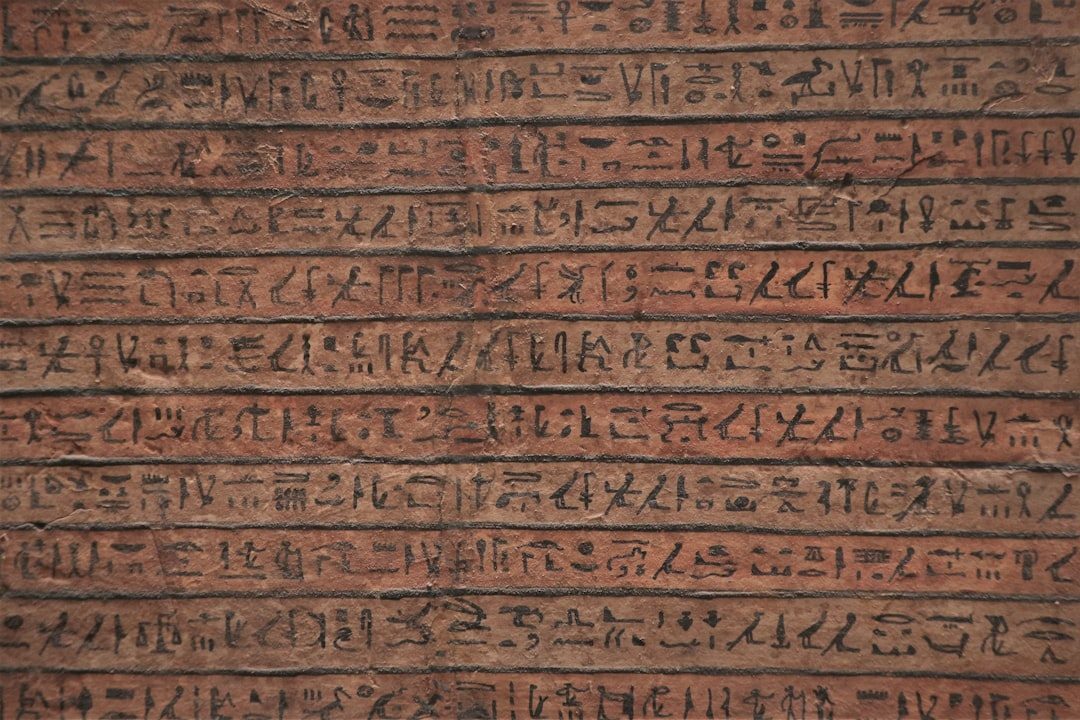
During excavations in 2013 the Diary of Merer was found at Wadi al-Jarf. It documents the transportation of white limestone blocks from Tura to the Great Pyramid, which is mentioned by its original name Akhet Khufu (with a pyramid determinative) dozens of times. This is the oldest papyrus ever discovered and provides actual eyewitness accounts.
Merer’s logbook details the workers’ daily activities and offers new insight into the logistics of the pyramid’s construction. Reading the actual words of someone who worked on this project over 4,500 years ago is absolutely incredible. It’s hard to say for sure, but this discovery might be one of the most important archaeological finds in recent decades.
The Construction Timeline Was Astonishingly Short
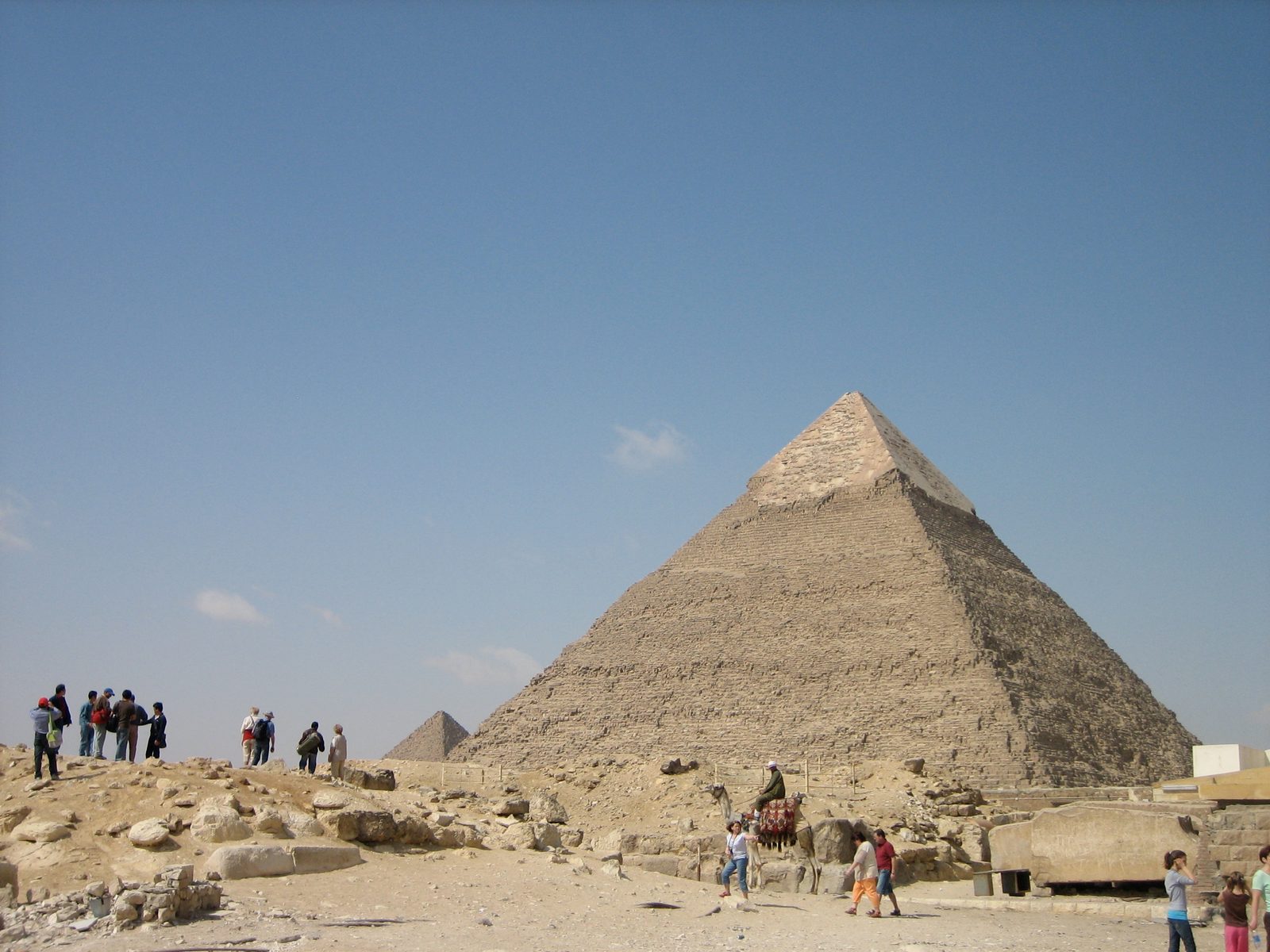
According to the ancient Greek historian Herodotus, the Great Pyramid took 20 years to construct and required the labor of 100,000 men. While modern estimates suggest the workforce might have been smaller, the timeline seems accurate. is thought to have been completed in 20 years.
When you do the math, that means workers had to place blocks at an incredible pace. A construction management study conducted in 1999, in association with Mark Lehner and other Egyptologists, had estimated that the total project required an average workforce of about 13,200 people and a peak workforce of roughly 40,000. This wasn’t just construction work; it was a massive national project that required coordination, engineering brilliance, and sustained effort over two decades.
Conclusion: A Testament to Human Achievement
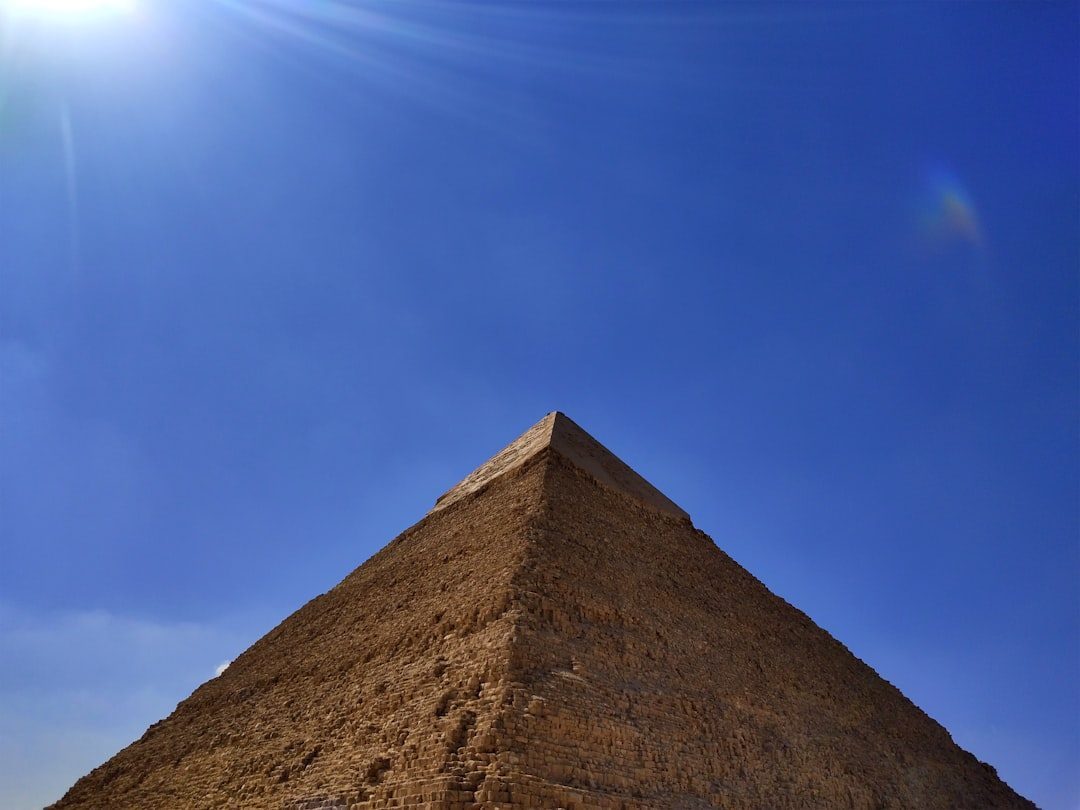
stands as proof that ancient civilizations possessed knowledge and capabilities that continue to astound us today. From its mathematical precision to its massive scale, from the organizational genius required to its mysterious interior chambers, this monument challenges our assumptions about what was possible thousands of years ago.
What makes it truly remarkable isn’t just the structure itself, but what it represents about human determination and ingenuity. Without modern technology, cranes, or computer modeling, ancient Egyptian workers created something that has outlasted empires and continues to inspire wonder in everyone who sees it. The pyramid reminds us that human achievement knows no temporal boundaries.
Did you expect that so many mysteries would still remain unsolved after all these centuries? What aspect of the Great Pyramid fascinates you most?
