
Ever wonder what it would feel like to walk the same streets that witnessed the birth of a nation? Some cities manage to hold onto their past so tightly that the present almost feels like an interruption. In America, where change and progress move at lightning speed, a handful of places have preserved their history with remarkable dedication. These aren’t museum exhibits frozen behind glass. They’re living, breathing communities where centuries-old architecture stands shoulder to shoulder with modern life, where cobblestones meet coffee shops, and where you can actually sense the weight of what came before.
So let’s explore ten remarkable destinations where the past isn’t just remembered – it’s still very much alive.
St. Augustine, Florida: America’s Oldest Continuously Inhabited City
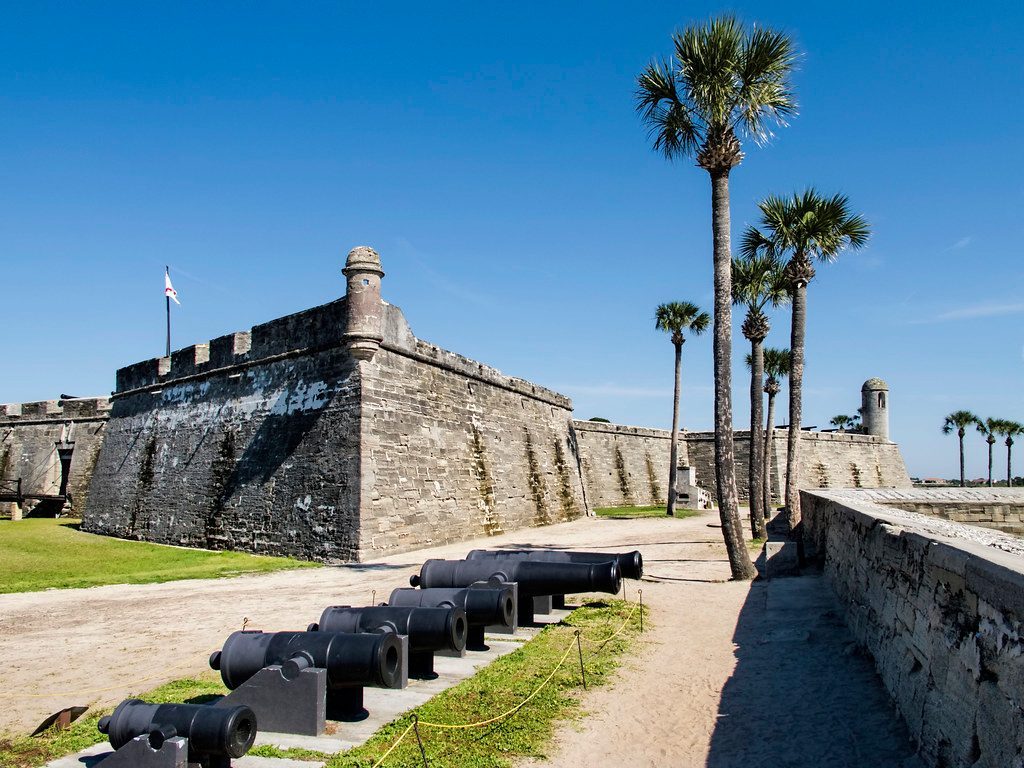
Founded by Spanish explorers in 1565, St. Augustine holds the title of the oldest continuously inhabited European settlement in the continental United States. Walking through the historic district feels genuinely surreal. The Spanish colonial architecture dominates the landscape, from the colorful facades to balconies hanging over narrow streets lined with palm trees and Spanish moss-draped oaks.
A tour of the Castillo de San Marcos is essential – this old Spanish fort offers a fascinating glimpse into early Spanish colonial history. The entire downtown area maintains its colonial character remarkably well. You’ll find yourself transported to a time when this settlement was the northern outpost of Spain’s vast American empire.
Colonial Williamsburg, Virginia: Living History Museum Extraordinaire
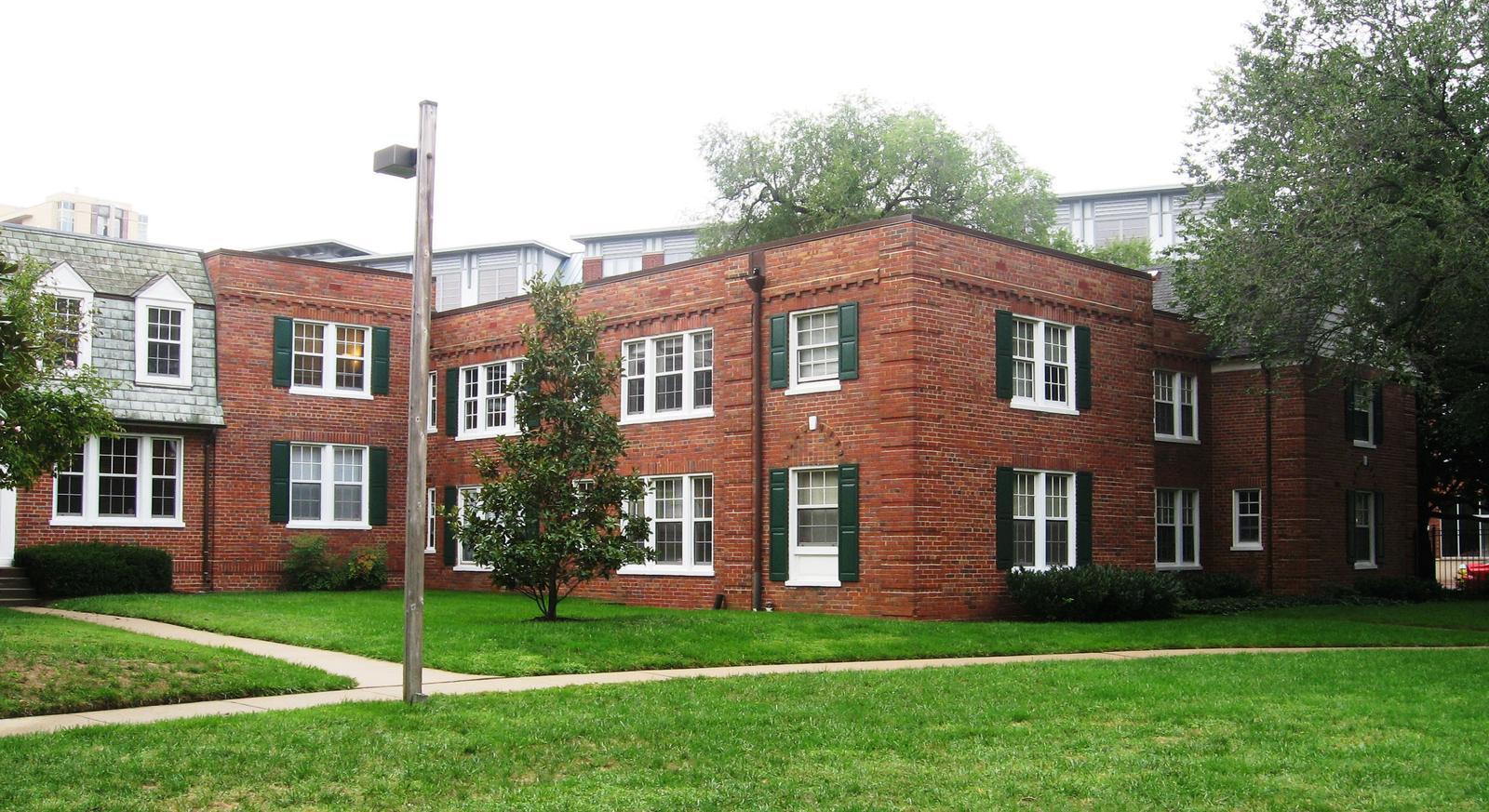
Colonial Williamsburg isn’t just a destination – it’s a full-scale time machine, spanning 301 acres and featuring the world’s largest collection of original 18th-century buildings. The commitment to authenticity here borders on obsessive, which makes it absolutely captivating. Costumed interpreters don’t just dress the part – they inhabit it, recreating daily colonial life with meticulous detail.
The world’s largest living history museum has won numerous awards for its meticulous recreation of life in the 1700s. Honestly, it’s hard not to be impressed. You can watch blacksmiths hammer away at their anvils, visit taverns serving period-appropriate food, and wander through perfectly preserved homes. The nearby sites of Jamestown and Yorktown complete the historical triangle, offering even deeper immersion into America’s colonial and revolutionary past.
Charleston, South Carolina: Southern Elegance Preserved in Time
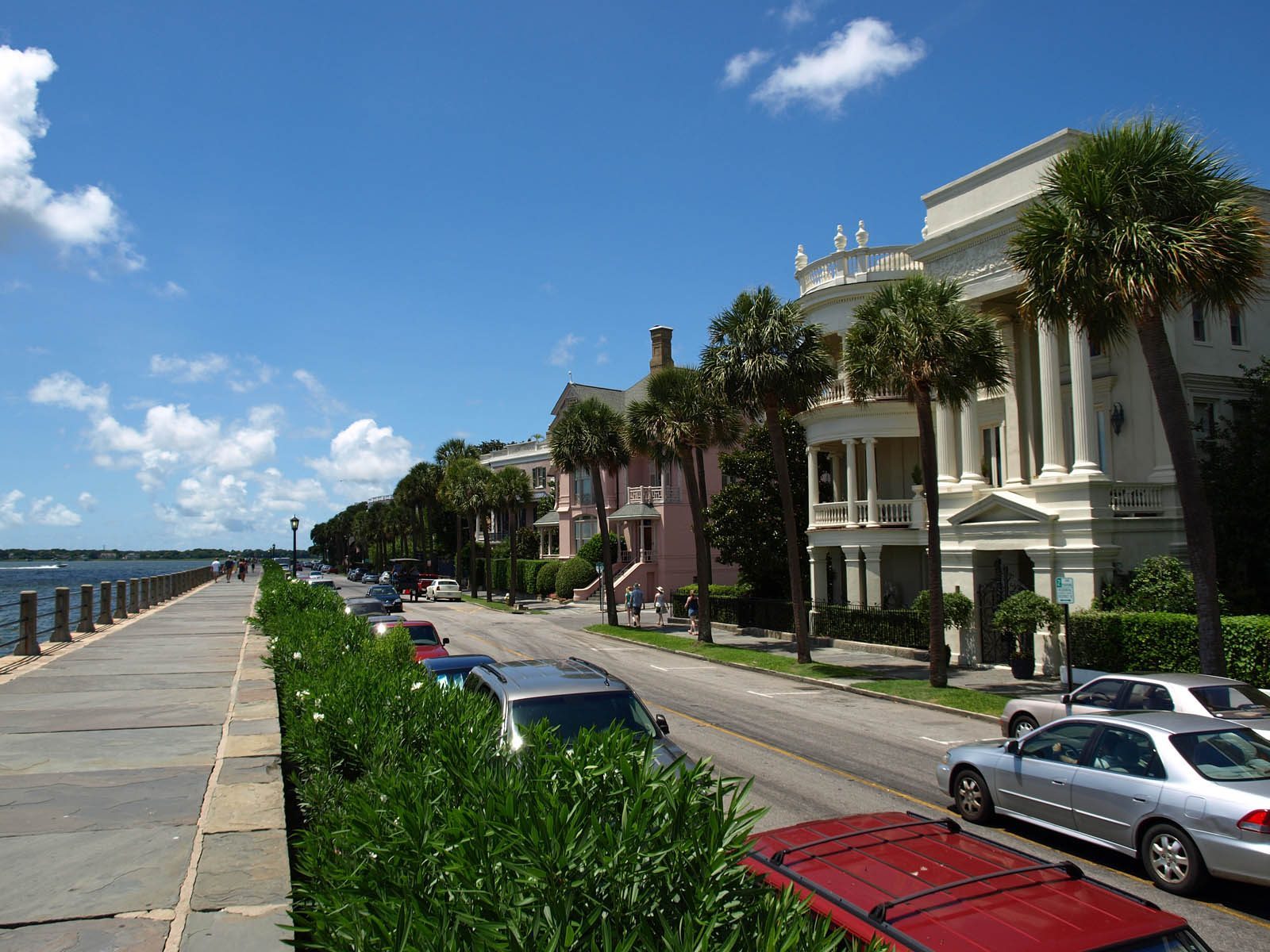
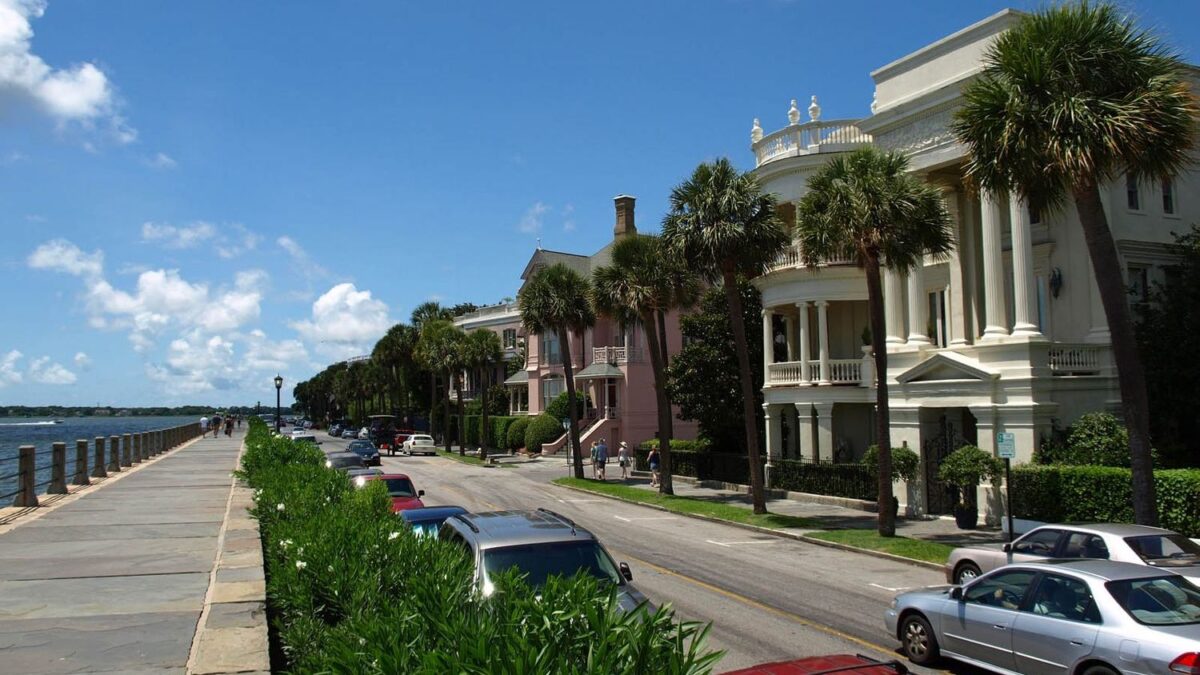
Charleston is one of the most beautiful and well-preserved historic cities in the United States, with cobblestone streets, pastel row houses, and gas lanterns that make it feel like time stopped 200 years ago – founded in 1670, it quickly became one of the wealthiest cities in the colonies. Rainbow Row’s pastel-colored homes have become iconic, yet they represent just a fraction of the architectural treasures scattered throughout this coastal gem.
The antebellum mansions tell stories both beautiful and painful. The city’s well-preserved buildings from the 18th and 19th centuries reflect Georgian, Federal and Greek Revival styles, with Rainbow Row being one of Charleston’s most photographed spots. Churches like St. Michael’s Episcopal stand as stunning examples of colonial craftsmanship. The entire experience feels like stepping onto the set of a historical drama, except everything is astonishingly real.
Boston, Massachusetts: Where American Revolution Lives and Breathes
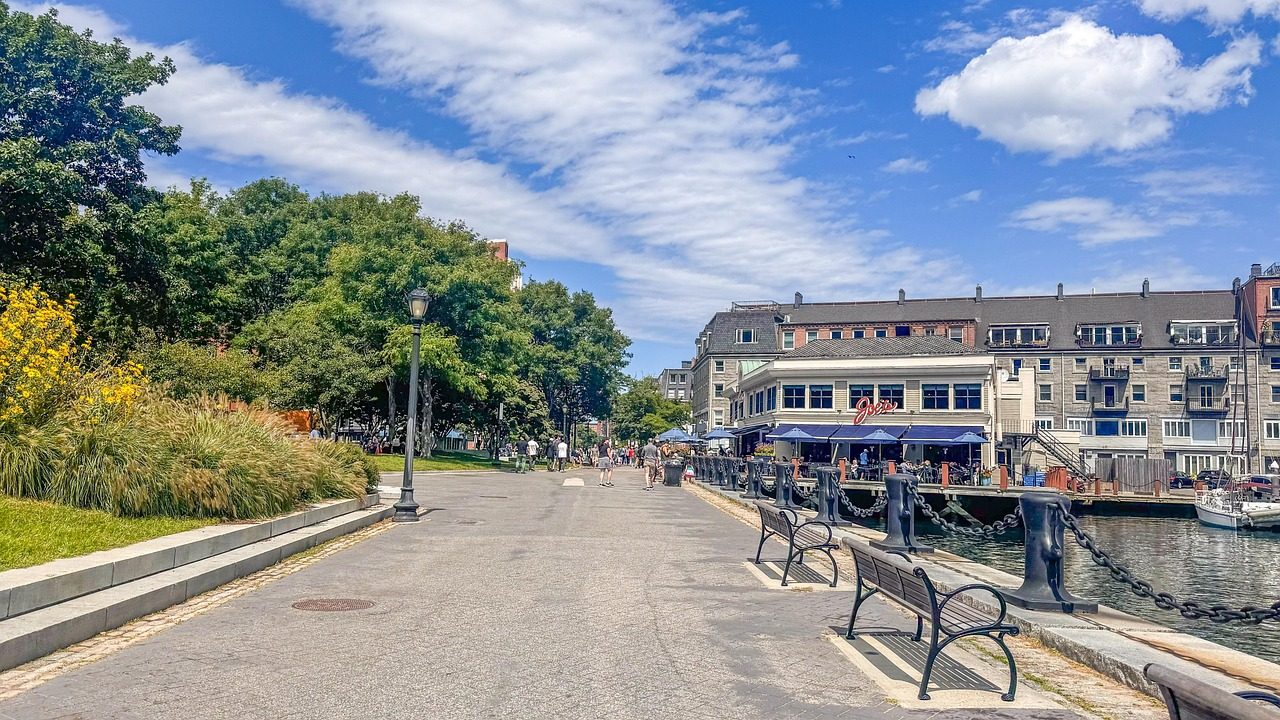
Boston is a city of American firsts – the country’s first public library, first subway system, first public school and first public park all belong to Boston. Let’s be real, few cities wear their historical significance quite so proudly. The Freedom Trail alone connects sixteen major historical sites, guiding visitors through the heart of America’s revolutionary past via a distinctive red brick line along the ground.
The Paul Revere House, built in 1680, is the oldest standing structure in downtown Boston – this home of American patriot Paul Revere features casement windows and gabled roofs. Beacon Hill’s gas-lit streets and federal-style rowhouses transport visitors to the early republic. Walking these cobblestones, you can almost hear the footsteps of revolutionaries plotting independence. The blend of preserved colonial architecture with modern city life creates something genuinely magical.
Savannah, Georgia: Southern Belle with Historic Squares
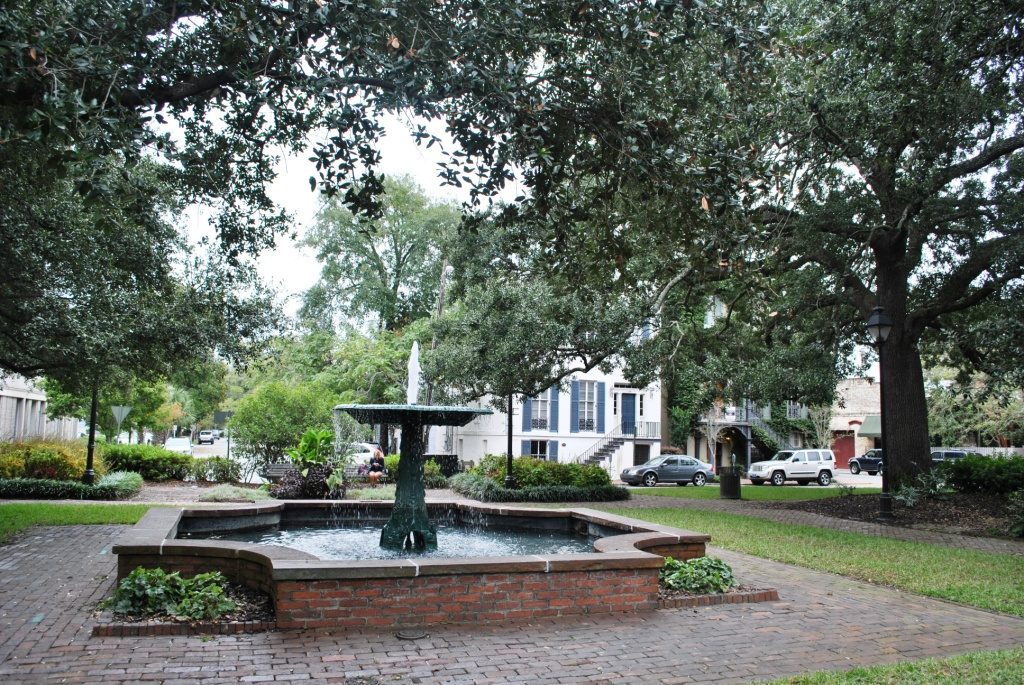
Savannah, founded in 1733 by General James Oglethorpe, was America’s first planned city. The result of that careful planning remains visible today in the twenty-two park-like squares that give the city its distinctive character. Spanish moss drapes from ancient oak trees, creating an atmospheric canopy over streets lined with beautifully preserved antebellum architecture.
With one of the largest historical landmark districts in the country, Savannah is famous for its antebellum architecture, moss-draped oak trees and historic squares. The city escaped destruction during the Civil War, which ironically helped preserve its architectural heritage. Today, you can stroll through neighborhoods that look remarkably similar to how they appeared in the 1800s. The Mercer-Williams House and Forsyth Park anchor a cityscape that feels suspended somewhere between past and present.
Philadelphia, Pennsylvania: Birthplace of American Democracy
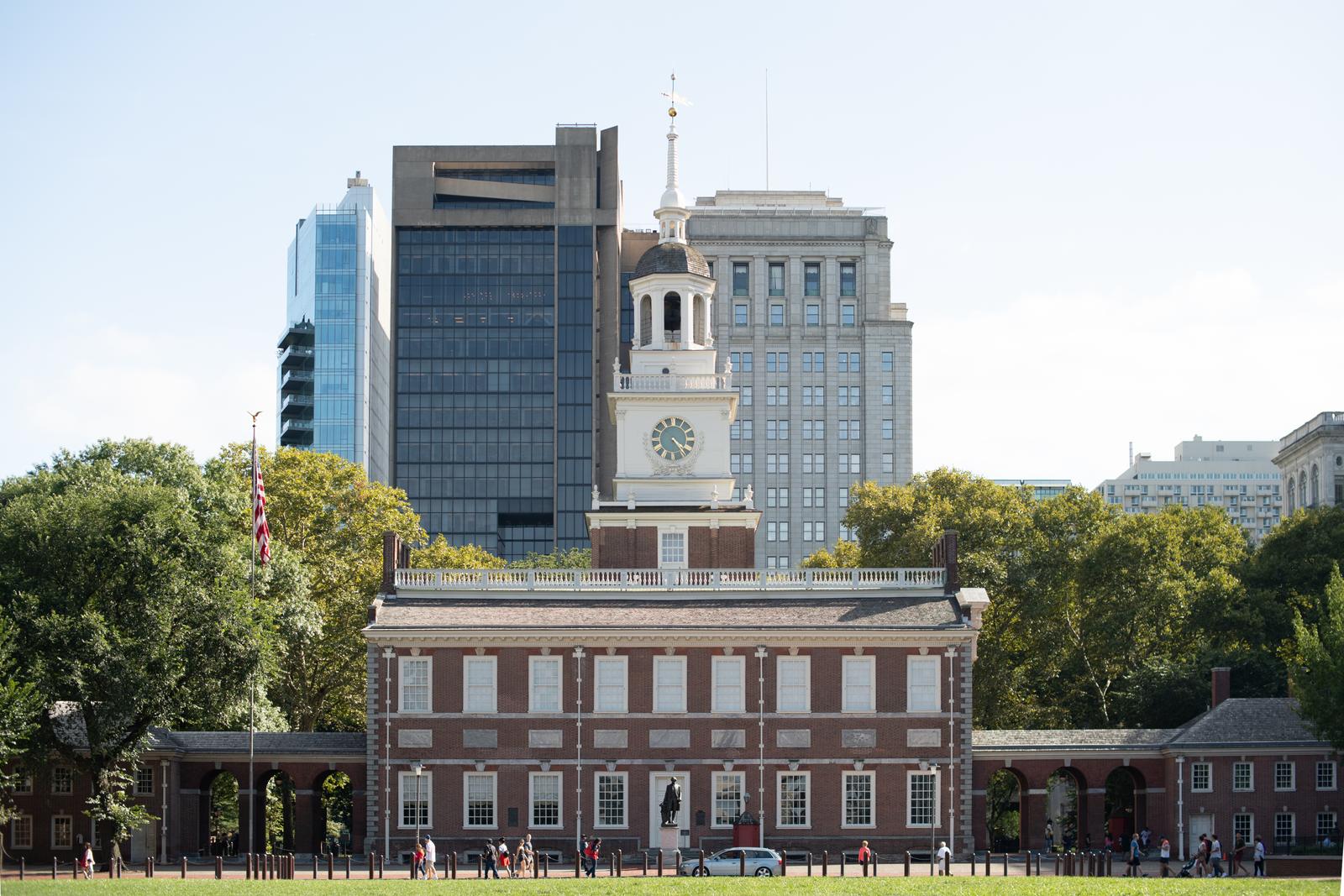
Philadelphia, the birthplace of American democracy, is home to some of the nation’s most significant historic architecture – Independence Hall, where the Declaration of Independence and the U.S. Constitution were signed, is a must-see. This is where America essentially began as an idea, transformed into words, and then into reality. The weight of that history is almost tangible as you walk through the Old City.
The area is characterized by quaint townhouses and old cobblestone streets that make it easily navigable on foot, with beautifully preserved colonial-era buildings, vintage row homes including America’s oldest inhabited residential street, Elfreth’s Alley, and federal-style mansions scattered around its neighborhoods. Independence National Historical Park concentrates an extraordinary amount of American history into a remarkably walkable area. From the Liberty Bell to Franklin Court, each site tells part of the founding story.
New Orleans, Louisiana: Where Cultures Collide and History Endures
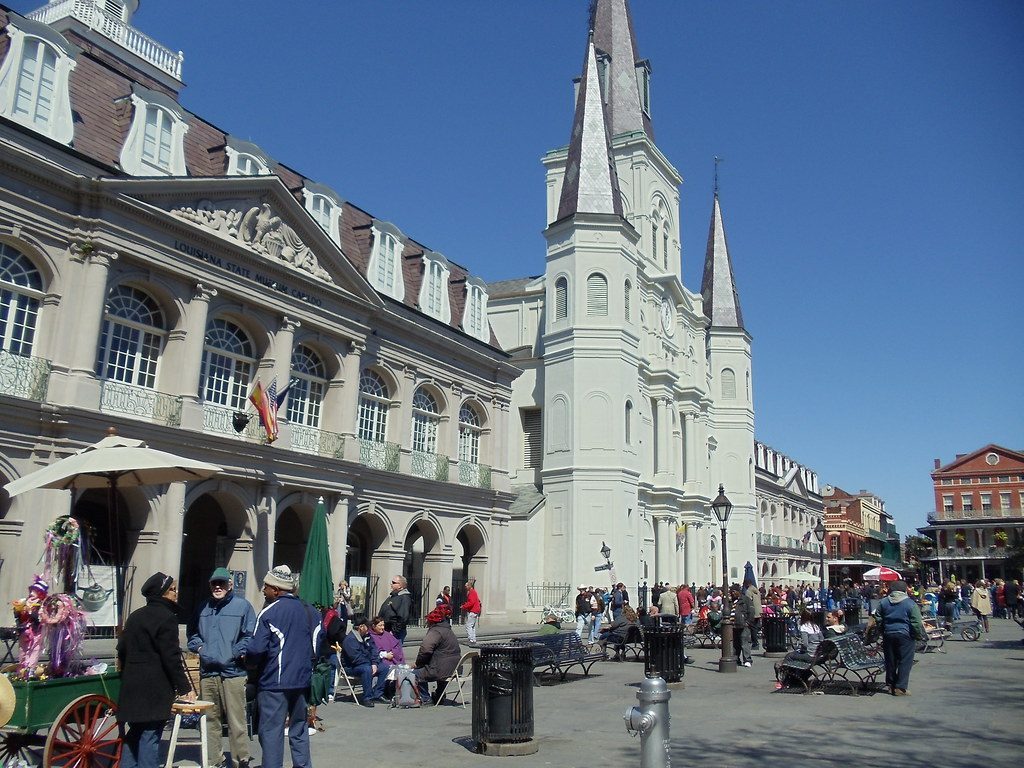
New Orleans is a melting pot of cultures, and its architecture reflects French, Spanish, Creole and American influences – the French Quarter, with its iconic wrought-iron balconies and colorful Creole townhouses, is a testament to the city’s European roots. Walking through the Quarter feels like entering another world entirely, one where time moves differently and history lives in every building, every street corner, every courtyard hidden behind ornate gates.
New Orleans shines with the most historical tours per 100K residents and the highest-rated museums in the U.S. The blend of architectural styles creates something utterly unique in America. St. Louis Cathedral dominates Jackson Square, while the surrounding Pontalba Buildings showcase the city’s distinctive style. Jazz history seeps from every corner, adding another layer to an already incredibly rich historical tapestry.
Santa Fe, New Mexico: Ancient Adobe and Spanish Colonial Heritage
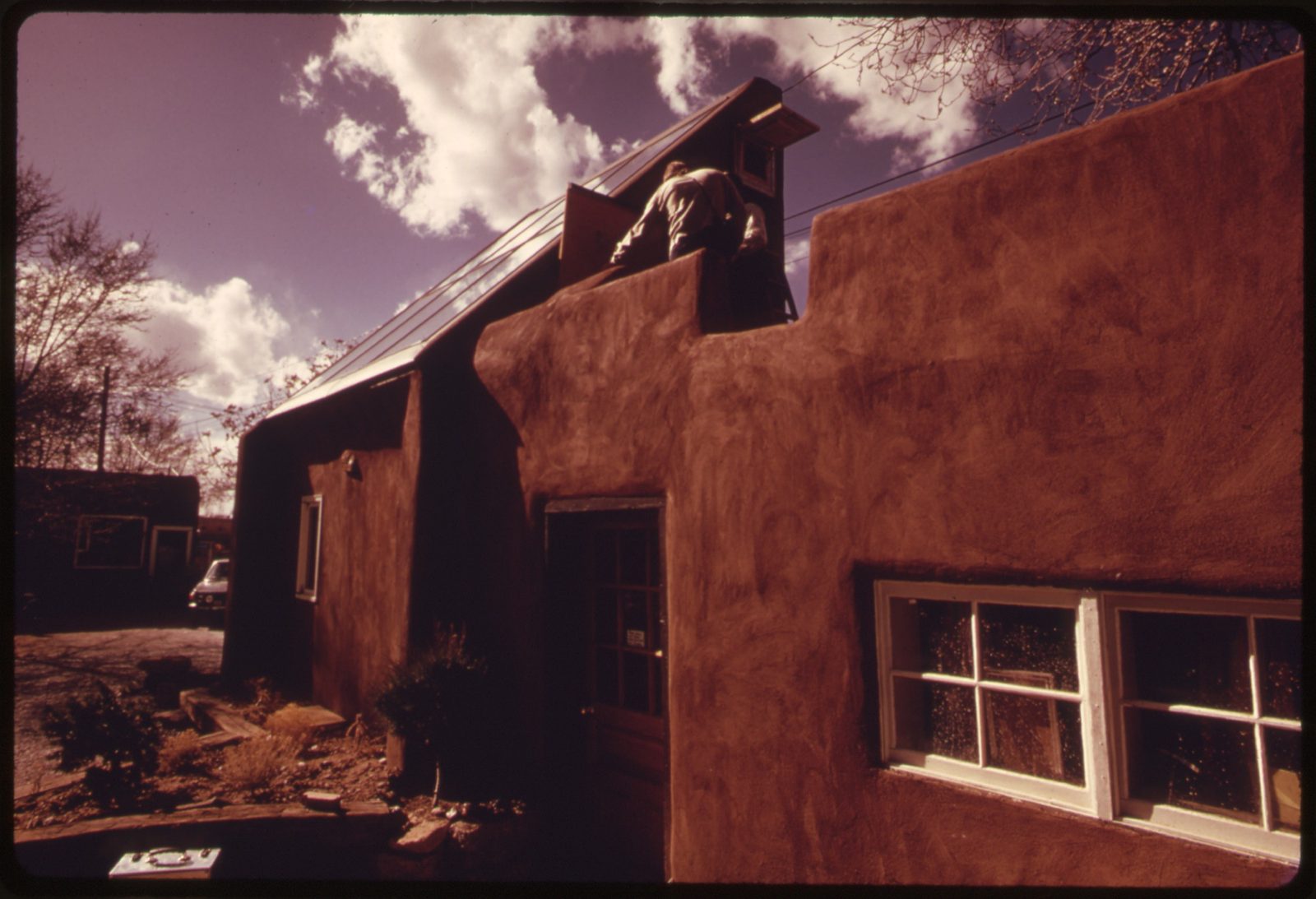
Established in 1610, Santa Fe is the country’s oldest state capital. The adobe architecture gives the entire city a remarkably unified appearance, and local regulations ensure new construction conforms to this distinctive style. The result is a cityscape that looks remarkably similar to how it appeared centuries ago when Spanish colonists first established this northern outpost.
Santa Fe is home to San Miguel Chapel dating from 1610, the oldest religious building in the U.S., as well as the Palace of the Governors, the nation’s first public building. The city’s commitment to preservation goes beyond mere buildings – it extends to cultural traditions and artistic heritage. Native American, Spanish, and Mexican influences blend together, creating a cultural richness that few American cities can match. The annual Santa Fe Fiesta, running continuously since colonial times, keeps these traditions vibrantly alive.
San Antonio, Texas: Spanish Missions and Frontier History
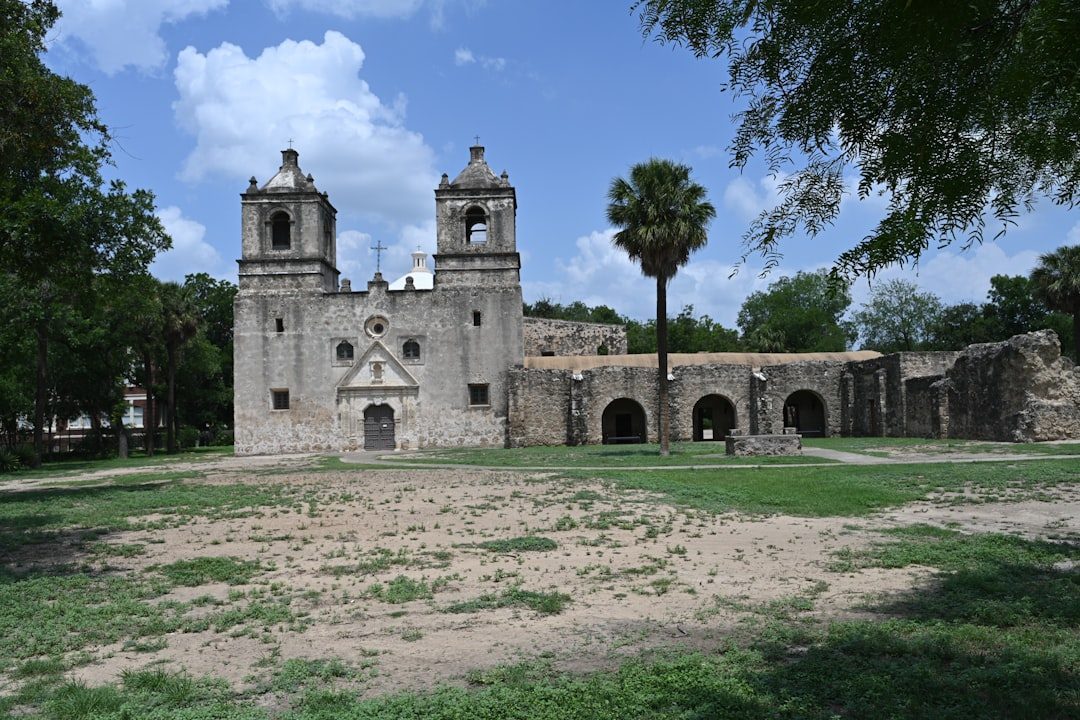
Founded by the Spanish in 1718, San Antonio has the largest concentration of Spanish architecture in North America. Everyone knows about the Alamo, but the city’s historical significance extends far beyond that famous battle. The San Antonio Missions collectively form a UNESCO World Heritage site, showcasing exquisitely preserved Spanish colonial architecture and providing insight into early Texas history.
These missions form part of the San Antonio Missions National Historic Park, officially declared a UNESCO World Heritage site in 2015 owing to its exquisitely well-preserved buildings, along with other historically significant sights including the elegant San Fernando Cathedral and the Spanish Governor’s Palace. The River Walk winds through the historic downtown, lined with authentic architecture and historical treasures. It’s a place where frontier history meets modern urban life, and somehow the contrast only enhances the historical atmosphere.
Washington, D.C.: The Nation’s Capital and Living Monument
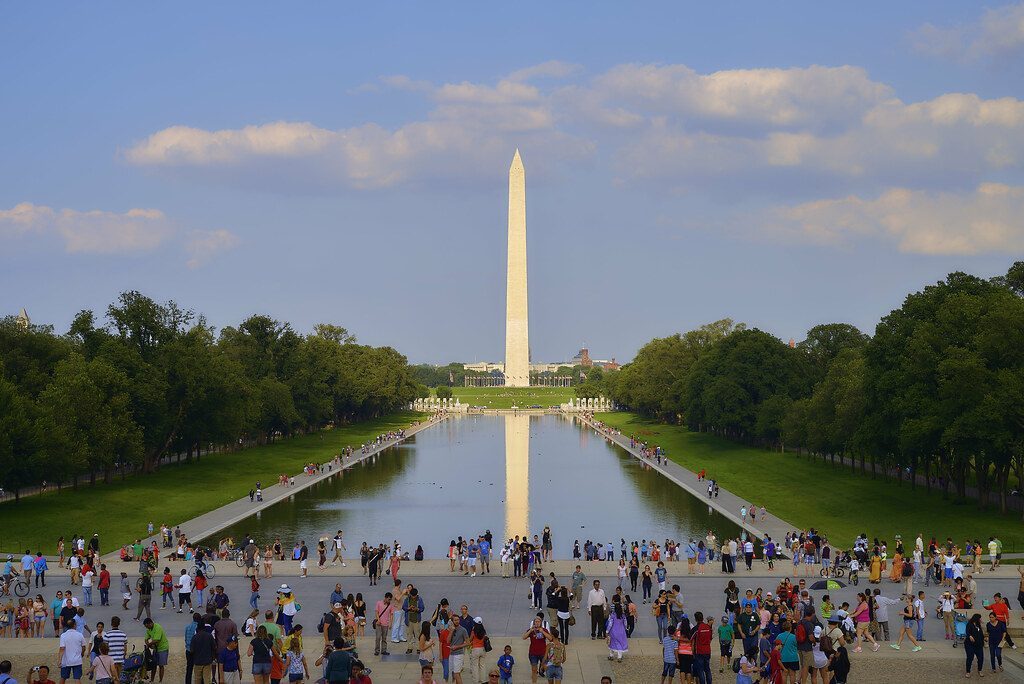
Washington has the highest number of historic sites and museums per 100K residents – from iconic monuments like the National Mall to major museums from the Smithsonian Institute, the nation’s capital is a treasure trove of history. While relatively young compared to some cities on this list, few places concentrate American history quite so intensely. Every monument, every building tells part of the national story.
At the National Archives, the Declaration of Independence, U.S. Constitution, and Bill of Rights are all on display – it’s one thing to read about these in school, and another to stand in front of them in person. Georgetown’s Federal-style architecture and cobblestone streets offer a glimpse of the capital’s earlier days. The memorials along the National Mall create spaces for reflection on the people and events that shaped the country. Walking through the city becomes a journey through American history itself.
Conclusion
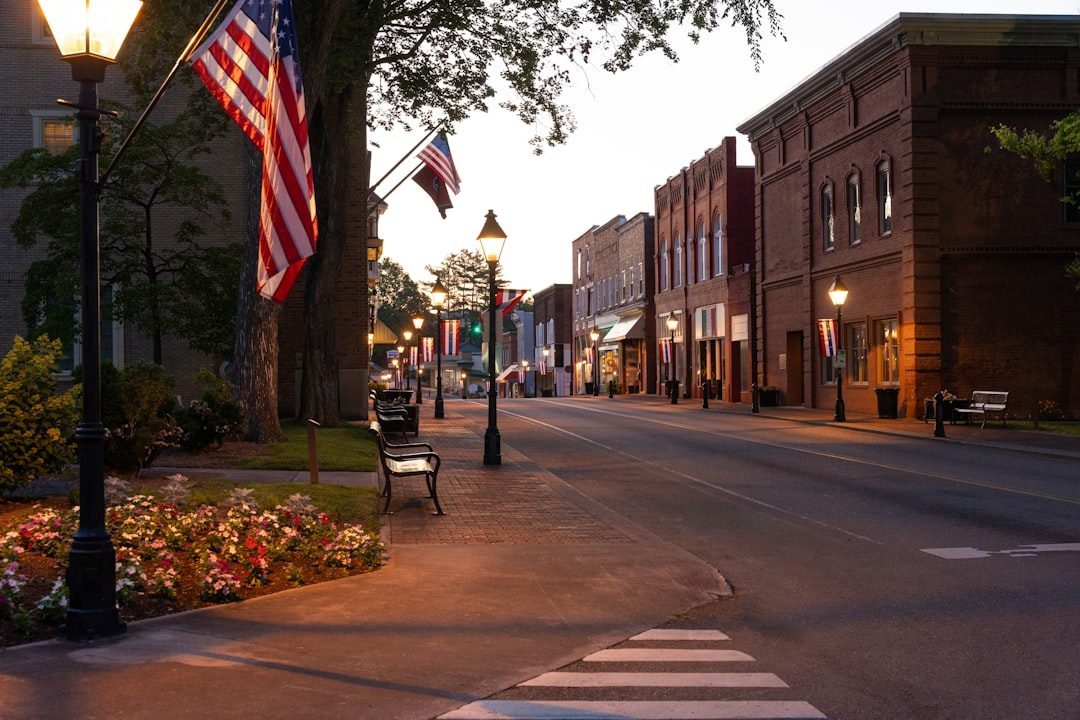
These ten cities offer something genuinely rare – the chance to physically step into America’s past. They’ve managed to preserve not just buildings, but entire atmospheres, entire ways of life that might otherwise have been lost to progress and development. Each cobblestone, each carefully restored facade, each historical marker represents a conscious choice to remember, to honor, and to share the stories that built this nation.
What’s remarkable is how alive these places feel. They’re not static museums but vibrant communities where history and modernity coexist. So which of these time-capsule cities speaks to you? Would you walk the revolutionary streets of Boston, or lose yourself in the Spanish colonial charm of Santa Fe? Tell us in the comments – we’d love to hear which era of American history calls to you most strongly.
