
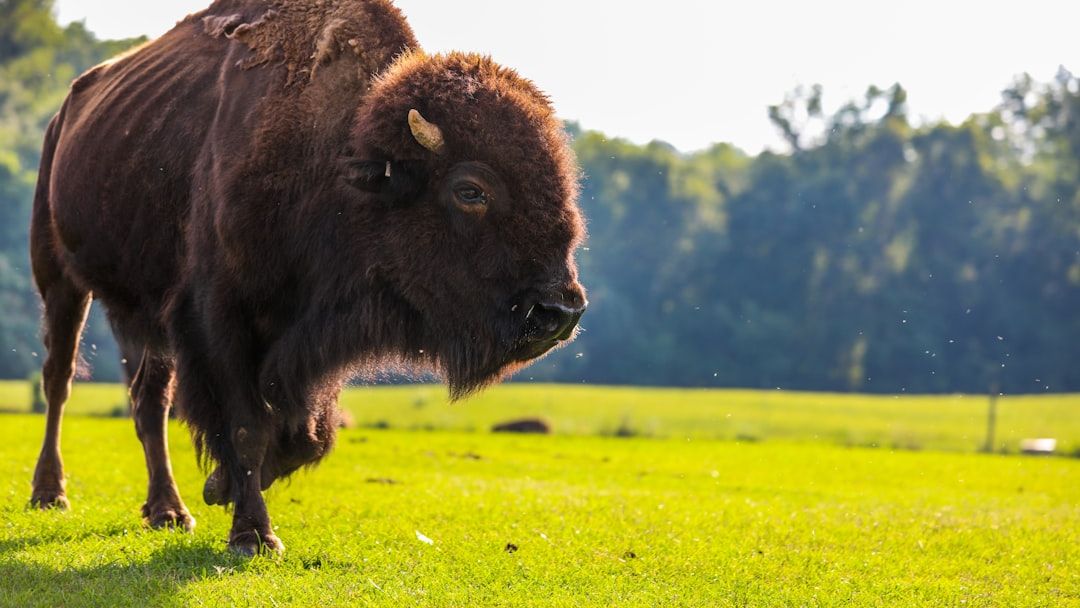
Picture this. Rolling prairies, vast open skies, and massive creatures dotting the horizon like living relics from another time. Once upon a time, these majestic animals numbered in the millions across North America, but they were hunted nearly to extinction in a dark chapter of American history. By 1889, fewer than 600 remained. Through incredible conservation efforts, bison populations have rebounded remarkably in recent decades. Today, thousands of these powerful animals roam across select states, creating living connections to our past.
You might wonder where these magnificent beasts still thrive in significant numbers. Some states have become true havens for bison recovery, with both wild herds and managed populations. Let’s explore which states lead the way in preserving this iconic symbol of the American West.
South Dakota Leads the Pack
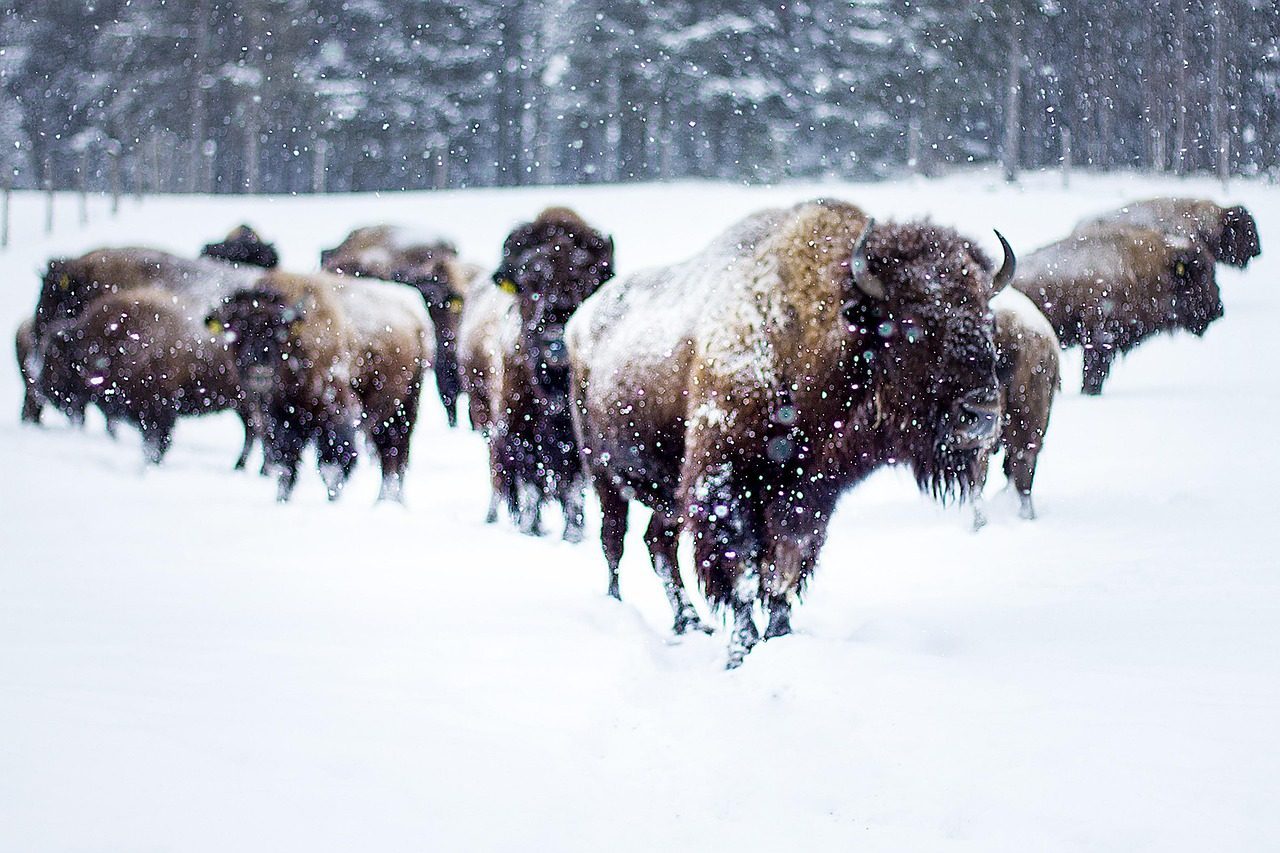
South Dakota is home to over 33 thousand bison, making it the undisputed champion among states for buffalo populations. This shouldn’t come as much of a surprise when you consider the state’s famous Custer State Park, which maintains one of the nation’s largest publicly owned herds. The annual buffalo roundup there has become legendary, drawing visitors from around the world who want to witness hundreds of these animals thundering across the landscape.
Wind Cave National Park in South Dakota received 14 bison in 1913, and that modest beginning has blossomed into something remarkable. The bison from Wind Cave have helped reestablishing other herds across the United States and most recently in Mexico. The state’s commitment to bison conservation runs deep, rooted in both ecological restoration and cultural significance. Honestly, it’s hard to imagine South Dakota’s landscape without these magnificent animals anymore.
Nebraska’s Prairie Giants
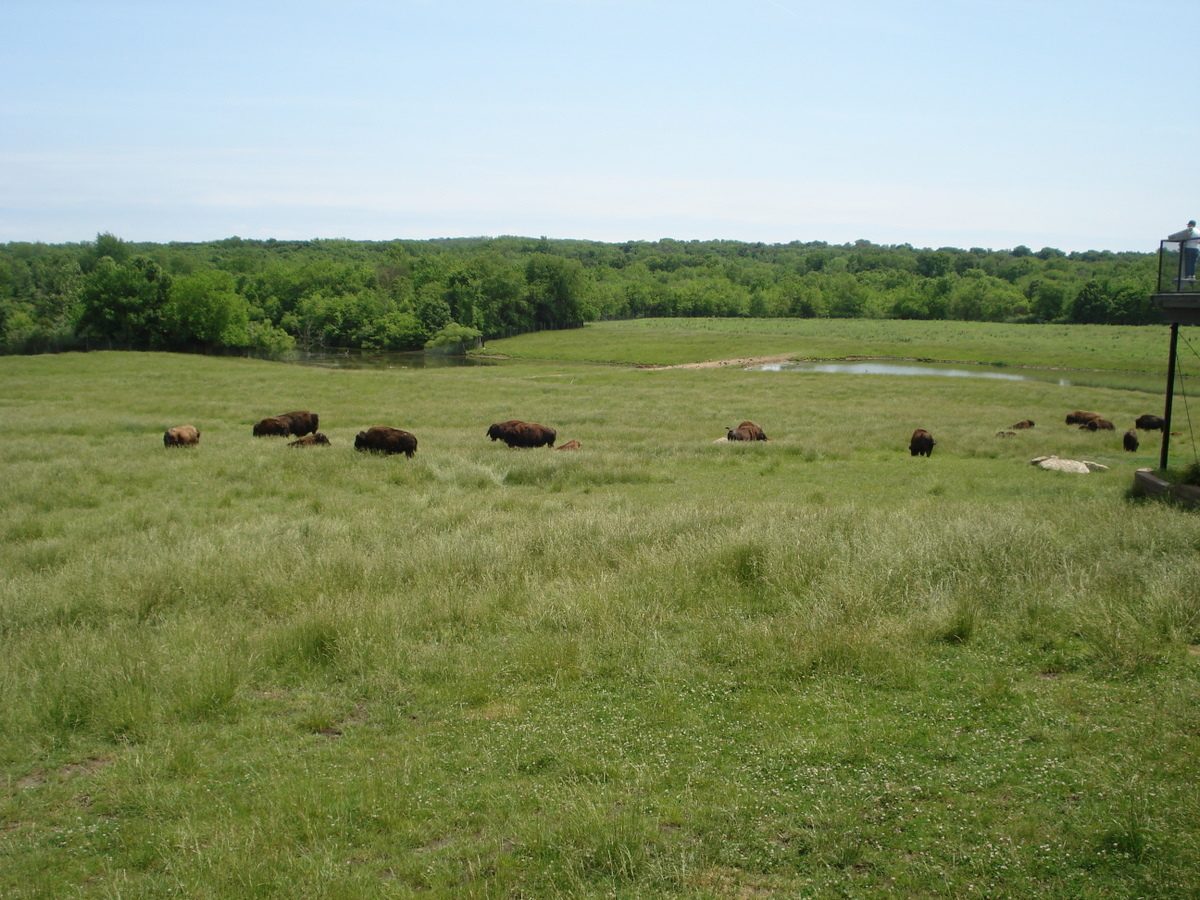
Nebraska comes in second when it comes to bison populations, and the state’s vast prairies provide ideal habitat for these grass-loving giants. Fort Niobrara National Wildlife Refuge is a prime spot to see them. The refuge plays a crucial role in both conservation and education, offering visitors the chance to observe bison behaving much as they did centuries ago.
What makes Nebraska particularly interesting is how the state has integrated bison into both conservation efforts and sustainable ranching operations. The endless grasslands that once supported countless millions now host thousands of animals across public lands and private ranches alike. Let’s be real, there’s something deeply satisfying about seeing bison grazing where they’ve always belonged.
Montana’s Wild Frontier
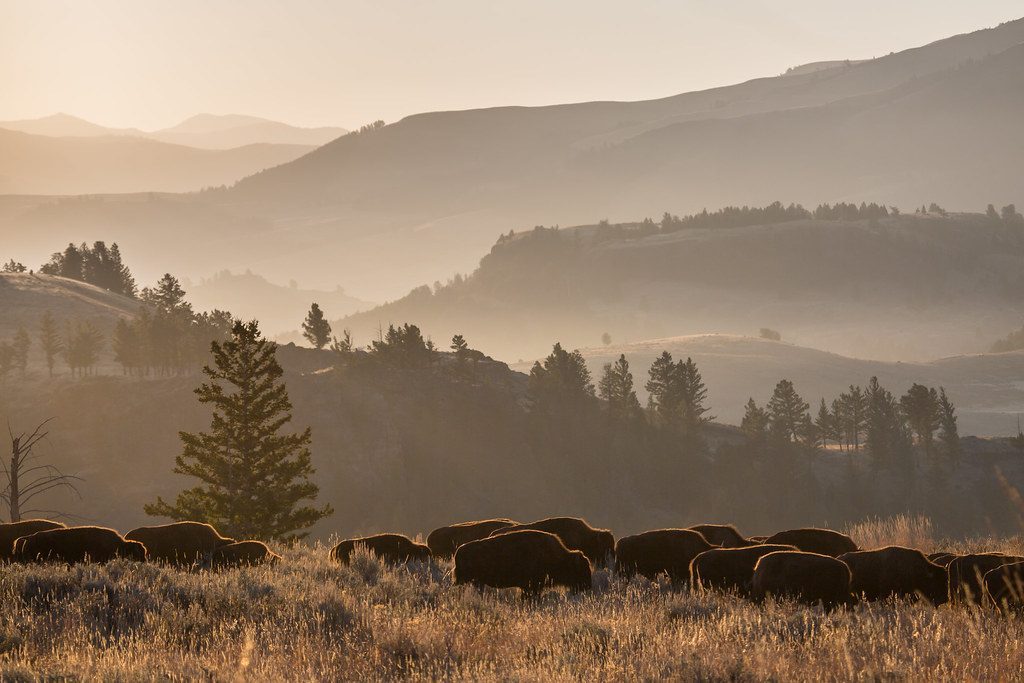
Montana follows closely behind in bison numbers, and the state’s rugged landscape seems custom-made for these powerful creatures. Montana’s vast landscapes are ideal for supporting large bison populations, with the National Bison Range playing a vital role in conservation. The sheer scale of Montana’s wilderness areas allows for herds to roam with minimal human interference.
Here’s the thing about Montana. Bison are deeply rooted in Montana’s cultural and natural heritage, and conservation efforts include collaboration with local tribes and conservation groups. This collaborative approach has proven incredibly effective. The state understands that successful bison restoration isn’t just about numbers but also about preserving genetic diversity and allowing these animals to fulfill their ecological role as natural landscape engineers.
Wyoming’s Yellowstone Treasure
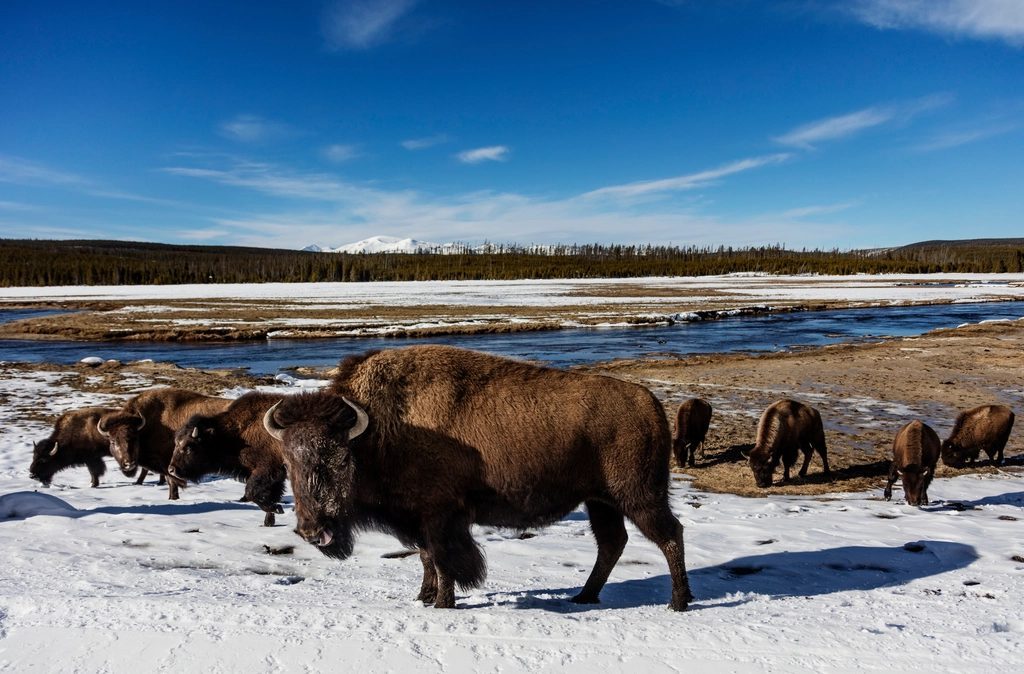
Wyoming is a major stronghold for American bison, especially in Yellowstone National Park. What makes Wyoming’s bison population truly special goes beyond mere numbers. Yellowstone National Park is the only place in the U.S. where bison have continuously lived since prehistoric times. Think about that for a moment. An unbroken lineage stretching back thousands of years.
In 2021, Yellowstone’s bison population was estimated at 5,450 – making it the largest bison population on public lands. These animals represent something profoundly important. They’re pure descendants of the original herds, with minimal cattle genetics mixed in. Watching them wander near Yellowstone’s geothermal features creates an almost surreal experience, like glimpsing into prehistoric America.
Colorado’s High Country Herds
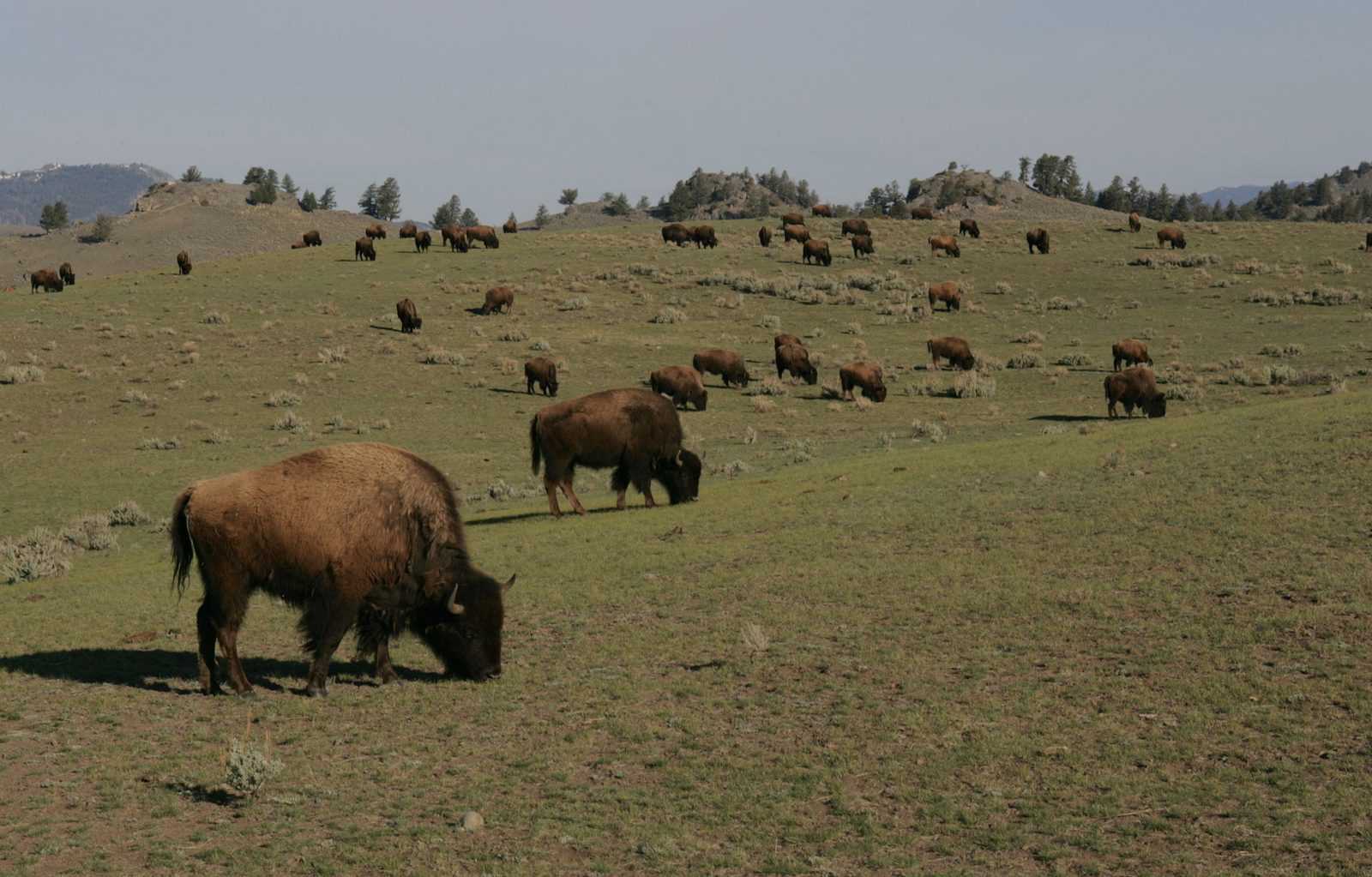
Colorado ranks among the top states for bison populations, with herds thriving in various locations across the state from plains to mountain valleys. The diversity of Colorado’s landscapes provides unique opportunities for bison conservation. Some herds graze at elevations that would surprise people unfamiliar with these animals’ adaptability.
Conservation organizations like The Nature Conservancy have established significant bison populations on Colorado properties, combining ecological restoration with wildlife preservation. These herds serve multiple purposes, from restoring native grassland ecosystems to providing educational opportunities. I think what’s fascinating about Colorado’s approach is how it demonstrates that bison conservation can succeed in varied terrain, not just the stereotypical flat prairies most people imagine.
Oklahoma’s Conservation Success
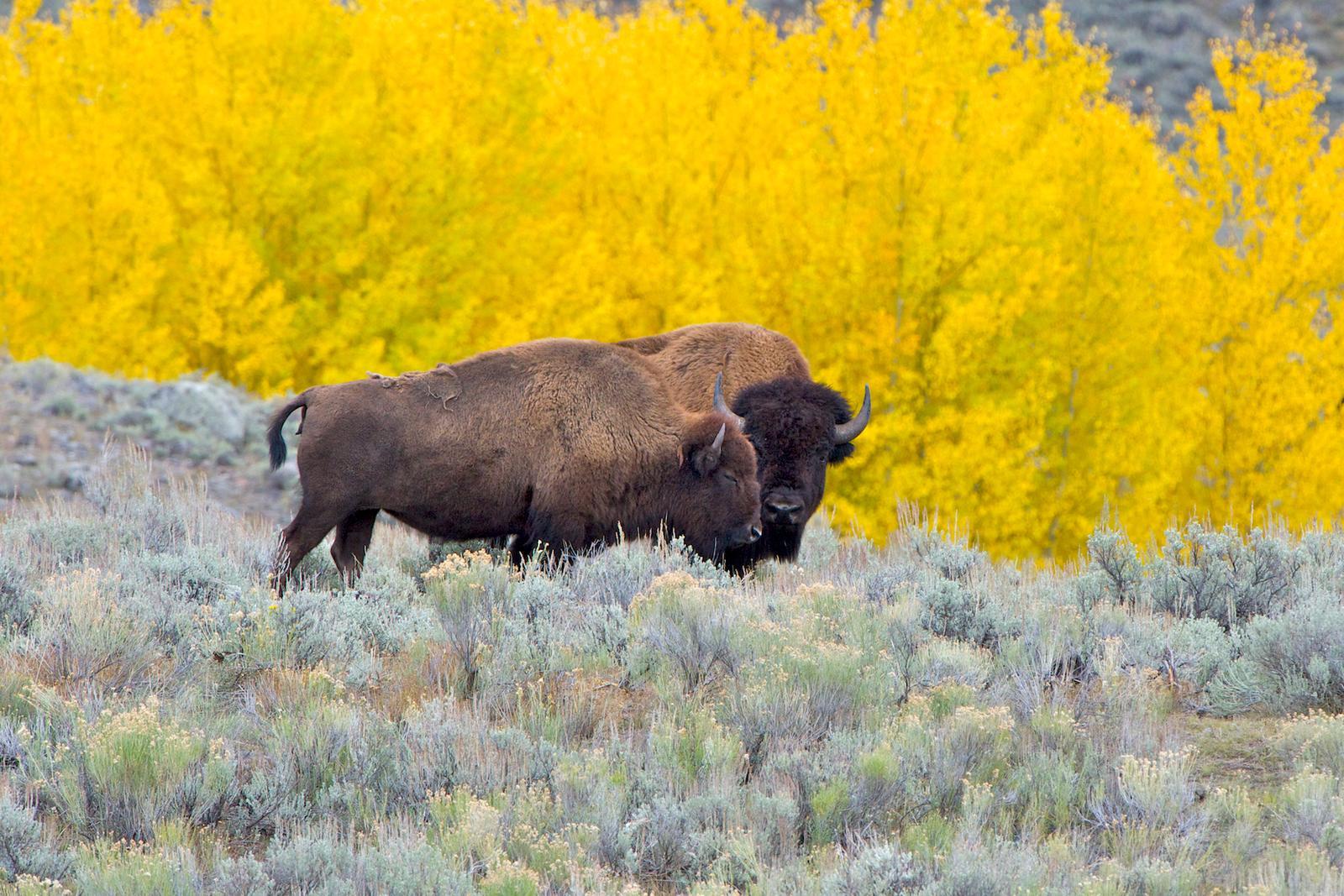
Oklahoma rounds out the top states with substantial bison numbers, and the state’s commitment to these animals dates back over a century. In 1907, the American Bison Society and the New York Zoological Society donated 15 bison to the Wichita Mountains National Wildlife Refuge in Oklahoma. That modest beginning has grown into one of the nation’s most successful conservation stories.
Oklahoma is home to a vibrant population of American bison, especially in the Wichita Mountains Wildlife Refuge, which plays a vital role in bison conservation and offers visitors a chance to see these majestic animals in their natural habitat. What started with just a handful of animals has become a thriving population that contributes to the species’ genetic diversity. It’s a testament to what’s possible when conservation efforts receive sustained support and commitment.
Conclusion
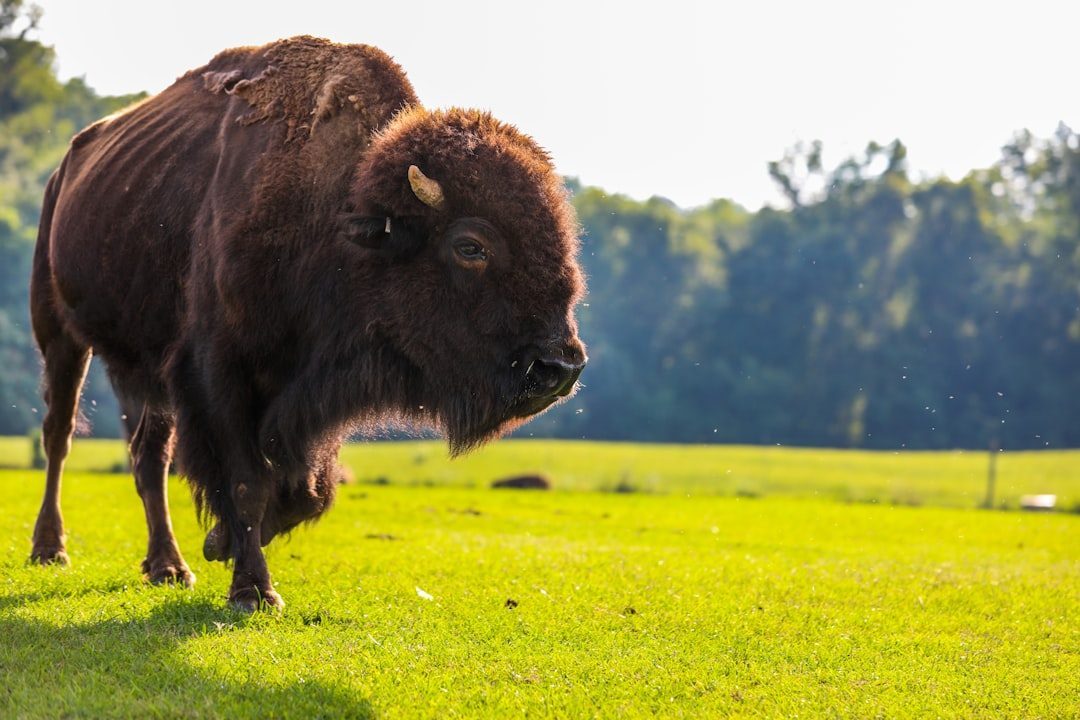
From nearly vanishing forever to thriving across multiple states, the American bison’s recovery stands as one of conservation’s greatest triumphs. These six states have become modern sanctuaries where buffalo once again shape the landscape, just as they did for millennia before nearly disappearing. The work isn’t finished, though. Continued vigilance, habitat preservation, and genetic management remain essential to ensuring these magnificent animals never again face the brink of extinction.
Did you expect these particular states to top the list? What surprised you most about where America’s buffalo now roam?
