
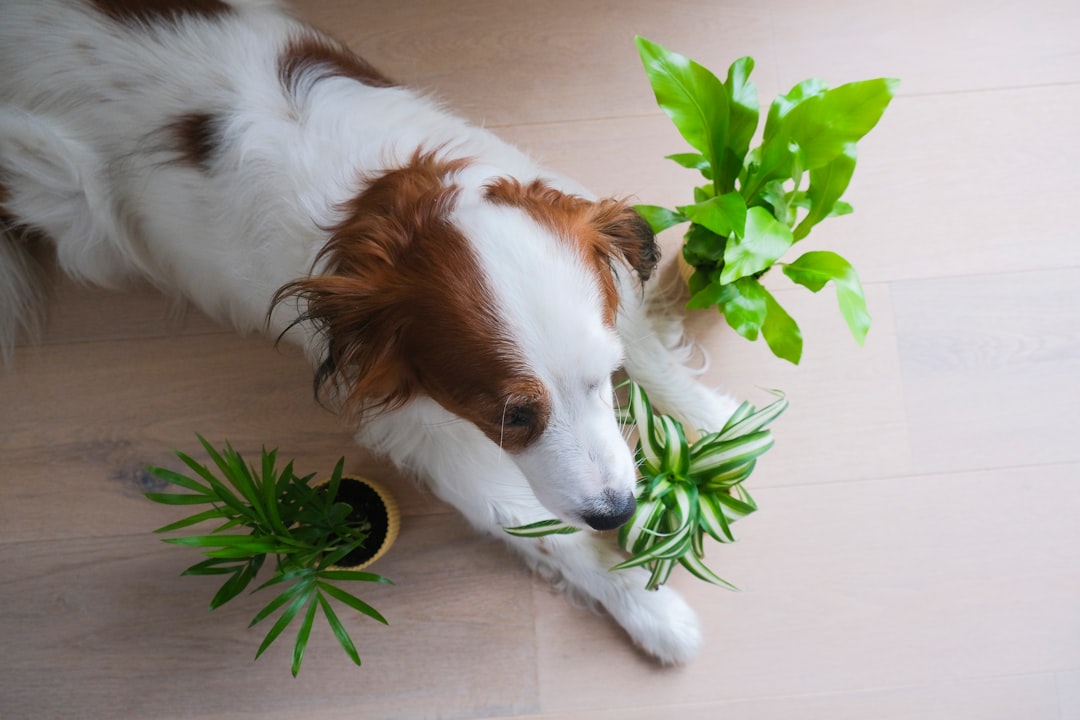
Your furry friend might be the most precious member of your family, but did you know your home could be harboring hidden dangers? Every day, thousands of pets across the country are rushed to emergency veterinary clinics because they’ve ingested or come into contact with something they shouldn’t have. What makes this even more unsettling is that many of these dangers are sitting right out in plain sight, disguised as everyday household items you use without a second thought.
Let’s be real here. Your home might look perfectly safe at first glance, but to your curious cat or food-motivated dog, it’s like a playground filled with tempting treasures. The problem is that some of these “treasures” can cause anything from mild stomach upset to life-threatening emergencies. So let’s dive into the seven most common household items that pose serious risks to your pets.
Human Medications Lurking Within Reach
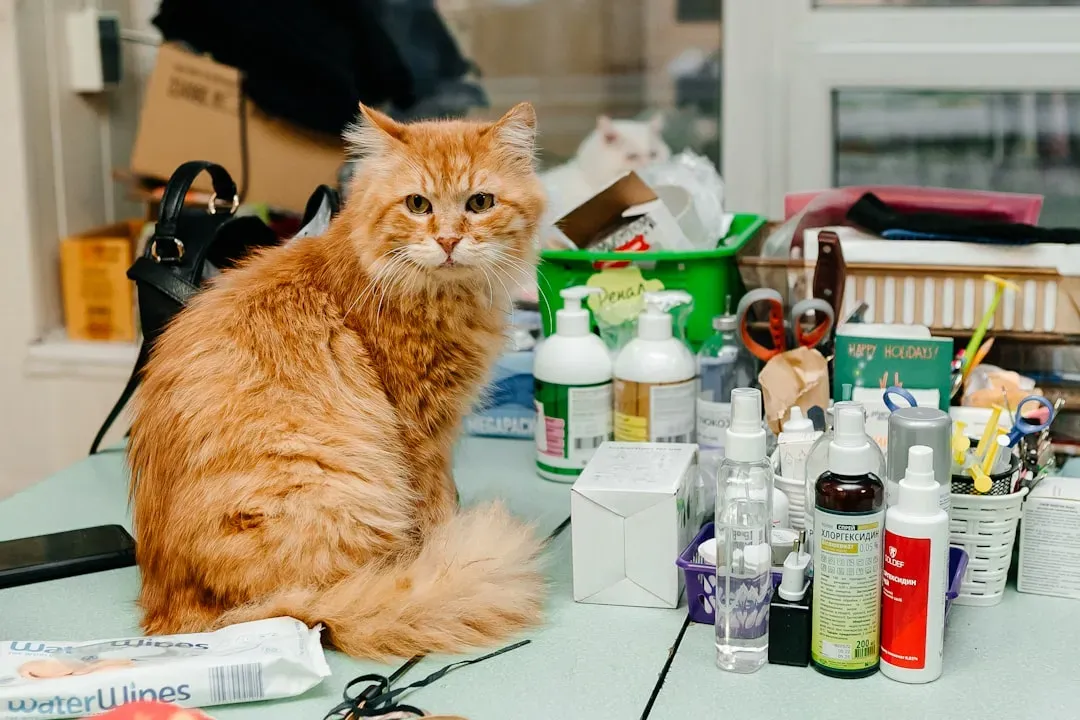
Common medications can be dangerous or even fatal to animals, yet you might leave them on nightstands or kitchen counters where your pet can easily reach them. Think about how often you’ve tossed a bottle of ibuprofen in your purse or left prescription pills on the bathroom sink. Your dog doesn’t know the difference between a tasty treat and a potentially lethal pill.
Acetaminophen is extremely toxic to cats, causing severe liver and red blood cell damage, while ibuprofen and naproxen can lead to stomach ulcers and kidney failure in dogs. Even medications you might think are harmless can wreak havoc on your pet’s system. Antidepressants, ADHD medications, and cold medicines can cause tremors and seizures. Always store these and other medications in secure cabinets, because honestly, it only takes one curious paw to knock that bottle onto the floor.
Chocolate and Xylitol: Sweet Poisons in Your Pantry

Here’s the thing about chocolate. Most pet owners know it’s dangerous, but do you realize just how serious it can be? Chocolate toxicity can cause vomiting, diarrhea, increased thirst and urination, panting or restlessness, seizures and heart problems. The darker the chocolate, the more dangerous it becomes for your pet.
What’s even scarier is xylitol, a sugar substitute you’ll find in sugarless gum, candy, and even some peanut butter brands. Xylitol can cause low blood sugar, seizures, liver failure or death in dogs. You might grab a stick of sugar-free gum without thinking twice, but if your dog gets hold of it, you could be facing a veterinary emergency within hours. Always check labels carefully and keep these items locked away where prying paws can’t reach them.
Toxic Plants: Beautiful but Deadly
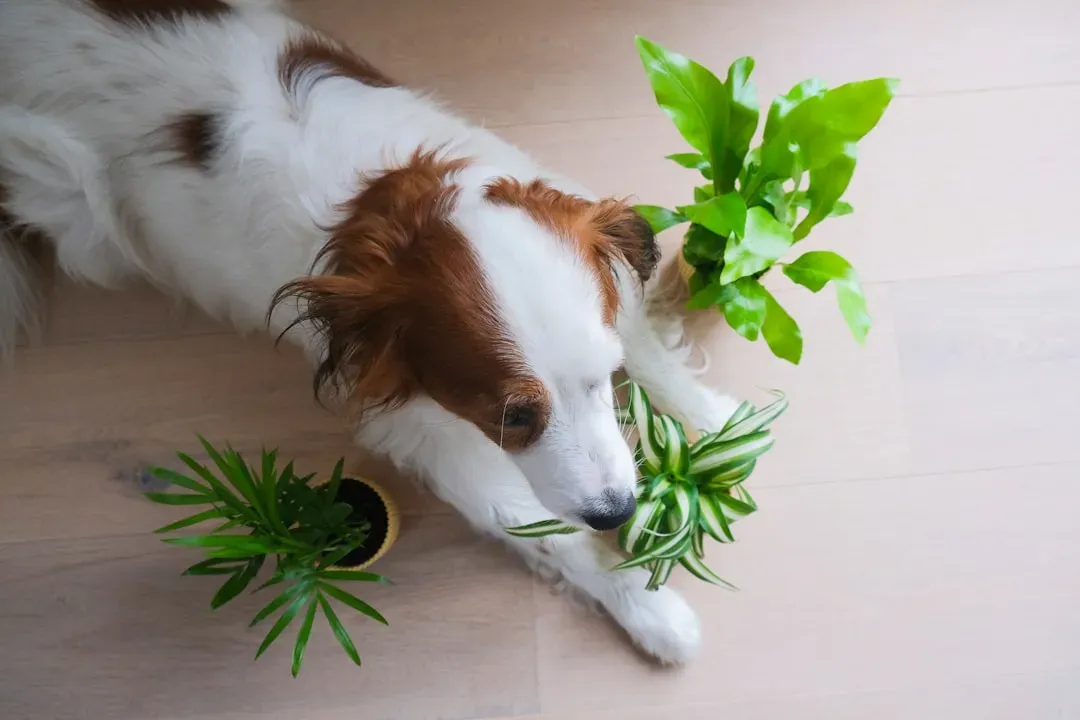
You probably love decorating your home with lovely greenery and fresh flowers. I get it, they brighten up a space like nothing else. The unfortunate truth? Lilies, even a few pollen grains, can cause fatal kidney failure in cats. Just brushing past a lily and then grooming themselves could be enough to poison your feline friend.
The Sago Palm is extremely toxic to pets, and even a single seed can be life threatening. Tulips, daffodils, and hyacinths are particularly dangerous if dogs chew the bulbs. Other common household plants like philodendron, snake plants, and pothos contain compounds that cause mouth irritation, excessive drooling, and digestive upset. Before you bring any new plant into your home, check whether it’s safe for your specific pets. Sometimes the most gorgeous bouquet can turn into a death sentence.
Household Cleaning Products and Disinfectants
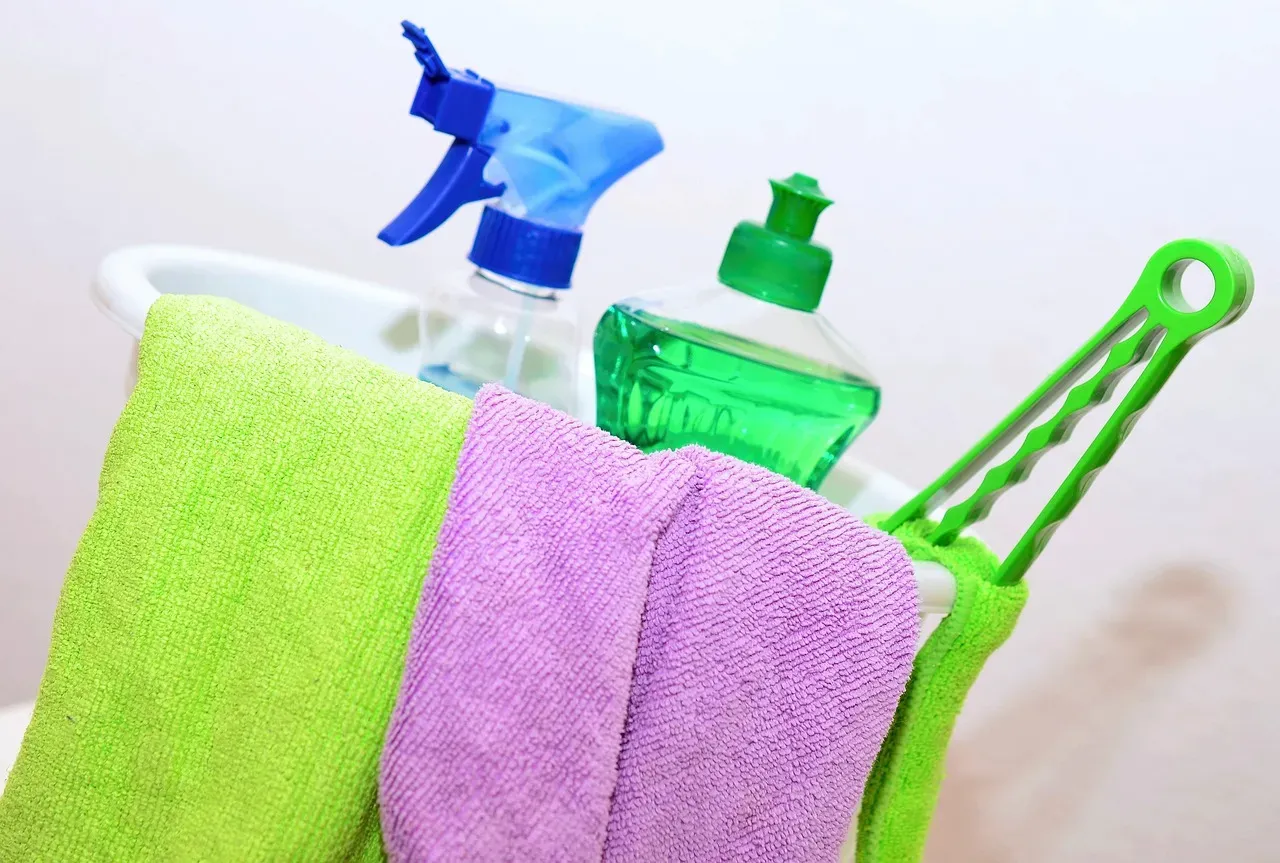
You want a clean home, right? We all do. The problem is that ammonia, bleach, and various surfactants are all toxic to dogs and cats, yet are often found in many all-purpose cleaners, window cleaners, and dishwashing detergents. What’s worse, they don’t necessarily have to be ingested to be harmful, as pets can easily suffer reactions through inhalation or direct paw or skin exposure.
Bleach can cause vomiting, diarrhea, internal burns and even seizures if ingested, and inhaling chlorine fumes can also lead to respiratory illness. Cats are especially vulnerable because they tend to be more susceptible due to their smaller size and more limited liver enzyme function. When you clean your floors, your pets walk on those surfaces and then lick their paws. Think about that the next time you’re mopping with harsh chemicals. Keep pets away until surfaces dry, or better yet, rinse with plain water afterward.
Antifreeze: The Sweet-Smelling Killer
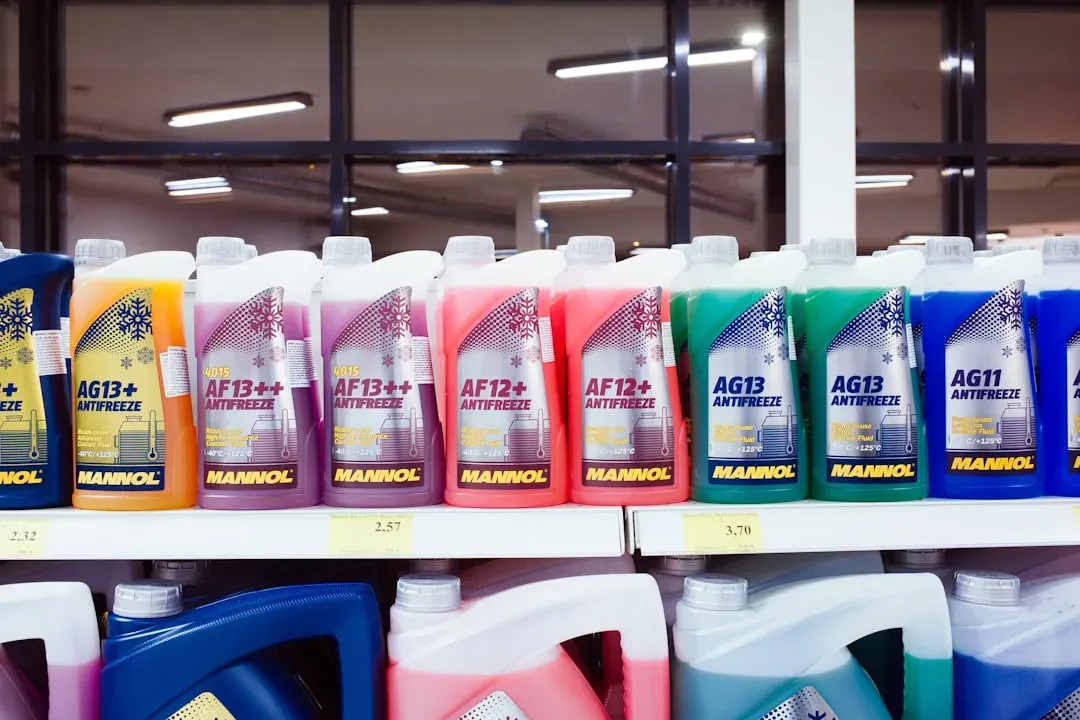
This one honestly terrifies me because of how deceptive it is. Antifreeze contains ethylene glycol, which is highly toxic to animals even in small amounts, and its sweet smell and taste can lure pets into drinking it. Your dog might find a puddle in the garage or driveway from a leaky radiator and think it’s a delicious treat.
Animals are attracted to antifreeze because of the sweet scent, and most act drunk if they have ingested it. The really frightening part is how quickly it causes damage. Antifreeze ingestion can cause kidney failure and be lethal. If you even suspect your pet has licked up antifreeze, don’t wait to see symptoms. Get them to the vet immediately because every minute counts. Store antifreeze containers securely and clean up any spills right away.
Rodenticides and Pest Control Products
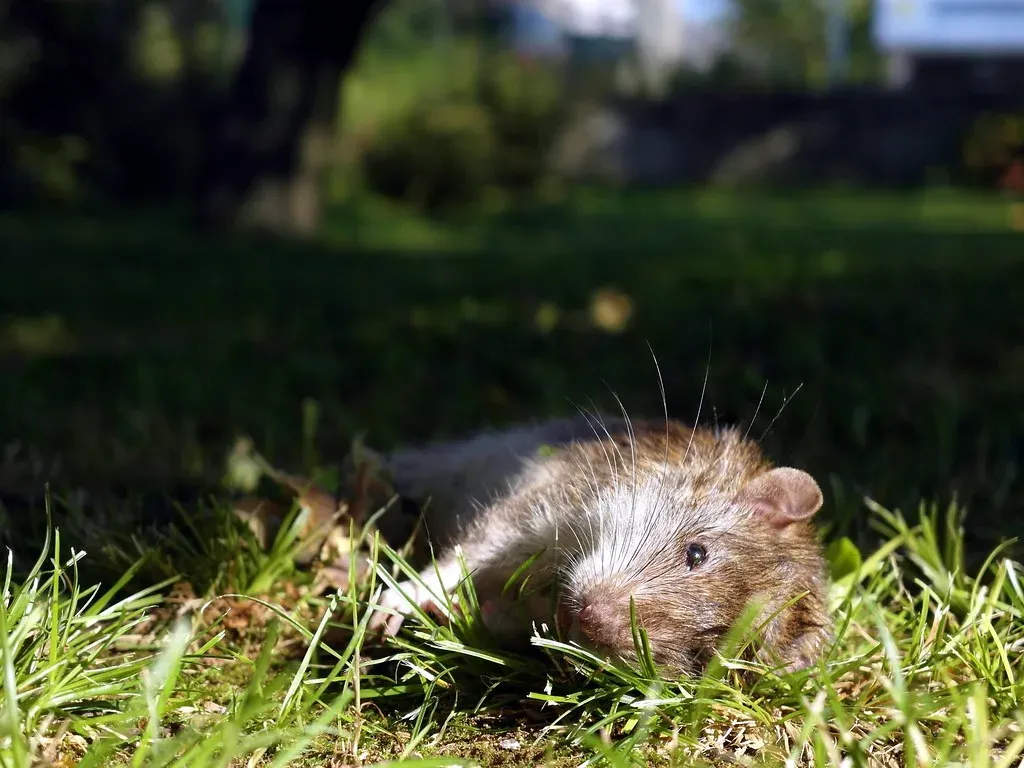
Rat and mouse baits are designed to kill rodents through uncontrollable bleeding, brain swelling, or sudden kidney failure, and these poisonous products affect all mammals, including pets, the same way. What makes this especially dangerous is that rodent bait is scented and flavored to attract rats and mice, so dogs mistake it for food or treats.
Your pet doesn’t even have to eat the bait directly to be poisoned. Cats and dogs can also experience secondary toxicity if they consume a poisoned rat or mouse. By the time illness signs are visible, which may be hours or days, their injuries are often irreversible. I know it sounds crazy, but if you need to control pests, look for alternative methods that won’t put your beloved companions at risk. The last thing you want is to solve one problem while creating a much worse one.
String, Ribbon, and Linear Objects

This might surprise you, but long or linear items, such as string, ribbon, or dental floss, look innocent enough, but once ingested, these everyday items can have catastrophic consequences. Cats especially love playing with dangling ribbons and yarn, making these items particularly dangerous in homes with feline friends.
Linear items can wrap around or under your pet’s tongue and obstruct blood flow, and if the item reaches the intestines, the organ will fold like an accordion around the string. This is known as a linear foreign body and can compromise intestinal blood flow, leading to tissue death. Emergency surgery is often the only solution, and even then, the outcome isn’t guaranteed. Keep holiday wrapping supplies, craft materials, and sewing kits securely stored where curious pets can’t access them. It’s hard to say for sure, but I’d wager more pets get into trouble with these innocent-looking items than you’d ever imagine.
Protecting Your Pets: A Final Word
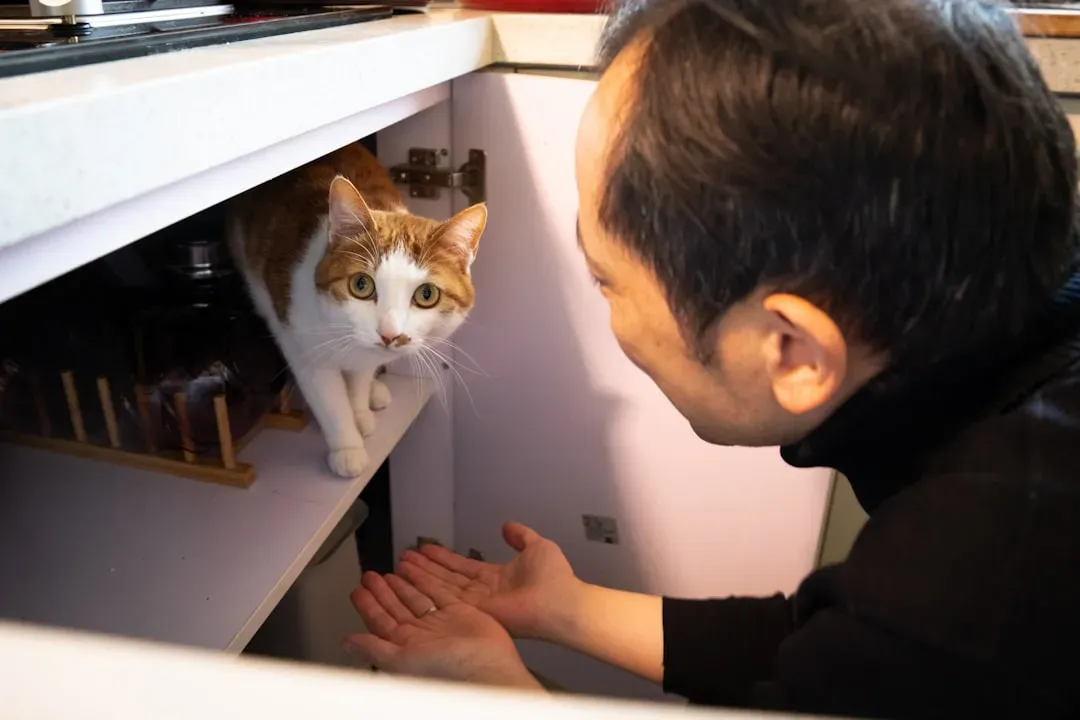
The reality is that your home contains countless potential hazards for your furry family members. The good news? Now you know what to watch out for. Pet-proofing your home isn’t just about removing obvious dangers, it’s about thinking like your pet thinks. That bottle on the counter, that pretty plant in the corner, that ribbon from last week’s birthday present, they all look interesting to your curious companion.
If the unthinkable does occur and your pet chews on or ingests something harmful, fast and proactive care is crucial, so don’t wait for your pet to show illness or injury signs. Keep your veterinarian’s number and the Pet Poison Helpline readily available. Sometimes the difference between a full recovery and tragedy is measured in minutes, not hours.
What do you think about these hidden dangers? Have you checked your home lately to make sure your pets are truly safe? Share your experiences in the comments below, because we all learn from each other when it comes to keeping our beloved companions healthy and happy.
