

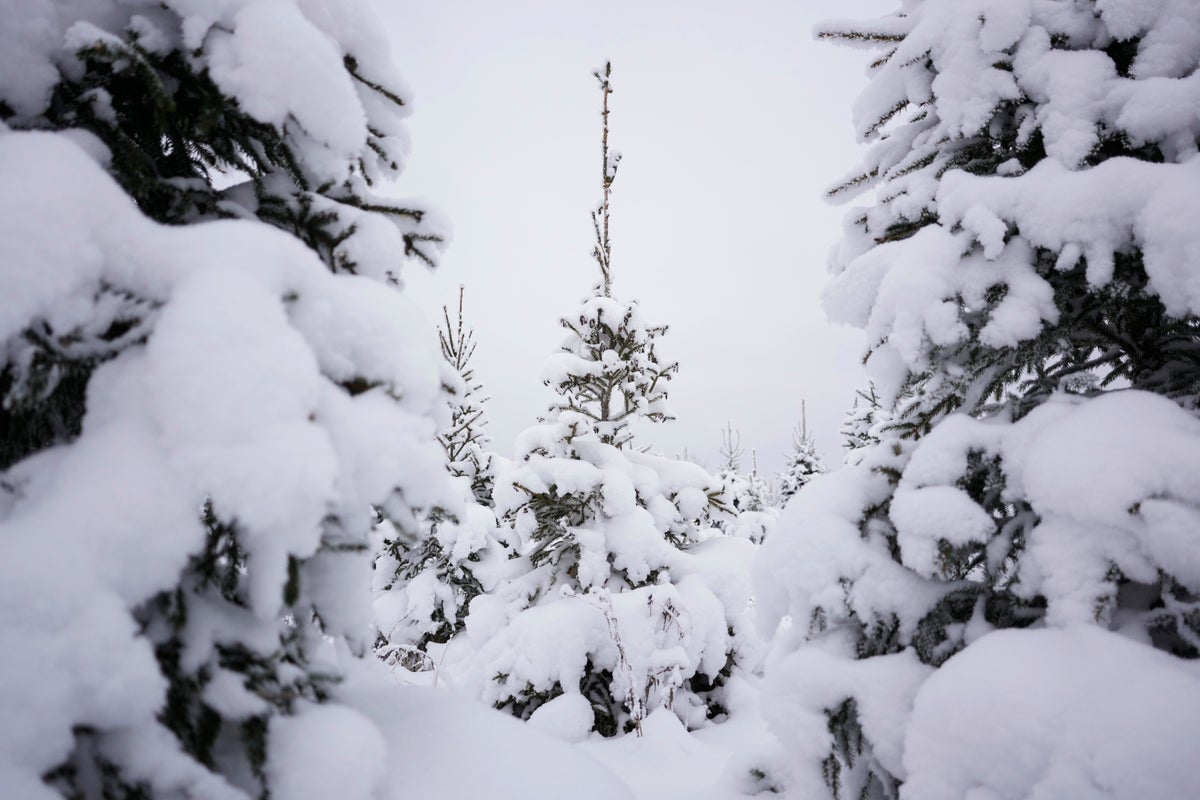
The Thrill of a White Christmas Tradition (Image Credits: Static.independent.co.uk)
United Kingdom – As holiday preparations intensify, many across the nation turn their eyes to the skies, wondering if snow will dust rooftops on December 25.
The Thrill of a White Christmas Tradition
December brings with it the timeless hope for a snowy holiday season, a vision immortalized in songs and stories that capture the magic of winter. The Met Office defines a white Christmas simply: just one snowflake needs to fall anywhere in the UK on Christmas Day, observed either by staff or automated stations. This modest threshold has sparked excitement for years, turning even a light flurry into a celebrated event. Recent forecasts have added fuel to the anticipation, suggesting cooler conditions could deliver on those dreams. While no guarantees exist this far out, the evolving predictions keep the possibility alive.
Historical data underscores the rarity of the occasion. From 1991 to 2020, snow settled on the ground for an average of three days each December, often favoring higher elevations. The last white Christmas occurred in 2023, when 11% of monitoring stations recorded falling snow, though accumulations remained minimal. Earlier years like 2022, 2021, and 2020 also qualified under the definition, yet lying snow proved elusive for most regions. These patterns remind enthusiasts that while snow visits the UK around the holidays, a widespread blanket remains a cherished exception.
Met Office’s Latest Predictions Unfold
The Met Office recently updated its long-range outlook, pointing to a shift toward colder weather as Christmas approaches. Temperatures are set to tumble, particularly in northern areas, with snow showers possible during the holiday week. Forecasters note that accurate predictions solidify about five days in advance, meaning clearer details emerge around December 20. This timeline aligns with current models showing potential for wintry precipitation, especially on elevated terrain. The agency emphasizes that while southern regions might see milder conditions, the north could experience more pronounced chills.
Earlier assessments had leaned toward a slushy rather than snowy holiday, but recent developments suggest improving odds for flurries. Bookmakers have adjusted their wagers accordingly, favoring cities like Aberdeen for snow on the 25th, with Newcastle close behind in England. London lingers as a longer shot, yet the national conversation buzzes with optimism. These updates reflect the dynamic nature of winter weather, where high-pressure systems could steer cold air southward. Travelers and families alike monitor these changes closely as the big day nears.
Regional Breakdown: Where Snow Might Fall
Northern Britain stands out as the prime candidate for Christmas snow, with forecasts highlighting showers over higher ground. Scotland and northern England could see the most activity, driven by northerly winds ushering in Arctic influences. Southern areas, including the Midlands and Wales, face lower chances, though isolated flurries remain possible if cold snaps deepen. The Met Office’s models indicate variability, with some scenarios pushing wintry weather farther south by late December. This uneven distribution often shapes holiday plans, from rural escapes to urban celebrations.
To illustrate the potential impacts, consider these key areas:
- Aberdeen: Highest odds for snowfall, bolstered by its northern position and elevation.
- Newcastle: Favorable for England, with 6/4 betting lines reflecting expert views.
- Leeds: A solid contender at 5/2, especially if cold air spills southeast.
- London: Outsider at 6/1, but not impossible under expansive cold outbreaks.
- Southern cities: Milder overall, with rain more likely than snow.
Preparing for Whatever the Weather Brings
As forecasts refine, practical steps help navigate holiday uncertainties. Drivers should equip vehicles with winter tires and check routes for potential disruptions from ice or light snow. Airports and rail operators prepare for delays, advising passengers to monitor updates via official channels. Families planning outdoor festivities might opt for flexible indoor alternatives if snow arrives unexpectedly. The Met Office urges staying informed through its website and apps for real-time alerts.
Broader climate trends add context to these predictions. Warmer winters have reduced snow frequency overall, yet occasional cold surges persist. This Christmas outlook balances optimism with caution, reminding us of weather’s unpredictable charm. Whether flakes fall or not, the season’s spirit endures.
Key Takeaways
- A white Christmas requires only one observed snowflake on December 25 across the UK.
- Northern regions lead the chances for snow, with updates expected by December 20.
- Historical data shows snow is possible but often limited to brief events.
In the end, a white Christmas remains one of winter’s most delightful surprises, blending science with seasonal wonder. Will snow grace your holiday this year? Share your thoughts in the comments below.

From exploring the marine wonders in the Azores and witnessing the vast savannas of Kenya, to delving deep into the rich biodiversity of South Africa and traversing iconic landscapes in Australia and the US like Yellowstone, Chris's experiences are vast.
With a penchant for diving alongside sharks, the ocean holds a special place in his heart.
Through his academic insights, he champions wildlife conservation, striving with 'Animals Around The Globe' to cultivate a profound connection between humans and animals, enhancing our mutual appreciation.
Connect with him at Feedback@animalsaroundtheglobe.com.
- The Lizard That Shoots Blood From Its Eyes - July 21, 2026
- What Happens If Fireflies Stop Glowing? - July 21, 2026
- Coyotes Are Thriving in Every U.S. State — Even New York City - July 21, 2026