

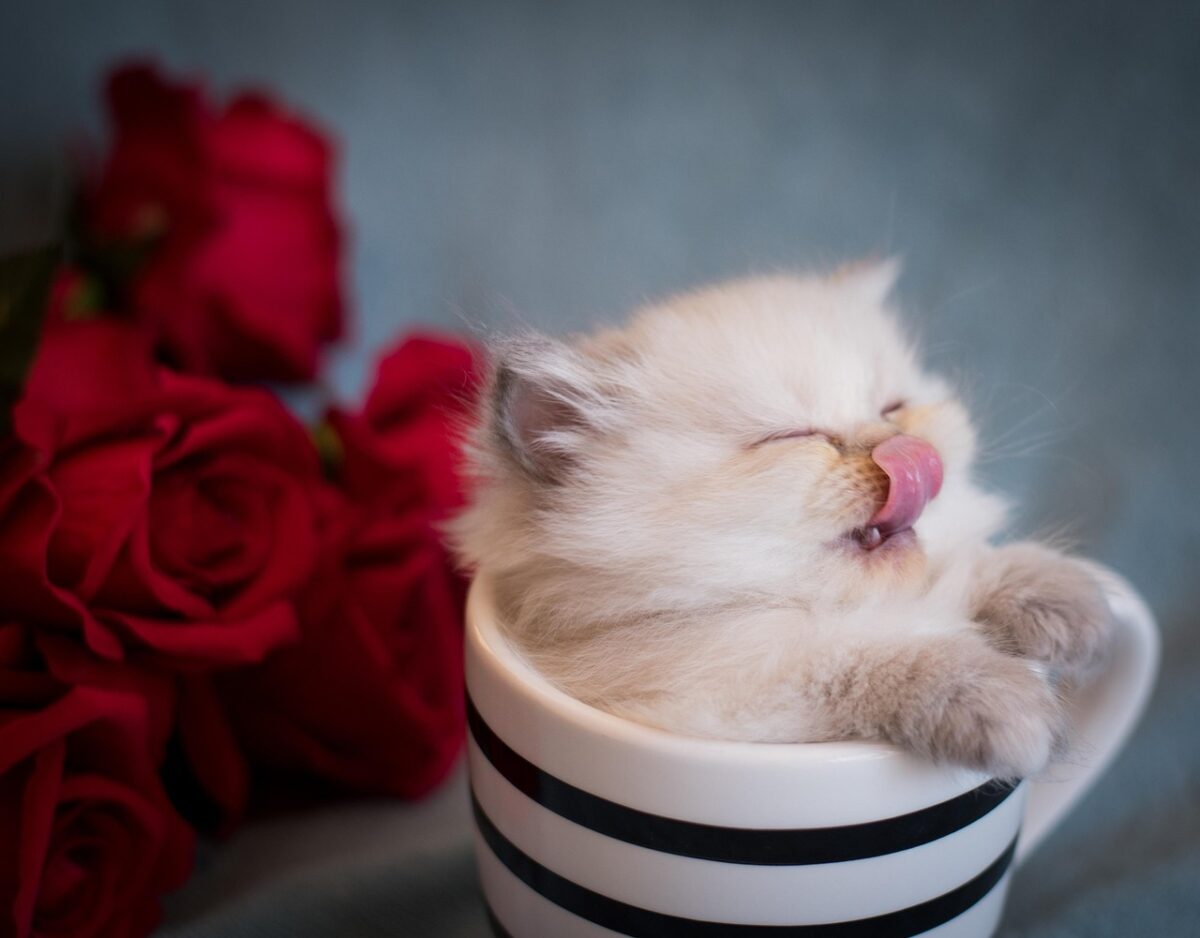

A Relaxed ‘Blep’ Signals Contentment (Image Credits: Pixabay)
Cat owners frequently capture those endearing moments when their pets let their tongues peek out, a sight that blends humor with curiosity in households worldwide.
A Relaxed ‘Blep’ Signals Contentment
Picture this: your cat lounges on the windowsill, eyes half-closed, with just the tip of its tongue visible. This classic “blep” often emerges during moments of pure relaxation, where the cat feels so at ease that it forgets to tuck its tongue away. Experts note that such instances typically occur after grooming or napping, when the animal’s focus drifts elsewhere.
Unlike deliberate actions, the blep arises unintentionally, reflecting a state of bliss. Cats maintain this posture briefly before resuming normal behavior, much to the amusement of observers. While harmless, it highlights how felines express comfort in subtle ways. Owners cherish these glimpses into their pet’s serene world.
The Flehmen Response: Investigating Scents
Cats possess a unique sensory tool called the Jacobson’s organ, located in the roof of their mouth, which prompts them to curl their tongues during the flehmen response. When encountering intriguing odors, such as pheromones from another animal, they open their mouths wide and hold the tongue out to draw in the scent for deeper analysis. This behavior, observed across many cat species, aids in environmental assessment without direct contact.
The process lasts only seconds but reveals a cat’s sophisticated olfactory system. It often follows sniffing around familiar or new areas in the home. Though it might appear odd, this instinctual reaction underscores cats’ reliance on smell for navigation and communication. Pet guardians sometimes witness it after introducing new toys or visitors.
Grooming Rituals and Tongue Exposure
During self-cleaning sessions, cats use their barbed tongues to remove dirt and loose fur, occasionally leaving the tongue extended if interrupted. This grooming habit, essential for hygiene, involves rhythmic licking that distributes natural oils across the coat. The rough texture of the tongue, covered in tiny spines, efficiently detaches debris, explaining why exposure happens mid-routine.
If a cat pauses to watch something distracting, the tongue might remain out briefly. Such moments emphasize the meticulous nature of feline care, which occupies a significant portion of their day. Regular grooming prevents matting and supports overall health. Owners can support this by providing brushing tools to complement the cat’s efforts.
Potential Health Indicators to Watch
While most tongue-out episodes prove benign, persistent cases sometimes point to underlying issues like dental discomfort or infections. Veterinary sources report that conditions such as feline calicivirus can cause mouth pain, leading to reluctance in retracting the tongue. Inflammation or ulcers might also contribute, as cats adjust their oral posture to ease irritation.
Owners should monitor for accompanying signs, including drooling, reduced appetite, or bad breath, which warrant a professional check. Early detection through routine exams helps address problems promptly. Though rare, these health-related instances differ from casual bleps by their frequency and duration. Consulting a vet ensures peace of mind for concerned pet parents.
Playful and Social Expressions
In playful contexts, cats may stick out their tongues while batting at toys or engaging with companions, mimicking hunting motions. This exposure often accompanies excitement, as the tongue aids in tasting the air during pounces. Social interactions, like greeting owners, can trigger similar behaviors, blending curiosity with affection.
These episodes foster bonding, as cats incorporate sensory exploration into fun. Unlike solitary grooming, play-induced tongue use energizes the animal, sometimes leading to chattering sounds. Recognizing this helps owners enrich their cat’s environment with interactive elements. Such observations deepen appreciation for feline personalities.
Key Takeaways
- The “blep” usually indicates relaxation and poses no concern.
- Flehmen responses enhance a cat’s scent detection abilities.
- Monitor for health issues if the behavior persists unusually.
Understanding these tongue-out habits not only demystifies quirky cat behaviors but also strengthens the human-feline connection through attentive care. Next time you spot your cat in a blep, consider the simple joy it represents. What quirky traits does your cat display? Share in the comments below.

- Urban Coyotes Show Remarkable Adaptability, Learning to Thrive in City Environments - July 22, 2026
- Beavers Are Nature’s Engineers, Creating Vital Habitats for Other Wildlife Species - July 21, 2026
- The Recovery of the California Condor Offers Hope for Other Critically Endangered Birds - July 21, 2026