
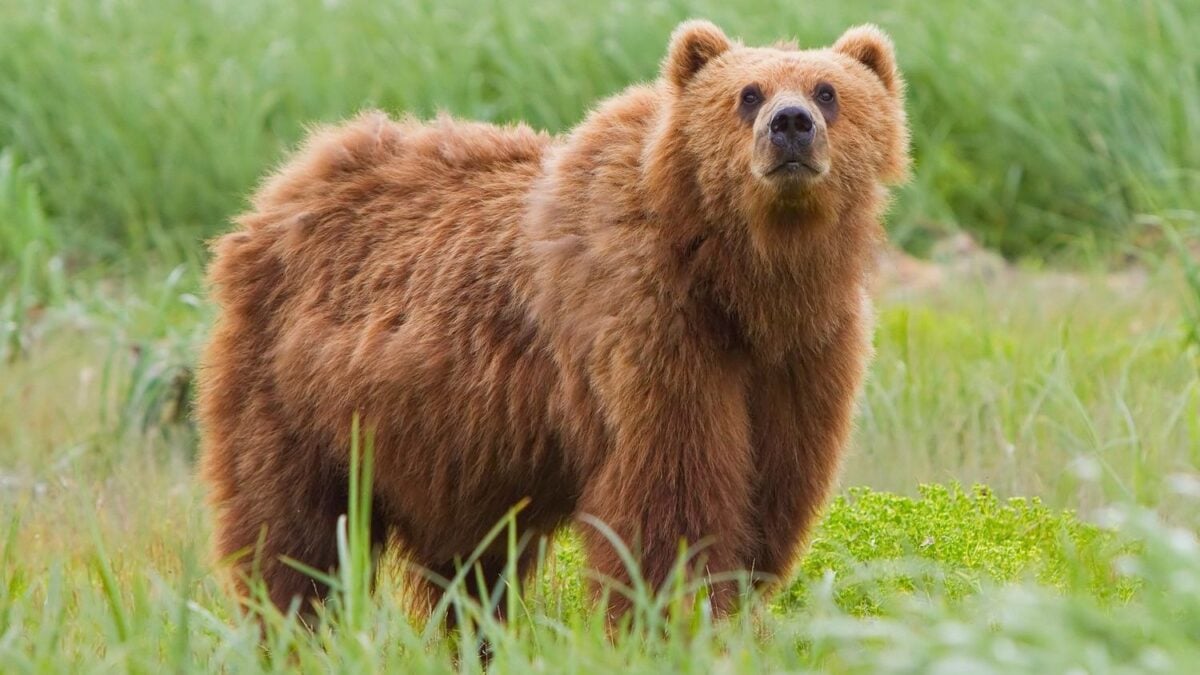
If you’re like most Americans who love dogs and cherish wildlife, you’ve probably heard troubling news coming out of Alaska recently. Bears being shot from helicopters. Legal battles. Biologists clashing with state agencies. It’s confusing and, honestly, heartbreaking. The story behind Alaska’s bear culling program is more complicated than you might think, and it’s stirring emotions across the country.
Let’s be real here. When you think of Alaska, you probably picture pristine wilderness, abundant wildlife, and nature left to its own devices. The reality happening right now is far messier, and it raises questions about how we manage wildlife in 2026.
The Decline of the Mulchatna Caribou Herd
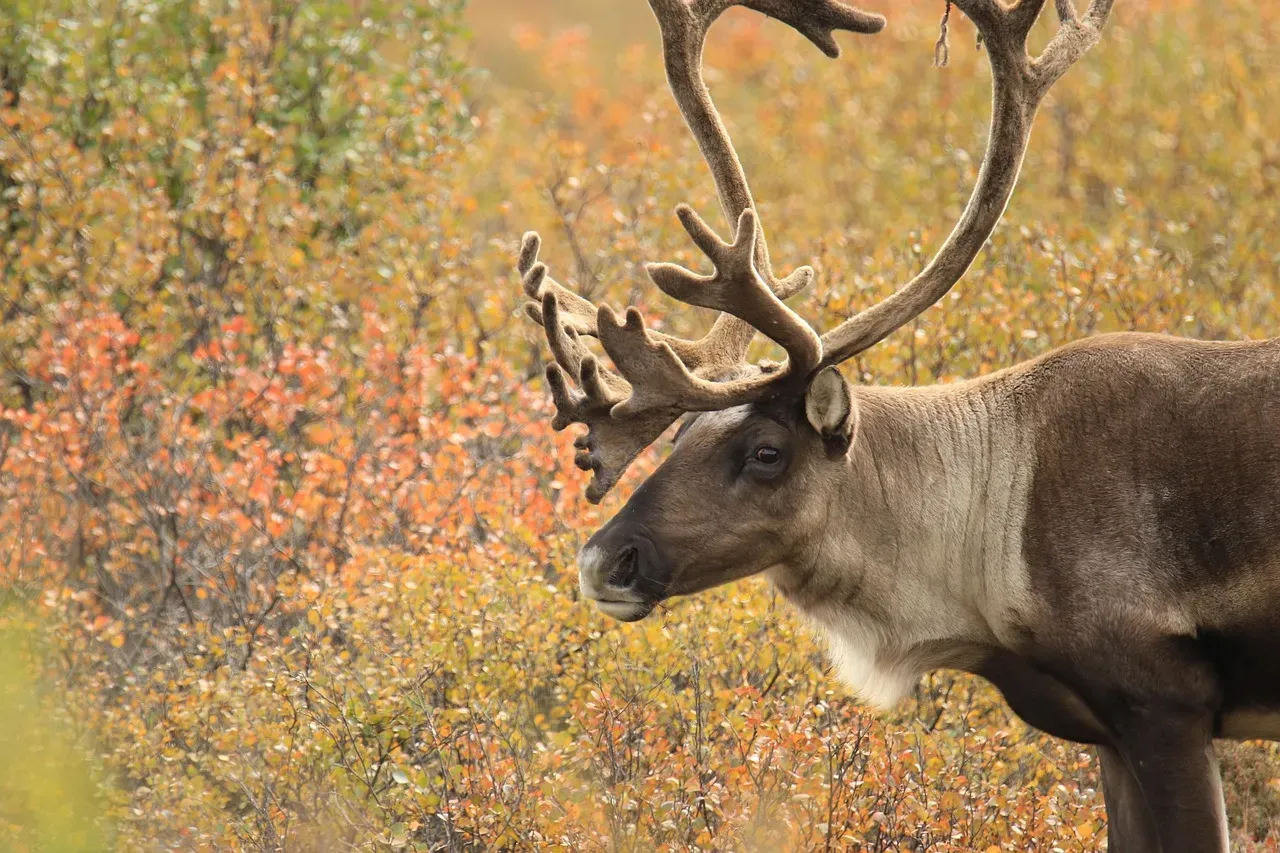
The Mulchatna caribou herd once thrived at roughly 200,000 animals in the late 1990s, but has since plummeted to just under 15,000 animals. That’s a staggering drop of more than ninety percent. For many rural Alaskans, this isn’t just a statistic. It’s a crisis.
The herd has been identified for high use of harvest for Alaskans to eat and put away, and it’s been closed now for several years, since 2021. Subsistence communities depend on caribou for food and cultural traditions. When that lifeline disappears, people look for answers.
The State’s Controversial Solution

The Department of Fish and Game program involved shooting bears from aircraft in an effort to reduce the predator population and boost the Mulchatna caribou herd, which is important to hunters in the region. Starting in 2023, state employees and contractors took to the skies with helicopters and spotter planes.
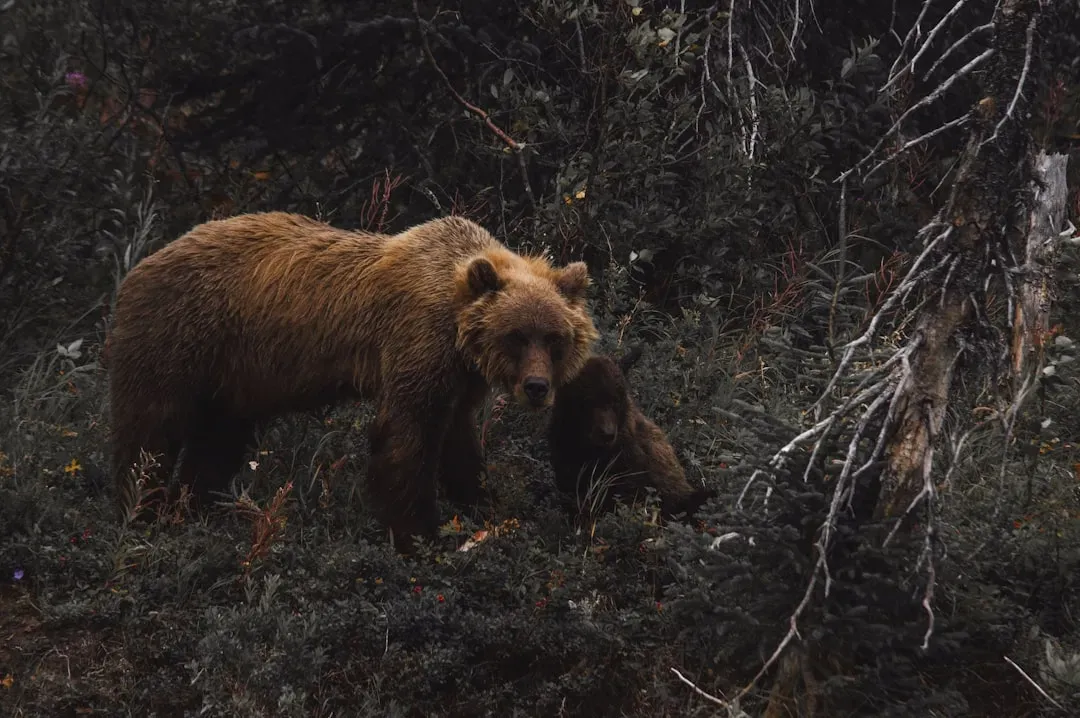
The program has already killed 186 brown bears, five black bears and 20 wolves. Think about that for a moment. Nearly 200 bears removed from an area roughly the size of Kentucky. In 2023, 99 bears, including 20 cubs, were killed by the State’s aerial gunners in less than a month. The following year brought similar numbers.
What’s Behind Alaska’s Intensive Management Law?
Here’s where it gets interesting from a policy standpoint. Alaska’s Constitution requires wildlife to be managed for sustained yield, and the Alaska Legislature defined this as ensuring caribou and moose are managed to ensure population levels that are sufficient to meet demand. This is what they call intensive management.
If selected moose, caribou, or deer populations drop below what the Board of Game determines is needed to meet people’s needs, the Board directs the Alaska Department of Fish and Game to undertake intensive management of that population, which involves investigating the causes of low numbers and then taking steps to increase them. That can include restricting hunting seasons, improving habitat, and yes, controlling predators.
Predators often kill more than 80 percent of the moose and caribou that die during an average year, while humans take less than 10 percent. State officials argue this is why predator control becomes necessary in certain situations.
The Legal Battle That Changed Everything
In March 2025, Alaska Superior Court Judge Andrew Guidi ruled that the program violated provisions of the state constitution on multiple grounds, finding that state officials failed to provide meaningful public notice or opportunities for public comment and that the state had failed to analyze the program’s impacts to bear populations. This was a major blow to the state’s approach.
Superior Court Judge Christina Rankin followed up in May with a ruling that pronounced the bear-killing program to be still void for this year, despite emergency action reauthorizing it. Yet remarkably, the Department of Fish and Game launched its bear-culling program days later, on May 10. Talk about controversial.
A judge recently ordered the state to pay $513,000 in a lawsuit over the program, with the Alaska Wildlife Alliance suing in 2023. That’s taxpayer money being spent on legal fees because procedural requirements weren’t followed.
Why Critics Say the Science Doesn’t Add Up
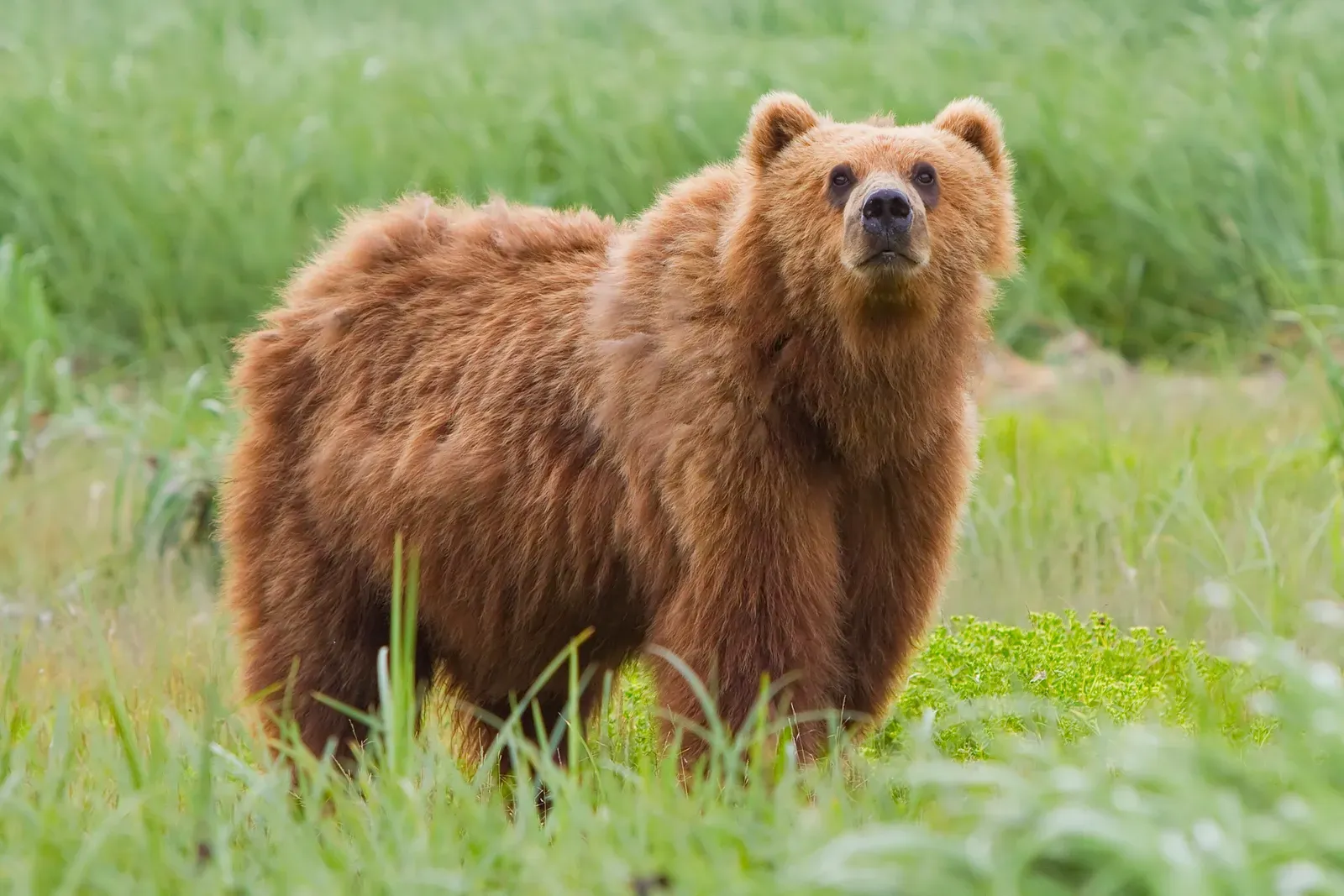
Fish and Game stated it lacked estimates of black or brown bear densities in Game Management Units 17 and 18, and that brown bear abundance within those units had yet to be measured. Let that sink in. They were shooting bears without knowing how many bears were actually there.
Environmental groups and wildlife advocates have been pulling their hair out over this. The lawsuit argues the board failed to take a hard look at brown and black bear population data for the targeted area, thus failing to properly consider impacts to those populations. How can you manage a population sustainably if you don’t even know what the population is?
The plan has no end point, meaning there is no trigger for suspension of predator control if bear populations drop below a minimum threshold deemed necessary for their sustainability. It’s a blank check for killing bears until 2028, critics say.
The Human Element: Subsistence Communities
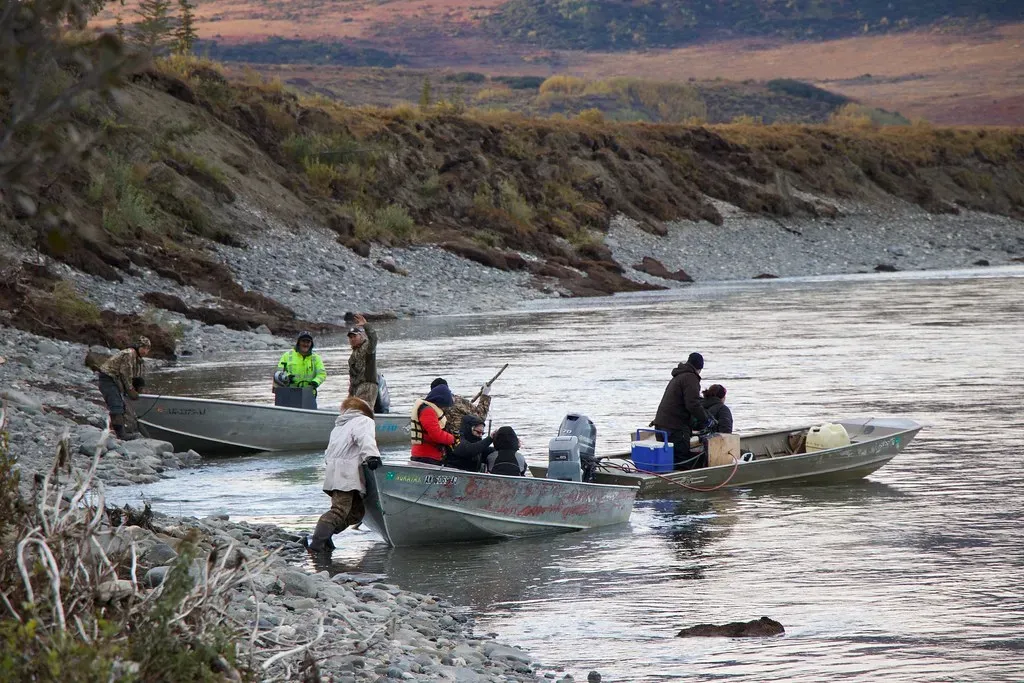
It’s easy to forget that real people are caught in the middle of this debate. Harvesting caribou is extremely important to many Alaskan families, with participating in the hunt and sharing the bounty being a long-standing tradition, especially for rural Alaskans who rely on caribou for sustenance. These aren’t sport hunters looking for trophies. They’re families who’ve hunted caribou for generations.
The state’s Mulchatna predator control program has the backing of many of the region’s subsistence hunters, and the Alaska Federation of Natives in 2023 passed a resolution supporting it. This isn’t some top-down government decision being imposed on unwilling communities. Many locals support the effort because they’ve seen their food sources vanish.
What About Climate Change and Habitat?
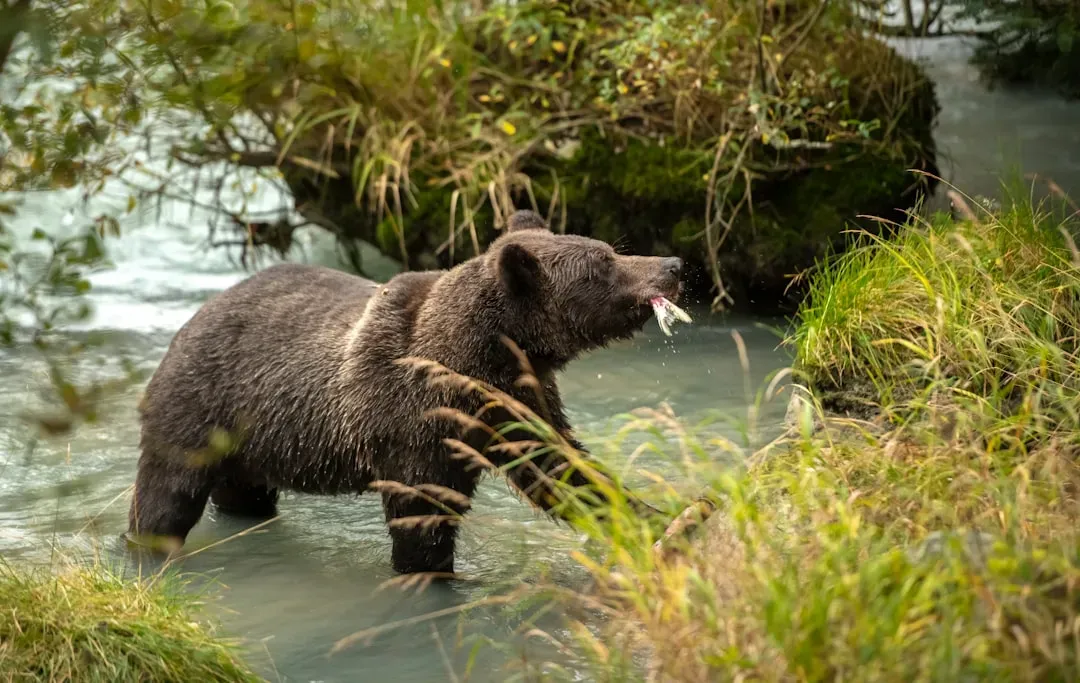
Critics say there are other and more likely reasons for the caribou population decline, including a rapidly changing habitat, with climate change causing more woody plants to grow on tundra territory, a transformation that favors moose but not lichen-eating caribou. This is the argument that environmental groups keep coming back to.
Bears have been part of the Alaska ecosystem forever. They’ve coexisted with caribou for thousands of years. What’s different now isn’t necessarily the bears, but the environment itself. The tundra is changing. Weather patterns are shifting. Disease is present in the caribou herd. Shooting bears might be treating a symptom rather than the underlying disease.
The Proximity to National Parks
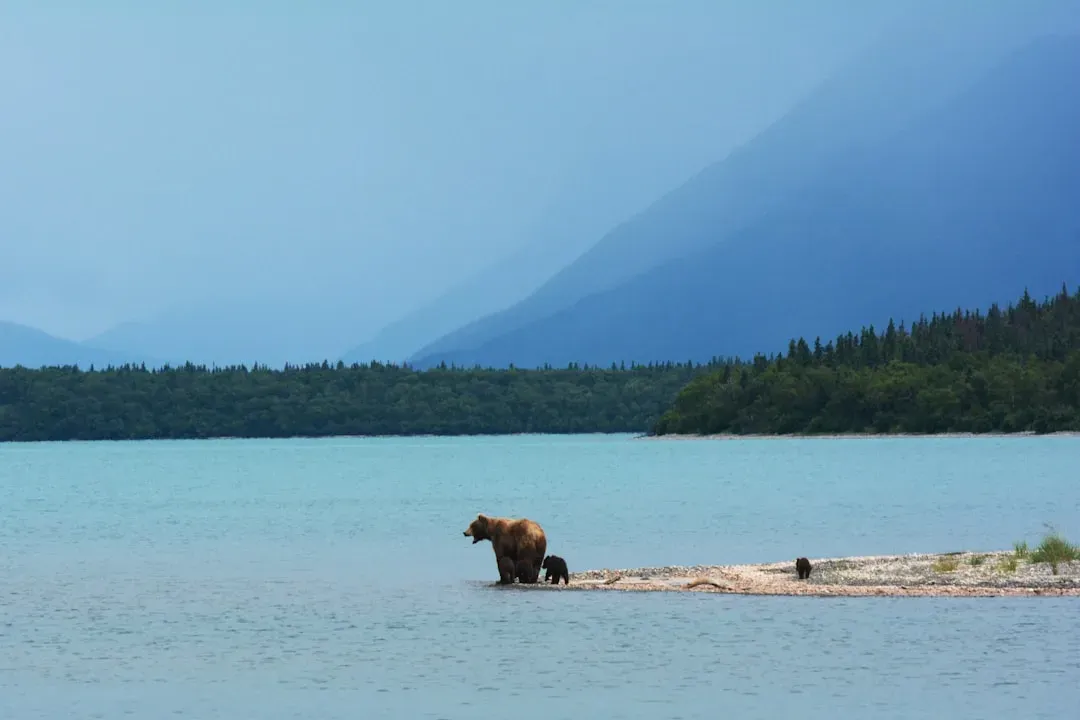
The southeast border of the targeted area is only 3 miles from Lake Clark National Preserve, 30 miles from Katmai National Park and 50 miles from McNeil and Brooks Falls, sites that are world-famous for the large numbers of brown bears that gather there. This proximity is alarming for conservationists. Bears don’t understand political boundaries. They wander.
A bear that might be safe in Katmai one day could wander into the control zone and be shot from a helicopter the next. There’s no way to distinguish between “Katmai bears” and “control zone bears” because they’re the same population moving across a vast landscape.
Does Predator Control Actually Work?
Overwhelming evidence for the Mulchatna caribou herd collected by the department since the program began in 2023 supports the conclusion that calf survival increased when bear numbers were reduced in calving areas, with the minimum count of caribou showing a dramatic 17% population increase since the bear control efforts began. The state says yes, it’s working.
With intensive management, bears and wolves will recolonize within a few years, and bear or wolf populations have not been reduced to unsustainable levels. State officials argue they’re not decimating bear populations, just temporarily reducing them to give caribou a fighting chance.
The science on predator control in Alaska is actually pretty robust in some areas. Studies have shown it can increase prey populations in the short term. The question is whether it’s the right solution for this particular problem.
The Public Process Failure
In 2022, the State of Alaska created a bear-control program in the Wood-Tikchik basin, hiring State employees and contractors to aerially gun down nearly 200 bears from helicopters and spotting planes despite opposition from dozens of biologists and the public, with the proposal being developed behind closed doors and the public not having a chance to comment before it was passed. This is where the state really stumbled.
Alaska’s constitution requires meaningful public input on wildlife management decisions. That didn’t happen here. The program was rushed through. Comments were limited. Scientific review was inadequate. When judges looked at the process, they found it wanting.
Where Things Stand Now
The Alaska Board of Game, convening in a special meeting in Anchorage, authorized the state Department of Fish and Game to restart the program in July 2025. They claim to have addressed the legal issues identified by the courts. The Alaska Wildlife Alliance and the Center for Biological Diversity filed a new lawsuit, arguing that the revived program suffers from many of the same flaws.
So we’re back in court again. More legal fees. More delays. More uncertainty for everyone involved, from the subsistence hunters who need caribou to the conservation groups trying to protect bears.
The story of Alaska’s bear culling isn’t really about bears or caribou. It’s about competing values, scientific uncertainty, legal requirements, and ultimately, what kind of relationship we want to have with wild places. Predator control isn’t about destroying nature but managing it wisely for the benefit of all Alaskans, especially those who rely on these renewable resources to feed their families, according to state officials.
For dog lovers and wildlife enthusiasts in the Lower 48, this might seem like a distant Alaskan problem. It’s not. The decisions being made right now about how we manage predators, how we balance human needs with wildlife conservation, and whether we follow science and law in wildlife management will echo far beyond Alaska’s borders. What do you think is the right balance here?
