

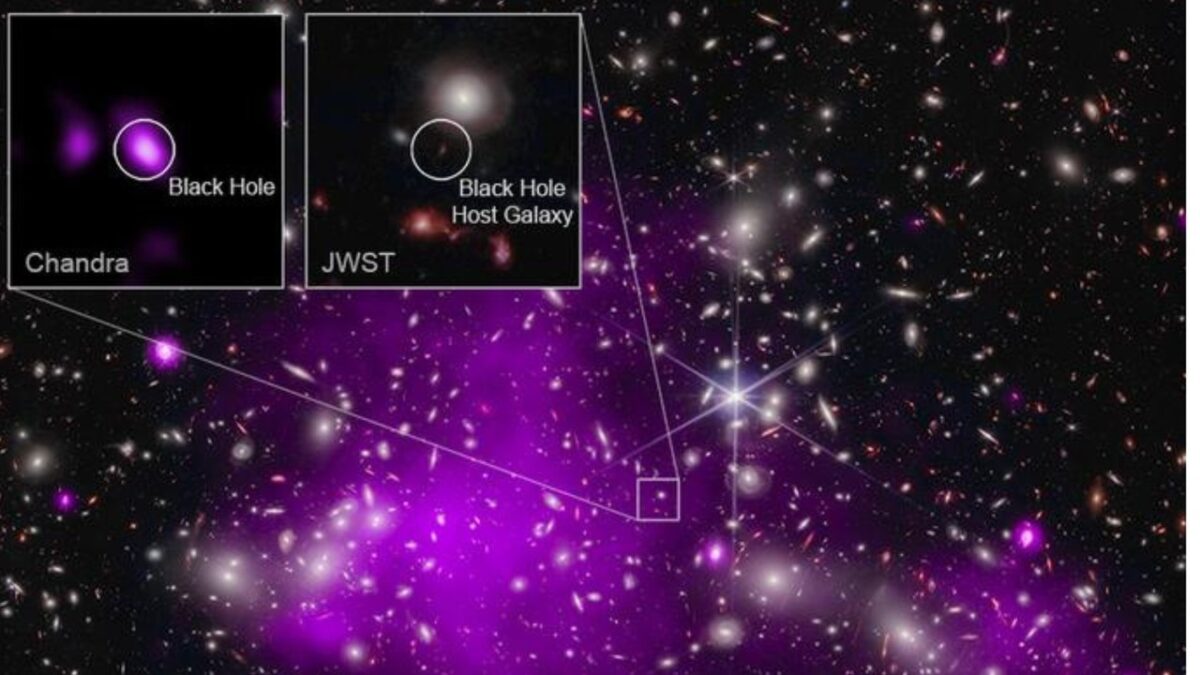
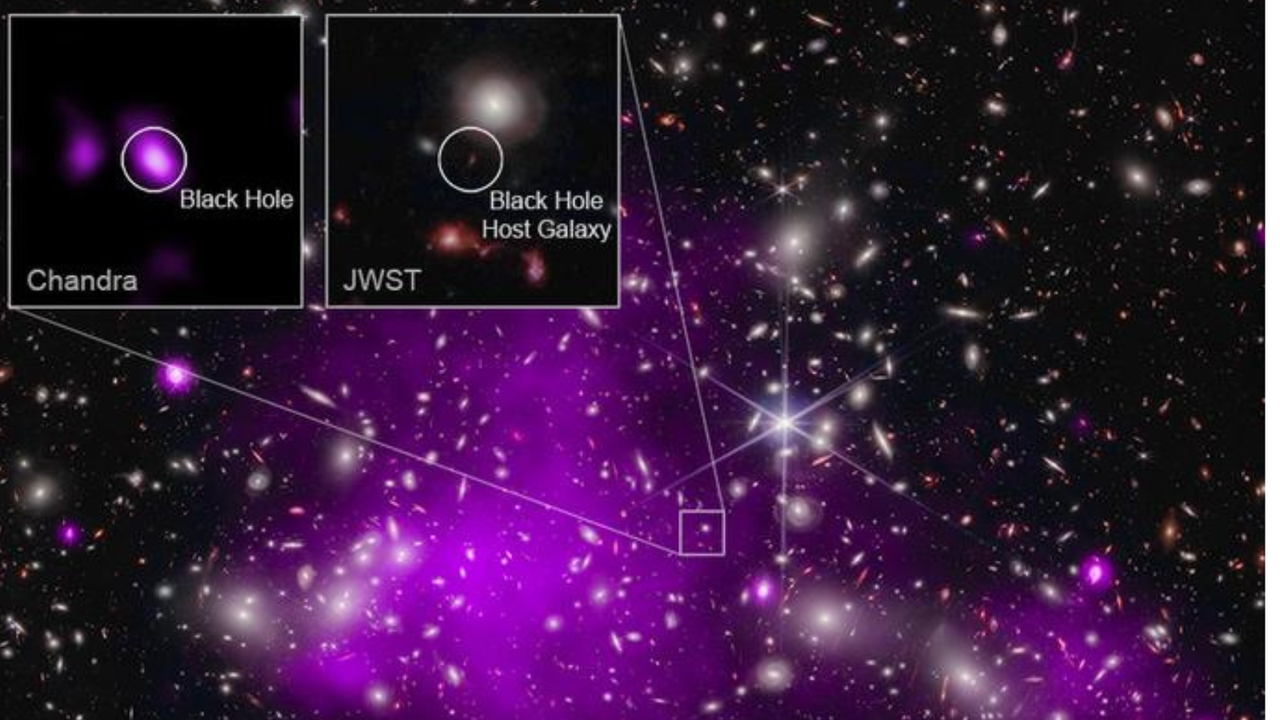
Discovering Dark Stars in the Cosmic Dawn (Image Credits: Cdn.mos.cms.futurecdn.net)
Astronomers have long puzzled over unexpected discoveries from the early cosmos, where massive galaxies and black holes appeared far sooner than theories predicted.
Discovering Dark Stars in the Cosmic Dawn
Researchers recently proposed that dark stars, hypothetical behemoths from the universe’s infancy, could power these anomalies through an unconventional energy source. Unlike ordinary stars fueled by nuclear fusion, dark stars would draw energy from the annihilation of dark matter particles within their cores. This process, first theorized nearly two decades ago, might have sustained these objects for millions of years, allowing them to grow to extraordinary sizes.
A team led by physicists from Colgate University and other institutions analyzed data from the James Webb Space Telescope (JWST). Their findings suggested that dark stars could reach masses hundreds of thousands of times that of the sun, remaining cool and dim enough to evade easy detection. Such stars would dominate the early universe, influencing galaxy formation and black hole growth in ways that align with recent observations.
The Puzzle of Oversized Early Galaxies
One of the most striking surprises from JWST came in the form of “blue monster” galaxies, enormous structures that formed just a few hundred million years after the Big Bang. These galaxies appeared too bright and massive for standard models of cosmic evolution, challenging ideas about how stars and gas coalesced in the primordial era.
Dark stars offer a compelling explanation. Their immense gravity would pull in vast amounts of hydrogen and helium, fueling rapid growth without the instability of fusion-powered collapse. As these stars burned through dark matter, they emitted ultraviolet light that ionized surrounding gas, clearing paths for galaxy assembly. This mechanism could account for the unexpected luminosity and scale of these early behemoths, bridging the gap between theory and observation.
Explaining Supermassive Black Holes’ Rapid Rise
Another enigma involves overmassive black holes detected in the universe’s first billion years. These monsters, weighing millions or even billions of solar masses, seemed to defy the slow accretion processes typically required for their formation.
Scientists now link dark stars to this phenomenon. At the end of their lives, these colossal objects could collapse directly into black holes, bypassing intermediate stellar phases. The resulting seeds would then accrete material at accelerated rates, thanks to the dense environments fostered by dark stars. This pathway resolves the timing issue, as JWST has spotted such black holes hosting quasars that outshine entire galaxies.
Unraveling the Enigma of Little Red Dots
Compact, reddish objects known as “little red dots” have also baffled observers, appearing as tiny but intensely bright sources in deep-space images. Their spectra suggest they harbor actively feeding black holes, yet their small size and early presence puzzle astronomers.
Dark stars provide clarity here too. These dots might represent the remnants or active phases of dark star systems, where central black holes shine through surrounding dust. The red hue arises from the absorption of blue light by gas clouds, while the compactness fits the scale of a dark star’s core. By integrating dark matter dynamics, this model explains why these features cluster in the cosmic dawn era.
Key Takeaways from Dark Star Research
- Dark stars rely on dark matter annihilation for energy, enabling sizes up to 10 million solar masses.
- They address JWST’s detections of massive early galaxies, supermassive black holes, and compact red objects.
- This theory refines our understanding of the universe’s first stars, potentially observable with future telescopes.
- Further simulations will test if dark stars’ signatures match infrared and radio data.
Core Insights:
- Dark stars challenge fusion-only models of stellar evolution.
- They highlight dark matter’s active role beyond mere gravitational influence.
- Resolving these mysteries could rewrite the timeline of cosmic structure formation.
As dark stars emerge from theory into potential reality, they promise to illuminate the shadowy corners of cosmology. This framework not only reconciles JWST’s revelations but also underscores the universe’s intricate interplay of visible and invisible forces. What implications might this hold for our search for life’s origins? Share your thoughts in the comments below.

As a little kid, I fell in love with nature, wildlife, and animals. Living in the USA, South Africa, Italy, China and Germany gave me the opportunity to discover the world's Wildlife. My favorite animals are Mountain Gorillas, Siberian Tigers, and Great White Sharks.
I'm a certified PADI Open Water Diver, went to Everest Base Camp and Trekked Gorillas in Uganda. I hold a Master of Science in Economics and Finance.
Please send any feedback to feedback@animalsaroundtheglobe.com
- 11 Most Endangered Insects Buzzing in America Today - July 22, 2026
- 10 Most Frequently Googled Animal Birth Facts - July 22, 2026
- 10 Incredible Migration Journeys in the Animal Kingdom - July 22, 2026