

Choosing a dog is one of the most exciting decisions you’ll ever make, especially when you’re living in an apartment or smaller space. The idea of coming home to a wagging tail and wet nose after a long day is enough to make anyone’s heart melt. However, there’s a catch that many first-time dog owners overlook.
Not every breed is built for indoor living, no matter how adorable they look in pictures or how much you fell in love with them at the shelter. Some dogs need more than a cozy couch and a few walks around the block. They crave space, stimulation, and freedom in ways that four walls simply can’t provide. Dog trainers have seen it all, from chewed furniture to neighbor complaints about constant barking, and they’ve learned which breeds struggle the most when confined to apartments or smaller homes. Let’s dive in and explore the breeds that might test your patience and your lease agreement.
Siberian Husky: The Howling Escape Artist

Picture this: a strikingly beautiful dog with piercing blue eyes and a thick coat that makes them look like they walked straight out of a winter wonderland. The Siberian Husky sits at the top of the list as a breed that’s as independent as it is energetic, bred to pull sleds across vast icy landscapes with endurance to spare.
These dogs are not quiet neighbors – they howl, sing, chatter, and hold full conversations loudly, which can be problematic if you live in an apartment with thin walls. Their vocal nature isn’t just for show. It’s how they communicate, and they will definitely let you and everyone within earshot know how they’re feeling.
Honestly, these dogs are built for movement. Standing between 20 and 23.5 inches tall and weighing up to 60 pounds, these muscular dogs are among the fastest sled dog breeds and can run for hours. Without adequate daily exercise, they become restless and destructive.
Huskies can be mischievous and vocal, and their high energy and love for running can make them a poor match for confined spaces like apartments. They’re also notorious for their escape artist tendencies. If there’s a way out, they’ll find it.
Most Huskies would prefer to be outdoors at all times if possible, and many apartments don’t have any accessible outdoor space, plus they shed a lot, which can be a huge pain in a small space. Let’s be real, if you can’t commit to multiple hours of outdoor activity daily, this breed will turn your apartment into a disaster zone. Their intelligence works against you when they’re bored.
Border Collie: The Genius Who Needs a Job

Herding breeds like Border Collies often do badly in apartments due to lack of space, and without the mental and physical stimulation of outdoor space to run and explore, hyper-intelligent and high-energy breeds can become bored. These dogs are basically canine Einsteins who were bred to work all day.
Their mental health can suffer in confined spaces. Think of it like locking a marathon runner in a closet and expecting them to be happy. Border Collies can be a little skittish of new people, busy environments, and odd sounds, so city life in general may not be right for this breed.
The problem isn’t that they’re bad dogs. Far from it. They’re incredible animals with unmatched intelligence and loyalty. The issue is that their needs are so specific and demanding that apartment living rarely meets them. They need tasks, challenges, and constant engagement.
High-energy breeds like Border Collies and Australian Shepherds can thrive in cities with owners who provide adequate mental stimulation and exercise, but these dogs often need more than two hours of focused activity daily, plus mental challenges. That’s not a casual commitment. It’s a lifestyle.
I know it sounds crazy, but these dogs will literally try to herd you, your kids, or even your other pets if they don’t have an outlet for their instincts. Their drive to work is that strong. Without proper engagement, destructive behavior is almost guaranteed.
Dalmatian: The Spotted Dynamo

We all remember that iconic movie with the adorable spotted pups, but the reality of living with a Dalmatian in an apartment is far different from what Hollywood shows us. While they usually get along well with children, their high energy might be a bit much for very small kids, and these dogs need more space to zoom, run, and play – plus, they’re loud when bored.
These dogs aren’t content with a quick walk around the block. They need serious physical activity every single day. Their energy levels are through the roof, and when that energy has nowhere to go, it manifests in ways you won’t appreciate.
Here’s the thing: Dalmatians were bred to run alongside carriages for miles. That’s literally what they were designed to do. Asking them to live happily in a studio apartment is like asking a fish to climb a tree. It’s just not in their nature.
These pups are intelligent and trainable, but they come with a strong memory for both good and bad experiences, so kindness is key. They’re sensitive souls despite their athletic build. Harsh training methods will backfire spectacularly with this breed.
Their social needs are also intense. Some Dalmatians are shy or reserved around strangers, while others can be aggressive toward unfamiliar dogs if not properly socialized, and a few might be a little high-strung. Apartment living with shared hallways and elevators can be stressful for them without extensive socialization from puppyhood.
Jack Russell Terrier: Small But Explosive
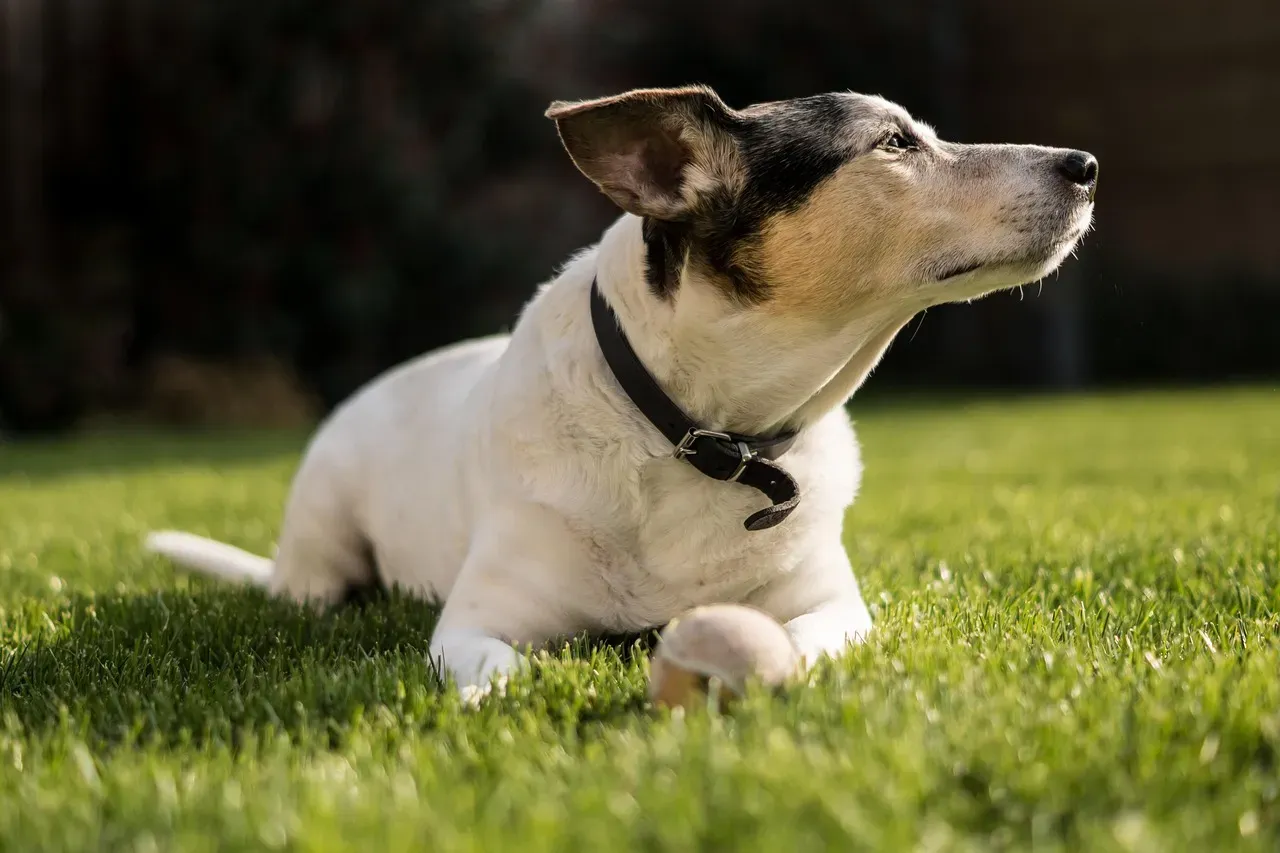
Don’t let their compact size fool you. Sometimes nicknamed “Jack Russell Terrors,” the Jack Russell Terrier is a breed designed for the fast life – high-energy, extremely vocal, and not particularly friendly with strangers or other dogs, they do not thrive in large apartment buildings or urban settings without space to run and play.
These little firecrackers pack more energy than breeds three times their size. They’re relentless in their need for stimulation and activity. A tired Jack Russell is a happy Jack Russell, but getting them tired requires serious effort.
A 10-pound Jack Russell Terrier with high energy and vocal tendencies might cause more apartment problems than a calm, 60-pound Greyhound who sleeps 20 hours per day. Size truly doesn’t determine suitability for apartment living. Temperament and energy level matter far more.
These terriers were bred to hunt foxes, which means they’re fearless, determined, and incredibly tenacious. That same drive that made them excellent hunters makes them challenging indoor companions. They don’t know the meaning of giving up or settling down.
Their barking can become a real issue. They’re naturally vocal and alert, which means every sound in the hallway, every passing car, every neighbor’s footstep becomes an event worth announcing. Your neighbors will not thank you for this. Training can help, but fighting their natural instincts is an uphill battle that requires consistency and patience most people simply don’t have.
Australian Cattle Dog: The Workaholic on Four Legs

A high-maintenance, high-energy breed, the Australian Cattle Dog is more like an Energizer Bunny than a family pet – working dogs bred to herd and manage cattle and sheep, they’re fearless and physically impressive, and keeping this kind of breed active enough in an apartment is an enormous task.
These dogs don’t understand the concept of relaxation. It’s not in their DNA. They were created to work long hours in harsh Australian conditions, managing livestock with intelligence and physical prowess. Taking that dog and putting them in a two-bedroom apartment is a recipe for disaster.
One owner’s experience tells the whole story. People basically rearranged their lifestyle to fit their Australian Cattle Dog, making sure they ran once if not twice every day, playing with another dog, playing fetch, or taking them on a 2-mile hike, because this breed has a lot of energy and requires a specific amount of exercise.
That level of commitment isn’t realistic for most people. We have jobs, families, and other responsibilities. These dogs demand to be your full-time priority, and anything less leaves them frustrated and destructive.
Their intelligence works against indoor living too. Smart dogs get bored easily, and bored dogs find creative ways to entertain themselves. Unfortunately, their idea of entertainment usually involves your furniture, shoes, or walls. Mental stimulation is just as important as physical exercise for this breed, which means puzzle toys, training sessions, and constant engagement.
Beagle: The Nose with a Voice

Extremely vocal dogs with high prey drive and a quick alert reflex, Beagles don’t care if quiet hours start at 10 pm in your building, and though some might say the Beagle’s gentle spirit and sweet nature make it a good dog for urban living, this breed needs more space to run and play than an apartment can usually provide.
Their vocalization isn’t regular barking. It’s baying, which is a deep, prolonged howl that carries surprisingly far. Beagles, most hounds, and some terriers are bred to be vocal and may struggle with apartment noise restrictions, and while training helps, their natural tendencies require consistent management.
Honestly, Beagles are adorable. Their floppy ears and soulful eyes make them irresistible. However, their hunting instincts are powerful. They’re scent hounds, which means their nose controls their brain, and when they catch an interesting smell, everything else ceases to exist.
In an apartment setting, this creates multiple problems. They’ll follow scent trails obsessively, even if it means scratching at doors or walls. Their focus becomes singular and intense. Redirecting that attention requires expertise and patience.
Their friendly nature is a double-edged sword. They love people, which is wonderful, but they also don’t understand personal space or boundaries. They’ll greet every neighbor, delivery person, and visitor with enthusiasm that can be overwhelming. Training can modify this, but their social butterfly personality is hardwired. What do you think about living with a dog who treats every moment like a party invitation?
Weimaraner: The Gray Ghost Who Never Stops

If elegance and energy had a doggy poster child, it would be the Weimaraner – this breed needs at least seven hours of exercise per week through walking, jogging, running, swimming, so if your ideal weekend involves Netflix marathons, this might not be your dog.
Seven hours weekly sounds manageable until you break it down to daily requirements. That’s an hour every single day, minimum, of serious physical activity. Not a leisurely stroll. We’re talking running, swimming, or vigorous play that actually tires them out.
Their attachment to their owners borders on obsessive. They’re known as velcro dogs for good reason. They want to be with you constantly, which sounds sweet until you realize they follow you everywhere, including the bathroom. Separation anxiety is common in this breed.
For apartment dwellers who work full-time, this presents an impossible situation. Leaving a Weimaraner alone for eight hours is asking for trouble. They’ll express their distress through destructive behavior, excessive barking, or self-harm. It’s heartbreaking and entirely avoidable by choosing a more suitable breed.
Their size also matters. These aren’t small dogs. They’re large, powerful animals who need room to move. A cramped apartment doesn’t provide the physical space they need to stretch out and be comfortable. Combine their size with their energy, and you’ve got a recipe for knocked-over furniture and accidental injuries.
Vizsla: The Velcro Dog with Limitless Energy

With their energy levels, Vizslas need space to roam and burn off steam – apartment living is more like “apartment-sitting,” not their style, but with their brains, brawn, and big hearts, Vizslas make amazing lifelong partners if you’re ready to keep up.
These Hungarian hunting dogs are absolutely stunning. Their rust-colored coat and athletic build turn heads everywhere they go. They’re also incredibly affectionate and form deep bonds with their families. The problem is their energy seems infinite.
Vizslas were bred to hunt all day in challenging terrain. They have stamina that puts most humans to shame. Taking them for a quick twenty-minute walk twice a day won’t even begin to meet their needs. They require sustained, vigorous exercise that challenges them physically.
Their sensitive nature adds another layer of complexity. Despite their athletic prowess, they’re emotionally delicate. They don’t respond well to harsh corrections or raised voices. Training requires patience and positive reinforcement.
In an apartment, their restlessness becomes palpable. You can see the frustration building when they don’t have an outlet for their energy. They pace, whine, and look at you with pleading eyes that seem to ask why you’re keeping them prisoner. It’s hard to say for sure, but I think many Vizsla owners in apartments end up feeling guilty because they simply cannot meet the breed’s needs within those four walls.
German Shepherd: The Guardian Who Needs Purpose
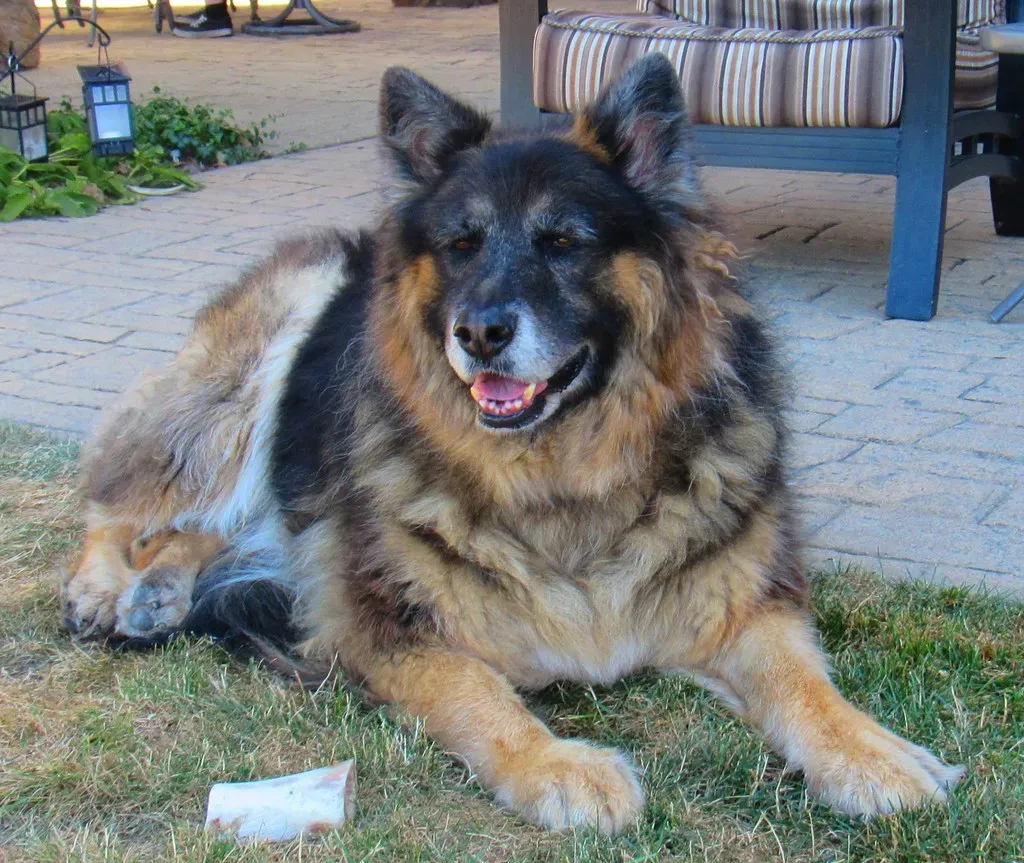
German Shepherds are known for their intelligence, loyalty, and trainability, which makes them excellent working dogs and pets for many families, however, they are medium to large-sized dogs that have a lot of energy and require regular exercise and mental stimulation, and while they can live in an apartment, there might be better living situations since they might get bored and restless without enough space.
These dogs are incredibly smart and trainable, which is why they’re used in police work, search and rescue, and military operations worldwide. That intelligence demands engagement. A bored German Shepherd is a destructive German Shepherd.
Their protective instincts are strong. They’re natural guardians who take their role seriously. In an apartment with shared walls, hallways, and constant foot traffic, this can become problematic. They may become overly vigilant or reactive to sounds and movements outside your door.
German Shepherds are large, strong, or high-energy breeds typically not allowed in apartments, and they’re intelligent and active but often restricted due to their large size and guarding nature. Many apartment complexes include them on breed restriction lists, which can limit your housing options.
Their size alone presents challenges. A fully grown German Shepherd weighs between 50 to 90 pounds and stands roughly two feet tall at the shoulder. They need space to move comfortably. Cramped quarters can lead to stress and behavioral issues.
Their shedding is legendary. German Shepherds blow their coat twice a year, and even during normal times, they shed constantly. In a small apartment, the fur accumulates quickly, covering every surface despite your best cleaning efforts. It’s manageable, but it’s definitely something to consider before committing to this breed.
Akita: The Independent Spirit with Territorial Instincts
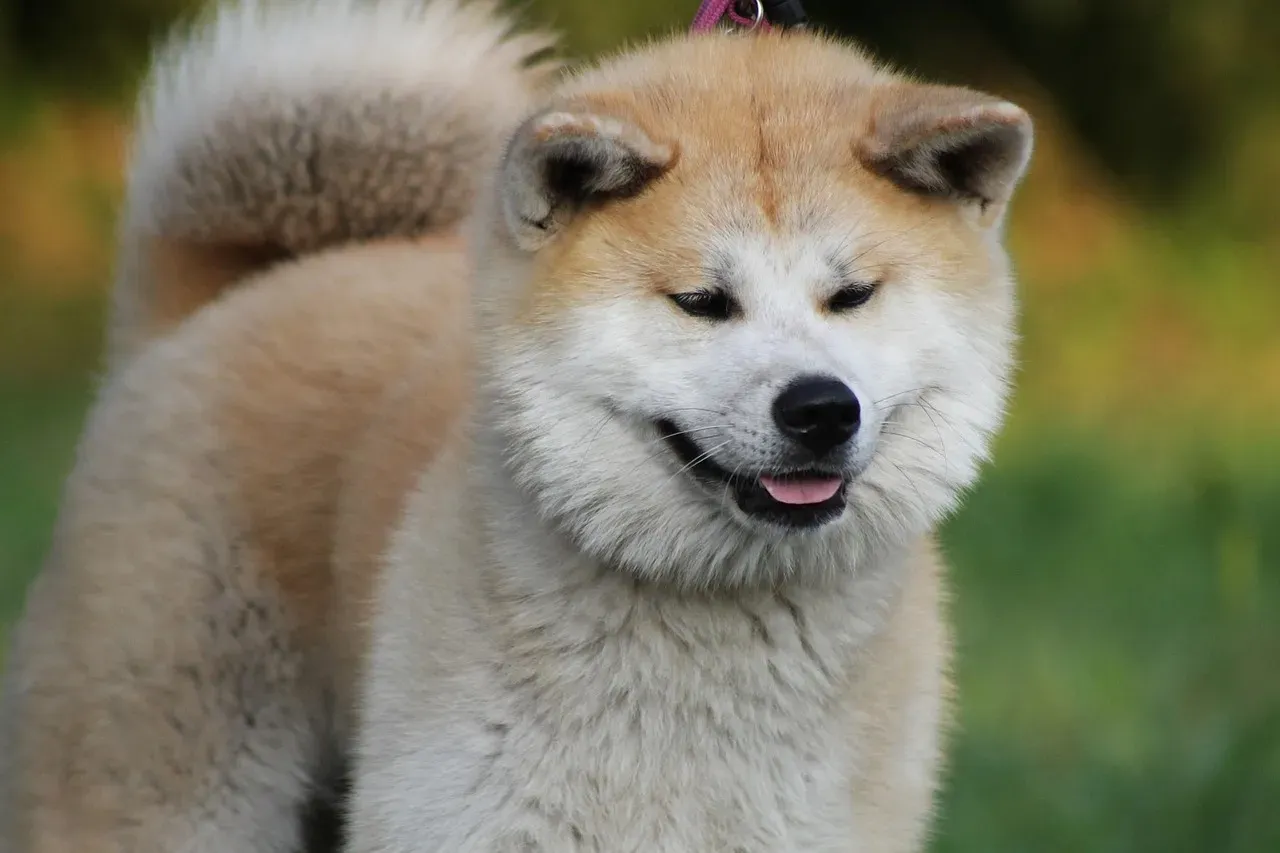
Akitas are loyal to their families but wary of strangers and are considered an aggressive breed of dogs – many landlords perceive their strong guarding nature and independence as a problem, and they were originally bred for hunting and guarding in Japan, less tolerant of chaos, unfamiliar dogs, or high-density living, which in an apartment setting may make them become overly territorial or reactive.
These Japanese dogs are absolutely gorgeous. Their thick double coat and dignified bearing give them an almost regal appearance. They’re also intensely loyal to their families. However, that loyalty comes with a fierce protective streak that can be difficult to manage in close quarters.
This breed requires regular exercise to maintain its physical and mental health, and an apartment may not provide enough space for them to move around comfortably – Akitas are also known for their strong-willed nature and require an experienced owner who can provide consistent training and socialization, because without proper exercise and mental stimulation, they can become bored, leading to destructive behaviors.
Their size is substantial. Akitas stand 24-28 inches tall and weigh between 70-130 pounds, with their thick coat making them great dogs for people living in cold climates, and they’re also spectacular jumpers requiring a fence high enough to contain them. In an apartment without a private yard, managing their exercise needs becomes incredibly challenging.
Socialization is critical with this breed, and apartment living works against that need. They’re frequently on rental and insurance blacklists, which can make finding pet-friendly housing nearly impossible. The combination of their size, protective nature, and specific needs makes them poorly suited for indoor living in most cases.
Conclusion: Choosing Wisely for Harmonious Indoor Living
Selecting a dog breed for apartment or indoor living requires honest self-assessment. These ten breeds aren’t inherently bad dogs. They’re magnificent animals with incredible qualities. The issue is that their needs simply don’t align with the limitations of smaller living spaces.
There are dog breeds that require high energy and plenty of space, so they may not be best suited for a smaller apartment. Ignoring this reality leads to frustration for both you and your dog. Behavioral problems, noise complaints, and ultimately rehoming become far too common when people choose breeds based on appearance rather than lifestyle compatibility.
The good news is there are plenty of wonderful breeds that thrive in apartments. Researching thoroughly, speaking with trainers, and honestly evaluating your available time and energy will guide you toward a better match. Your future dog deserves a home where they can flourish, and you deserve a companion whose needs you can realistically meet.
Dogs give us unconditional love and loyalty. The least we can do is choose responsibly and set them up for success from day one. What’s your experience with dogs in smaller living spaces? Have you seen these challenges firsthand? Share your thoughts in the comments below.
