
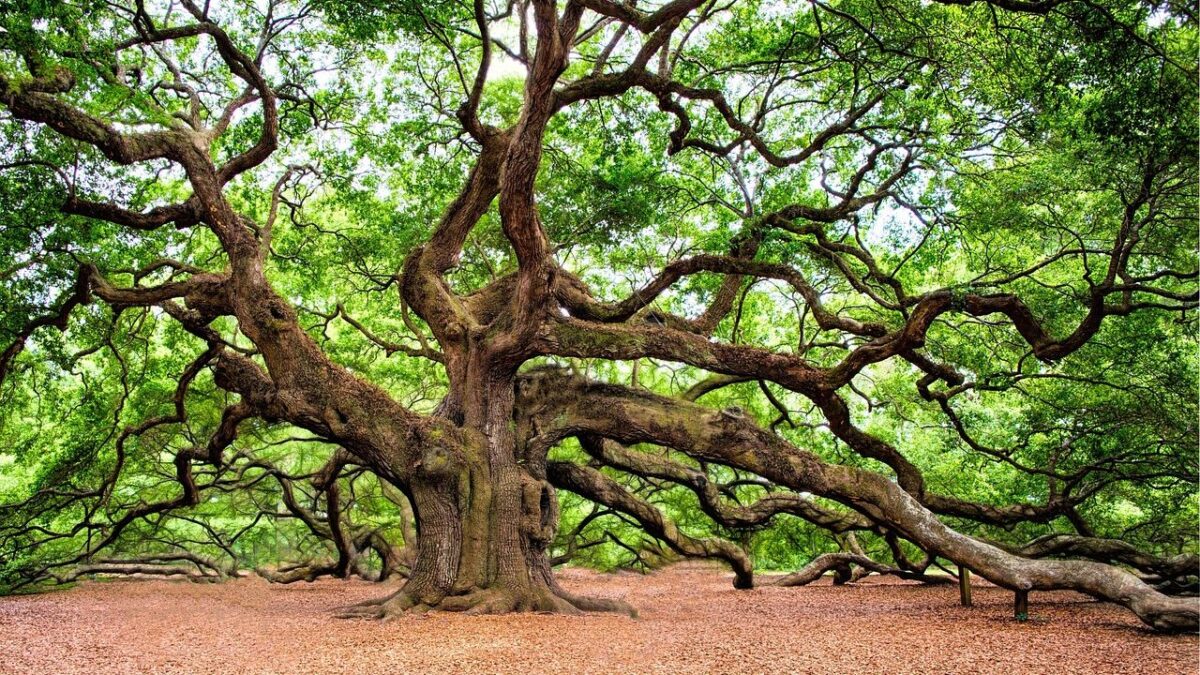
Think of a forest, and you probably imagine birds chirping in the canopy, deer darting between trunks, maybe a squirrel or two. Now picture a forest without any of that. No birdsong at all. No mammals. Not even vertebrates on land yet.
Just the whisper of wind through primitive fronds and the scuttle of millipedes the size of small cars creeping across a muddy floor. This isn’t science fiction. It’s upstate New York during the Devonian Period, and honestly, the fossils hidden there reveal one of the strangest chapters in Earth’s history.
Discovered in December 2019 in a sandstone quarry in Cairo, New York, America’s oldest known forest dates back roughly 386 million years. That’s not just old. That’s incomprehensibly ancient, predating the dinosaurs by well over a hundred million years. This ancient woodland predates dinosaurs by 140 million years. What makes this forest so fascinating isn’t just its age, though. It’s what lived there, and what didn’t. Let’s dive into the secrets locked within these ancient stones.
A Forest Without Birds, Beasts, or Even Songs
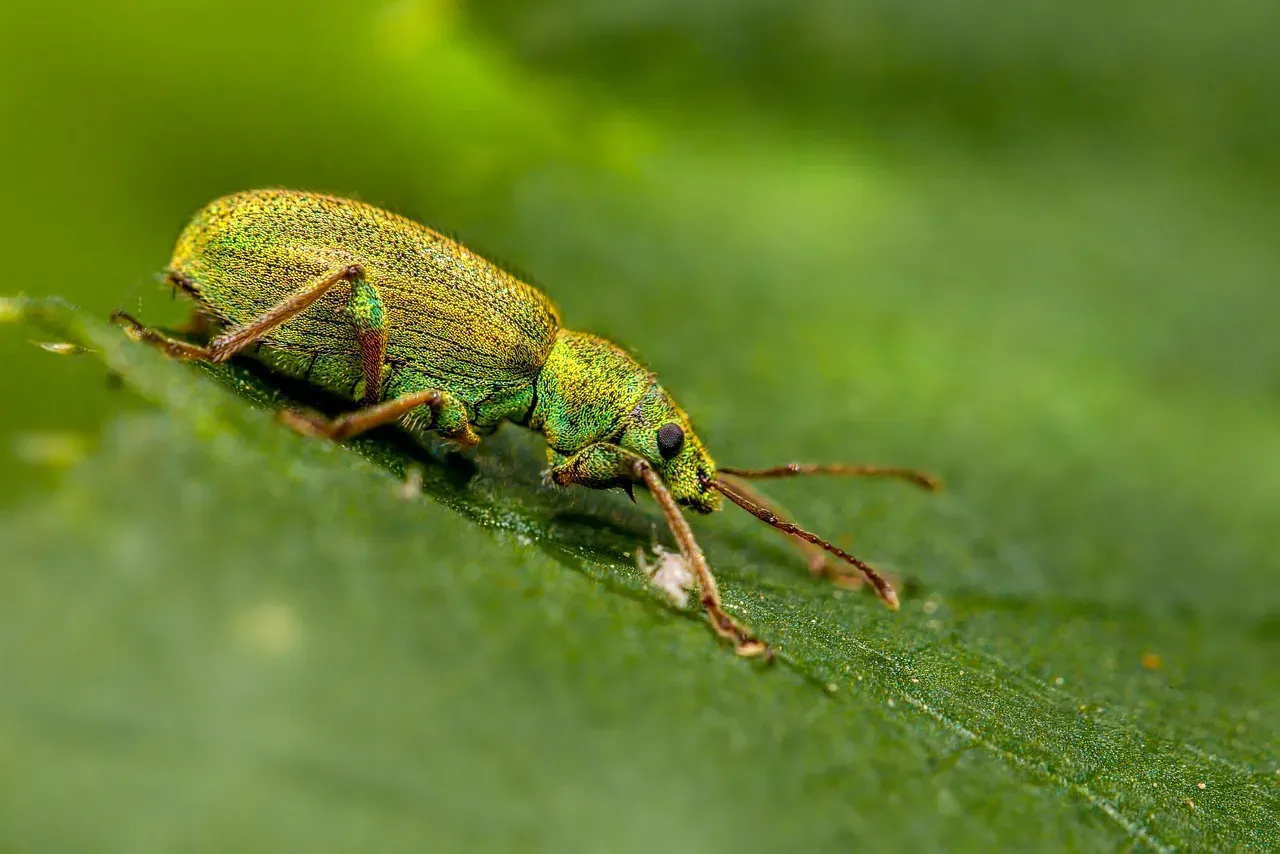
Dinosaurs wouldn’t appear for another 150 million years, and instead, the forest was likely home to millipede-like bugs and other insects. No birdsong, just the wind in the trees. The silence must have been eerie, broken only by natural sounds we can barely imagine.
When these trees lived, hundreds of millions of years ago, most other land plants were low-growing ground covers similar to mosses and liverworts, while land animals consisted mainly of spiders, centipedes, and other arthropods. Here’s the thing. These weren’t cute little garden-variety centipedes either. Gigantic millipede arthropods roamed the massive forests in North America and Europe 345 million years ago, growing to well over seven feet and could stand upright and spray acid at any perceived threat.
Giant sea scorpions patrolled nearby waterways, some stretching nearly six feet long. The terrestrial landscape was just beginning its transformation from barren rock to living ecosystem. These arthropods were pioneers in a world still figuring out what life on land even meant.
Trees That Rewrote the Rules of Evolution
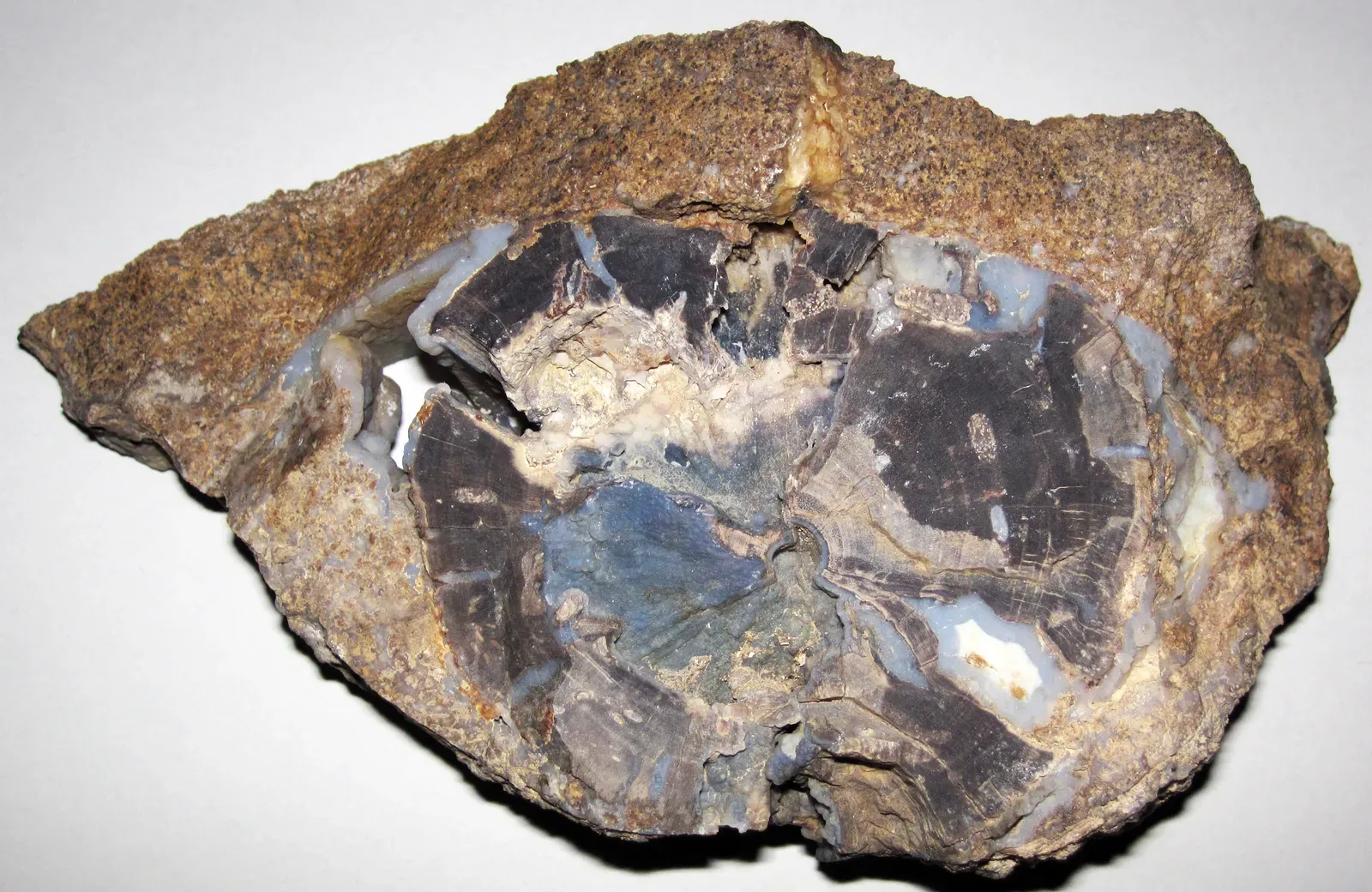
The ancient forest in Cairo is slightly older than the one in Gilboa, at 387 million years. Before this finding, the Gilboa forest, located 25 miles away, held the oldest forest title, but Cairo’s trees are 2 to 3 million years older, showing that complex forest ecosystems developed much faster than scientists believed possible. Let’s be real, that’s a massive shift in how we understand plant evolution.
The forest holds some of the oldest trees in the world, as well as the oldest known examples of trees with leaves and thick, woody trunks. William Stein from Binghamton University describes the roots as strikingly modern, essentially what you’d see outside in my yard right now. That’s shocking when you think about it. These weren’t primitive plants fumbling their way toward complexity. They had sophisticated root networks.
Some fossilized roots are almost six inches thick, and the biggest root networks stretch 36 feet away from the trunks. Trees this advanced shouldn’t have existed so early, according to older scientific models. Yet there they were, thriving in a tropical paradise near what would eventually become the Catskill Mountains.
Three Strange Trees in a Prehistoric Wonderland
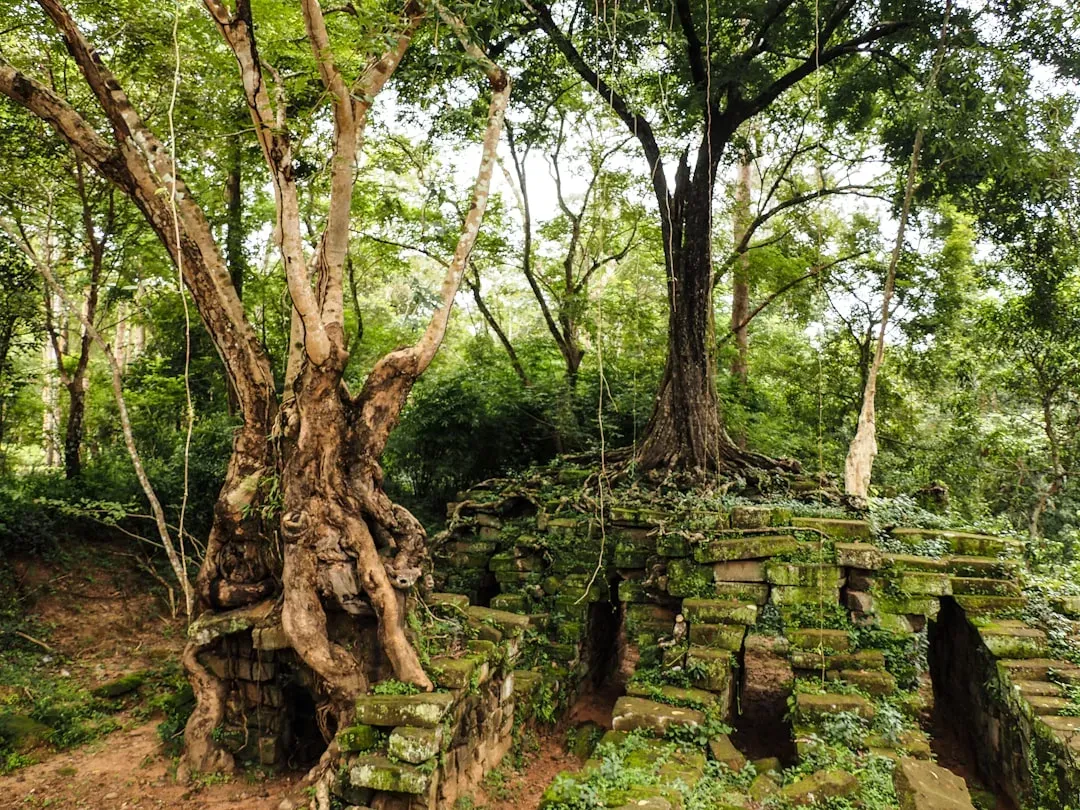
The Cairo site has three unique root systems, including a palm tree-like plant called Eospermatopteris with short roots that lived for a year or two before dying and growing new ones, and fossils of a tree called Archaeopteris, which shares several traits with modern conifers. Imagine that diversity so early in forest history.
Seeds hadn’t yet developed, so the trees reproduced by microscopic spores, and early trees came in three types: Eospermatopteris resembling a palm tree, lycopsid trees related to modern club mosses and horsetails, and the conifer-like Archaeopteris. The Eospermatopteris looked downright alien compared to modern vegetation. The Eospermatopteris-Wattieza had a trunk more than six meters in height, and the crown possessed leafless branches that botanists call fronds which were short-lived and continuously shed as the plant grew.
Archaeopteris was the real game-changer. Archaeopteris seems to reveal the beginning of the future of what forests will ultimately become, with plants very modern compared to other Devonian plants, pointing the way toward the future of forests. It’s hard to say for sure, but this tree might have been the blueprint for every forest that came after. The third tree type, a lycopsid, would later evolve into towering giants during the Carboniferous period.
When Forests Changed the Entire Planet
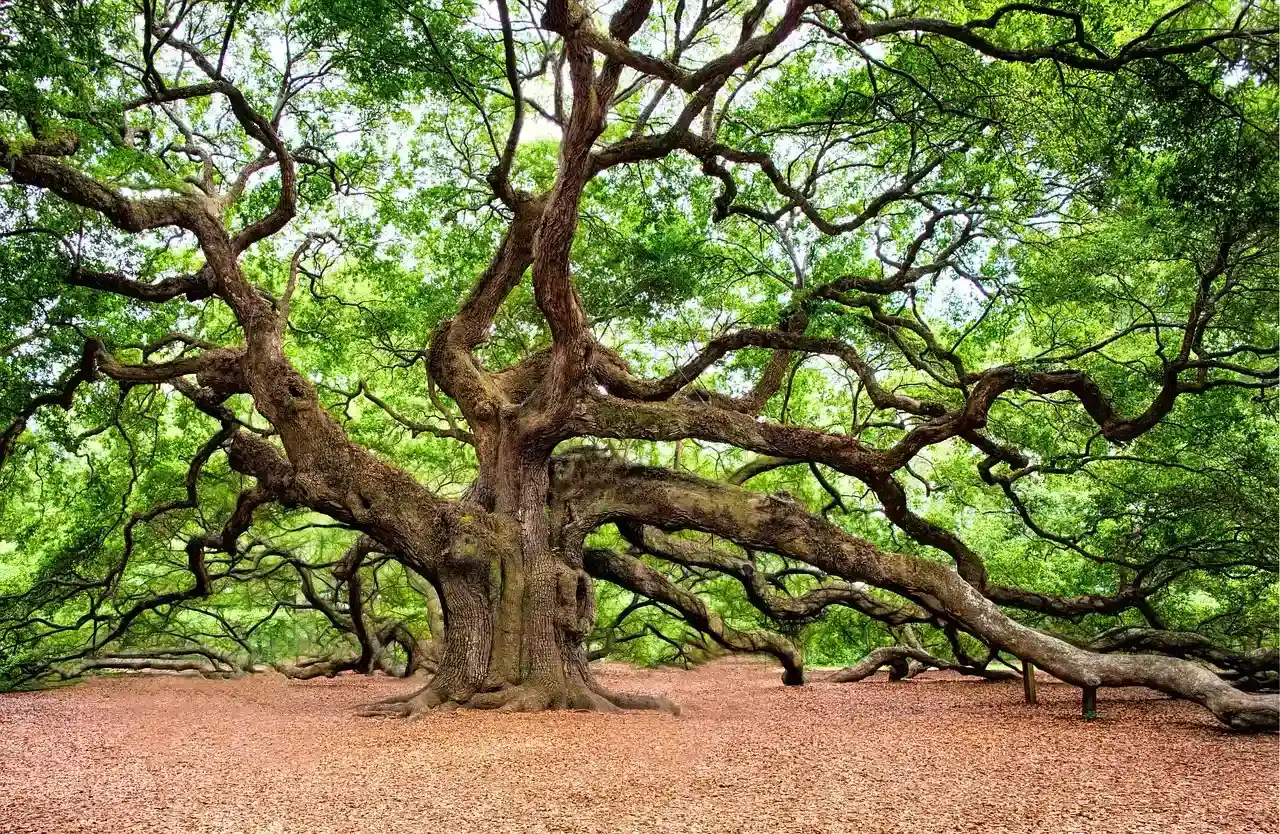
The evolution of forests played a critical role in shaping the world’s climate and ecology by capturing carbon dioxide, bringing levels down similar to modern times, and helping to significantly cool the planet. That’s not a minor detail. That’s earth-shaking stuff. Literally.
The discovery provides crucial insights into the Devonian period, when the colonization of land by plants led to a dramatic decrease in carbon dioxide levels in the atmosphere, which consequently cooled the planet and may have led to one of Earth’s first major ice ages. Trees didn’t just appear and sit there looking pretty. They transformed the atmospheric composition. Trees and soils, which were transformed by tree roots, drew down carbon dioxide from the atmosphere, leading to the global cooling seen during the Paleozoic era.
Through the creation of green corridors, ancient forests like the one in the Catskills also helped facilitate the transition of fish into tetrapods and eventually dinosaurs and all the land animals that followed. Without these early forests, life as we know it might never have crawled out of the water. Think about that next time you walk through a park.
A Time Capsule Locked in Stone
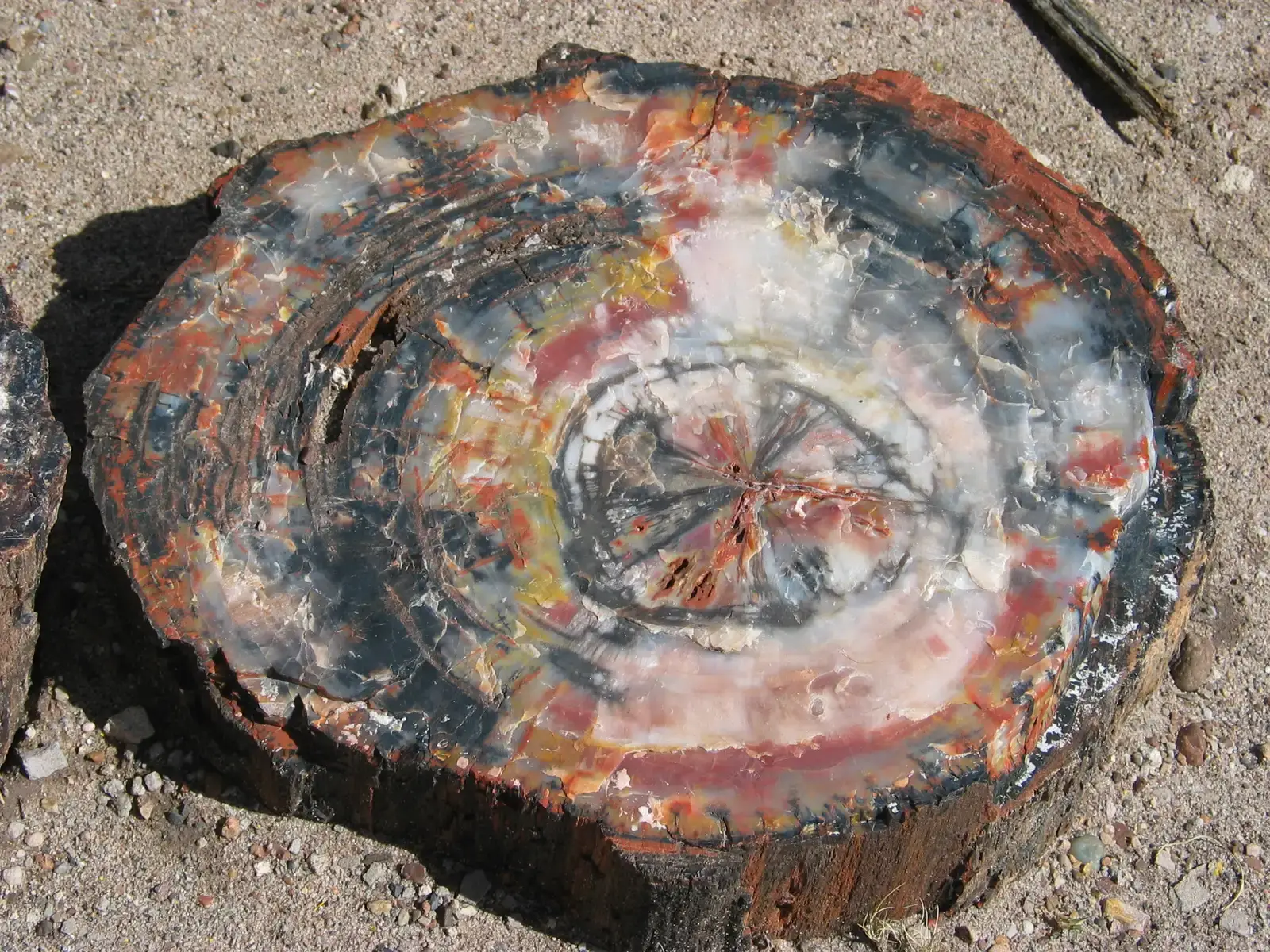
Researchers believe a massive flood buried the forest floor, creating perfect fossilization conditions, and over millions of years, sediment hardened into rock, preserving these root patterns like nature’s time capsule. Pure luck, really. Catastrophe for the forest, treasure for modern science.
During the Devonian Period, New York state was a warmer place, located south of the equator, with the Appalachian Mountains young and still growing, serving as the source of river systems that drained into a shallow sea that is now the Appalachian basin. Continental drift has carried these fossils thousands of miles from their original tropical location. 385 million years ago, upstate New York was a tropical paradise near the equator, and thanks to continental drift, this ancient forest has traveled thousands of miles to its current location.
We really do have one of the largest concentrations of petrified wood here at the park, where you can study how animals and plants change over time, and in places like Petrified Forest, where climate change is preserved as a record in the rock, we have a standard to compare against changes we’re observing today. The lessons from these ancient forests echo into our present. They show us how powerful vegetation can be in reshaping a planet’s climate.
What would you have guessed existed in a forest nearly 400 million years old? Did you expect trees with modern-looking roots or arthropods larger than most dogs? This ancient American forest continues to challenge everything we thought we knew about early life on land.

- If Your Cat Is Over 12 These 18 Quiet Changes Are the Ones Vets Never Ignore - August 8, 2026
- 16 Wild Animals Sanctuary Workers Say Choose One Human Early and Never Once Change Their Mind - August 8, 2026
- 18 Animals That Bond So Completely With One Person They Never Truly Settle With Anyone Else Again - August 8, 2026