
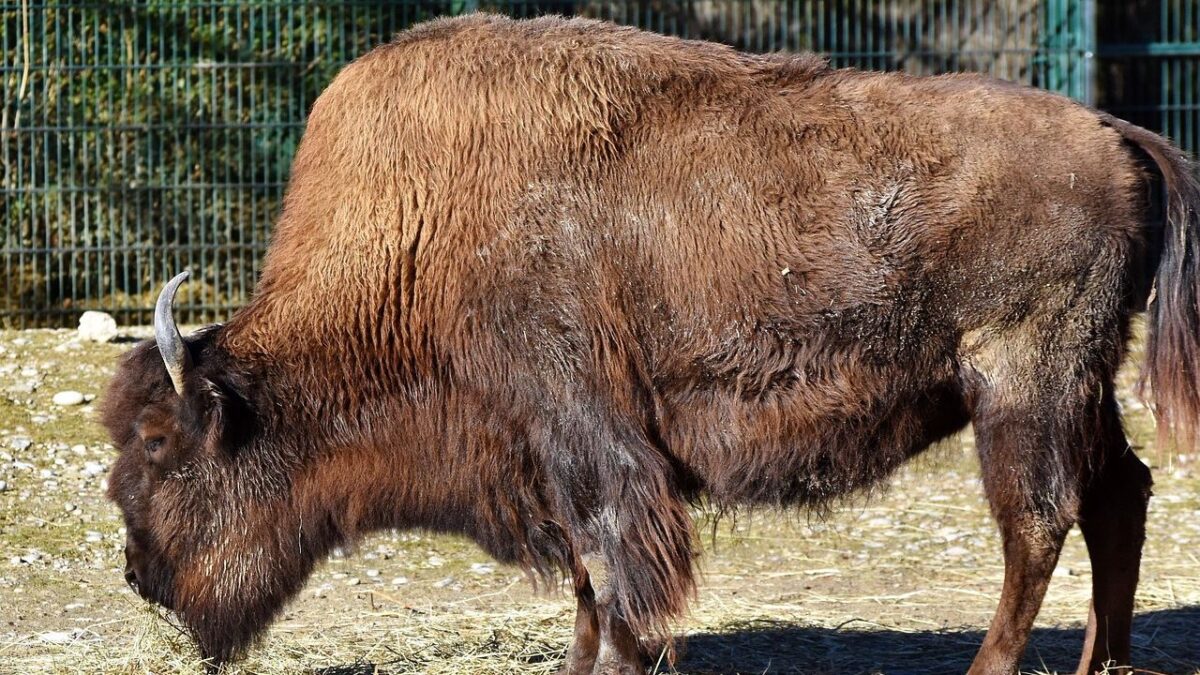
Picture this: an animal so colossal, so integral to an entire continent, that its near disappearance threatened not just ecosystems but entire cultures and ways of life. The American bison stands as more than just a creature of the plains. Its story weaves through American history like few other symbols can, touching on themes of survival, devastation, resilience, and redemption. These magnificent beasts once thundered across prairies in numbers that defied imagination, creating a landscape shaped by their hooves and grazing patterns. Today, their presence reminds us of both our capacity for destruction and our potential for restoration.
So, let’s dive into six remarkable facts about the American bison that truly we know today.
The Staggering Population That Once Ruled the Plains
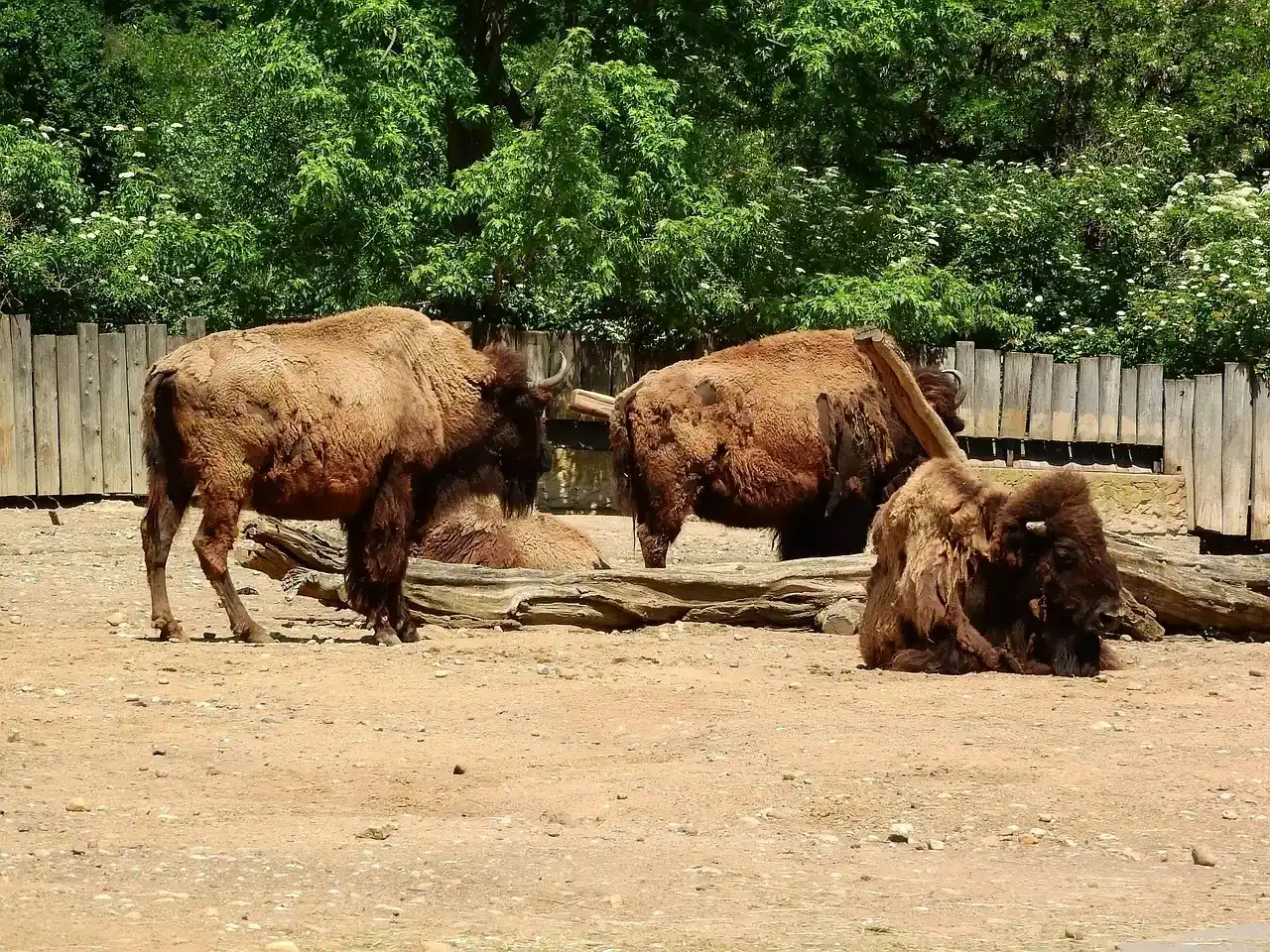
With an estimated population of 60 million in the late 18th century, the species was culled down to just 541 animals by 1889 as part of a deliberate strategy. Honestly, it’s hard to fathom the sheer magnitude of those herds. Early explorers described bison in numbers that exceeded imagination, stretching as far as the eye could see across the grasslands.
Its historical range circa 9000 BC is referred to as the great bison belt, a tract of rich grassland spanning from Alaska south to the Gulf of Mexico, and east to the Atlantic Seaboard. These animals weren’t confined to just the Great Plains as many assume today. They roamed from coast to mountains, adapting to varied terrain and climates.
The ecological impact of such massive herds cannot be overstated. Their grazing patterns shaped entire ecosystems, influencing which plants thrived and how nutrients cycled through the soil. Every hoofbeat helped create the America we inherited.
The Sacred Bond Between Bison and Indigenous Peoples
For thousands of years, Native Americans relied heavily on bison for their survival and well-being, using every part of the bison for food, clothing, shelter, tools, jewelry and in ceremonies. This relationship went far beyond simple sustenance. It represented a spiritual connection that defined entire civilizations.
Among many Native American tribes, especially the Plains Indians, the bison is considered a sacred animal and religious symbol. Different tribes developed unique origin stories and ceremonies centered around these animals. The Blackfeet believed bison emerged from underwater realms, while the Lakota saw them coming from inside the earth itself.
Evidence suggests that bison-reliant Indigenous societies enjoyed living standards comparable to, or in some cases better than, their European contemporaries. Think about that for a moment. These societies had achieved remarkable prosperity and sustainability through their relationship with bison, a balance that lasted thousands of years until European expansion disrupted everything.
The Deliberate Strategy of Destruction
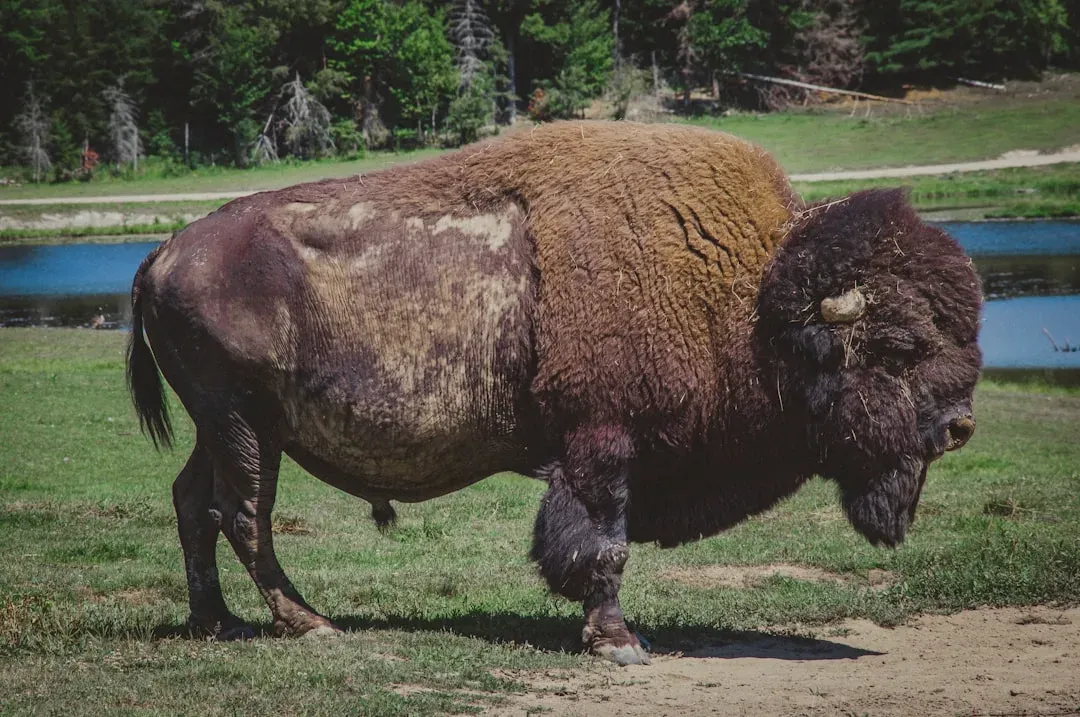
Here’s where the story takes its darkest turn. In 1873. the Secretary of the Interior noted that “[t]he civilization of the Indian is impossible while buffalo remain on the plains”; following this logic, the Army provided free ammunition to hide hunters, who brought bison to the brink of extinction. Let’s be real, this wasn’t accidental overhunting or environmental negligence alone.
Railways, rifles, and an international market for buffalo hides led to “the Great Slaughter” from about 1820 to 1880, when the bison population plummeted from 30-60 million (estimates vary) to fewer than 1,000 animals by the 1890s. Commercial hunters could kill hundreds per day, often taking only hides and tongues while leaving carcasses to rot on the plains.
The decimation of millions of bison in the 1800s was pivotal in the tragic devastation of Indian people and society. By destroying the bison, settlers effectively destroyed the economic and cultural foundation of Plains tribes. It was conquest through ecological warfare, plain and simple.
The Yellowstone Refuge That Saved a Species
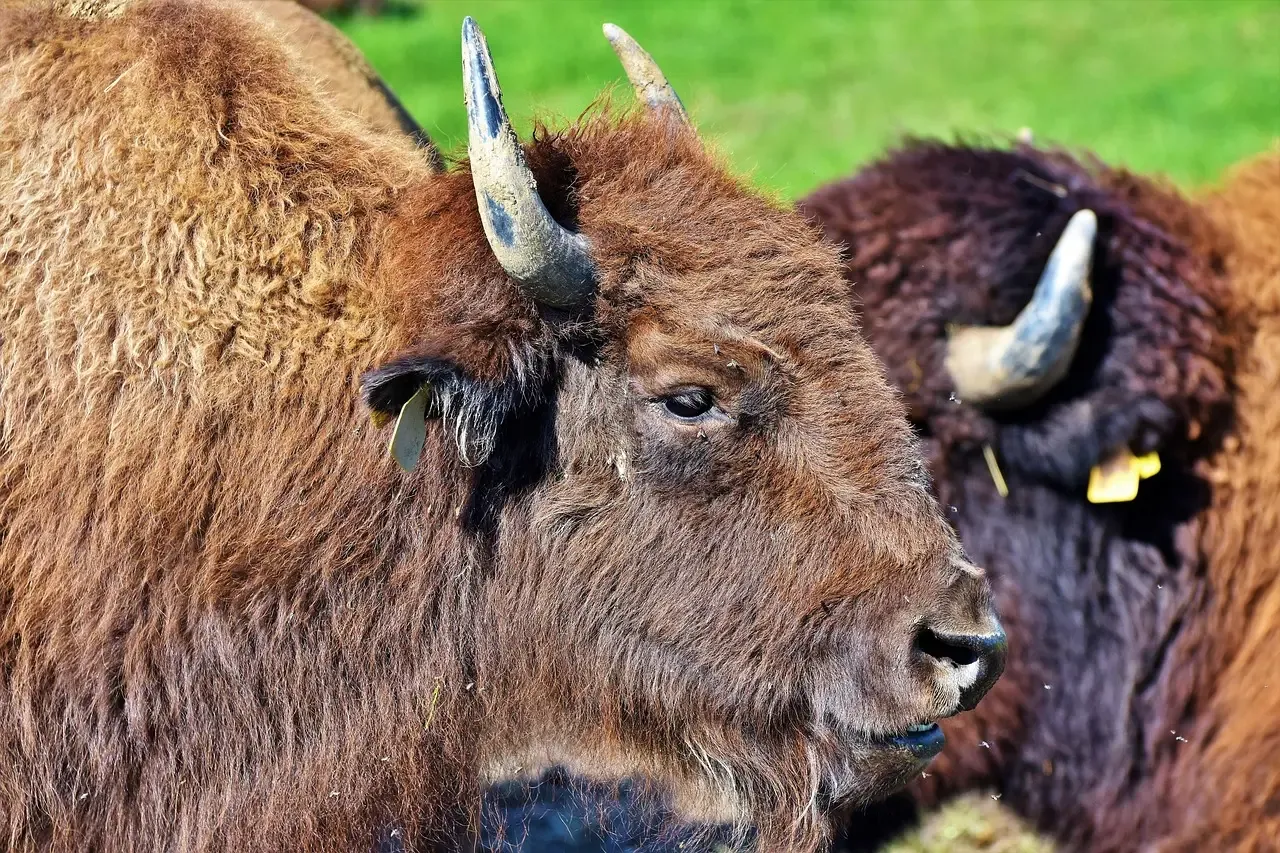
Yellowstone National Park is the only place in the U.S. where bison have continuously lived since prehistoric times. When the slaughter reached its peak, this remote corner of wilderness became the last stronghold. At one point, only two dozen individuals survived there, representing the final thread preventing total extinction.
The genocide of the American Bison stopped and their recovery started in 1905 when William T. Hornaday, director of the New York Zoological Park (now the Bronx Zoo), created the American Bison Society and a breeding program in 1905, and became its president. Theodore Roosevelt helped protect the remaining buffalo and accepted the position as the society’s honorary president. Without these conservation pioneers, we’d be discussing bison solely in past tense.
The story starts in 1905 with the formation of the American Bison Society and a breeding program at the New York City Zoo (today, the Bronx Zoo). By 1913, the American Bison Society had enough bison to restore a free-ranging bison herd. Working with Interior, they donated 14 bison to Wind Cave National Park in South Dakota. Small actions rippling outward, creating waves of change.
These early conservation efforts represented something revolutionary: Americans recognizing they’d gone too far and actively working to reverse ecological damage. It was unprecedented.
The Lasting Economic Impact on Tribal Nations
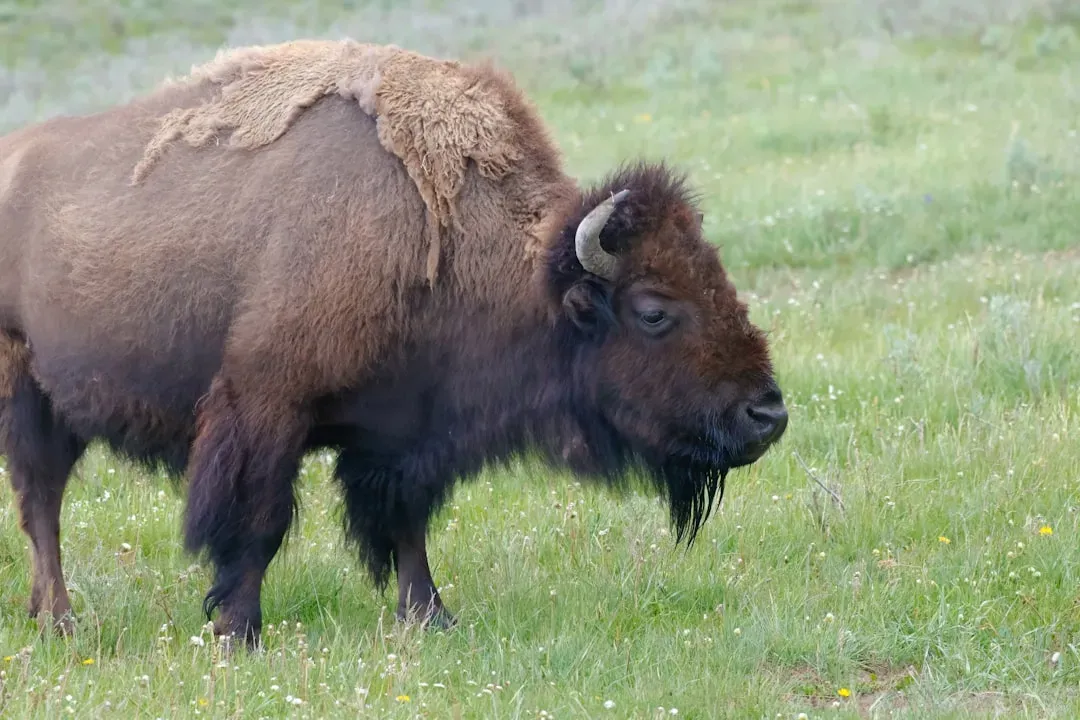
The data showed that the income of formerly bison-reliant nations remained 25% lower than those of other Indigenous nations through 2019. That statistic should stop you in your tracks. The bison’s destruction created economic wounds that haven’t healed even after more than a century.
“Centuries of human capital were built around the use of the bison, and within 10 to 20 years this economic underpinning disappeared,” Jones says. “And many channels of economic adjustment were cut off for Indigenous populations.” Imagine building your entire society around a resource, only to watch it vanish almost overnight.
The inability to adapt came partially from forced restrictions. Indigenous people were confined to reservations, their movements controlled, their traditional practices banned. Recovery became nearly impossible when every avenue for economic reinvention was blocked.
Still, modern tribal nations are reclaiming their heritage through bison restoration programs. The InterTribal Buffalo Council includes fifty-eight tribes from nineteen states and a collective herd of over 15,000 buffalo, demonstrating resilience and cultural persistence against incredible odds.
America’s Greatest Conservation Success Story
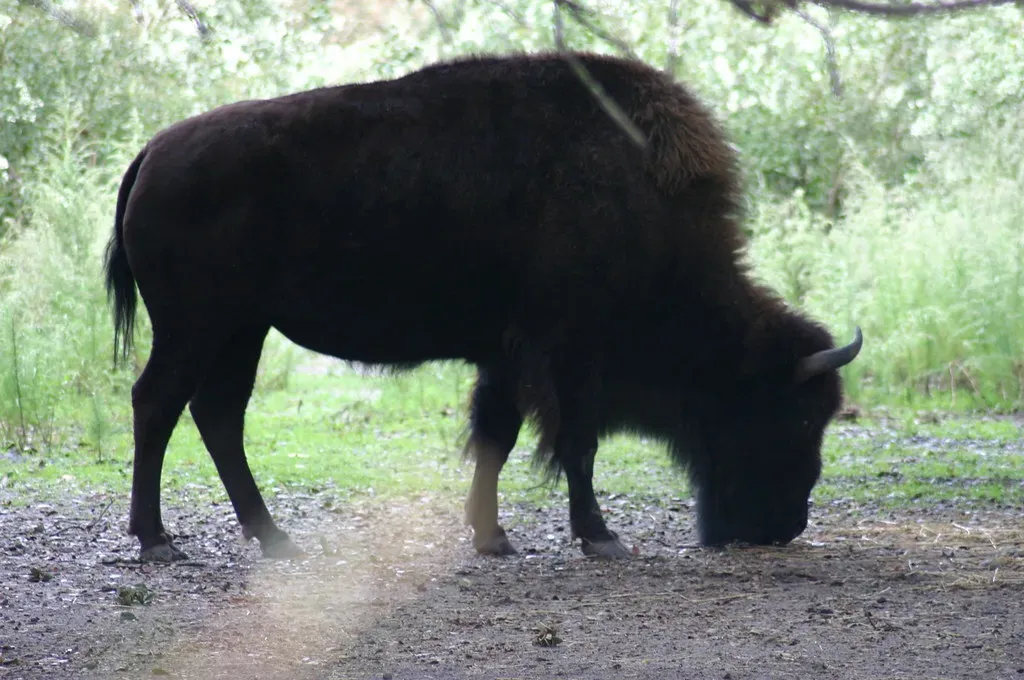
The American bison was named the national mammal of the United States on May 9, 2016. This majestic animal joins the ranks of the Bald Eagle as the official symbol of our country – and much like the eagle, they’re a symbol of our American identity and one of the greatest conservation success stories of all time. From roughly 500 individuals at the lowest point to several hundred thousand today represents an extraordinary turnaround.
Recovery efforts expanded in the mid-20th century, with a resurgence to roughly 31,000 wild bison as of March 2019. These aren’t just numbers in a ledger. Each animal represents hope, collaborative effort, and the possibility of ecological restoration. Zoos, ranchers, tribal nations, and government agencies all contributed to this remarkable comeback.
Yet challenges remain. Perhaps the greatest conservation challenge that bison face is the lack of large blocks of habitat where they can freely roam and be managed as wildlife, similar to deer, elk, antelope, and other wildlife species. Our coexistence with free-ranging bison is constrained by concerns about safety, disease transmission, and protection of property. The bison may be saved from extinction, but they’re far from truly wild again.
The question facing us now isn’t whether bison will survive, but whether we’ll give them space to truly thrive as the ecological engineers they once were.
Conclusion
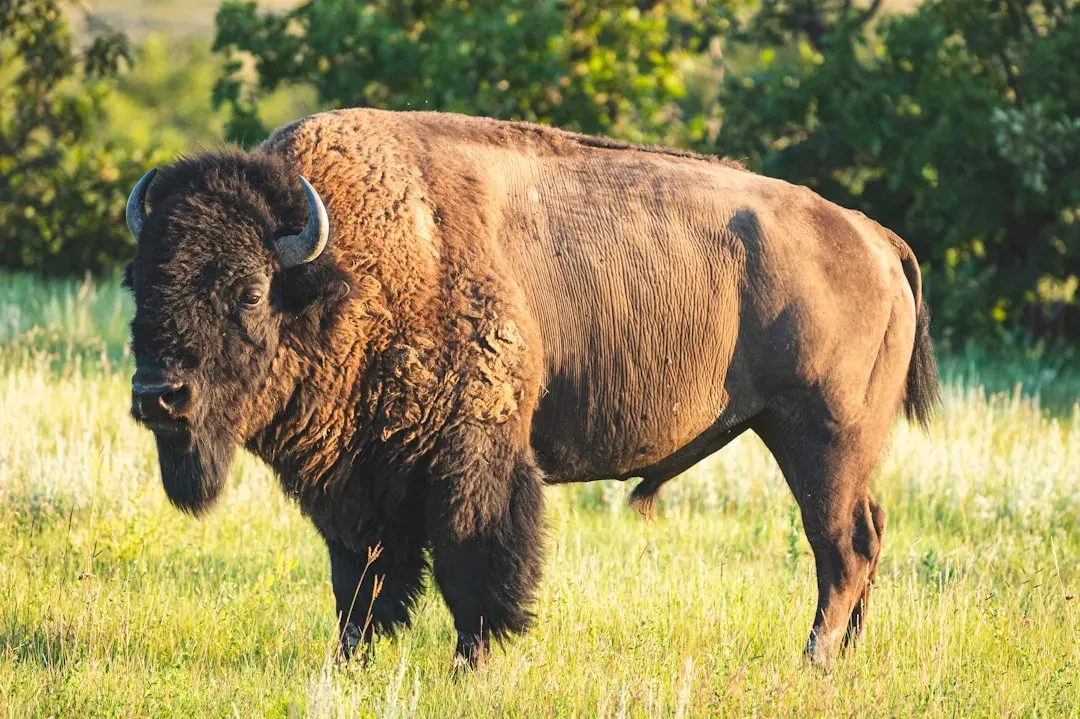
The American bison’s journey mirrors our own national story in ways both uncomfortable and inspiring. These animals witnessed humanity at its worst, driven nearly to oblivion through greed and deliberate cruelty. Yet they also reveal our capacity for redemption when we choose to act with purpose and collaboration. From sixty million to just a few hundred, and back again to viable populations, the bison survived because people decided extinction was unacceptable.
Their recovery reminds us that ecological devastation isn’t necessarily permanent, that cultures can reclaim what was stolen, and that symbols matter. The bison shaped the physical landscape of America for millennia, and their near loss shaped our national consciousness in ways we’re still processing today.
What does it say about us that we nearly destroyed such a magnificent creature, and what does it say that we fought to bring it back? Did you expect that the bison’s story would be so deeply intertwined with the very fabric of American history?

- What Large Dog Breed Are You According to Your Zodiac Sign - August 8, 2026
- 8 Plants That Help Keep Mosquitoes Away From Texas Patios - August 8, 2026
- 10 Facts About the Grand Canyon Hidden in Its Rock Layers - August 8, 2026