
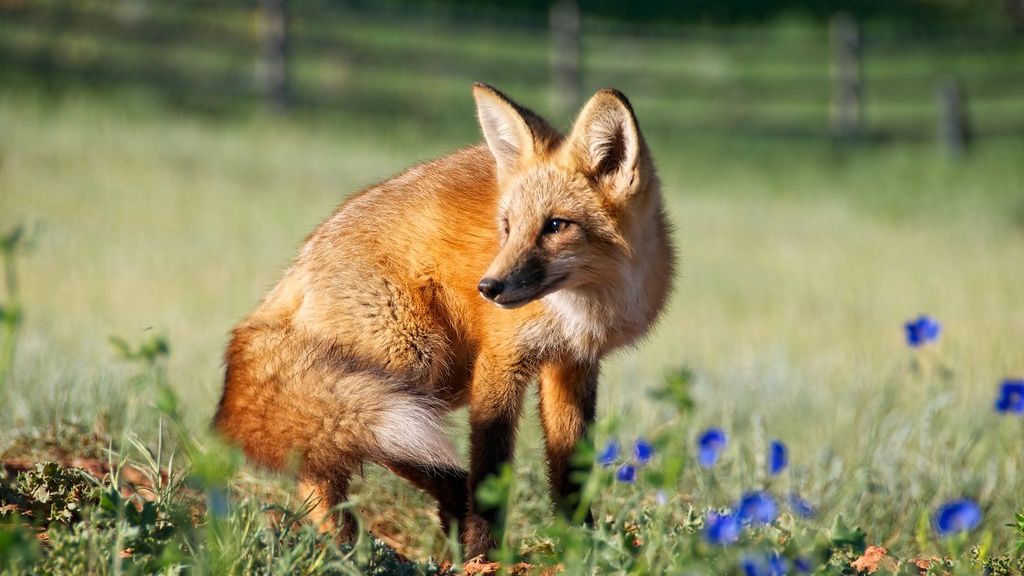
Picture a fox smaller than your house cat prowling through coastal scrubland off the Southern California coast. These aren’t your typical foxes. They exist nowhere else on the planet, and their story involves near extinction, golden eagles, and one of the fastest mammal recoveries in conservation history.
The island fox is endemic to six of the eight Channel Islands of California. Each island harbors its own unique subspecies that evolved in isolation, adapting to the distinct conditions of their isolated homes. In the late 1990s, their populations crashed so dramatically that extinction seemed inevitable. Yet today, these tiny carnivores are thriving again, a testament to what focused conservation can achieve.
A Miniature Fox with a Giant Ecological Role

The island fox is the smallest fox in North America with head-and-body length of 48 to 50 centimeters and weighs between 1 and 2.8 kilograms. Honestly, seeing one in person feels surreal. Despite being smaller than house cats, they are the largest terrestrial predator on the island.
They evolved from their mainland gray fox ancestor and diversified into six distinct subspecies, each confined to a single island and exhibiting insular dwarfism. Their smaller size compared to mainland relatives demonstrates classic island evolution, where limited resources and lack of predators can drive species toward miniaturization. The island fox generally has two fewer tail vertebrae than the gray fox, one of many subtle physical differences that distinguish each island population.
Six Islands, Six Unique Subspecies
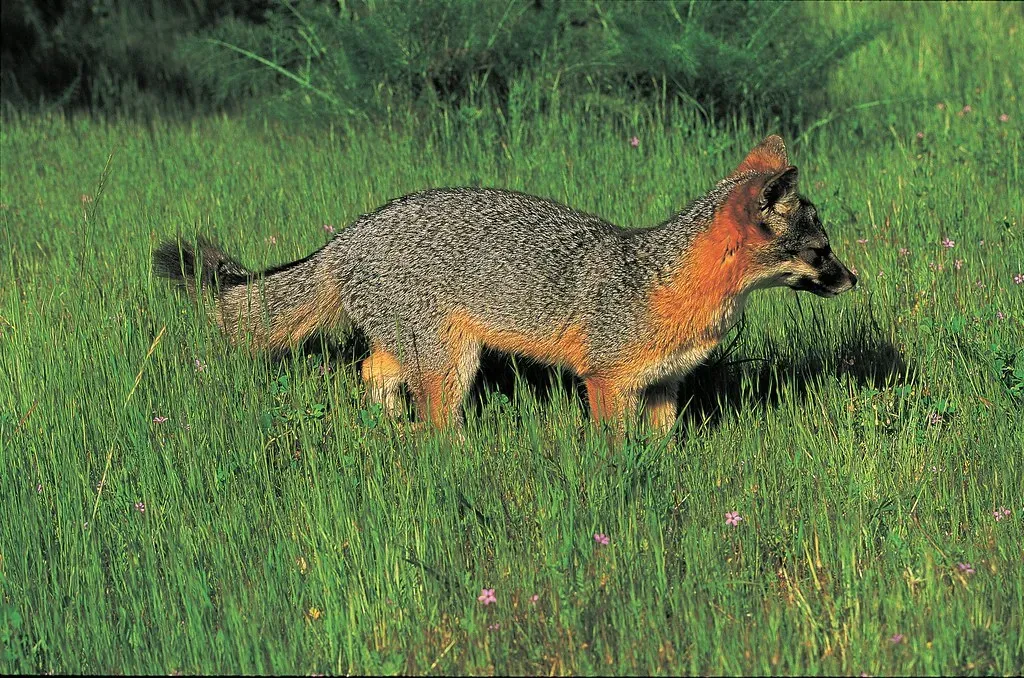
There are six subspecies of the island fox, each native to a specific Channel Island: San Miguel Island, San Nicolas Island, Santa Catalina Island, San Clemente Island, Santa Cruz Island, and Santa Rosa Island. San Miguel Island foxes have shorter tails, due to one less tail vertebra, and longer noses than the other island foxes. Each subspecies has adapted to its particular environment over thousands of years.
Foxes from each island are capable of interbreeding, but have genetic and phenotypic distinctions that make them unique; for example, each subspecies has differing numbers of tail vertebrae. The genetic divergence between populations complicates conservation strategies. While moving foxes between islands might boost genetic diversity, it could also erase unique adaptations that have developed independently on each island.
How Ancient Foxes Reached Isolated Islands
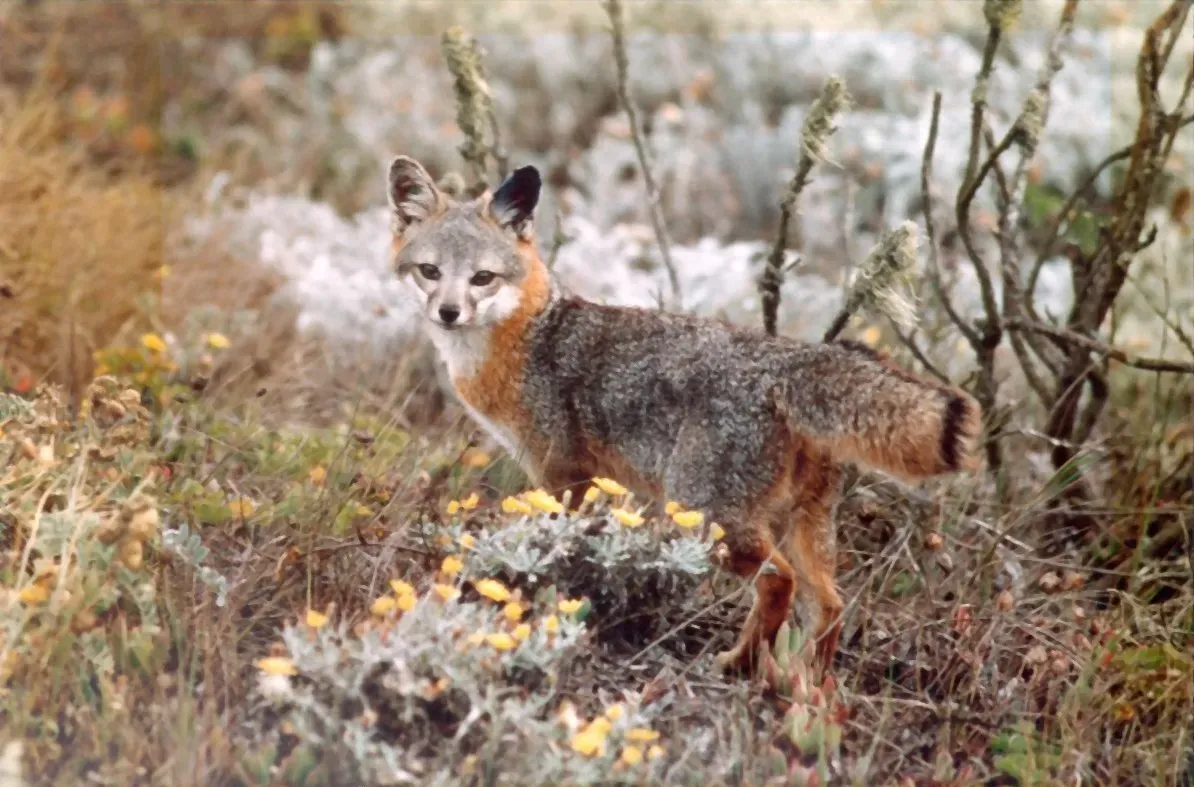
The mystery of how these foxes arrived on the Channel Islands has intrigued researchers for decades. Genetic and archaeological evidence suggests that the foxes arrived on the islands over 7,000 years ago, likely assisted by early human populations. The Chumash people, indigenous inhabitants of the region, may have transported mainland gray foxes to the islands during trading expeditions.
The most plausible theory involves rafting, and during the last ice age ocean levels were up to 400 feet lower than today and the channel between the islands and mainland narrowed, perhaps to just four to five miles across. Whether by human hands or natural rafting, once these foxes established themselves on the islands, they began evolving independently. Island foxes are generally docile, show little fear of humans, and were likely semi-domesticated as pets, used as pelts, or for pest control.
The Catastrophic Collapse of the 1990s
Let’s be real, the story could have ended tragically. In the late 1990s, fox populations on four Channel Islands plummeted by over 90 percent, with populations dropping from 1,780 to only 15 individuals on Santa Rosa Island, from 450 to 15 on San Miguel Island, and from more than 1,400 to 55 on Santa Cruz Island. The decline happened with shocking speed.
Golden eagle predation proved to be the cause of the high mortality rates after the golden eagle naturally colonized the area in the 1990s, replacing the bald eagle’s niche after the devastation of the local bald eagle population due to DDT exposure. Golden eagles hunt land-based prey, unlike bald eagles that focus on fish. The island foxes, having evolved without significant predators, lacked the instinct to hide from aerial hunters. On Catalina Island, canine distemper virus swept across and reduced the fox population by more than 90 percent in about a year, likely introduced by a raccoon that arrived by boat.
The Fastest Mammal Recovery Ever Recorded
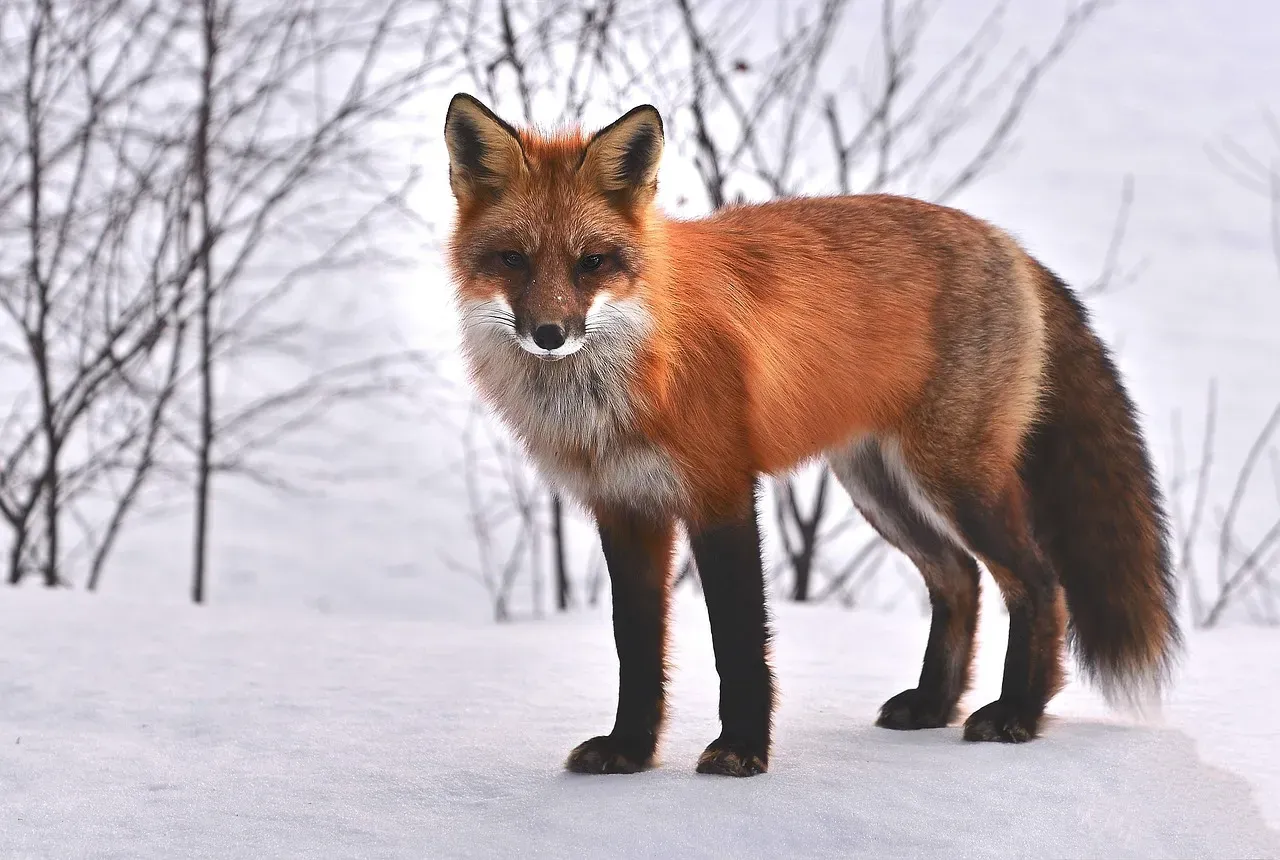
Here’s the thing: conservation works when people commit to it. The recovery represents the fastest successful recovery for any Endangered Species Act-listed mammal in the United States, marking the fastest recovery of any mammal under the Endangered Species Act. Channel Islands National Park began an island fox recovery program in 1999 that included captive breeding and reintroduction of foxes, removal of resident golden eagles, re-establishment of bald eagles, and removal of non-native ungulates.
The multi-agency effort involved intensive coordination. The first action was to bring surviving island foxes into protective captive breeding facilities on each island, and as threats were removed, individual animals were released, with all healthy island foxes returned back into the wild by November 2008. In August 2016 the Service announced that it was officially delisting three of the four fox subspecies and was downlisting the Santa Catalina Island fox from endangered to threatened.
Current Challenges and Future Uncertainties
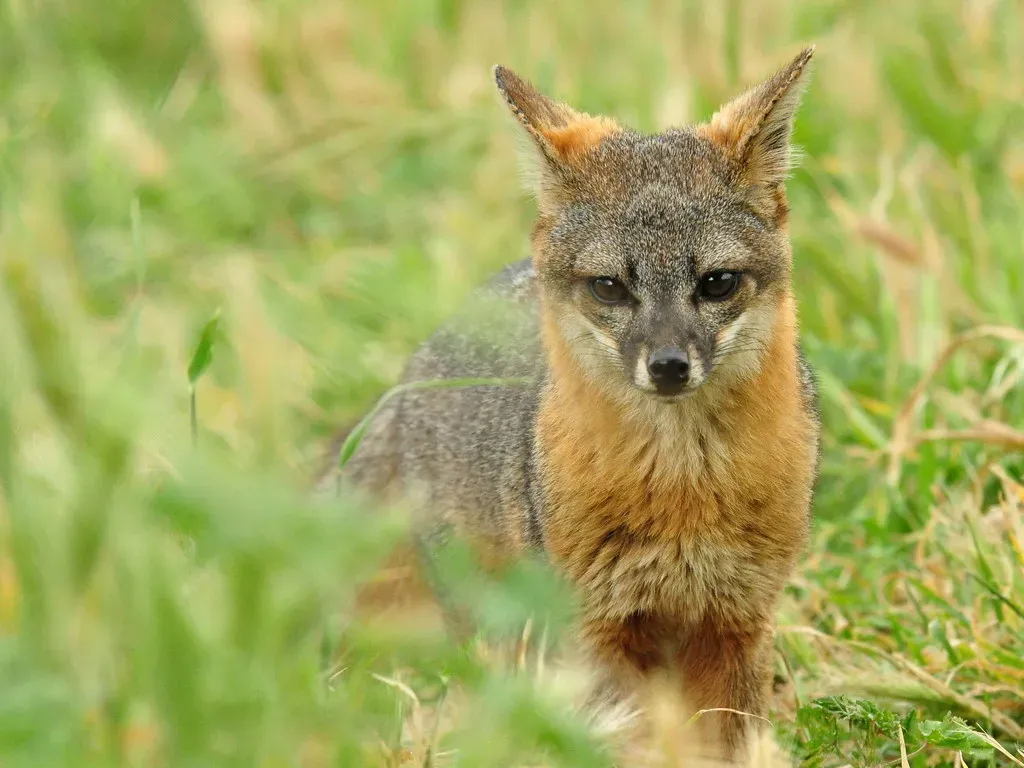
In 2024, island foxes remained healthy, with normal rainfall leading to population balancing, but San Clemente Island realized a third consecutive year of population decline with concern growing because a specific cause remains unknown. Reductions in Federal funding for National Park staffing threatens island fox health checks and monitoring in 2025, and the ability to continue monitoring remains in jeopardy for 2026 and into the future.
Already genetically depauperate populations were further degraded by the 1990s declines and remain low, particularly on San Miguel and Santa Rosa Islands, and some island fox populations are not yet out of the woods. Channel Island foxes historically have had small populations and low genetic diversity, but their genetic diversity plunged even further in the 1990s, leaving them with extremely low genetic diversity that could make them more susceptible to disease and environmental shifts brought on by climate change. The delicate balance between protecting unique island adaptations and bolstering genetic diversity remains an ongoing conservation dilemma.
While the island fox has rebounded spectacularly from the edge of extinction, their future depends on continued vigilance, adequate funding, and protection from introduced diseases. Their remarkable recovery demonstrates both the fragility of island ecosystems and the power of committed conservation action. What do you think about these tiny survivors? Their story reminds us that extinction isn’t always inevitable when we choose to act.
