
You might think the birds fluttering around your feeder are just simple creatures looking for their next meal. Think again. The truth is, your backyard is hosting some of the most socially sophisticated animals on the planet. These familiar feathered friends form deep bonds, communicate with intricate languages, remember faces for years, and organize themselves into complex hierarchies that would make a corporate office look disorganized.
Let’s be real, we often overlook what’s happening right outside our windows. The social dramas unfolding among backyard birds rival anything you’d see in a nature documentary about elephants or dolphins. Ready to discover which of your regular visitors are secretly geniuses at relationships? Let’s dive in.
American Robin: The Seasonal Social Butterfly
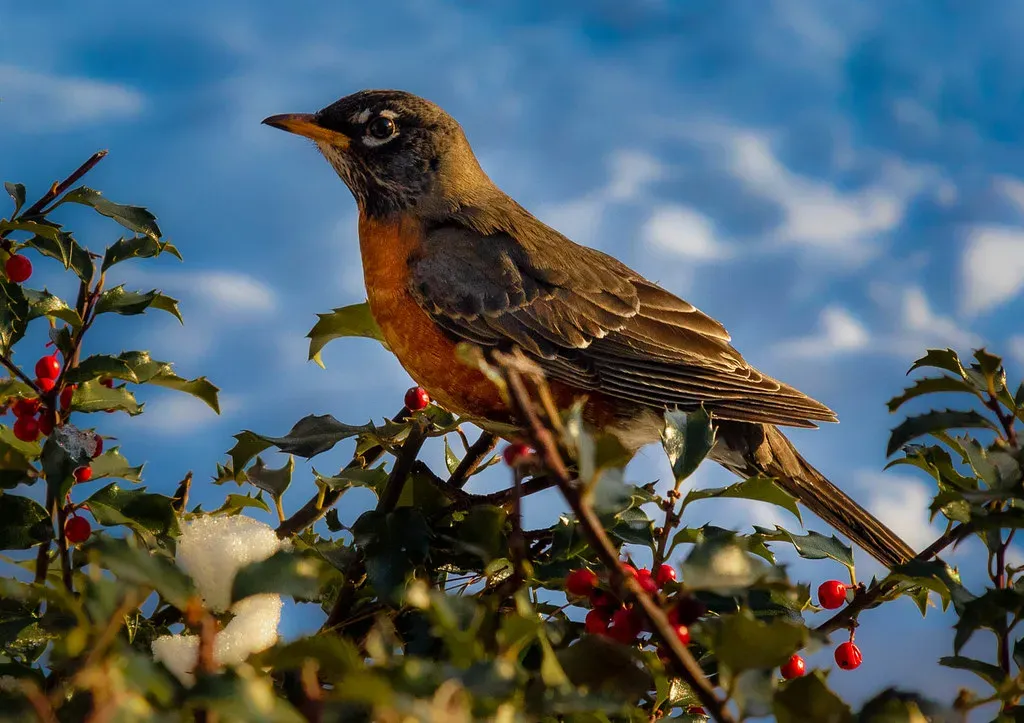
American Robins shift from territorial breeding behavior to communal flocking in autumn and winter, often forming large roosts that can number in the thousands. Imagine spending spring and summer fiercely defending every inch of your yard, then suddenly deciding to throw the biggest slumber party in the neighborhood come fall. That’s exactly what robins do, and it’s a remarkable example of behavioral flexibility.
Their flocking behavior reveals intricate group communication and social hierarchy within winter roosts, sometimes thousands strong. These aren’t just random gatherings. They may feed in loose flocks so that they can also watch other robins for reactions to predators. It’s like having a neighborhood watch system where everyone’s looking out for danger while grabbing breakfast.
The shift between being a territorial loner and a social creature happens like clockwork. During breeding season, a male robin will aggressively chase away any other robin that dares enter his space. Come winter, though, that same bird will roost shoulder to shoulder with hundreds of others, sharing information about food sources and threats.
They form foraging flocks that scout fruit-bearing shrubs and move cooperatively, with one bird’s discovery attracting others. This cooperative behavior isn’t just cute; it’s strategic survival.
Blue Jay: The Brainy Family Bird
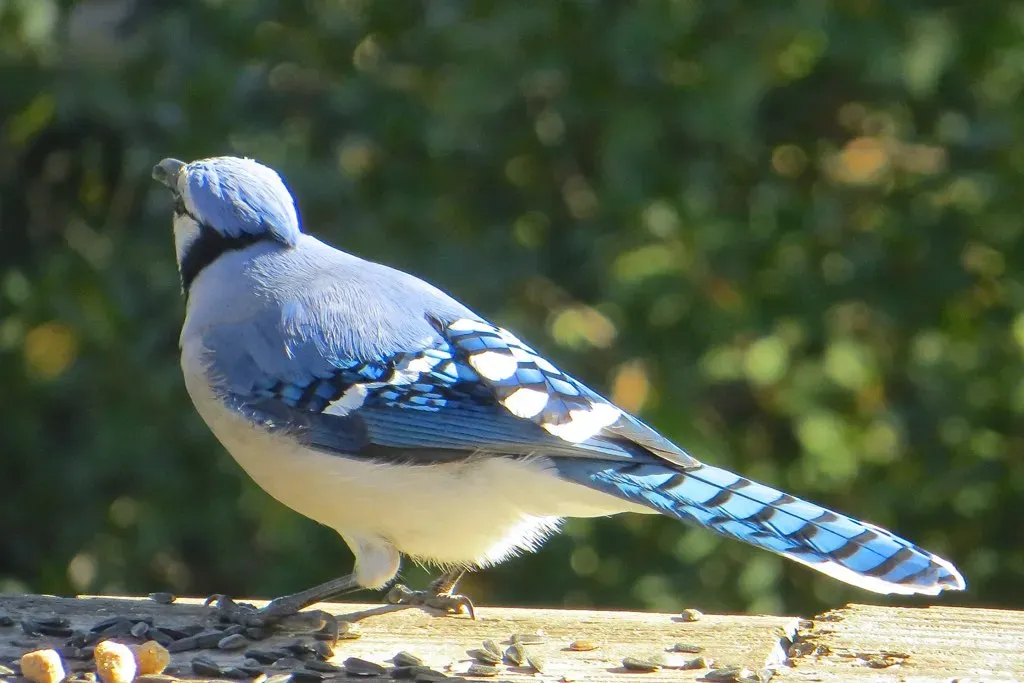
Blue Jays are known for their intelligence and complex social systems with tight family bonds. These striking birds aren’t just pretty faces with loud voices. They’re members of the corvid family, which means they’re basically the Einsteins of the bird world.
They form strong pair bonds that often last for life and maintain extended family groups with cooperative breeding behaviors where older siblings sometimes help raise younger ones. Picture a multigenerational household where the older kids actually help with the younger siblings without being asked. After the juveniles fledge, the family travels and forages together until early fall, when the young birds disperse to avoid competition for food during the winter.
A winter flock of blue jays is likely to have a dominance hierarchy, or pecking order of individuals, which determines who gets the first crack at food.
The social intelligence doesn’t stop there. Blue jays recognize and remember individual birds, both within their species and others, allowing them to maintain complex social networks and adjust their behavior based on past experiences with specific individuals. They’re essentially keeping mental files on every bird they’ve ever met, complete with notes on who’s trustworthy and who’s not.
Northern Cardinal: The Devoted Partner With a Fierce Streak
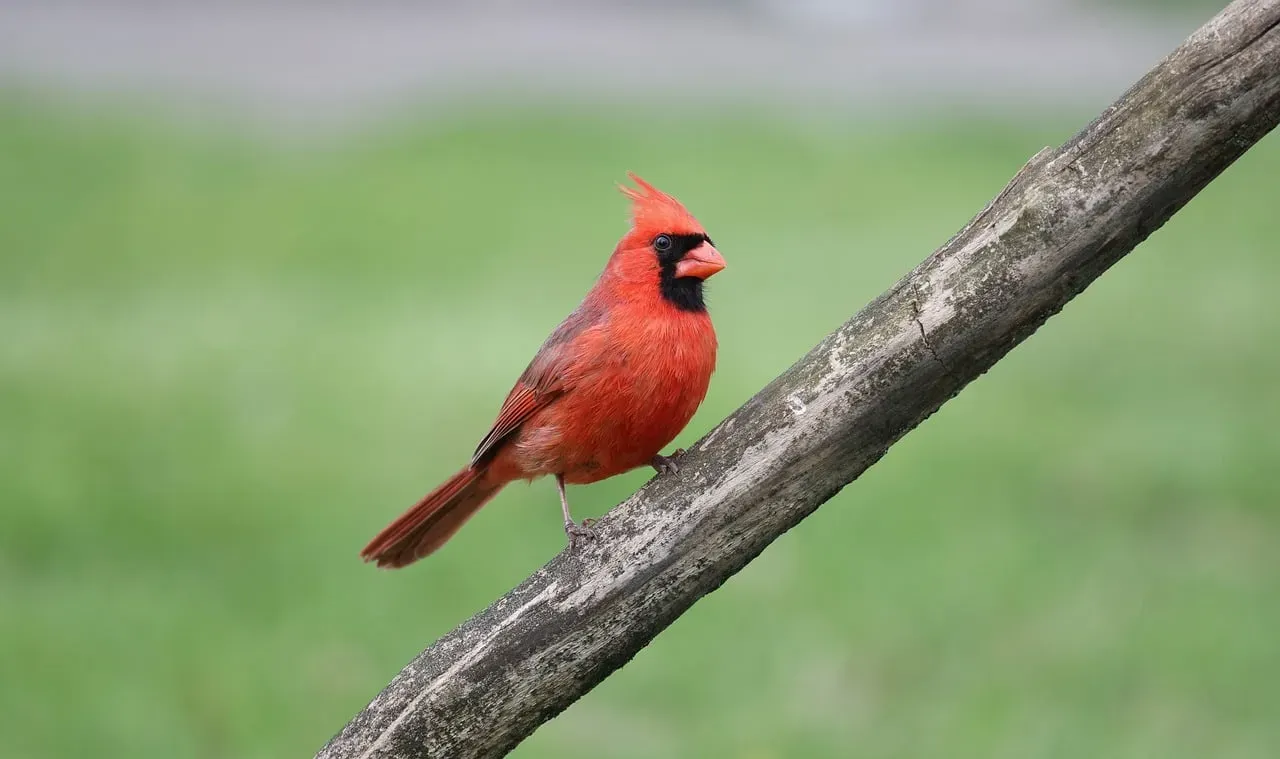
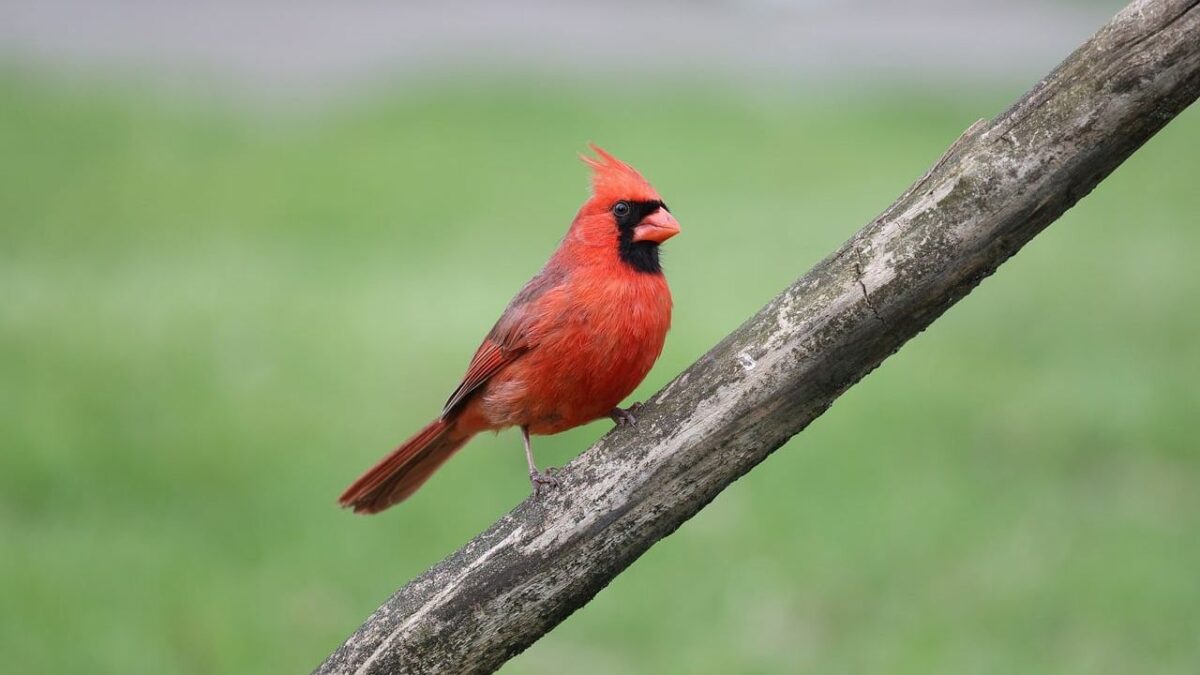
Cardinals are the romantic leads in our backyard bird drama. Most Cardinal pairs mate for life and will remain together the whole year. You’ll often see them at your feeder together, the brilliant red male and his elegant olive-brown mate, looking like they just stepped out of a bird-themed romance novel.
Mated pairs sometimes sing together before nesting, and during courtship they may participate in a bonding behavior where the male collects food and brings it to the female, feeding her beak-to-beak. This isn’t just for show. Mate feeding is thought to be part of the pair bonding process.
Here’s where it gets interesting: despite their romantic reputation, cardinals are seriously territorial. Males will chase other males, and females will chase other females from the pair’s territories. Both males and females attack their reflections in windows or mirrors, and most often in spring and early summer when they are obsessed with defending their territory against any intruders.
Their social life balances devotion with aggression perfectly. The same bird that tenderly feeds his mate will throw down with any rival that crosses invisible property lines. About 20% of mated pairs separate each year; however, most cardinal couples stick together for several breeding seasons.
American Crow: The Ultimate Family-Oriented Genius
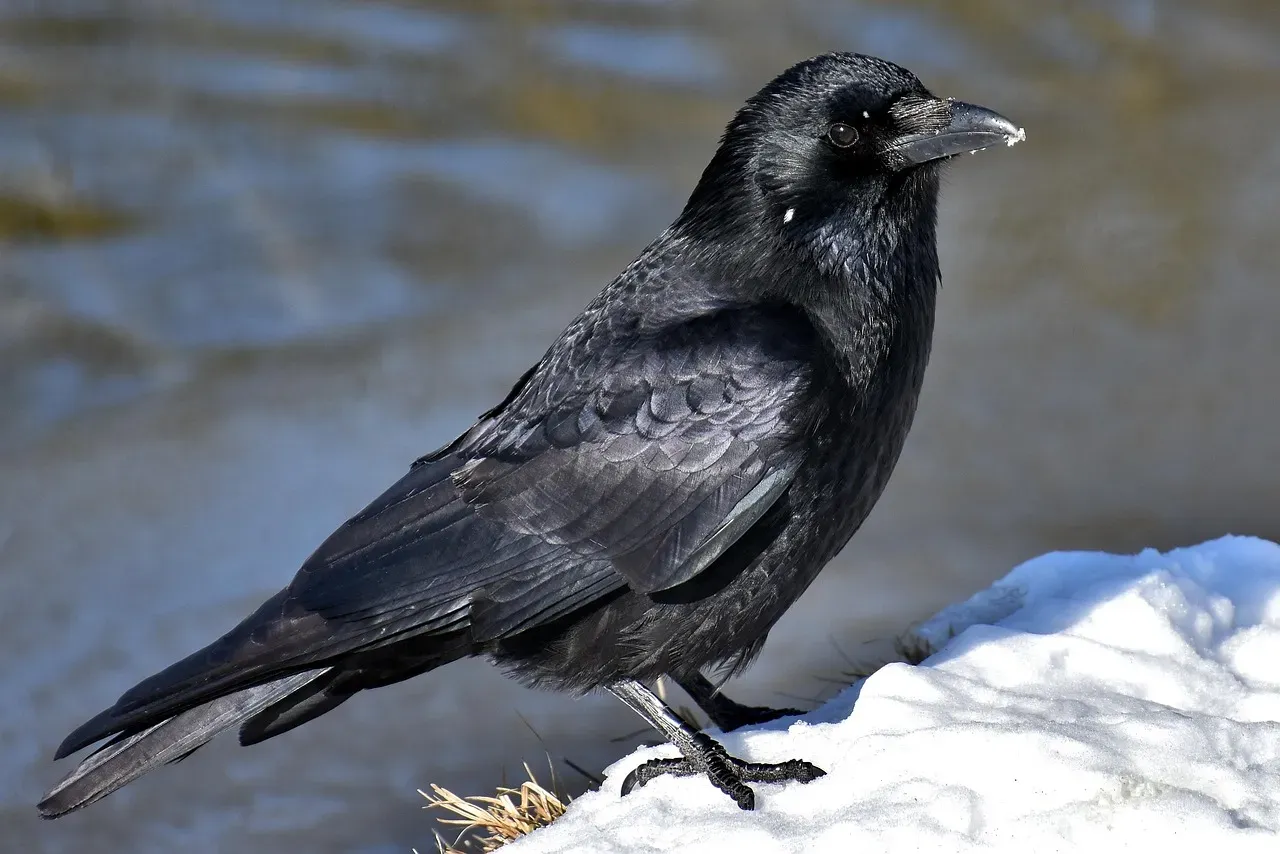
If you want to talk about complex social lives, crows deserve their own documentary series. Mated pairs form large families of up to 15 individuals from several breeding seasons that remain together for many years. These aren’t nuclear families; they’re extended clans with grandparents, parents, kids, and teenagers all living under one roof, so to speak.
Offspring from a previous nesting season will usually remain with the family to assist in rearing new nestlings. Young crows don’t rush off to start their own lives. Young American Crows do not breed until they are at least two years old, and most do not breed until they are four or more; in most populations the young help their parents raise young for a few years.
The intelligence angle makes their social complexity even more remarkable. Birds present at the original trapping remembered which masks corresponded to capturing, and they passed this information to their young and other crows. They’re teaching each other who the threats are and that knowledge gets handed down through generations like family folklore.
Crow language is evolved enough that each member of the family has a name. Let that sink in for a moment. Your backyard crows have names for each other.
Mourning Dove: The Gentle Romantics
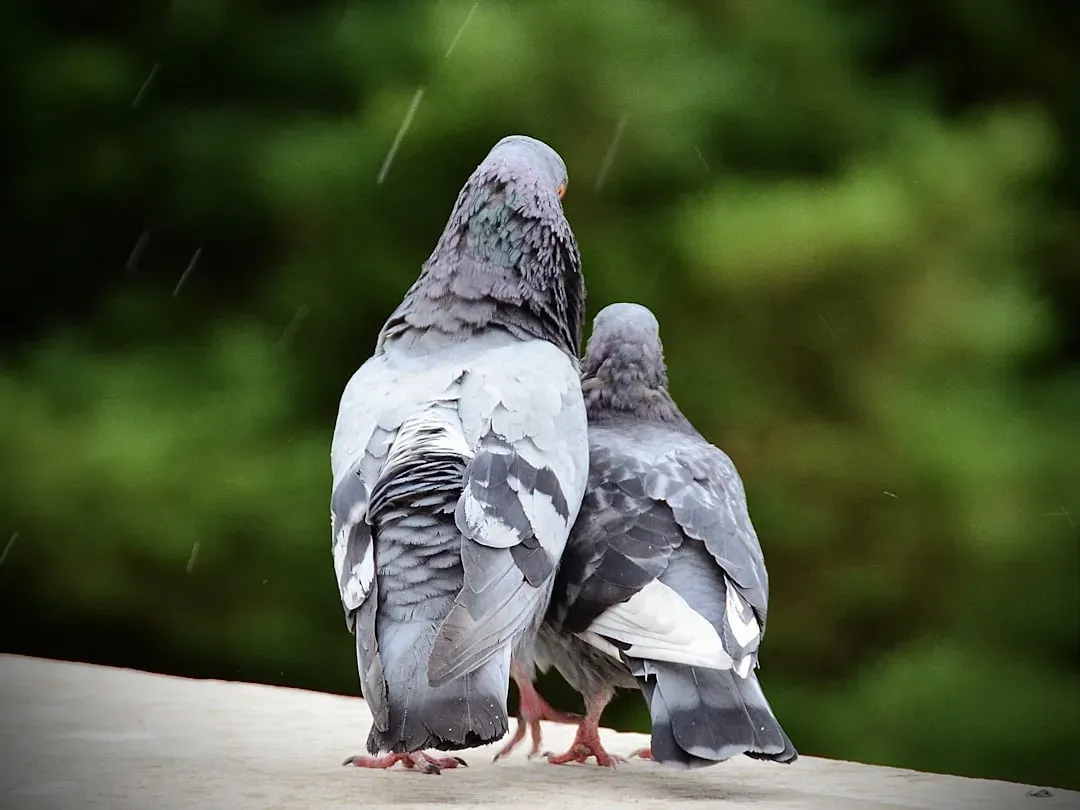
Mourning doves are known for their monogamous relationships, and many pairs remain together for life, a testament to the strength of their bonds. If cardinals are the romantic leads, mourning doves are the sweethearts next door who’ve been together since high school.
Members of a pair preen each other with gentle nibbles around the neck as a pair-bonding ritual. The bonded pair can also be observed grasping beaks and bobbing their heads up and down in unison. It’s like they’re performing a synchronized dance that only they know the steps to.
The cooperation extends to every aspect of their lives. Males perform soft abbreviated nest coos during the nest construction process; the usual pattern is for the male to gather the materials, fly to the nest site, land on the female’s back and pass her the sticks for her judicious placement.
Once pairs are established, the cooing greatly diminishes and doves switch to a suite of quieter behaviors that continually reinforce a strong pair bond, which often fizzles out more quickly in other birds. They’ve moved past the loud courtship phase into comfortable companionship. That soft cooing you hear isn’t mourning at all; it’s contentment.
House Sparrow: The Noisy Neighborhood Collective
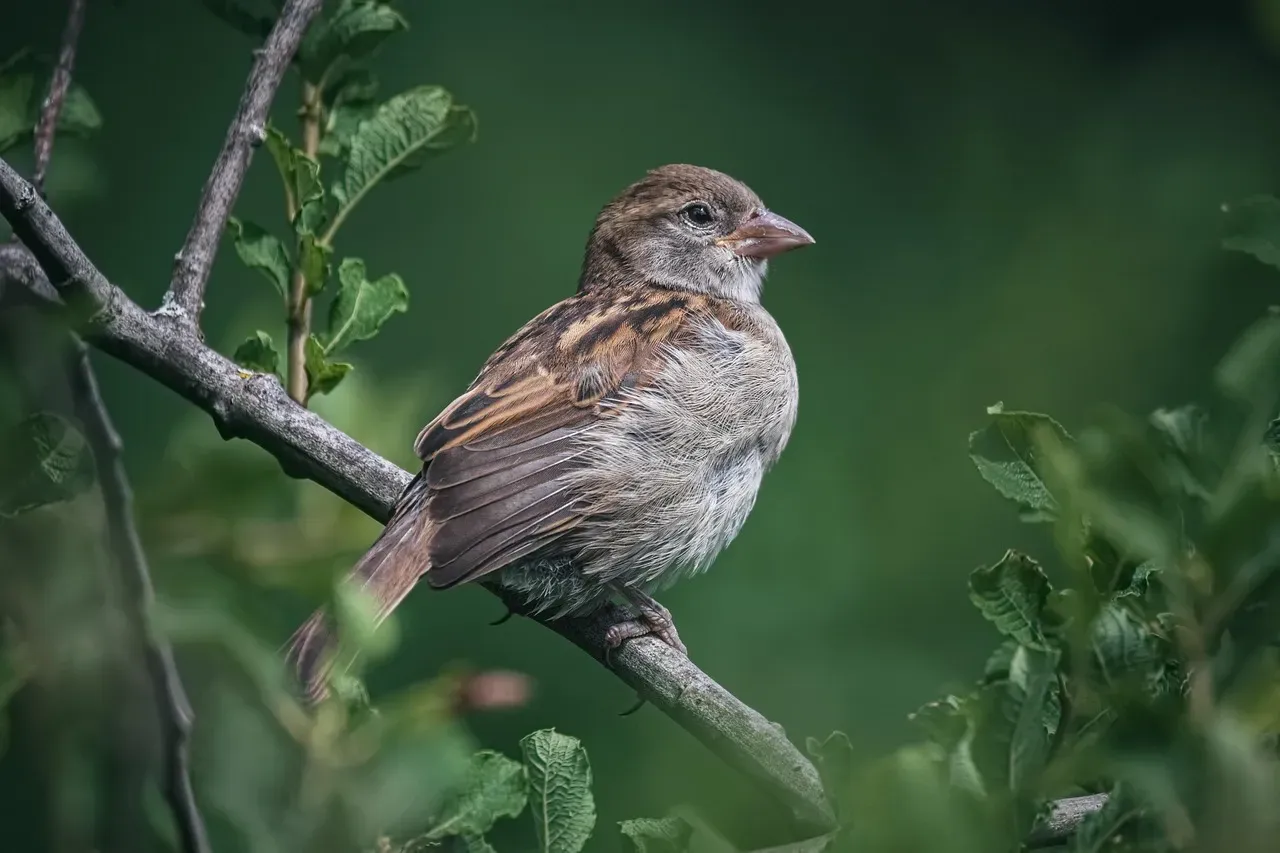
House sparrows might be the scrappy underdogs of the bird world, but their social organization is anything but simple. These birds live in colonies, creating bustling communities that mirror human apartment complexes. You’ll rarely see a house sparrow alone; they’re intensely social creatures who seem to do everything as a group.
Their communal lifestyle means constant chatter and interaction. The males maintain small territories within the larger colony, but the real social structure comes from the flock dynamics. They forage together, roost together, and even mob predators as a unified force. It’s organized chaos at its finest.
What makes house sparrows particularly interesting is their adaptability to human environments. They’ve essentially moved into our neighborhoods and established their own social networks, complete with favorite hangout spots and regular routines. The same group of sparrows will return to the same bushes, eaves, and feeders day after day, year after year.
Black-Capped Chickadee: The Surprisingly Hierarchical Fluffball
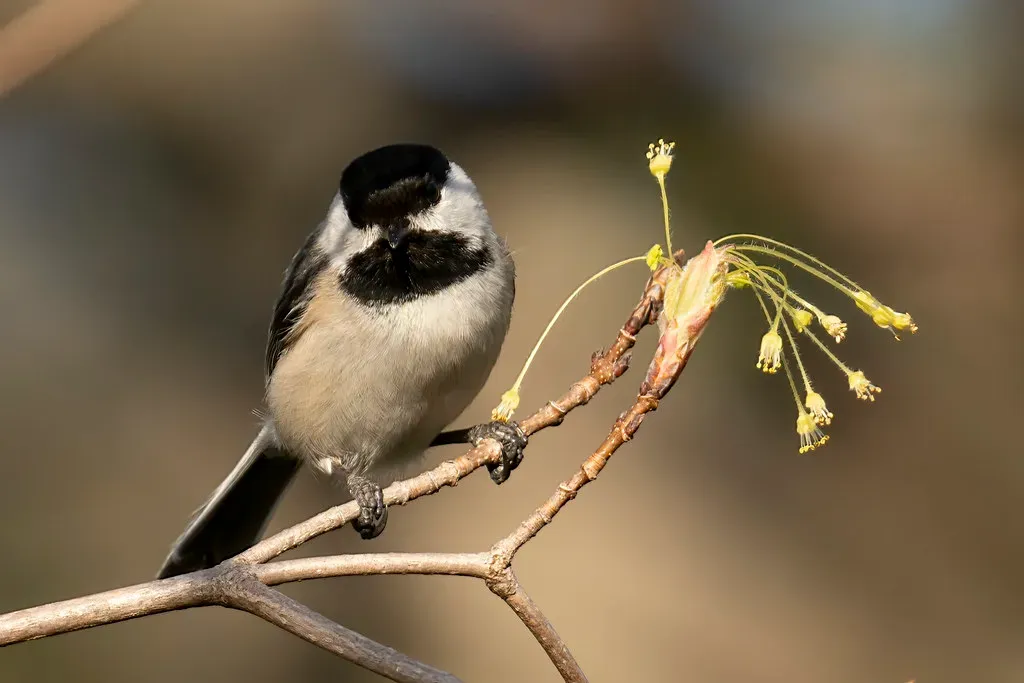
Don’t let their adorable appearance fool you. Black-capped chickadees run tight ships with strict social hierarchies. Within their winter flocks, there’s a clear pecking order where dominant birds get priority access to food and better perches. Every bird knows exactly where they stand in the rankings.
The hierarchy isn’t set in stone, though. Birds can challenge and change positions, and the social structure gets reshuffled seasonally. During breeding season, pairs break off from the flock to nest, but come winter, they rejoin their social groups where the dominance games begin again.
Chickadees also demonstrate remarkable memory and problem-solving abilities. They remember where they’ve cached thousands of seeds and can recall which individual chickadees they’ve interacted with before. Their social intelligence allows them to maintain complex relationships within their flocks, recognizing individuals and adjusting their behavior accordingly.
What’s particularly fascinating is their alarm call system. Chickadees use different variations of their calls to communicate specific threats to the flock, with more “dee” notes indicating a higher level of danger. It’s a sophisticated language that keeps the entire group informed and safe.
Conclusion
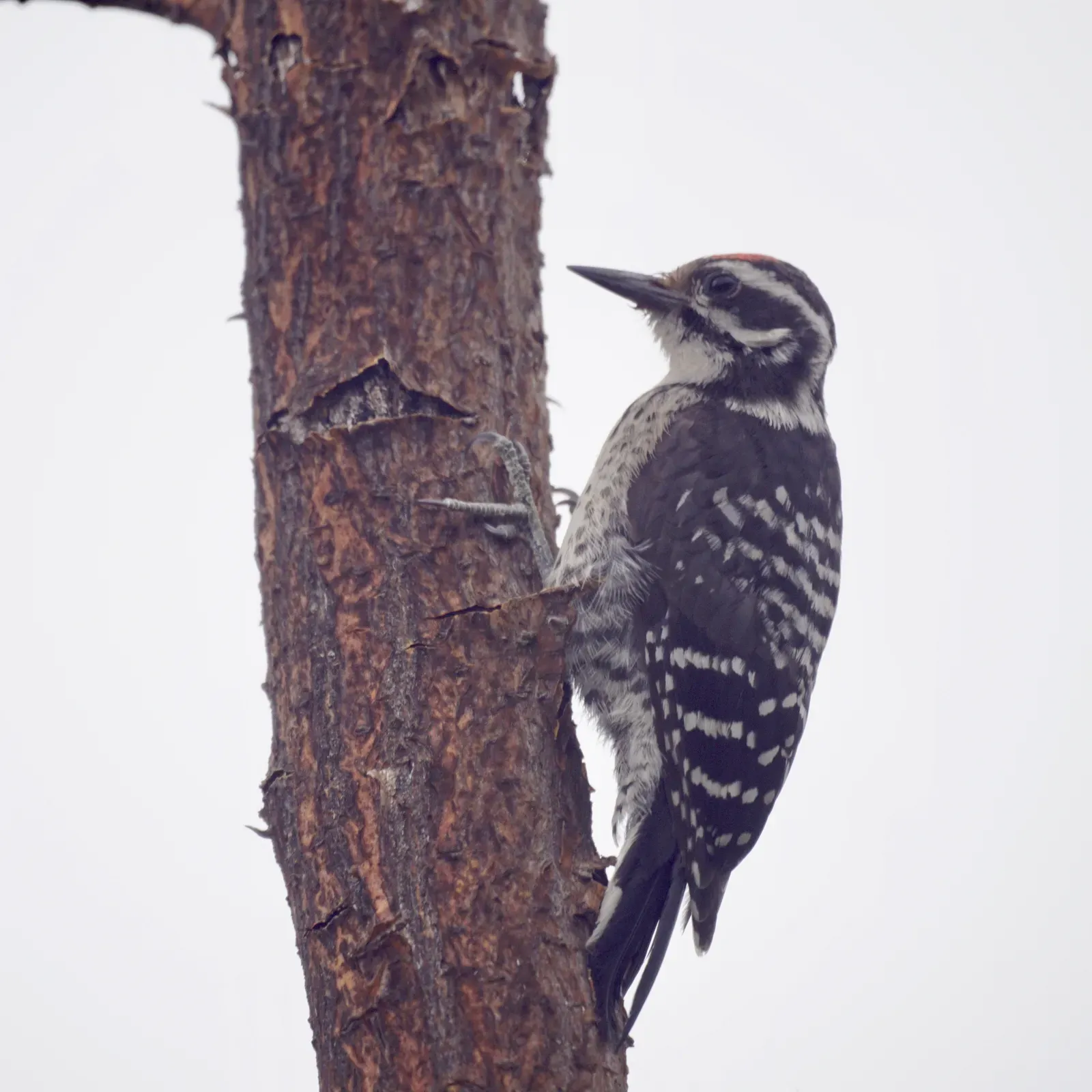
The birds visiting your backyard aren’t just mindlessly searching for seeds and singing random songs. They’re navigating complex social landscapes, maintaining long-term relationships, teaching their young, remembering faces, and organizing themselves with remarkable sophistication. From the seasonal transformations of robins to the family dynasties of crows, from the devoted partnerships of cardinals and doves to the hierarchical societies of chickadees, these common birds lead surprisingly intricate lives.
Next time you glance out your window at the feeder, remember you’re witnessing genuine social behavior that scientists are still working to fully understand. The intelligence, cooperation, and emotional depth these birds display challenges our assumptions about what it means to have a complex inner life. So what do you think? Will you watch your backyard birds differently now, knowing the dramas and relationships unfolding right outside your window?
