
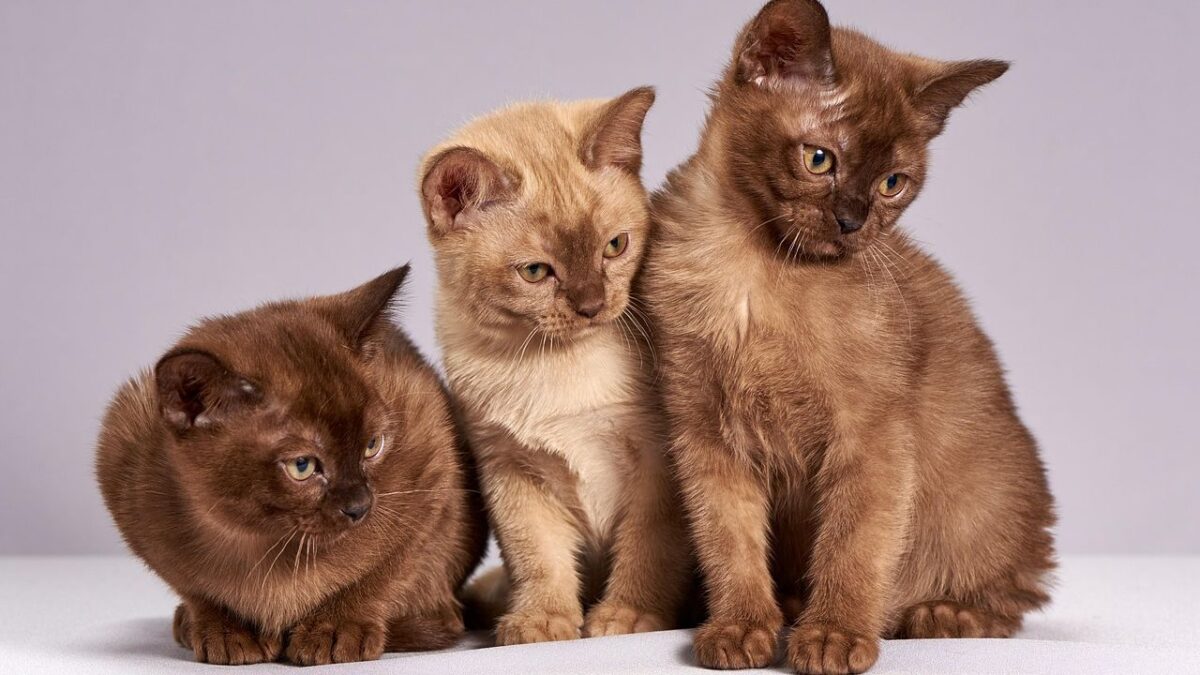
Picking the right cat for your household can feel overwhelming, especially when you’ve got kids running around. Not all felines are built for chaos. Some genuinely thrive when there’s laughter, sticky hands, and endless games of chase. Others? They’d much rather curl up in a quiet corner with someone who respects their boundaries.
Let’s be real: understanding which breeds do well with children versus those that prefer a calmer, adult-only environment can save everyone a lot of stress. It’s not about labeling cats as good or bad. It’s about matching temperaments to lifestyles. So let’s dive in.
Ragdoll: The Gentle Giant With Infinite Patience
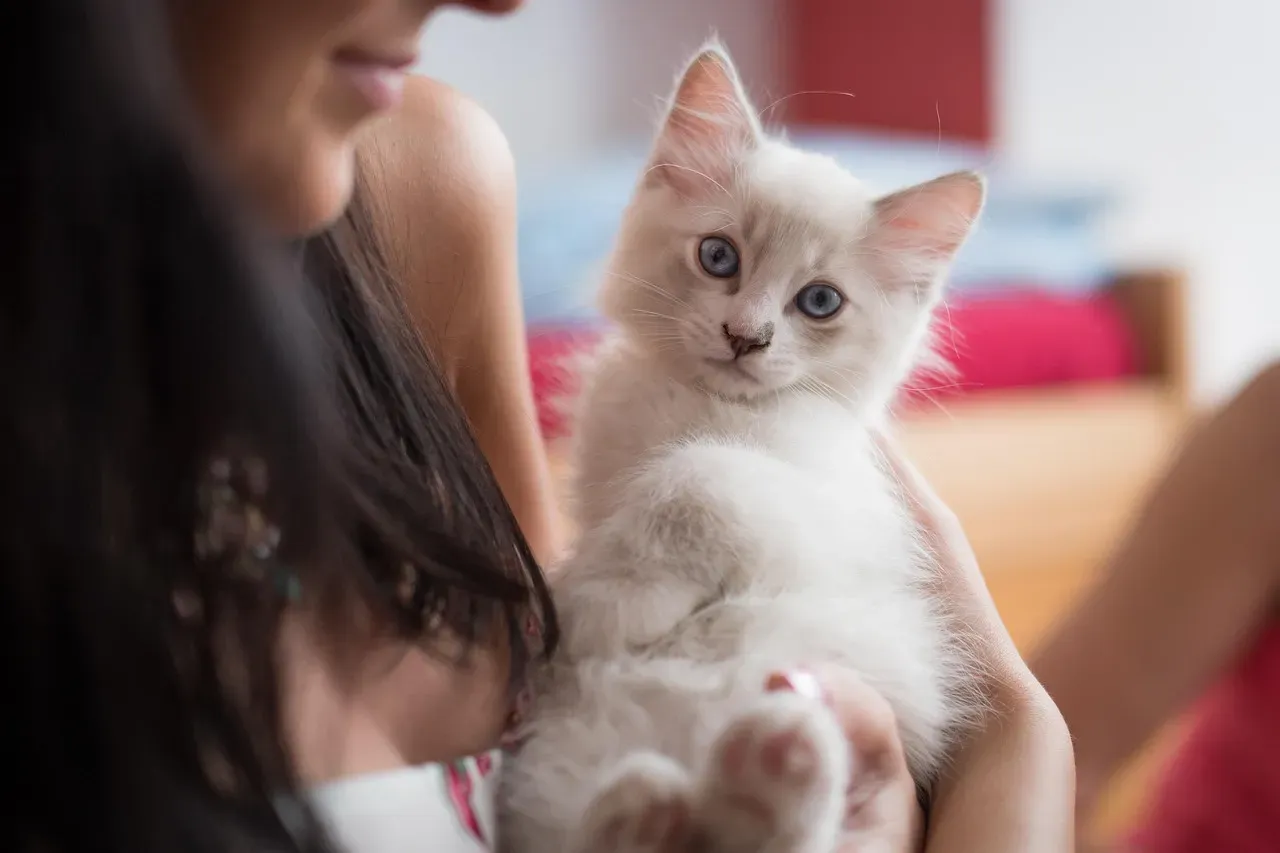
Ragdolls truly live up to their name, going limp when held and showing a famously docile disposition. These cats have a reputation for being ridiculously tolerant, which makes them ideal for families with younger children who haven’t quite mastered the art of gentle petting. Picture a child carrying a Ragdoll around like a stuffed animal – most of these cats won’t even flinch.
Their sweet temperaments allow them to get along nicely with other family pets, and their gentle nature makes them well-suited to growing families with little kids. They’re playful without being overly demanding, and they absolutely adore human attention. Honestly, if you’re looking for a cat that can handle the unpredictable energy of family life, this breed is hard to beat.
Maine Coon: Playful Yet Laid-Back
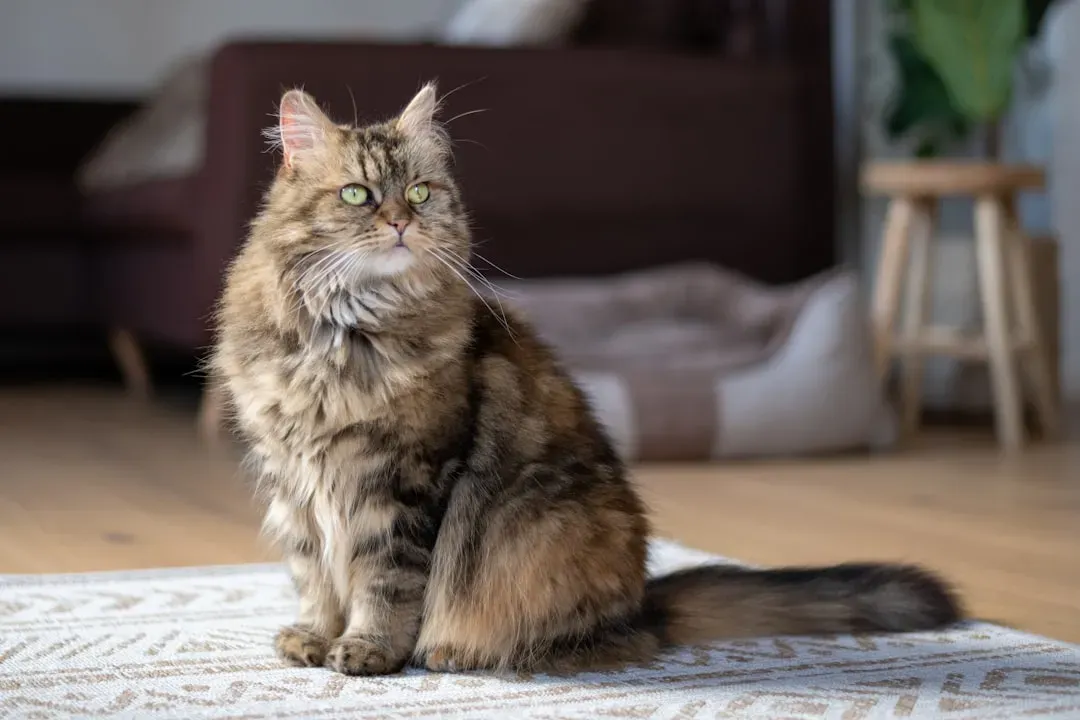
The mighty Maine Coon, weighing up to 22 pounds, is a kid-friendly choice because they’re loving and gentle, even with the youngest family members. Despite their impressive size, these cats have earned the nickname “gentle giants” for good reason. They maintain a kitten-like playfulness well into adulthood, which means they’re always up for a game but won’t overwhelm you with constant demands.
Because they’re friendly toward everyone, Maine coon cats make excellent additions to families and are even popular as therapy cats. Their sturdy build means they can withstand enthusiastic petting from children who are still learning boundaries. Think of them as the feline equivalent of a golden retriever – loyal, easygoing, and family-oriented.
Siamese: Chatty and Social Butterflies
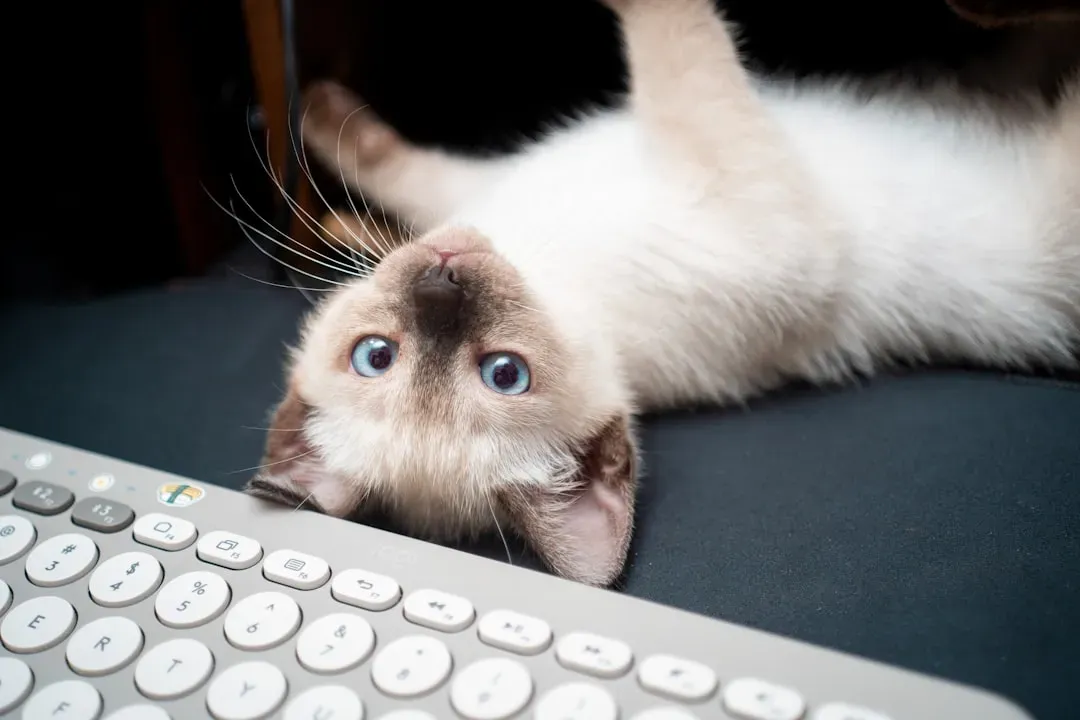
The social Siamese will be any child’s new best friend, being spunky and outgoing while desiring maximum attention, affection, and lots of playtime. These cats are famously vocal, so be prepared for running commentary on everything happening in your household. They form incredibly strong bonds with their family members and genuinely enjoy being part of the action.
For families who are home often and can provide consistent interaction, Siamese cats are fantastic. If they feel left out, you’ll hear about it – these blue-eyed beauties are extremely chatty cats, making them perfect if your family is home often and seeking a social butterfly. They’re not the type to hide under the bed when things get noisy.
Birman: The Velcro Cat Who Loves Everyone
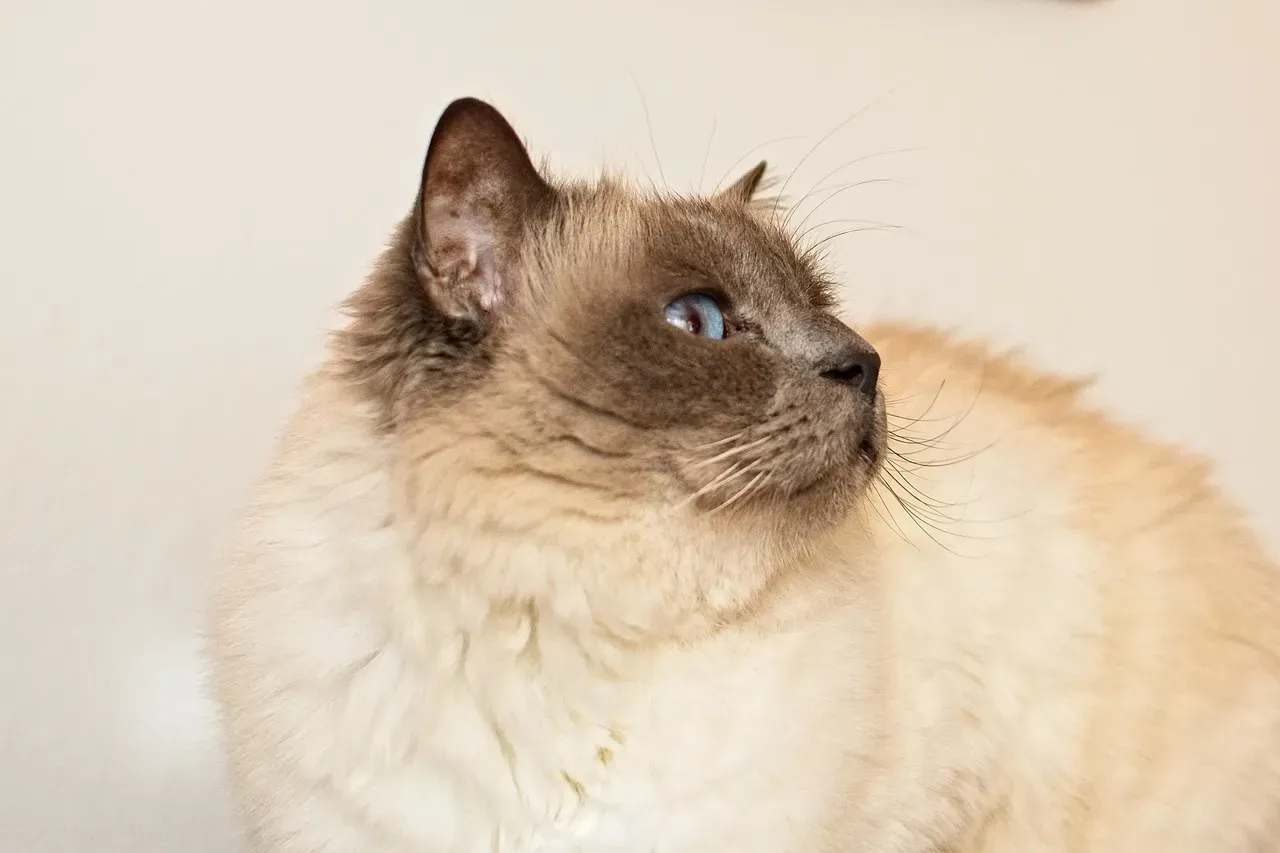
If your children want a lap cat for cartoon-watching marathons, consider a Birman, commonly referred to as “Velcro cats” because these felines stick close to their humans, no matter the size. They’re affectionate without being overwhelming, and they genuinely enjoy being involved in family activities. Whether it’s helping with homework or attending a pretend tea party, Birmans are all in.
While cuddly and loving, they also have an energetic side, chasing balls or playing fetch to entertain children of all ages with their antics. Their sweet temperament and adaptability make them wonderful companions for households with multiple children or varying energy levels.
Burmese: The People-Loving Playmate
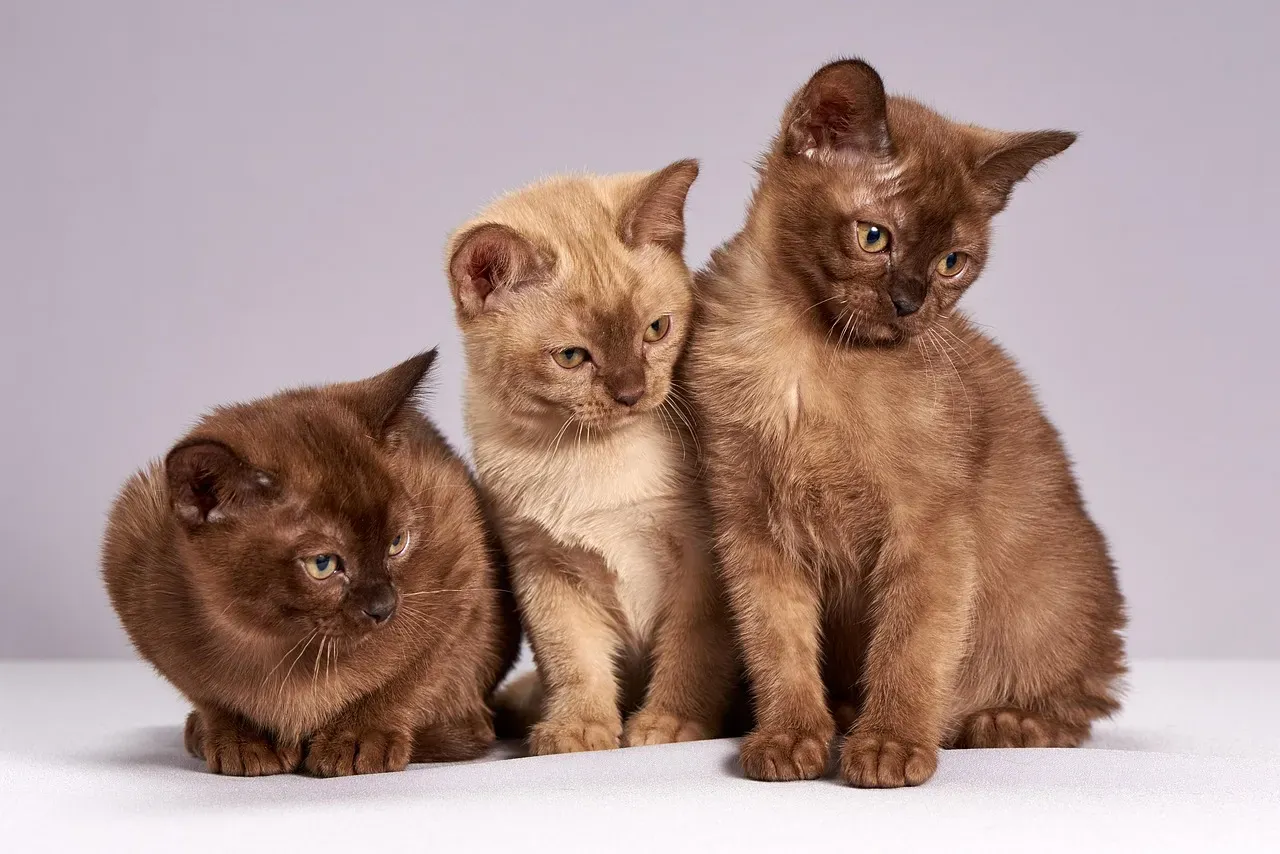
Give your kids a four-legged playmate with the people-loving Burmese, a breed that’s smart, sweet, and active, doing well in families who can shower them with attention. These cats aren’t content to watch from the sidelines. They want to be where you are, doing what you’re doing. They’re known for their dog-like loyalty and can even learn to play fetch.
Fearless European Burmese cats remain playful and friendly well into their senior years, loving to be around their humans and tending to follow family members – including kids and even dogs – everywhere they go. Their tolerance for noise and activity makes them particularly suited to busy households.
Scottish Fold: Calm With Signature Ears
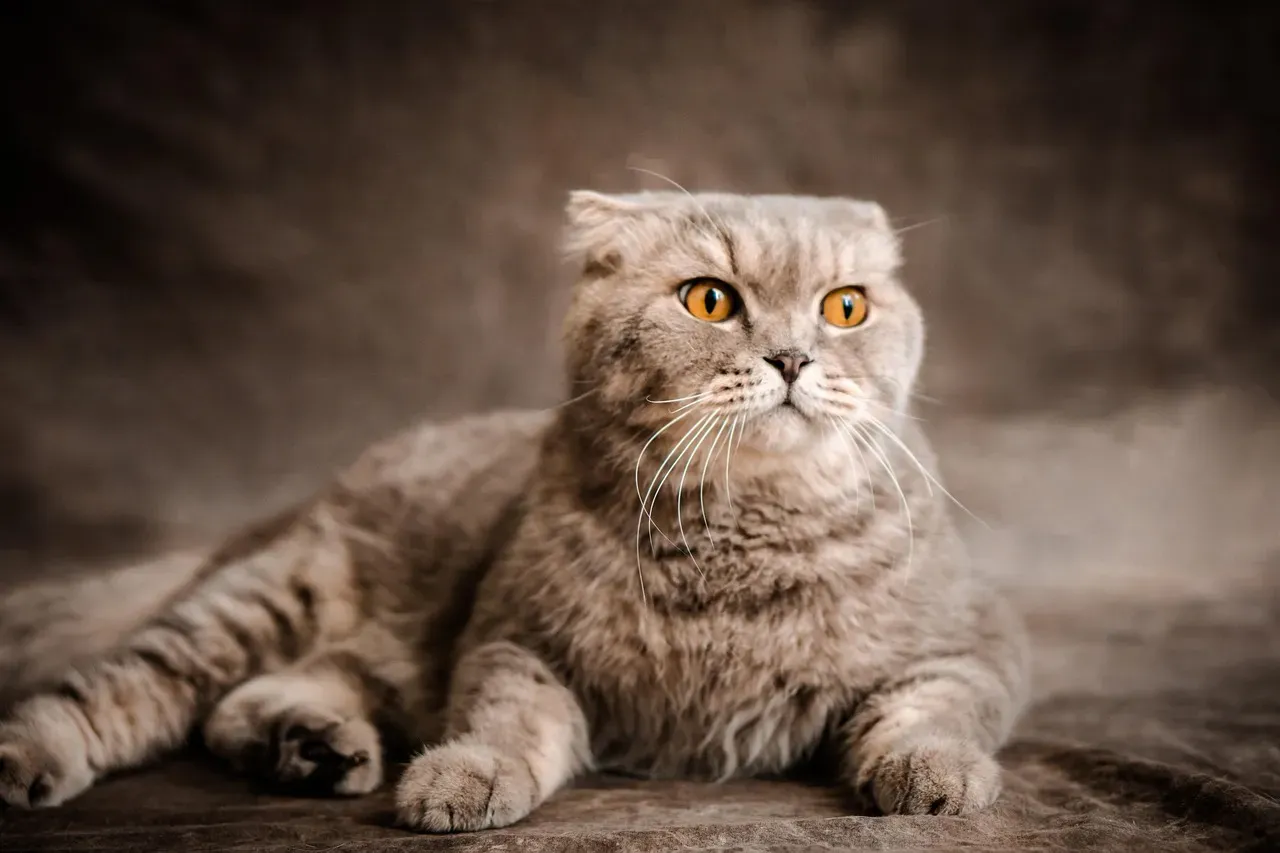
With large eyes and signature folded ears, Scottish Folds will surely be a kid favorite, and their appearance isn’t all that makes them special – they’re also good with children, thanks to their calm and fun-loving nature. These cats have a reputation for being patient and adaptable, thriving in environments where there’s gentle interaction and respect for their space.
The friendly, laidback Scottish Fold is a perfect choice for families with children and cat-friendly dogs, loving the attention they receive from children who treat them politely and with respect, and they like to play and are capable of learning tricks. Their temperament strikes a nice balance between affectionate and independent.
Abyssinian: Active Adventurers for Older Kids
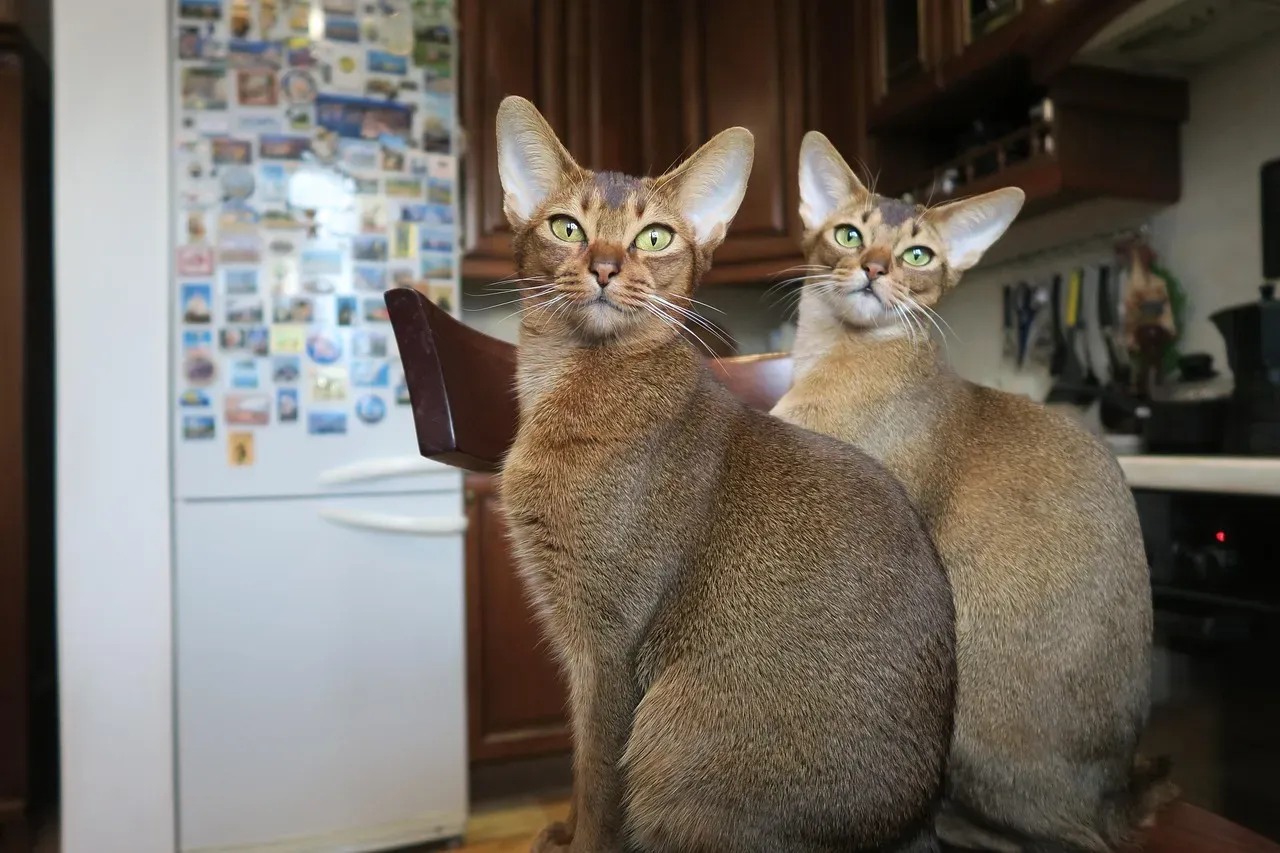
The Abyssinian will liven up any household with their active and affectionate personality, as these athletic cats can climb to impressive heights and are known for maintaining a kitten-like energy throughout their life. These cats are endlessly curious and highly intelligent, making them excellent companions for families with older children who can match their energy levels.
Active, intelligent, loyal, and people-oriented, Abyssinian cats are great fits for families with older kids, though they may opt to bolt away from toddlers and babies, and as much as they like to be around people, they’re not lap cats as much as outside observers. They prefer to stay involved from a comfortable distance rather than being constantly held.
Siberian: Patient With Rowdy Households
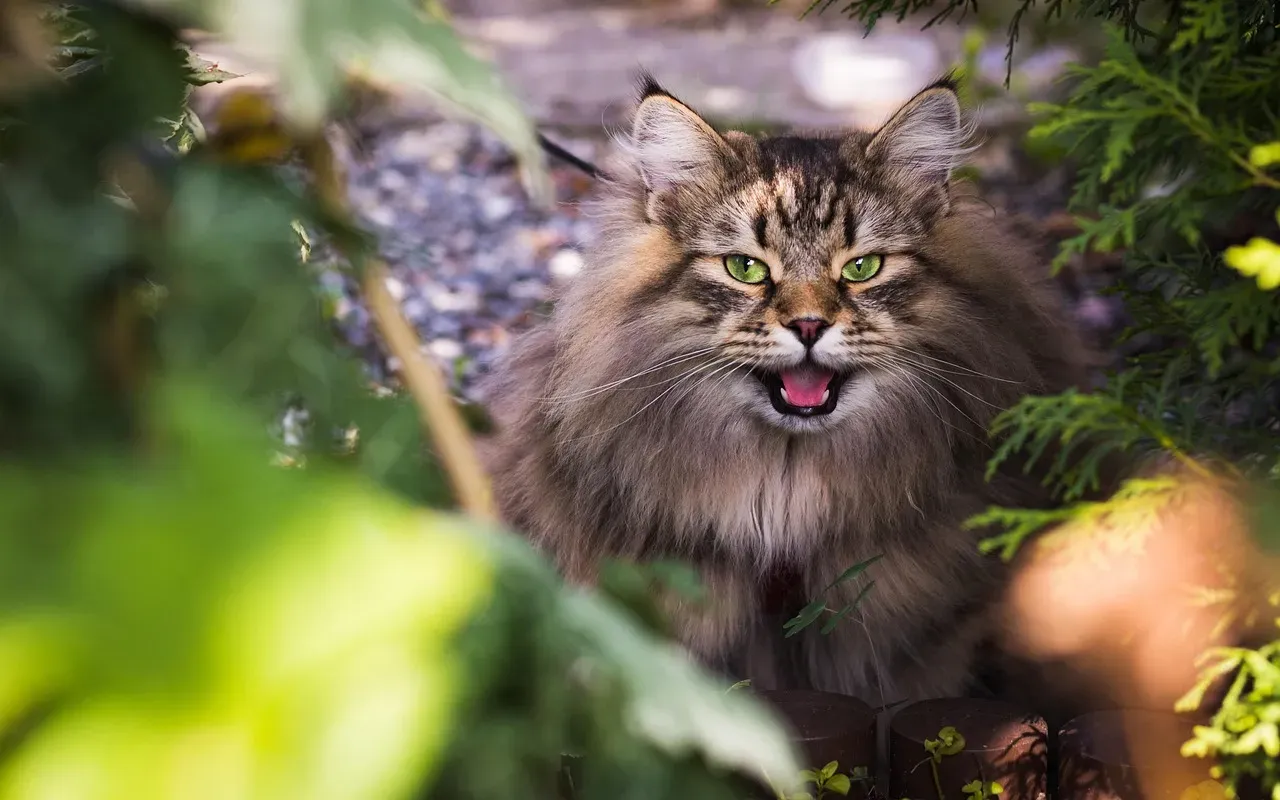
If you have a boisterous bunch, you need a cat that can tolerate noise and activity – enter the Siberian, with a patient and playful personality, as Siberians are unfazed by rowdy children and a bustling household. Their thick, fluffy coats and bold temperament make them stand out, and they genuinely don’t mind when things get loud.
These clever cats can also learn tricks and be leash-trained, which can be an enriching activity for kids and kitties alike. For families who want an interactive, trainable cat that can handle chaos, Siberians are a solid choice.
Manx: The Dog-Like Feline
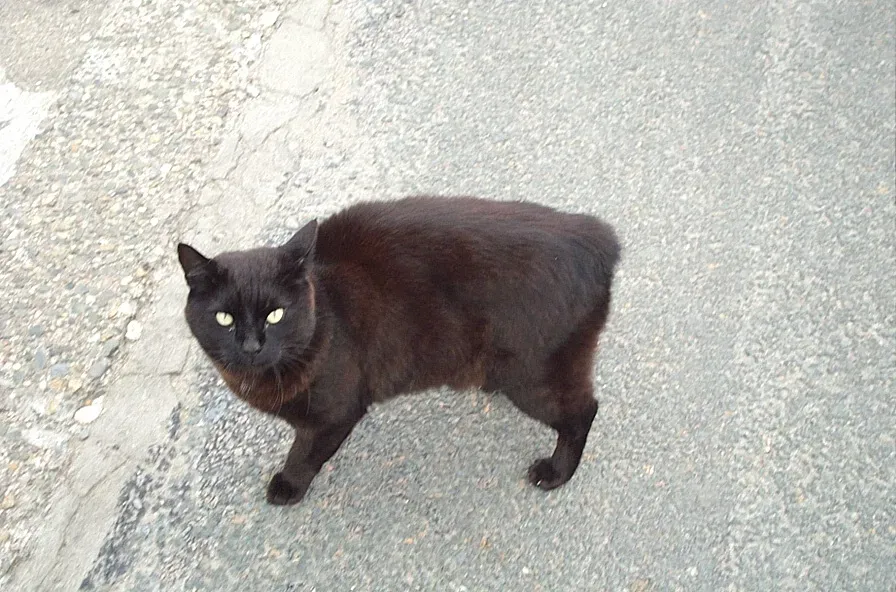
The Manx is most well-known for not having a tail (although not all Manx cats are tailless), but they also have a famous dog-like loyalty and affinity for interactive play, making them great companions for high-energy kids. These cats are playful, devoted, and surprisingly athletic despite their compact build.
The Manx is a gentle and playful breed that enjoys playing fetch, with some giving all their love and attention to one member of the family, while others crave companionship with a range of people, making calm and understanding pets that love to run and play. Their loyalty and patience make them excellent additions to active households.
Persian: Prefers Peace and Quiet
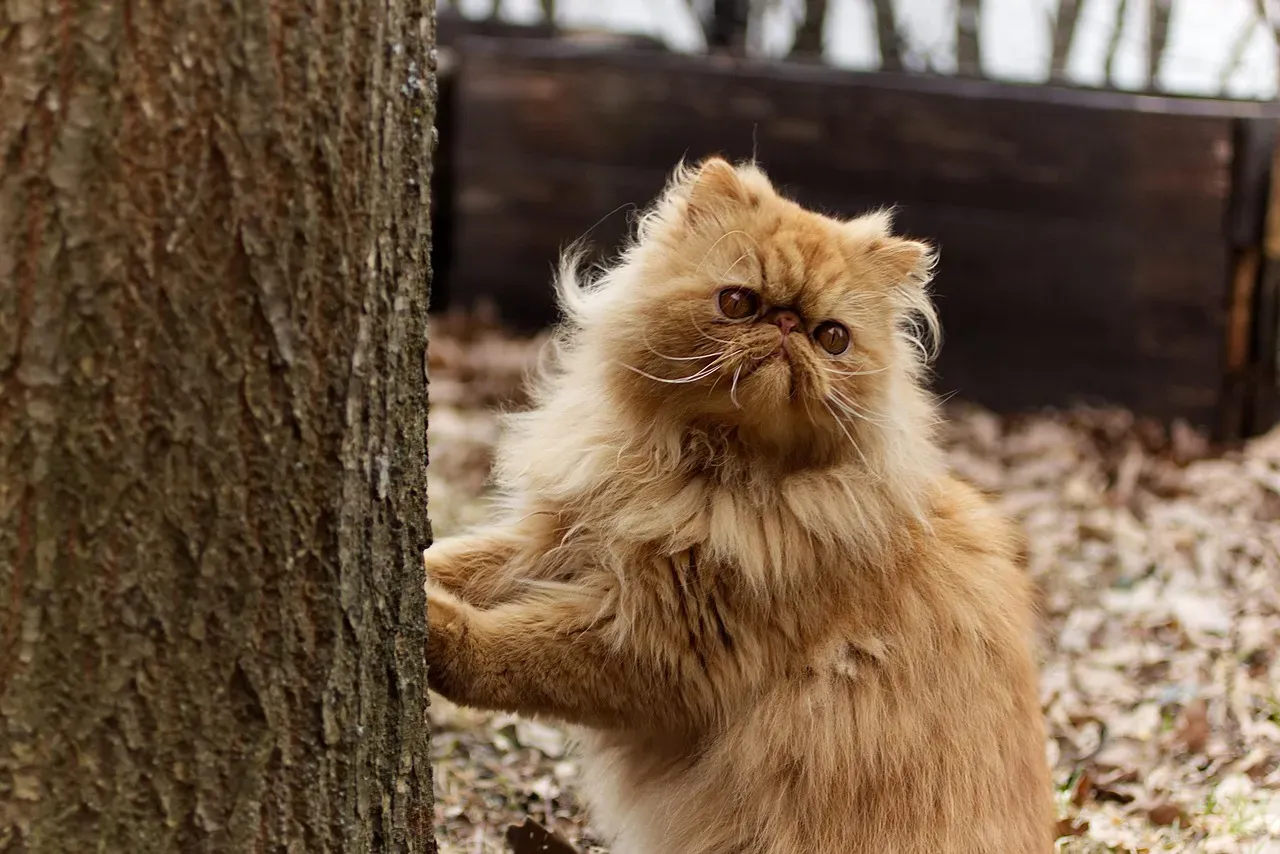
Persian cats are one of the most loving cat breeds around, being sweet and gentle cats who would prefer a quiet home with older children. These cats have a reputation for being calm and affectionate, but they’re not particularly fond of chaos or loud noises. Young children who run around screaming? That’s a hard pass for most Persians.
A mix of the quiet Persian and rowdy Siamese, the Himalayan has a silky coat and stunning blue eyes, and their sweet nature makes them popular with kids, but these cats don’t handle a noisy household as well as some other breeds, doing best with older children. They thrive in serene environments where they can lounge without interruption.
Russian Blue: Shy and Reserved
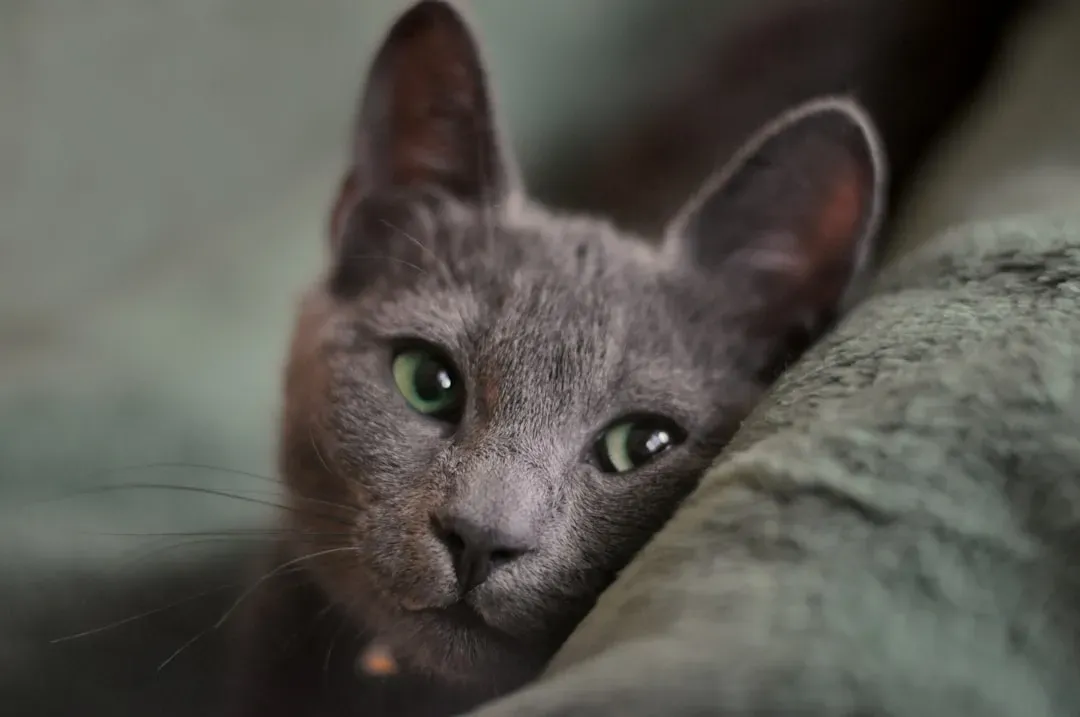
Russian Blues can make great companions for modern families, but only if children are well-versed in how to properly handle animals, as they are rather shy, aloof cats that must be very comfortable with you before they come over for affection. These elegant cats are slow to warm up to new people and prefer calm, predictable environments.
Loyal and affectionate, Russian Blues are often shy around strangers but have been bred to exhibit a playful temperament with their family, though they’re wary of strangers and of high activity, making them not ideal cats for young children or families who entertain often, but if you have a calmer household, a Russian Blue may be the perfect fit for your family. They need time and patience to build trust.
Turkish Van: Space Respecters Only
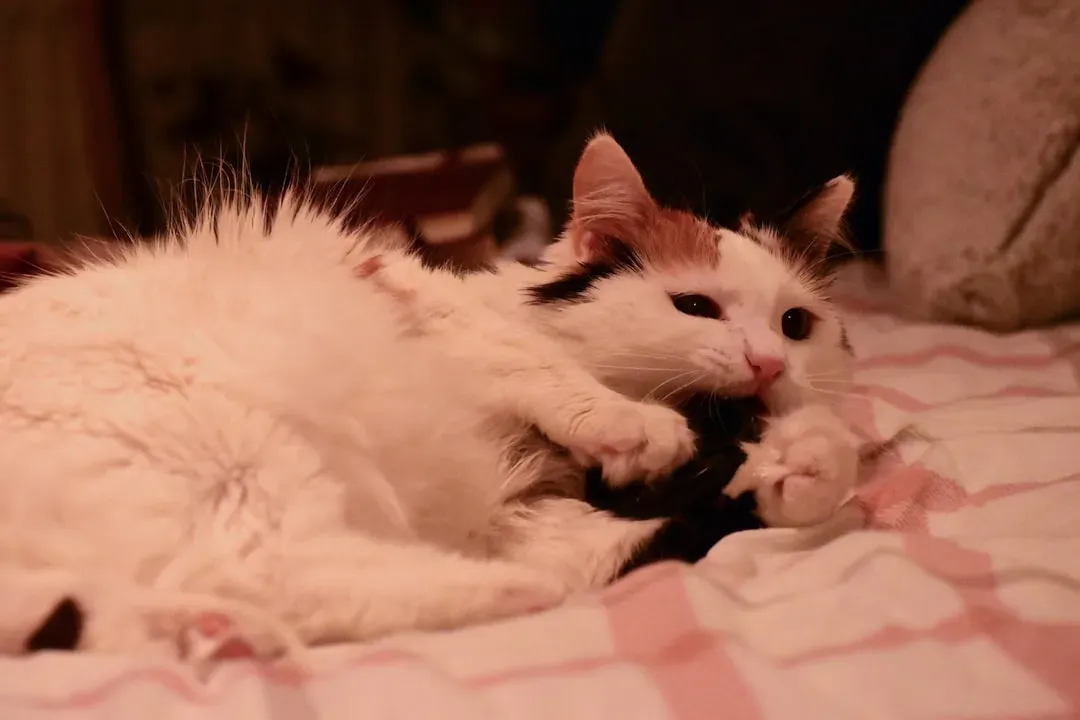
Although the Turkish Van is an affectionate breed, they do not like to be cuddled or held for long periods of time and small children may have trouble understanding this, through no fault of their own, as they like their space respected and do not take well to unwarranted affection. These cats have clear boundaries, and they’re not afraid to enforce them.
Young children who haven’t yet learned to read feline body language might struggle with this breed. Turkish Vans can be loving on their own terms, but they won’t tolerate being smothered or carried around like a toy. They’re better suited to households where everyone understands the concept of consent – even for cats.
Singapura: Sensitive to Noise and Chaos
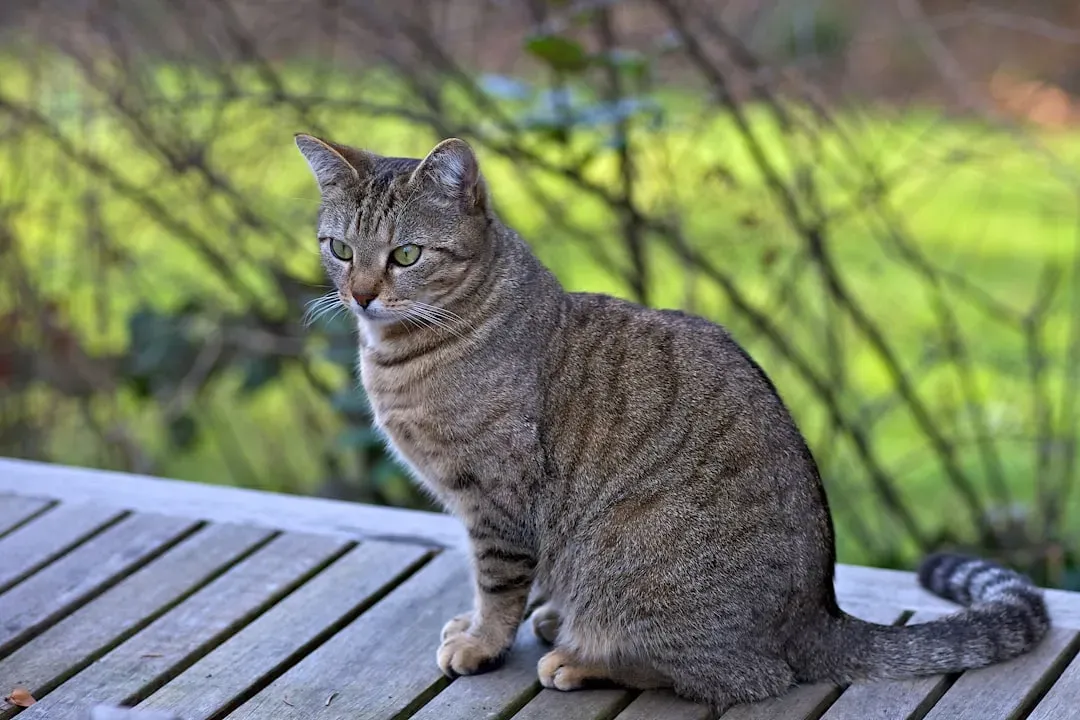
The Singapura is a social cat that enjoys affection, but doesn’t do well with loud noises or chaotic environments, as families with small children might be stressful for a Singapura, but older children that understand proper animal care and handling could do well. These petite cats are affectionate but easily overwhelmed by the unpredictability of young kids.
They prefer calm, structured environments where they can predict what’s going to happen next. If your household is relatively quiet and your children are gentle and respectful, a Singapura might work. Otherwise, this breed will spend most of its time hiding under furniture.
Himalayan: Stressed by Rambunctiousness
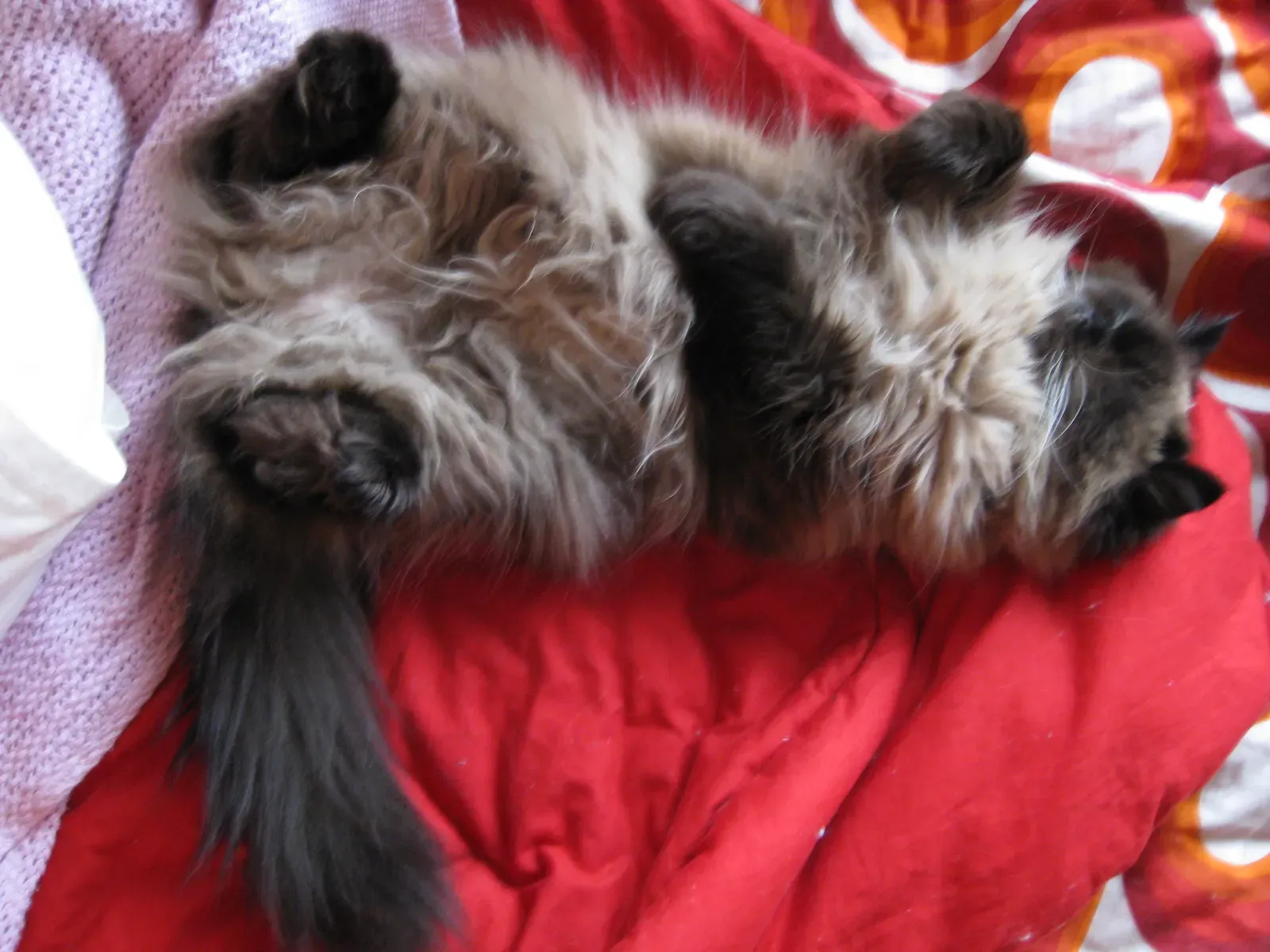
The Himalayan is a gentle cat that is affectionate toward his family, but prefers a more quiet lifestyle, as loud, rambunctious children might stress out a Himalayan more than other breeds, so young children might not be the best companion. These cats inherited the Persian’s love of tranquility, making them poorly suited for households with high energy levels.
They’re gorgeous, affectionate, and deeply bonded to their families – but they need peace. If your home is constantly buzzing with activity, a Himalayan will likely retreat to a quiet bedroom and avoid the main living areas. They’re better matched with families who have older, calmer children or adults who appreciate a serene companion.
Sphynx: High-Maintenance and Needy
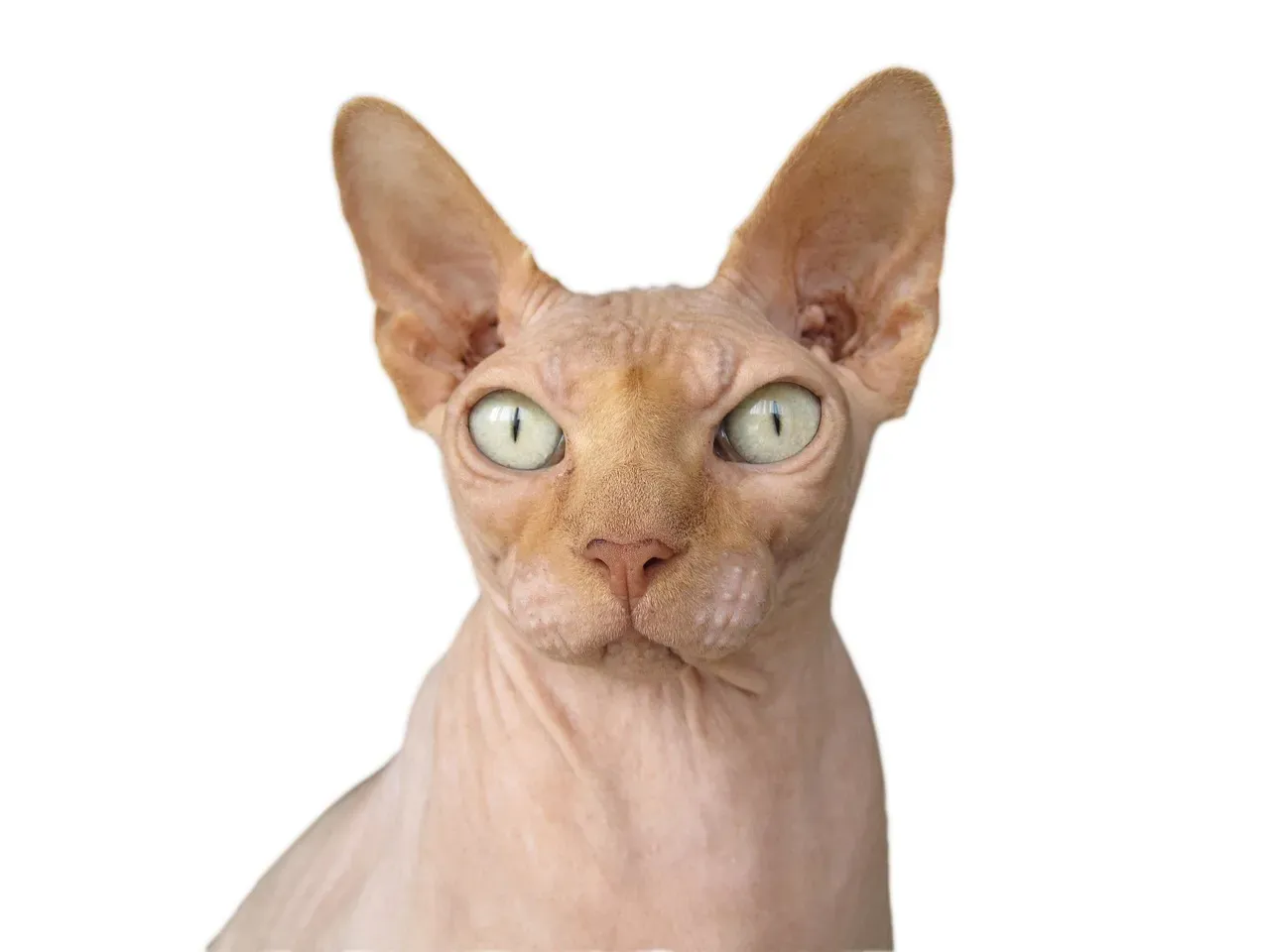
They are highly intelligent cats who will benefit from an experienced owner that can provide a high level of enrichment to stimulate their inquisitive nature, being social and gregarious, enjoying the company of other animals, but unfortunately, their high-maintenance nature means they are not suitable for homes with young and needy children, though Sphynx cats make great companions for adults and older children able to give them all the attention they require. Despite their reputation as friendly and outgoing, Sphynx cats demand a lot.
They need regular baths to manage oil buildup on their skin, and they crave constant attention. In a household with young children, a Sphynx might not get the focused care they need. They’re better suited to homes where someone can dedicate significant time and energy to meeting their needs.
Exotic Shorthair: Quiet and Selective
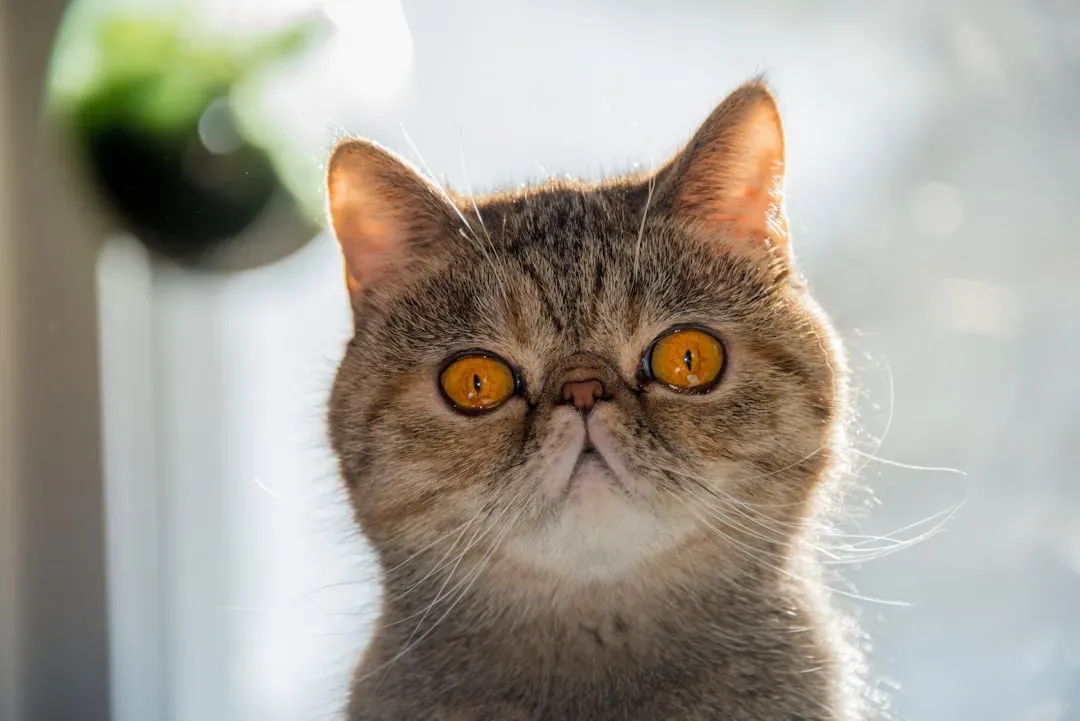
Sweet, quiet, and affectionate, this cat breed has an unforgettable face similar to the Persian cat, and in fact, the Exotic Shorthair was bred to look just like a Persian, but with a short, dense coat that doesn’t shed quite as much, as they still shed some, but Exotic Shorthairs make extremely loyal companions who will show you love without acting like your shadow. These cats are gentle and loving but prefer a more subdued environment.
Essentially a short-haired Persian, the Exotic Shorthair offers all the sweetness without the high-maintenance coat, being affectionate and calm, happy to cuddle up after a bit of play, making families who prefer a quieter, loving cat find this breed a great fit. They’re not ideal for households with very young, loud children.
Bengal: Energetic but Not for Toddlers
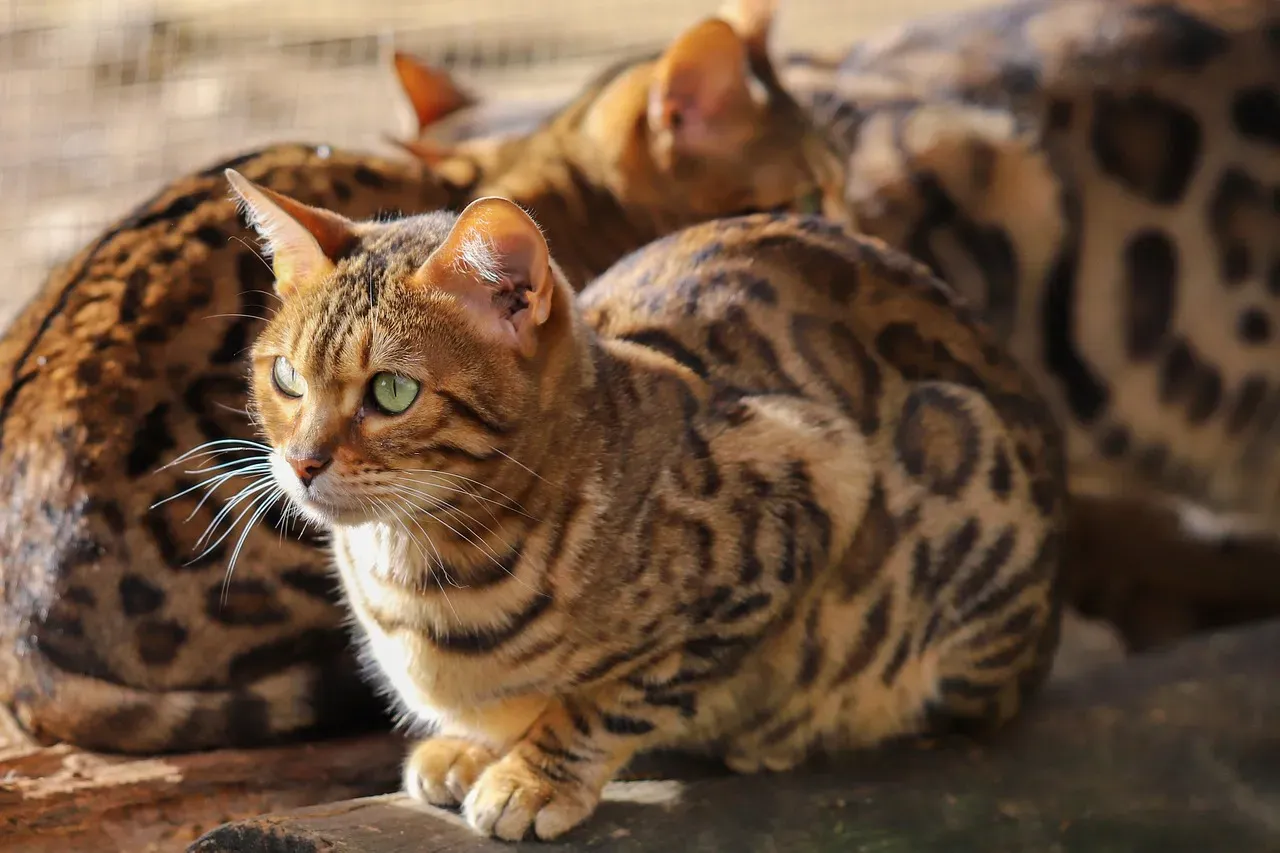
The active and social Bengal is a perfect choice for families with children and cat-friendly dogs, with this kitty being top of the list for kid friendly breeds. However, there’s a caveat. Bengals have intense energy levels and a strong prey drive, which can be overwhelming for very young children who don’t yet understand boundaries.
For families with active kids, the Bengal can be a great companion, as they love to play, climb, and explore, keeping everyone entertained, but parents should make sure children understand how to handle them respectfully. They’re better suited to families with older, responsible kids who can engage with them appropriately.
Munchkin: Fragile and Demanding Care
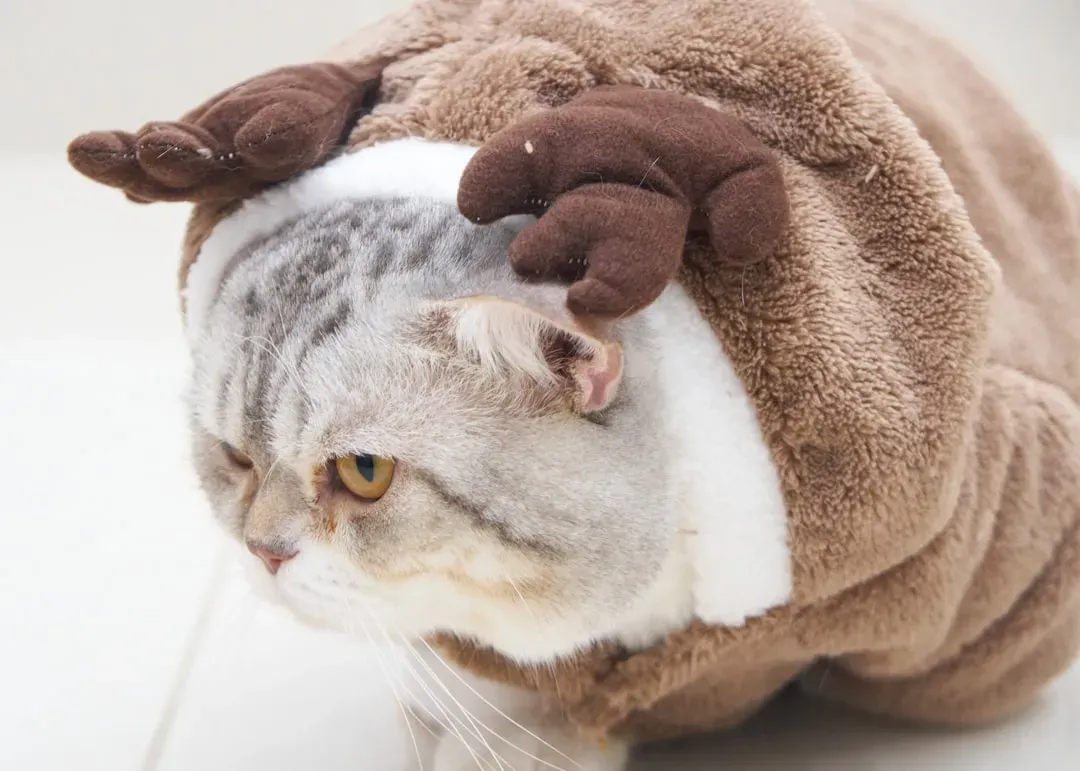
The original ‘dwarf cats,’ Munchkin cats are the smallest cat breed available, being adorable, but fragile, as these cats are not formally recognized by the International Cat Association, because of the health risks associated with breeding dwarf cats, needing lots of attention to ensure they are not jumping from heights – though quite natural for other cats, it could hurt these little ones’ bones, also needing more help grooming, since they cannot always reach the back half of their bodies, and though sweet, cuddly, and certainly cute, due to their special care requirements, they are only recommended for experienced cat owners who can give them careful attention.
Young children simply don’t have the awareness to be careful around such a delicate breed. Rough play or accidental drops could seriously injure a Munchkin. These cats need vigilant supervision and gentle handling, making them better suited to adult-only homes or families with much older, responsible children.
Conclusion: Finding Your Perfect Match
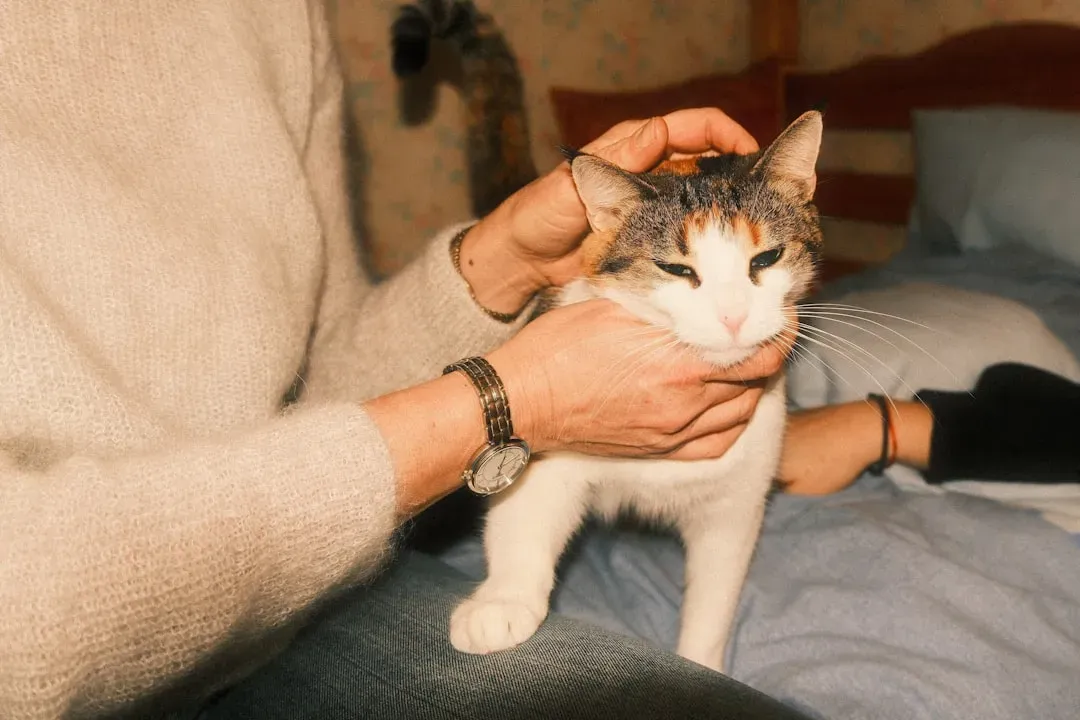
Choosing the right cat for your family isn’t about finding the “best” breed. It’s about understanding your household’s energy level, your children’s ages, and what kind of temperament will thrive in your environment. Some cats genuinely love the chaos that comes with kids – the noise, the play, the constant interaction. Others need peace, predictability, and gentle handling.
Take your time, meet individual cats before committing, and teach your children how to respect feline boundaries from day one. Whether you end up with a playful Ragdoll or a reserved Russian Blue, the right match will bring joy to everyone involved. What kind of feline companion do you think would fit best in your home?
