
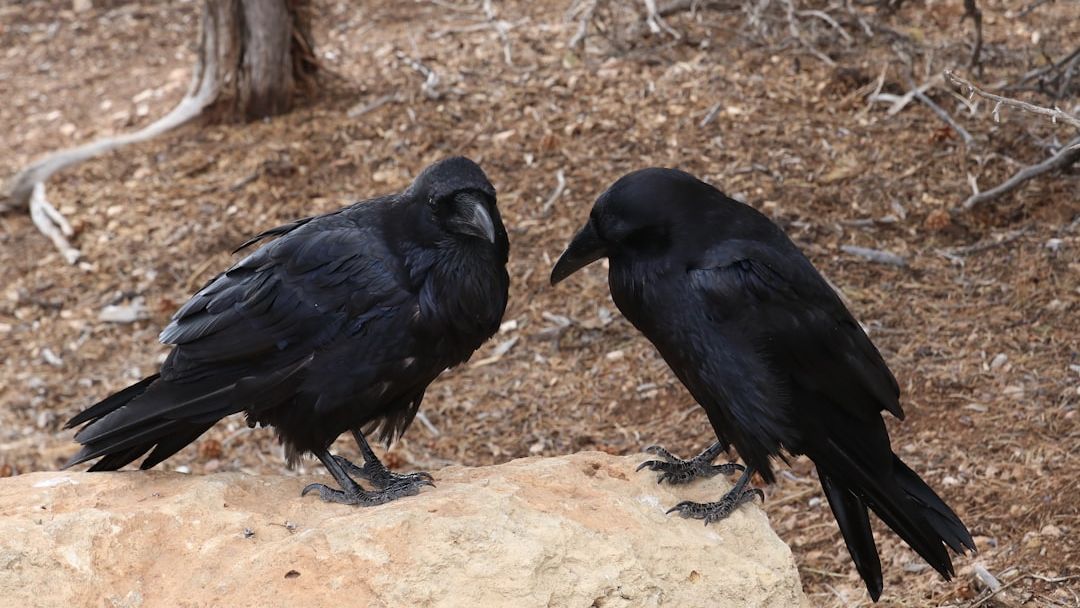
Ever seen a group of crows circling overhead and wondered what all the commotion was about? You might be witnessing something far more sophisticated than you think. These glossy black birds have been hiding in plain sight for centuries, living out complex social dramas right under our noses.
Most people dismiss crows as common pests, but that perspective couldn’t be further from the truth. Crow and raven species are now ranked near primates in terms of cognitive abilities, with characteristics that were once ascribed only to humans, including self-recognition, insight, tool use, mental time travel, social learning, and traditions. Their social world operates with a level of complexity that might make you reconsider every crow you’ve ever ignored. Let’s dive into what really goes on in these feathered communities.
Family Ties That Last for Years
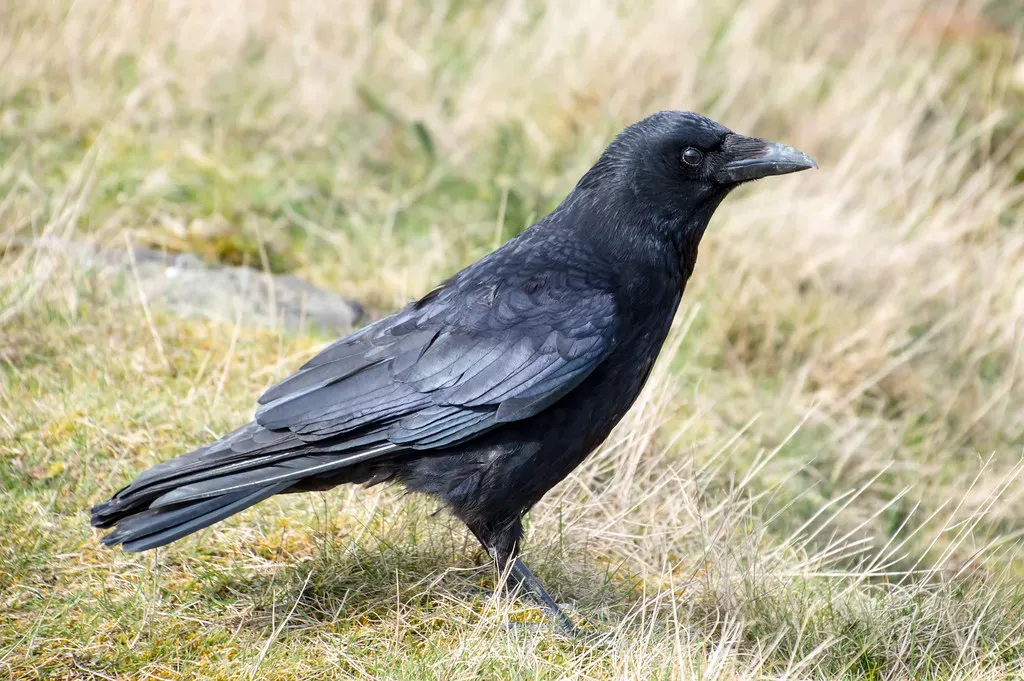
Here’s something most people don’t realize. Many crows live in family groups, with mated pairs sharing territories with their grown children, and older offspring helping their parents with raising each season’s new brood of young birds. It’s not just the nuclear family either.
Long-term crow studies showed that pairs had year-round territories with young that stayed with their parents for up to six years, with no crow breeding on its own until it was at least two years old, and the biggest crow family recorded was 15 birds. Think about that for a moment. Imagine living with your parents until you’re in your late twenties, not out of necessity, but because it actually benefits everyone involved.
The cooperative breeding system crows have developed is fascinating. Crows worked cooperatively on all parts of the nesting process, with helpers bringing sticks and nesting material to help the female build the nest, though at one nest five helper crows brought sticks faster than one female could handle them, creating a disorganized mess. Sometimes you really can have too much help.
Communication Beyond Simple Caws
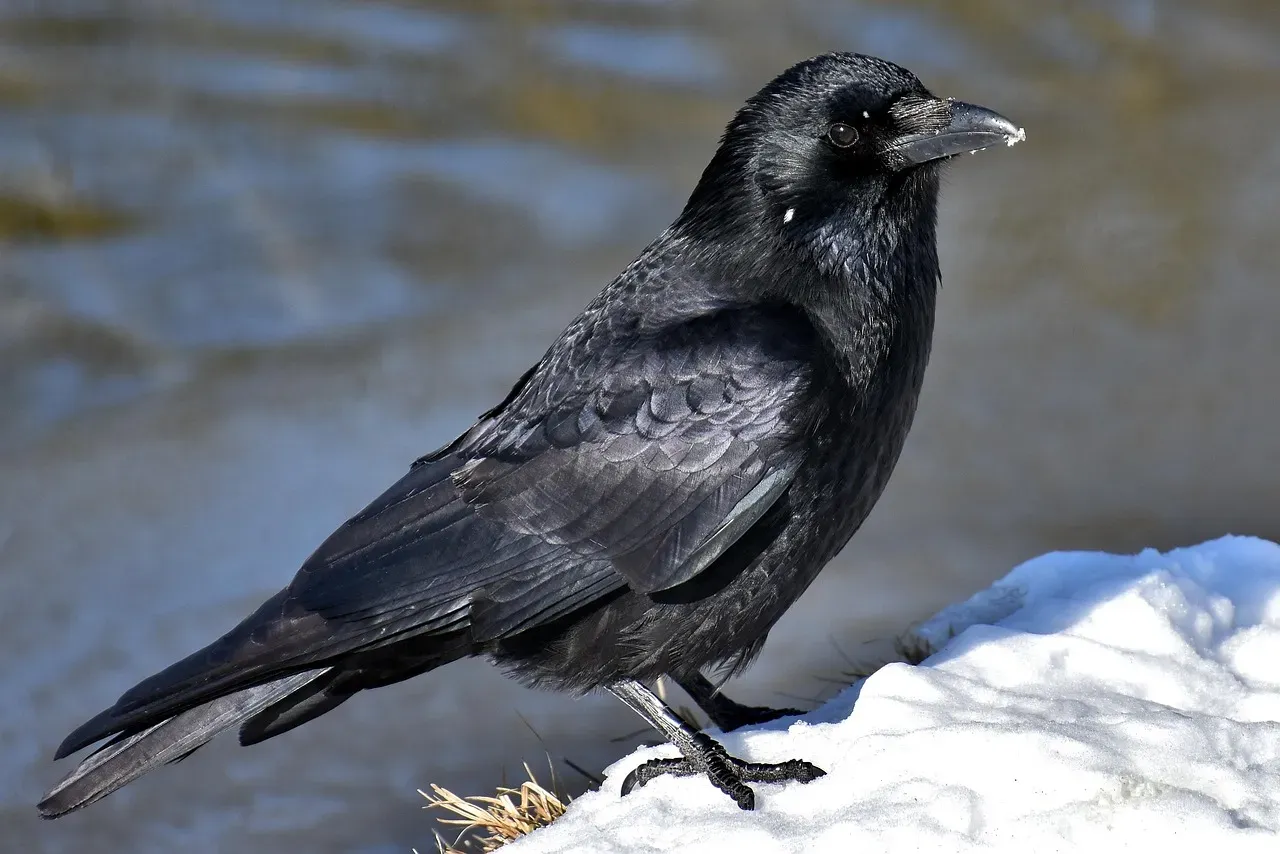
If you think all crows just say “caw,” you’re missing out on a remarkably nuanced language system. Crow language is evolved enough that each member of the family has a name, they can mimic sounds of car alarms and trucks reversing, and they communicate with each other about sources of food or areas to avoid.
The complexity runs deeper than most researchers initially imagined. They have a complex social structure and their nuanced communications reflect that, with a “caw” meaning different things depending on how it’s used, the energy put into it, the timbre, and the number and speed of repetitions. One researcher compared crow communication to Mandarin or Vietnamese, where the same word can mean entirely different things based on tone.
What really blows my mind is that individual crows have distinct voices. Research has shown that crow voices vary by individual, with enough information in the sound that, in theory, the crows could tell each other apart. They’re not just making random noise. They’re having actual conversations with identifiable participants.
The Neighborhood Watch Nobody Asked For
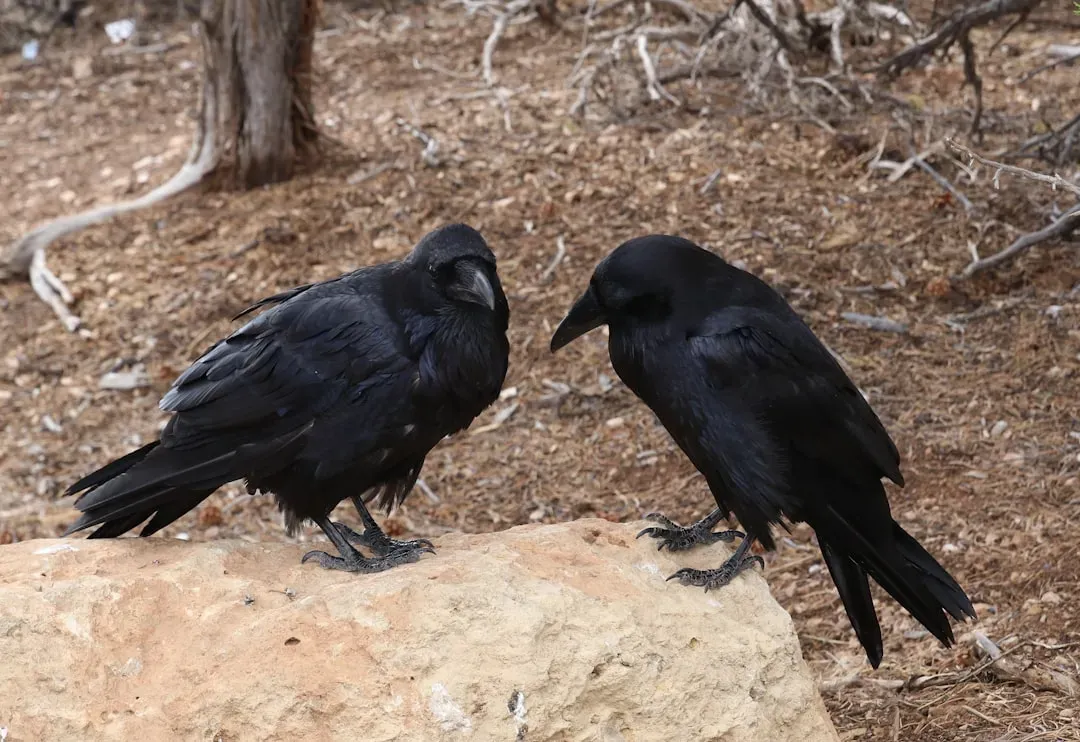
Birds present at original trappings remembered which masks corresponded to capturing, passed this information to their young and other crows, and all the crows responded to the sight of a researcher wearing a trapping mask by immediately mobbing the individual and shrieking. Let that sink in. They hold grudges, remember faces for years, and teach their offspring who to avoid.
The implications are genuinely surprising. Studies have shown that crows are able to hold grudges, remembering people who have wronged them for as long as 17 years in some cases. Seventeen years. That’s longer than some humans remember their childhood friends.
Their surveillance network extends beyond just remembering threats. Crows generally live in family groups, they’re always on alert for threats in their home territory and quick to share information with the rest of the group, and they’re quick to invite crows from neighboring territories to help harass an owl or a hawk. It’s like they’ve created their own community defense system without any formal training.
Problem-Solving That Rivals Young Children
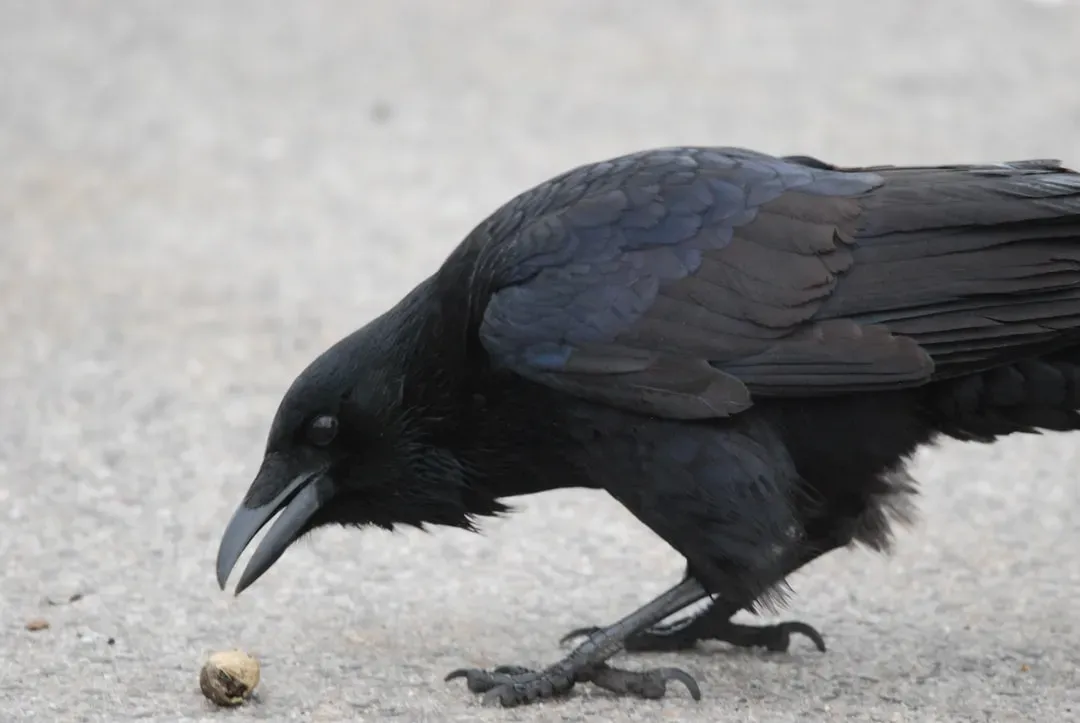
This is where things get really interesting. New Caledonian crows were presented with metatool problems where each stage was out of sight of the others, and crows were able to mentally represent the sub-goals and goals, keeping in mind the location and identities of out-of-sight tools and apparatuses while planning and performing a sequence of tool behaviors. That’s not simple trial and error. That’s actual planning.
Tool use in crows goes way beyond what most people imagine. Four crows partially inserted one piece into another and used the resulting longer compound pole to reach and extract food, and one particular bird was able to make compound tools out of three and even four parts. They’re essentially engineering solutions on the fly.
There’s evidence they actually enjoy the challenge too. Crows behaved more optimistically after using tools, suggesting that just the same way we enjoy solving a crossword, they actually enjoyed simply using a tool. The pleasure of accomplishment isn’t uniquely human after all.
When Environment Shapes Social Choices
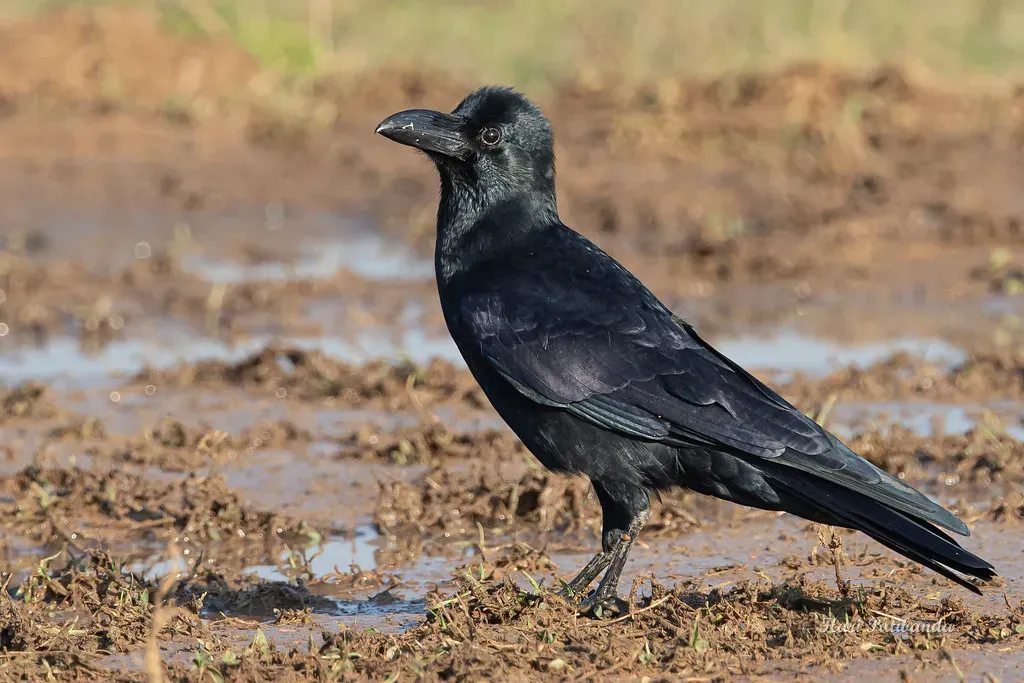
Not all crow populations behave the same way, and that tells us something crucial about their intelligence. In Switzerland cooperative breeding was rare while in Spain it was common, and when Swiss crow eggs were moved into Spanish crow nests, Swiss crows raised by Spanish parents adopted the local lifestyle of family living while their brothers and sisters back in Switzerland left the home territory shortly after reaching independence.
It’s nature versus nurture playing out in real time. The fact that crows adapt their social structures based on environmental conditions rather than pure instinct shows a level of behavioral flexibility that’s honestly remarkable. Urban crows thrive due to cognitive flexibility, which highlights their strategic foraging, memory and ability to learn and adapt in human-dominated environments.
They’re not just surviving in cities. They’re thriving by fundamentally changing how they operate as a society. That kind of adaptability requires serious cognitive horsepower.
What Crow Society Teaches Us About Intelligence
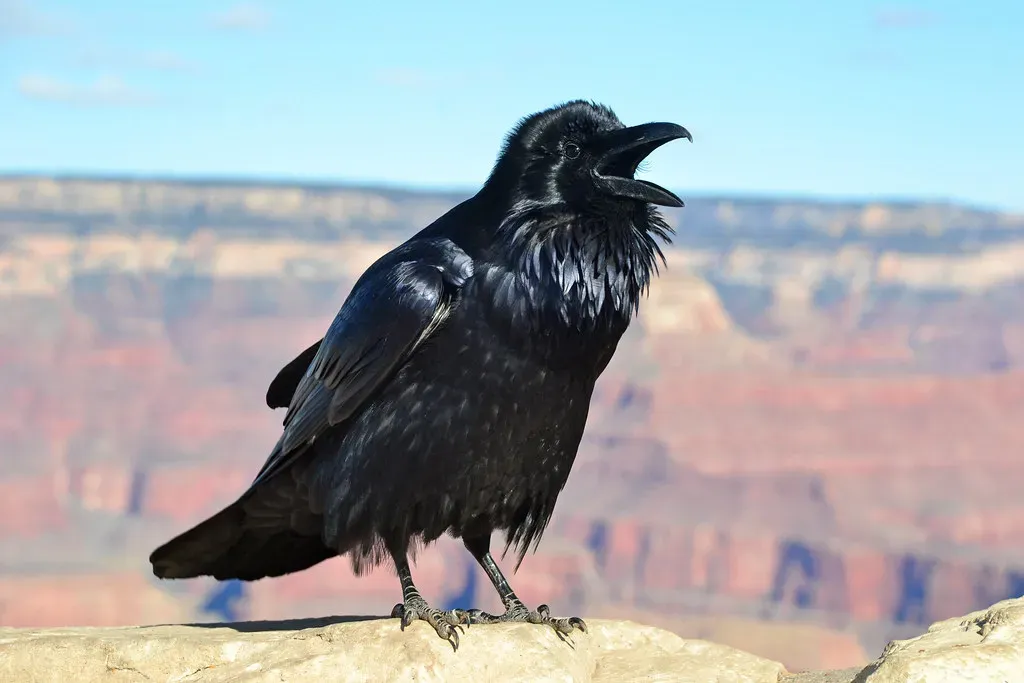
The similarity to human brain activity and parallels in social intelligence are significant because they may have evolved after our last common ancestor existed 300 million years ago, making our species’ similarities a case of convergent evolution, when two vastly different organisms develop the same traits independently. Evolution arrived at the same solution through completely different pathways.
Corvids display remarkable intelligence for animals of their size and are among the most intelligent birds thus far studied, with their total brain-to-body mass ratio equal to that of non-human great apes and cetaceans, and only slightly lower than that of humans. They’ve packed an incredible amount of processing power into those small skulls.
The social structures crows create aren’t accidents of evolution. They’re deliberate, flexible, and responsive to changing circumstances. Crows live in fission-fusion social groups and possess a large brain relative to their body size, which allows them to amass and draw upon a great deal of experience via individual and social learning over the course of their long lives.
Conclusion
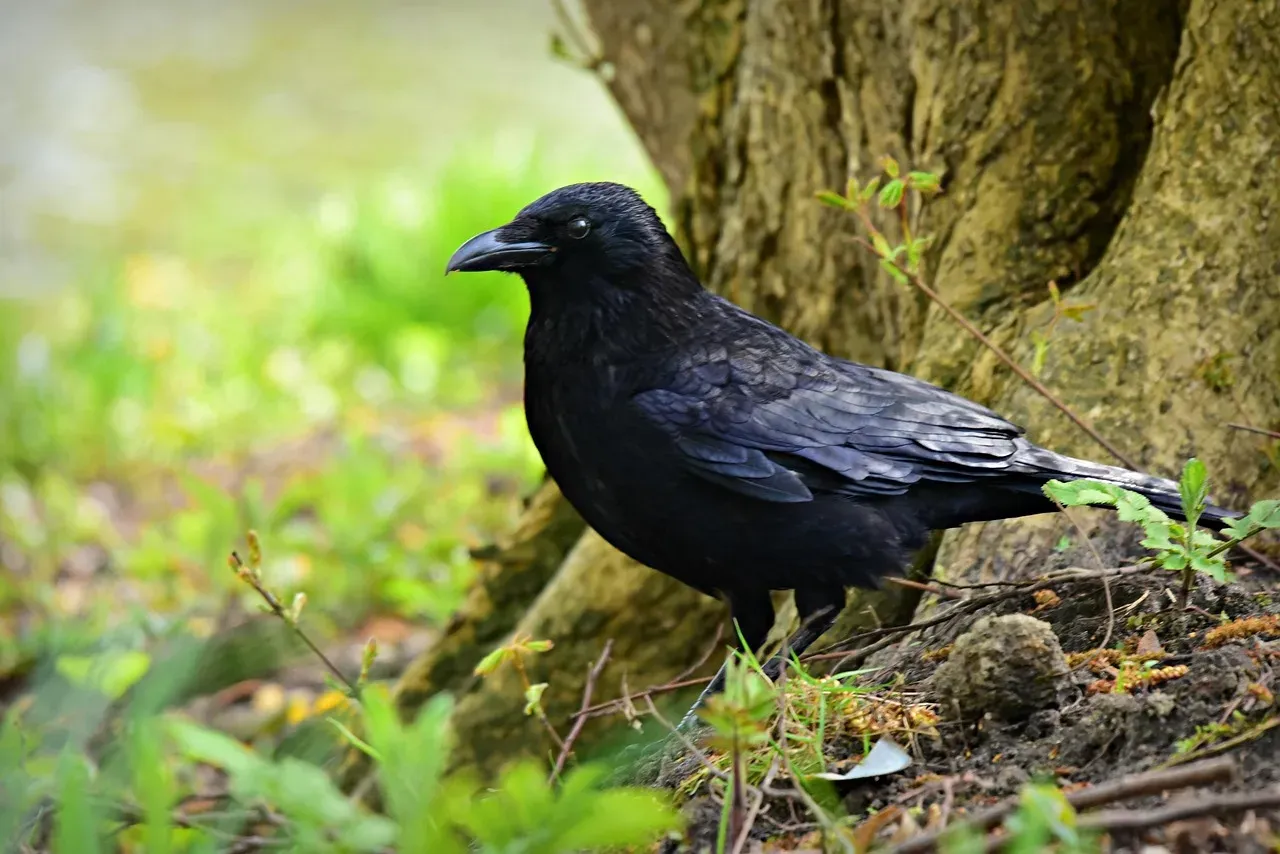
The next time you see a crow, remember you’re looking at a creature with familial bonds that span years, a communication system that rivals human language in complexity, and problem-solving abilities that would impress a five-year-old child. Their social structures reveal something profound about intelligence itself: you don’t need to be a primate or a human to develop sophisticated societies, complex communication, and the ability to pass cultural knowledge between generations.
Maybe crows have been quietly demonstrating all along that intelligence isn’t about brain size or genetic proximity to humans. It’s about flexibility, cooperation, and the ability to learn from both experience and each other. What else have we been missing while we walked past them every day?
