
Have you ever wondered if the bird perched in your living room actually knows what it’s saying? Let’s be real, the idea sounds almost absurd. When we think of intelligent communication, we tend to picture dolphins, apes, or even our family dog responding to commands. Yet certain feathered creatures challenge everything we thought we knew about animal cognition.
The world of avian vocal mimicry is genuinely mind-blowing, stretching far beyond simple parroting. Some species don’t just repeat sounds mindlessly. They seem to grasp context, emotion, and even timing. So let’s dive in and discover what makes these birds so extraordinary.
The Remarkable African Grey Parrot
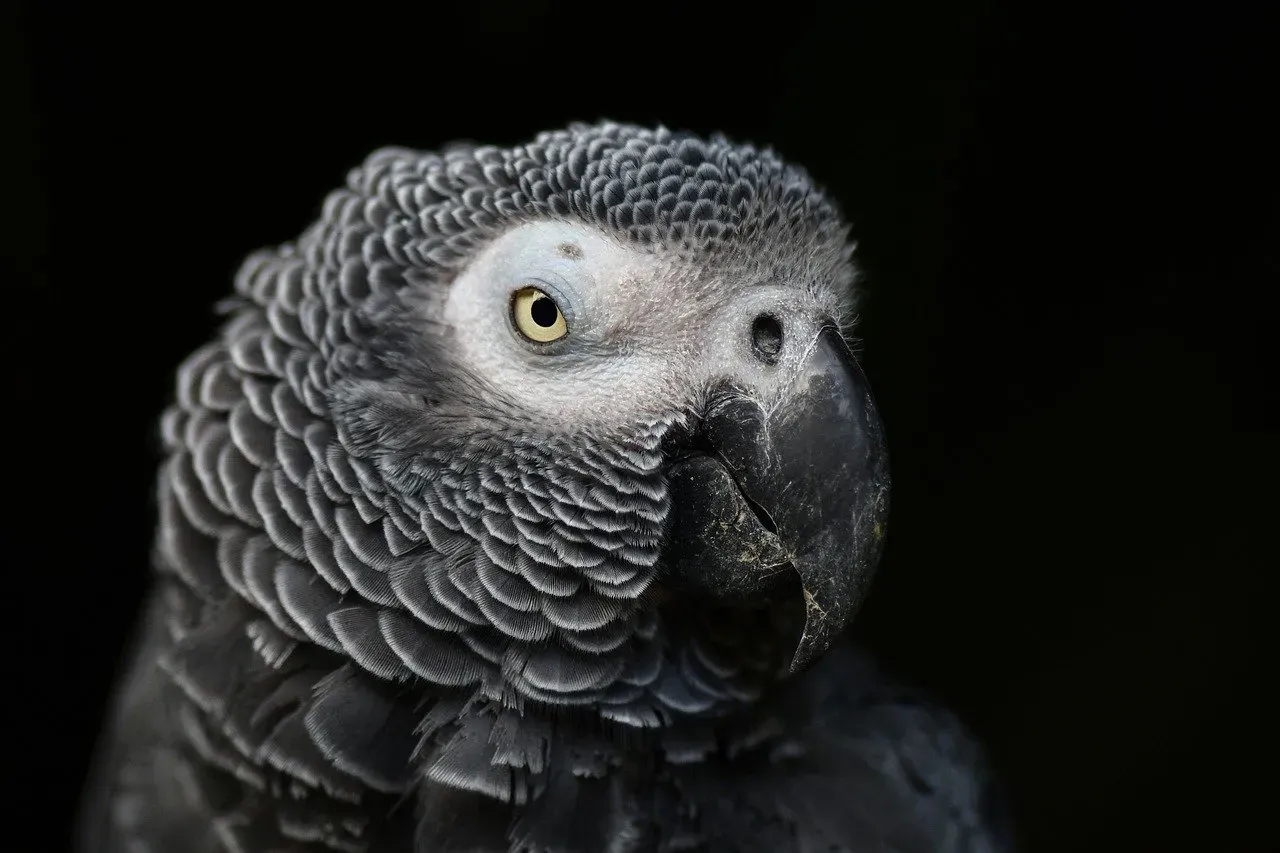
Among all birds capable of mimicking human speech, the African Grey Parrot stands as the undisputed champion of vocal precision. These medium-sized parrots possess something truly special. They can learn up to 1,000 words and use them in context. It’s hard to say for sure, but that vocabulary rivals many human toddlers.
African Greys can copy human voices with amazing accuracy, even matching the tone and inflection of family members. What sets them apart isn’t just the quantity of words they master. A new study shows the African grey can perform some cognitive tasks at levels beyond that of 5-year-old humans. This isn’t your average pet trick.
The most famous African Grey, Alex, worked with scientist Dr. Irene Pepperberg for 30 years and showed he could understand colors, shapes, and numbers.
Understanding Beyond Mere Mimicry
Here’s the thing about these brainy birds. Contextually, yes, they understand what they’re saying, but linguistically, no. The distinction matters more than you might think. Parrots recognize routines and associate sounds with events, learning to reproduce words they hear frequently and repeating phrases in context.
Think about what that actually means. Parrots can appear to use human words contextually, associating certain words or phrases with specific situations or responses, although it’s not accurate to say that parrots understand language as humans do. They’re processing information in ways we’re only beginning to comprehend.
These remarkable creatures don’t just mimic, they communicate with purpose and understanding. I know it sounds crazy, but watching an African Grey respond appropriately to complex questions makes you reconsider what intelligence really means.
The Biological Marvel Behind the Voice
Birds use a special organ called the syrinx, which works differently from our vocal cords but lets them create a wide range of sounds. This anatomical difference is fascinating. Instead of a larynx, birds possess a syrinx, located at the junction of the trachea and bronchi, which gives them fine control over sounds produced during exhalation and allows birds to produce two distinct sounds simultaneously.
The song system features direct connections between the brain regions responsible for hearing and those responsible for motor control in vocal production, allowing parrots to closely link what they hear to what they produce vocally. The neural architecture supporting this ability is genuinely sophisticated. Researchers have discovered specialized brain pathways that enable these birds to process, memorize, and reproduce sounds with remarkable fidelity.
Hill Mynas: The Often Overlooked Masters
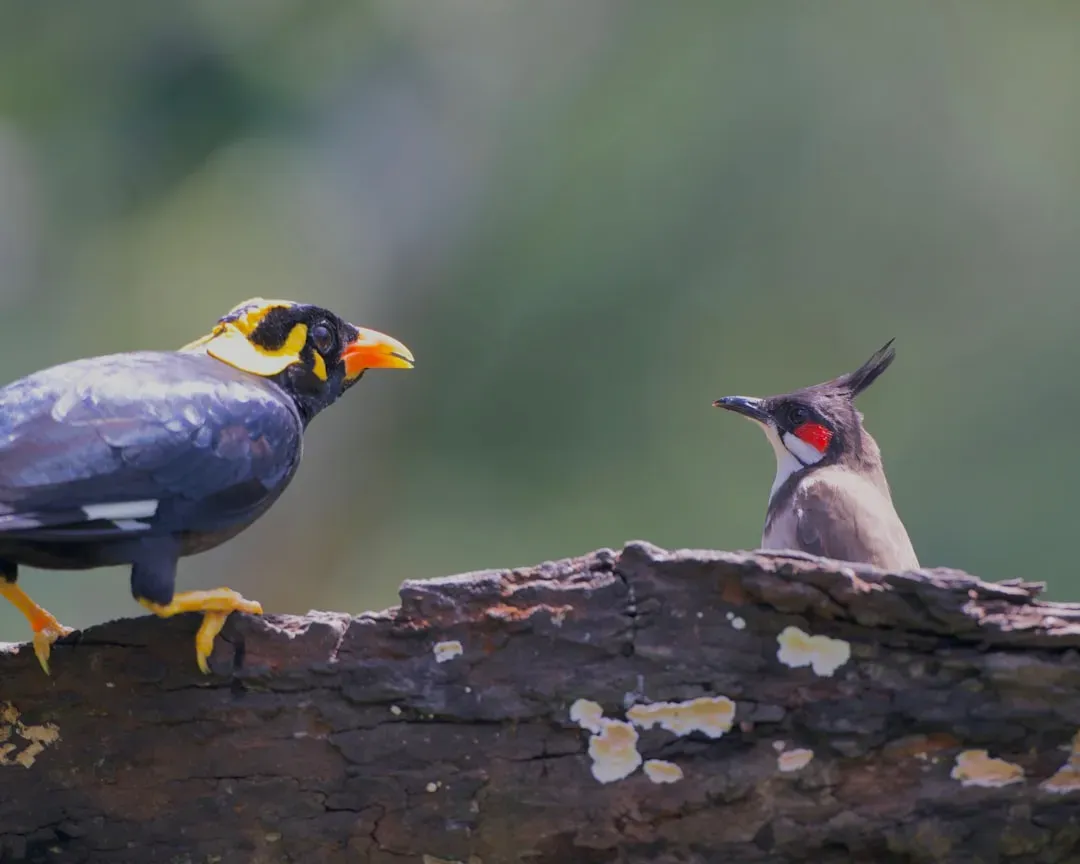
The Common Hill Mynah deserves recognition as perhaps the most accurate mimic of human speech tones and inflections among all birds, with these glossy black birds reproducing human voices with such precision that their imitations are often indistinguishable from the original speaker. Yet they rarely get the spotlight they deserve.
Hill Mynas can replicate entire conversations with startling accuracy, making their vocalization virtually indistinguishable from human speakers. Unlike parrots, mynahs don’t have a hooked bill, yet they can reproduce human voices with such precision that their mimicry is often indistinguishable from the original speaker, complete with accent, tone, and inflection.
These glossy black birds with distinctive yellow markings can learn dozens of words and phrases and are especially adept at reproducing household sounds like ringing phones, microwave beeps, and even the voices of specific family members.
Australia’s Incredible Lyrebirds
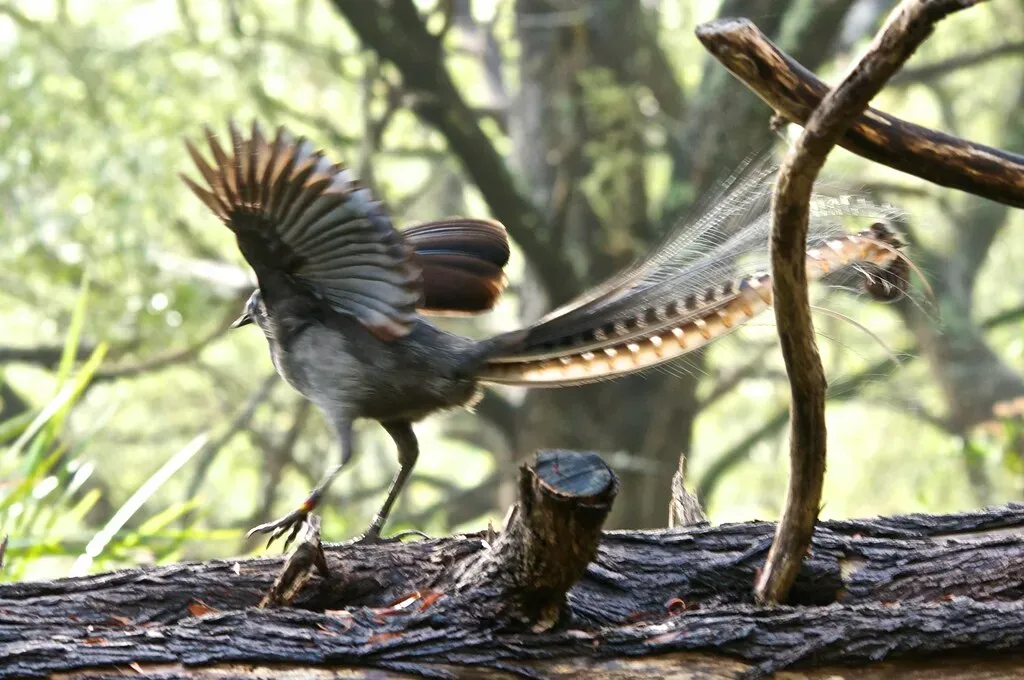
The lyrebird’s vocal prowess is made possible by its highly developed syrinx, which is the most complex of any songbird in the world, with this unique mimicking capability primarily used by males in elaborate courtship rituals. These ground-dwelling Australian birds take vocal mimicry to bizarre extremes.
Up to roughly four-fifths of the Superb Lyrebird’s song consists of mimicry, and it’s not unusual for an individual male lyrebird to have mastered the calls of 20-25 species of bird. A single male can mimic different species in rapid succession, often improving upon the original sounds by making them louder and clearer. Honestly, that’s both impressive and slightly unsettling.
They’ve adapted to mimic human-created sounds with startling precision, including chainsaws, car alarms, camera shutters, and even complete musical tunes.
The Social and Evolutionary Purpose
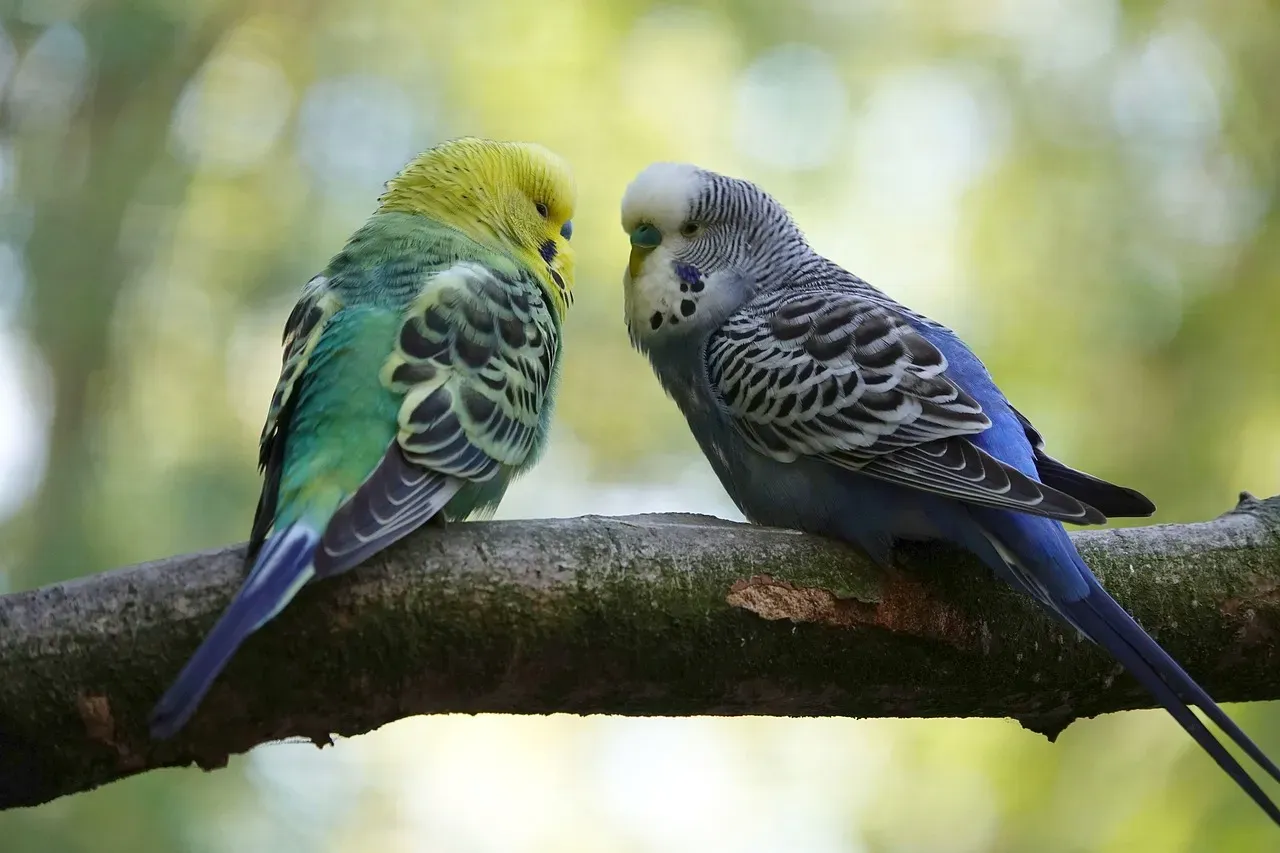
Why do birds even bother developing these extraordinary abilities? Parrots are social animals that thrive in the wild in large flocks, utilizing complex vocal communication for various purposes, and the richer a parrot’s vocal repertoire, the better its ability to interact within the flock. Survival depends on effective communication.
In the context of human interaction, parrots apply this mimicry talent to their new flock, their human caregivers, and by mimicking human speech, they reinforce social bonds with their human counterparts. It’s essentially their way of fitting in. Parrots mimic human voices and household sounds to interact, fit in, and gain attention.
The quality and diversity of a male’s vocal repertoire is believed to be a crucial factor in female mate selection, with females preferring males who can produce the most complex and accurate mimicry. For lyrebirds especially, showing off vocal skills directly impacts reproductive success.
Conclusion
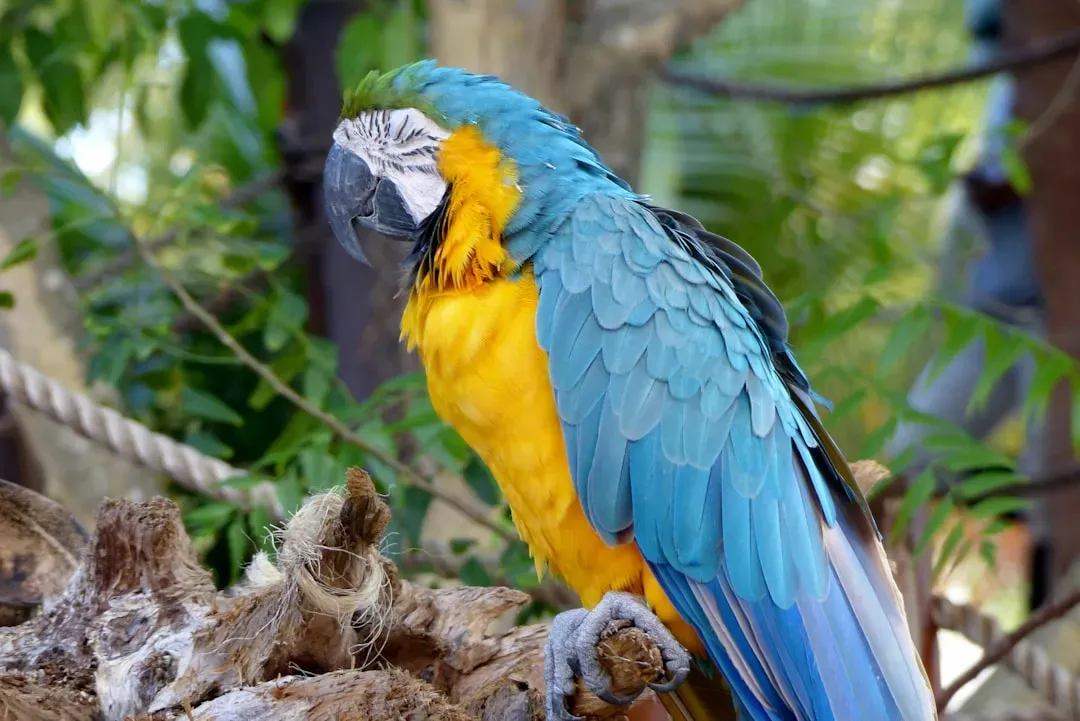
The abilities these birds demonstrate force us to reconsider our assumptions about animal intelligence and communication. From African Greys solving complex cognitive puzzles to lyrebirds reproducing mechanical sounds with eerie precision, avian vocal mimicry represents one of nature’s most remarkable achievements. These aren’t just party tricks or empty repetitions.
Parrot speech is more than mimicry, it’s a unique expression of intelligence, bonding, and environmental adaptation. The next time you hear a bird speak, remember there might be more going on behind those eyes than we ever imagined.
What’s your take on this? Have you ever experienced a bird that seemed to truly understand what it was saying? The line between mimicry and comprehension might be blurrier than we think.
