
Worried about unexpected vet bills?
Pet insurance can cover thousands in unexpected vet costs. Get a free quote from Lemonade in under 2 minutes.
Get My Free Quote →Sponsored · Opens Lemonade.com
Ever wondered why that beautiful plant you brought home last year is already looking droopy while your neighbor’s pothos is practically taking over their living room? Here’s a secret that might surprise you: your houseplants aren’t dying of old age. They’re dying because something went wrong along the way. Let’s be real, most of us have been there, standing over a sad plant wondering where we went wrong.
Most die much sooner than their potential lifespan because of improper care, which honestly makes sense when you think about it. The good news is that understanding what your plants actually need can change everything. Stick around because we’re about to explore what really determines how long your leafy companions will live and how you can help them stick around for the long haul.
Understanding the Real Lifespan of Houseplants
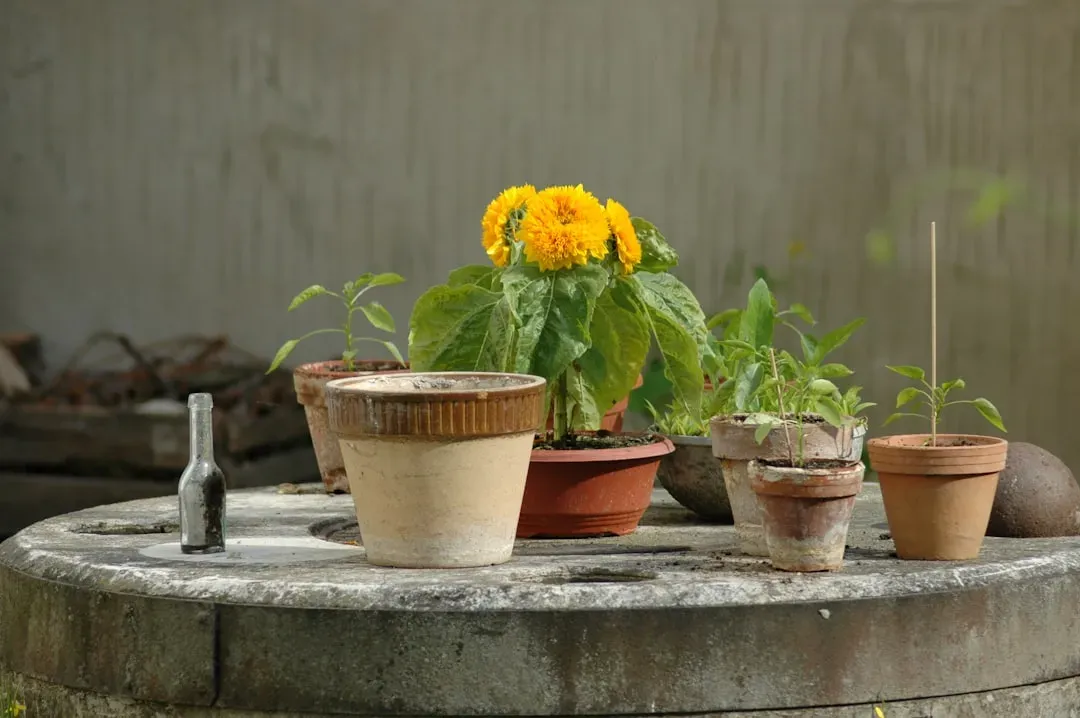
Indoor plants can live two to five years or more on average, but that’s just scratching the surface. The truth is, there is no specific lifespan for plants except for annuals, which are genetically programmed to live for one growing season. Your typical houseplant can theoretically keep going indefinitely with proper care.
According to most industry retailers, the expected lifespan for a houseplant is a staggeringly short four to eight weeks. Shocking, right? This is largely due to the overwhelming belief that people won’t know how to care for their houseplants. However, this pessimistic view doesn’t reflect reality when you actually know what you’re doing.
It’s not uncommon for some indoor plant types to live upwards of twenty years. Think about that for a moment. Some plants can outlive your pets, watch your kids grow up, and become genuine family heirlooms. Cast iron plants are known for their longevity, by some reports living fifty years or more.
The Most Common Killers of Indoor Plants
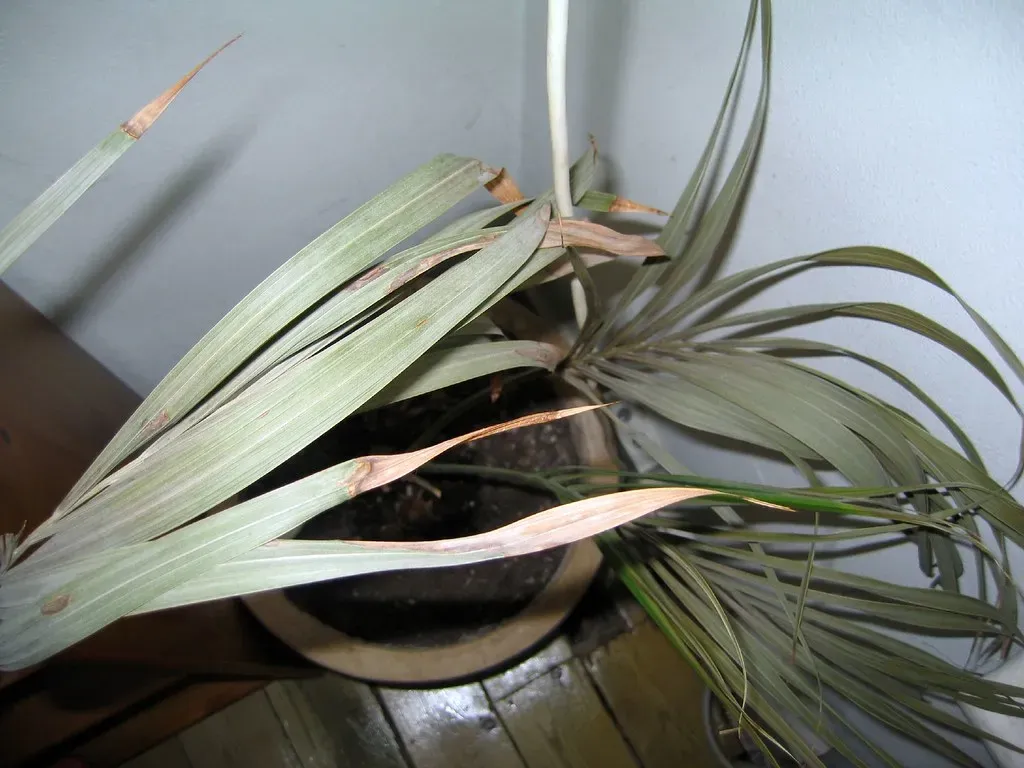
Let me tell you, the number one mistake people make isn’t neglect. It’s actually love. Too much love, specifically. When an indoor plant doesn’t get enough water it wilts and can die quickly, and this is typically the number one cause of death for newer plant owners. Underwatering seems like the obvious culprit, but overwatering is equally deadly.
Overwatering or underwatering can dramatically affect a plant’s health and lifespan, with wrong watering probably the most common reason for house plants dying since overwatering causes root rot while underwatering leads to dehydration. Root rot is particularly sneaky because by the time you notice the yellowing leaves and drooping stems, the damage below the soil is already severe.
Light is another huge factor. There is no such thing as a low light plant because light is food for plants and they literally eat the sunlight, so they need as much sunlight as possible to do well. Placing a sun-loving plant in a dark corner is basically putting it on a starvation diet. It might survive for a while, but it certainly won’t thrive.
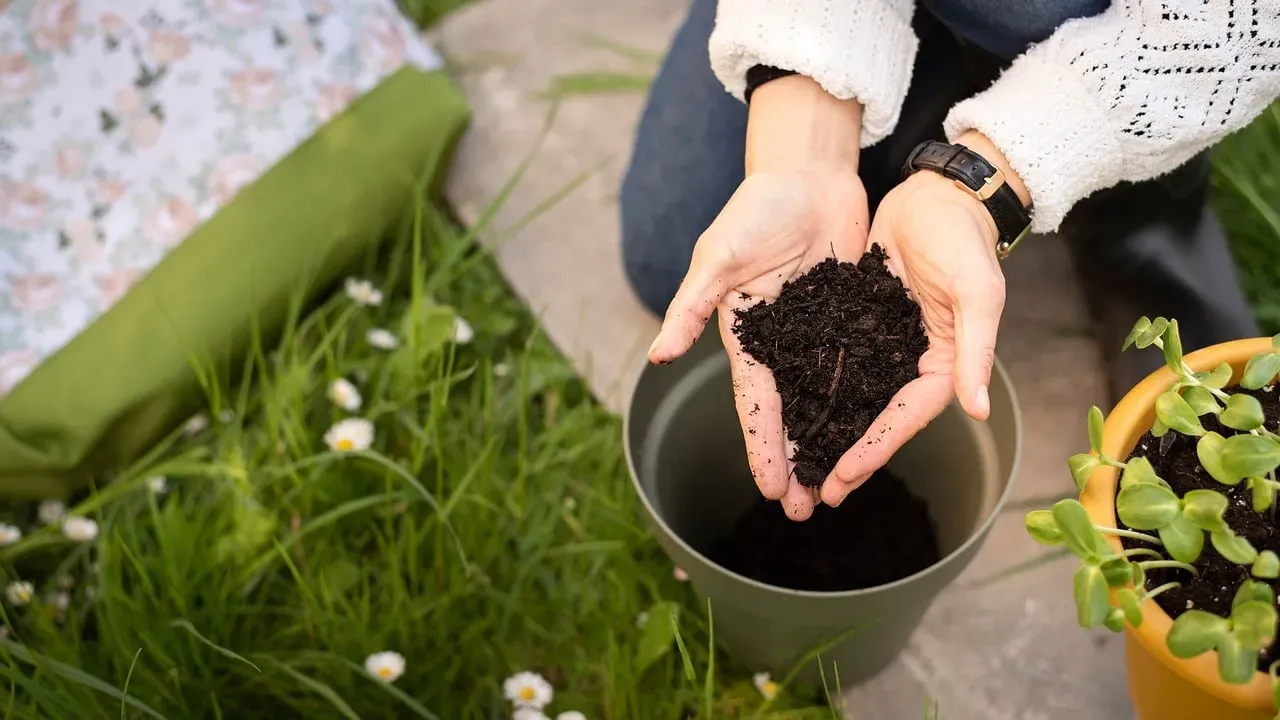
Poor soil quality also plays a major role. If the soil type doesn’t have enough nutrients your plant needs, it won’t thrive, which is why you can’t simply take dirt from outside and put it in a pot because the plant will live for a little bit but not long. Your houseplants deserve better than backyard dirt.
Creating the Perfect Environment for Longevity
Here’s where things get interesting. The truth is houseplants don’t die of old age but die due to neglect, incorrect care, or unsuitable environments. This means you have way more control over their lifespan than you might think. Creating the right conditions is like setting up a comfortable home where they can flourish for years.
Start with proper lighting. Most house plants don’t require a lot but they do require sunlight, and even the best low-light plants require sunlight between four to eight hours of natural light. Pay attention to where your windows face and how much light actually enters your space throughout the day. South-facing windows get the most intense light, while north-facing ones provide gentler illumination.
Temperature matters too, even though we don’t think about it much. Temperature goes hand-in-hand with the right lighting of your plants, so observe how your plants are doing in different spots and select a spot that has enough light or shade but isn’t too hot or cold, especially because south-facing windows can get really hot and burn the leaves.
Buy a bag of potting soil instead of using backyard dirt, as these mixes often contain extra nutrients or fertilizers that will help your houseplant stay strong and healthy. Quality soil provides both the nutrients and drainage your plants need to develop strong root systems.
Essential Care Practices That Extend Plant Life
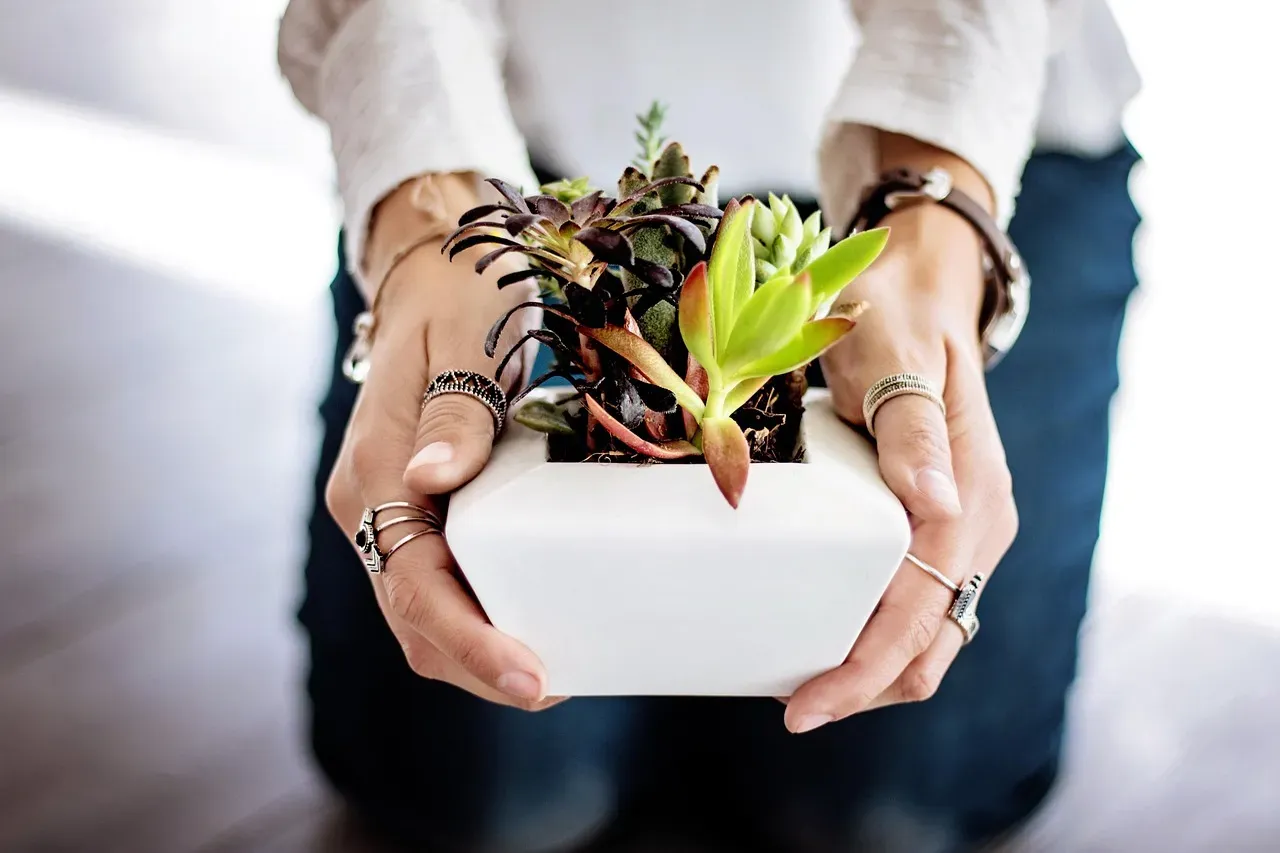
Water management is an art form, honestly. Don’t count days between watering but feel your soil every couple of days, and if the soil is dry then you can water it. Different plants and different seasons mean different watering schedules. What worked in summer might drown your plant in winter.
When you water every single time make sure your soil is saturated, let it sit in the excess water in the tray for about a day, and if after a day it hasn’t absorbed what’s in the tray dump what’s left. This mimics natural rainfall patterns and ensures deep root hydration.
Repotting is another crucial practice that people often overlook. Repotting plants as needed is another way to increase life expectancy, as roots push forth and take up space in a planter and your plant will need to be moved up a planter size to continue growing, with waiting too long causing stunted growth and yellowing leaves.
Fertilizing gives your plants the nutrients they need to keep producing new growth. Fertilizing your houseplants will help their growth and lifespan but be sure to pay attention to the instructions on the bottle. During winter months when growth slows down, hold back on feeding.
Champions of Longevity: Plants That Last Decades
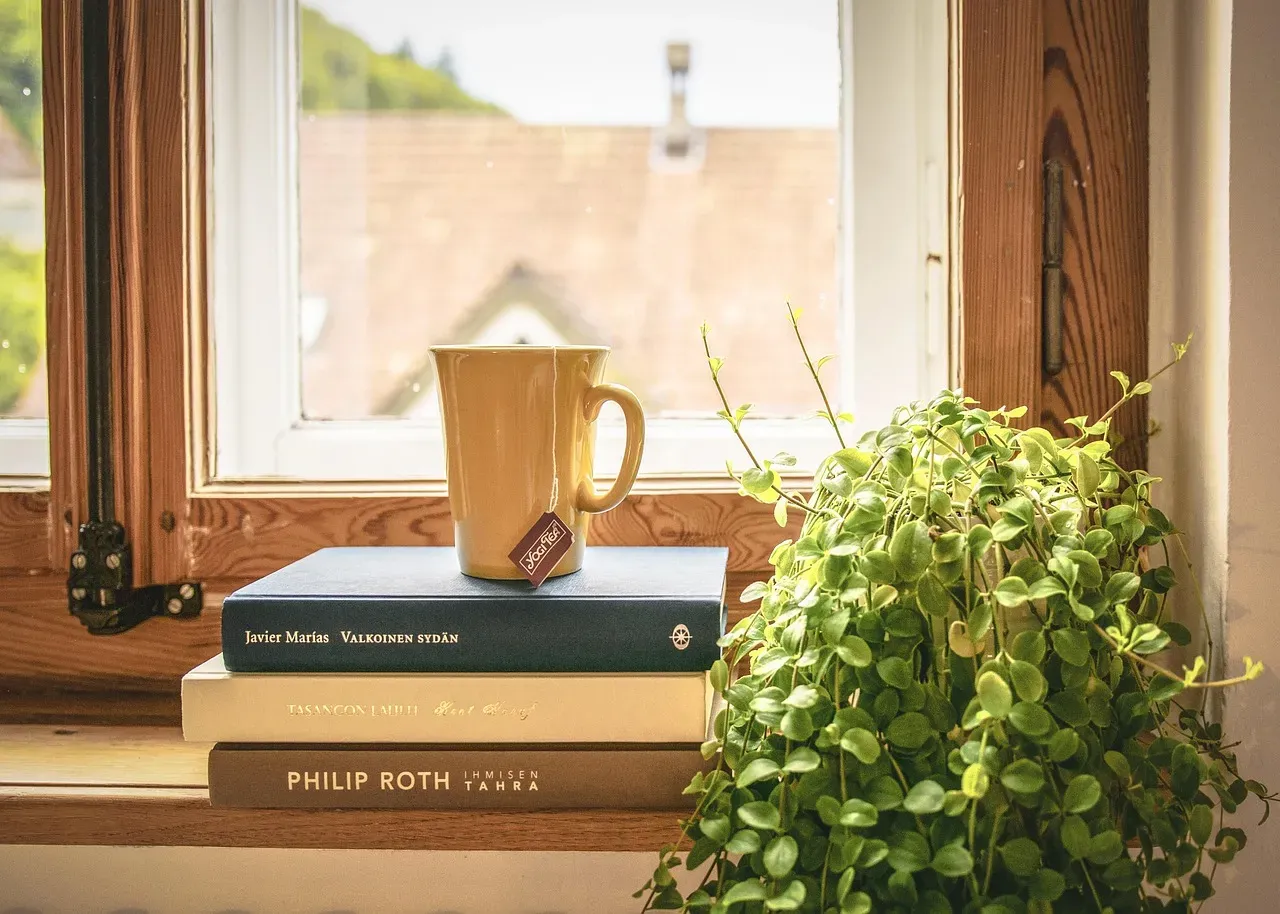
Some plants are just built different. Some spider plants can live upwards of twenty years if well taken care of, making them perfect for people who want a long-term relationship with their greenery. They’re also super forgiving, which is great for building confidence.
Jade plants are slow growing succulents native to Mozambique and South Africa that symbolize good luck and can easily reach the ripe old age of one hundred years. Imagine passing down a jade plant through generations of your family. That’s the kind of legacy we’re talking about.
Snake plants are some of the most popular houseplants that adapt to a wide range of environments and tolerate some neglect, thriving for up to twenty-five years in some cases. They’re basically the reliable friend of the plant world who sticks around through thick and thin.
Pothos is a resilient plant that can live up to ten years indoors with the right care. Plus, it’s ridiculously easy to propagate, so you can create new plants from your original and essentially keep it going forever. Scheffleras grow quite tall and can live up to twenty-five years indoors.
Conclusion: Your Plants Can Outlive Your Expectations
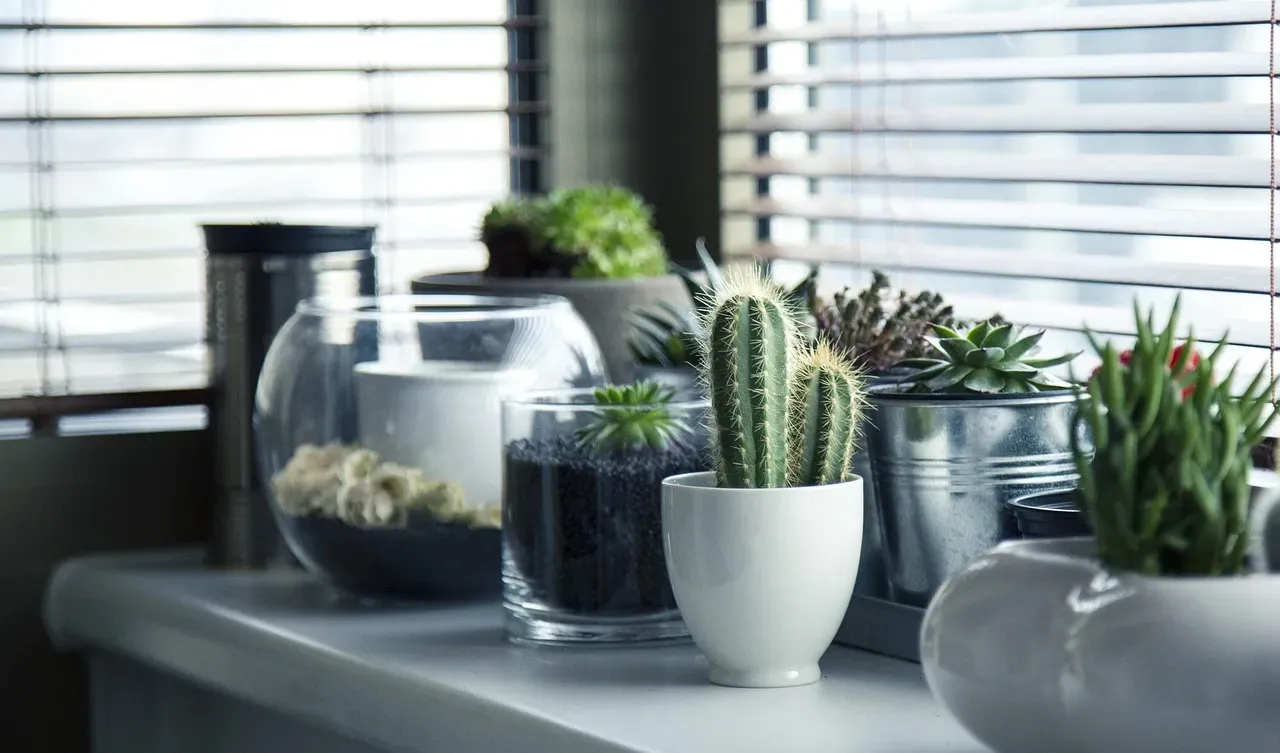
The reality is that most houseplants have way more potential than we give them credit for. Most plants can live for decades with proper care, and when a plant is taken care of properly and receives adequate sunlight that life expectancy can jump from months to decades. Your plants aren’t fragile temporary decorations. They’re living things capable of incredible longevity when given what they need.
Keeping a plant living a long and happy life boils down to understanding your plant and its individual care needs, including correct lighting and placement, proper watering techniques, and factors like fertilizing, repotting and pruning while understanding how a plant grows in its natural environment and replicating that indoors. It’s about creating a sustainable care routine that works for both you and your plants.
The journey of keeping houseplants alive for years is about learning, adjusting, and paying attention. Every plant will teach you something if you’re willing to listen to what it’s telling you through its leaves, stems, and growth patterns. Start with one or two resilient species, master their care, and watch as they transform your space for years to come. Have you checked on your plants today?
Worried about unexpected vet bills?
Pet insurance can cover thousands in unexpected vet costs. Get a free quote from Lemonade in under 2 minutes.
Get My Free Quote →Sponsored · Opens Lemonade.com

- How Muskrat Behavior Can Indicate Climate Change in The Carolinas - June 6, 2026
- What Ancient Animal Symbolizes Prosperity for Your Zodiac Sign? - June 6, 2026
- The US States With the Most Elk - June 6, 2026