
Picture yourself sinking into your favorite chair with a warm cup of tea, looking for that perfect feline companion to share your golden years. You imagine peaceful afternoons and gentle purring. That sounds lovely, right? Well, here’s the thing most people don’t tell you: some cat breeds are the exact opposite of low maintenance.
Let’s be real. Some cats need constant grooming, others demand attention like toddlers, and a few have energy levels that would exhaust a marathon runner. If you’re a senior looking for a calm, easy companion, certain breeds might actually add stress rather than joy to your life. So before you fall in love with those big blue eyes at the shelter or breeder, you need to know which cats might be more work than you bargained for.
Persian Cats: Beautiful But High Grooming Demands
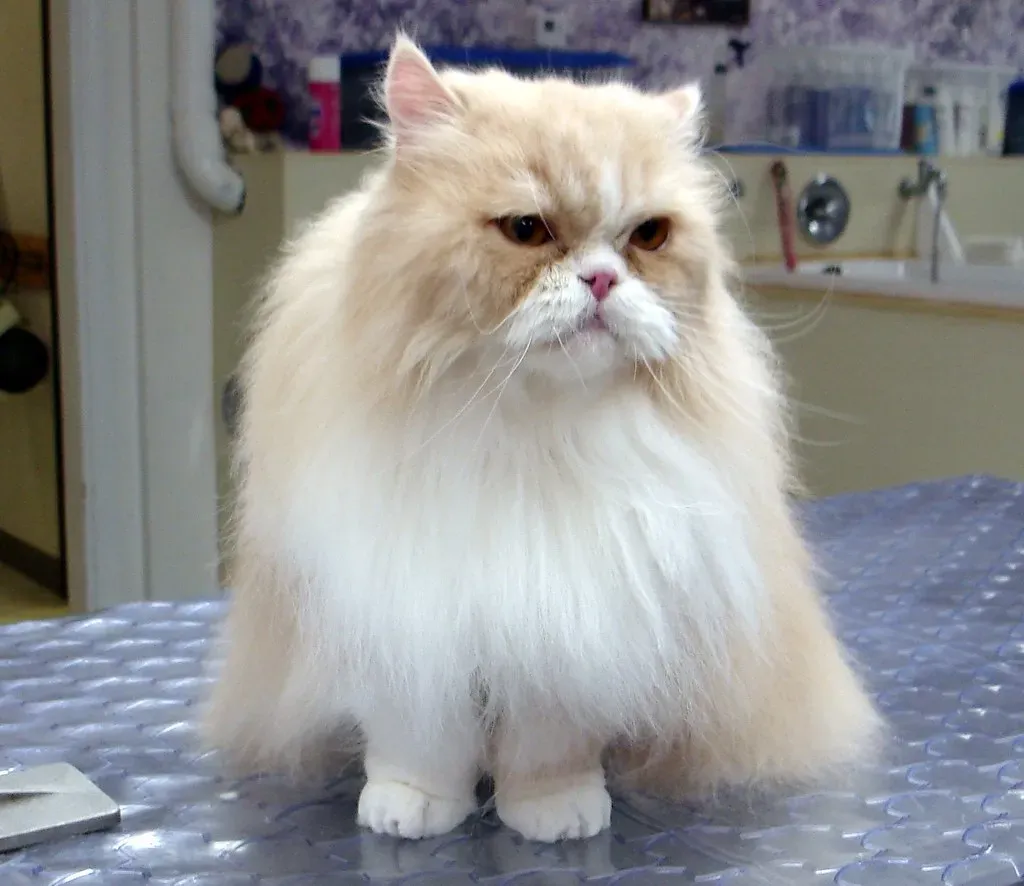
Persian cats are exceptionally quiet and affectionate, thriving in calm environments, but their long manes require extra attention to stay beautiful, which can be a barrier for some seniors. That gorgeous, flowing coat everyone admires? It comes with a price.
These cats require frequent grooming and maintenance because of their long coats. We’re talking daily brushing sessions to prevent painful matting and tangling. Miss a few days and you’ll find yourself dealing with knots that might require professional grooming or even shaving. For seniors with arthritis or limited mobility, holding a brush steady for half an hour every single day becomes exhausting fast.
Persians require daily grooming as the short, dense undercoat and long, luscious top coat can easily mat, plus they’re heavy shedders. As a brachycephalic breed, they can be prone to breathing difficulties that need careful management, as well as misaligned teeth and eye conditions. Those adorable flat faces mean potential vet visits and medical concerns that weren’t part of your peaceful retirement plan.
Siamese Cats: Vocal and Attention Demanding
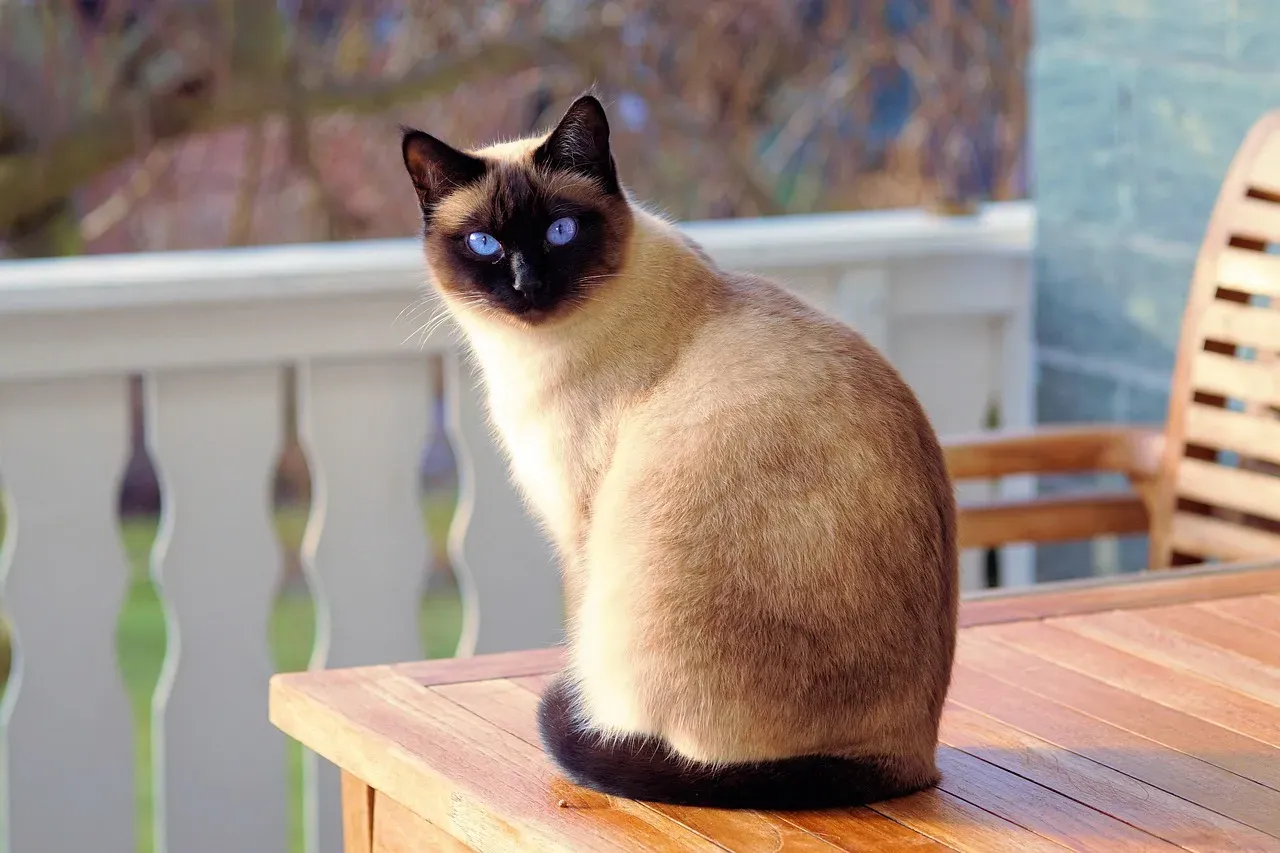
Now imagine this: you’re trying to enjoy your morning routine when your cat starts yelling at you. Not meowing. Yelling. Siamese cats are known to be very talkative, to the point of sometimes being obnoxious.
Siamese aren’t a good fit for families that are often away from home because they can be demanding in terms of attention. These cats don’t just want your company; they demand it. They’ll follow you from room to room, commenting on everything you do with their loud, raspy voices. Honestly, it’s like living with a chatty roommate who never learned about personal space.
Siamese cats may be very demanding and will do whatever it takes to get the attention they want. If you’re hoping for quiet afternoons reading or watching television without constant interruption, this breed probably isn’t your best match. They’re wonderful cats, sure, but they need someone with patience and energy to interact with them constantly.
Bengal Cats: Wild Energy and Destructive Potential
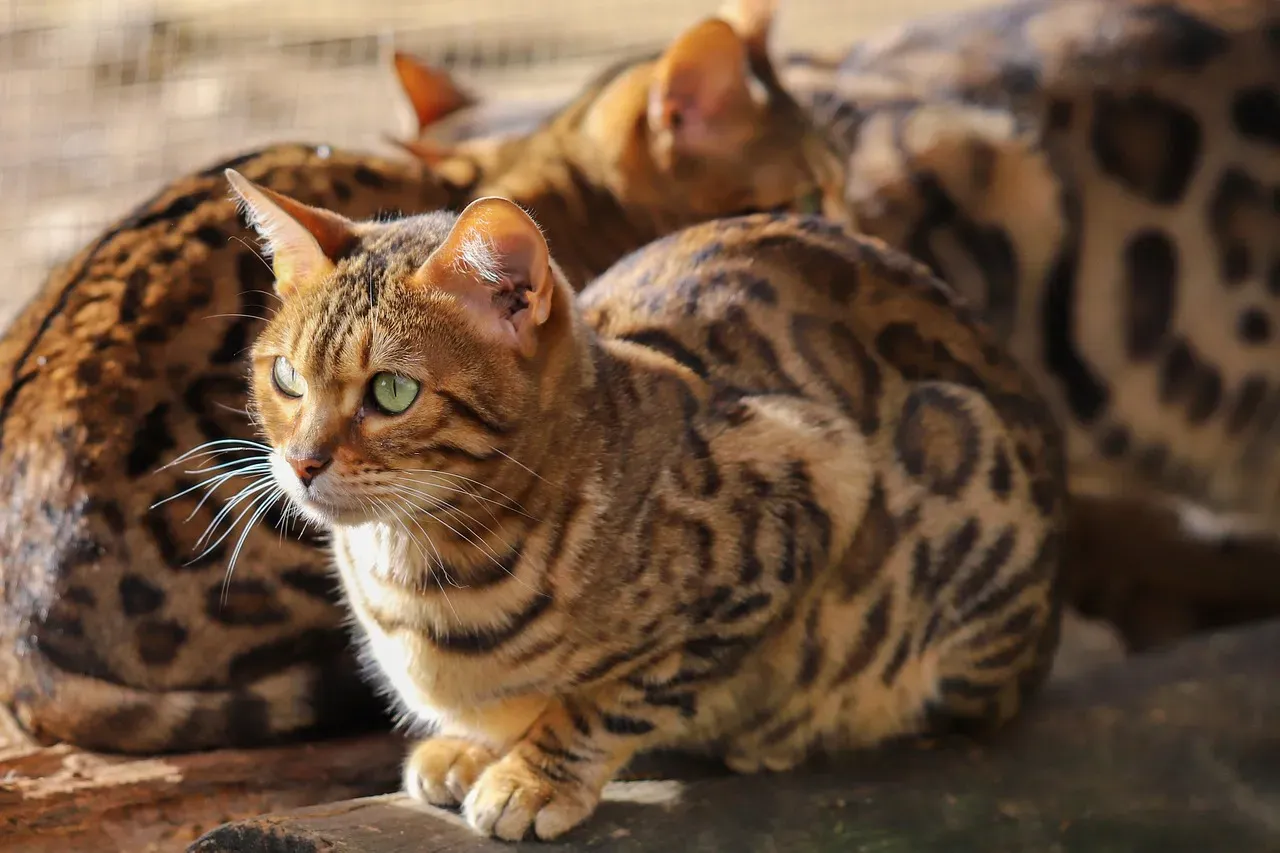
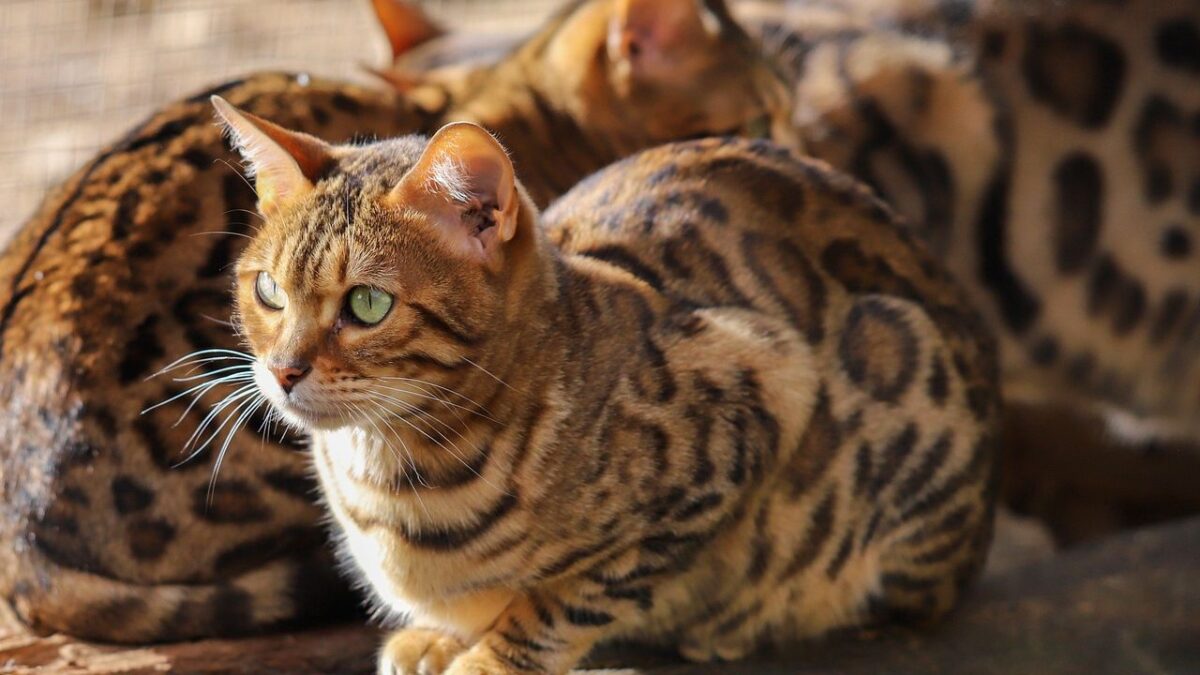
As one of the most adventurous and energetic cat breeds, Bengal cats are also highly intelligent. If they get bored, they’ll let you know by getting into cabinets and toilets, destroying tissues, and hiding things that belong to you. Think of a toddler with opposable thumbs and you’re getting close.
The Bengal is notoriously high maintenance, so you’ll need to put a lot of time into this cat to avoid aggressive behavior. These cats have wild ancestry that shows in their behavior. They need constant stimulation, interactive play sessions, and mental challenges throughout the day.
Let me put it this way: if you’re looking for a cat that lounges peacefully while you garden or knit, the Bengal will be climbing your curtains, opening your cupboards, and quite possibly learning how to turn on your kitchen faucet. Energetic and intelligent Bengals can be a handful for the unsuspecting pet parent, and some cities have regulations or full-on bans in place against them. That should tell you something right there.
Sphynx Cats: Special Care Beyond Just Grooming
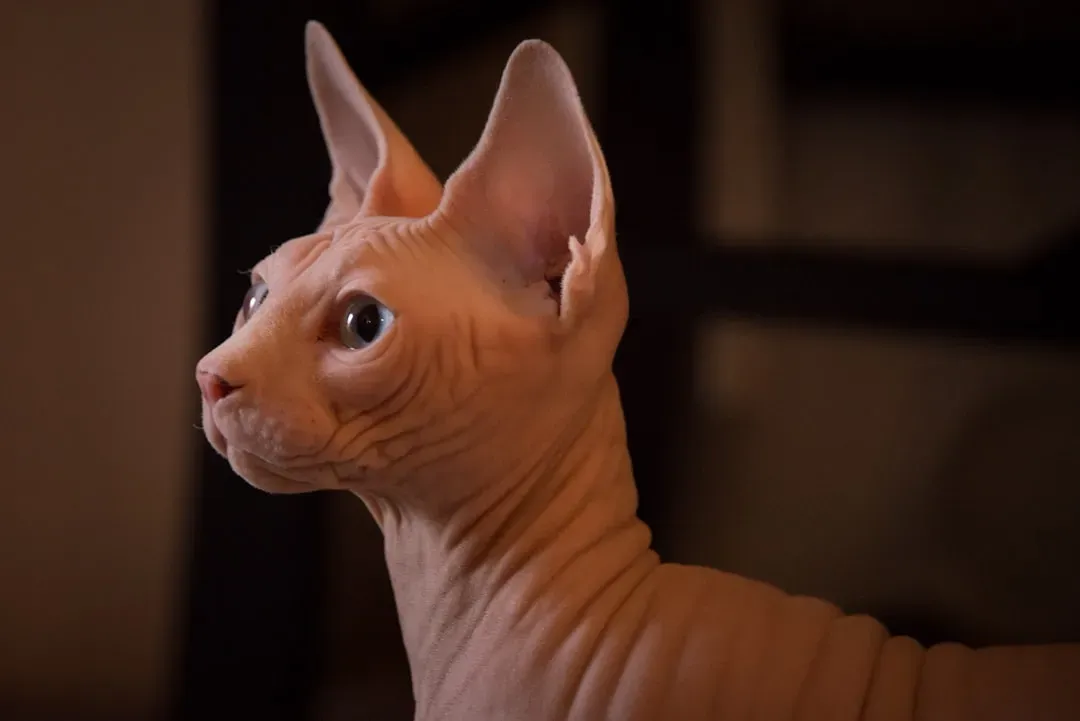
You might think a hairless cat means no grooming. You’d be wrong. Without fur, Sphynx cats need regular bathing to remove the buildup of oils on their skin, which can otherwise cause skin problems. So instead of brushing, you’re giving your cat weekly baths, which most cats absolutely hate.
They are more sensitive to temperature extremes due to their lack of fur. Owners must ensure they are kept warm in cold weather and protected from sunburn in the summer. Imagine constantly monitoring your home temperature and buying tiny sweaters for your cat. They have a higher metabolism and may require more food than other cats to maintain their energy levels.
Here’s what really gets me: Sphynx cats are very social and demand a lot of attention and interaction from their pet parents. The Sphynx cat always wants to be the center of attention. If they’re not getting the attention they desire, the Sphynx will act out to get what they want. It’s like having a high-maintenance teenager who also needs regular baths and climate control.
Siberian Cats: Active Climbers Needing Regular Play
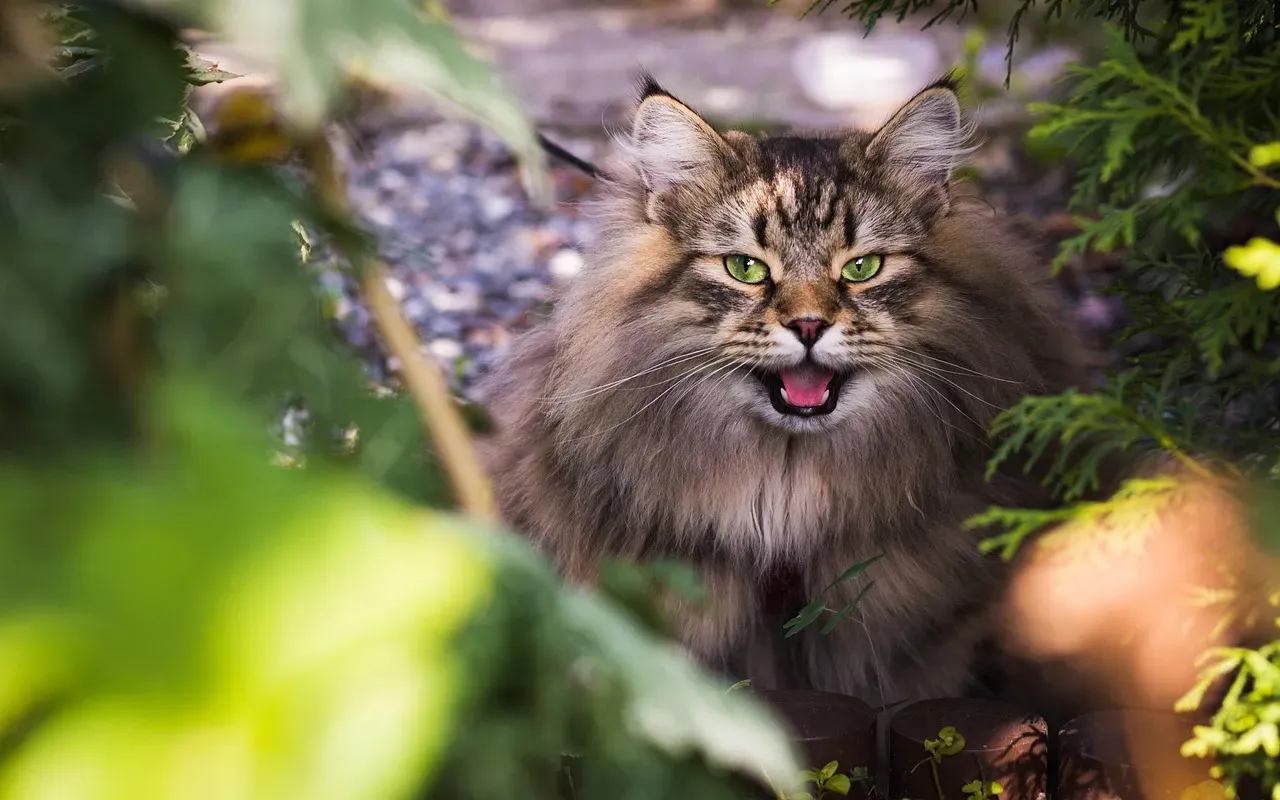
Siberians are a clever breed that love to climb, jump, and explore their environment. Because of their need for physical activity, they are better suited to seniors that can easily move around and play with their cats regularly. Notice the key phrase there: regular play.
These aren’t couch potatoes. Despite their beautiful, fluffy appearance that might suggest a lazy lap cat, Siberians stay active well into their adult years. They need climbing structures, interactive toys, and someone who can keep up with their exercise needs. For seniors with mobility challenges or those recovering from surgery, keeping a Siberian entertained becomes a real chore.
Sure, they’re gorgeous cats with surprisingly lower allergen levels than many breeds. The problem is that beauty and hypoallergenic qualities don’t mean low maintenance. They need engagement, and if you can’t provide regular playtime and physical activity, you’ll end up with a bored, potentially destructive cat.
Ragdoll Cats: Large Size and Grooming Requirements
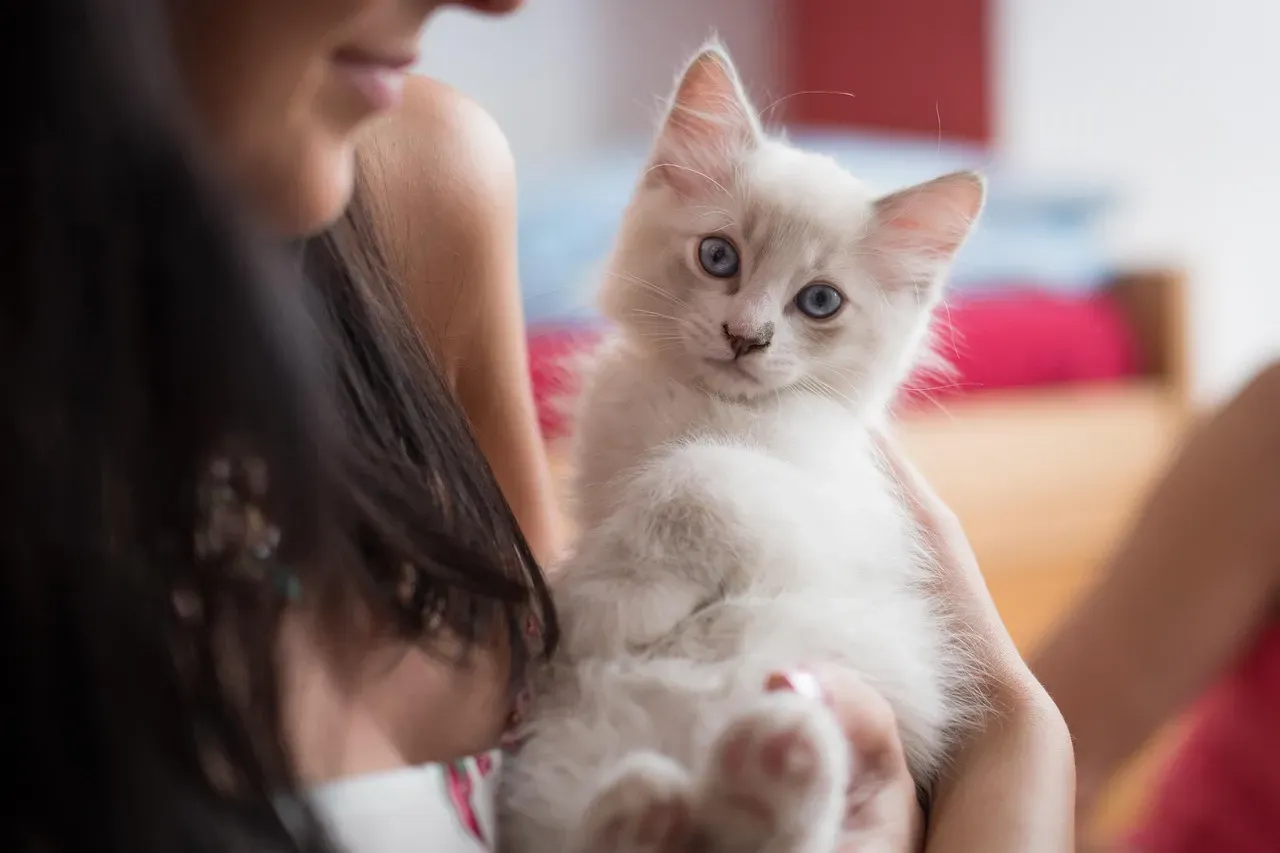
The Ragdoll is known for its silky-smooth coat and vibrant blue eyes. Like the Persian, their luxurious mane requires careful attention to maintain, so seniors should be prepared to put in the work if adopting one. That stunning coat doesn’t brush itself.
Ragdolls are one of the larger-sized cat breeds and may be difficult to carry for some adults. Picture this: your cat needs to go to the vet, but they weigh nearly as much as a toddler. Getting them into a carrier becomes a two-person job. For seniors living alone or those with back problems, managing a large breed cat creates physical challenges that weren’t part of the retirement dream.
Their temperament is lovely, I’ll give them that. Ragdolls are laid-back and loving and make great companions. The issue isn’t personality; it’s practicality. Between their size making them difficult to handle and their long coat needing regular maintenance to prevent matting, they’re just not the easiest choice for someone wanting simplicity and ease.
Conclusion
Choosing the wrong cat breed when you’re looking for low-maintenance companionship can turn your peaceful retirement into an exhausting routine of grooming sessions, play demands, and constant attention needs. The six breeds we’ve covered share common traits that make them challenging for seniors: high grooming requirements, demanding personalities, excessive energy levels, or special care needs that go beyond basic feeding and litter box maintenance.
It’s hard to say for sure what makes the perfect cat for every senior, but avoiding these high-maintenance breeds gives you better odds of finding that gentle, calm companion you’re actually looking for. There are plenty of wonderful, easier cat breeds out there waiting to share quiet afternoons without turning your life upside down. What matters most is honest assessment of your energy levels, physical abilities, and lifestyle before bringing any cat home. Did any of these breeds surprise you with their care demands? What would you look for in your ideal senior-friendly cat?
