

You’ve probably heard that cats have nine lives. But honestly, that’s just an old myth. In reality, your feline companion gets only one chance to purr, play, and curl up on your lap. The good news? There are proven, practical ways to help your cat stay healthy and happy for years beyond what you might expect.
Most indoor domestic cats live 12 to 15 years, though it’s becoming increasingly common for well-cared-for cats to reach 18 to 20 years. Some even push past that milestone with the right care. Let’s be real, watching your kitty grow old is bittersweet, yet knowing you gave them their best shot at a long life makes all the difference. So what are these surprising strategies that can genuinely add years to your cat’s life? Let’s dive in.
Keep Your Cat Indoors to Dramatically Boost Lifespan
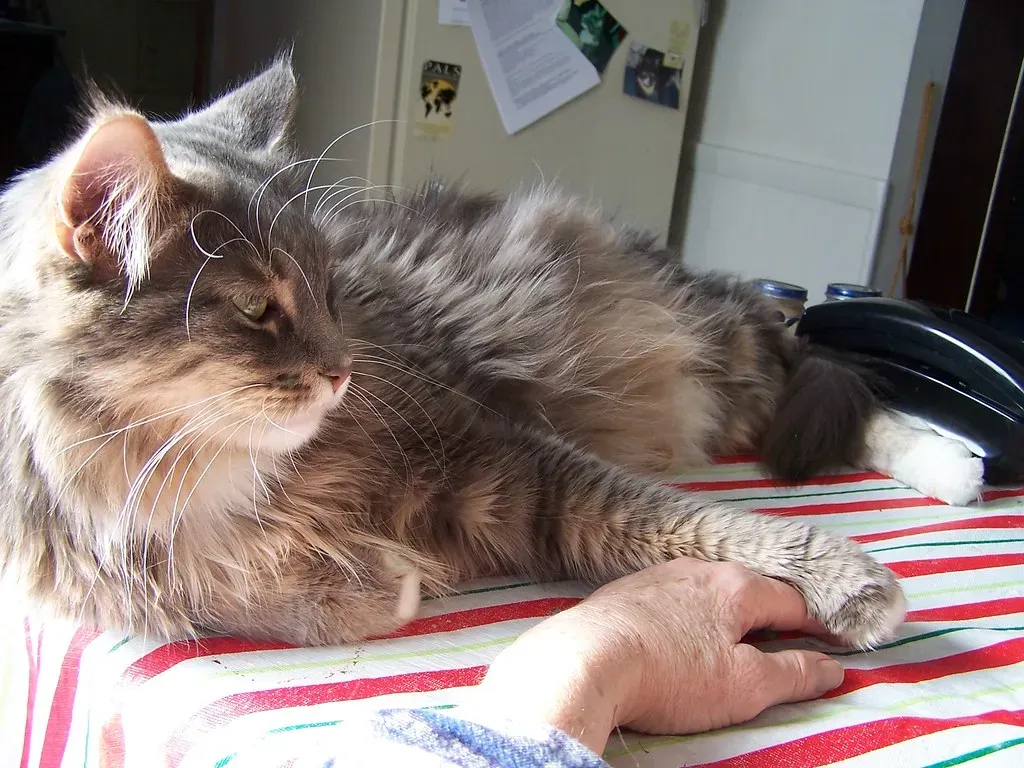
Here’s the thing: outdoor life is dangerous for cats, period. Outdoor cats live only 2 to 5 years on average compared to 15 to 20 years for indoor cats. That’s a massive gap. The outdoors might seem like an exciting playground, yet it’s filled with risks like cars, predators, diseases, and even cruel humans.
Indoor living shields your cat from most of these threats. Their longevity is attributed to a controlled environment that minimizes exposure to dangers such as diseases, predators, and accidents. I know some cats seem restless indoors, staring out windows like they’re plotting an escape. The solution isn’t letting them roam free. Instead, consider creating a safe outdoor space like a catio or taking your cat on supervised leash walks. Think of it as giving them a taste of adventure without the fatal consequences.
Spay or Neuter Your Cat for a Longer, Healthier Life

This one surprises people, yet the data is striking. For intact female cats older than 12 months, the median age of death was 4.7 years compared to 10.5 for spayed females. For intact males over the age of one year, the median age of death was 3.7 years compared to 9.8 for their neutered counterparts.
Why such a dramatic difference? Spaying and neutering reduces cancer risk, especially reproductive cancers. Part of the difference is attributable to the removal of sex organs, which reduces or eliminates the possibility of developing mammary gland, uterine, or testicular cancers. Plus, neutered males don’t roam as much searching for mates, which means fewer fights, fewer injuries, and less exposure to deadly situations. It’s hard to say for sure, but hormones can drive risky behavior in intact cats that shortened lives dramatically show us we shouldn’t ignore.
Maintain an Ideal Body Weight

Let’s talk about something uncomfortable: cat obesity. It’s easy to overfeed your fluffy friend, especially when they give you those pleading eyes. Obesity shortens lifespan by up to 2 years. That might not sound like much, yet for a cat expected to live 15 years, losing two years is roughly about one seventh of their entire life.
Carrying extra pounds puts stress on joints and organs, and can lead to diabetes, arthritis, and liver problems. Increasing bodyweight in adult cats was negatively associated with longevity. The fix? Feed measured portions rather than free feeding. Play with your cat daily to keep them active. Make mealtimes structured events, not all-day buffets. I think many people assume cats self-regulate their food intake like dogs might, but that’s not always the case.
Prioritize Dental Health
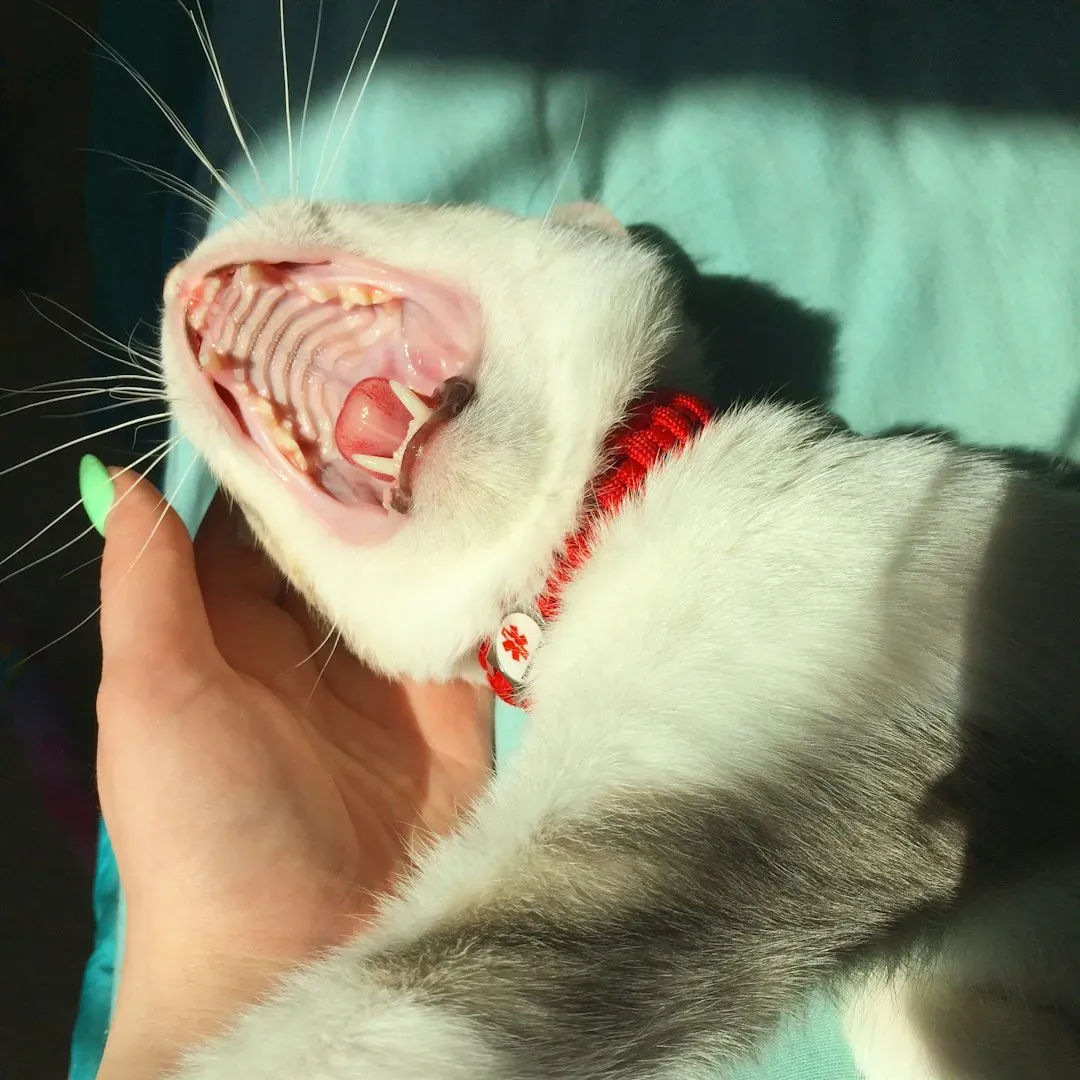
This one catches people off guard. Dental disease is a major hidden killer. Most cat owners don’t think about their pet’s teeth until something goes seriously wrong. Yet dental disease doesn’t just cause bad breath. It creates pain that affects eating, and bacteria from infected gums can spread to vital organs like the heart and kidneys.
Brush their teeth weekly. Yes, it sounds absurd to brush a cat’s teeth, yet it’s genuinely one of the simplest preventive measures you can take. Start slowly when they’re young if possible. Use cat-specific toothpaste, never human toothpaste. Regular dental checkups and cleanings at your vet matter too. Think of it as an investment in years, not just dental health.
Schedule Annual Veterinary Checkups

Cats are masters at hiding illness. They’re excellent at hiding when they’re sick or in pain. By the time symptoms become obvious to you, the disease might be advanced. This is where regular vet visits become literal lifesavers.
Regular wellness exams and routine lab tests can help veterinarians find and treat many life-threatening health conditions before they become a problem. Early detection of kidney disease, hyperthyroidism, diabetes, or cancer can mean years of quality life versus a sudden decline. Early detection saves lives. Honestly, I know vet bills can be stressful, yet catching something early is almost always cheaper and more effective than treating advanced disease. Plus, building a relationship with a vet who knows your cat’s baseline health makes future care smoother.
Optimize Nutrition with Targeted Nutrients

What your cat eats matters more than most people realize. Nutrition can play a key role in extending the healthy life of cats. A 9-year study showed that a nutrient blend, with antioxidants, essential fatty acids and a prebiotic can extend the healthy lives of cats. We’re not talking about expensive gimmicks here. Science backs this up.
Purina’s blend of nutrients was scientifically proven to increase life span by an average of one year. Cats need high-quality protein since they’re obligate carnivores. Look for foods rich in meat, not fillers like corn or soy. As cats age, their nutritional needs shift too. Senior cats might need easier-to-digest foods or formulas supporting kidney and joint health. Water intake is crucial as well, since many cats don’t drink enough. Consider wet food or a water fountain to keep them hydrated and protect kidney function.
Conclusion

Extending your cat’s life doesn’t require magic or expensive treatments. It comes down to thoughtful, consistent care in areas we sometimes overlook. Keeping them indoors, spaying or neutering, maintaining healthy weight, caring for their teeth, scheduling regular vet visits, and feeding them quality nutrition are all within your control. These aren’t just tips. They’re evidence-based strategies that can add years to your cat’s life and life to their years.
Watching your cat age gracefully, still playful and comfortable in their senior years, is one of the most rewarding experiences of pet ownership. Did you ever think brushing a cat’s teeth could add time to their life? What do you think about these strategies? Share your thoughts in the comments.
