
There’s something deeply reassuring about knowing that, tucked away across America’s vast landscapes, pockets of wilderness exist where nature still calls the shots. These aren’t your typical tourist traps plastered with gift shops and selfie stations. These are wild places where conservation isn’t just a buzzword, it’s a daily commitment.
Think about it for a second. We’re living in 2026, an era where urbanization seems unstoppable, where every patch of green risks becoming someone’s next development project. Yet scattered from Alaska’s frozen tundra to Georgia’s steaming swamps, wildlife refuges stand as bulwarks against habitat loss, species extinction, and environmental degradation. Some of these protected lands are witnessing remarkable comebacks, stories of species pulled from the edge of oblivion, ecosystems slowly healing from decades of damage.
Let’s be real, these success stories didn’t happen by accident. They’re the result of decades of scientific research, community partnerships, and stubborn dedication from people who believe wildlife has as much right to exist as we do. So let’s dive into six refuges where conservation isn’t just surviving, it’s absolutely thriving.
Okefenokee National Wildlife Refuge: Georgia’s Swamp of Endless Mysteries
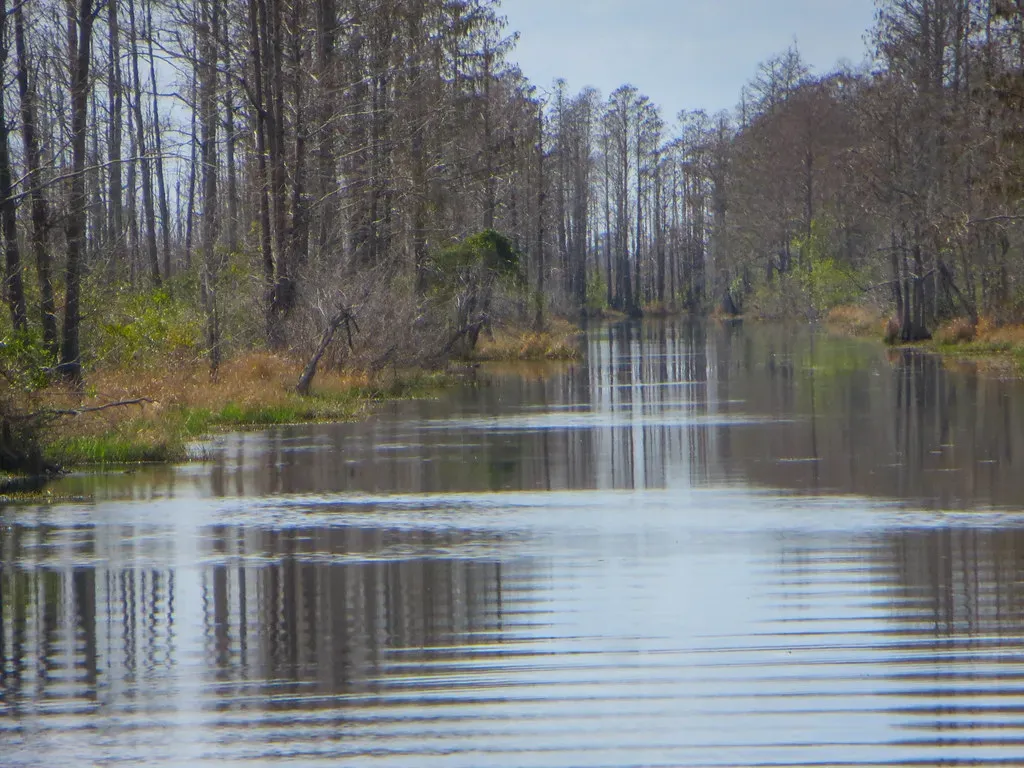
Picture a place where the ground literally trembles beneath your feet. The name “Okefenokee”, often translated as “land of trembling earth”, perfectly captures the otherworldly essence of this massive wetland sprawling across southeastern Georgia. The refuge is approximately 407,000 acres and is the largest National Wildlife Refuge east of the Mississippi River.
Here’s what makes Okefenokee so remarkable. It is one of the world’s largest naturally driven freshwater ecosystems in the temperate zone with a diversity of habitat types, including 21 vegetative types. Walking through this ancient swamp feels like stepping back thousands of years. Roughly 15,000 American alligators ply the swamp’s placid waters. Wood storks soar overhead while sandhill cranes announce their presence with distinctive calls echoing through cypress forests.
The conservation achievements here are genuinely impressive. The refuge is a Wetland of International Importance (RAMSAR Convention – 1971) because it is one of the world’s largest intact freshwater ecosystems. Even better, the refuge was nominated to join the UNESCO World Heritage List in December 2024, recognized for its unparalleled beauty and ecological significance. That’s not just local bragging rights, that’s global recognition.
I honestly can’t overstate how special this place is. The Refuge’s undisturbed peat beds store valuable information on environmental conditions over the past 5,000 years and are a significant source of information related to global changes. Think about that, beneath the murky waters lies a natural time capsule, recording climate patterns and environmental shifts spanning millennia.
The refuge recently dodged a serious bullet too. In 2025, The Conservation Fund reached a historic deal to purchase 8,000 acres from a mining company, protecting the land from heavy mineral sand mining that threatened the swamp. That’s the kind of last-minute save that reminds you conservation requires constant vigilance.
Aransas National Wildlife Refuge: Whooping Crane Central on the Texas Coast
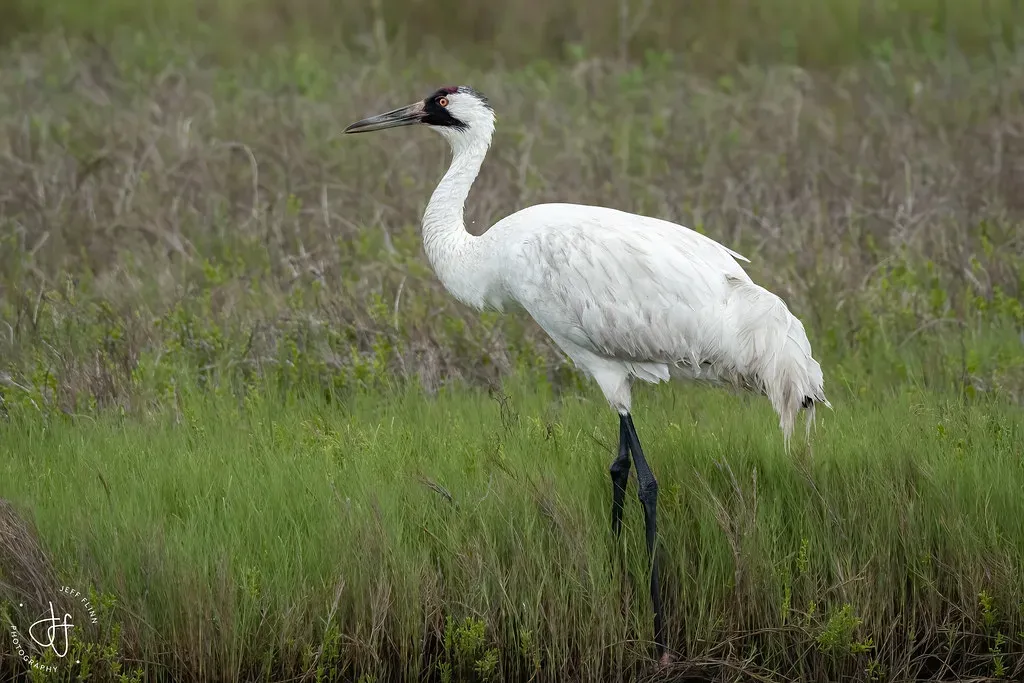
Aransas National Wildlife Refuge is best known as the wintering home of the last wild flock of endangered whooping cranes. These magnificent birds, standing about five feet tall with wingspans exceeding seven feet, represent one of North America’s most extraordinary conservation success stories. And honestly, the numbers speak for themselves.
The latest survey results indicated a record estimate of 557 whooping cranes wintering on and around Aransas National Wildlife Refuge for the 2024-2025 season, marking the first time the population has exceeded 550 individuals. Compare that to their darkest hour. All whooping cranes today are descended from only 14 adults remaining on the Texas coast in 1941.
Let’s pause on that for a moment. Fourteen birds. That’s fewer than the number of people at a small dinner party. From that impossibly small population, conservationists have guided whooping cranes back to viability through sheer determination and smart habitat management. Staff at Aransas used prescribed fire on approximately 9,000 acres to improve whooping crane foraging opportunities and overall prairie upland condition during recent seasons.
The refuge isn’t resting on its laurels, though. Land Protection Plans finalized in April 2024 authorized the expansion of Aransas by up to 95,000 acres to address climate threats. Sea level rise poses a genuine threat to coastal habitats, and refuge managers are thinking decades ahead, planning strategic acquisitions that will allow marshes to migrate inland as waters rise.
Each winter, whooping cranes migrate more than 2,400 miles from their Canadian breeding grounds to these Texas marshes. The refuge provides exactly what they need: shallow bays teeming with blue crabs, protected tidal flats, and enough space for these territorial birds to stake out their winter territories without conflict.
Arctic National Wildlife Refuge: Alaska’s Crown Jewel of Wilderness
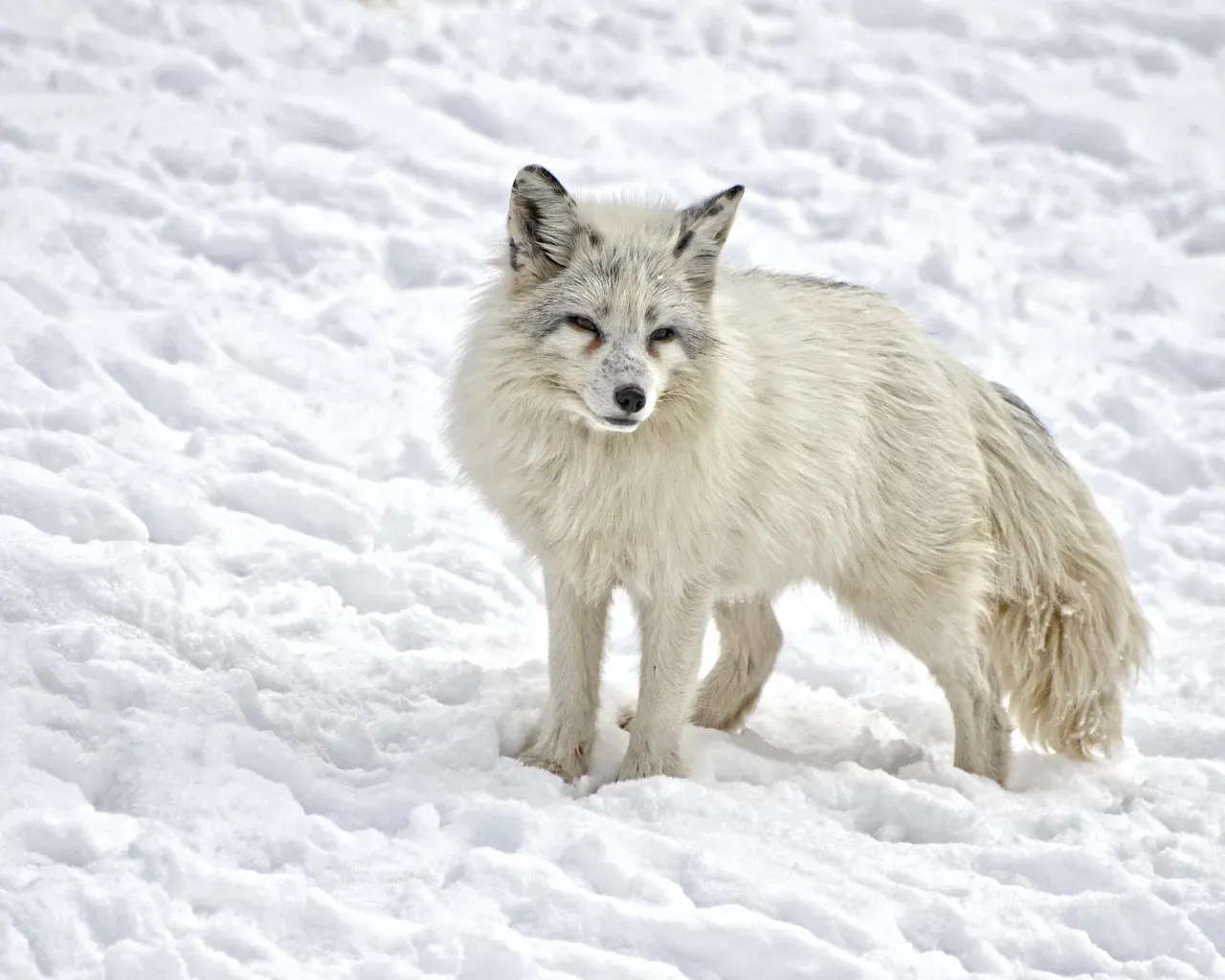
Now we’re talking serious wilderness. The refuge covers an area of 19,286,722 acres in the Alaska North Slope region, with a northern coastline and vast inland forest, taiga, and tundra regions. To put that in perspective, it’s roughly the size of South Carolina. There are no roads, established trails, or facilities of any type within the refuge’s 19 million acres.
This is one of the most biodiverse high-latitude ecosystems on the planet. ANWR is home to a diverse range of endemic mammal species; notably, it is one of the few North American locations with all three endemic American bears, the polar bear, grizzly bear, and American black bear, each of which resides predominantly in its own ecological niche. That’s something you won’t find just anywhere.
More than 200 species of birds from all 50 states and across the world flock to Arctic Refuge to nest, rear their young, and feed. Imagine that, a bird might spend winters in your backyard in Florida or California, then fly thousands of miles north to raise its chicks in the Arctic tundra. The refuge also protects critical calving grounds for the Porcupine caribou herd, one of the great wildlife spectacles remaining in North America.
Here’s the thing, though. Arctic biomes are some of the most fragile on Earth and are already warming four times faster than the rest of the planet. Conservation here means preserving not just individual species but entire ecological processes that have functioned unchanged for millennia. These lands, and the plants and animals that live here, evolved knowing only the light step of occasional nomadic hunters, and today, Refuge lands continue to support a subsistence way of life for local residents.
Pelican Island: Where the Refuge System Was Born
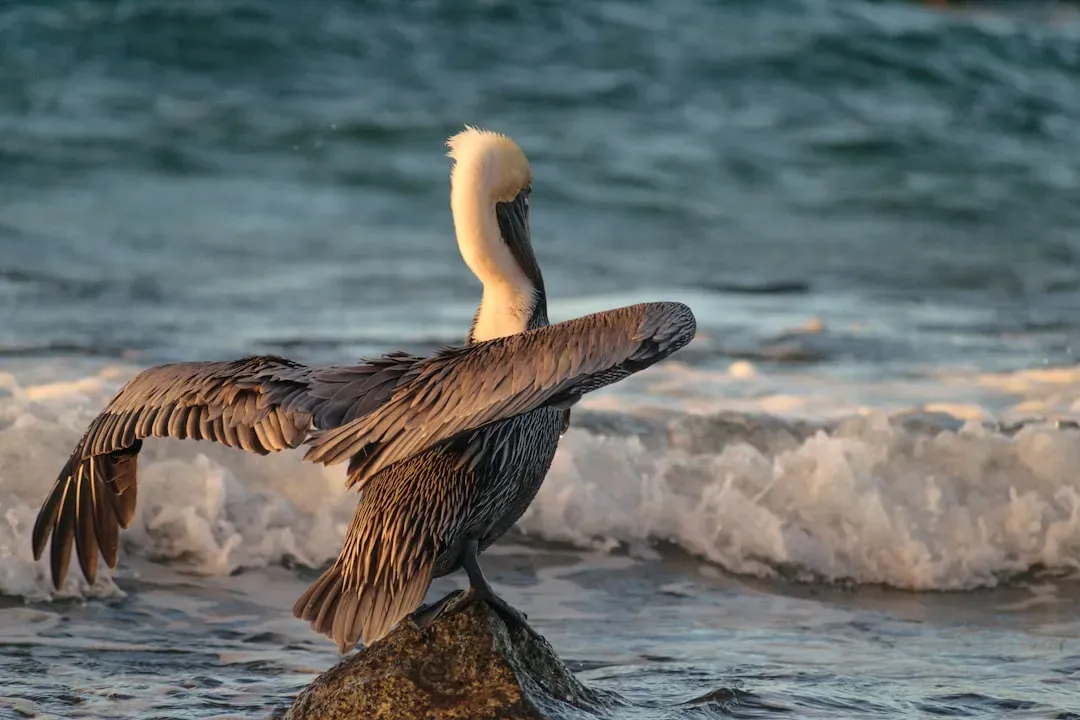
The 5400+ acres of land and water at Pelican Island National Wildlife Refuge represent the world’s first wildlife refuge, established on March 14, 1903 by President Theodore Roosevelt to protect birds that were nearly hunted to extinction. Sometimes you need to go back to where it all began to appreciate how far we’ve come.
This tiny island in Florida’s Indian River Lagoon might not look like much on a map, yet it sparked a conservation movement that would eventually grow into what we have today. The National Wildlife Refuge System spans more than 850 million acres of lands and waters, refuges provide safe havens for thousands of species, including many that are threatened or endangered. All of that started here, with Roosevelt’s determination to stop the slaughter of birds for their feathers.
The island continues its mission today, protecting nesting colonies of brown pelicans, herons, egrets, and other wading birds. It’s hard to say for sure, but I’d wager that without Roosevelt’s bold action at Pelican Island, we might not have the comprehensive refuge system that exists today. One small island, one presidential order, and suddenly there was precedent for setting aside lands specifically for wildlife.
Visiting Pelican Island today feels almost pilgrimage-like for conservation enthusiasts. You’re standing at ground zero of American wildlife protection, where the radical idea took hold that some places should exist purely for the benefit of non-human species. By 1909, Roosevelt had issued 51 Executive Orders establishing wildlife reservations in 17 states and three territories, responding to public concern about declining wildlife populations with legislation establishing multiple refuges.
Rocky Mountain Arsenal: From Military Site to Urban Wildlife Haven
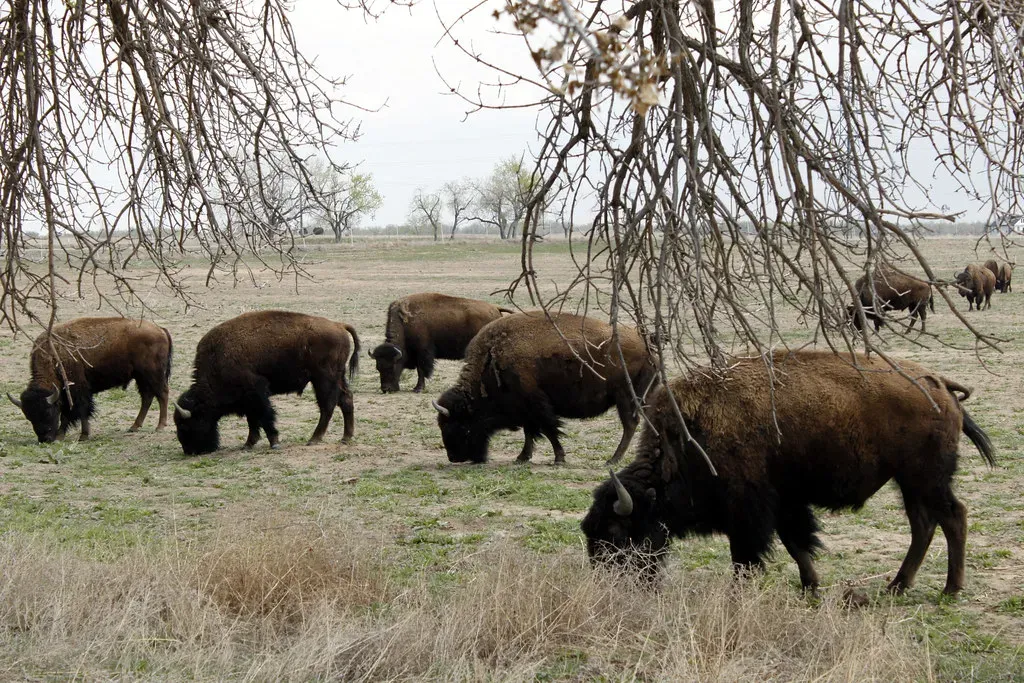
Today, bison roam freely in Rocky Mountain Arsenal National Wildlife Refuge, ignoring the Denver skyscrapers in the distance and the land’s former military use, joined by deer, coyotes, bald eagles and owls easily viewed along hiking trails. Talk about a redemption story. This refuge proves that damaged lands can heal, that wildlife will return when given the chance.
The transformation here is nothing short of remarkable. What was once a facility producing chemical weapons during World War II is now a thriving wildlife sanctuary right on Denver’s doorstep. It’s a true conservation success story. The refuge underwent extensive cleanup and restoration, turning contaminated industrial land back into functional habitat.
Here’s what I find most compelling about Rocky Mountain Arsenal. It demonstrates that conservation doesn’t always mean preserving pristine wilderness. Sometimes it means reclaiming broken landscapes, showing that ecological restoration is possible even in severely damaged areas. The presence of bison here, iconic animals that once roamed the Great Plains by the millions, symbolizes both loss and recovery, past mistakes and future possibilities.
Take the 11-mile Wildlife Drive and keep your eyes peeled for bison, mule and white-tailed deer, hawks, waterfowl and more, with the Denver cityscape looking like a dream in the company of golden-colored grasses in fall. Where else can you watch wild bison with a major metropolitan skyline as your backdrop? The refuge offers something increasingly rare, easy access to nature for urban residents who might not otherwise experience wildlife.
Hanalei National Wildlife Refuge: Island Conservation in Paradise
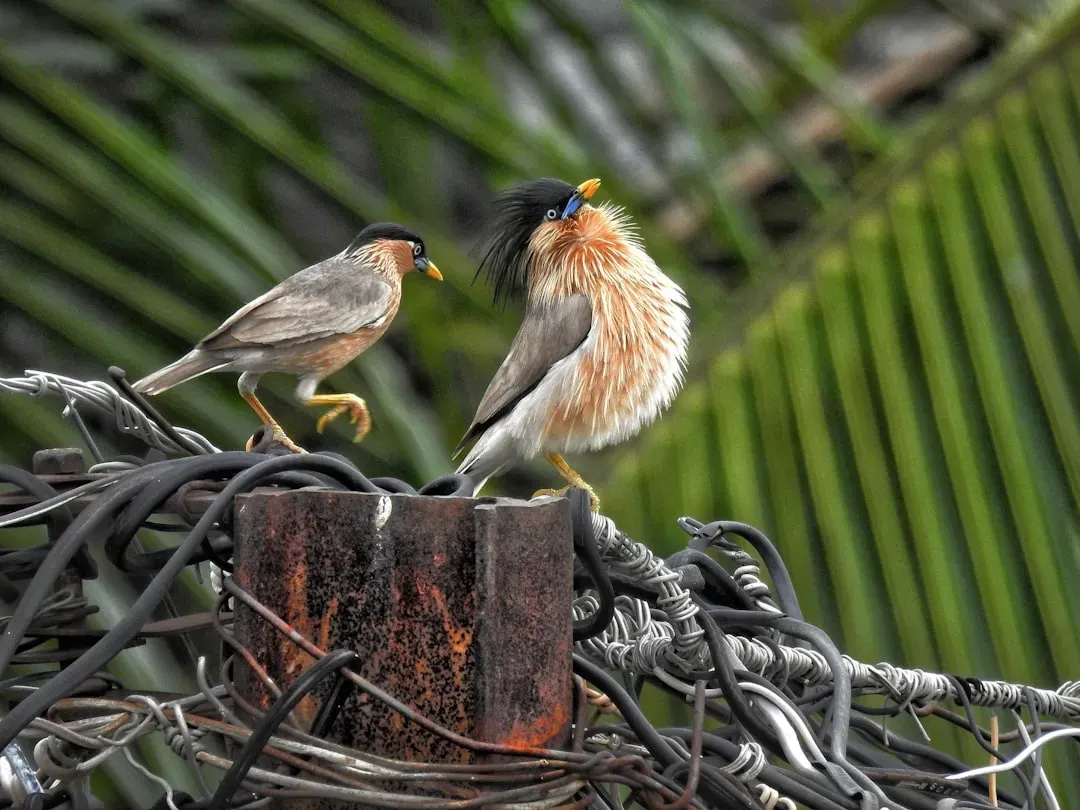
Conservation challenges look different on remote Pacific islands. At Hanalei National Wildlife Refuge, funding supports work to manage native Hawaiian water birds, species whose overall population numbers are on the decline. These aren’t species with large, resilient populations scattered across continents. These are birds found nowhere else on Earth, clinging to existence on a few Hawaiian islands.
Together, partners are advancing conservation through science-based management, stronger community partnerships, and continued dedication to balancing environmental protection, combining habitat restoration, species management, and infrastructure improvements to help ensure federally listed and protected seabirds and water birds can successfully breed and fledge in secure, predator-free environments. Island ecosystems face unique threats, particularly from invasive species that arrived with human colonization.
The refuge collaborates with military partners and local organizations, showing that conservation sometimes requires unexpected alliances. An $800,000 collaborative agreement between the U.S. Navy and Friends of Kauai Wildlife Refuge supports a multi-year project focused on expanding habitat for native seabirds and water birds while supporting aviation safety. When wildlife conservation and military operations find common ground, that’s the kind of creative problem-solving that moves conservation forward.
Managing refuges on islands requires constant vigilance against invasive predators like rats, cats, and mongooses that devastate ground-nesting birds. It means maintaining predator-proof fencing, conducting population monitoring, and restoring native plant communities that provide food and shelter. The work never stops, and the stakes couldn’t be higher for species that exist nowhere else.
Conclusion
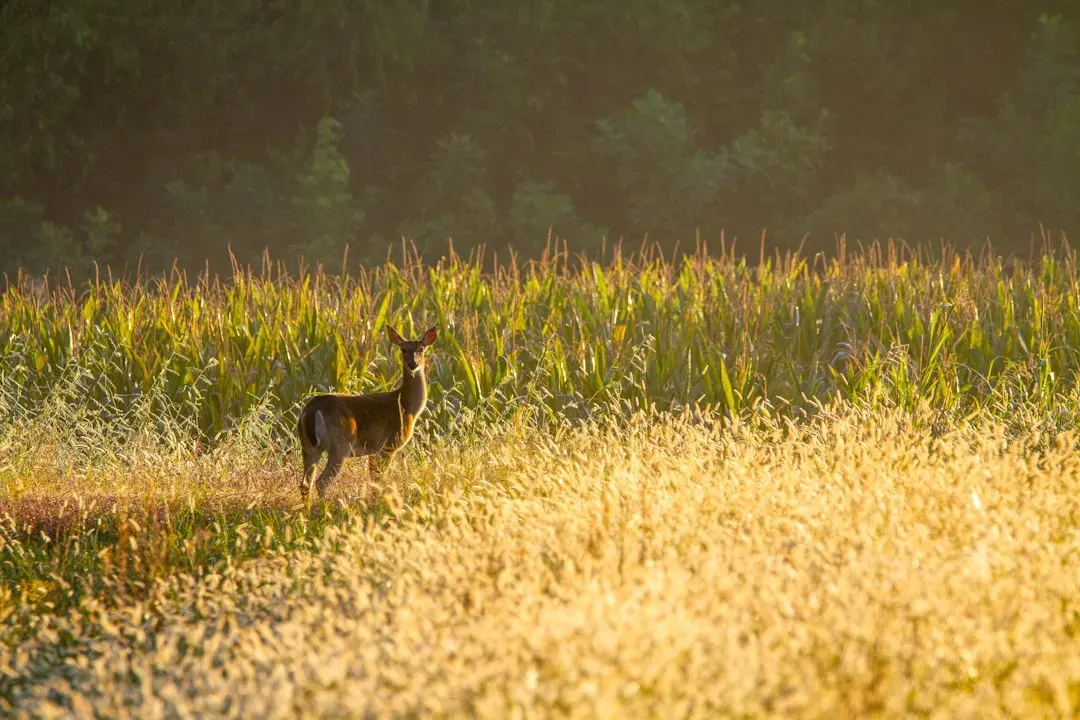
These six refuges represent just a fraction of the more than 570 units comprising America’s National Wildlife Refuge System. Each tells its own story of species saved, habitats protected, and ecosystems given space to function as they have for millennia. From frozen Arctic tundra to subtropical swamps, from reclaimed industrial sites to pristine islands, these refuges prove that conservation works when we commit to it.
The challenges ahead are real. Climate change, habitat fragmentation, invasive species, and funding shortages threaten even the best-protected areas. Yet these refuges demonstrate what’s possible when we decide that wildlife matters, that future generations deserve to inherit a world still populated by whooping cranes and polar bears, alligators and bison.
What strikes me most about these conservation success stories is their fragility. None of these victories are permanent. They require continued funding, ongoing management, and public support to survive political and economic pressures. Each refuge needs advocates willing to speak up when threats emerge, whether from mining operations, development proposals, or budget cuts.
So next time you’re planning a trip, consider skipping the crowded national parks for a day at a wildlife refuge. You might not find the same amenities, but you’ll encounter something increasingly rare: wild places where conservation isn’t just an afterthought but the entire purpose. Have you visited any wildlife refuges lately? What surprised you most?
