
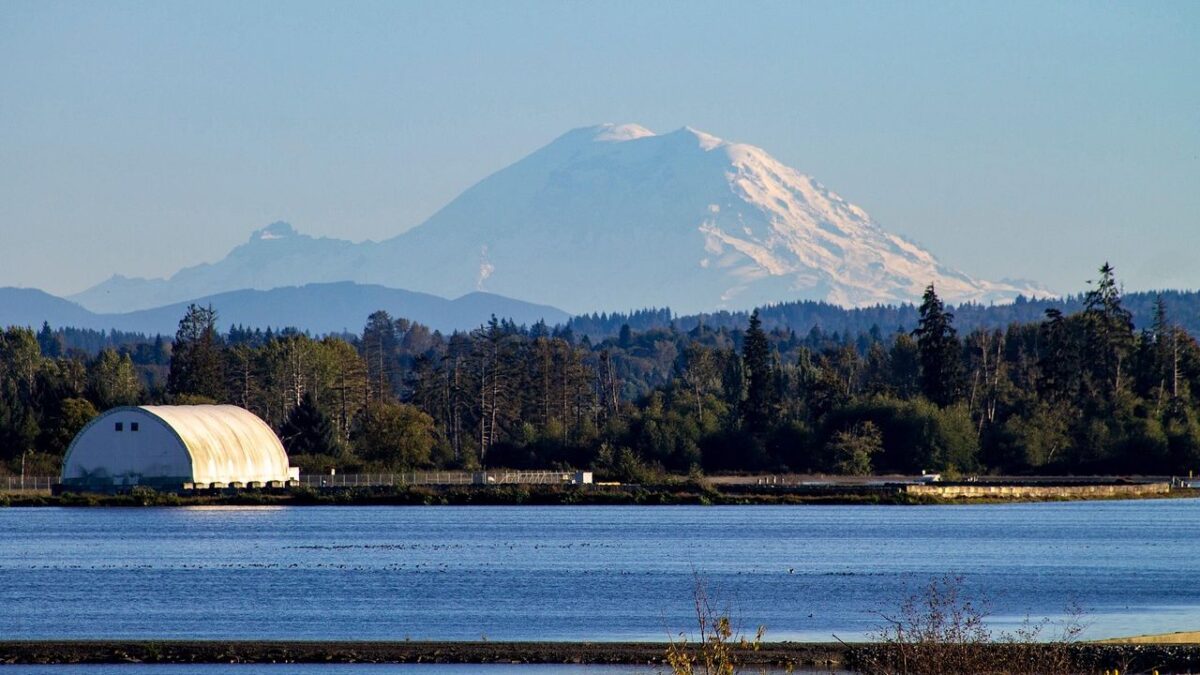
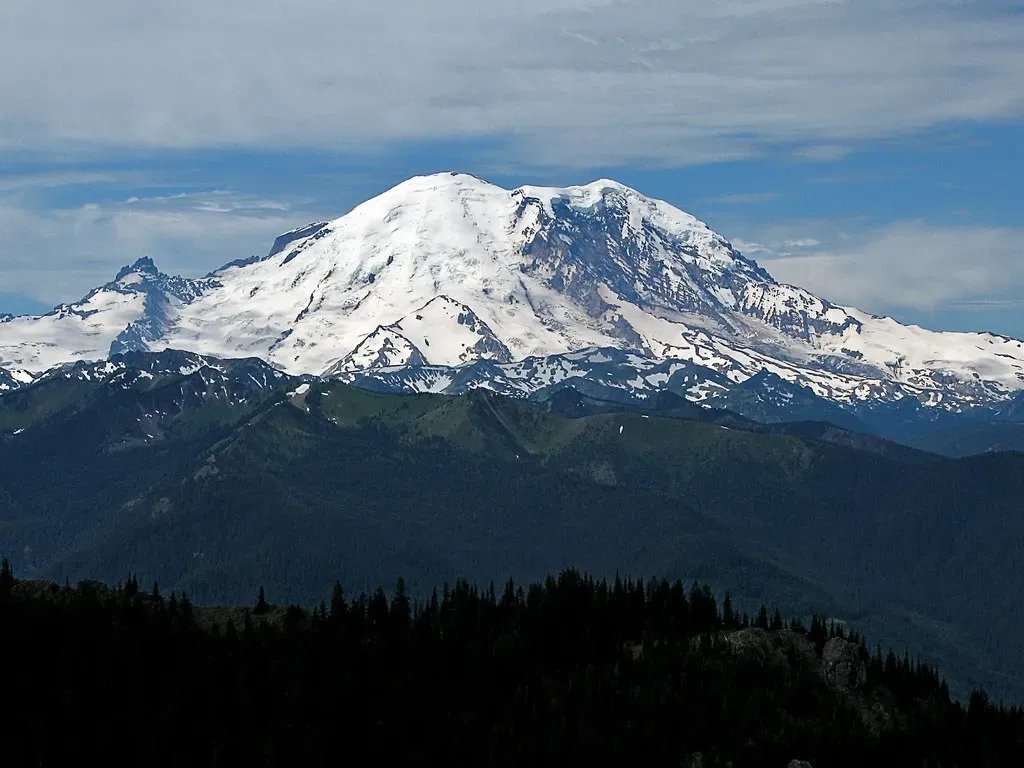
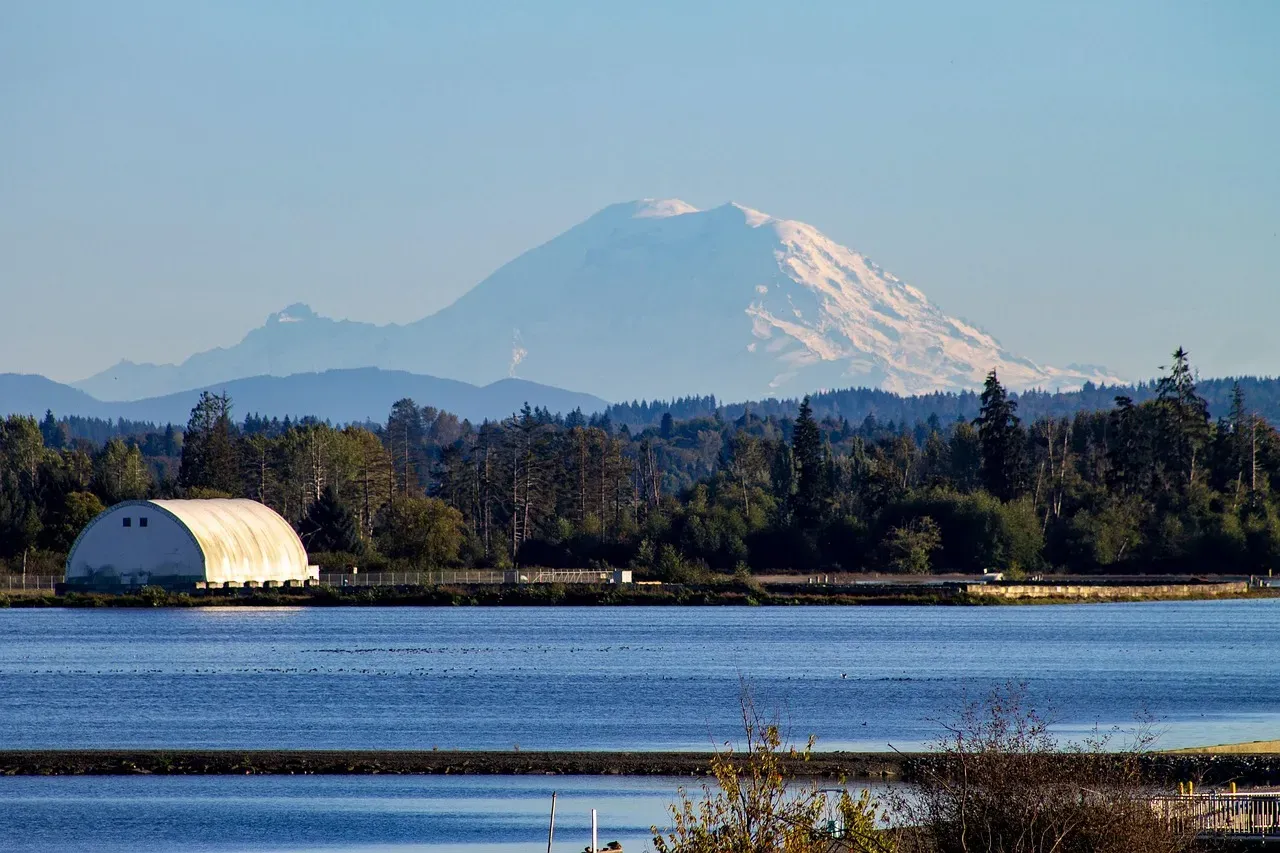
Picture the Pacific Northwest on any clear day. Mount Rainier dominates the horizon, its snowy peak standing as a beautiful, almost peaceful giant. People drive past it, hike its trails, admire it from coffee shops in Seattle. It’s easy to forget that beneath all that ice and rock sits something far more dangerous than most realize. Let’s be real, most of us never think about the possibility that this mountain could wake up. What would actually happen if Mount Rainier erupted tomorrow?
Here’s the thing, this isn’t some distant sci-fi scenario. We’re talking about a very real threat sitting barely an hour from millions of people.
The Sleeping Giant Above Seattle
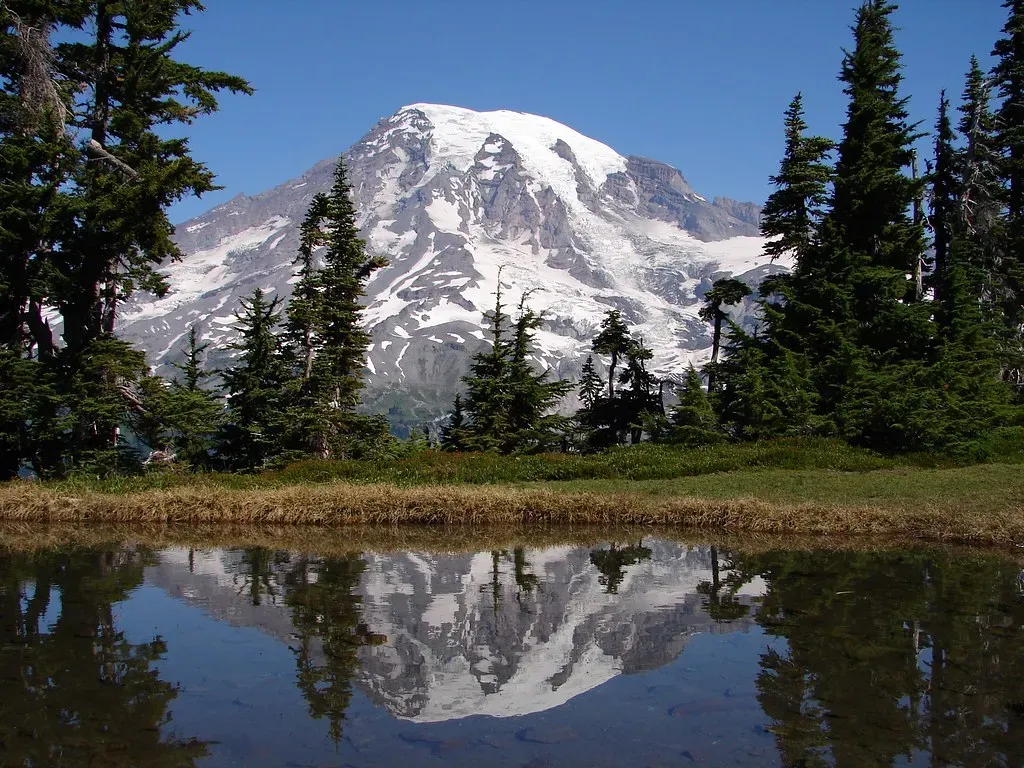
Mount Rainier towers nearly three miles above sea level, looming over the expanding suburbs of Seattle and Tacoma, and it’s potentially the most dangerous volcano in the Cascade Range. Mount Rainier ranks third on the USGS list of most dangerous U.S. volcanoes, behind Mount St. Helens and Hawaii’s Kilauea, due to its history of large, destructive eruptions and proximity to heavily populated areas. The mountain sits roughly 60 miles from Seattle, close enough that on clear days it completely dominates the skyline.
Mount Rainier has 25 major glaciers containing more than five times as much snow and ice as all the other Cascade volcanoes combined. That’s not just impressive, it’s terrifying. The most recent eruption with strong geologic evidence was about 1,000 years ago, meaning the volcano has been relatively quiet for a millennium. Still, scientists keep a watchful eye on it, knowing that its past behavior suggests it will erupt again.
Lahars: The Real Monster
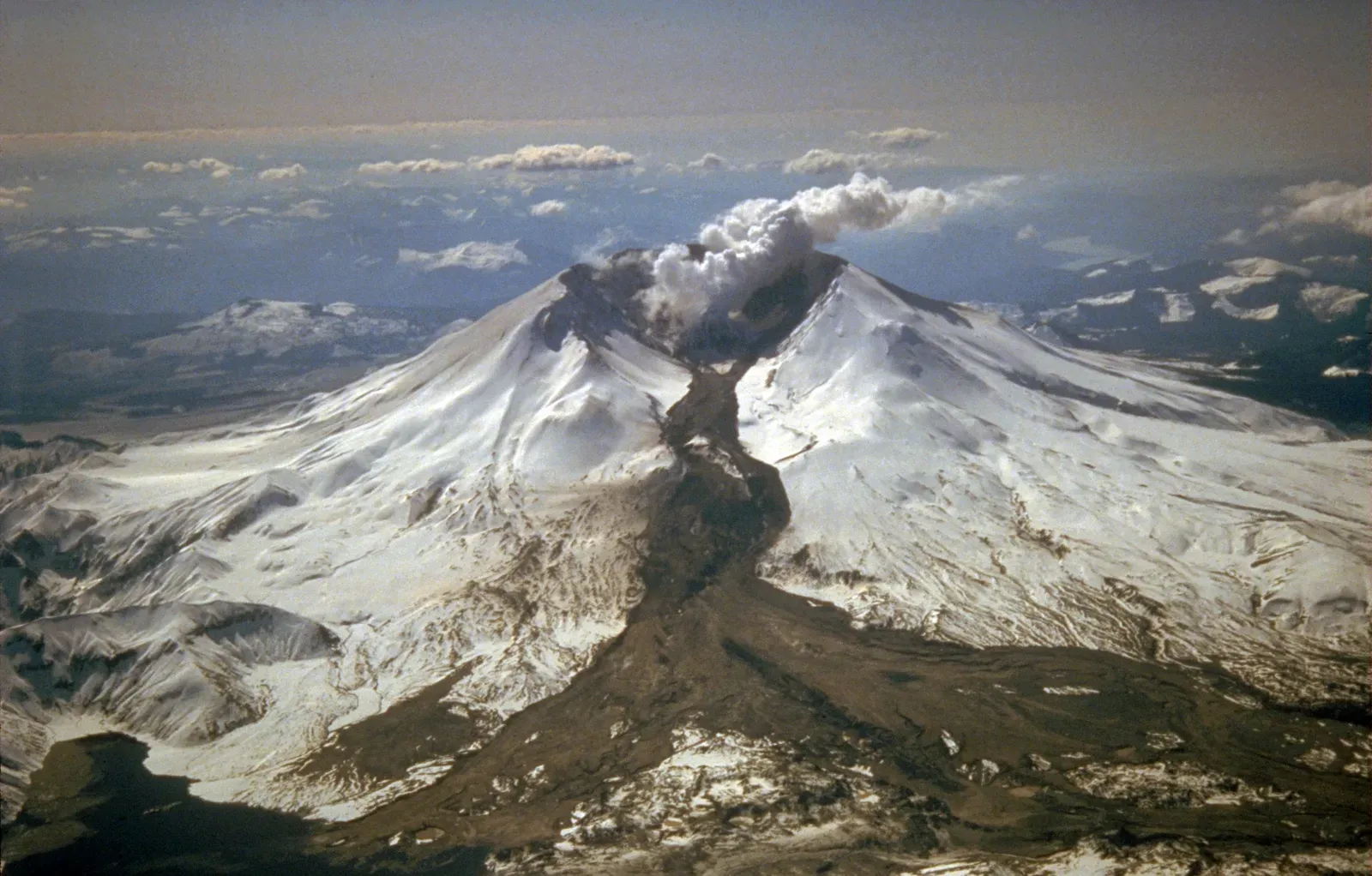
Forget lava flows and ash clouds for a moment. Lahars are the greatest threats that Mount Rainier poses to people and property downstream. What’s a lahar? Think of it as a volcanic mudflow, a horrifying slurry of melted snow, ice, rock, and debris that races down river valleys at terrifying speeds. Lahars look and behave like flowing concrete, destroying or burying most manmade structures in their paths, and past lahars probably traveled 45 to 50 miles per hour.
Past lahars at Mount Rainier traveled as fast as 45 to 50 miles per hour and were as much as 490 feet deep where confined in valleys near the volcano. Imagine a wall of mud and boulders, taller than a 40-story building, barreling down a mountain valley. If only a small part of the mountain’s ice were melted by volcanic activity, it would yield enough water to trigger enormous lahars.
I know it sounds crazy, but this has happened before. Around 5,000 years ago, a large chunk of the volcano slid away, producing the massive Osceola Mudflow, which reached present-day Tacoma and south Seattle, removing the top 1,600 feet of Rainier.
Who’s In the Path of Destruction
About 80,000 people and their homes are at risk in Mount Rainier’s lahar-hazard zones, and key infrastructure such as major highways and utilities cross through these zones. Yet some studies suggest the number could be much higher. Over 150,000 people are at risk from lahar impacts around Mount Rainier, with the Puget lowland becoming densely populated since the last event.
Communities like Orting, Puyallup, Enumclaw, and Auburn sit directly in the path of potential lahars. These aren’t tiny rural towns either. They’re growing suburbs with schools, shopping centers, and thousands of families. About 150,000 people live on top of old lahar deposits of Rainier. Honestly, it’s hard to wrap your mind around how many people are literally building their lives on top of ancient volcanic mudflows.
The Puyallup River valley is considered especially vulnerable. The Puyallup Valley is considered most at risk if there is an eruption, and the drills have become part of life living there.
Would Seattle Be Destroyed
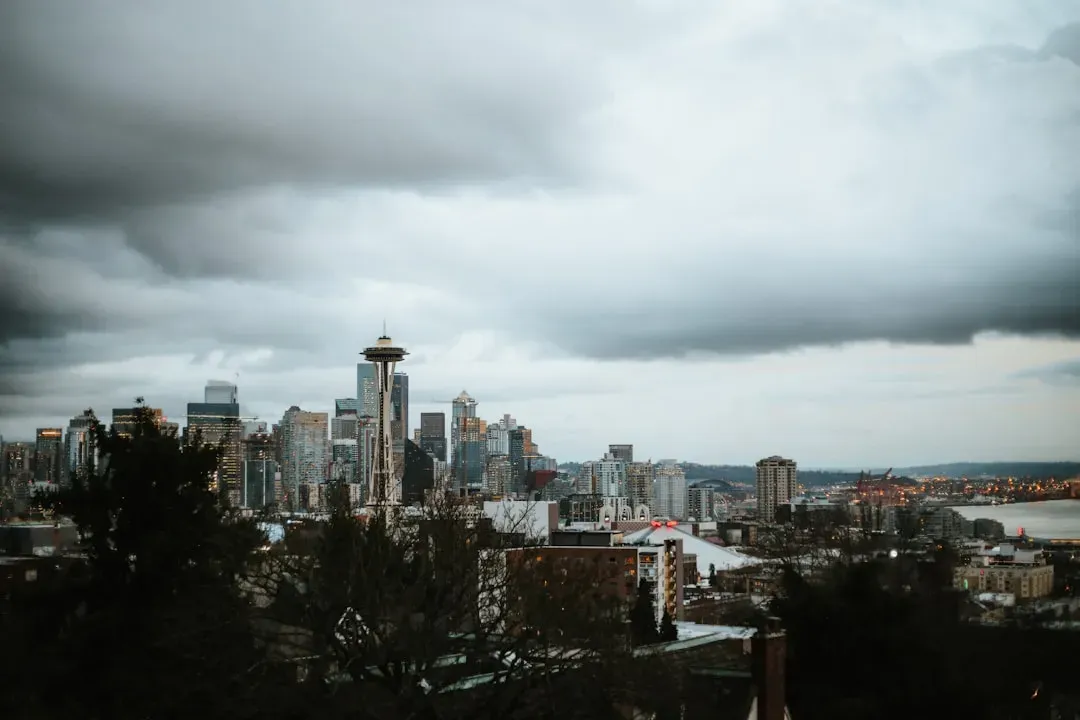
There’s a common misconception that Seattle itself would be wiped out. The biggest misconception is an overestimation of hazards, such as an assumption that a Mount Rainier eruption will cause widespread destruction in Seattle. The city might dodge the worst of the direct impact from lahars, but that doesn’t mean it’s safe.
Geologists have not found evidence that lahars have reached Seattle, and it’s most likely a lahar would stop in the south of Seattle in the Kent Valley, but then lahar sediments would push downstream to Seattle in post-lahar sedimentation. Think about what that means. Even if the main mudflow stops short, massive amounts of sediment would clog the Duwamish River, potentially flooding industrial areas, disrupting port operations, and burying infrastructure under feet of muck.
Such a mudflow might also reach down the Duwamish estuary and destroy parts of downtown Seattle, and cause tsunamis in Puget Sound and Lake Washington. The economic damage alone would be staggering. A 2012 Washington State Department of Natural Resources estimate showed that a significant lahar could cause up to $40 billion in damage downriver.
The Warning System and Escape Plans
Here’s where things get both reassuring and absolutely nerve-wracking. Lahars from Mount Rainier can reach populated areas in a matter of minutes, so warning messages are intended to trigger immediate, preplanned emergency-response actions. Minutes. Not hours. Minutes.
Forty-two sirens scattered in cities from Orting to the Port of Tacoma would activate when a lahar is detected. When those sirens wail, people know exactly what to do: get to high ground immediately. Schools around Mount Rainier hold drills to practice evacuations, and the City of Orting recently held an evacuation drill while Puyallup held their biggest evacuation drill to date.
Still, there’s a chilling reality. One lahar about 500 years ago contained a large volume of altered rock that avalanched with no known triggering eruption, known locally as a “no-notice lahar,” and such lahars are also possible in the future. Meaning the volcano doesn’t even need to erupt for disaster to strike. How do you prepare for something that gives no warning?
The Ashfall Problem
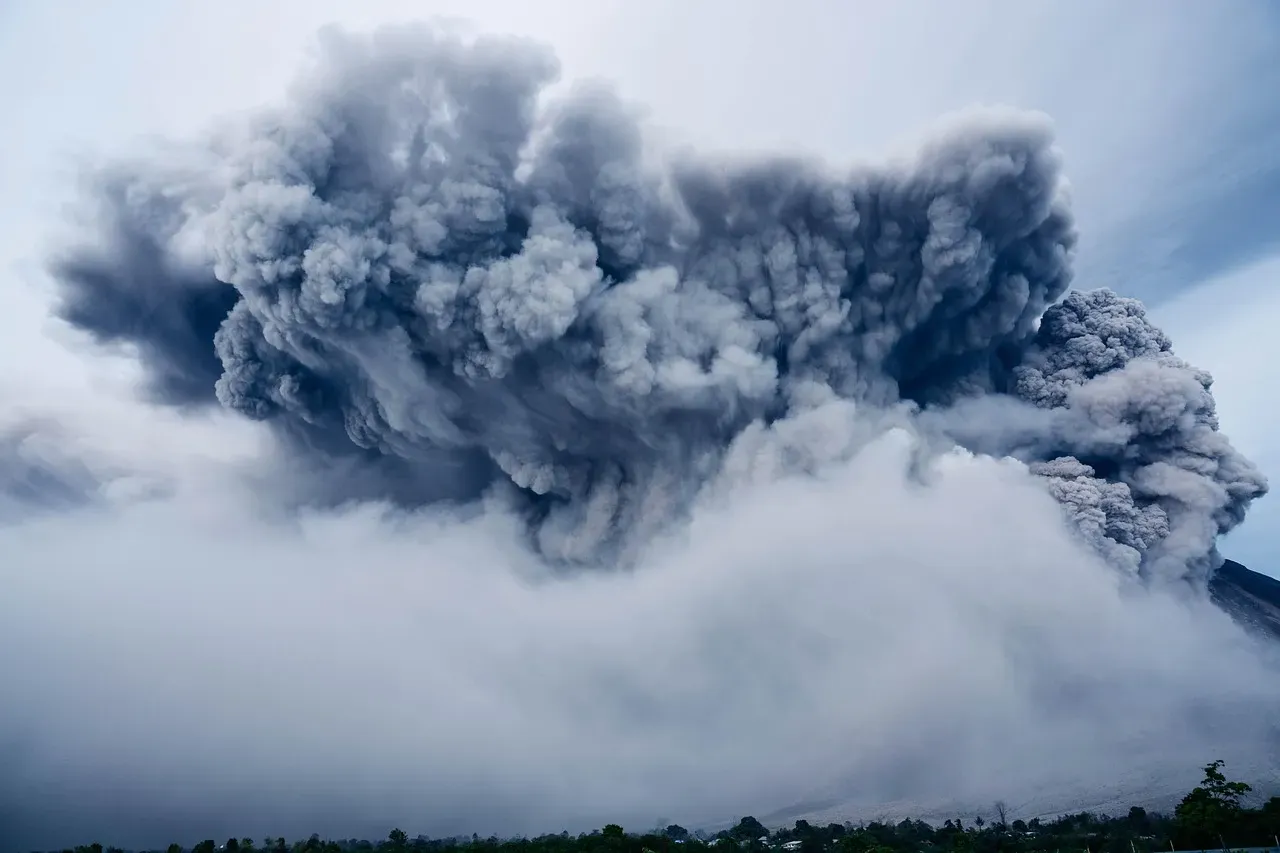
Lahars aren’t the only concern. Mount Rainier’s next eruption could produce volcanic ash, lava flows, and avalanches of intensely hot rock and volcanic gases called pyroclastic flows. Eruptions of Mount Rainier usually produce much less volcanic ash than Mount St. Helens, but owing to the volcano’s great height and widespread cover of snow and glacier ice, eruption-triggered debris flows at Mount Rainier are likely to be much larger.
Even a relatively small ashfall could wreak havoc. More than one centimeter of ash has the ability to disrupt traffic by closing down roads combined with damage to filtration systems, crops, drains, and electrical systems, taking weeks to restore infrastructure to normal. Imagine Seattle’s airports shut down, highways impassable, power grids failing. It would cripple the entire region.
Volcanic ash isn’t like snow. It doesn’t melt. It’s abrasive, corrosive, and gets into everything. Machinery breaks down. Respiratory problems skyrocket. The economic disruption would ripple across the entire West Coast.
Living in the Shadow
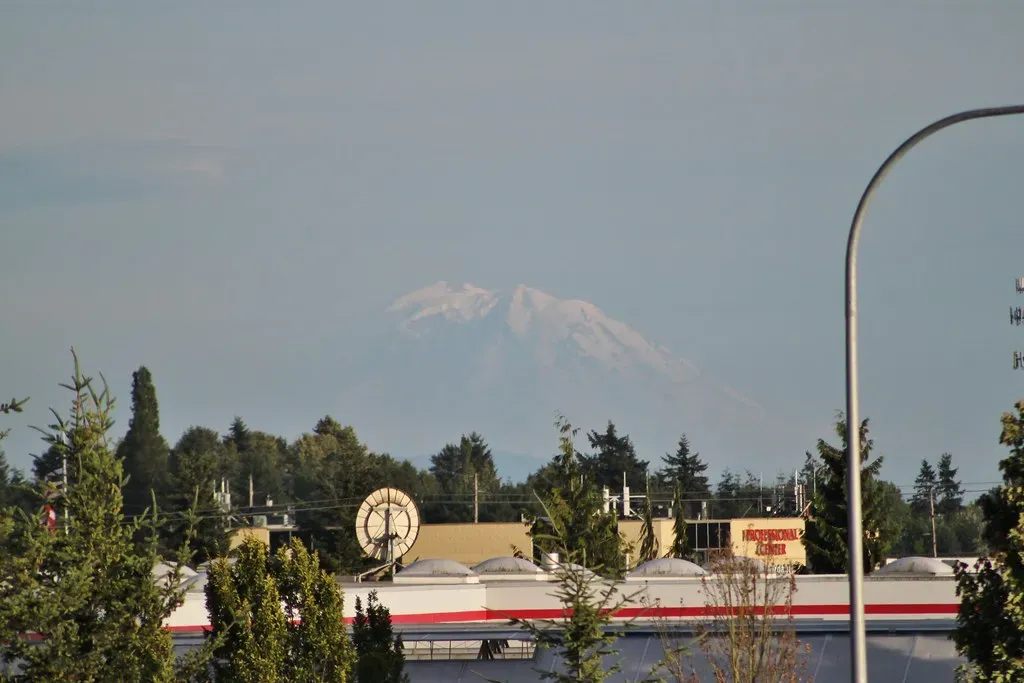
So what’s it like knowing you live near one of the most dangerous volcanoes in the world? For many residents, it’s just part of life. Maintaining vigilance is a long-term proposition, but necessary. Communities have adapted, holding regular evacuation drills, posting blue evacuation route signs, and staying informed about volcanic hazards.
The volcano is currently at a state of background activity, so scientists aren’t worried about Mount Rainier right now. Seismic sensors, gas detectors, and GPS monitors constantly watch for any sign of unrest. In July 2025, a swarm of earthquakes was detected at Mount Rainier with hundreds of earthquakes and event rates up to several per minute, but there was no indication the level of activity was cause for concern.
Yet the threat remains. Large lahars have reached the Puget Sound lowland on average at least once every 500 to 1,000 years, meaning there is roughly a one in ten chance of a lahar reaching the lowland during an average human lifespan. Those aren’t great odds when you’re talking about a catastrophic disaster.
Conclusion: The Question Nobody Wants to Answer
? The answer is complicated, unsettling, and depends entirely on the scale of the eruption. A small event might trigger localized lahars that devastate communities like Orting and Puyallup but spare Seattle direct destruction. A massive eruption, similar to the Osceola Mudflow thousands of years ago, could reshape the entire region, burying valleys under mud, crippling infrastructure, and causing economic damage in the tens of billions.
The truth is, Mount Rainier will erupt again. It’s not a matter of if, but when. Scientists monitor it constantly, communities practice evacuations, and warning systems stand ready. Yet the mountain holds its secrets close, and the possibility of a no-notice lahar means that even with all our technology, disaster could strike with terrifying speed.
Did you expect that living near one of America’s most iconic mountains could also mean living on borrowed time? What do you think about it?
