
When you think about dogs that can perform jaw-dropping tricks, certain breeds probably jump to mind right away. Maybe you’re picturing a Border Collie herding sheep or a German Shepherd working alongside police officers. Sure, those breeds are brilliant, no question about it. Yet there’s a whole world of unexpected canine geniuses out there that might not get the spotlight they deserve.
Some dogs surprise us with their ability to master complex tricks that would stump many of their four-legged peers. These aren’t always the breeds you’d expect to see winning obedience competitions or performing intricate sequences. They might be smaller, fluffier, or simply overlooked. What they all share, though, is a combination of sharp minds, eagerness to please, and an almost uncanny ability to read their humans. Let’s dive in and discover which six breeds might just change everything you thought you knew about canine intelligence.
Papillon: The Tiny Powerhouse With Butterfly Wings
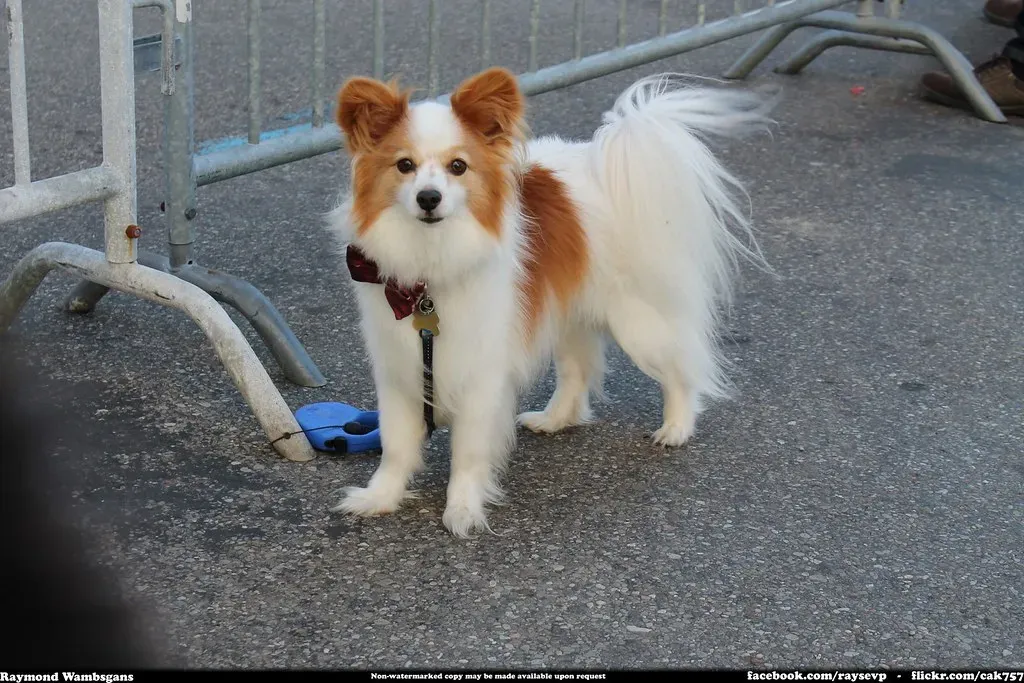
Don’t let that delicate, toy-sized frame fool you for even a second. The Papillon is small in size but big in brain power, and honestly, it’s kind of shocking how much intelligence is packed into such a small package. Named after the French word for butterfly because of those distinctive, fringed ears, this breed consistently ranks among the smartest dogs despite weighing in at under ten pounds.
They learn tricks easily and thrive in agility competitions. I’ve seen Papillons navigate obstacle courses with the precision of dogs three times their size. Their quick reflexes and laser focus make them naturals at learning sequences that require multiple steps and split-second timing.
What really sets them apart is their responsiveness. Papillons are known for their curiosity and responsiveness, and they form incredibly strong bonds with their owners. They’re not just performing tricks for treats – they genuinely seem to enjoy the mental challenge and the interaction with their humans. It’s hard to say for sure, but sometimes it feels like they’re always one step ahead, anticipating what you’ll ask next.
Rottweiler: The Gentle Giant With A Scholar’s Mind
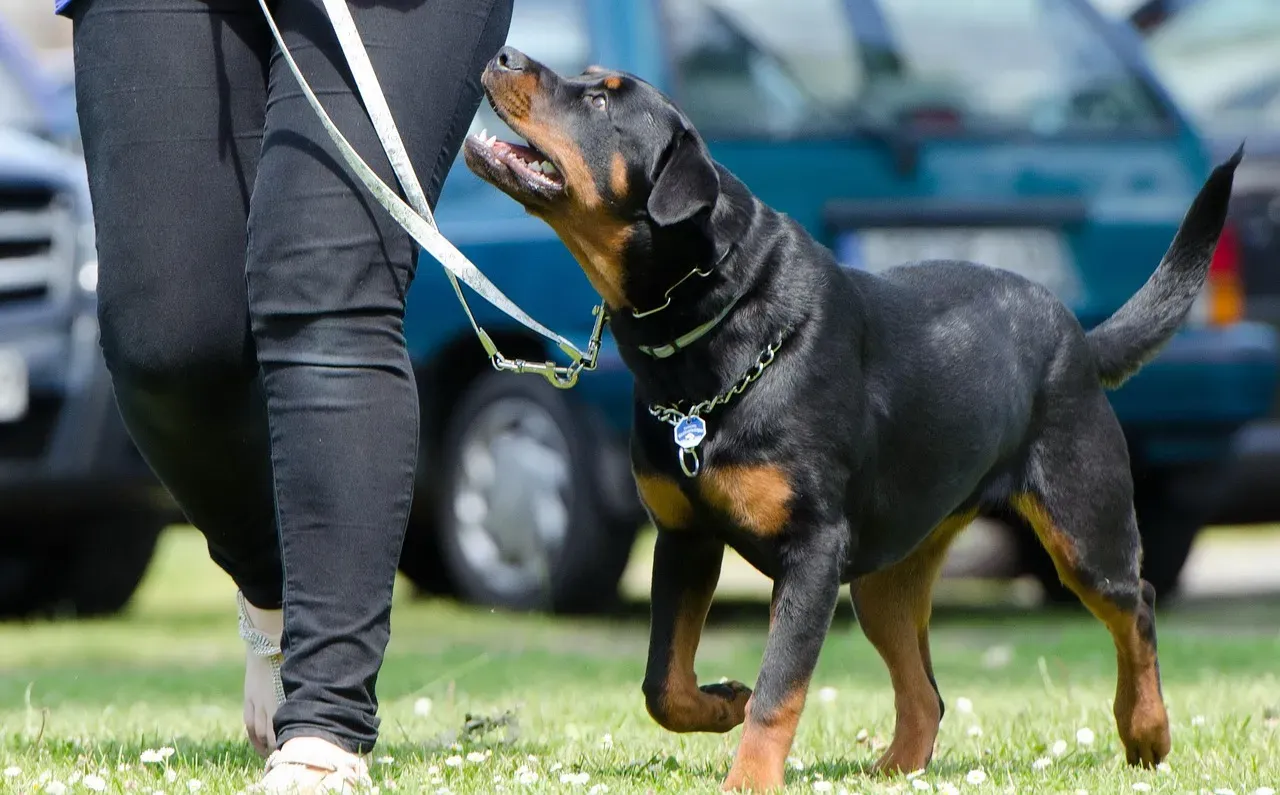
Here’s where things get interesting. Most people see a Rottweiler and think “guard dog” or “protector,” not “circus performer.” Yet Rottweilers are deeply loyal and impressively smart, and their trainability is absolutely remarkable when you give them the right guidance.
The Rottweiler has an additional skill: herding, which requires independent problem-solving and the ability to make quick decisions. That herding background means they’re wired to think on their feet and respond to complex situations. When you channel that intelligence into trick training, the results can be genuinely surprising.
The key with Rotties is consistency and engagement. Rotties grasp commands fast and retain them for life. Once they learn something, it sticks. They won’t forget a trick you taught them months ago, which makes building on their repertoire incredibly rewarding. Their combination of strength, loyalty, and mental horsepower creates a dog that can perform tricks requiring both physical coordination and cognitive understanding.
Australian Cattle Dog: The Problem-Solver Who Never Quits
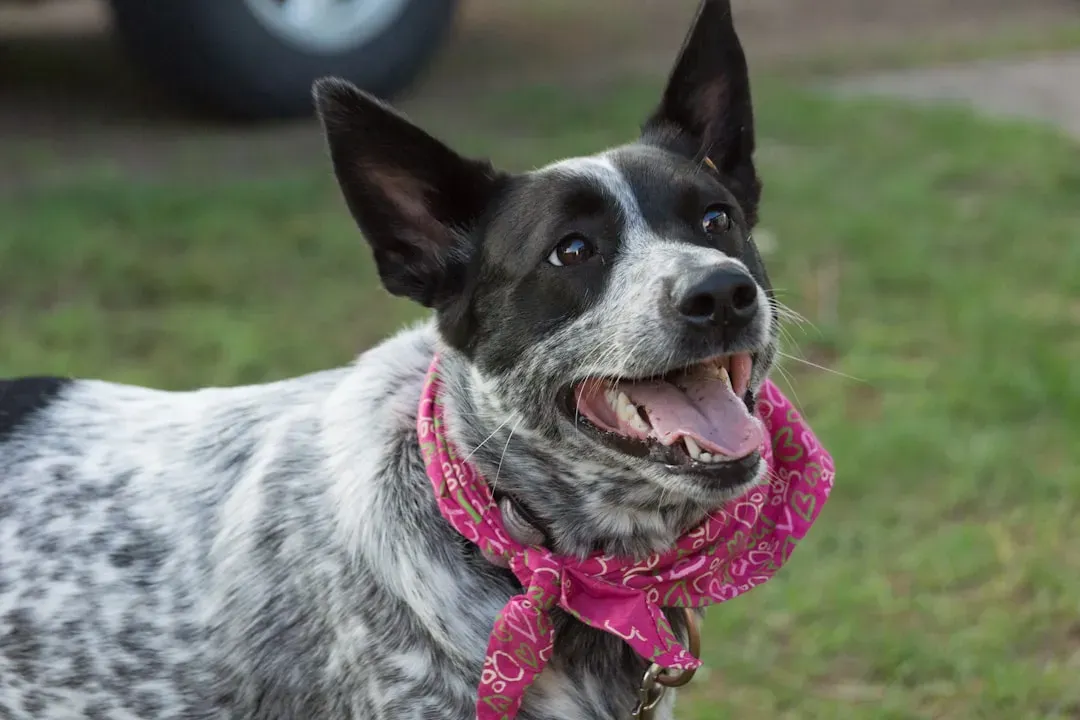
Let’s be real – Australian Cattle Dogs were literally bred to outsmart livestock. Bred to herd cattle over long distances, the Australian Cattle Dog developed extraordinary problem-solving abilities, and that translates directly into their ability to master complex tricks.
These dogs are independent thinkers, which might sound like a challenge, but it’s actually their secret weapon. They don’t just follow commands blindly; they understand the why behind what you’re asking. This means they can adapt tricks, improvise, and even figure out solutions you didn’t explicitly teach them.
Australian Cattle Dogs love challenges and their working background makes them relentless learners. They need jobs to do, and trick training provides exactly that kind of mental stimulation. Without it, they’ll find their own ways to stay busy, which might involve rearranging your furniture or teaching themselves to open doors. Give them complex sequences to learn, though, and they’ll surprise you with how quickly they pick things up and how creatively they approach problems.
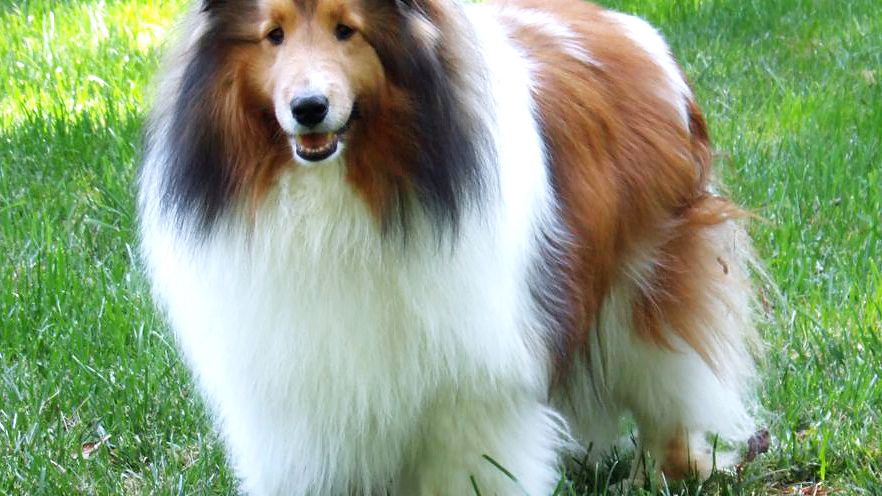
Shetland Sheepdog: The Intuitive Mind Reader
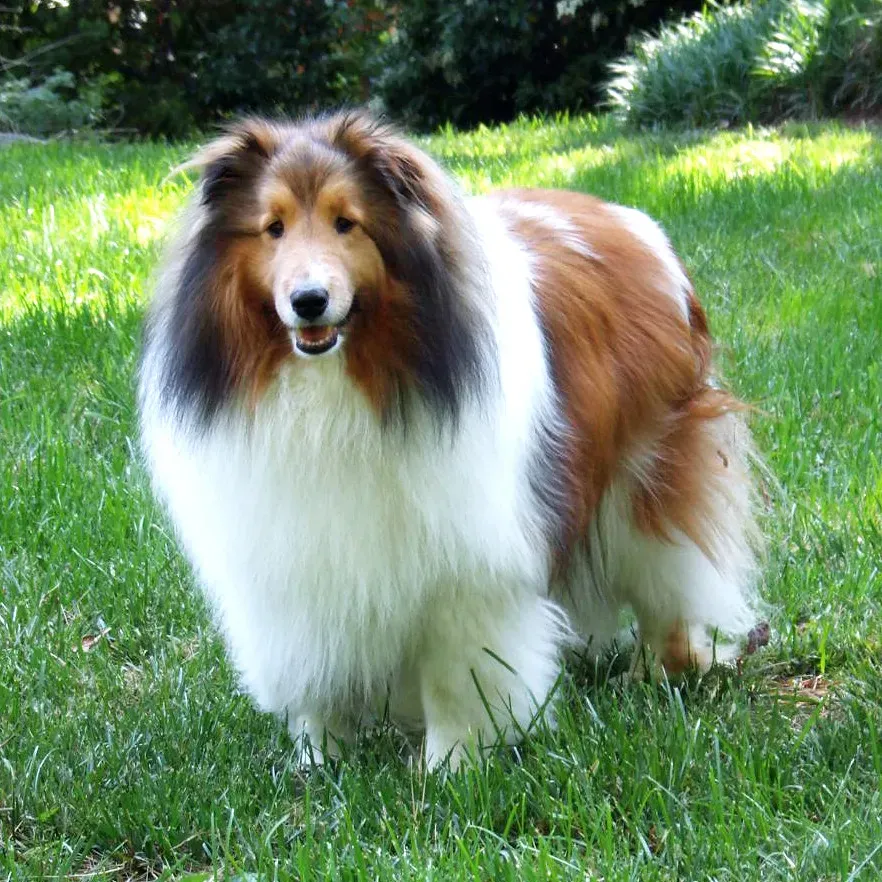
If you’ve ever watched a Sheltie work, you might have noticed something almost eerie about how they seem to know what you’re thinking. Shelties are known for their instinctive intelligence and responsiveness, and their herding background gives them an incredible ability to read subtle cues.
Shelties read human body language like pros and often anticipate commands before they’re spoken. It’s not magic – it’s generations of breeding for dogs that could understand a shepherd’s slightest gesture or whistle from across a field. That sensitivity translates beautifully into trick training, where they pick up on the tiniest signals you might not even realize you’re giving.
Shelties seem more attached to their owners than to their jobs, which gives them a big edge in training. They’re not just working for rewards; they genuinely want to make you happy. This emotional connection, combined with their sharp minds, creates dogs that excel at complex sequences and can learn variations on tricks with minimal repetition.
Labrador Retriever: The Eager Student Who Aims To Please
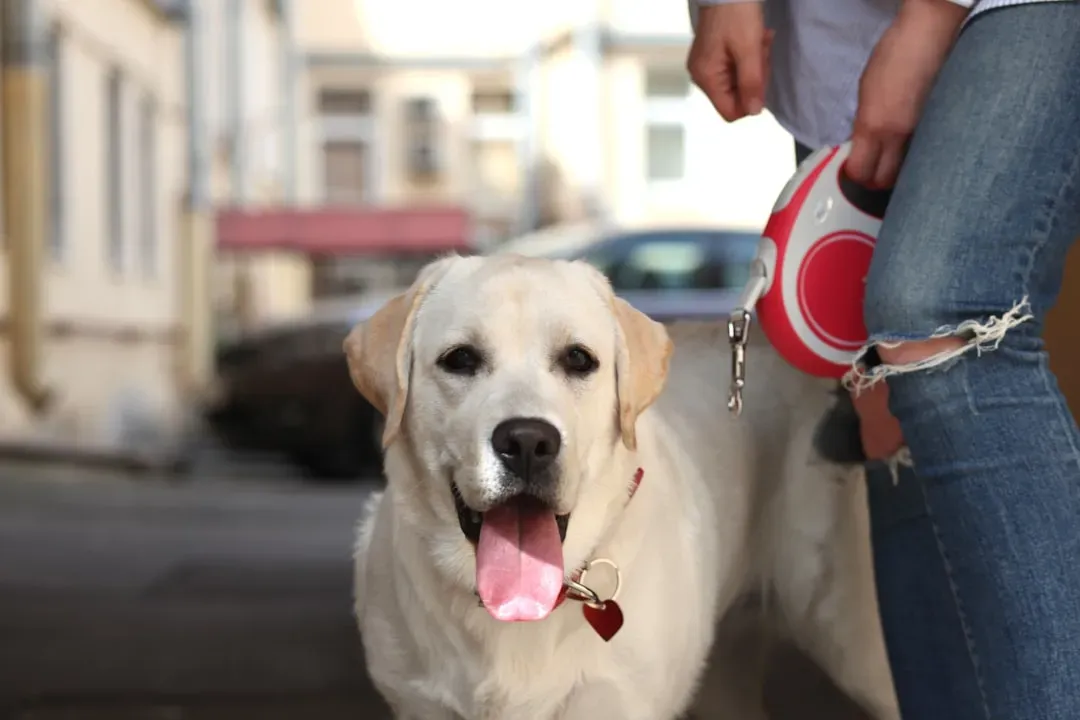
Sure, Labs are everywhere, and maybe that makes them seem less surprising. Yet there’s a reason Labradors are widely used as therapy and guide dogs – their combination of intelligence and work ethic is genuinely exceptional. People sometimes underestimate just how capable these friendly goofballs really are.
Labs combine practical intelligence with unmatched work ethic. They’re not just book-smart; they’re street-smart too. They adapt to different situations, learn from experience, and apply what they know to new contexts. This adaptability makes them fantastic at learning trick sequences that require understanding relationships between different commands.
What really makes Labs shine is their motivation. They’re food-motivated, praise-motivated, and just generally motivated to interact with their humans. Labs thrive on repetition, praise, and positive reinforcement, and their eagerness means training sessions feel more like play than work. They’ll happily repeat a complex sequence dozens of times just because it means more time with you, and that enthusiasm accelerates their learning dramatically.
Pembroke Welsh Corgi: The Short-Statured Overachiever
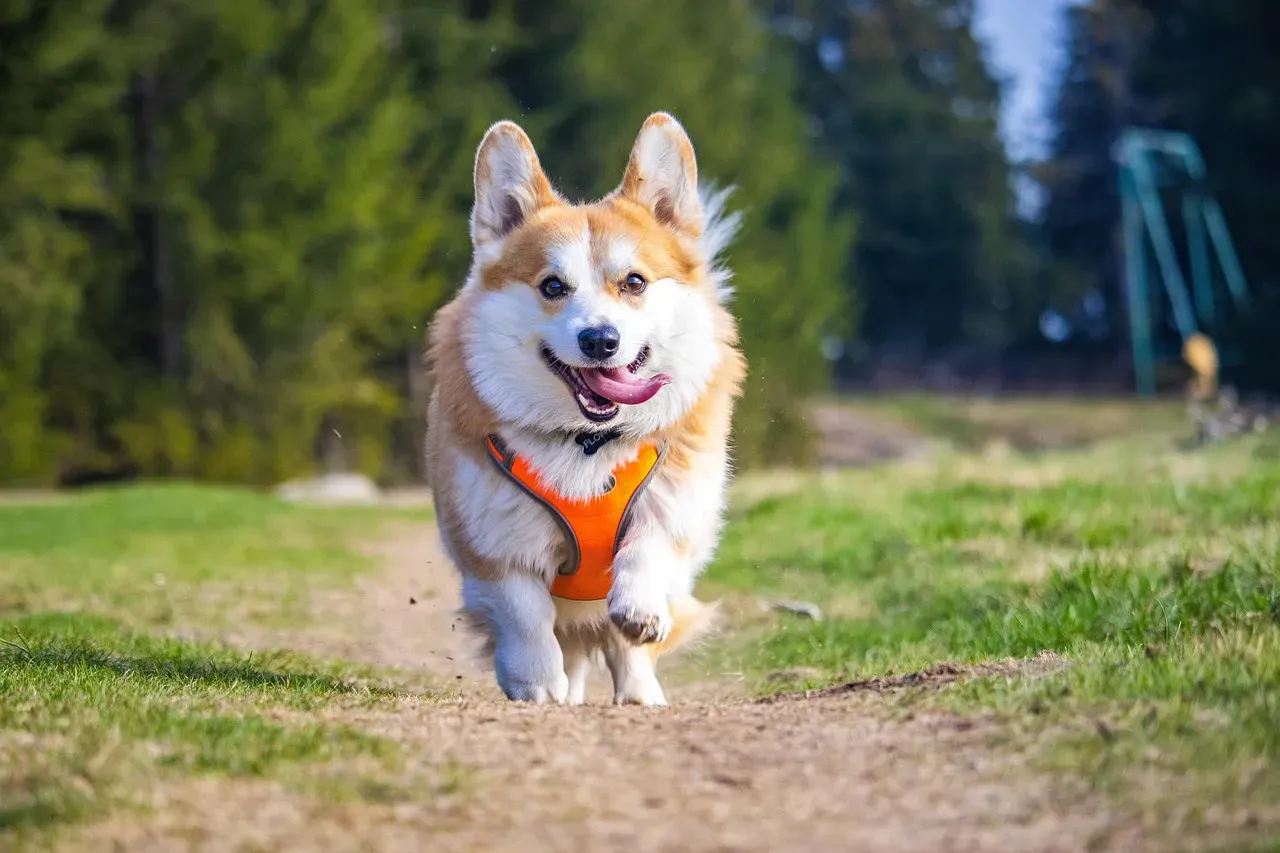
There’s something about Corgis that makes people smile – maybe it’s those stumpy legs or the fluffy butt. What often gets overlooked is the serious brainpower hiding behind that adorable exterior. The Pembroke Welsh Corgi is an independent thinker who thrives on activity, organization, and training.
These compact herders pack surprising athletic ability into their low-slung frames. The Corgi is surprisingly powerful for their small size and responds wonderfully to training. They were bred to herd cattle by nipping at their heels, which required courage, quick thinking, and the ability to read animal behavior – all skills that transfer beautifully to learning complex tricks.
Corgis have personality for days, which makes training sessions entertaining. They’re enthusiastic without being hyperactive, focused without being obsessive. They genuinely seem to enjoy the mental challenge of figuring out what you want, and once they understand a trick, they’ll perform it with obvious pride. Their size makes them manageable for indoor training, yet they’ve got the stamina and drive to tackle sequences that would tire out many larger breeds.
Conclusion
Intelligence in dogs shows up in unexpected packages. These six breeds prove that you don’t need the most obvious choices to find a canine partner capable of mastering impressive tricks and complex sequences. From the tiny Papillon to the stocky Rottweiler, each brings their own unique combination of smarts, motivation, and personality to the training process.
The best part is that training these clever breeds isn’t just about showing off what they can do. It’s about building a deeper connection, keeping their active minds engaged, and watching them light up when they figure out something new. These dogs don’t just learn tricks – they form partnerships with their humans based on mutual understanding and respect.
Did you expect all of these breeds to make the list? What’s your experience training dogs – have you found any unexpected geniuses in your own pack?
