

Choosing a dog is a bit like choosing a roommate, isn’t it? You want someone who fits your lifestyle, shares your energy levels, and won’t drive you up the wall within the first month. Some breeds are content to lounge around with you after a quick stroll. Others act like they’ve had five espressos before breakfast and will happily dismantle your couch if you leave them alone too long.
Let’s be real, certain breeds demand significantly more from their owners than others. I’m talking about the dogs that need serious mental gymnastics, marathon-level exercise routines, and owners who understand that training isn’t just a suggestion. Then there are the breeds that make life easier, the ones who seem genuinely grateful for a comfortable bed and a leisurely walk. So let’s dive in and explore which dogs might test your patience and which ones will blend seamlessly into your routine.
The Intelligence Paradox: When Smart Dogs Don’t Listen
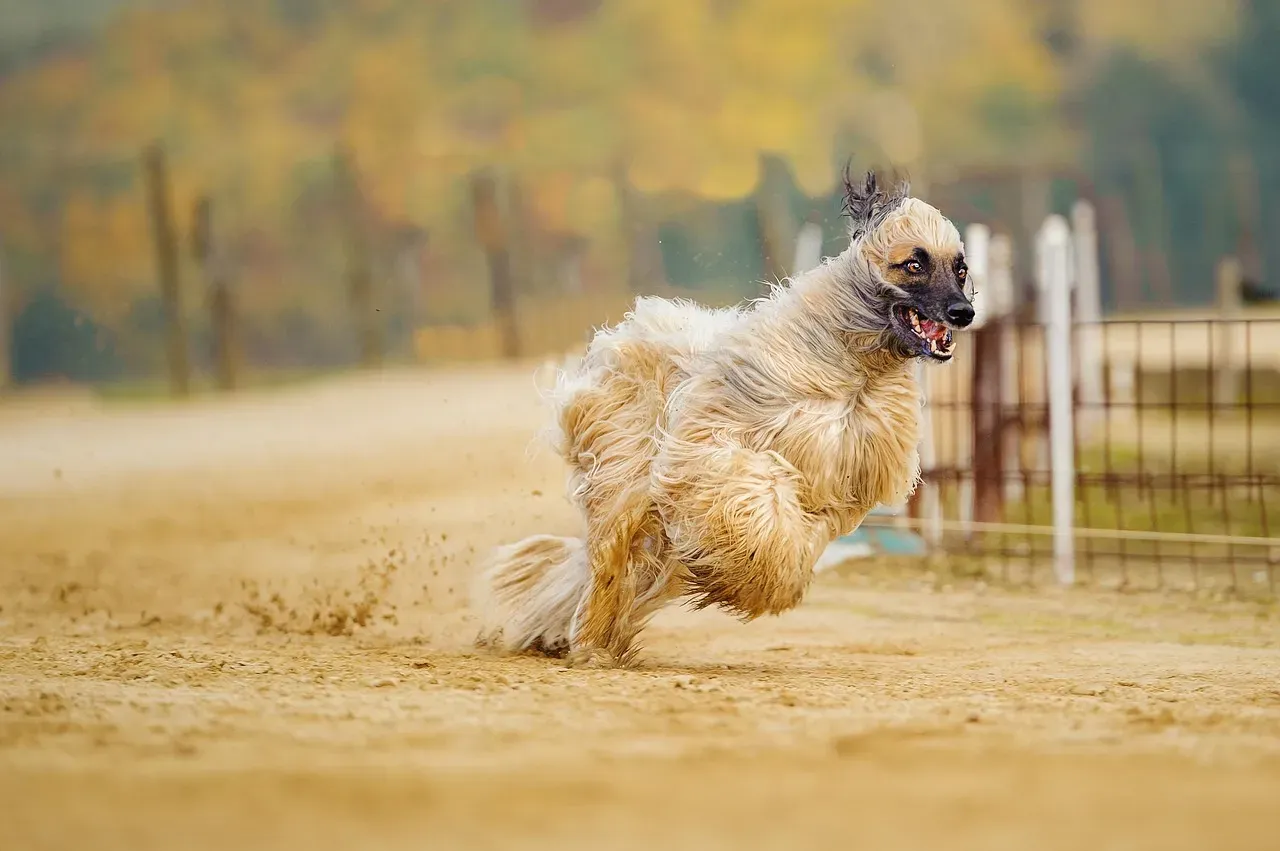
Here’s something surprising. The more intelligent a breed tends to be, the more they like to think for themselves, and intelligent dogs can have a very stubborn streak. Think of it like dealing with a teenager who knows they’re brilliant and decides to use that knowledge against you.
Afghan Hounds are known for their beauty and intelligence, but they are also one of the most independent dog breeds. They’ll look at you with those regal eyes and essentially decide whether your command is worthy of their attention. Afghan Hounds often do what they want, when they want, and can be aloof and often choose to listen to commands on their own terms. It’s hard to say for sure, but I think their historical role as sight hounds gave them a level of autonomy that’s deeply ingrained.
Basenjis are known for their cat-like personalities, being both independent and intelligent, and this breed is notoriously difficult to train due to their stubborn nature. What’s wild is that they actually groom themselves like cats too. Still, their curiosity combined with boredom makes them masters of mischief.
The Energy Tornado: Breeds That Never Stop Moving
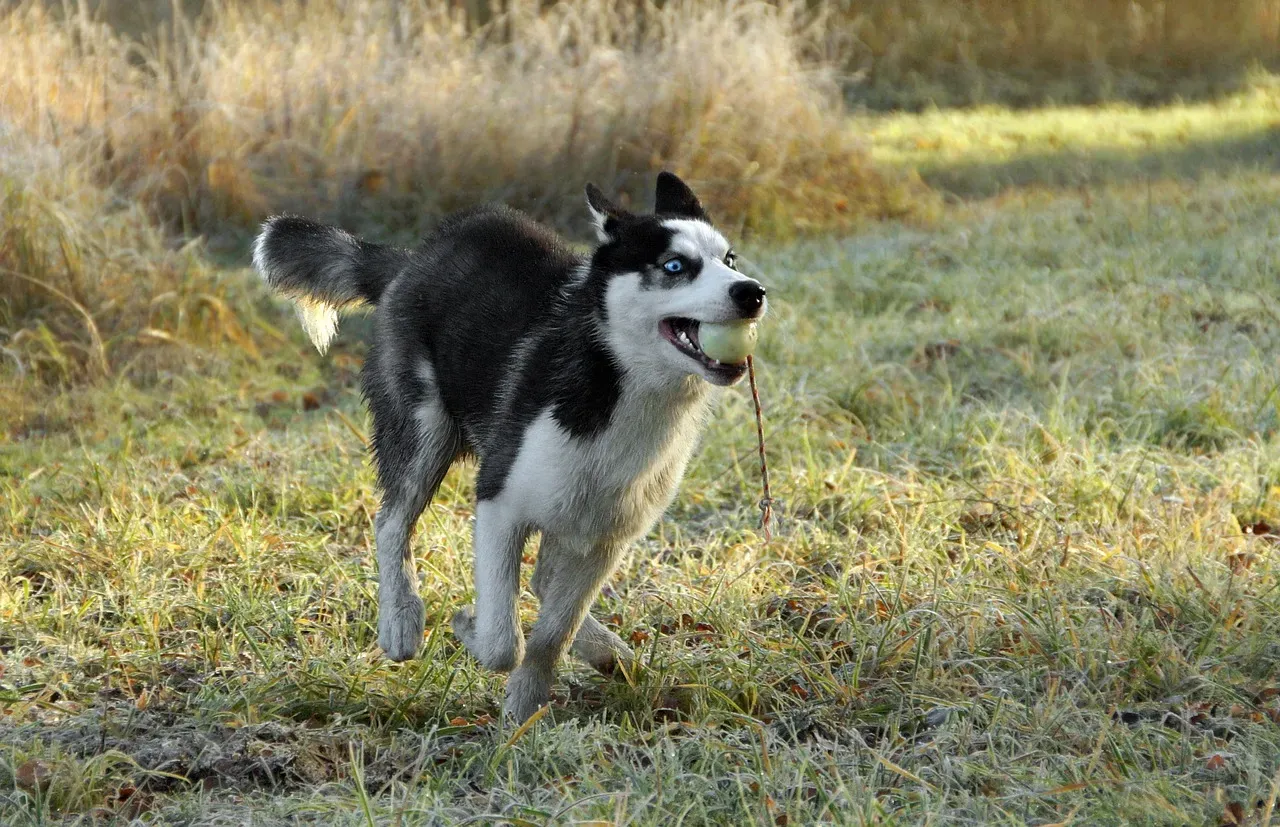
Siberian Huskies are known for their gorgeous appearance and high energy levels, and because they’re a very active breed, they need dedicated training. These dogs were literally bred to run across frozen tundra for hours on end. You can’t just give them a walk around the block and expect them to settle down.
Huskies are an extremely energetic breed that need loads of exercise, originally bred to run for miles on end in frozen tundra, and without enough exercise, they will quickly become destructive. Plus, they are skilled escape artists and have trouble controlling their small prey drive around cats and small animals. I know it sounds crazy, but these dogs will literally figure out how to unlock doors or dig under fences if they’re bored enough.
Border Collies are often considered the most intelligent dog breed, and their high energy levels match their mental acuity, requiring a lot of physical activity and mental challenges to stay satisfied. Working breeds like these were designed for a job, and when they don’t have one, they’ll create their own version of employment, which usually involves reorganizing your home in ways you didn’t ask for.
The Scent-Obsessed Hunters: Following Their Noses Into Trouble
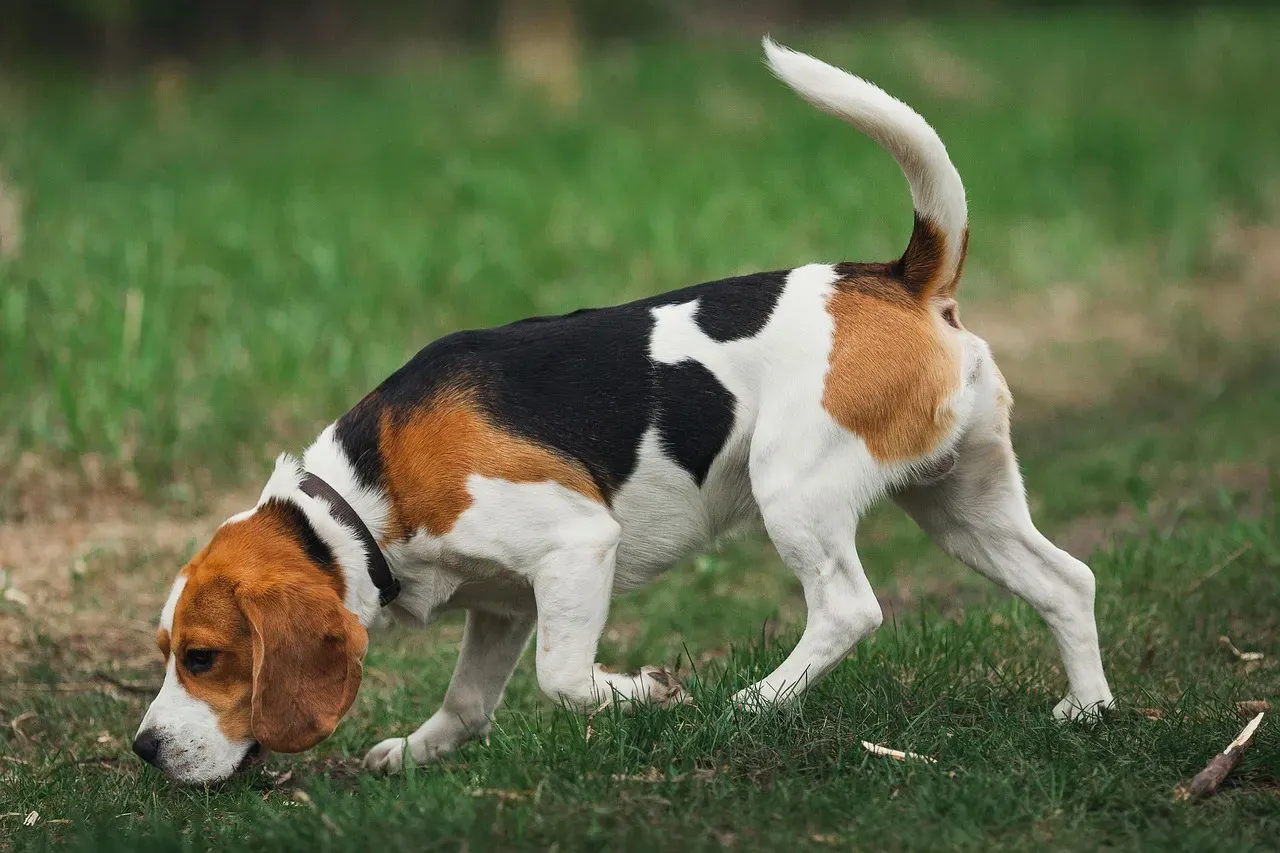
The Beagle has a nose for everything, and this breed’s exceptional sense of smell often leads them to be easily distracted by scents, making training a challenge. Honestly, trying to train a Beagle outdoors is like trying to have a conversation with someone who’s scrolling through their phone.
Bloodhounds are hard to train because they are distracted by smells near and far, and they are gentle, easygoing dogs with strong persistence in following scent trails. Their entire world exists through their nose. Basset Hounds are adorable but can be stubborn, especially when it comes to housebreaking, and their keen sense of smell often distracts them during training sessions. The common thread here is that scent hounds were bred to work independently, trusting their noses above human commands.
The Size and Strength Factor: When Dogs Know They’re Bigger Than You
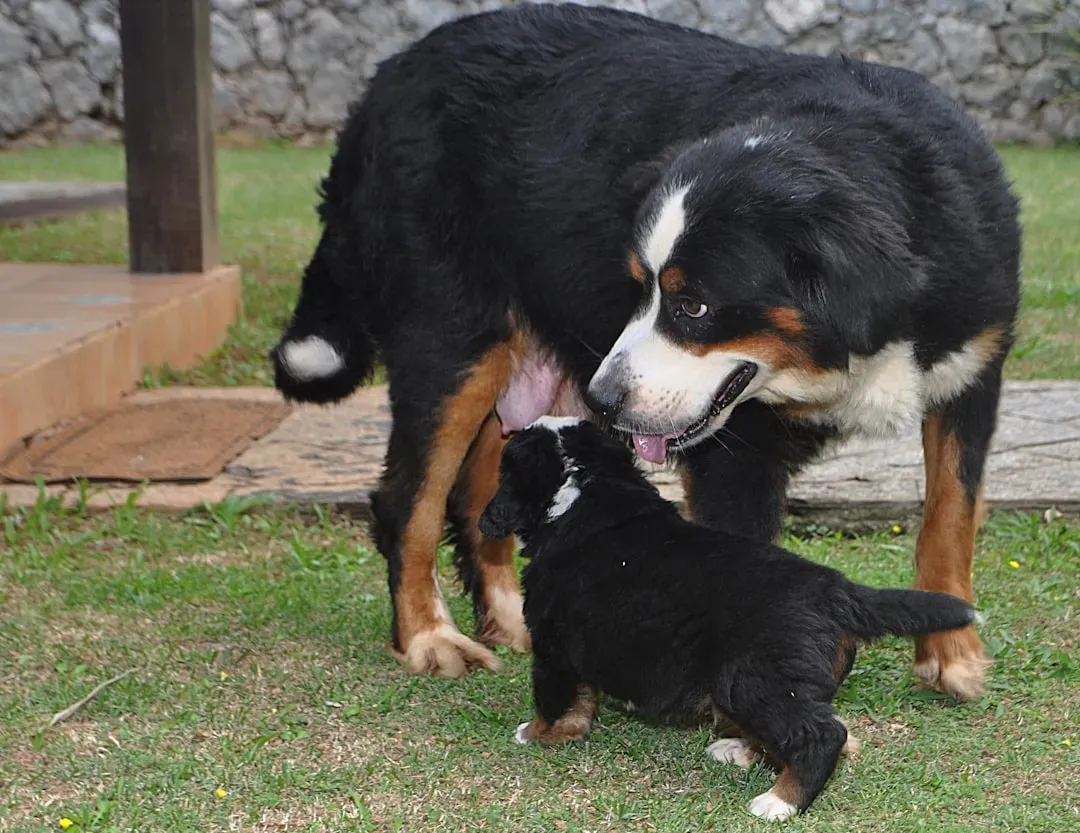
Large, giant, or stocky breeds can be difficult to control, especially on a leash, and some large breeds are well aware of their own size compared to yours and can have an attitude when they want. This is particularly true with breeds that were developed for protection or guarding work.
The key to training a Rottweiler is early socialization and consistent, firm training, as they can be stubborn and become overly protective if not trained correctly, and this breed requires an owner who understands the importance of establishing clear leadership and boundaries. Akitas were bred to hunt big game, so they have a strong prey drive and can be aggressive if not adequately socialized and trained, and highly protective by nature, these dogs are often wary of strangers and do not always get along with other dogs. These breeds demand respect and experience from day one.
The Working Dog Dilemma: Breeds Built for Jobs They No Longer Have
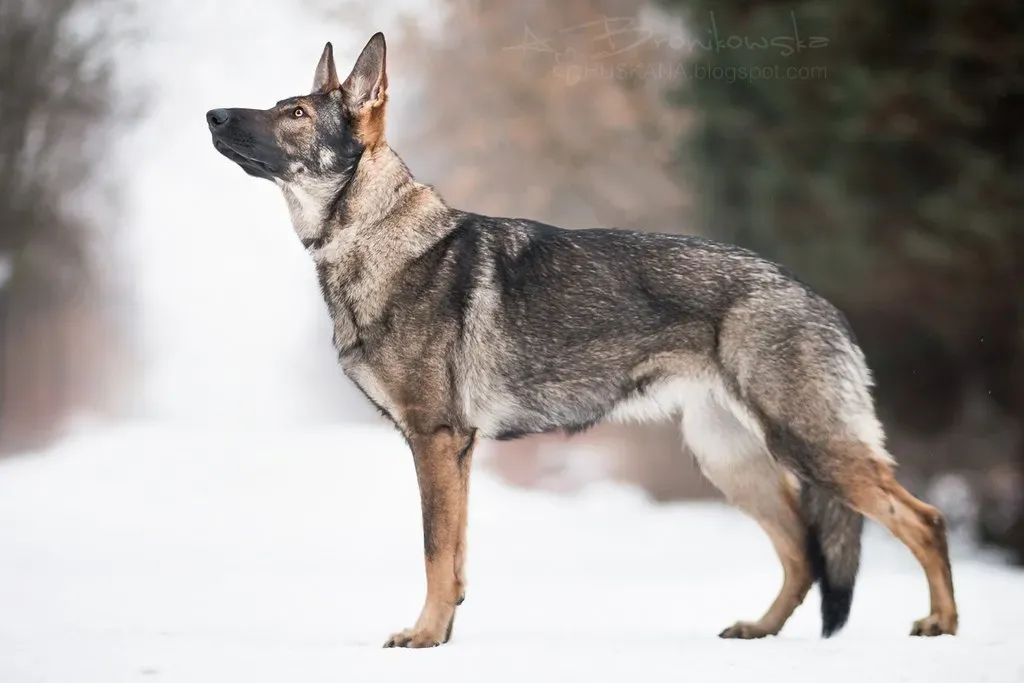
Breeds like the Border Collie, Australian Shepherd, or Belgian Malinois require high levels of mental and physical stimulation, are typically intelligent and energetic and excel at tasks like herding or obedience, and without proper exercise and mental stimulation, they can become bored, develop behavioral issues, or exhibit destructive behaviors. This is the core problem with working breeds in modern homes.
Belgian Malinois are often used as working dogs in police and military roles because of their intelligence, agility, and high energy, are incredibly active, and require a lot of exercise, mental challenges, and tasks to perform to stay balanced. Australian Cattle Dogs share this intensity. Australian Cattle Dogs are a very high-energy herding breed originally bred to herd, which means high-energy was a sought after trait, and they still have plenty of that energy to go around. These aren’t dogs for Netflix binges.
The Terrier Tenacity: Small Dogs with Big Attitudes
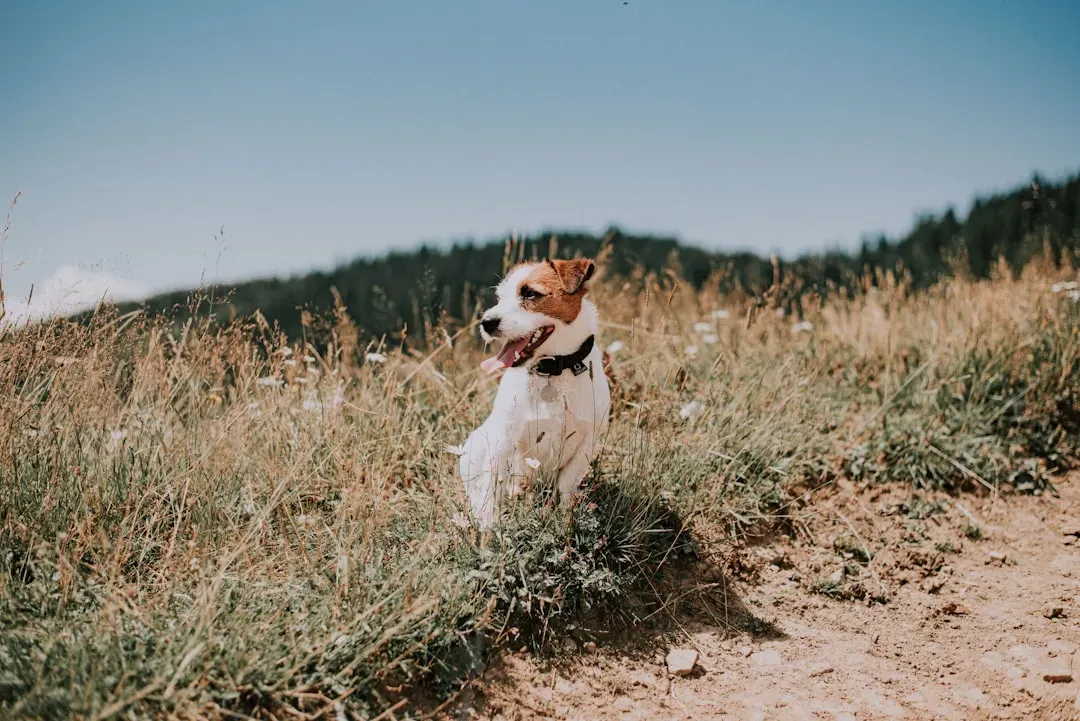
Jack Russells need a lot of exercise, and if they’re not getting their long daily walkies or time to run at the park, they’ll easily become destructive out of boredom. What people forget about terriers is that they were bred to hunt animals underground, which required independence and determination.
Jack Russells are incredibly smart, but their wit makes them tough to train, and while they’re generally warm and affectionate towards people, they can be aggressive toward other dogs and animals that resemble prey, including cats. Their small size deceives people into thinking they’re low maintenance. Chihuahuas may be the smallest dog breed in the world, but their attitude is probably the biggest out there, and just like basset hounds, Chihuahuas are notoriously difficult to housebreak. Never underestimate a dog based on size alone.
The Easy-Going Champions: Breeds That Actually Want to Please You

Now let’s talk about the dogs that make life genuinely easier. The vibrant and active shih tzu is an outgoing pup that does well with children and families, and this healthy breed doesn’t need a lot of exercise. The Cavalier King Charles spaniel is the sweetest of sweet and a low-maintenance dog who likes to cuddle. These breeds were specifically developed as companion animals, not workers.
French bulldogs are smooshy-faced cuties and incredibly easy-to-care-for dogs, they’re chill but love to play, have a funny sense of humor, and pick up training cues quickly. Greyhounds are the fastest dogs in the world, but that doesn’t mean they have an always-on-the-go personality, as they’re actually the total opposite and have a well-earned reputation for being couch potatoes. Surprising, right? The racing dogs actually prefer lounging to marathons once they’re in a home environment.
Boston Terriers are known for their tuxedo-like markings and friendly demeanor, and they’re low-maintenance with short coats that require minimal grooming and have moderate exercise needs. Pugs are adored for their lively personalities, are ideal for living in small city apartments, generally don’t bark much and love to spend large parts of their days napping, and they are the typical low-maintenance dog. These breeds genuinely seem content with simple pleasures and don’t demand constant entertainment.
Conclusion

The truth is that no dog is truly low maintenance, and every breed comes with its own quirks and requirements. What makes a dog difficult or easy depends entirely on whether their needs align with your lifestyle, energy levels, and experience. A Border Collie might be a nightmare for someone living in a small apartment with a desk job, yet the perfect companion for a farmer or marathon runner. Meanwhile, a Pug might bore an ultra-active person to tears but delight someone who values quiet evenings at home.
The most important thing is honesty with yourself. Can you realistically provide hours of exercise and mental stimulation daily? Do you have experience handling strong-willed or protective breeds? Or would you prefer a companion who’s content with short walks and lots of cuddles? There’s absolutely no shame in choosing an easier breed, especially for first-time owners. The goal is a happy dog and a happy owner, not proving you can handle the most challenging breed out there.
What’s your take on this? Have you ever been surprised by how challenging or easy a particular breed turned out to be? Sometimes the dogs we think we want aren’t the ones we actually need.
