
Have you ever watched a peacock fan out his tail and thought that was impressive? Well, hold that thought. There’s a bird out there doing things with its feathers that seem almost impossible to believe. We’re talking about performances that blend artistry, acoustics, and sheer evolutionary brilliance into one unforgettable display.
The natural world is full of surprises, yet few creatures push the boundaries of what we think is possible quite like certain feathered performers. When we talk about feathers, most people think flight, warmth, maybe a splash of color. Yet some birds have transformed these simple structures into instruments of seduction, communication, and even deception. What you’re about to discover might just change how you see these everyday creatures forever.
The Acoustic Artist Hidden in Plain Sight
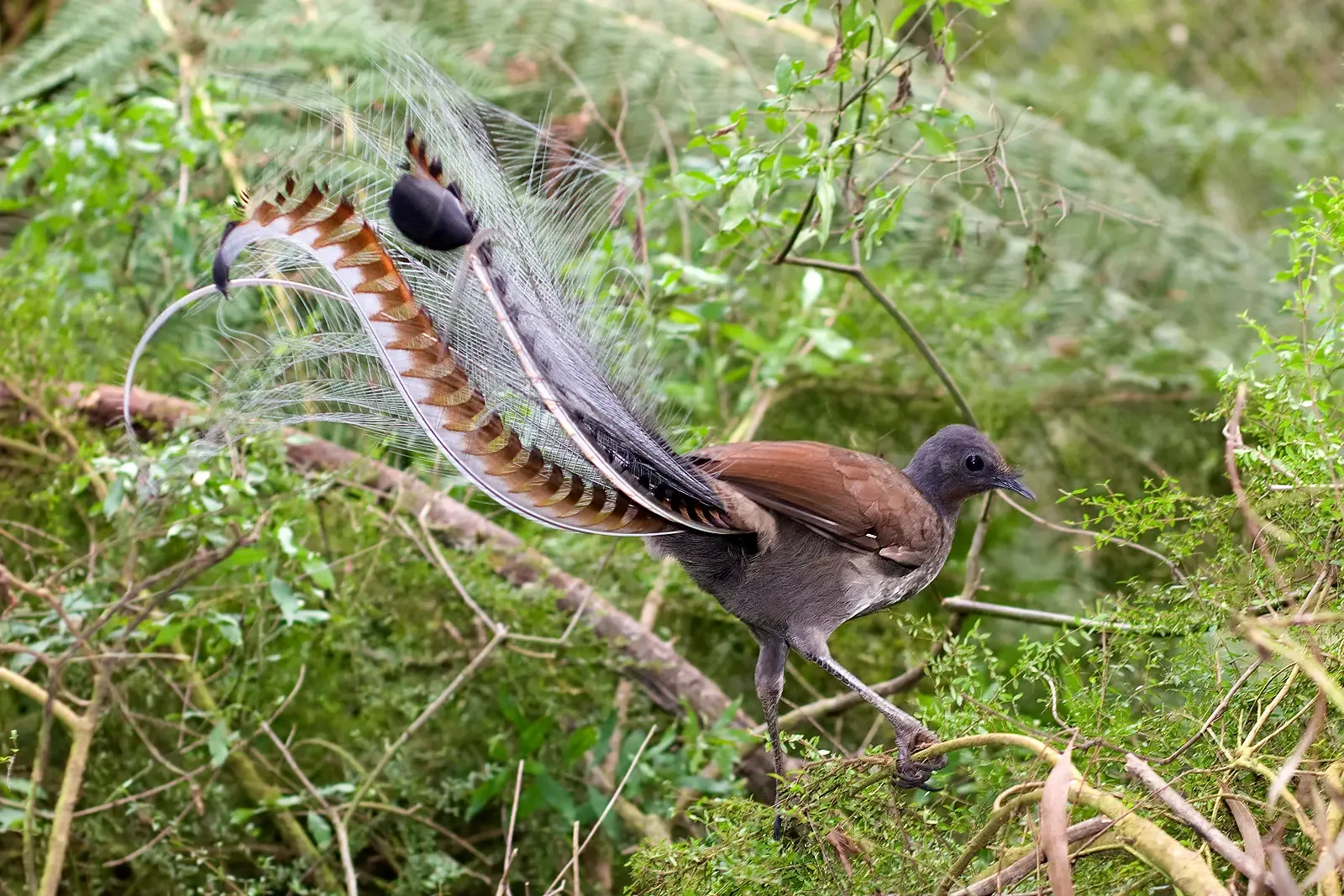
The lyrebird is most notable for its ability to mimic a variety of natural and artificial sounds from their environment, and for the striking beauty of the male bird’s huge tail when it is fanned out in courtship display. Picture this: a bird roughly the size of a chicken, wandering through the Australian rainforest floor, capable of reproducing sounds so accurately that even the original source can be fooled.
Up to 80% of the Superb Lyrebird’s song consists of mimicry, and it’s not unusual for an individual male lyrebird to have mastered the calls of 20-25 species of bird. That’s not just impressive – it’s borderline unbelievable. Lyrebirds are known to imitate the calls of more than 20 bird species, including kookaburras, cockatoos, shrikethrushes, currawongs, and whipbirds, and they have also been observed mimicking the sounds of mammals such as possums, koalas, and dingoes.
What really gets people talking, though, are the mechanical sounds. Camera shutters, car alarms, even chainsaws – nothing seems beyond this bird’s vocal range.
Feathers That Bend Reality
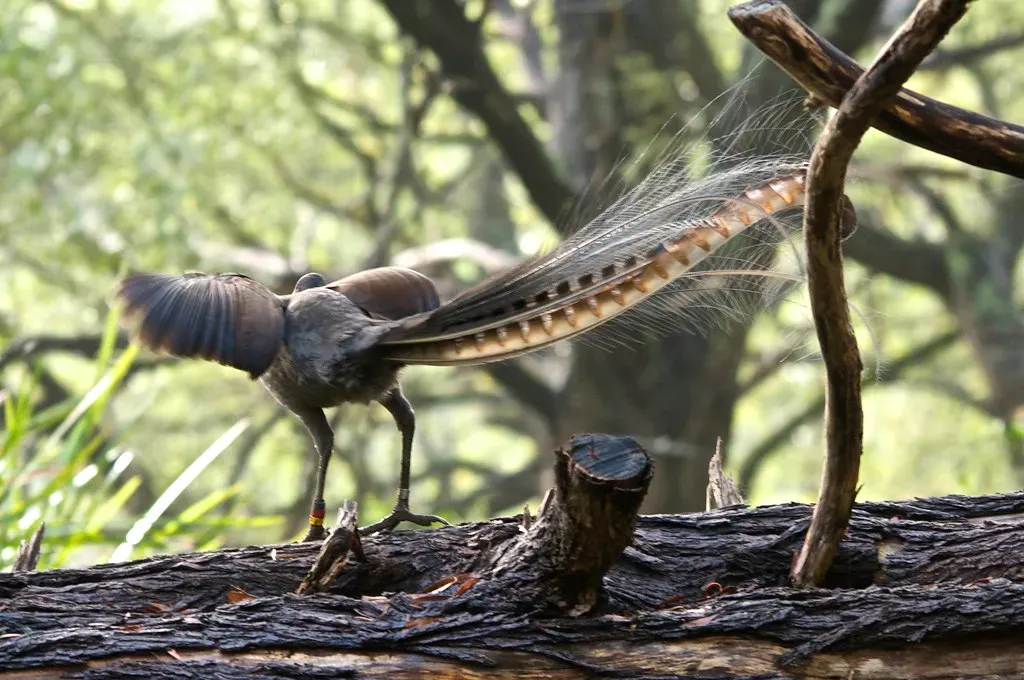
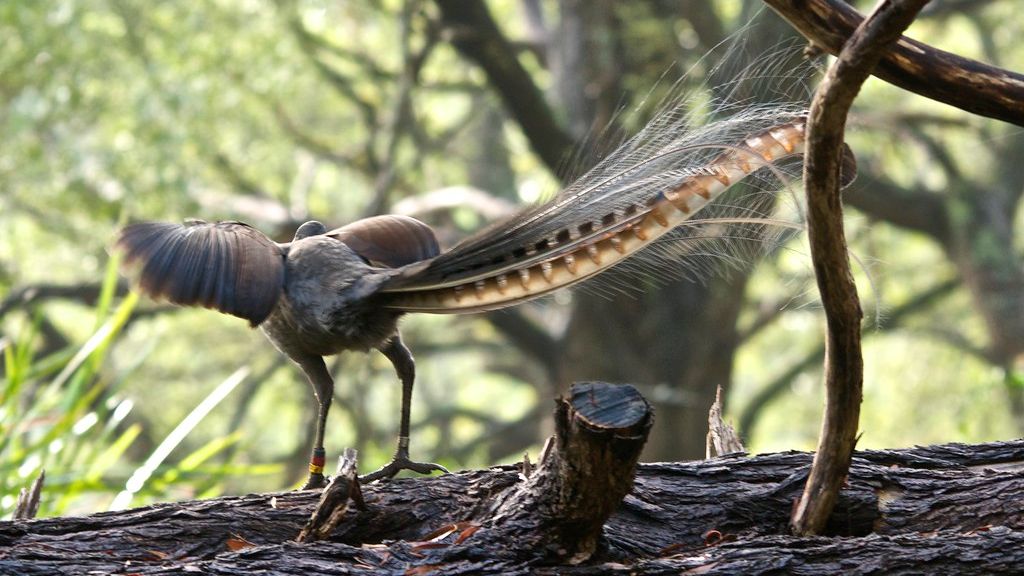
The male bird has a spectacular tail, consisting of 16 highly modified feathers (two long slender lyrates at the centre of the plume, two broader medians on the outside edges, and twelve filamentaries arrayed between them). Here’s where things get wild. The lyrebird doesn’t just possess beautiful tail feathers – it uses them as part of an integrated multimedia performance.
Feathers and voice come together in their courtship display, when they bring their tail over their body and head, vibrating it as they sing and dance. Imagine a shimmering silver canopy cascading over the bird’s head while it belts out a symphony of borrowed sounds. He fans them out and bends them forward over his head while beating his wings and strutting around.
The taxidermists of old got it wrong when they thought the tail resembled a lyre held upright like a peacock. In reality, the display is far more theatrical and intimate, creating a shimmering acoustic chamber that amplifies the bird’s vocal performance.
Masters of Sound Engineering
Let’s be real – this isn’t just about pretty feathers and party tricks. The bird’s vocal prowess is made possible by its highly developed syrinx (vocal organ), which is the most complex of any songbird in the world, and the lyrebird’s unique mimicking capability is primarily used by males in elaborate courtship rituals. The syrinx is essentially the bird’s version of a voice box, but calling it that feels like comparing a kazoo to a concert grand piano.
Most of their mimicry is of other avian species: calls, songs, wing beats, and beak claps, which they deliver in quick succession. Think about that for a moment – wing beats. This bird can replicate the sound of another bird’s wings flapping. The level of auditory precision required for that is staggering.
Scientists believe lyrebirds possess something close to an acoustic photographic memory. These sounds can be learned directly or taught by parents – after the lyrebird’s introduction to Tasmania in the 1900s, birds born on the island continued to mimic sounds their parents had heard back on the mainland for several generations. That’s cultural transmission of sound across generations and geography.
The Forgotten Female Performers
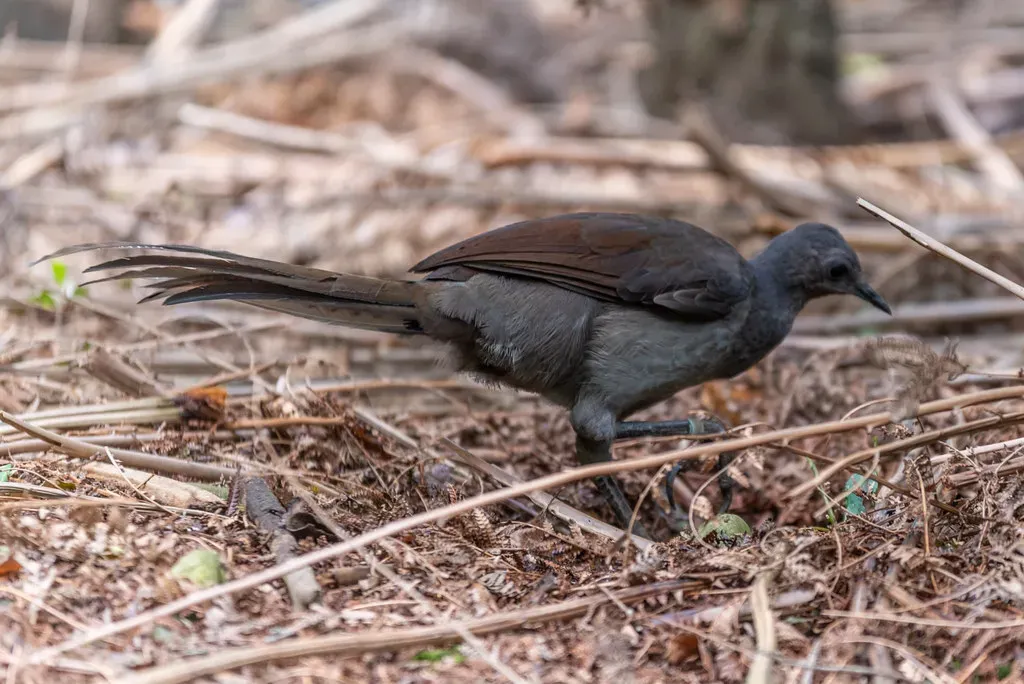
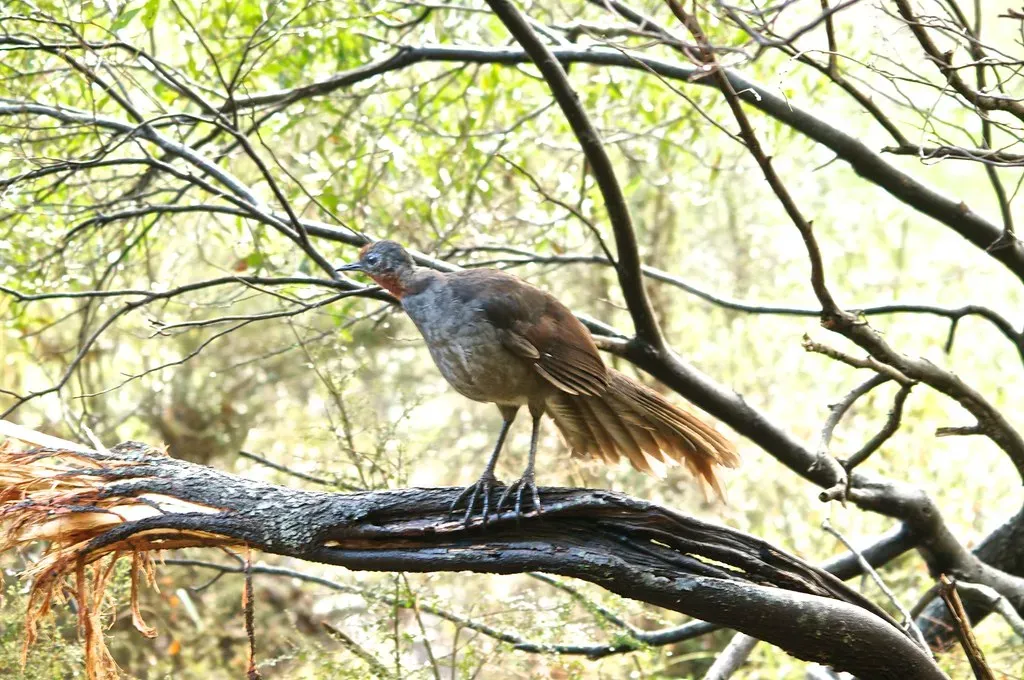
For years, everyone assumed female lyrebirds were silent spectators to the males’ flamboyant displays. Turns out, we weren’t paying attention. Females imitate the calls of cockatoos, parrots, hawks, at least one cuckoo, and even the sound of wingbeats. While they are almost completely silent during courtship, at other times they produce complex vocal displays that blend lyrebird-specific calls with imitations of sounds from their environment, and a study found that female lyrebirds change their calls depending on the situation – while foraging, they mostly sing intricate lyrebird songs, but when defending their nests or competing with other females for breeding territories, they switch to alarm calls, sometimes even mimicking the calls of predators.
This is strategic mimicry at its finest. Imagine fending off a potential threat by convincing it that a hawk is nearby. That’s not just smart – it’s tactical genius. Female lyrebirds aren’t just capable vocalists; they’re acoustic deceivers using sound as a defensive weapon.
The fact that their abilities went largely unnoticed for so long speaks volumes about scientific assumptions. Sometimes the quieter performers are simply waiting for the right moment to take center stage.
Beyond the Lyrebird: Nature’s Other Feather Tricks
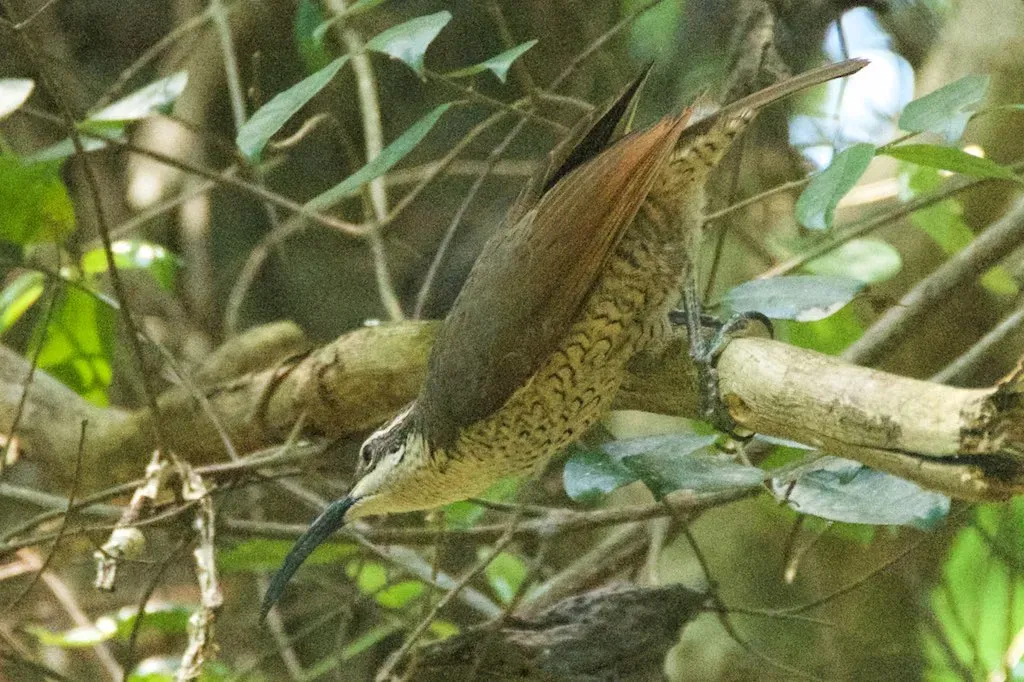
The lyrebird isn’t the only bird doing extraordinary things with feathers, honestly. Male riflebirds rely on the unique ability to hyperextend the wrist joint, which is at present not known to occur in any other bird species, and high-speed video shows that by hyperextending the wing, the bill can be scraped along its dorsal surface to produce a conspicuous snapping sound. That’s a bird literally using its wing as a percussion instrument by scraping its beak across it.
Owls have special serrated flight feathers on their wings that help them fly silently, and the serrated edge breaks up the air as it moves over the wing reducing the amount of noise. Silent flight isn’t magic – it’s engineering. Meanwhile, Club-winged Manakins sing with their wings through a series of small steps, including short wing clicks and backwards hopping, into one of the most unusual displays in the animal world.
Feathers aren’t just for flight anymore. They’re sound generators, visual spectacles, and evolutionary experiments in communication. Each species has found its own niche, its own way to push the boundaries of what these structures can do.
Conclusion
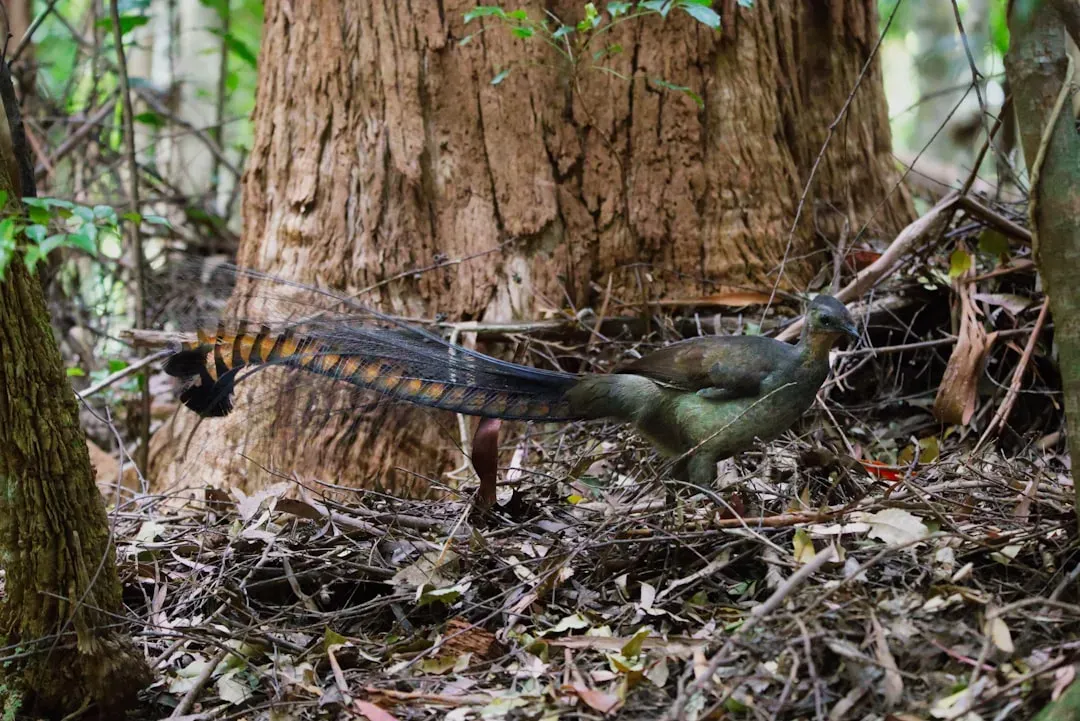
They are most notable for their ability to mimic a variety of natural and artificial sounds from their environment, and for the striking beauty of the male bird’s huge tail when it is fanned out in courtship display. The lyrebird and its feathered cousins remind us that evolution doesn’t just solve problems – it creates artists. These birds have turned survival into performance art, weaponizing beauty and sound in ways that still leave scientists scratching their heads.
The next time you hear birdsong, pause for a second. That might not be what you think it is. Nature has a sense of humor, a flair for the dramatic, and an endless capacity to surprise us. The lyrebird’s feather display isn’t just about attraction – it’s about transformation, turning the ordinary act of courtship into something almost magical.
What do you think? Could you tell the difference between a real chainsaw and a lyrebird’s imitation? Maybe it’s time to listen a little more carefully to the world around us.
