
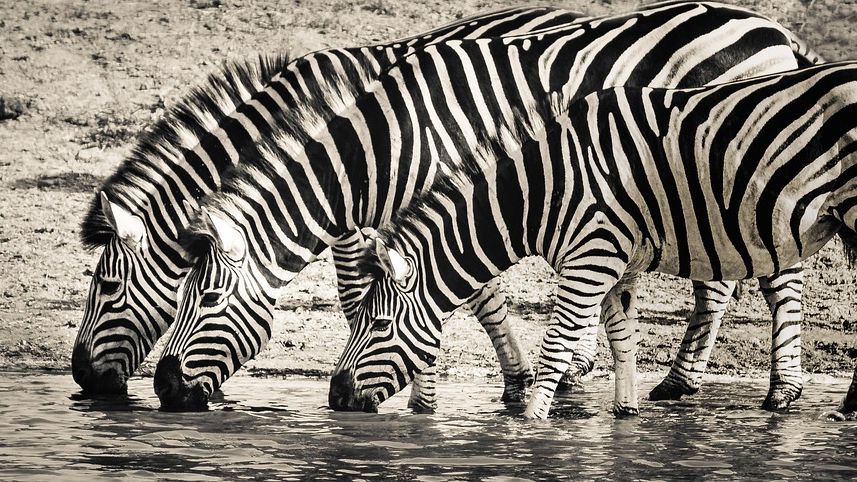
Honestly, when you think of Africa’s wildlife, your mind probably races to lions, elephants, maybe even rhinos. Yet somehow, the zebra stands there with its bold black-and-white stripes, defying explanation, practically begging for your attention. These striped equines aren’t just walking patterns, they’re complex creatures full of surprises that science is still puzzling over.
Here’s the thing, most people glance at a zebra and think they know the whole story. Stripes, grass, done. Except it’s not that simple. These animals are way more fascinating than a quick safari snapshot suggests. So let’s dive in and discover what makes zebras some of the most intriguing animals on the planet.
Every Zebra Is Utterly Unique
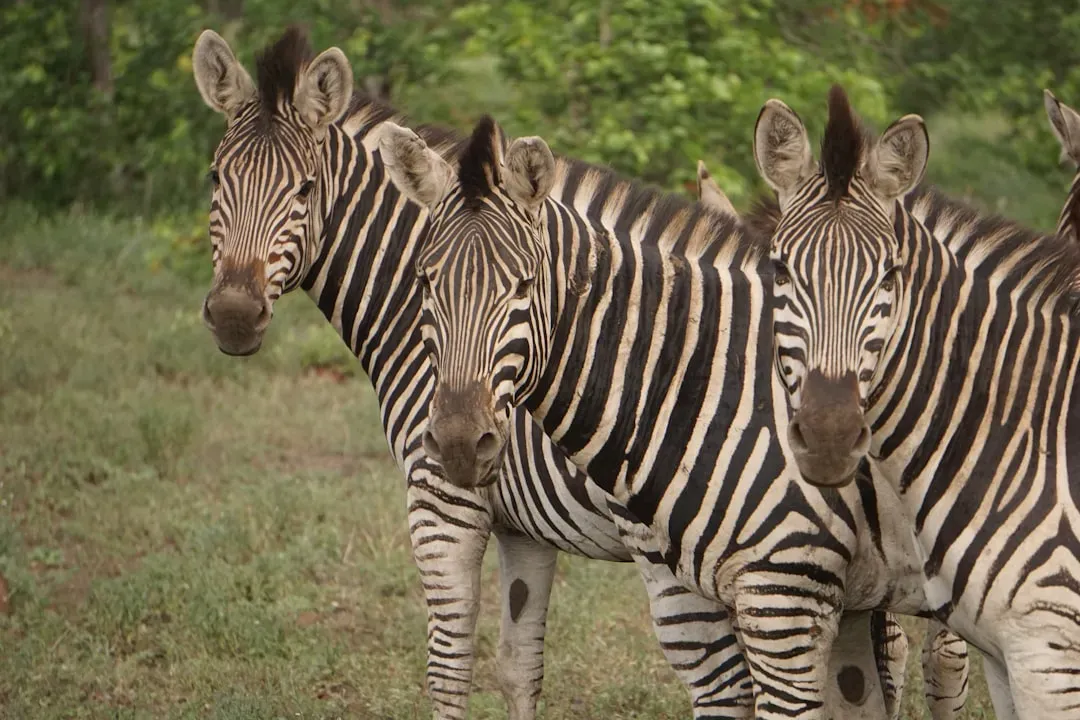
Each zebra carries its own distinctive stripe arrangement, completely unique, allowing researchers and even other zebras to identify individuals within a herd. Think about that for a second. Just like your fingerprints distinguish you from every other human on earth, striping patterns are unique to an individual and heritable.
Mother zebras use this remarkable feature to recognize their foals in crowded herds. Foals recognize their mothers from her stripes, which becomes crucial when hundreds of zebras gather together during migration. Scientists have even developed pattern-recognition software to track individual zebras, similar to the biometric technology that unlocks your phone.
It’s hard to say for sure, but this individuality might run deeper than we think. Zebra stripes are like fingerprints, unique to each animal, creating a visual identity system that’s been evolving for millions of years. Pretty remarkable when you consider nature designed this long before we invented barcodes.
Those Stripes Are Bug Repellent
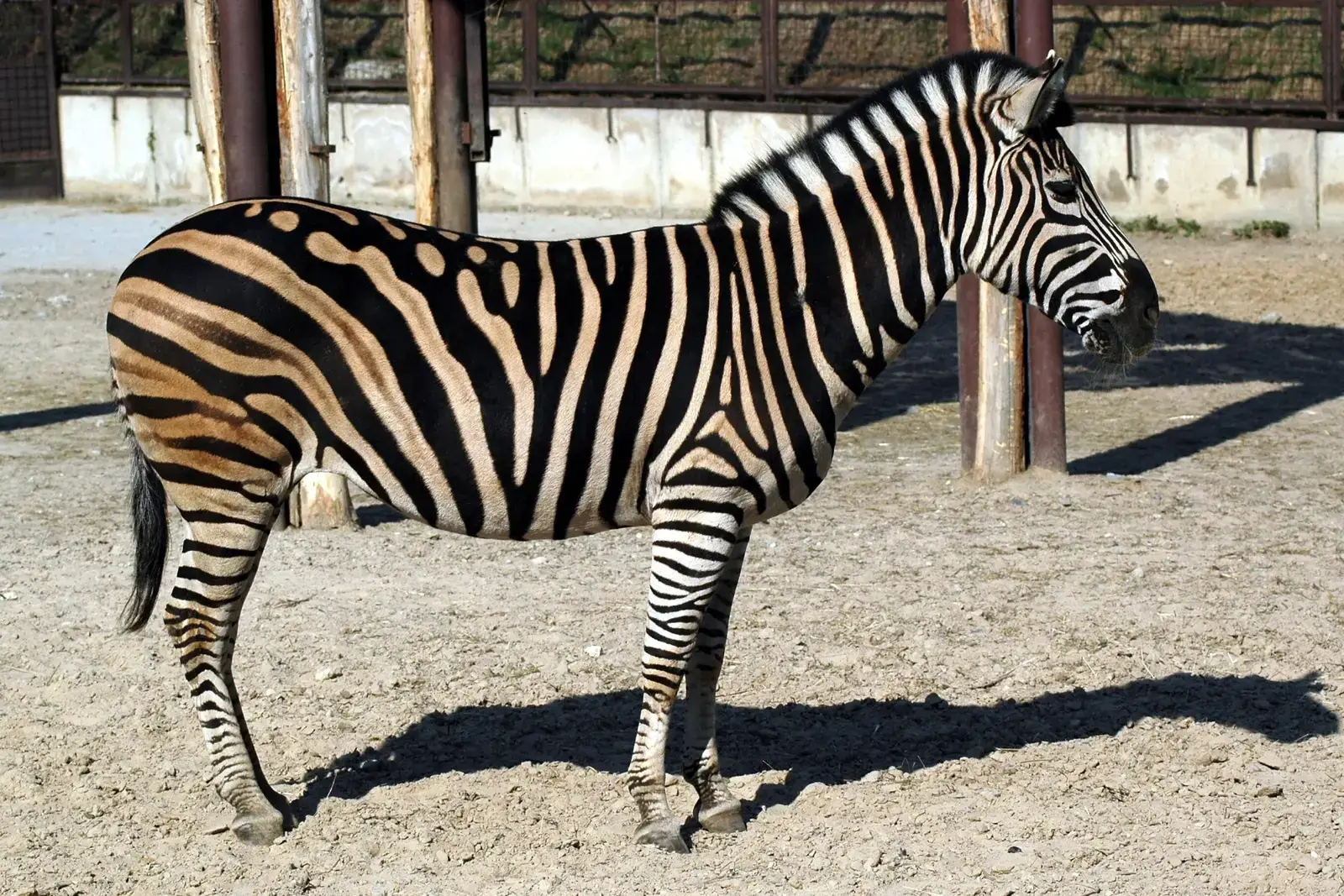
Let’s be real, the mystery of zebra stripes has puzzled scientists forever. You’d think bold black-and-white patterns would make them easy prey, right? Turns out, most evidence supports them as a deterrent for biting flies. Recent research has shown something genuinely surprising about how these stripes function.
Studies suggest these stripes can reduce biting fly landings by up to 80%, which is honestly mind-blowing. The striped pattern of a zebra’s coat disrupts the polarized light that attracts these insects, and as a result, zebras are bitten less frequently than animals with solid-colored coats.
Why does this matter so much? Biting insects can transmit diseases that are harmful to zebras, making the stripes a natural form of pest control. Imagine evolving your own insect repellent over millennia. Meanwhile, we’re still slapping on chemical sprays every summer.
Zebras Are Actually Black With White Stripes
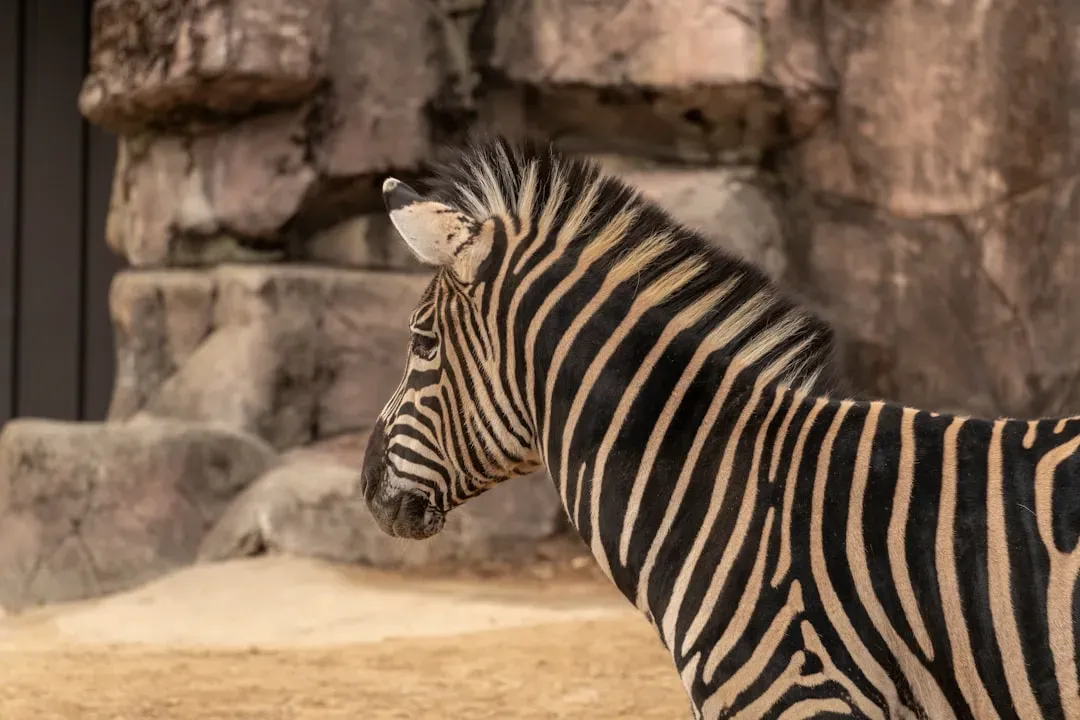
This might sound like a silly debate, but it’s settled now. The coat appears to be white with black stripes, as indicated by the belly and legs when unstriped, but the skin is black. So underneath all that fur, zebras have black skin.
Young or foals are born with brown and white coats, and the brown darkens with age. That color transformation is fascinating to watch as baby zebras mature into adults. The white portions of their coat result from an absence of pigmentation, not added white coloring.
Some people still get confused about this, which I totally understand. The visual pattern tricks your brain into seeing either black on white or white on black depending on what you focus on. Nature’s optical illusion at its finest.
They Form Unbreakable Social Bonds
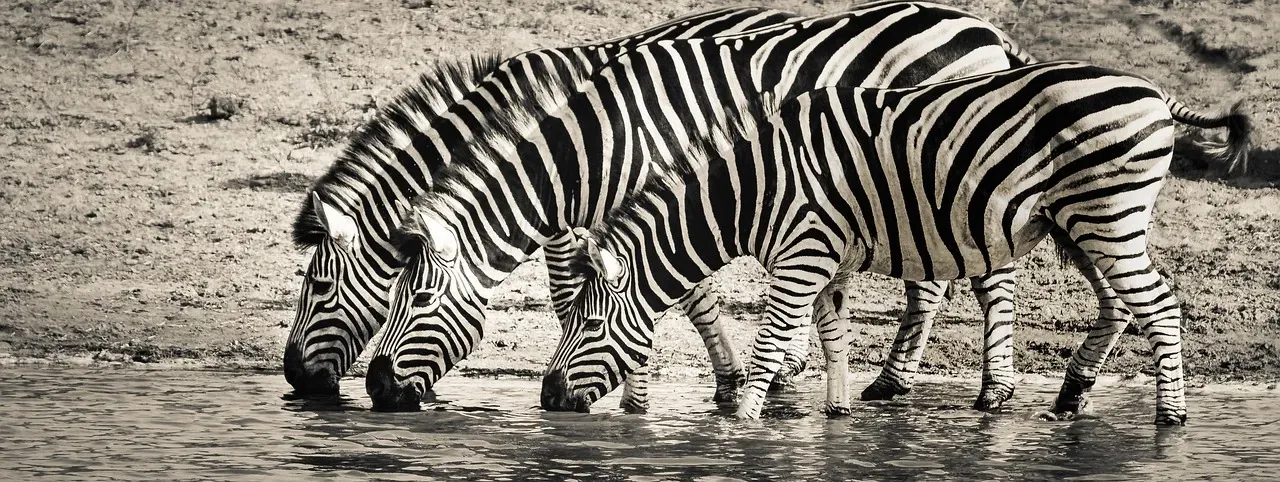
Zebras rarely live alone, forming close-knit family groups and larger herds that provide safety and companionship, with living together increasing vigilance against predators and strengthening cooperation. These aren’t just random gatherings, they’re structured communities with hierarchies and lasting relationships.
Plains zebra are highly social animals that live in small family units that maintain contact with one another even when mixing into larger herds, with close family bonds maintained through social grooming, close standing, and greeting ceremonies. Watch zebras in the wild and you’ll see them nibbling each other’s necks and shoulders, reinforcing their connections.
Family groups typically consist of one stallion, several mares, and their young. Harems generally remain together for months or even years, making it an incredibly stable family unit. That kind of loyalty is rare in the animal kingdom. When danger strikes, they circle the vulnerable members, kicking and charging at predators together.
Zebras also communicate through various vocalizations and body language. Their ears tell stories, flattened back means business, forward and relaxed signals contentment. It’s a whole language most of us never notice.
They’re Surprisingly Fast and Fierce Defenders
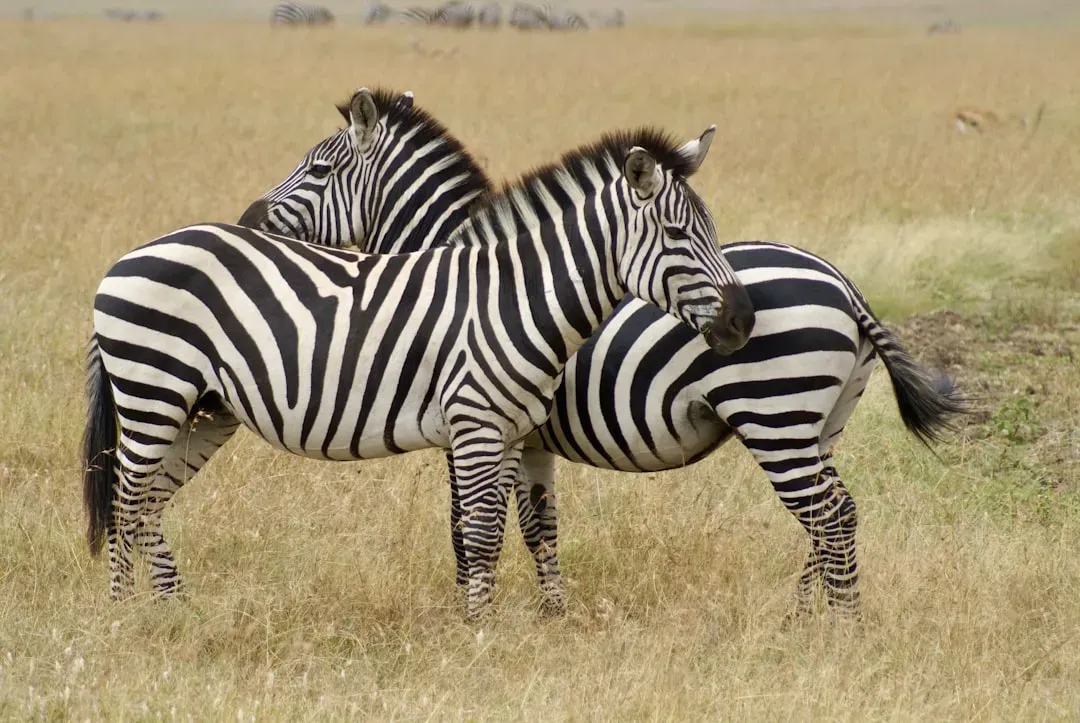
When danger approaches, zebras rely on swift escapes, capable of sprinting at impressive speeds, and their agility, combined with quick turns and stamina, makes catching them a difficult task even for powerful hunters. Reaching speeds up to roughly 40 miles per hour, they’re no easy target for lions or hyenas.
Here’s something most people don’t expect: zebras fight back. They have a powerful kick that can cause serious injury to a predator, like a lion, a hyena, or an African wild dog. Seriously, a zebra’s kick can shatter a lion’s jaw. That’s not an animal you want to corner.
When foals are threatened, zebras work together, with adults forming defensive circles around the vulnerable, kicking and charging at predators. This collective defense strategy showcases their intelligence and courage. They’re herbivores, sure, but they’re far from helpless.
Three Species Face Uncertain Futures
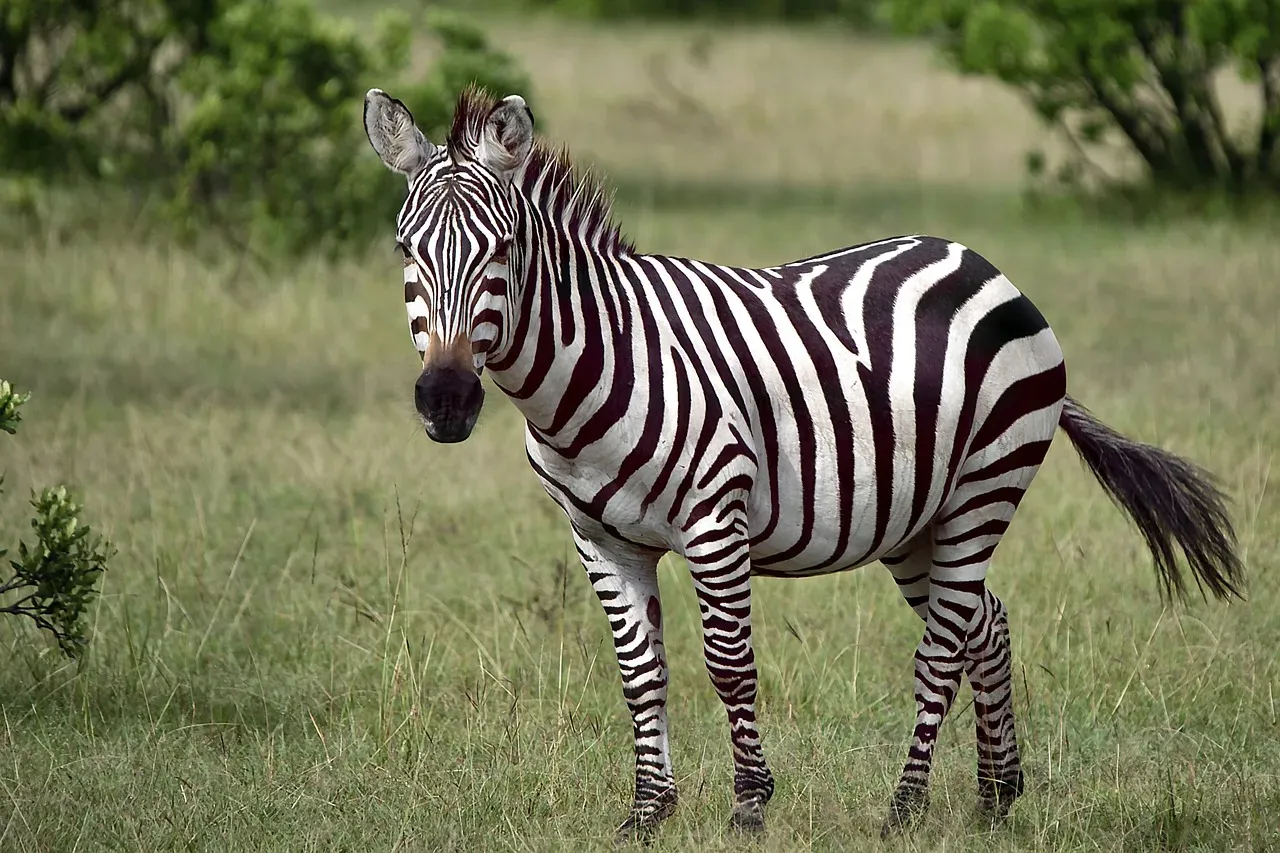
The plains zebra, Grevy’s zebra, and mountain zebra each have distinct sizes, habitats, and stripe designs. Plains zebras are the most common, but even their numbers are declining in certain regions. Grevy’s zebras are the largest with narrow stripes, while mountain zebras adapt to rugged terrains.
The Grevy’s zebra is endangered, with only a limited population remaining in the wild. In the late 1970s, the global population of Grevy’s zebra was estimated to be 15,000 animals; present-day estimates indicate only 3,042 animals remain, representing at minimum an 80% decline in global numbers. That’s a staggering loss in just a few decades.
Habitat loss, hunting, and climate change continue to threaten their numbers, and protecting them ensures that future generations can witness these striped wonders roaming freely across Africa’s plains. Conservation efforts are underway, but time is running short for some populations. The quagga, a subspecies of plains zebra, already went extinct in the 19th century, a reminder of what we stand to lose.
Conclusion
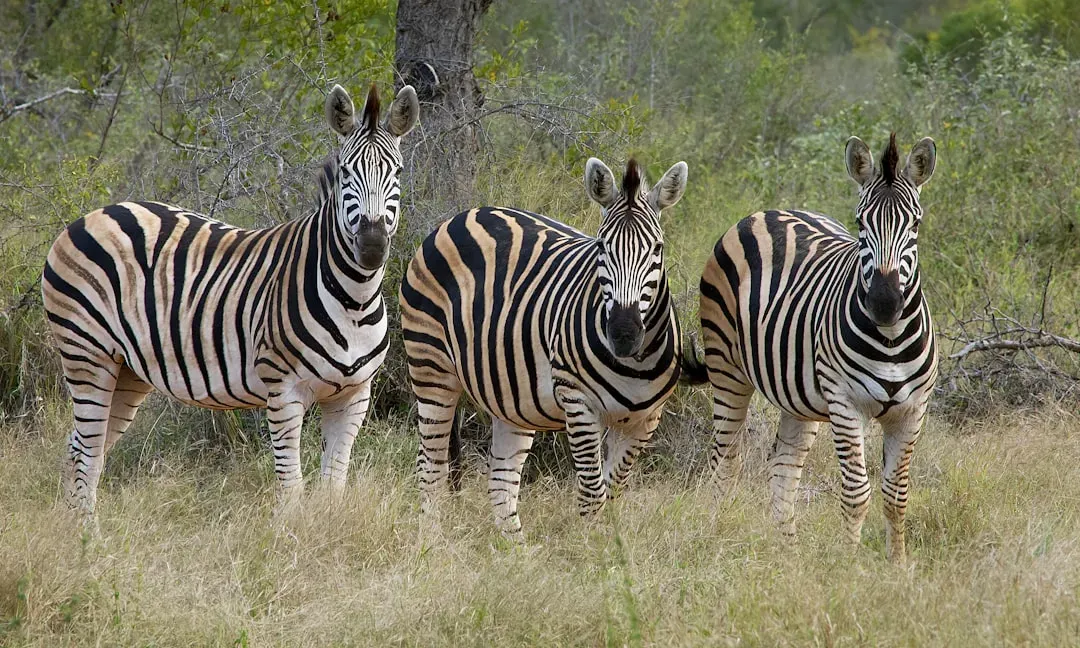
Zebras are so much more than their signature stripes. They’re intelligent, social, defensive, and remarkably adapted to survive in challenging environments. From their unique individual patterns to their surprising evolutionary advantages, these animals continue to captivate researchers and wildlife enthusiasts alike.
The conservation challenges they face in 2026 remind us that even iconic species need our attention and protection. Next time you see a zebra, whether in a documentary or on safari, remember you’re looking at nature’s masterpiece, millions of years in the making.
What’s the most surprising fact you learned about zebras today? Did their bug-repelling stripes blow your mind as much as they did mine?
