

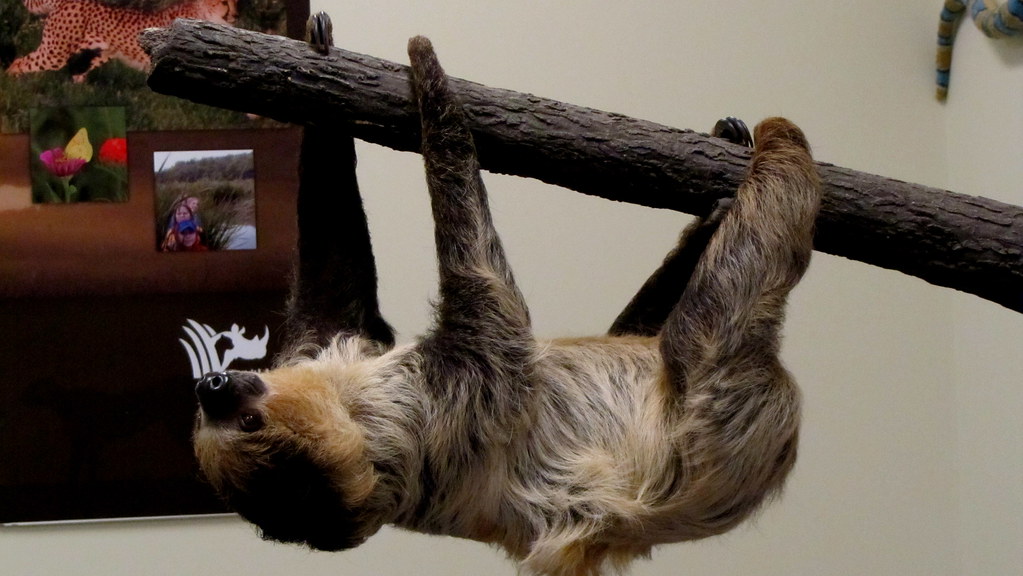
Sloths, masters of the treetops, keep tumbling into humanity’s path in ways that demand immediate action. Urban sprawl and habitat loss push these slowpokes onto roads, power lines, and storm-flooded streets, turning routine days into rescue marathons. Conservation teams in Venezuela report a sharp rise in these mishaps, where a single wrong move spells disaster for the vulnerable creatures. Here’s the kicker: their leisurely pace, once a survival superpower, now leaves them exposed to traffic, electrocution, and predators.
Spotlight falls on Fundación Chuwie today, as their relentless efforts gain fresh attention amid growing calls for wildlife safeguards. Operating from Miranda, Venezuela, the group founded by Juan Carlos Rodríguez and inspired by the resilient sloth Chuwie – who survived electrocution – handles hundreds of cases yearly. Let’s dive into the gritty realities driving these interventions and what it means for sloth survival.
Misplaced Sloths: Urban Jungles Turn Deadly
Deforestation fragments forests, forcing sloths into city fringes where power poles mimic trees and highways slice through canopies. These arboreal icons, with poor eyesight and glacial speeds, mistake human structures for safe havens, leading to frequent groundings. Conservationists note storms often dislodge them, while rare floor descents for elimination go awry in developed zones. Grounded sloths face dehydration, hypothermia, and attacks almost instantly, their low metabolism offering no quick escape. This surge underscores a biodiversity red flag, as sloth struggles mirror wider ecosystem breakdowns.
Fundación Chuwie’s Nonstop Rescue Machine
Fundación Chuwie runs 24/7 shifts, responding to citizen alerts with vets and volunteers equipped for delicate extractions. Co-founder Juan Carlos Rodríguez leads teams that prioritize minimal stress, using insulated tools for high-risk spots. The nonprofit, born from Chuwie’s survival story after losing claws to wires, now rehabilitates hundreds annually through home-based origins turned full center. Partnerships with utilities push for barriers on poles, aiming to cut electrocutions. Community workshops teach safe reporting, no-touch rules boosting success rates. Their Instagram tales inspire global support, fueling expansions.
Power Line Nightmares: Electrified Traps
Sloths climb utility poles seeking familiar heights, only to tangle in live wires, a leading killer in urban edges. Rescuers don protective gear, wielding long insulators to lower animals without shocks. Recent cases near Miranda highlight the peril, with Fundación Chuwie partnering energy firms for sloth-proof designs. These shocks not only injure but scar survivors like mascot Chuwie, who lost three claws yet thrives as ambassador. Calls grow for nationwide pole modifications to prevent dozens of deaths yearly. Prevention here could transform survival odds dramatically.
Roadway Roulette: Traffic’s Slow-Motion Horror
Highways claim sloths mid-crossing, their freeze-in-headlights response no match for rush-hour speeds. Night calls spike as teams race to block lanes, scooping lethargic crossers before dawn rushes. Vehicular hits disrupt family units, hitting breeding hard in fragmented habitats. Advocates demand wildlife corridors and speed reductions near forests, proven reducers elsewhere. Fundación Chuwie logs these as top threats, their quick interventions saving lives amid rising development. Everyday spotters – joggers, drivers – fuel successes via hotline tips.
Storm Survivors: Weather’s Wild Disruptions
Torrents and winds hurl sloths from branches into ditches, roofs, even pools, disorienting the canopy dwellers. Exposed on ground, they battle chills and thirst until rescuers provide fluids, warmth. Fundación Chuwie sees post-storm booms, treating injuries before soft releases. Over 80 percent rebound swiftly, tracking data confirming wild returns. These events reveal climate ties, urging habitat buffers. Resilience shines, but frequency warns of escalating risks.
Rehab to Wild: Tailored Comebacks
Centers mimic wild diets with leaves, fruits, fighting parasites via vet protocols. Stress checks precede gradual forest acclimation, devices monitoring progress. Public campaigns arm locals for spotting, reporting sans handling. Survival climbs thanks to these steps, countering 30 percent decline projections sans action. International funds, volunteers propel goals like 500 rescues yearly. Policy wins for green infrastructure loom large.
Final Thought
Sloths signal deeper woes, but groups like Fundación Chuwie prove human help tips scales. Their wins foster coexistence, one rescue at a time. What spots have you seen wildlife in trouble? Share below.
Source: Original YouTube Video

- Urban Coyotes Show Remarkable Adaptability, Learning to Thrive in City Environments - July 22, 2026
- Beavers Are Nature’s Engineers, Creating Vital Habitats for Other Wildlife Species - July 21, 2026
- The Recovery of the California Condor Offers Hope for Other Critically Endangered Birds - July 21, 2026