

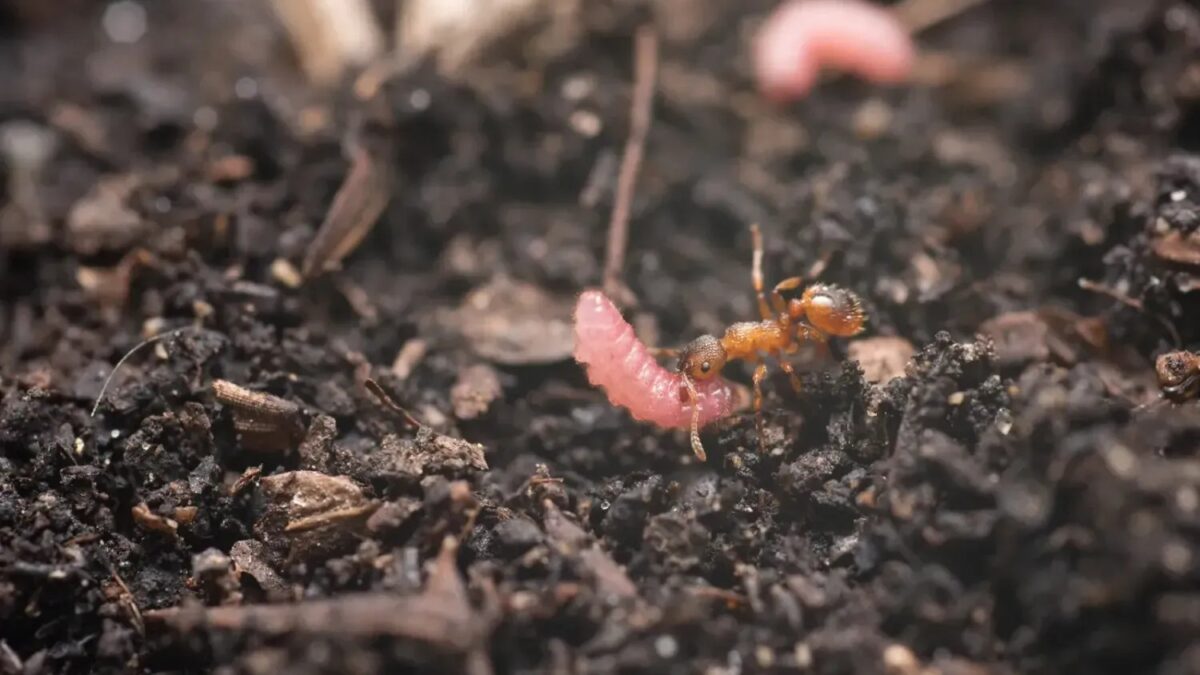
Nature has a way of humbling us just when we think we’ve figured it out. We spend decades studying insects, and then something completely unexpected crawls out of the undergrowth and rewrites the rulebook entirely.
Most of us picture caterpillars as simple, leaf-munching creatures with nothing much going on upstairs. Turns out, we couldn’t be more wrong. What researchers have recently discovered about how certain caterpillars communicate is, honestly, the kind of thing that makes you stop and stare at your garden in a whole new way. Let’s dive in.
The Discovery That Nobody Saw Coming
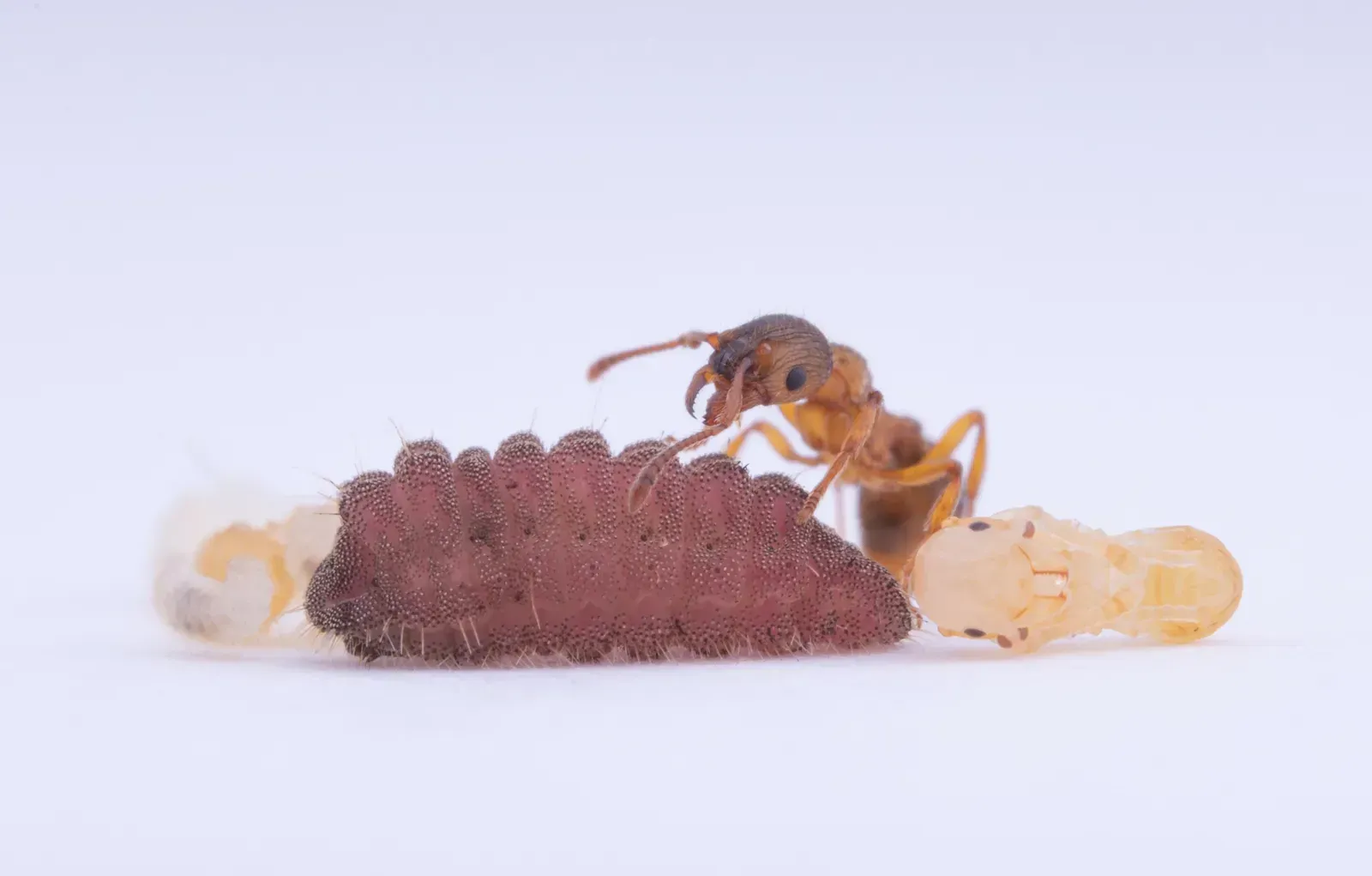
Here’s the thing – scientists have long known that some insects produce vibrations or sounds to communicate. But what a team of researchers recently uncovered about caterpillars takes that concept to a completely different level. These small, soft-bodied larvae are generating rhythmic signals that show a level of complexity researchers simply didn’t expect to find in creatures this early in their development.
The study focused on caterpillars and their ability to produce and respond to structured rhythmic patterns. Think of it less like noise and more like a kind of percussion language. The signals aren’t random. They follow sequences, patterns, and timing structures that suggest something genuinely sophisticated is happening.
What makes this even more remarkable is that caterpillars are essentially the juvenile stage of moths and butterflies. They’re not the adult, fully developed insects. Yet they’re producing communication signals that carry real structural complexity. It’s a bit like discovering that toddlers are writing poetry.
How Caterpillars Actually Make These Sounds
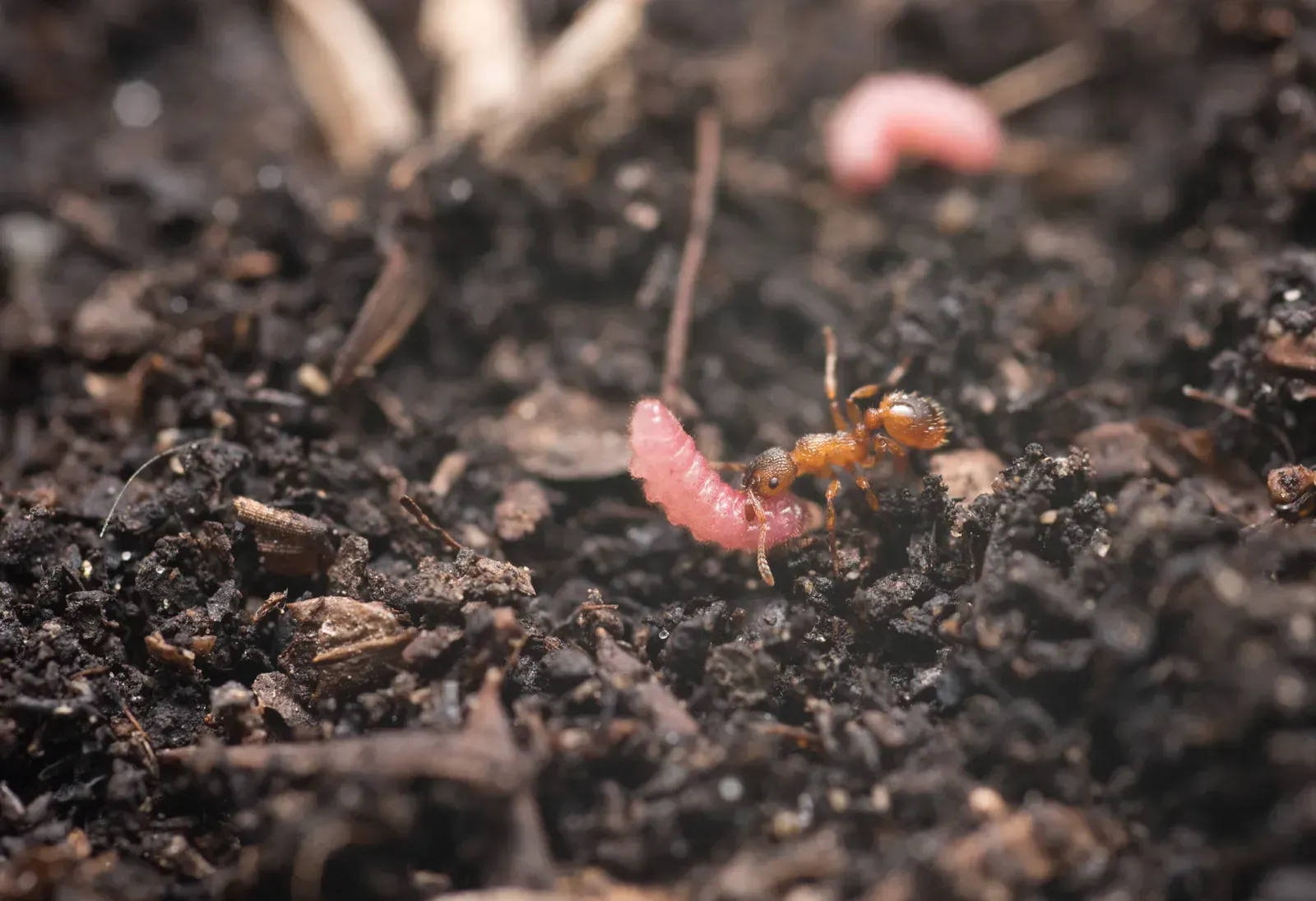
The mechanics behind caterpillar communication are fascinatingly strange. These creatures use their bodies in surprisingly creative ways to generate rhythmic signals, including scraping, vibrating, and drumming against surfaces like leaves or stems. It’s not vocal communication in any way we’d recognize, but it works.
Some species drag specialized body parts across surfaces to create what researchers describe as substrate-borne vibrations. These signals travel through the plant itself, not through the air. So the leaf becomes the telephone line, in a sense.
Honestly, when you think about it that way, it’s almost more impressive. The caterpillar doesn’t need a vocal cord or a sound-producing organ in the traditional sense. The environment itself becomes the medium. That’s a level of biological ingenuity that genuinely deserves more attention than it typically gets.
The Rhythms Are More Complex Than Expected
This is where the research gets really interesting. The rhythms produced by these caterpillars aren’t just simple, repetitive pulses. Scientists found that the timing, duration, and spacing of the signals carry meaningful variation. It’s structured, not chaotic.
Researchers compared the patterns and found distinct rhythmic signatures that appeared to serve different communicative purposes. That implies a kind of signal vocabulary, where different patterns mean different things. For creatures without a brain anywhere near the size of a bumblebee’s, that’s extraordinary.
The closest analogy I can think of is Morse code. A series of dots and dashes, simple on the surface, but capable of encoding complex messages when the timing is deliberate and consistent. These caterpillars appear to be doing something functionally similar, using rhythm as their medium of expression.
What Are They Actually Communicating?
So what exactly are caterpillars trying to say to each other? Researchers believe the signals serve multiple functions depending on context. One key purpose appears to be social coordination, particularly in species that live in groups during their larval stage.
Some caterpillars live communally on host plants and need to coordinate feeding, movement, and potentially defense responses. Rhythmic signals could play a role in all of these behaviors. It’s a form of collective organization that doesn’t require anything we’d call intelligence in the conventional sense, yet it achieves real, practical outcomes.
There’s also evidence suggesting some signals may relate to territory or resource ownership on a shared plant. Let’s be real, when dozens of caterpillars are sharing the same food source, being able to signal “this section is occupied” would be enormously useful. The rhythms may essentially serve as boundary markers.
Why Plants Are Central to This Story
One detail that often gets overlooked in coverage of this research is the role of the plant itself. Caterpillars don’t send signals through the air in any meaningful way. The plant is the literal communication network, transmitting vibrations from one caterpillar to another through stems and leaves.
This changes how we think about plant-insect relationships. Plants aren’t just passive food sources for caterpillars. They’re infrastructure. They’re the fiber optic cable that carries the signal. That reframing is subtle but genuinely important for how we understand these ecological relationships.
It’s hard to say for sure how far these vibrations travel through a single plant, but research on substrate-borne communication in insects more broadly suggests the signals can propagate surprisingly well through rigid plant tissue. A caterpillar on one side of a leaf might well be picking up signals from another on the far stem.
What This Means for Our Understanding of Insect Intelligence
For years, the scientific consensus leaned toward treating most insect behavior as purely instinctual and mechanical. Research like this nudges that assumption in a more nuanced direction. The presence of structured rhythmic communication suggests a layer of behavioral complexity that pure instinct alone struggles to explain.
This doesn’t mean caterpillars are sentient or self-aware in any meaningful sense. That would be a leap too far. But it does suggest that even organisms with very limited nervous systems can evolve surprisingly sophisticated behavioral tools when the evolutionary pressure is strong enough.
Think of it like this: a basic calculator isn’t intelligent, but it can still perform complex operations. The caterpillar’s rhythmic communication might be something like that – deeply patterned, functionally effective, and far more intricate than the hardware would suggest at first glance. That’s a genuinely exciting idea.
The Broader Implications for Ecology and Research
Research like this has practical ripple effects that go well beyond the academic curiosity of caterpillar drumming. Understanding how larvae communicate could open up new approaches in pest management, for example. If you can disrupt or mimic the signals that coordinate caterpillar behavior, you might be able to influence how they organize on crop plants.
There’s also the wider question of how much insect communication we’re simply missing because we haven’t been looking in the right way. Vibration-based signals don’t travel through air, they don’t make noise we can hear, and they leave no visible trace. For most of scientific history, we had no tools sensitive enough to even detect them.
The caterpillar research is a reminder that the natural world is almost certainly communicating in far more ways than we’ve documented. Every new method we develop for sensing and recording the hidden signals of the animal kingdom tends to reveal another layer of complexity we didn’t know was there. It keeps happening. And every time it does, it’s a little humbling.
A Final Thought Worth Considering
There’s something quietly profound about the idea that a small, soft caterpillar on a garden leaf is tapping out rhythmic messages to its neighbors through the stem beneath its feet. No eyes making contact, no sound carrying through the air, just vibrations moving through a plant.
Science has an incredible habit of finding complexity exactly where we least expect it. The caterpillar didn’t read the memo telling it to be simple. It just got on with the business of surviving, and in doing so, evolved something genuinely remarkable.
So next time you spot a caterpillar inching along a branch, maybe pause for a second. It might be in the middle of a conversation. What do you think – does discovering communication in creatures this small change the way you see the natural world? Drop your thoughts in the comments.

- Urban Coyotes Show Remarkable Adaptability, Learning to Thrive in City Environments - July 22, 2026
- Beavers Are Nature’s Engineers, Creating Vital Habitats for Other Wildlife Species - July 21, 2026
- The Recovery of the California Condor Offers Hope for Other Critically Endangered Birds - July 21, 2026