

There are moments in history where an entire species hangs by a thread so thin you can barely believe it didn’t snap. The American bison lived that reality. Once thundering across the continent in numbers so vast they darkened the horizon, these magnificent animals were brought to the edge of oblivion in just a few decades. It is one of the most shocking collapses in wildlife history, and honestly, one of the most remarkable recoveries too.
What makes the bison’s story so captivating is not just the drama of near-total destruction but the extraordinary cast of characters, ranging from lone conservationists to entire Native nations, who refused to let this animal disappear forever. The road back was long, painful, and incomplete in ways that still matter today. Let’s dive in.
From 60 Million to Fewer Than 600: The Darkest Chapter
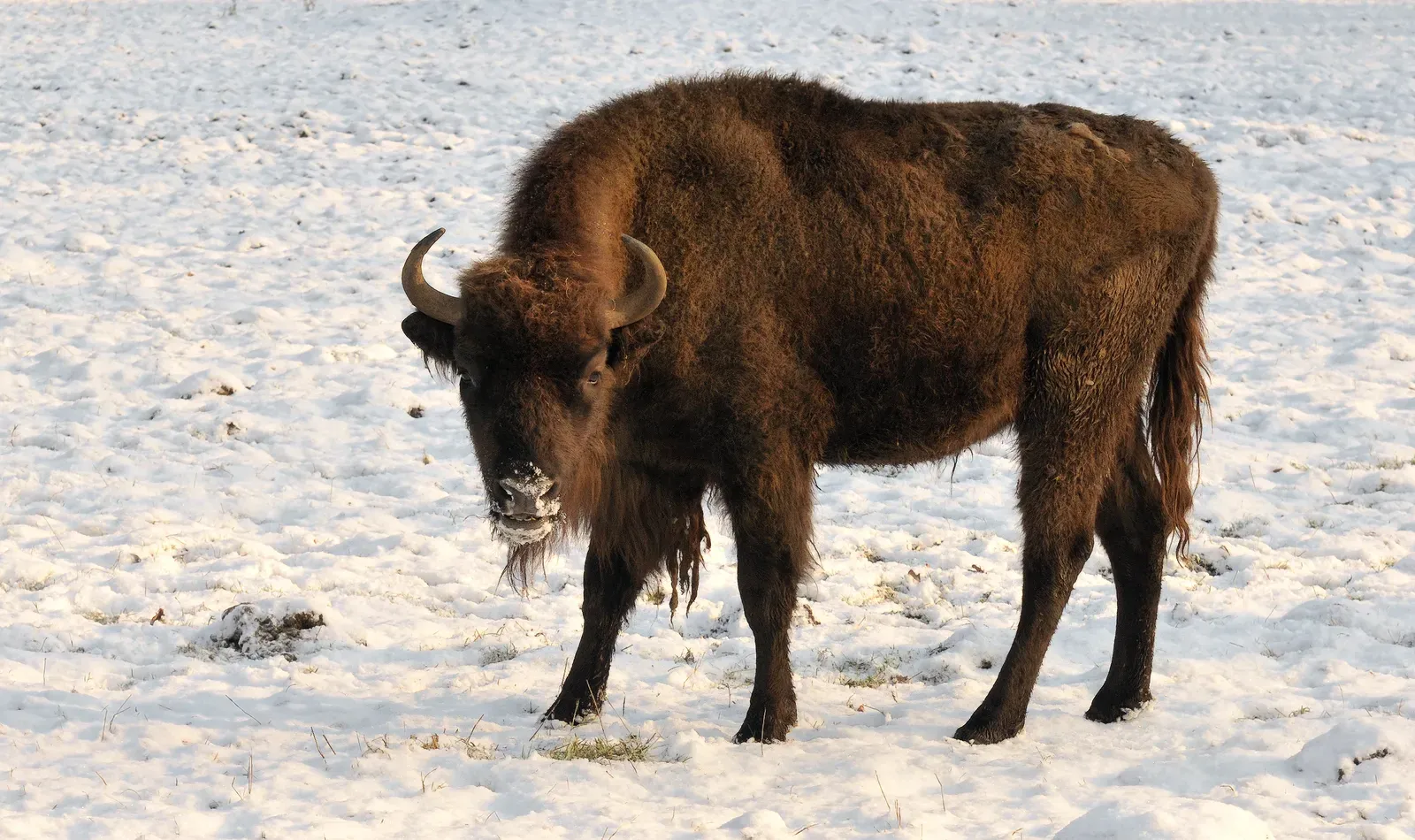
Here’s a number that should stop you cold. With an estimated population of 60 million in the late 18th century, the bison was culled down to just 541 animals by 1889. Think about that for a moment. Sixty million animals reduced to a number smaller than a high school graduating class. It is almost incomprehensible.
This near-extinction was caused by the westward expansion of American settlers, who built railroads that disrupted bison migration pathways, over-hunted the animals for their hides and converted bison habitat into farmland. It was destruction on an industrial scale, driven by greed, expansion, and something far darker.
Bison hunting was adopted by American professional hunters, as well as by the U.S. government, in an effort to sabotage the central resource of some American Indian Nations during the later portions of the American Indian Wars, leading to the near-extinction of the species around 1890. This was not accidental. It was deliberate policy, a weapon aimed at entire peoples.
The near decimation of the species unraveled fundamental ties between bison, grassland ecosystems, and Plains Indians’ cultures and livelihoods. The grasslands suffered too. The persecution of bison contributed to the decline of healthy grassland ecosystems and, eventually, to the Dust Bowl in the 1930s. The loss of the keystone species, coupled with land conversion, led to declines of other important grassland wildlife, such as migratory birds and pollinators.
The Unsung Heroes Who Refused to Give Up
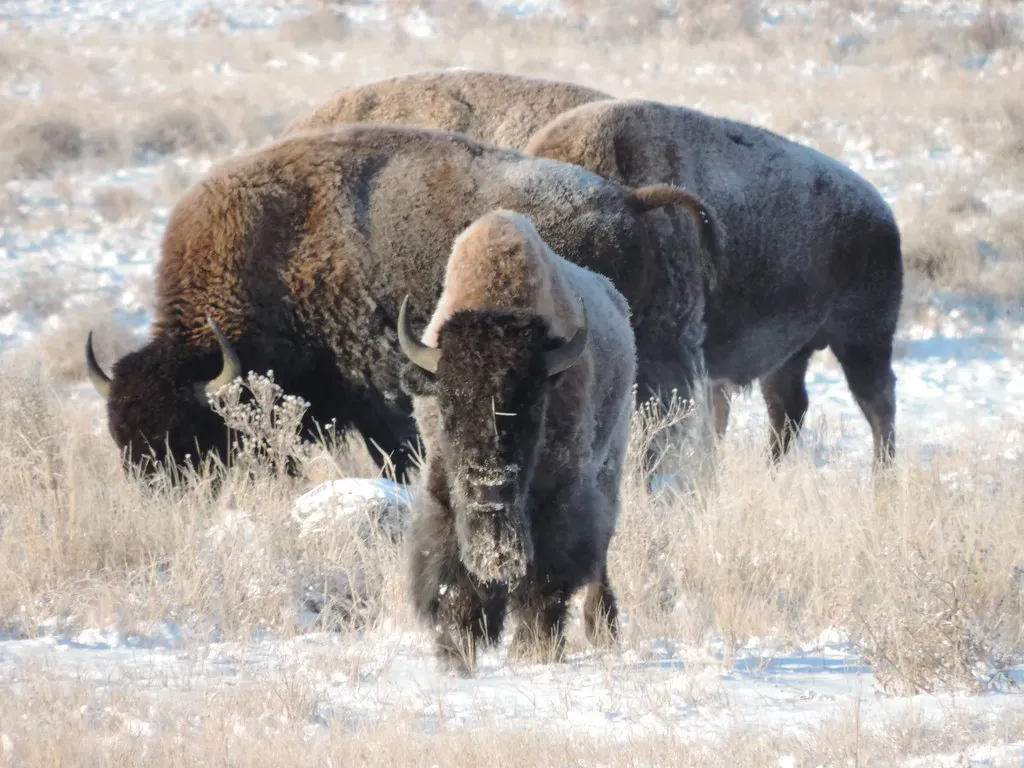
When the bison teetered on the absolute edge, a handful of remarkable individuals stepped forward. I think their stories deserve far more recognition than they typically receive.
Taxidermist William Temple Hornaday brought bison back into public consciousness after he was sent out to collect bison specimens for the Smithsonian Museum in 1886. When he saw that bison were on the verge of extinction, his mission changed from hunting bison for display to preserving them in the wild. One man, one shift in conscience, and the ripple effects lasted generations.
Because bison became so scarce and bison extinction seemed imminent, Theodore Roosevelt, William Hornaday and others formed the American Bison Society in 1905 to ensure the species’ survival. By that point, the Bronx Zoo and Yellowstone National Park had also established bison preserves, and in 1908, the federal government created the National Bison Range in Montana.
Known as the Lacey Act of 1894, the law provided punishment for poaching on public lands, resolved jurisdictional issues and helped Yellowstone’s managers to start recovering the bison population. It was a small legal step, yet a pivotal one. Sometimes legislation really does save lives, even animal ones.
Yellowstone: The Last Wild Stronghold
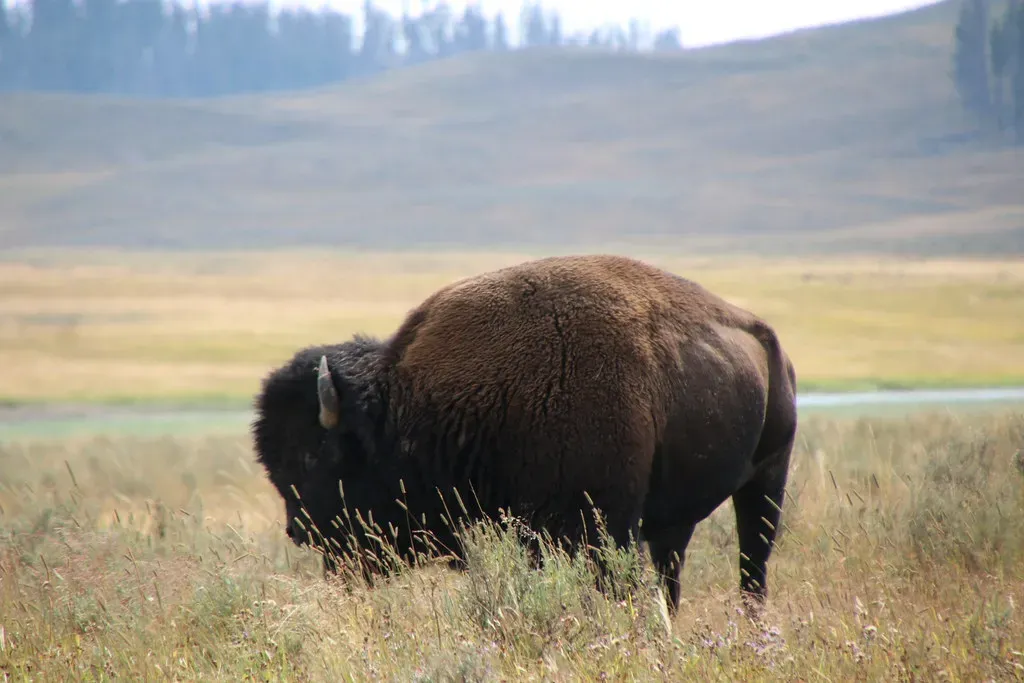
If there is a single place on earth that deserves the title “home of the bison’s second chance,” it is Yellowstone National Park. Yellowstone National Park is the only place in the U.S. where bison have continuously lived since prehistoric times. That continuity matters more than most people realize.
Once nearly extinct due to poaching, Yellowstone’s bison population recovered from just 23 individuals in the early 1900s after conservation efforts introduced additional bison from Montana and Texas. Twenty-three animals. That is the slender thread from which today’s entire wild population descended.
Despite a historical “population bottleneck,” the bison population has rebounded to between 4,000 and 6,000 individuals, marking one of the greatest wildlife conservation achievements. A recent scientific discovery added another layer of good news. A study published in the Journal of Heredity found that Yellowstone’s bison, previously thought to be two genetically distinct groups, now function as one interbreeding herd.
Understanding Yellowstone’s bison’s genetic health and breeding patterns will help park officials implement more effective conservation strategies for long-term population sustainability. Science and nature working together. It’s a genuinely hopeful thing to witness.
Indigenous Nations and the Cultural Reclamation of the Buffalo
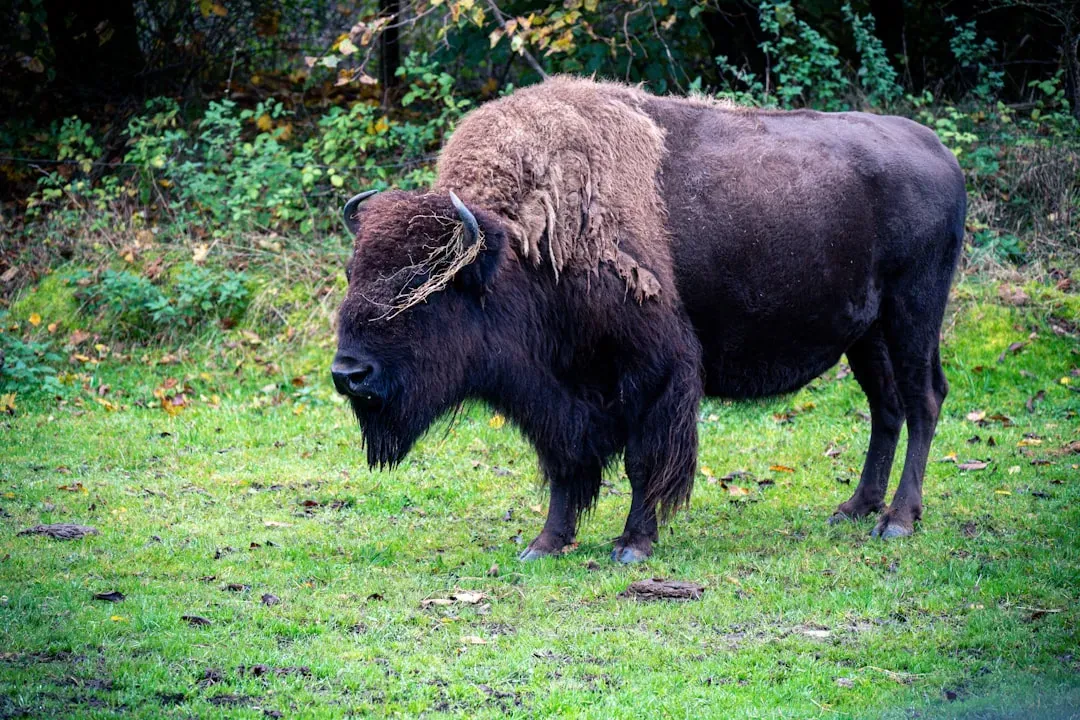
Let’s be real: no conservation story about the American bison is complete without centering Indigenous peoples, who were both the greatest victims of the bison’s destruction and among its most committed restorers.
Buffalo hunting was an activity fundamental to the Indigenous peoples of the Great Plains, providing more than 150 uses for all parts of the animal, including being a major food source, hides for clothing and shelter, bones and horns as tools as well as ceremonial and adornment uses. The bison was not simply food. It was an entire way of life, a spiritual relationship, a universe unto itself.
In 2014, U.S. Tribes and Canadian First Nations signed a treaty to help with the restoration of bison, the first to be signed in nearly 150 years. That is a profound moment, worth sitting with. In June 2023, 25 bison were transferred from Elk Island park in Canada to the Blackfeet confederacy of Montana, released into the Chief Mountain Wilderness. They are the first free-roaming bison herd on tribal land since the near extinction of the species in the 1800s.
In the U.S. alone, approximately 25,000 bison now roam across nearly 1 million acres held by 85 nations across 21 states. That number represents not just ecological restoration but cultural reclamation, something deeply moving and long overdue.
Where Things Stand Today, and the Work Still Ahead
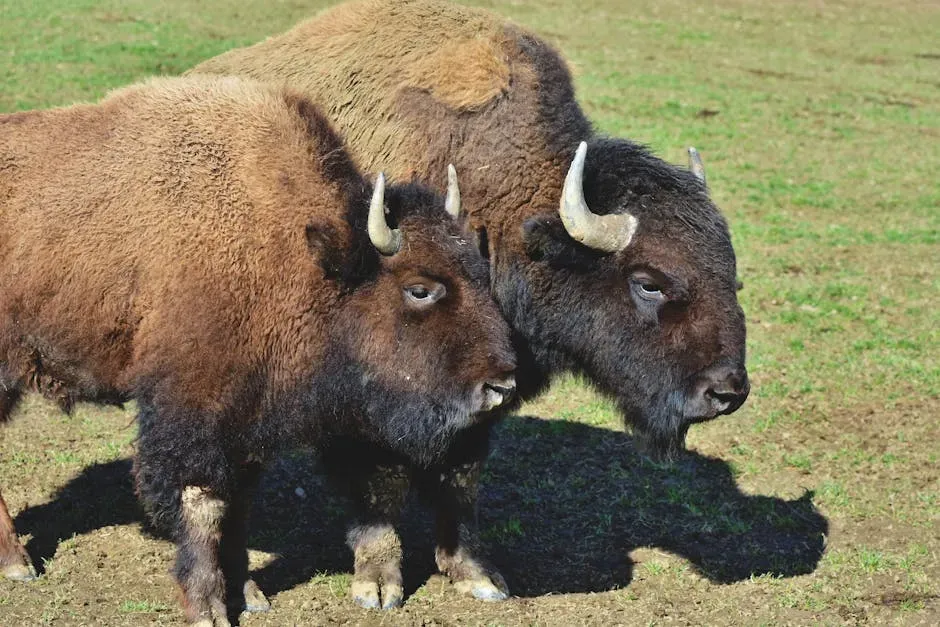
The headlines look good on the surface. Today, the estimated number of bison in America is approximately 360,000, representing a remarkable recovery from near extinction but still far from their historical numbers. From fewer than 600 to 360,000. It is stunning progress by any measure.
However, the full picture is more complicated. The vast majority of these bison are not wild. Approximately 30,000 bison are considered wild or conservation herds, meaning they roam freely on public lands and are managed primarily for ecological health and genetic diversity. The remaining bison are raised on private ranches, often for meat production.
While bison are no longer threatened by extinction, substantial work remains to restore the species to its ecological and cultural role on appropriate landscapes within its historical range. Perhaps the greatest conservation challenge that bison face is the lack of large blocks of habitat where they can freely roam and be managed as wildlife.
Research has shown that bison’s genetic diversity did decrease after the near-extinction event. There are some genotypes, genetic markers of heredity, that have completely disappeared since the near-extinction event. Even though conservation efforts have bolstered genetic diversity today, there are still some lineages that will never be recovered. That is the quiet, irreversible loss hiding within the success story. It’s hard to say for sure just how much was permanently erased, but scientists are actively working to understand it.
Conclusion
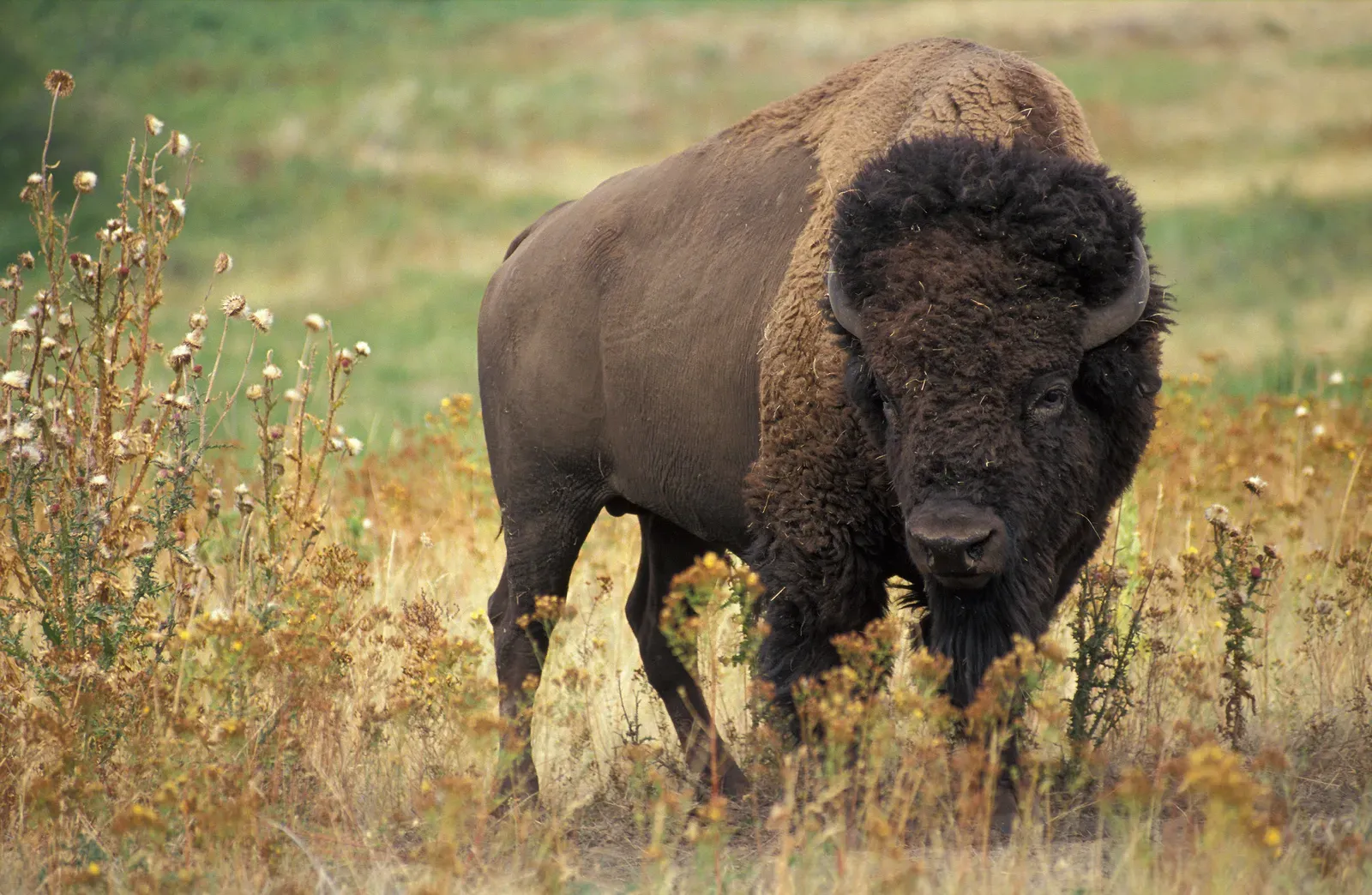
The American bison’s story is one of the most dramatic in wildlife history. It is a story of breathtaking destruction, quiet heroism, political will, scientific ingenuity, and cultural resilience woven together across more than a century. Once nearly wiped out, bison now symbolize resilience, conservation, and renewal.
The recovery is real and worth celebrating. From the late 19th century onwards, the bison population gradually rose from 325 in 1884 to 500,000 in 2017, as a result of careful preservation and a general population boom. Yet the work is genuinely far from over. Habitat, genetics, Indigenous land rights, and the question of what it truly means to restore a species, not just count its numbers, all remain urgent and unresolved challenges.
The bison did not save itself. People chose to save it. Ranchers, conservationists, scientists, Indigenous leaders, and lawmakers all played a role. That coalition, messy and imperfect as it sometimes was, produced something extraordinary. If a species brought to fewer than 600 individuals can thunder back to 360,000 strong, what else might be possible when humanity actually decides to try? What do you think: is the bison’s comeback a blueprint we should be applying to every endangered species on earth? Tell us in the comments.

- 9 Things Wildlife Trackers Notice in the First 60 Seconds in Any Forest That Most People Walk Past Their Entire Lives - July 18, 2026
- 5 Dog Breeds That Vets Say Are Consistently Misread as Aggressive – and the Behavioral Signals That Actually Explain What They Are Doing - July 18, 2026
- 7 Facts About Octopus Intelligence That Marine Biologists Say Should Change the Way We Think About What Counts as a Mind - July 18, 2026