

There is something almost magnetic about the bond between North Americans and their horses. Whether it’s the thunder of hooves on a rodeo dirt track, the quiet grace of a trail ride at golden hour, or the electric tension of a thoroughbred race, horses have shaped this continent’s identity in ways that go far deeper than sport or utility. They’re woven into the culture itself.
With millions of horses calling North America home, the diversity of breeds here is nothing short of extraordinary. Some were born on this very soil, shaped by Indigenous hands and open wilderness. Others crossed oceans to find a new purpose under a bigger sky. So which breeds have truly captured the hearts of riders, ranchers, and enthusiasts across the continent? Let’s find out.
1. American Quarter Horse – The Undisputed King
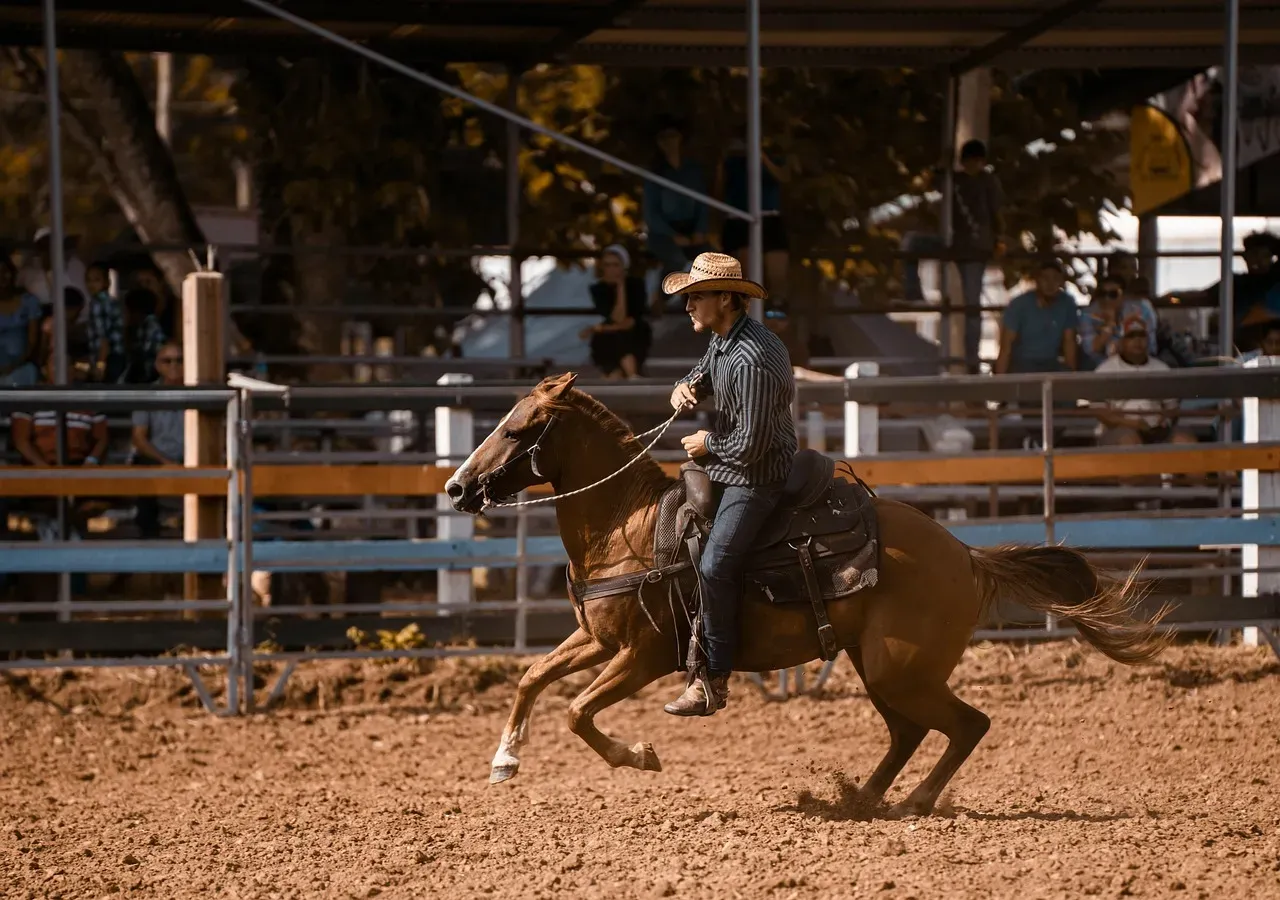
If there’s one breed that defines North American horsemanship, it’s this one. The American Quarter Horse holds the top spot, representing roughly two-fifths of all horses counted in the United States Department of Agriculture’s equine census, valued for speed over short distances, calm disposition, and strong performance in western riding and ranch work. That’s not just popularity. That’s dominance.
As of 2020, the American Quarter Horse Association had over 6 million horses registered since being founded in 1940, making it the largest registry in the world. The Quarter Horse is the fastest horse breed in the world over a quarter-mile distance, with heavy musculature and powerful hindquarters enabling speeds of 50 mph within seconds. The fastest horse in recorded history was a Quarter Horse clocked at 55 mph.
The American Quarter Horse remains a favorite for its intelligence, steady temperament, and adaptability. Whether it’s cutting, reining, barrel racing, or simply being a reliable trail partner, they are remarkably versatile. Honestly, it’s hard to overstate just how central this breed is to the whole fabric of American equestrian life.
2. American Paint Horse – Beauty That Actually Works
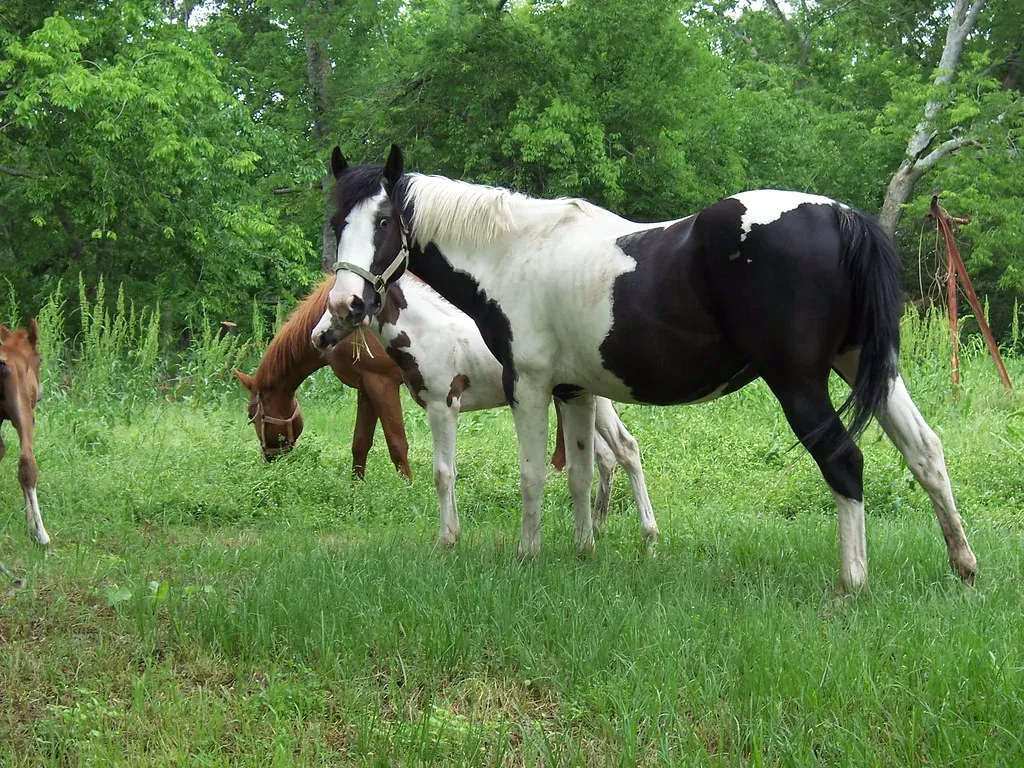
Let’s be real: the first thing anyone notices about a Paint Horse is that jaw-dropping coat. The American Paint has a distinctive coat pattern that can occur in multiple combinations of solid white with another color such as palomino, bay, chestnut, or black, and no two horses are exactly the same when it comes to their varying patterns and colors.
The American Paint Horse’s combination of color and conformation has made the American Paint Horse Association the second-largest breed registry in the United States. Most Paint Horses have calm, people-oriented personalities that make them reliable partners in both Western and English disciplines. They tend to be willing, intelligent, and steady, which contributes to their popularity among riders of all experience levels.
Paint Horses excel in Western and English disciplines thanks to their Quarter Horse foundation, athletic build, and calm temperament. With over 800,000 registered as of 2025, they rank among America’s most popular breeds. That number alone tells you everything you need to know about how loved this breed truly is.
3. Thoroughbred – Speed, Elegance, and a Touch of Fire
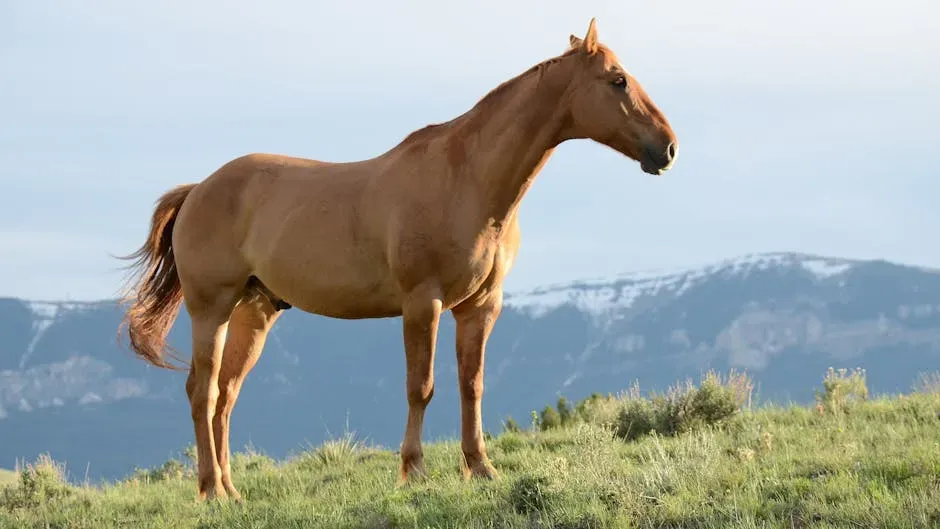
Thoroughbreds are synonymous with horse racing, and their popularity in the United States is closely linked to the sport. These horses are bred for speed and stamina and are seen in both competitive racing and eventing. Think of them as the sports cars of the horse world. Refined, powerful, and not exactly beginner-friendly.
The Thoroughbred, as it is known today, was developed in 17th and 18th-century England, when native mares were crossbred with imported stallions of Arabian, Barb, and Turkoman breeding. All modern Thoroughbreds can trace their pedigrees to three stallions originally imported into England in the 17th and 18th centuries.
Thoroughbreds are used mainly for racing, but are also bred for other riding disciplines such as show jumping, combined training, dressage, polo, and fox hunting. They are also commonly crossbred to create new breeds or to improve existing ones, and have been influential in the creation of the Quarter Horse, Standardbred, and various warmblood breeds. I think it’s fascinating how one breed managed to shape so many others across the continent.
4. Arabian – The Ancient One That Started It All
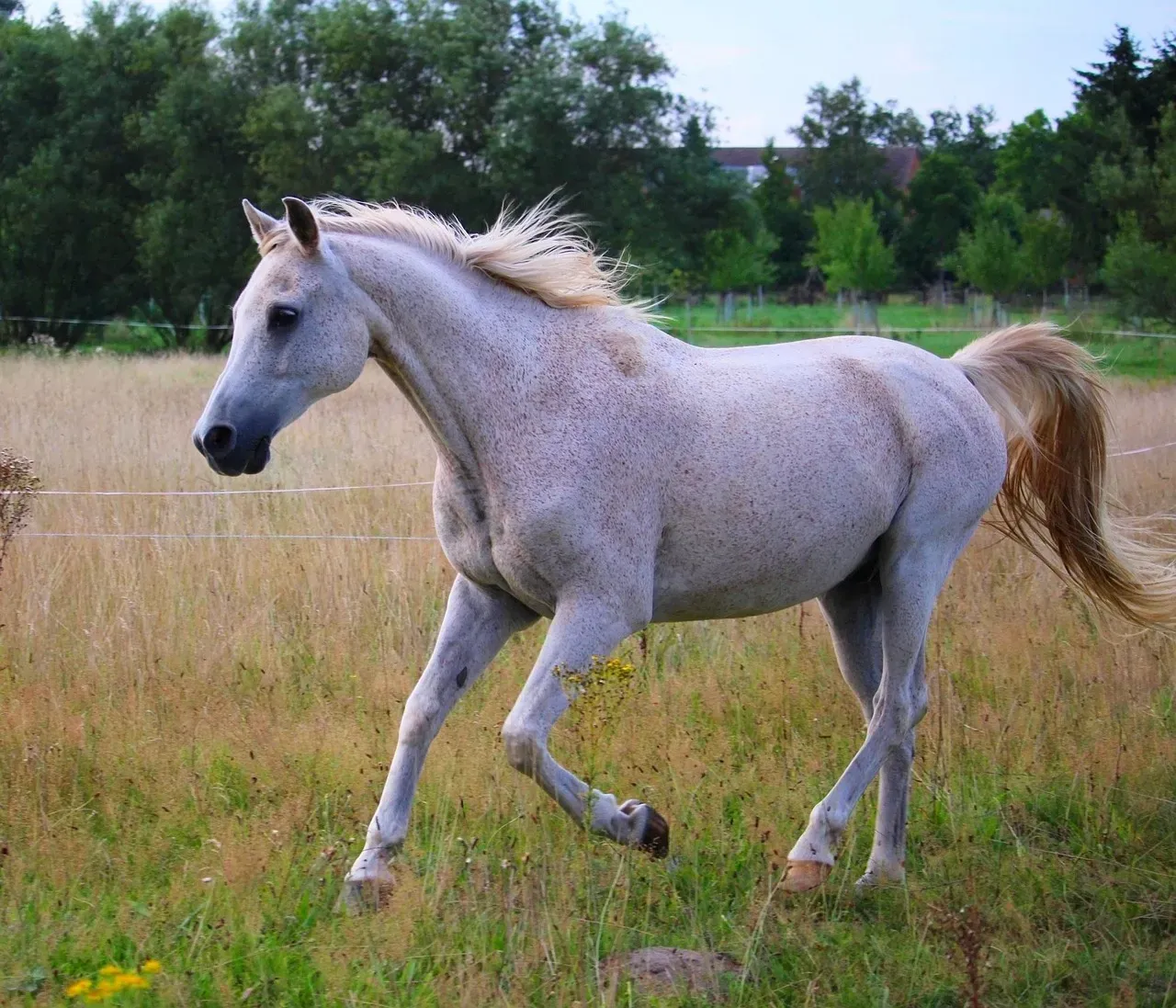
The Arabian horse is one of the oldest and most influential horse breeds in the world. Known for their graceful appearance and endurance, Arabians are widely used in endurance racing, but they also excel in dressage, Western riding, and even pleasure riding. Few breeds carry such history on their backs.
Because of the genetic strength of the desert-bred Arabian horse, Arabian bloodlines have played a part in the development of nearly every modern light horse breed, including the Thoroughbred, Morgan, American Saddlebred, American Quarter Horse, and Warmblood breeds such as the Trakehner. Think of the Arabian as the great-grandparent of the horse world. Its influence is everywhere, even when you can’t see it.
These horses are typically smaller than other breeds, averaging 14 to 15 hands in height, but their stamina is unmatched. The Arabian’s distinct head shape, large eyes, and high-set tail make them one of the most recognizable horse breeds. Compact, ancient, and impossibly beautiful. The Arabian is in a class of its own.
5. Appaloosa – Spotted History on Four Legs
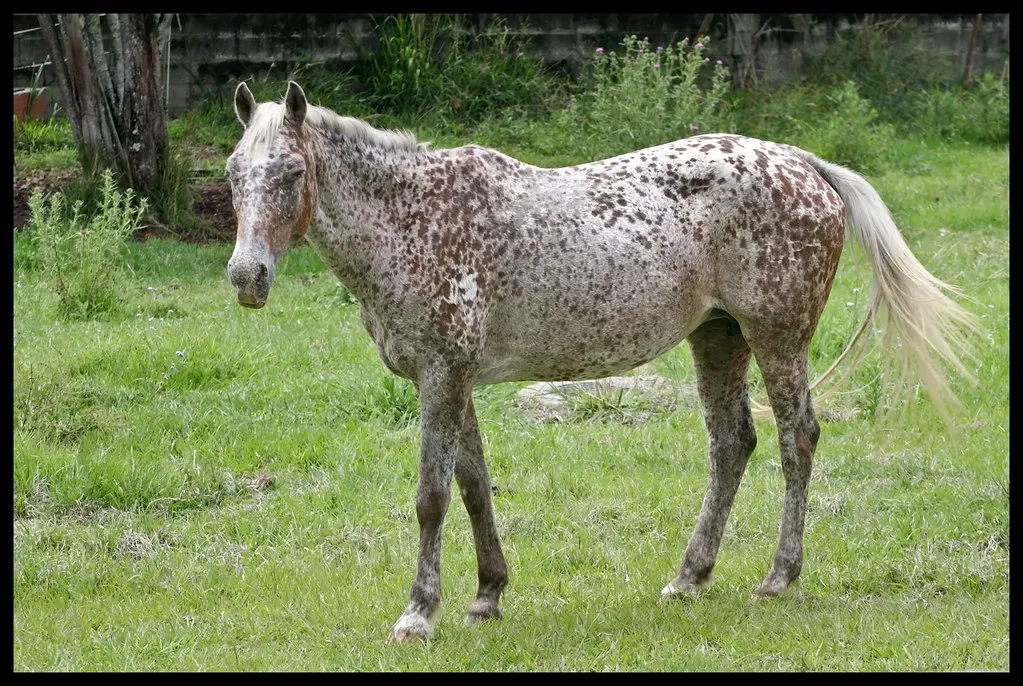
The Appaloosa is a distinctive breed known for its colorful spotted coats and rich history. Originating with the Nez Perce Native American tribe in the Pacific Northwest, Appaloosas were bred for their versatility, stamina, and sure-footedness, making them perfect for hunting and transportation.
The Nez Perce lost most of their horses after the Nez Perce War in 1877, and the breed fell into decline for several decades. A small number of dedicated breeders preserved the Appaloosa as a distinct breed until the Appaloosa Horse Club was formed as the breed registry in 1938. That’s a story of survival that deserves far more recognition than it gets.
Today, the Appaloosa is one of the most popular breeds in the United States and was named the state horse of Idaho in 1975. It is best known as a stock horse used in a number of western riding disciplines, but is also a versatile breed with representatives seen in many other types of equestrian activity. After nearly being wiped out, the breed was revived and is now the third-largest breed registry in the world.
6. Morgan – The Horse That Built America
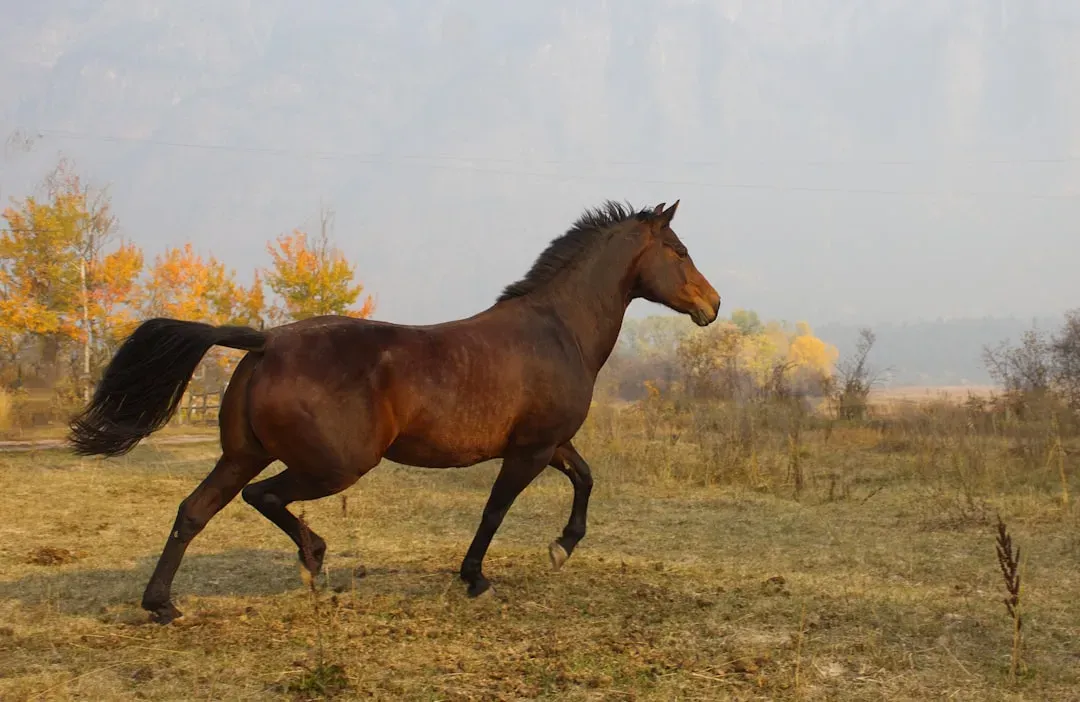
Here’s something most people don’t know: every single registered Morgan horse alive today can be traced back to just one stallion. The Morgan horse is one of the earliest horse breeds developed in the United States, tracing back to the foundation sire Figure, later named Justin Morgan after his best-known owner. Morgans served many roles in 19th-century American history, being used as coach horses, harness racing animals, general riding horses, and cavalry horses during the American Civil War on both sides of the conflict.
Morgans have influenced other major American breeds, including the American Quarter Horse, Tennessee Walking Horse, and the Standardbred. That’s an extraordinary genetic legacy for one breed. In 1961, the Morgan was named the Official State Animal of Vermont, and the breed was also deemed the Official Horse Breed of Massachusetts in 1970.
Morgan horses are capable of adapting to most disciplines. They are suitable for both riding, in Western and English style, and driving, and their typically kind and bold personality makes them suitable for all the family. Today, there are approximately 90,000 living Morgans registered with the American Morgan Horse Association. Not the biggest number on this list, but every one of them carries centuries of American history.
7. Tennessee Walking Horse – The Smoothest Ride You’ll Ever Have
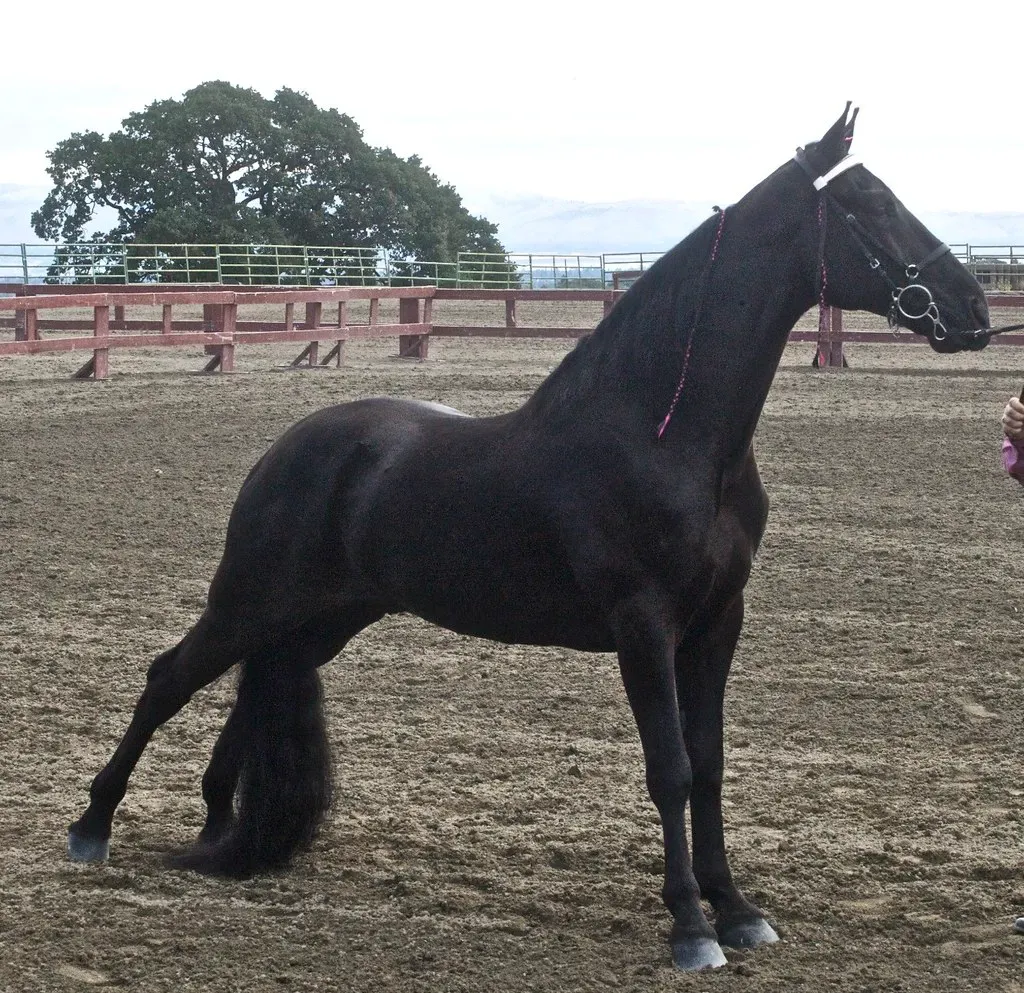
If you’ve ever ridden a Tennessee Walking Horse, you’ll understand why people become completely hooked. Tennessee Walking Horses are one of the most popular breeds of gaited horses . Gaited breeds have smooth ambling gaits that are comfortable to ride, and the Tennessee Walking Horse performs a unique four-beat running walk. It’s like sitting in a rocking chair that moves at speed.
The War Between the States occasioned the cross-breeding of Confederate Pacers and Union Trotters. Next came the blood of the Thoroughbred, Standardbred, Morgan, and the American Saddlebred, all fused into one animal in the middle Tennessee bluegrass region. Out of that historical chaos came something genuinely remarkable.
In the USDA survey, Tennessee Walking Horses accounted for four and a half percent of the total U.S. equine population. These horses are most popular in the American South, where they originated. The Tennessee Walking Horse has gained popularity throughout the world for its gentle disposition and versatility. The docile temperament and smooth, easy gaits make it in demand as both an English and Western pleasure mount.
8. Standardbred – The Unsung Hero of the Track
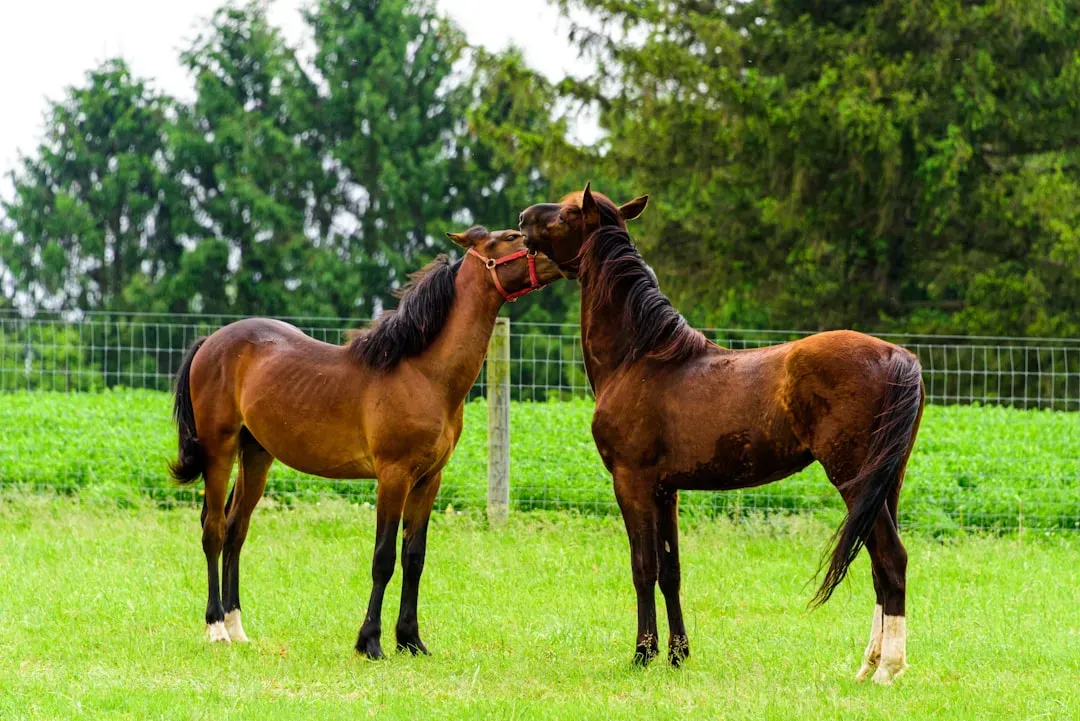
Most casual horse lovers know the Thoroughbred. Far fewer know the Standardbred, which is a shame because this breed has one of the most fascinating origin stories n equestrian history. The Standardbred horse is an American harness racing breed. Standardbreds are classified as trotters or pacers depending on the gait they use to race. These horses are the fastest trotting breed in the world.
In the early days, Standardbreds were selected based on their ability to trot a mile in under 2 minutes 30 seconds. Today, most Standardbreds can outperform this old time limit, and many complete a mile in just 1 minute 50 seconds. The improvement in speed over generations is genuinely astonishing when you think about it.
Standardbreds are easy-to-train and quite people-oriented. They are most commonly used in the United States for harness racing, though they also excel in a number of other equestrian disciplines. Standardbreds are also popular in the Amish community as buggy horses. Like their Thoroughbred relatives, many Standardbred racehorses have successful second careers. According to the USDA, roughly three and a half percent of horses included in the 2015 census were Standardbreds.
9. Mustang – The Spirit of the American West
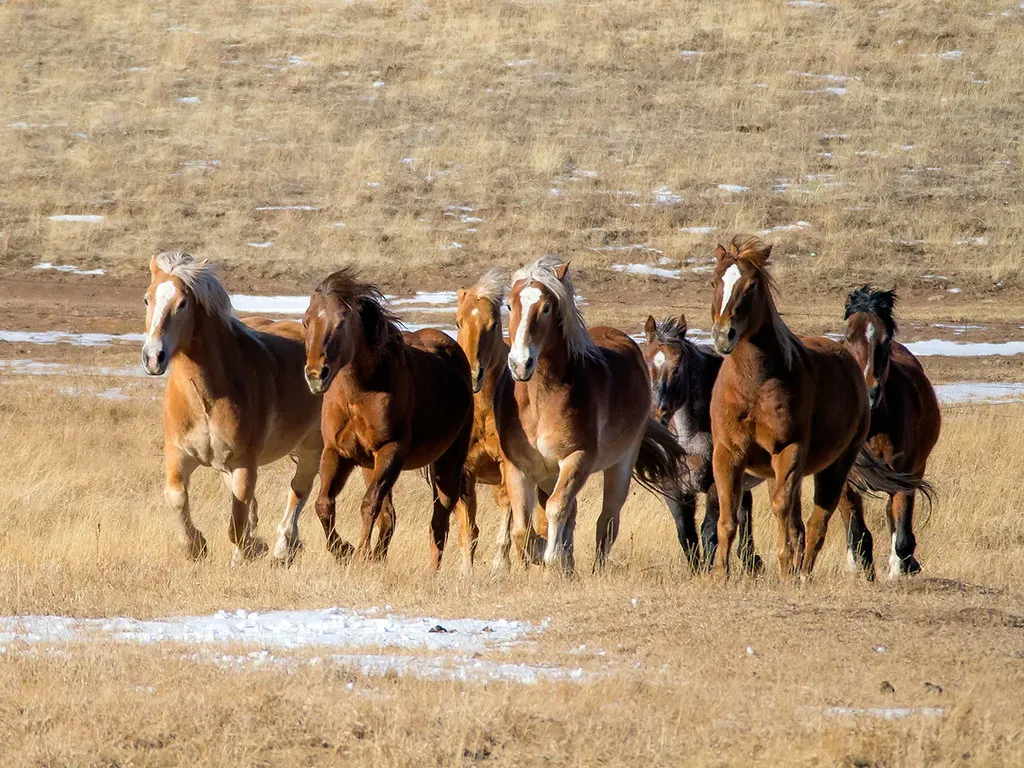
No list of North American breeds would be complete without the Mustang. The Mustang is known for its resilience, intelligence, and untamed spirit. They descended from Spanish steeds brought to North America in the 16th century. Over time, Mustangs developed into a hardy, surefooted breed with incredible endurance as they traveled the harsh wilderness.
Mustangs are not technically wild horses because they came from a domesticated population, so the mustangs living in the wild are considered feral, according to the American Museum of Natural History. That distinction surprises a lot of people. Wild Mustangs still roam across the western U.S., with their population managed by the Bureau of Land Management through roundups and adoption programs.
Free-roaming Mustangs still call the Western United States their home, with large populations in Nevada, California, Oregon, Utah, and other states throughout the West. There’s something deeply moving about knowing that pockets of true wildness still exist in a continent that has been so thoroughly tamed. The Mustang represents that freedom in a way no other breed can.
10. Belgian Draft – Gentle Giants With Extraordinary Power
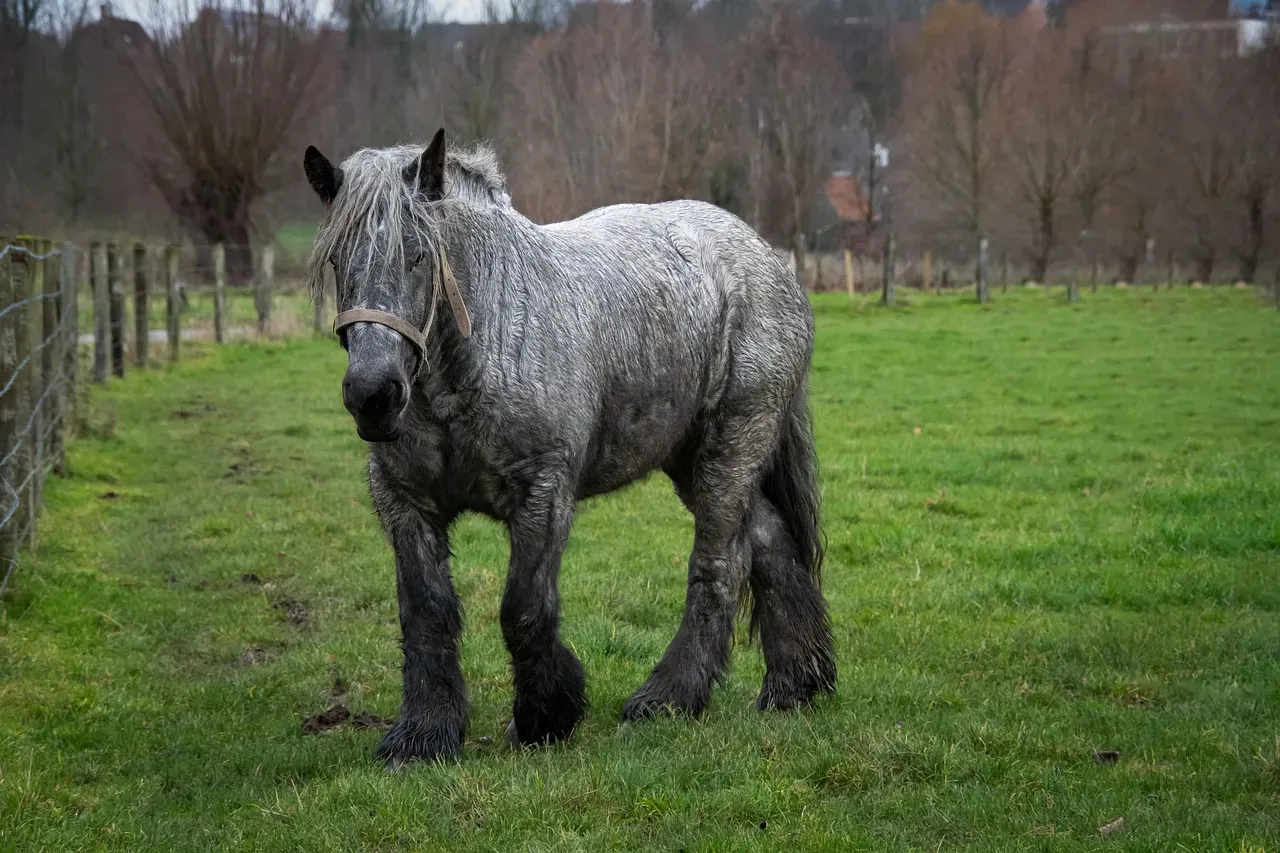
Here’s the thing about Belgian Draft horses: nothing quite prepares you for seeing one in person. The Belgian Draft horse breed is one of the strongest and largest breeds. Although they are most commonly used as working horses, they are becoming increasingly popular for both showing and pleasure riding.
Belgians in the United States are not quite as large as their European counterparts, however, they have similar characteristics and build. Think of them as the freight trucks of the horse world, only significantly more lovable. These heavy horses are most common in the Northeast region of the United States, and while some communities still rely on draft horses as strong working animals, these gentle giants are also popular for recreation.
What I find remarkable about this breed is how their temperament completely defies their size. You’d expect an animal this massive to be difficult to handle, but most Belgians are extraordinarily calm. They’re a perfect example of why you should never judge a horse by its silhouette.
11. American Saddlebred – The Horse America Made
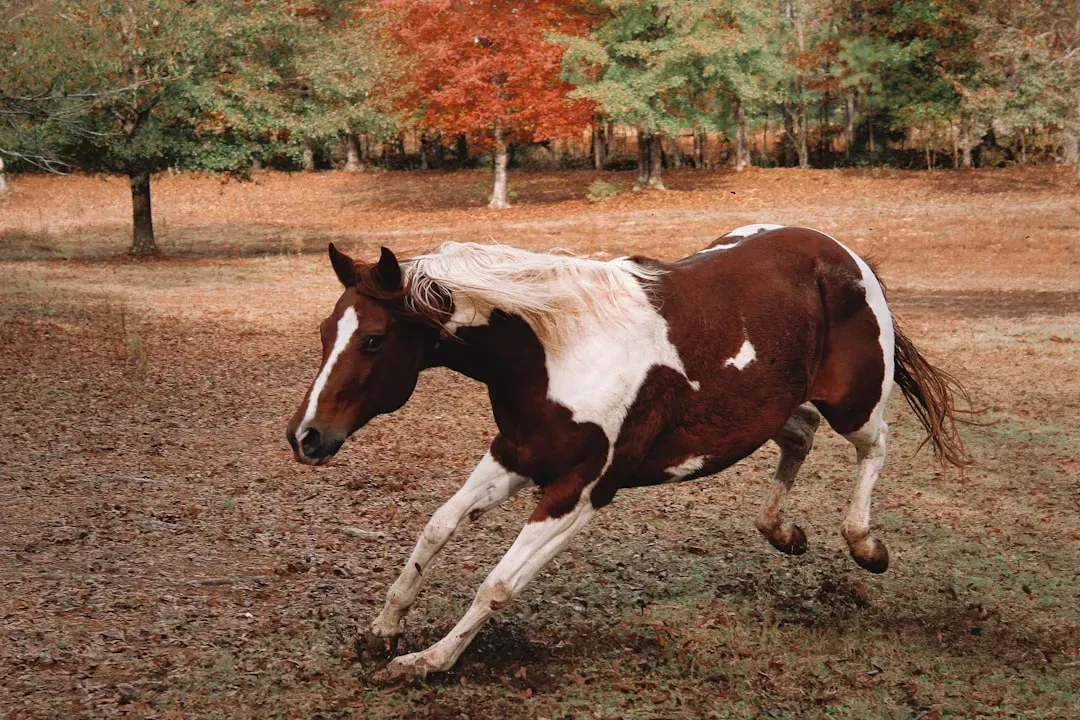
The American Saddlebred is known as the “ultimate show horse,” with fluid and expressive gaits. They have great presence, with grace, elegance, and confidence, a long shapely neck, and a high head carriage. Brave and agile, their roots are as cavalry horses, so they have a natural disposition for dressage, but are also used for driving, eventing, hunter jumper classes, and endurance riding.
There’s a reason this breed is sometimes called “the Horse America Made.” Arabian bloodlines played a part in the development of the American Saddlebred, along with the Thoroughbred, Morgan, and American Quarter Horse. The result is a breed that combines refinement with genuine athletic utility. It’s not just a pretty face in the show ring.
In American Saddlebreds, famous champions such as Edna May, Bourbon King, Rex Peavine, and Wing Commander trace back to Justin Morgan. The interconnectedness of American breeds is something that genuinely fascinates me. Pull on one thread, and you find Morgan or Arabian blood running through nearly every major breed on this continent.
12. Missouri Fox Trotter – The Trailblazer’s Best Friend
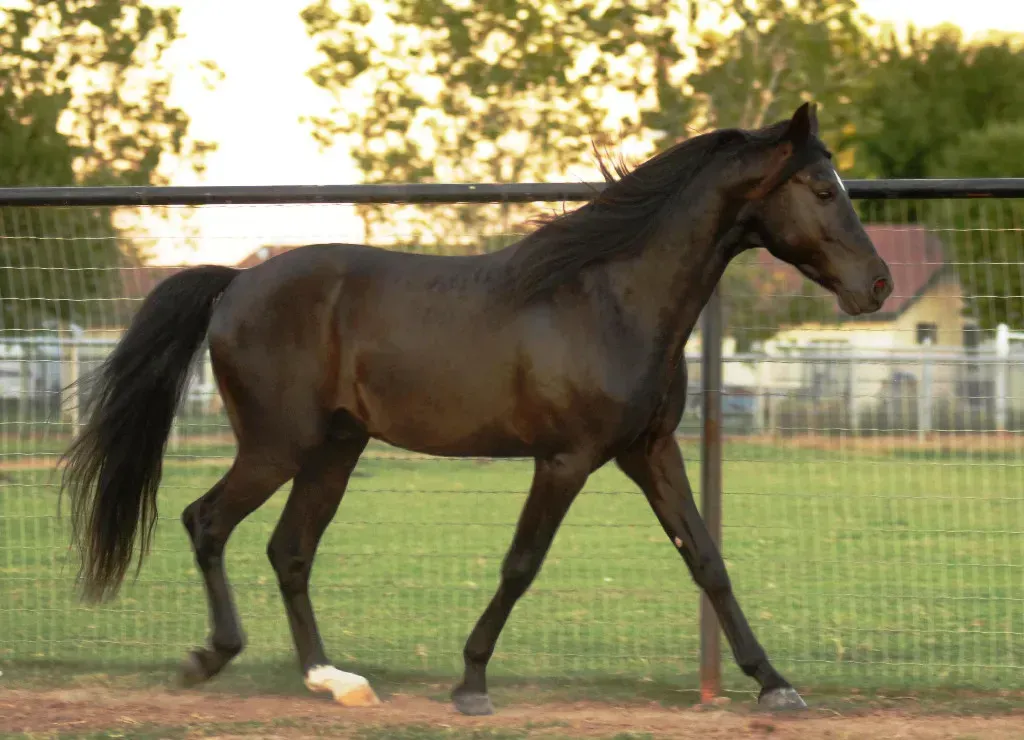
The Missouri Fox Trotter doesn’t always get the spotlight it deserves, but among serious trail riders and endurance enthusiasts across North America, this breed has an almost cult-level following. Developed in the Ozark Mountains of Missouri, this horse was bred for one purpose above all others: to be comfortable and reliable over rough, unpredictable terrain for hours at a time.
The breed’s signature gait is the fox trot, a diagonal broken gait in which the front foot lands before the diagonal hind foot, creating a smooth, rhythmic stride that dramatically reduces rider fatigue. Recreational riding is the leading activity for horses in both the U.S. and Canada, and the Fox Trotter fits that lifestyle like a glove. It can cover miles of mountain trail in conditions that would exhaust a less purpose-built animal.
What makes the Missouri Fox Trotter especially compelling is how unpretentious it is. It doesn’t have the glamour of the Thoroughbred or the flashy coat of the Paint. It simply shows up, does the job, and brings its rider home safely. Sometimes, that quiet reliability is the most impressive trait of all.
A Final Thought on Hooves, History, and Heart
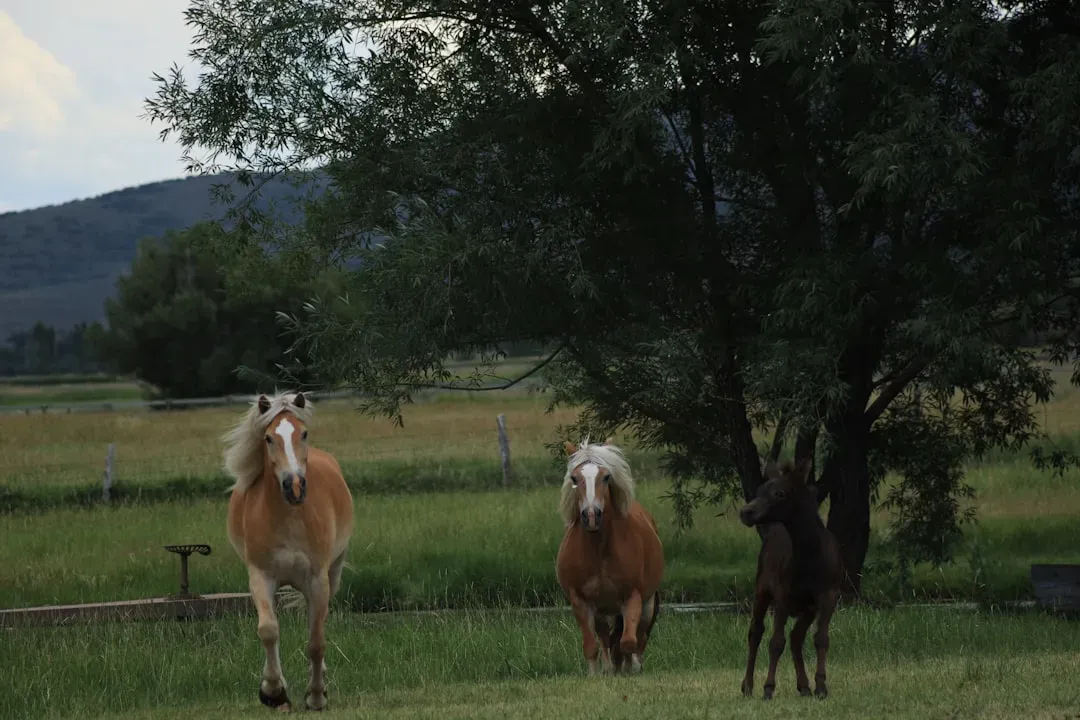
Many of North America’s most popular horse breeds are ones developed in Canada or the United States, while others have European, Asian, or South American lineage. Although most North Americans no longer rely on equids for work and transportation, the continent is still home to millions of horses. Modern horse owners primarily use horses for recreation, companionship, and competition.
Each breed on this list tells a story. Some were forged in the heat of battle, others shaped by the demands of wide-open ranching country, and others still are living links to Indigenous cultures that understood horses long before European settlers arrived. Taken together, they paint a picture of a continent that has always had an extraordinary relationship with these animals.
Whether you’re a lifelong rider or someone who has only ever admired horses from a distance, there’s likely a breed on this list that speaks to something in you. The question is: which one would you choose? Tell us in the comments below.

- 7 Scents That Help Keep Ants Out of Your Kitchen Naturally - June 27, 2026
- 8 Native Plants That Naturally Attract Monarch Butterflies - June 27, 2026
- 10 Signs Your Cat Sees Your Home as Safe Territory - June 27, 2026