
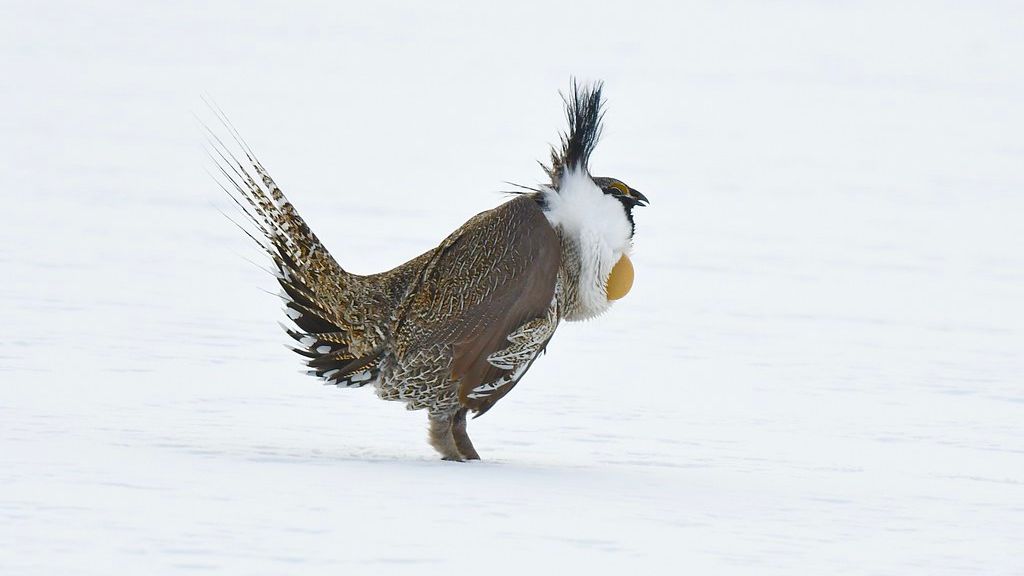
Picture this: a tiny sparrow flits through Florida’s vast prairies, so scarce it might vanish before your eyes. North America teems with hidden avian wonders, ghosts of wetlands and skies that challenge even seasoned birders. These elusive creatures cling to existence amid sprawling changes.
From remote islands to forgotten marshes, their stories reveal nature’s fragility. Ready to meet these feathered phantoms? Let’s dive into the shadows where they hide.[1][2]
Florida Grasshopper Sparrow
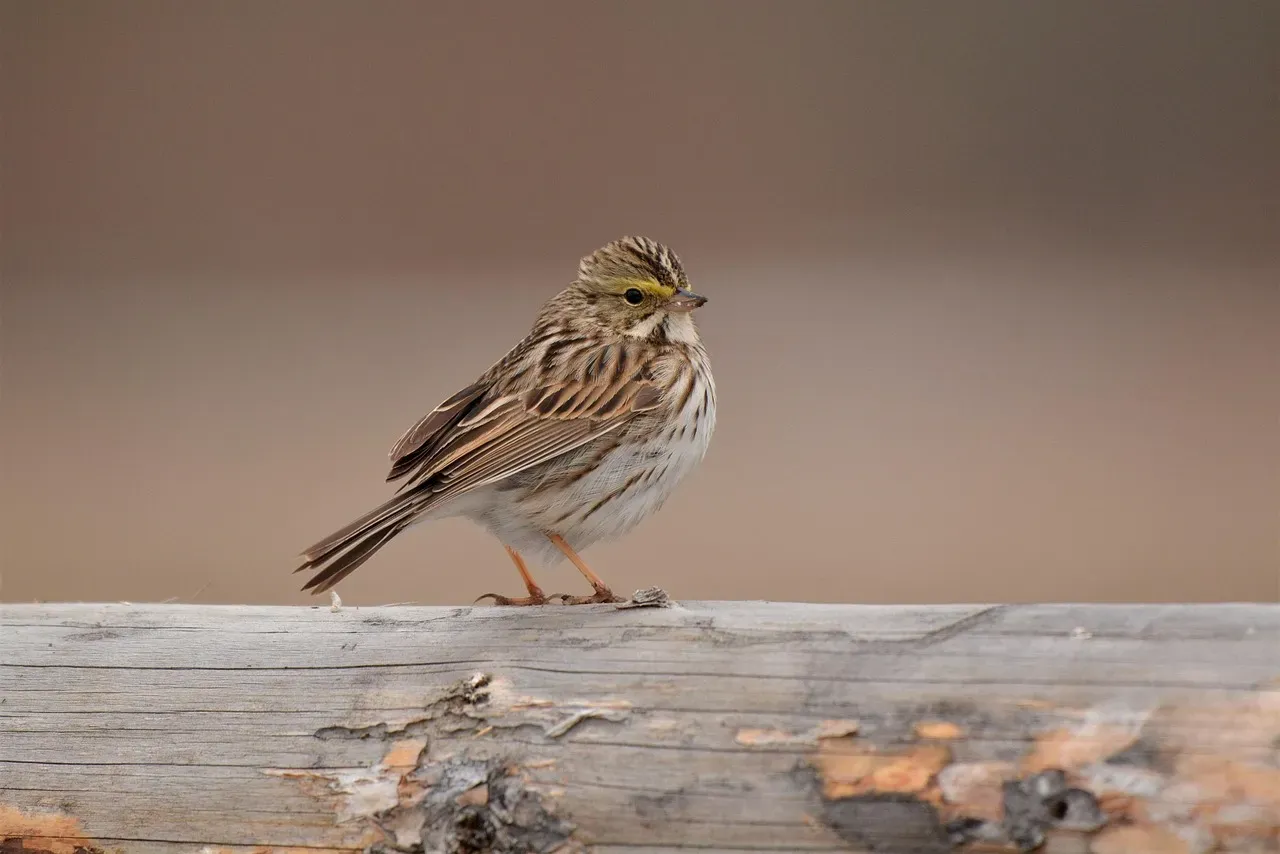
Deep in Florida’s dry prairies lurks the continent’s most endangered songbird, with fewer than 200 individuals scraping by.[1] This non-migratory gem mimics grasshopper buzzes in its call, a sound rarer than silence in a storm. Feral hogs trample nests, fire ants devour chicks, and shrinking grasslands seal their fate.
Conservationists burn prairies on purpose to revive habitat, yet numbers plummet. Honestly, it’s heartbreaking, like watching a whisper fade. One bold push for captive breeding might spark hope.[3]
Mississippi Sandhill Crane
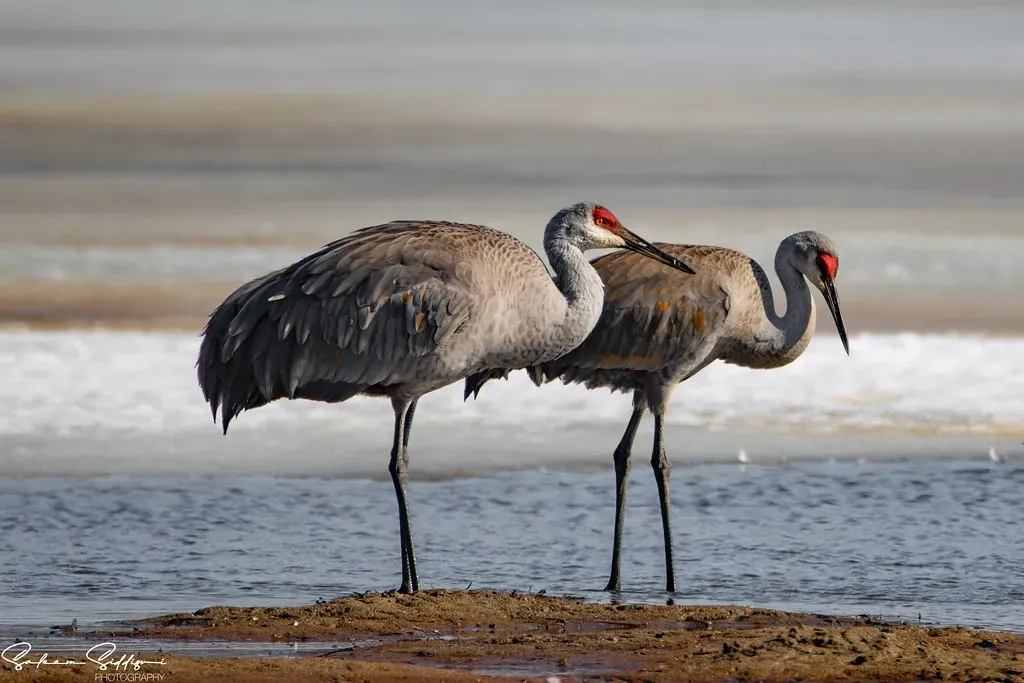
Only about 120 of these elegant dancers remain in a single wild flock along Mississippi’s Gulf Coast.[2] Towering at four feet, they strut through wet pine savannas, a sight that stops hearts. Pine plantations swallowed their homes, leaving scraps of marsh.
Captive releases help, but the flock barely grows. Here’s the kicker: they’re non-migratory, rooted to one county. Protecting that sliver feels like guarding a kingdom’s last throne.
San Clemente Loggerhead Shrike
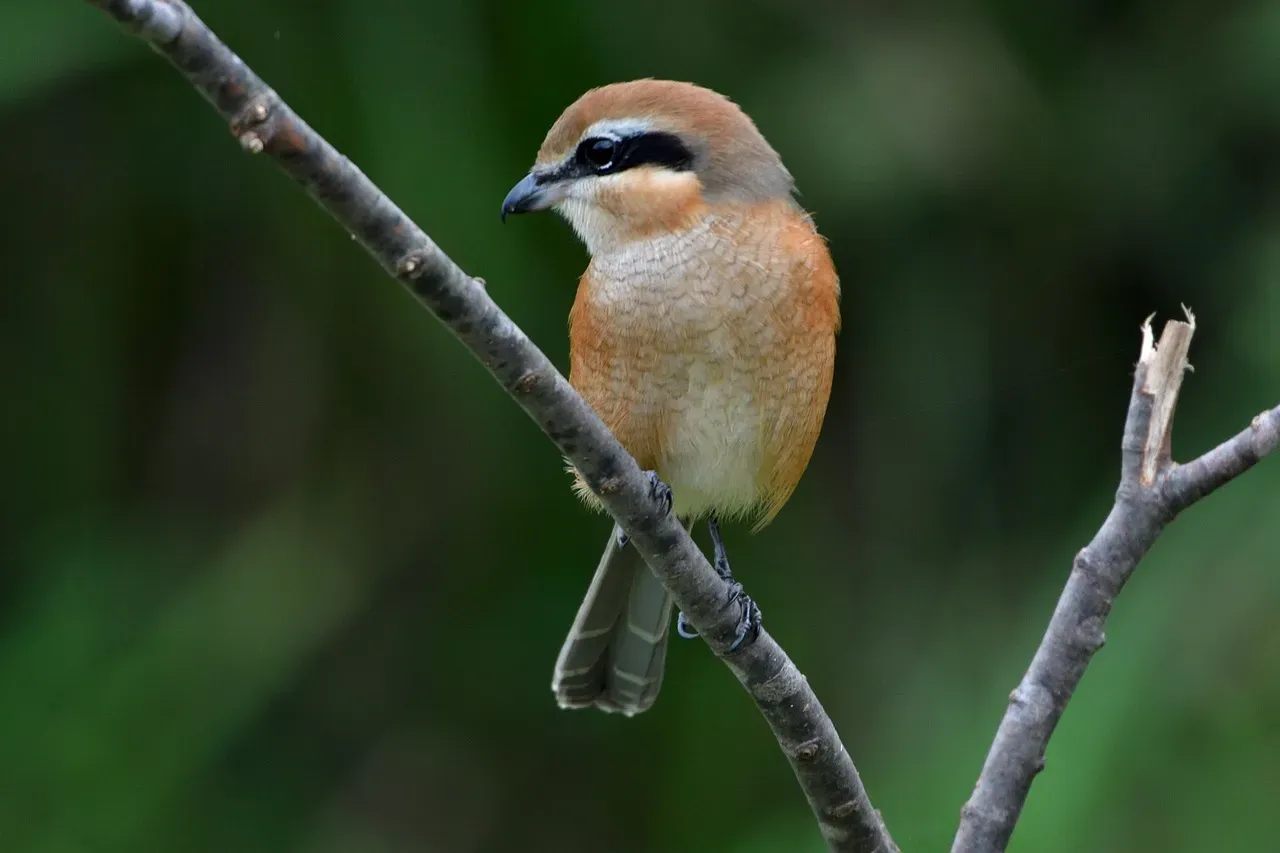
Picture a masked assassin on California’s San Clemente Island, where just 40 breeding pairs hunt like tiny butchers.[2] They impale prey on thorns, earning the “butcherbird” nickname. Feral goats wrecked scrub, cats picked off young.
Island restoration cleared invaders, boosting numbers from near zero. Still, their world spans one rocky outpost. I think it’s wild how such ferocity packs into such a small frame.
Attwater’s Greater Prairie-Chicken
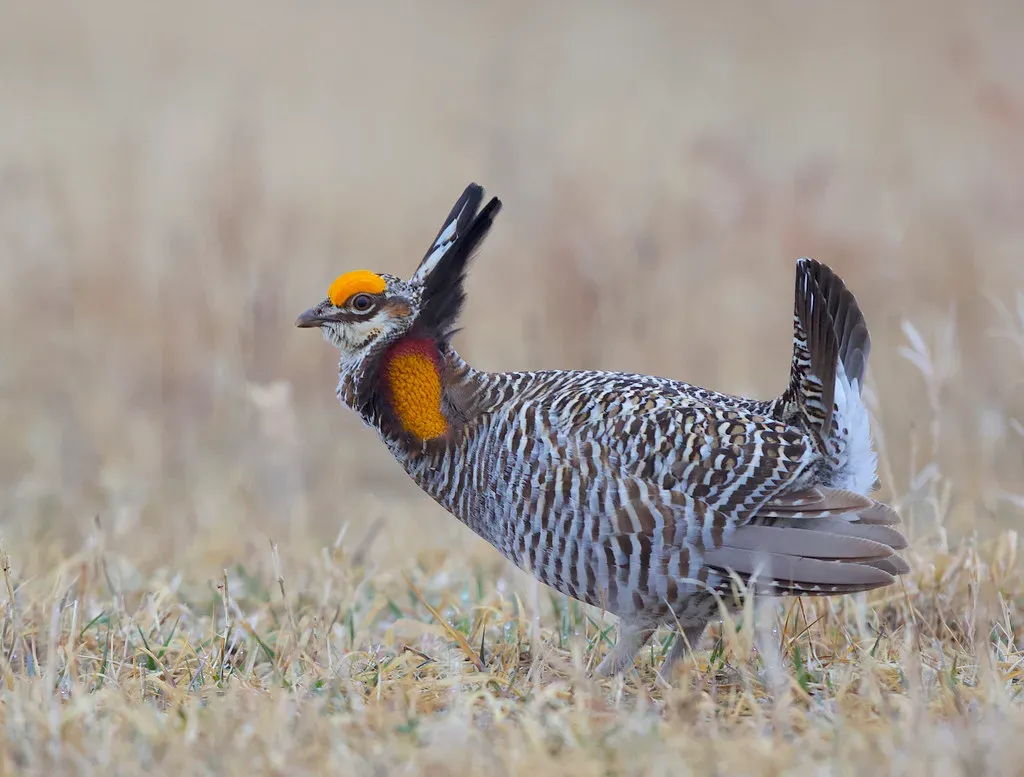
Texas holds fewer than 50 of these booming grouse, booming no more on coastal prairies.[2] Males thunder in leks, inflating orange neck sacs like feathered balloons. Conversion to rice fields gutted their range from millions strong.
Two reserves shelter survivors, fed by captive birds. Urban sprawl creeps closer. It’s like a prairie party dwindled to a whisper.
Cape Sable Seaside Sparrow
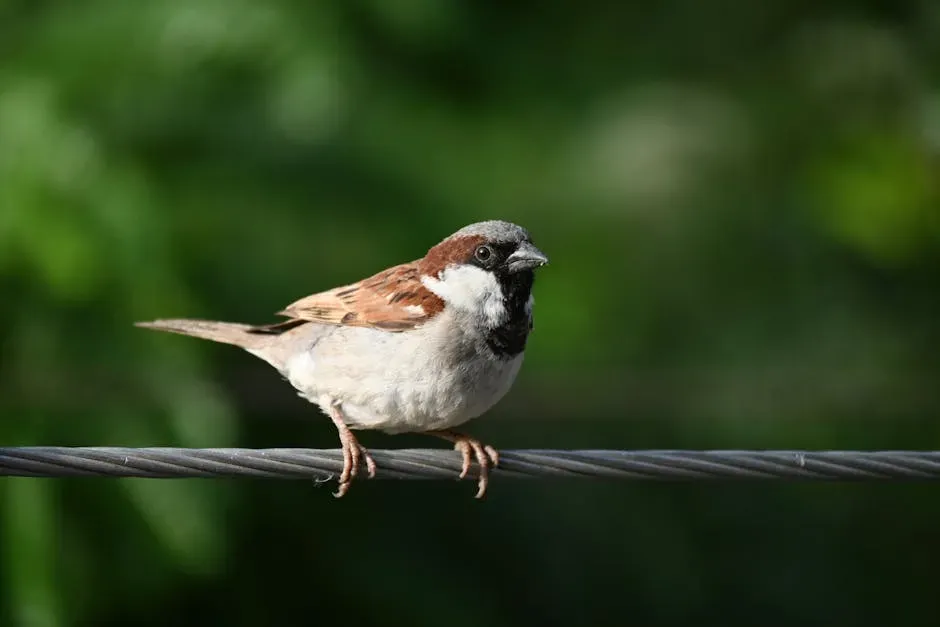
Everglades edges hide this sparrow, with populations dipping under 300 in Florida’s watery maze.[4] Saltwater floods drown nests, hurricanes scatter families. They’re tied to specific seaside prairies, now sliver-thin.
Fire management and hog hunts offer slim lifelines. Let’s be real, sea rise looms large. Spotting one feels like winning nature’s lottery.
California Condor
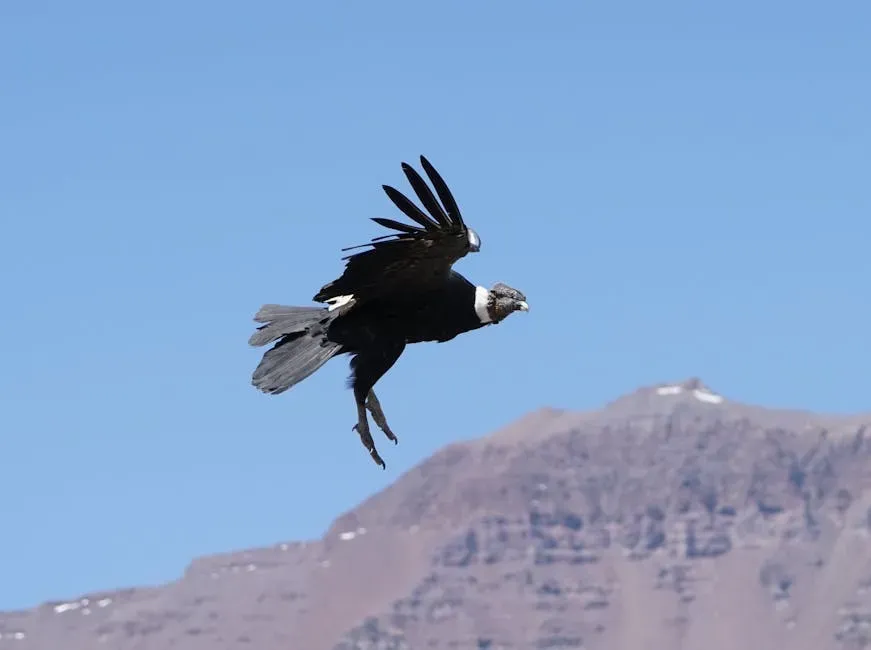
North America’s wingspan champ, with over 500 total but only hundreds wild, soars from Grand Canyon cliffs.[5] Nine-foot wings catch thermals, but lead bullets poison feasts. Down to 22 in 1987, captive magic revived them.
Releases continue, trackers monitor flights. Power lines zap the unwary. Majestic, yet fragile as glass.
Whooping Crane
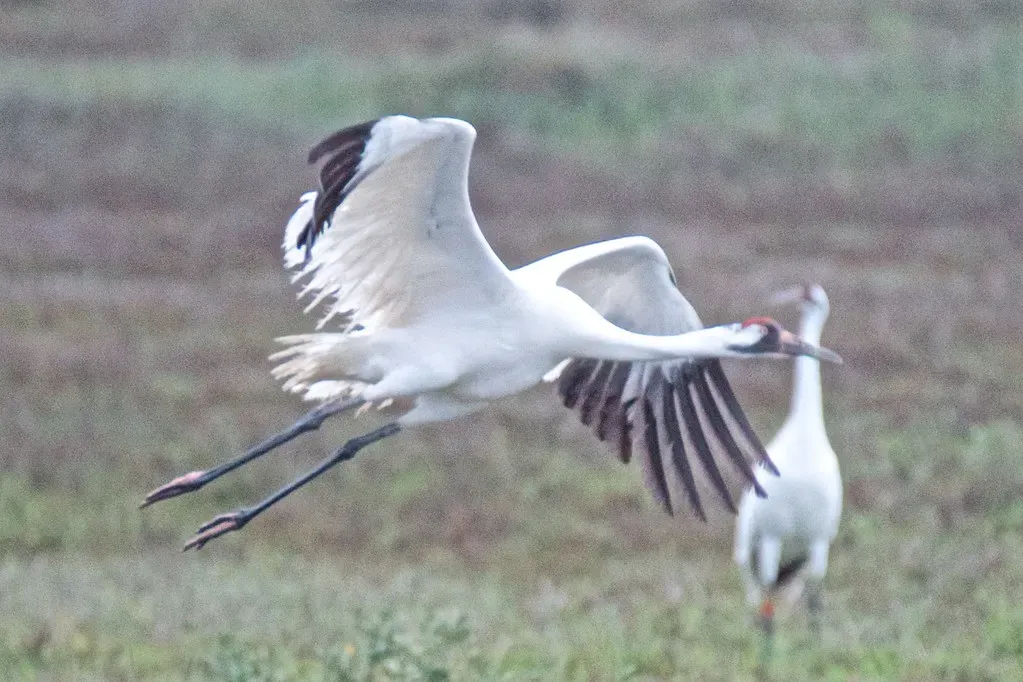
Tallest in the land, around 500 whoopers migrate epic routes from Canada to Texas bays.[5] Snow-white with red caps, they bugle across skies. Hunted to 15 in 1941, ultralights now teach young paths.
Habitat squeezes tighten. Three flocks persist. Their call echoes survival’s triumph.
Island Scrub-Jay
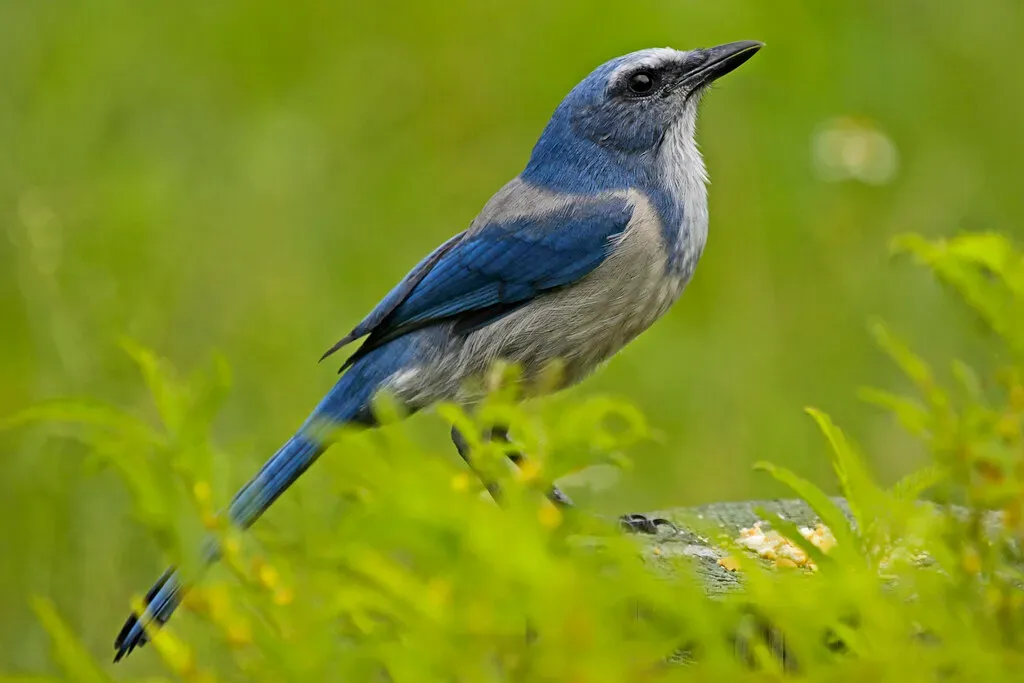
Santa Cruz Island owns this blue jay cousin, the only U.S. bird locked to one spot.[6] Acorn hoarders in scrub, populations hover near 2,000. Ranching and foxes nearly erased them.
Fox eradication saved the day. Family groups rule territories. Island life breeds quirky rarity.
Kirtland’s Warbler
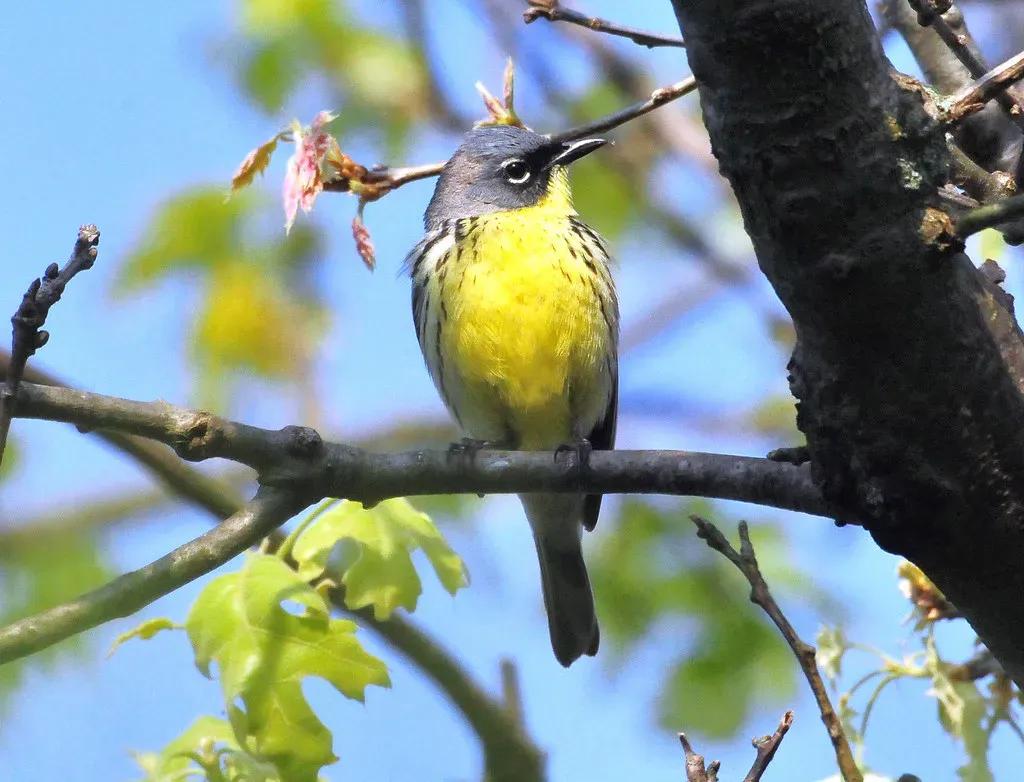
Michigan jack pines shelter over 2,300 pairs of this yellow throat.[5] Brown-headed cowbirds parasitize nests, fires skip ideal saplings. From 167 males in 1987, habitat tweaks boomed numbers.
Delisted yet watched. Fires now mimic nature. A comeback tale that inspires.
Gunnison Sage-Grouse
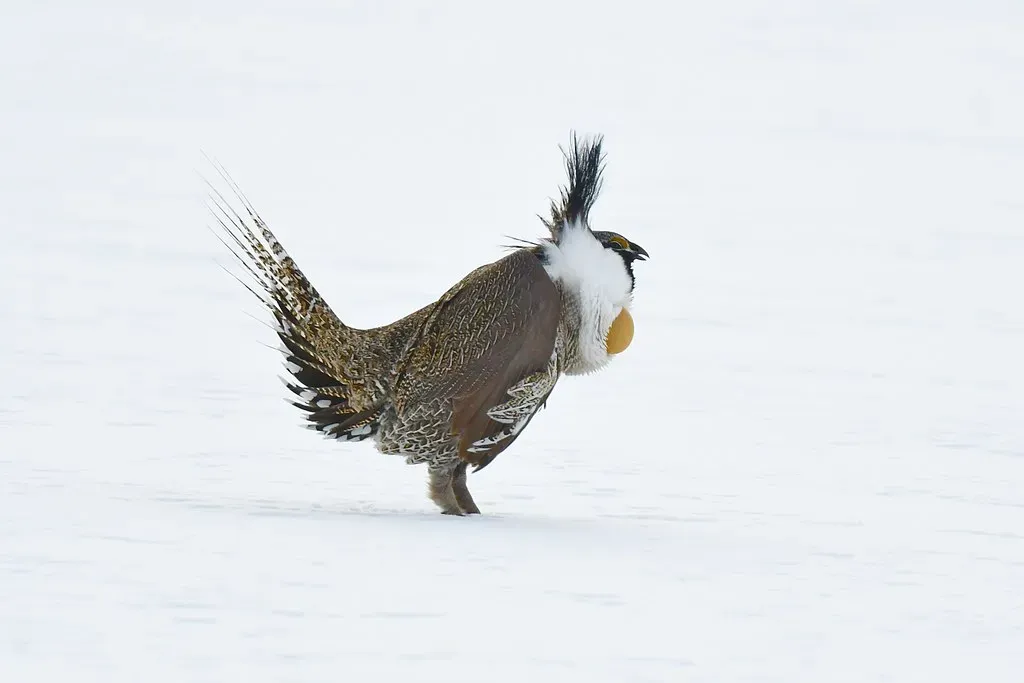
Colorado and Utah sagebrush hosts 4,500 of these strutters on leks.[5] Males fan tails, pop sacs. Energy drills fragment homes.
Landowner pacts shield ground. Climate shifts sage seas. Punchy displays demand space.
Piping Plover
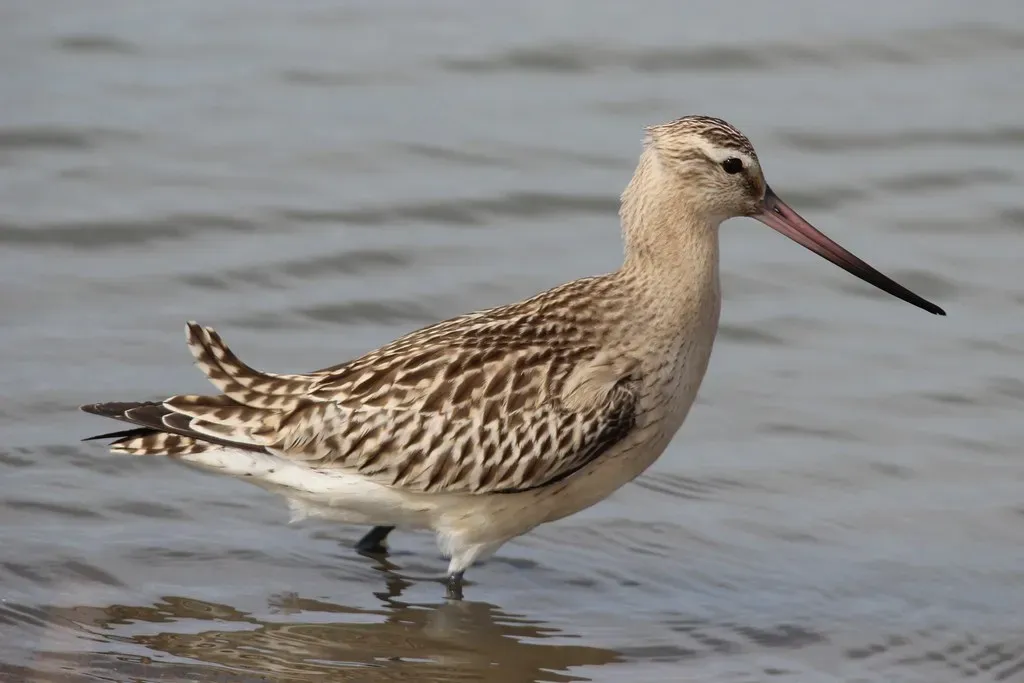
Beach ghosts, 8,000 pairs pipe on Great Lakes sands and Atlantic shores.[3] Chicks dodge tides, dogs scatter broods. Cages and signs guard nests.
Numbers tick up slowly. Camouflage masters vanish in shells. Shoreline sentinels.
McKay’s Bunting
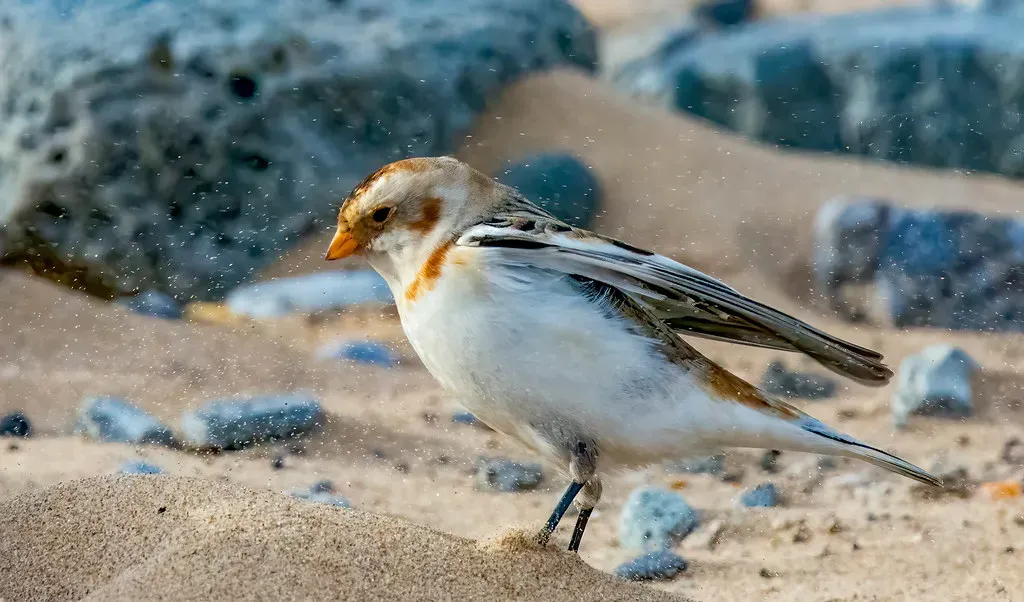
Alaska’s Bering Sea islands breed this snowy bunting, sightings rarer than gold.[7] White as Hall Island cliffs, they nest in remotest spots. Storms and foxes test grit.
Scientists brave ice for counts. Limited range keeps them phantom-like. Arctic purity defines them.
Why These Birds Matter and What Comes Next
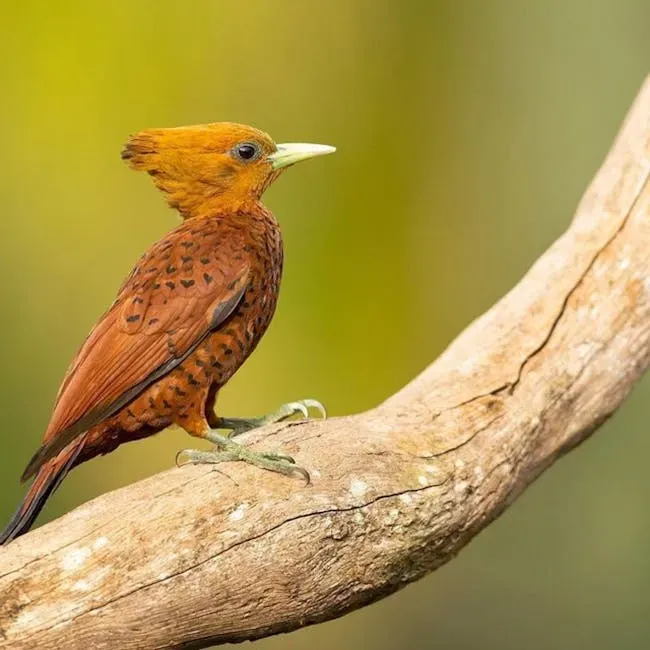
These 12 whisper warnings of lost wilds, from prairie ghosts to island loners. Their fights spotlight bigger battles: habitat theft, invaders, climate punches. Spotting one ignites wonder, fuels protection.
Conservation weaves hope through peril. What hidden bird would you chase? Share your dreams below.[3]
