
Summer in America has always carried a certain weight. The kind of heat that slows your walk, empties the sidewalks by noon, and makes you rethink every plan made before noon. That familiar discomfort, for millions of people across dozens of cities, is poised to become something far more permanent and far more intense.
Climate Central’s analysis looked at how much hotter 247 major U.S. cities could become if heat-trapping pollution from burning coal, oil, and gas continues at high levels, using the latest climate model projections to calculate how summer high temperatures could change between 2030 and 2100. What the numbers show is difficult to sit with. The danger of climate change is often associated with huge disasters like floods, fires, and hurricanes. Heat, on the other hand, is a creeping, quieter risk – one that is already transforming lives around the world.
The cities most familiar to us – places where people build careers, raise families, and call home – are at the center of these projections. Here is a look at which American cities face some of the most significant heating by 2050 and what that truly means for the people living in them.
Phoenix, Arizona: Already at the Edge
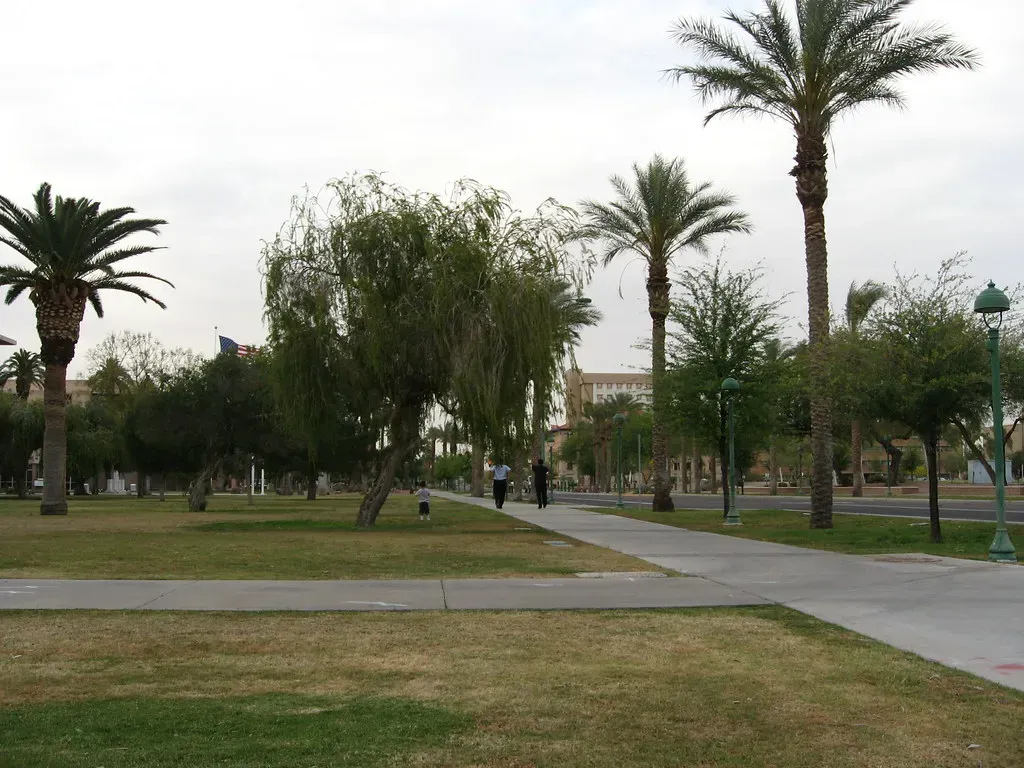
Phoenix is no stranger to brutal summers. The city has long held the crown as one of the hottest urban centers in the country, with triple-digit temperatures stretching for months at a time. That baseline, troubling as it already is, is set to climb further.
Phoenix is projected to warm by more than seven degrees Fahrenheit, with summers eventually resembling present-day Al Mubarraz, Saudi Arabia. That comparison alone tells you something meaningful about the scale of what’s expected. As summers get hotter, extreme heat occurs more often and becomes a growing health risk, making it difficult for the human body to cool off and resulting in heat-related illnesses including heat cramps, heat exhaustion, and even fatal emergencies such as heat stroke.
Houston, Texas: Heat Meets Humidity
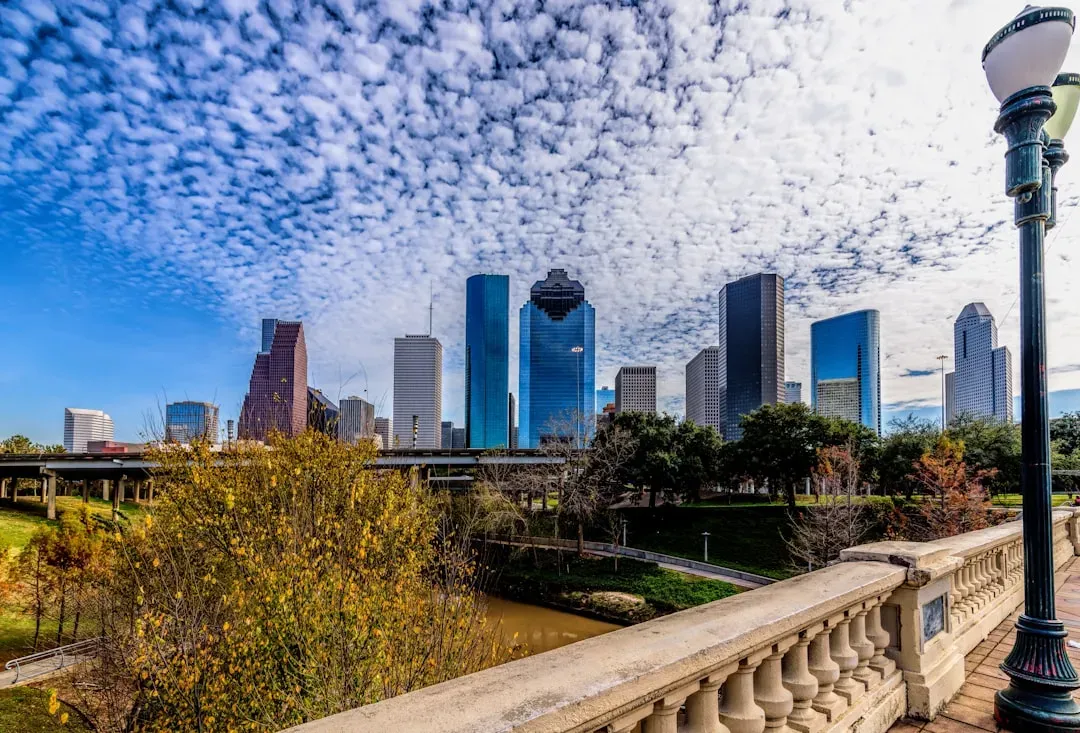
Houston’s climate is not simply a matter of temperature. It’s the way heat and humidity fuse together into something the body genuinely struggles to manage. The Gulf air doesn’t just make the city warm; it makes it feel physically oppressive for months on end.
Houston is projected to warm by more than six degrees Fahrenheit, with summers eventually resembling present-day conditions in Lahore, Pakistan. The city also carries its own infrastructure vulnerabilities. City residents are forecast to experience 74 days a year with a heat index of 105 degrees or more by 2050. That is more than two full months of conditions that push the human body into genuine danger.
Washington, D.C.: A Capital Transformation
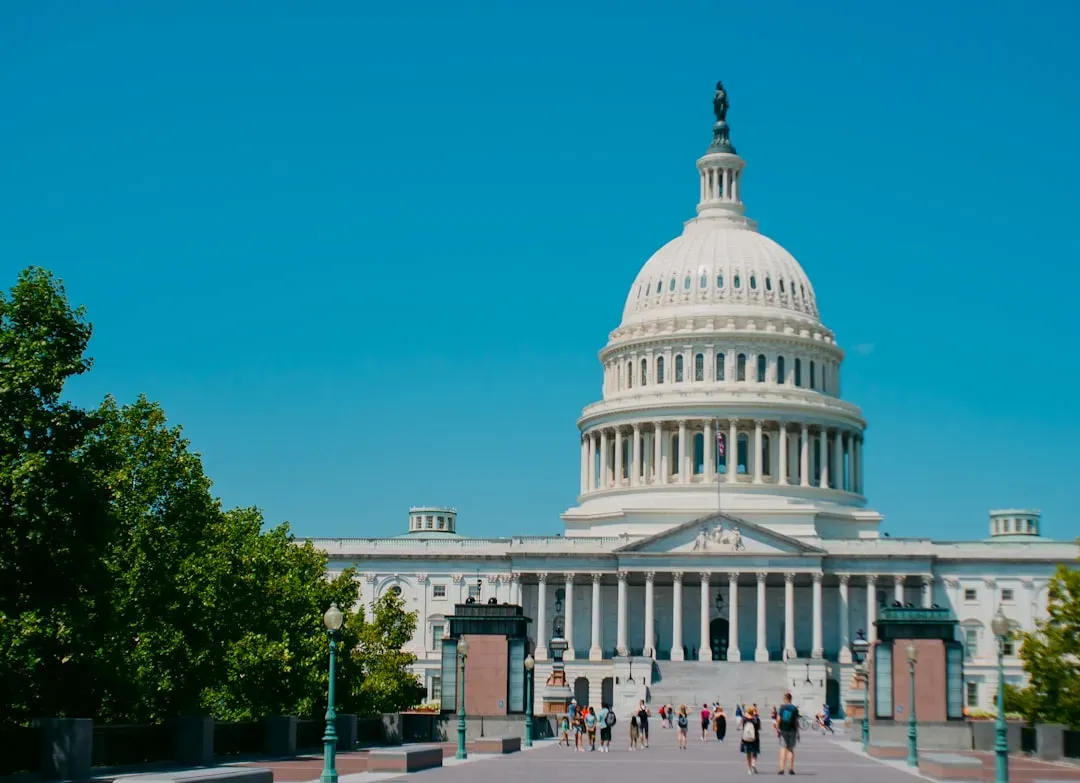
Washington D.C. has always had famously unpleasant summers, something its founding residents acknowledged even in the early days of the republic. The combination of humidity and heat makes July and August in the capital notoriously uncomfortable. By 2050, that discomfort moves well past a seasonal inconvenience.
Climate forecasts project that Washington D.C. will become more like today’s Nashville, but with even greater variation in temperatures and precipitation. The city is among those flagged for conditions with no clean modern comparison. That doesn’t mean Washington will be hotter than Riyadh, Saudi Arabia, today. It means there is no current match for the wide climate variations in temperatures, seasonality, and precipitation the city will experience.
New York City: The Northeast Feels the Shift
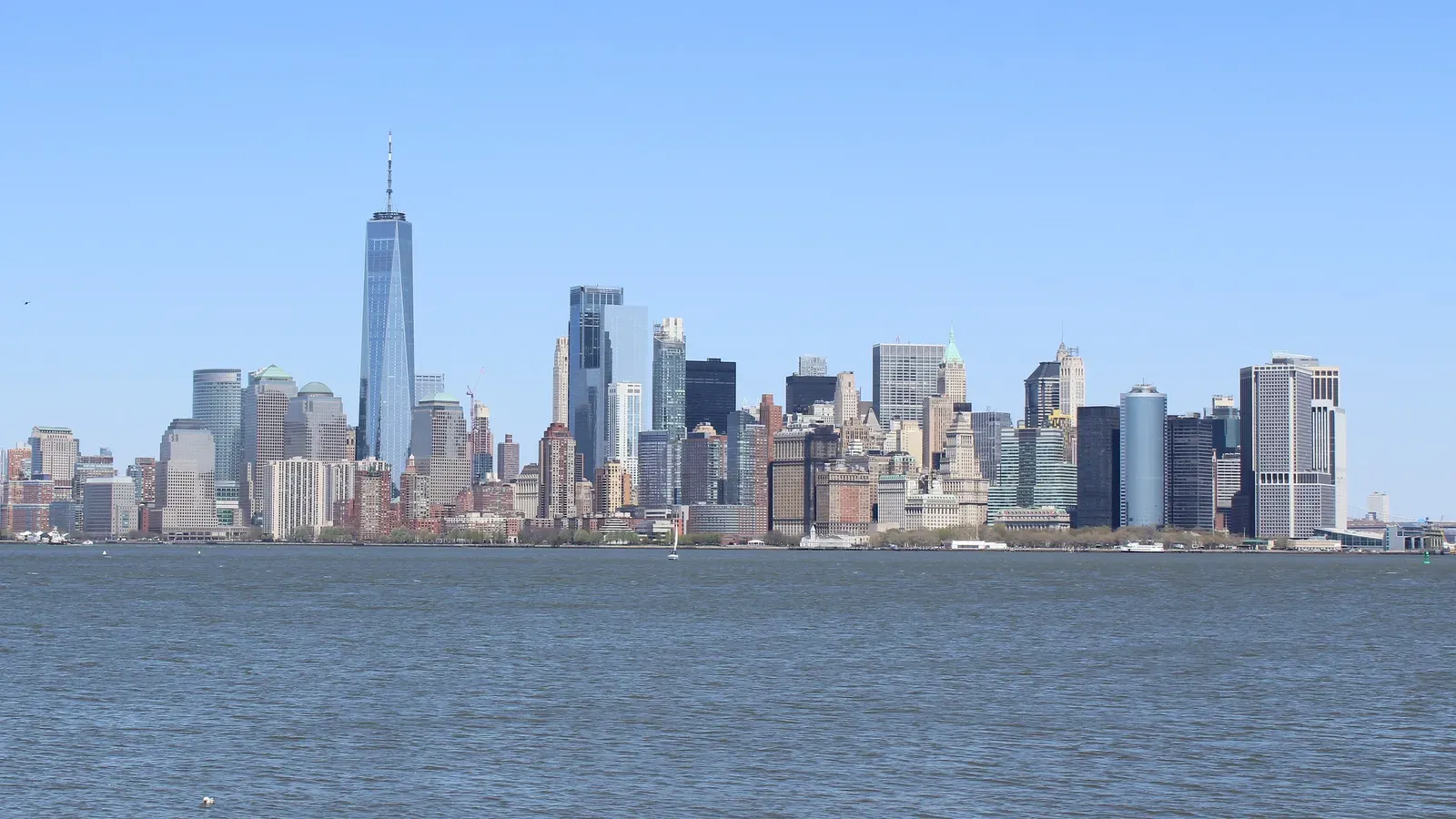
New York has always been a city of contrasts, but its climate has generally offered relief. Winters are cold, summers are warm but manageable, and the city’s coastal position provides some moderating effect. That relative balance is quietly eroding.
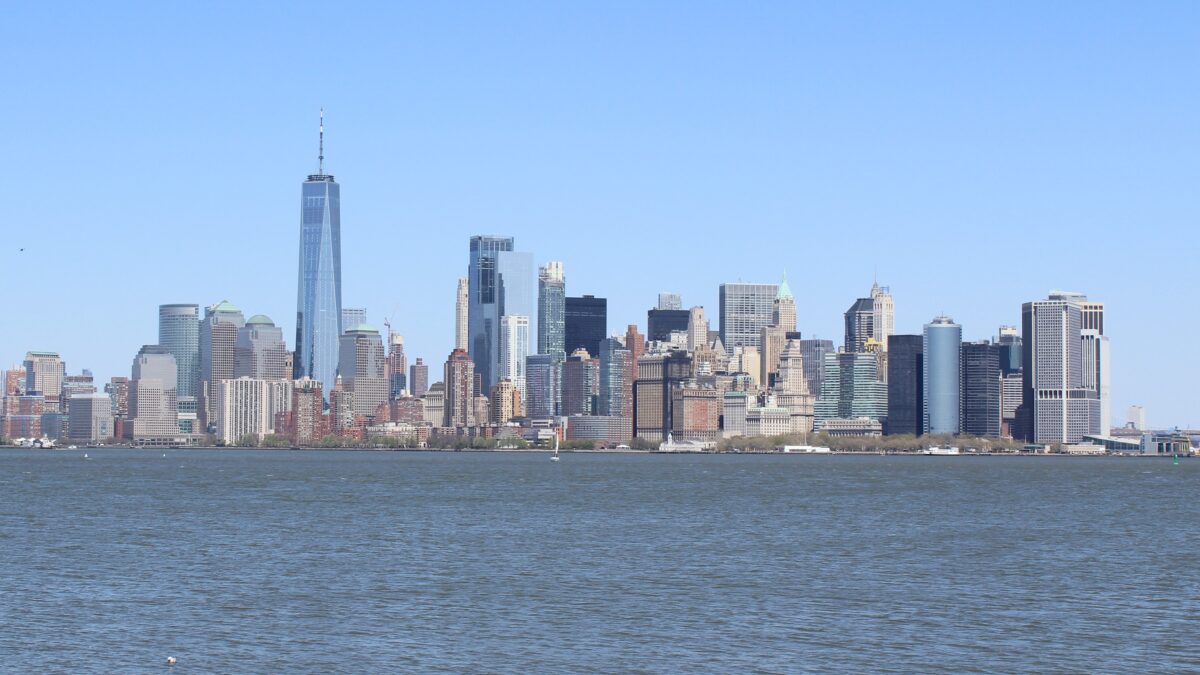
New York is projected to warm by more than seven and a half degrees Fahrenheit by the end of the century, with summers beginning to resemble present-day Columbia, South Carolina. Even by 2050, New York City winters will take on conditions closer to today’s Virginia Beach. Areas like the Northeast that are cooler today see the fastest rate of change, and this rapid increase can stress aging infrastructure and pose unique health hazards.
St. Louis, Missouri: The Sharpest Rise
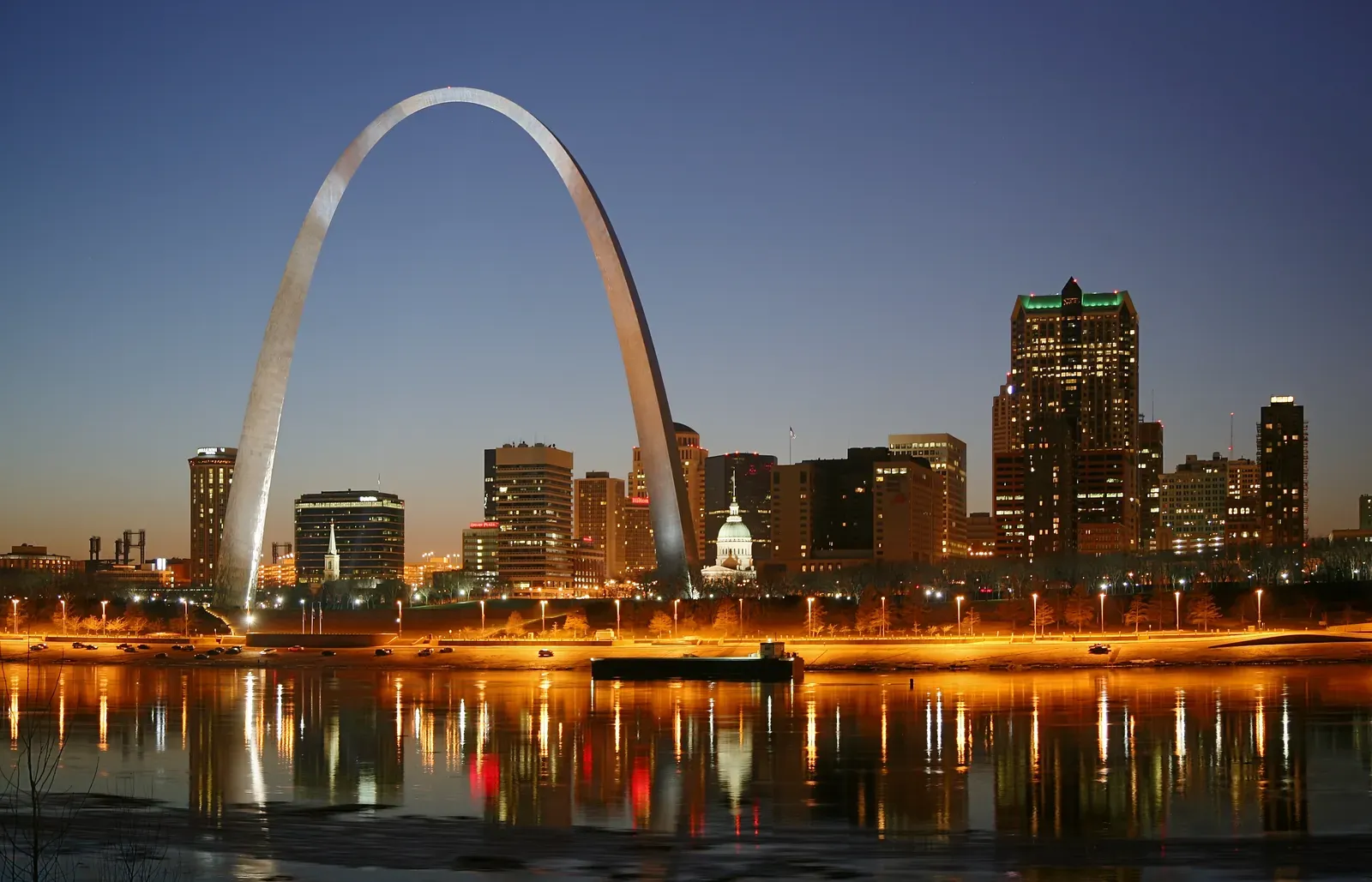
St. Louis doesn’t always make the headlines in conversations about extreme heat, yet the science suggests it deserves close attention. The city sits at a climatic crossroads, where shifts in temperature patterns can land harder and faster than in places already accustomed to prolonged warmth.
According to the Future Cities interactive map, the sharpest temperature rise among analyzed U.S. cities will be witnessed by St. Louis in Missouri, with the city expected to see an increase in annual temperatures of around 3.6 degrees centigrade by 2050. St. Louis will therefore experience a climate similar to that of today’s Dallas. For a city that still faces genuine winters, that is a remarkable and sobering shift.
Minneapolis, Minnesota: Cold Cities Warming Fast
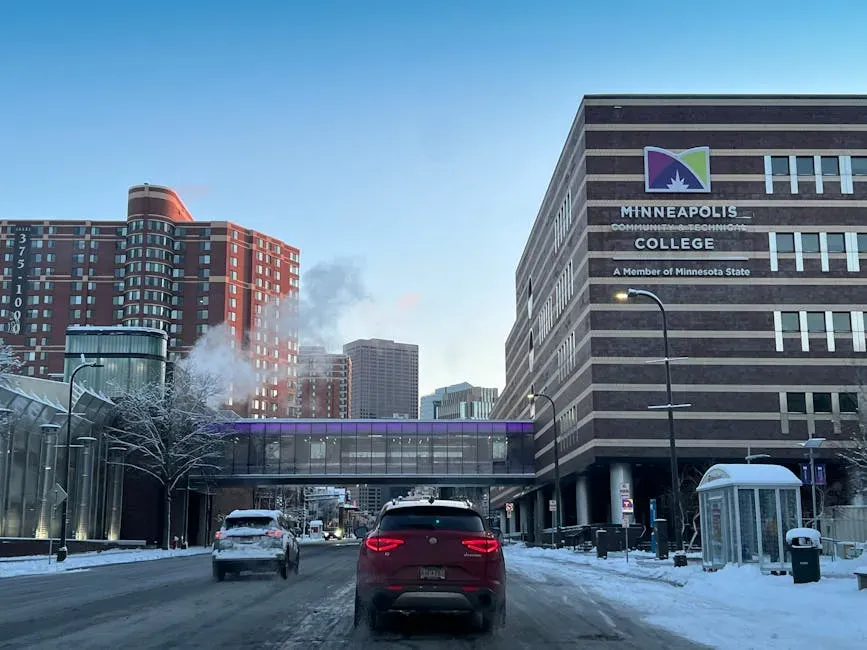
It might seem counterintuitive to worry about heat in a city that regularly sees deeply frozen winters. Yet that is precisely what the data suggests. Cities farther north are seeing some of the most pronounced rate-of-change projections, even if their absolute temperatures remain lower than southern counterparts.
Minneapolis in 2050 will be more like Kansas City, with its warmest month shooting up from around 80 degrees Fahrenheit on average to more than 90 degrees by mid-century. Generally speaking, cities in the Northern Hemisphere will have the climates of cities more than 620 miles to their south today. That is an enormous geographic and climatic leap within a single generation.
Miami, Florida: Where Heat Has Nowhere Left to Go
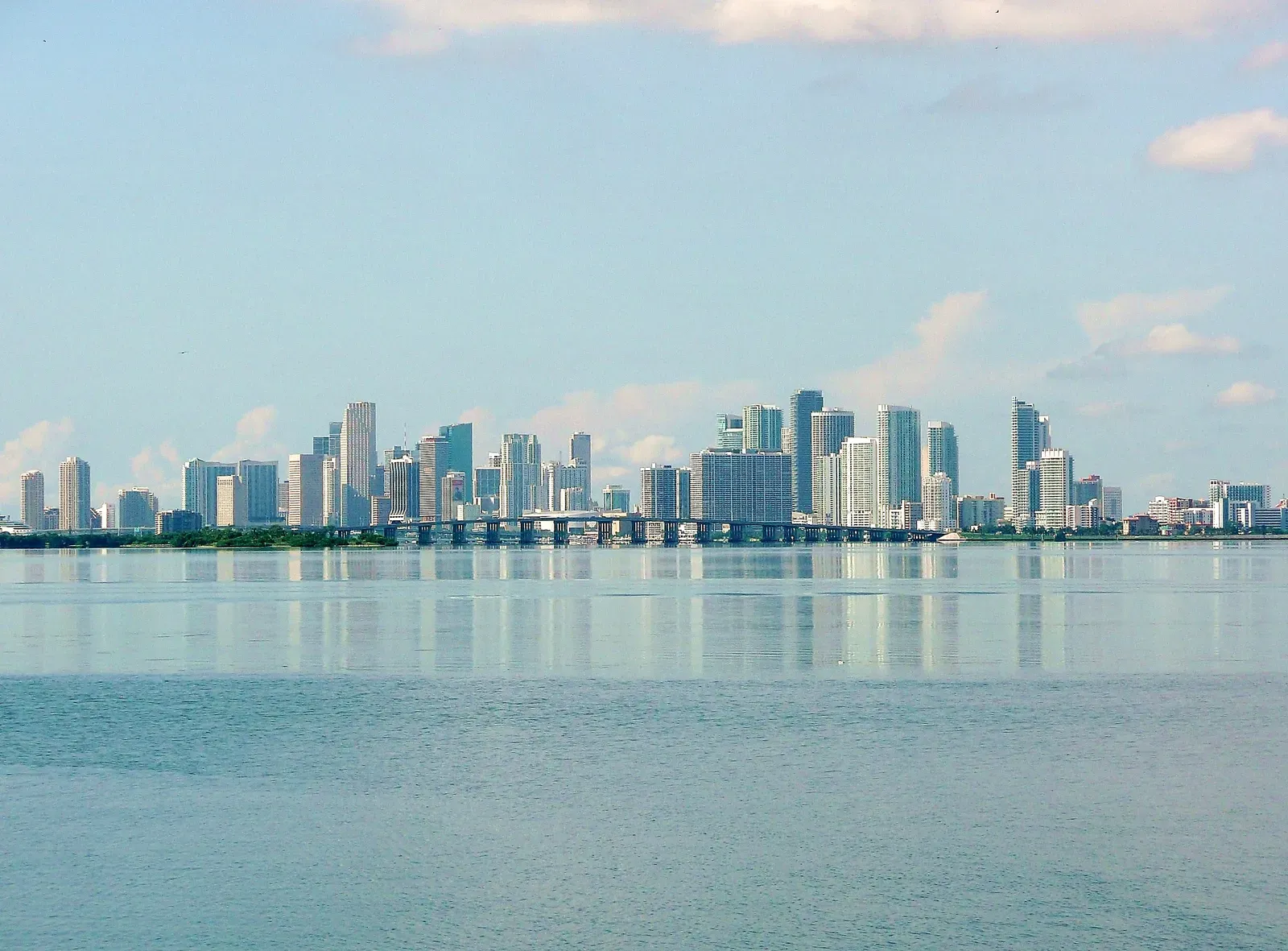
Miami already lives with heat as a near-permanent condition. Summers arrive early, linger late, and rarely cool to anything comfortable. The city’s geography, largely flat, coastal, and densely developed, makes it especially vulnerable as temperatures continue to rise.
On average, someone in Florida will experience somewhere between 57 and 93 extremely hot days by 2050. Miami’s challenge is compounded by its urban density and the particular cruelty of humid coastal heat. Nearby inland Florida counties like Highlands are projected to see 68 extreme heat days annually by 2050, compared to just four such days averaged from 1967 to 2005. The numbers represent a fundamentally different kind of summer.
Chicago, Illinois: The Midwest Catches Up
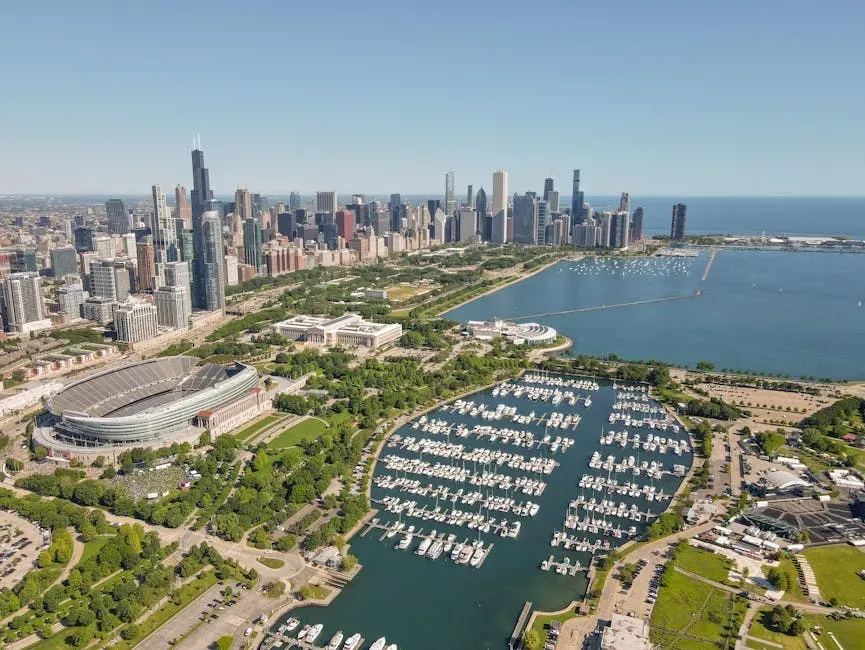
Chicago’s reputation is built on cold: the biting wind off Lake Michigan, the brutal winters that test even the most committed residents. Heat, by comparison, has traditionally been a shorter seasonal inconvenience. That proportion is likely to shift considerably.
Chicago is projected to warm by more than nine degrees Fahrenheit over the coming decades, with summers eventually resembling present-day Montgomery, Alabama. That kind of warming carries real consequences for a city built around outdoor culture, large vulnerable populations, and infrastructure not designed for sustained extreme heat. The legacy of the deadly 1995 Chicago heat wave, which claimed hundreds of lives within days, remains a stark reminder of how fast things can go wrong.
Las Vegas, Nevada: Desert Heat Going Global
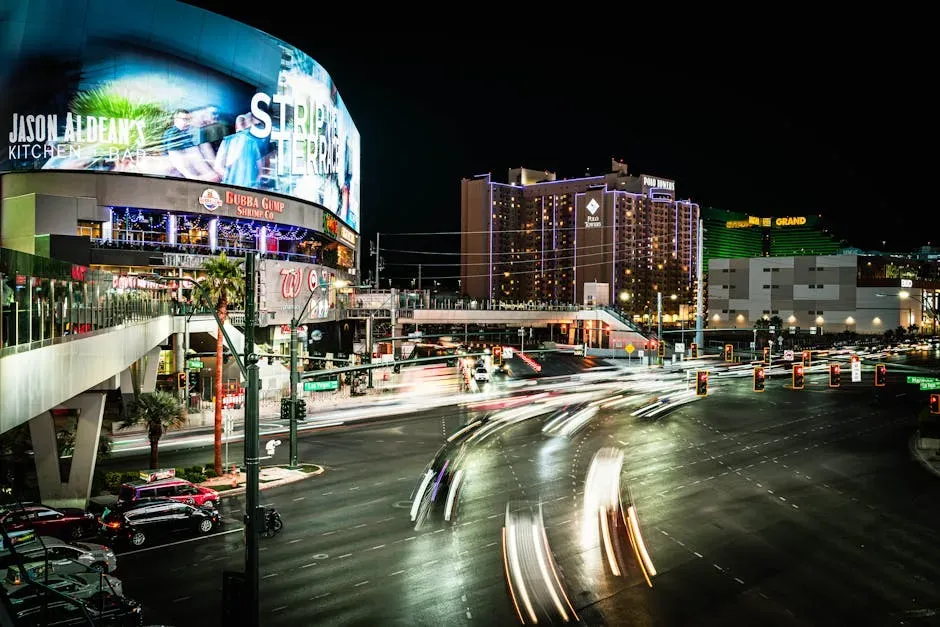
Las Vegas has normalized heat in ways most cities haven’t. The Strip glows through summer nights over 100 degrees, and residents have adapted their entire lifestyle around air conditioning and shade. Yet the projections suggest even Las Vegas is being pushed toward a threshold that is genuinely difficult to adapt to.
In some cases, summers will warm so dramatically that their best comparison is to cities in the Middle East. Las Vegas, for example, is projected to see summer highs average around 111 degrees Fahrenheit, comparable to what Riyadh, Saudi Arabia, experiences today. Hotter summers strain local power grids as demand for cooling rises, and weather-related power outages during heat season have already increased by roughly 60 percent since the 2000s.
Baltimore, Maryland: A City Under Pressure
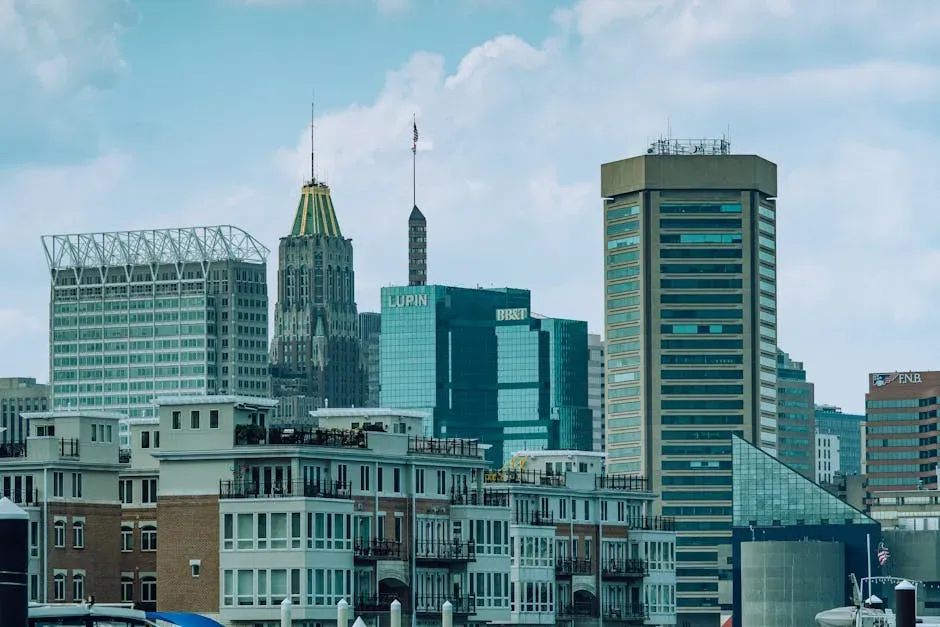
Baltimore’s story is one of a mid-Atlantic city dealing with the compounding pressures of urban density, economic inequality, and climate exposure. Summers are already humid and taxing, particularly in lower-income neighborhoods that lack tree cover and green space.
Baltimore is projected to see an increase in annual temperatures of around 3.4 degrees centigrade by 2050. The heat doesn’t fall evenly across the city. Research on U.S. cities found that when a heat wave impacts a city, poorer neighborhoods are hotter by an average of five degrees, with some neighborhoods hotter by nearly thirteen degrees. In Baltimore, as in many cities, the geography of heat is also a map of inequality.
California’s Inland Cities: A Growing Population in the Heat Zone
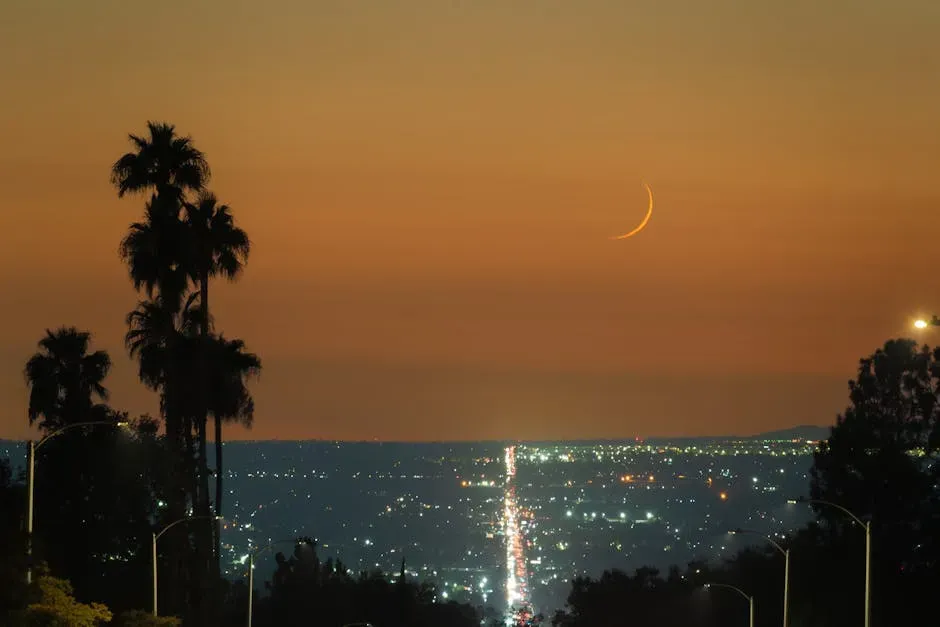
California’s coastal cities often enjoy a natural moderating effect from the Pacific. Move inland, however, and the picture changes sharply. Cities like Fresno, Bakersfield, Riverside, and Lancaster already contend with significant heat, and their populations are growing precisely as conditions worsen.
Neighborhoods in eleven inland California cities are expected to experience 25 or more high heat days every year by 2050, according to data from researchers at the Scripps Institution of Oceanography, University of Colorado Boulder, and UC Berkeley. Inland areas with big population booms will experience the most high heat days, and that combination puts more people at risk in cities that are largely unprepared. It’s growth meeting risk, and the timing is not ideal.
The Broader Stakes: Health, Economy, and Equity
Behind every climate projection is a human consequence. Heat stress isn’t just discomfort. It affects how people sleep, work, and recover. It strains hospitals, buckles roads, and overwhelms power grids. The economic toll is already substantial and the trajectory is steep.
In the United States alone, extreme heat already costs the economy roughly 100 billion dollars annually and is projected to increase to 500 billion dollars by 2050. The burden does not distribute evenly. In many cities across the country, you are more likely to live in a hotter neighborhood if you are low income or a person of color, with communities near industry such as power plants and highways facing compounding heat exposure. Excessive heat is the leading cause of weather-related deaths in the U.S., and in 2023, a record 2,325 people died from heat in the country alone.
Conclusion
The projections gathered here aren’t meant to inspire helplessness. They’re an invitation to take seriously what science has been signaling for decades. The cities on this list are real places with real people, and the futures described are not fixed. How much hotter things get still depends, meaningfully, on choices made now.
Climate Central’s analysis shows that future warming could transport a city’s current climate to an entirely different part of the country or the world, with average summer high temperatures across the 247 cities analyzed projected to increase more than three and a half degrees Fahrenheit by 2060 under a high-emissions path. That is the trajectory without course correction.
What’s worth holding onto is this: the gap between the worst projections and the more measured ones is filled by action. Cities that plant trees, redesign infrastructure, protect vulnerable populations, and reduce emissions are already writing a different story. The heat is coming. The question is how much, and how ready we are to meet it.
