
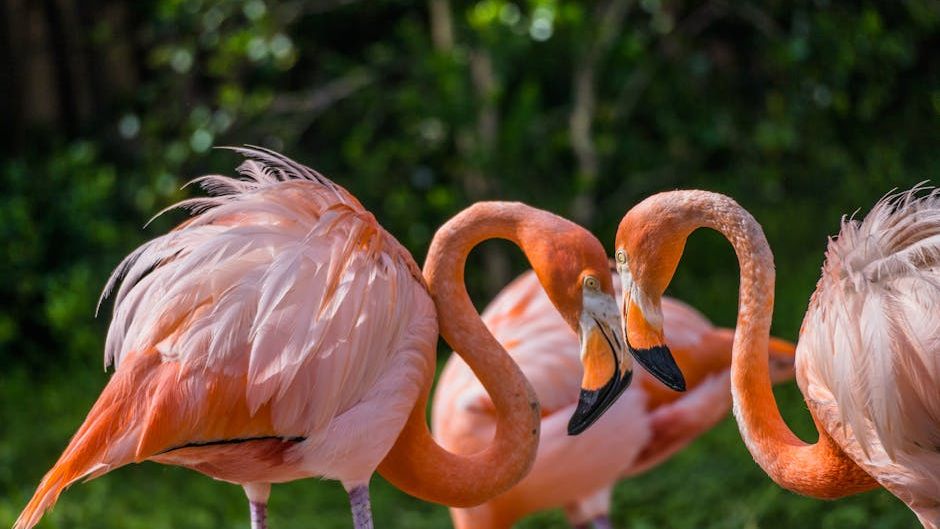
There’s something almost poetic about a destructive storm becoming the agent of a long-overdue homecoming. When Hurricane Idalia roared through Florida’s Gulf Coast in late August 2023, it left a trail of storm surge, downed trees, and shattered shorelines in its wake. It also delivered something completely unexpected: flamingos, hundreds of them, splashed across beaches, wildlife refuges, and shallow bays where the iconic pink birds hadn’t been seen in any real number for well over a century.
The images spread fast. Birdwatchers, hikers, and beachgoers reaching for their phones to confirm what they were actually seeing. Scientists, meanwhile, were doing the same thing, but with a lot more urgency.
A Storm That Scattered Hundreds of Birds Across a Continent
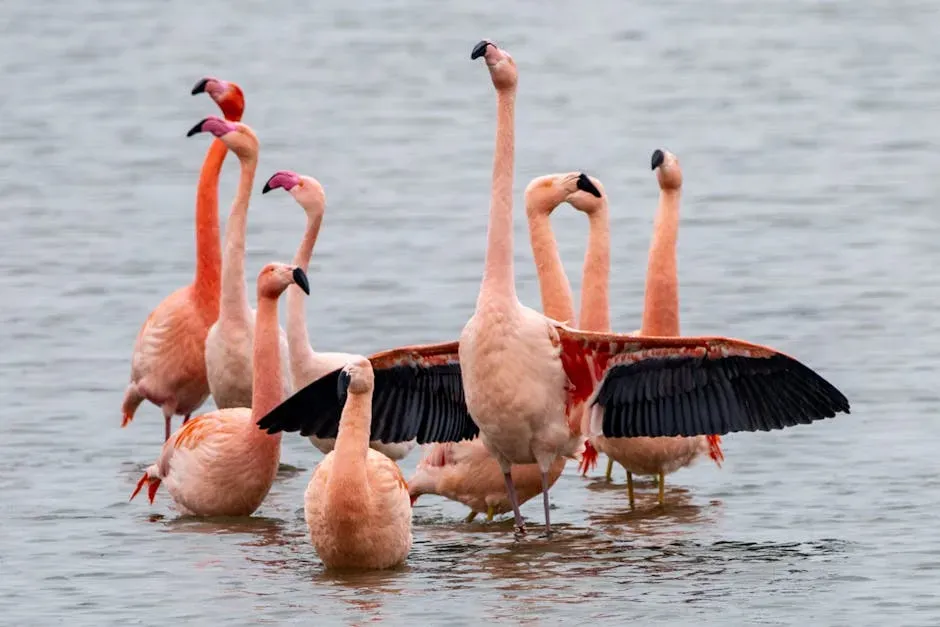
Hurricane Idalia blew a flamboyance, or flock, of 300 to 400 flamingos that was likely migrating between the Yucatan Peninsula and Cuba off course in August 2023 and deposited the birds across a wide swath of the eastern United States, from Florida’s Gulf Coast all the way up to Wisconsin and east to Pennsylvania.
The birds likely got caught up in Hurricane Idalia, according to experts at the American Birding Association. That’s described as a “fairly common phenomenon” for birds, but not typically for flamingos. The scale of this event was genuinely unusual.
Scientists suggested the flamingos could have gotten caught in the storm and flown with the wind, or perhaps had been in the eye of Idalia and moved with it until the storm broke apart. What likely happened is that the birds were either in the Yucatan or on their way to Cuba when the storm hit them, and they went with the winds instead of fighting them, as the eastern portion of the storm drove the birds up the western side of Florida.
After Hurricane Idalia, more than 300 credible sightings of flamingos across the eastern United States were reported. From Texas to Pennsylvania to Wisconsin, people were photographing birds that simply had no business being there, at least not by recent historical standards.
Florida’s Long and Painful Flamingo History
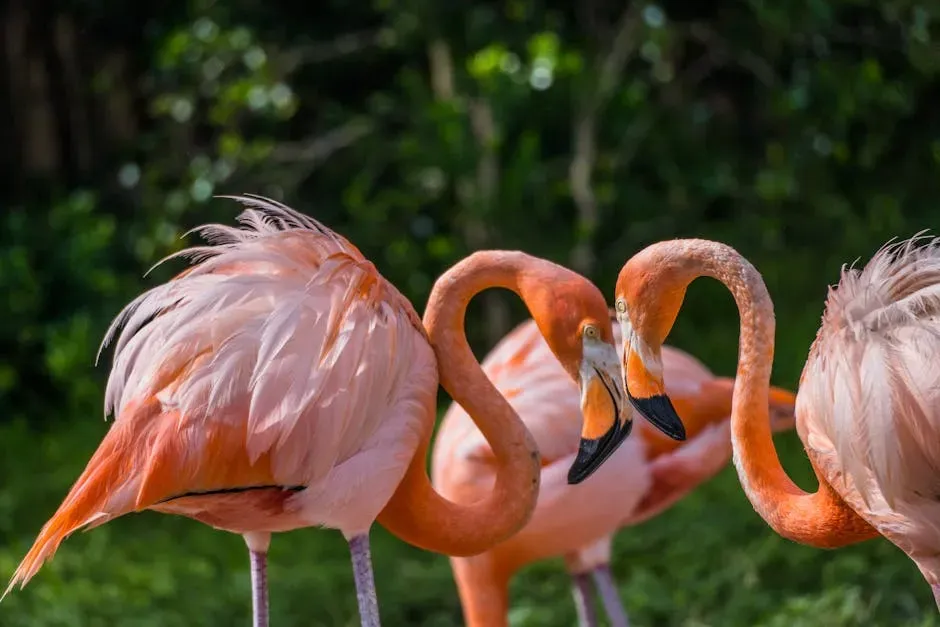
The American Flamingo was once a regular sight across South Florida, inhabiting the shallow, brackish waters of the Everglades and the Florida Keys. Historical accounts from naturalists in the 19th century describe large flocks, sometimes numbering in the hundreds or even thousands of individuals, foraging in these coastal areas. These accounts suggest the birds were not merely seasonal visitors but may have been year-round residents with established nesting colonies.
In the late 19th century, it became trendy for women to wear colorful bird feathers in their hats. Hunters killed off huge swaths of flamingos and other wading birds because an ounce of feathers was worth more than gold, according to Audubon Florida.
Led by the National Association of Audubon Societies’ vocal opposition, a grassroots environmental movement brought about laws prohibiting the hunting and sale of bird feathers. But enforcement of those laws in sparsely populated Florida was difficult, and on two occasions deputized Audubon wardens were murdered protecting wading bird nesting colonies.
While flamingos were once common in the Sunshine State, the growth of the plume hunting industry in the 1800s, followed by the draining of the Everglades in the 20th century, decimated Florida’s flamingo population. As flamingos faded from the landscape, so did many of the other wading birds that rely on shallow water for their next meal. For the next century, American flamingos were only spotted in remote islands off Cuba, throughout the Caribbean, and near Mexico’s Yucatan Peninsula.
Peaches, the Flamingo That Captured Everyone’s Attention
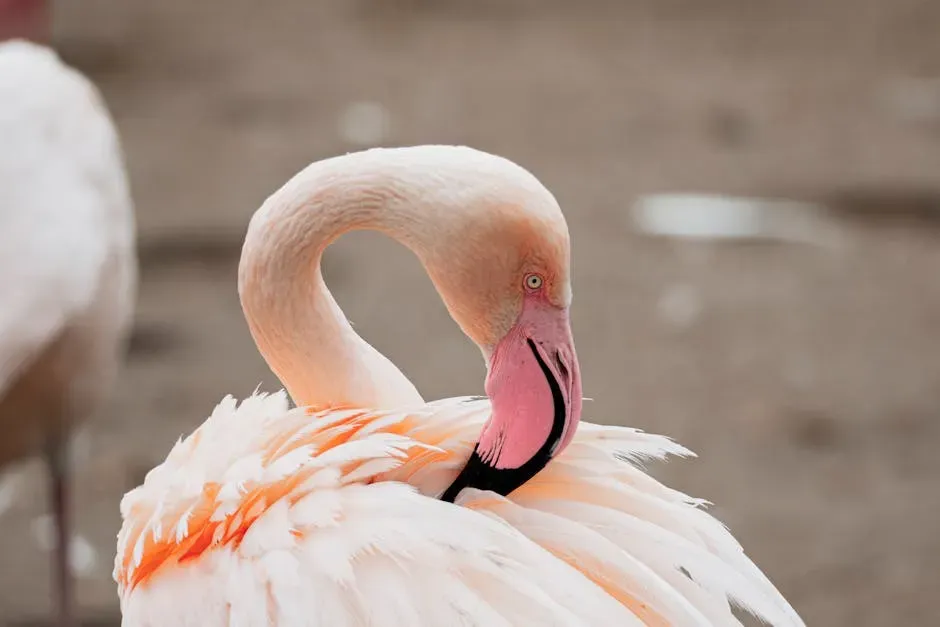
One of the birds was rescued in the Tampa area after nearly drowning in the Gulf of Mexico. His rescuers named him Peaches. The name alone made him instantly beloved, and his story became a kind of shorthand for the whole event.
A veterinary team at Seaside Seabird Sanctuary held Peaches still while Dr. Frank Ridgley of Zoo Miami and researcher Dr. Jerome Lorenz placed a band and GPS tracker on his leg. Dr. Lorenz has banded or supervised the banding of nearly 3,000 roseate spoonbills, but Peaches was his first and only flamingo to date.
Unfortunately, a few days after Peaches was released back into the wilds of Tampa Bay, the tracking device failed. His last reported sighting was on a beach near Marco Island on October 5, 2023.
Then, in June 2025, researchers received an email from colleagues at the Rio Lagartos Biosphere Reserve in Yucatan, Mexico, who had photographed Peaches, blue band still in place, nesting in the reserve. Peaches’ story became the latest piece in the historical puzzle of flamingos in Florida. It was a quiet but meaningful conclusion to a story that had gripped the birding community for nearly two years.
What Stayed Behind: The February Count and Florida Bay
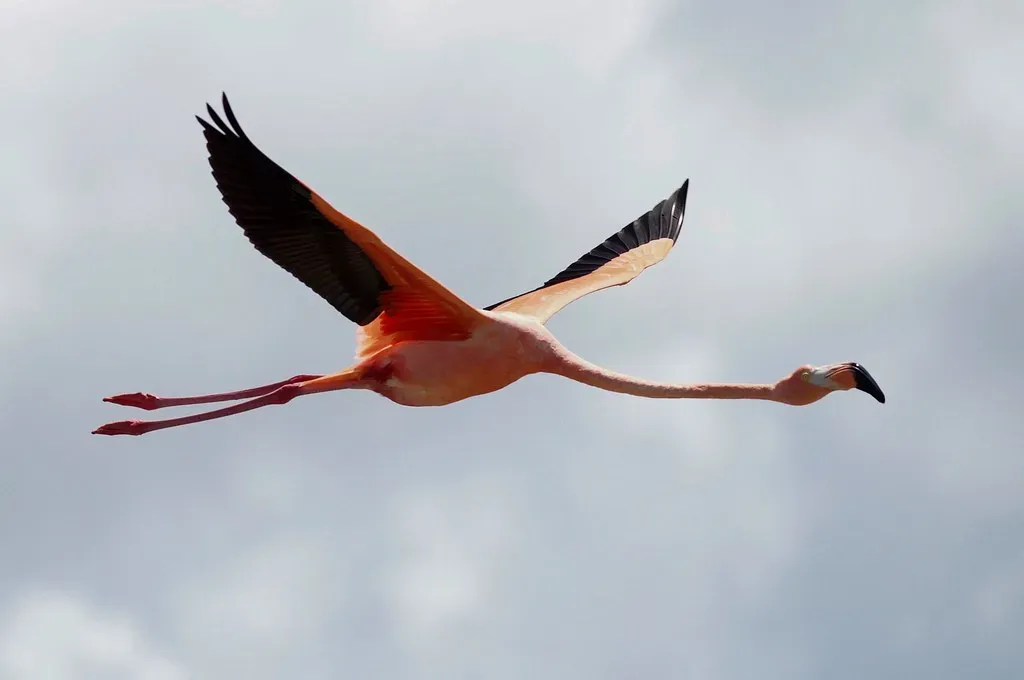
In February, Audubon Florida organized an American Flamingo survey across the Sunshine State. The effort was coordinated through the Florida Flamingo Working Group as part of a larger effort by the Caribbean Flamingo Conservation Group to census all American Flamingos throughout their range.
More than 40 people filled out the survey to record 101 wild American Flamingos across Florida. The largest group, more than 50 birds, was spotted in Florida Bay, with 18 counted in the Pine Island area and another 14 at Merritt Island National Wildlife Refuge.
Researchers believe the storm’s winds diverted some flamingos from their typical flight patterns through the Caribbean and steered them north. The fact that so many chose to stay, rather than immediately disperse, was the detail scientists found most encouraging.
After sorting through observations to remove duplicates, researchers concluded that at least 100 flamingos were left in the state. Then in July 2025, a flock of 125 individuals was photographed in Florida Bay. That sighting marked one of the largest concentrations of wild flamingos seen in the region in more than a decade.
Everglades Restoration and the Reason Flamingos Might Actually Stay
To researchers who have studied the region for decades, the answer behind the flamingos’ willingness to linger seems clear: efforts to restore the Everglades and Florida’s coastal ecosystems are beginning to show progress. The habitat, in other words, is finally recovering enough to be worth staying in.
Researchers say the flamingo’s return is one tangible sign that the massive $10 billion Comprehensive Everglades Restoration Plan is finally seeing success, 23 years after the act of Congress was signed into law to help bring wildlife back to the river of grass.
Many of the Idalia flamingos remained for months, suggesting that Florida’s restored habitats, particularly in the Everglades, are once again capable of sustaining small groups.
Flamingos nest only once a year, generally returning to the same location year after year, and lay only one egg. Furthermore, they prefer forming huge nesting colonies, with thousands of nests, in part due to their elaborate group courtship rituals. These traits make their recovery slow by nature. But the trajectory, at least right now, is pointing in the right direction.
Researchers speculate that flamingos, with their longer legs and appetite for saltier water, are possibly better adapted to changing coastal conditions than other wading birds. That’s a quietly hopeful detail in an otherwise complicated environmental picture.
Conclusion: A Pink Surprise With a Bigger Story Behind It
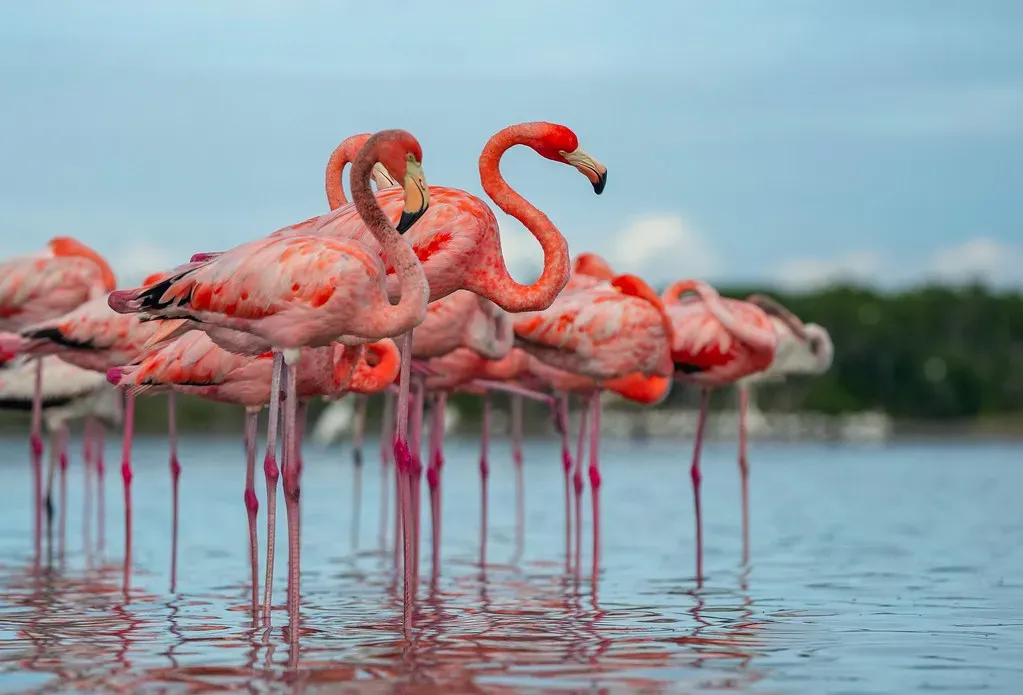
Hurricane Idalia caused real damage. That part shouldn’t be minimized. Yet, in one of nature’s stranger coincidences, the same storm that battered Florida’s coastline also delivered something the state had lost more than a century ago.
The flamingos that scattered across the eastern United States in the late summer of 2023 didn’t just make for remarkable photographs. They reopened a scientific conversation about what Florida’s wetlands are capable of supporting, and whether a species driven out by fashion and land drainage might finally find its way home again.
Though the native flamingo population disappeared more than 100 years ago, recent events lead scientists to believe that flamingos may be coming back to the Sunshine State, and that their return has been facilitated by the concerted effort to restore the Everglades and coastal ecosystems.
The birds didn’t ask permission to return. A storm brought them, the habitat held them, and now, researchers are watching carefully to see what happens next. Sometimes, the most meaningful conservation stories begin not with a plan, but with a hurricane and a little unexpected grace.
