
Ohio’s wildlife story is, in many ways, a story of loss followed by a quiet, stubborn recovery. Over the past two centuries, industrial growth, habitat destruction, unregulated hunting, and water pollution pushed many native species to the brink, or erased them from the state entirely. Some vanished so completely that an entire generation of Ohioans grew up never seeing them in the wild.
After decades of work, Ohio is reaping the benefits of its conservation efforts. Specifically, species considered endangered, threatened, and extirpated from Ohio’s borders are making a steady comeback. From ancient fish to elusive forest predators, the returns are real, measurable, and in several cases, genuinely surprising.
The Bald Eagle: From Four Nesting Pairs to a Statewide Presence
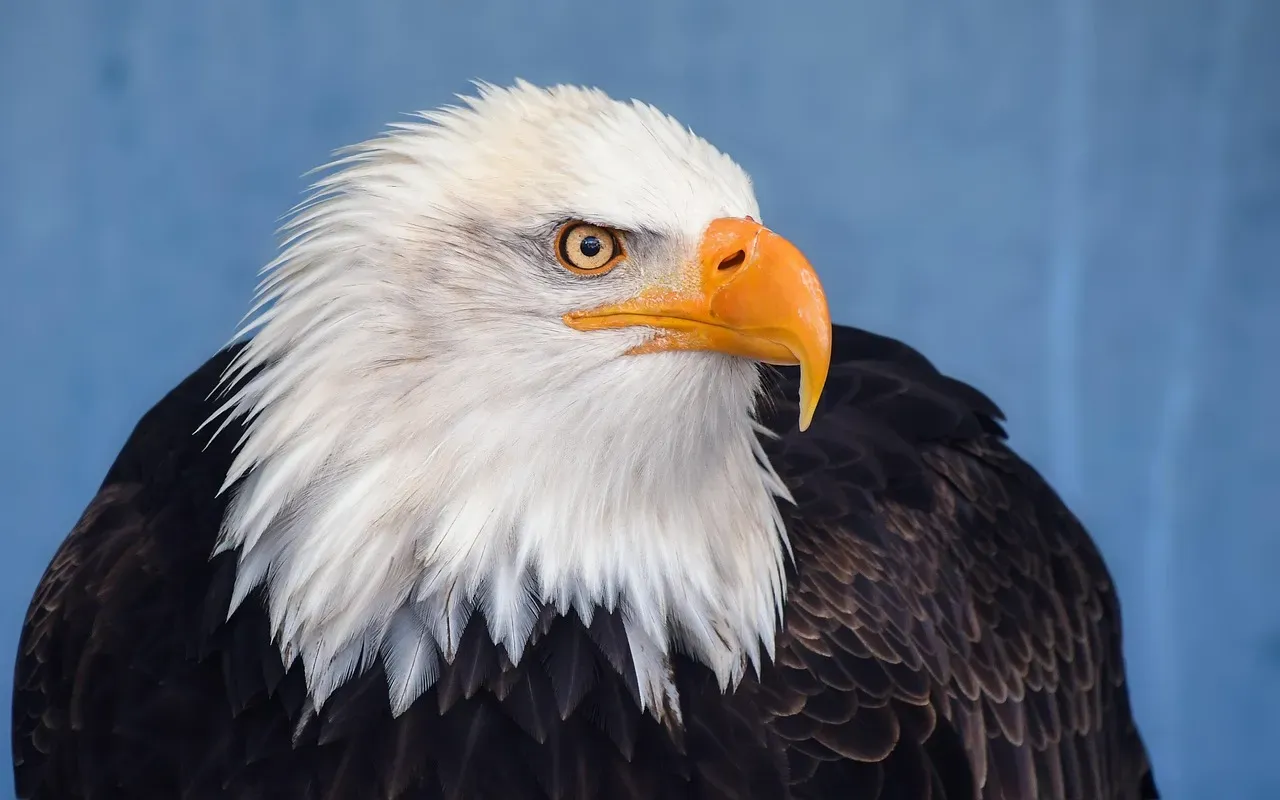
Few comebacks in American conservation history are as dramatic as the bald eagle’s return to Ohio. The bird was placed on the Great Seal of the United States in 1782, but in Ohio, it nearly vanished. In 1979, there were only four nesting pairs of bald eagles in the entire state.
Habitat loss, pollution, and the widespread use of pesticides like DDT devastated eagle populations nationwide. Decades of environmental protections and wildlife management have helped reverse the trend.
There are now over 1,000 active nests across the state in 87 of Ohio’s 88 counties, with the majority located in northern Ohio’s wetlands and along Lake Erie’s shoreline. The surge in active nests prompted Ohio to remove the iconic bird from its endangered species list in 2012, marking a successful comeback from the brink of extinction.
The Trumpeter Swan: A Three-Century Absence Finally Reversed
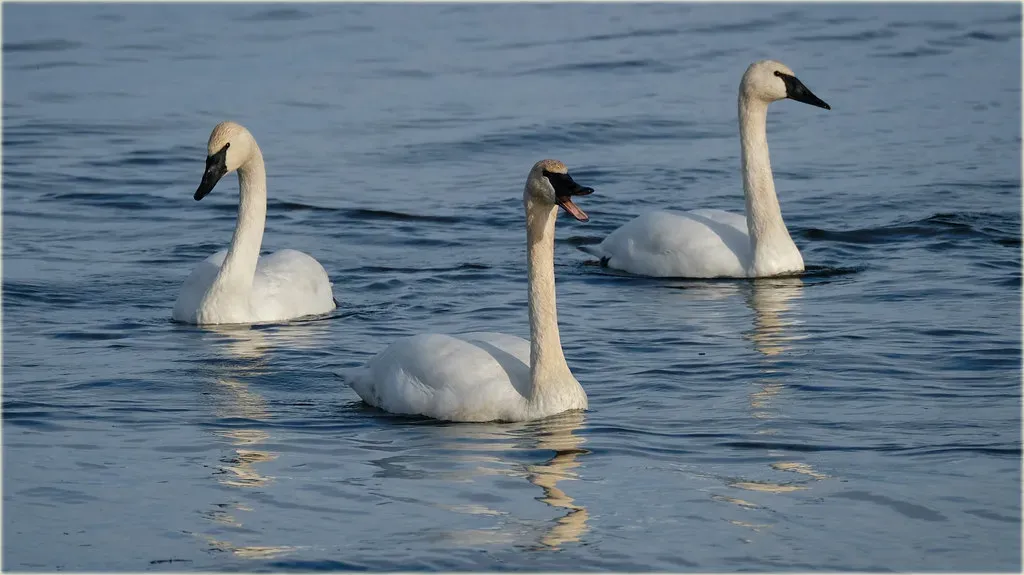
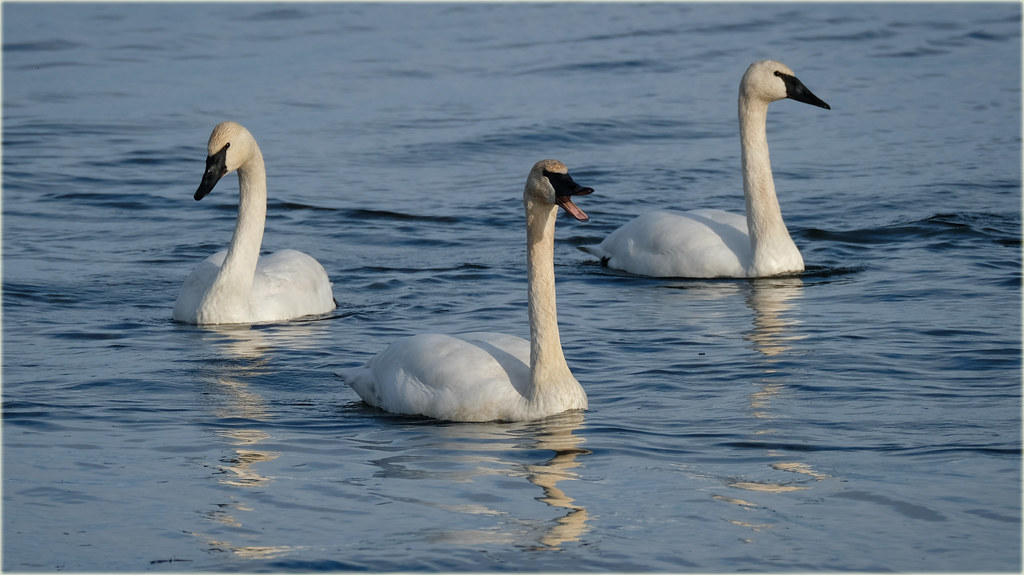
The large, white birds, boasting an eight-foot wingspan and named for their call, had been driven out of Ohio through over-hunting before Ohio even became a state in 1803. Their disappearance was so complete it spanned roughly three centuries.
Trumpeter swan populations in Ohio were extirpated as early as the 1700s due to unregulated harvest and habitat loss, but a reintroduction program began in 1996 with eggs collected from Alaska and raised in partnership with local zoos. It was a careful, painstaking process from the very beginning.
Today, the trumpeter swan population stands at nearly 900. There are swans nesting in 26 different counties across the state. Trumpeter swans have surpassed the Division of Wildlife’s management goals for the species, indicating that populations are now sustainable, and the Ohio Wildlife Council’s vote to delist trumpeter swans marks a significant breakthrough in the conservation of the species.
The Lake Sturgeon: An Ancient Fish Returns to Ohio Rivers
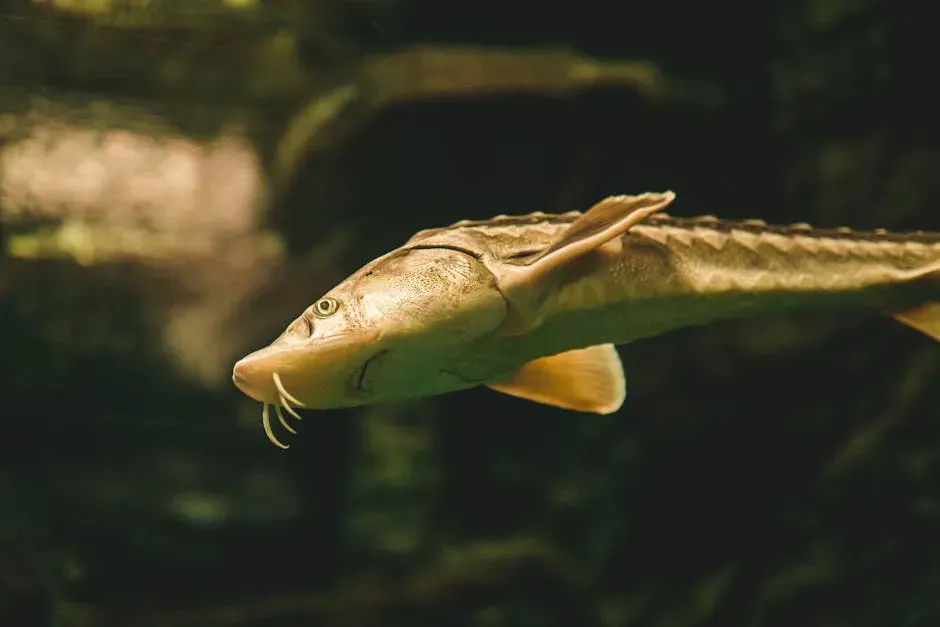
Lake sturgeon are capable of reaching six to eight feet in length and upwards of 200 pounds over their 100-year lifespan, making them the largest fish in the Great Lakes. Female sturgeon need up to 25 years to reach sexual maturity and only reproduce every few years, meaning species recovery is a long-term project.
The endangered species was once abundant in Lake Erie and the Ohio River, but the population declined over the last 150 years because of dams blocking access to spawning sites and unregulated harvesting. Ohio eventually lost all known spawning populations entirely.
Reintroduction efforts for state-endangered lake sturgeon expanded to the Cuyahoga, Sandusky, and Scioto rivers in 2025, according to the Ohio Department of Natural Resources Division of Wildlife. In the Maumee River alone, 3,000 juvenile sturgeon have been stocked annually since 2018 and will continue for 20 years. Ecologists are counting on the fish to imprint on the unique chemical signatures of the rivers and return to spawn, similar to the process that drives Pacific salmon back to their natal streams. That won’t happen until the sturgeon reach sexual maturity at 12 to 15 years old, still several years away even for the first cohort released in 2018.
The Fisher: A Weasel-Like Predator Quietly Reclaiming Northeast Ohio
The fisher, a carnivorous member of the weasel family, once thrived in the dense forests of Northeast Ohio. Known for its slender build, dark fur, and bushy tail that makes up nearly a third of its total body length, the animal was believed to have been extirpated from the region in the early 1800s.
In late 2025, a small animal called a fisher gripped the attention of Ohioans when one was spotted in the Cleveland Metroparks on a trail cam. The sighting was the first in Cuyahoga County in over a century. It is not the first reported sighting in the state, but one of the first caught on camera. There have been approximately 40 confirmed sightings since 2013, indicating that the elusive creature is making its slow return.
The presence of a breeding female suggests that fishers may be establishing family units in forested regions near Ashtabula, Geauga, and Trumbull counties, areas with sufficient tree cover and minimal human interference. Wildlife officials are cautiously optimistic, though the long-term future of Ohio’s fisher population will likely depend on habitat preservation, human-wildlife coexistence, and data transparency. Whether the species can sustain itself without formal reintroduction programs remains to be seen.
The Bobcat: Ohio’s Only Wild Cat Edges Back Toward Recovery
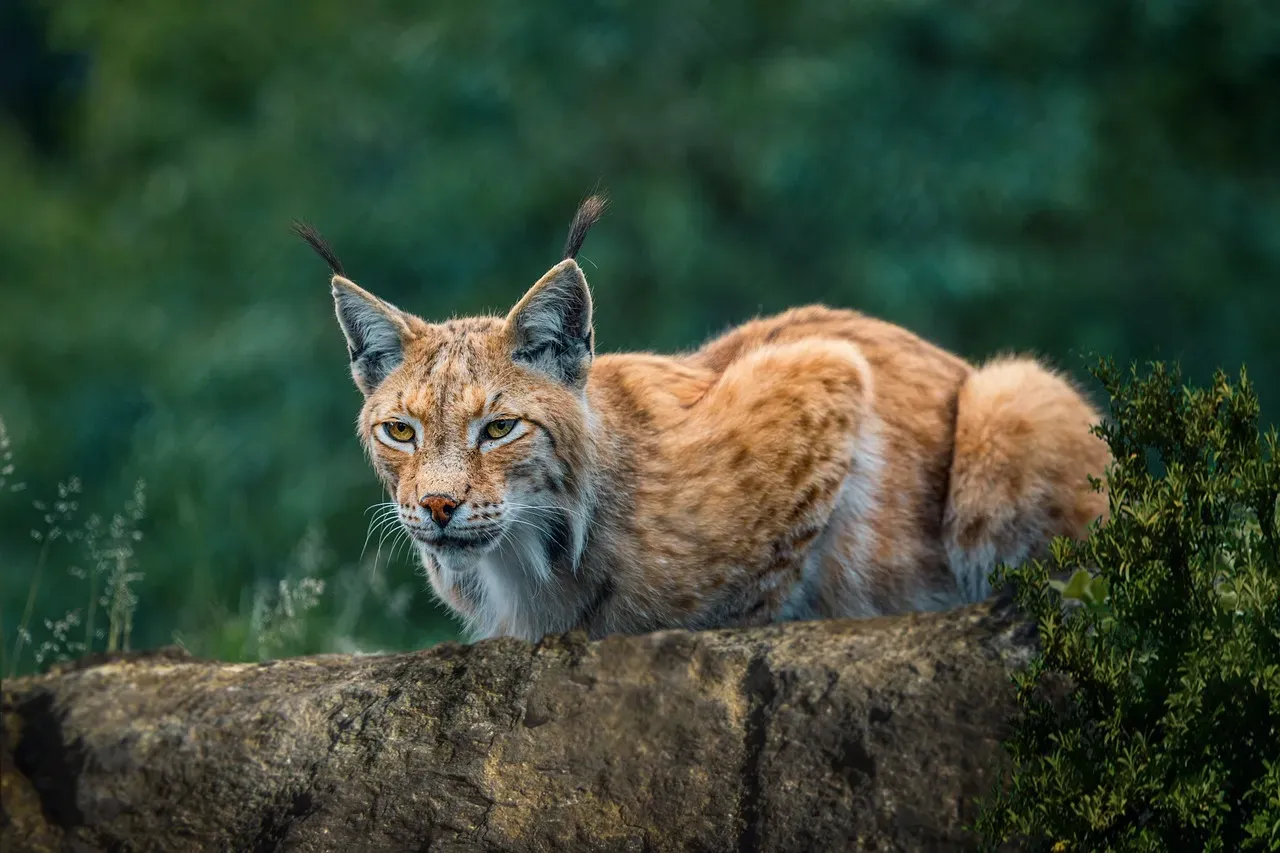
The bobcat, otherwise known as Lynx rufus, is the only wild cat species native to Ohio. They were considered extirpated from the state, much like many of their fellow native inhabitants. For much of the 20th century, confirmed sightings were extraordinarily rare.
There were intermittent sightings throughout much of the 20th century, but no more than five per year. After 2000, the number of annual sightings began to increase. In 2009, there were 98 confirmed sightings. Fifteen years later, that number increased sevenfold, jumping to 777 in 2024.
The majority of these sightings are within the heavily forested Appalachian region of the state. Growth of bobcat populations in neighboring states such as West Virginia and Pennsylvania is one of the key theories behind the surge, as those populations grew and began to expand westward into Ohio. It’s natural recolonization, not a managed program, which makes it all the more compelling.
The Eastern Hellbender: North America’s Largest Salamander Fights Back
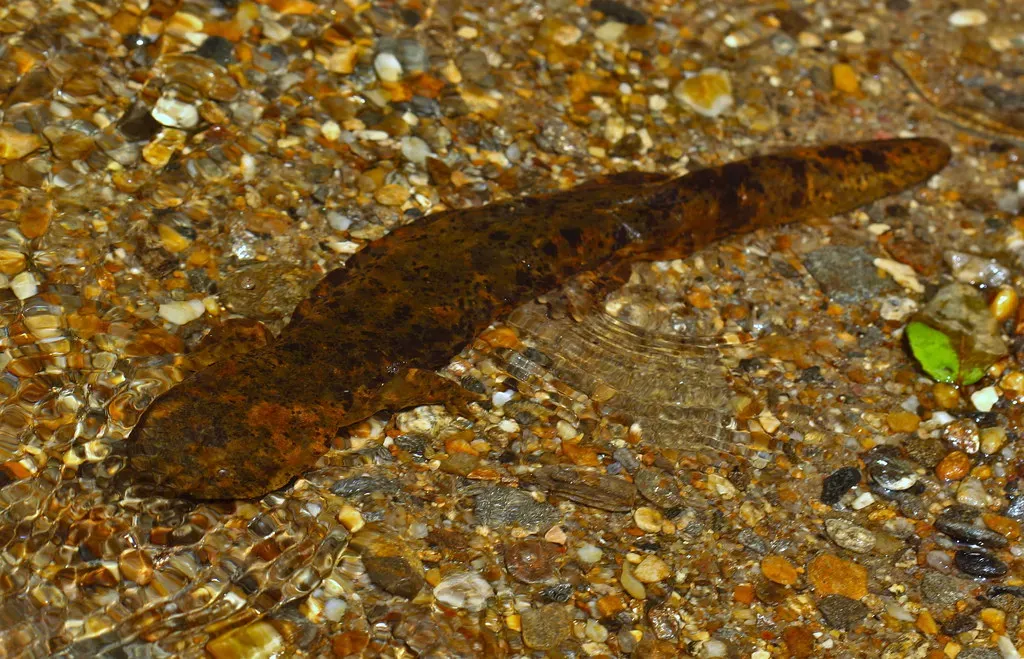
Meet the eastern hellbender, North America’s largest amphibian, affectionately nicknamed the “snot otter” for its slimy, slippery coating. These incredible salamanders grow up to two feet in length, live entirely in water, and hide under submerged rocks in Ohio’s pristine streams.
Decades of habitat loss, pollution, and sedimentation have driven their populations to the brink of extinction in Ohio and neighboring states like West Virginia. Recovery has required a coordinated, long-haul effort across multiple institutions.
Thousands of hellbenders have been released in Ohio since 2012 by The Wilds and the Columbus Zoo. In 2024 alone, The Wilds released 341 hellbenders back into West Virginia and Ohio streams. Remarkably, 2023 marked a major milestone: for the first time, researchers documented wild reproduction by hellbenders that were released years ago. They play a critical role in stream ecosystems, feeding on crayfish and other aquatic invertebrates while serving as indicators of water quality. Healthy hellbender populations mean healthy streams, which benefit humans, wildlife, and the environment as a whole.
The American Burying Beetle: A Federally Threatened Species Getting a Second Chance
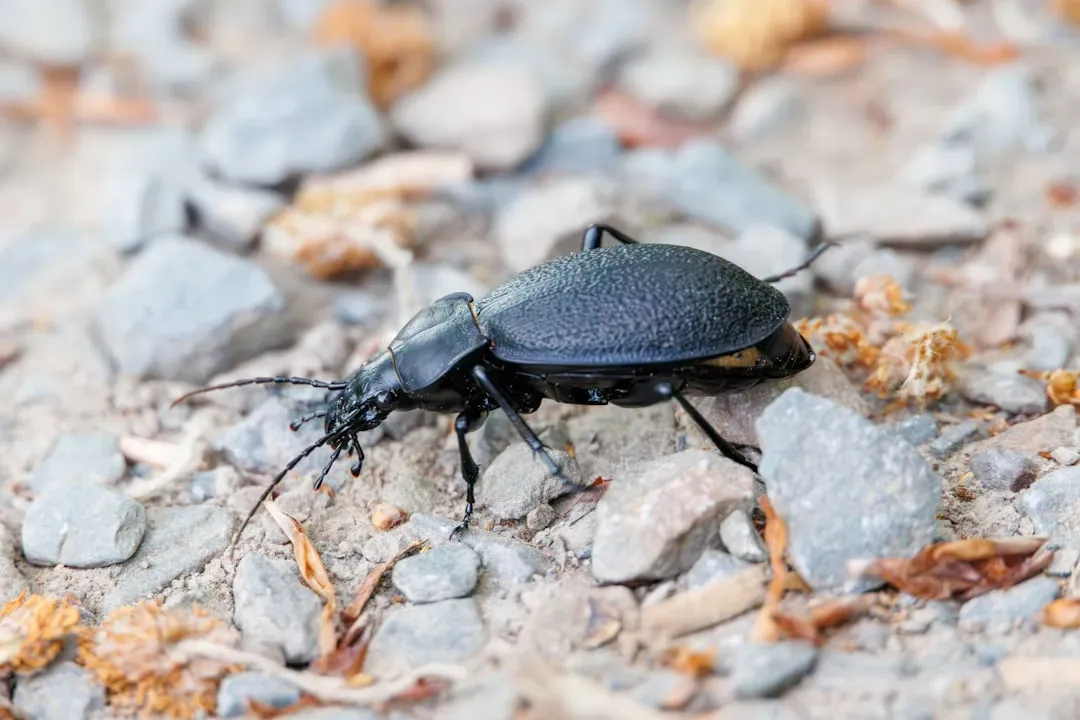
The Federally Threatened and State Endangered American burying beetle has been a focal conservation species at The Wilds for over a decade. At the Cincinnati Zoo, staff are working to bring back the American burying beetle. Once native to Ohio, the species no longer exists in the wild in the Buckeye State.
The Wilds partners with the US Fish and Wildlife Service, the Ohio Department of Natural Resources Division of Wildlife, the Nebraska Game and Parks Commission, and the Cincinnati Zoo and Botanical Gardens to restore this once expansive and now endangered species back to its native range in Ohio. The breeding program is meticulous and methodical.
The female lays her eggs next to a carcass, which becomes food for the larvae when they hatch. Both parents then protect the offspring and provide care for them until they pupate, a unique trait for an insect species. Research grants are also funding stable isotope studies to determine if any beetles caught during trapping seasons are wild-born, vital research that will inform reintroduction success and future management. The beetle is small, easily overlooked, but its role as a decomposer makes it essential to the ecosystems it once helped sustain.
What These Returns Tell Us
More frequent reports of plant and animal species returning to Ohio after decades or even centuries away suggest that however much work remains in protecting and preserving the environment, some things are being done right. These recoveries did not happen by chance.
Behind each return is a combination of cleaner water, restored wetlands, legal protections, and years of painstaking hands-on work from biologists, zoos, universities, and government agencies. The bald eagle’s soaring numbers and the trumpeter swan’s delisting are proof that the effort pays off over time. The fisher’s quiet reappearance on a trail camera is a reminder that nature, when given space, sometimes finds its own way back.
What’s most striking about Ohio’s wildlife recovery is its breadth. From the ancient lake sturgeon navigating river currents to the hellbender tucked beneath a stream rock, these are not isolated wins. They are the cumulative result of a state choosing, steadily and imperfectly, to make room for the creatures that were here long before the factories and the farms. The work is far from finished, but the direction, at least, is clear.
