
Most dog owners already know their pet loves them. What’s less obvious is how deeply a dog depends on the daily rhythms of your life together to feel genuinely safe. It’s not the grand gestures that build a dog’s inner confidence. It’s the small, repeated moments: the morning walk at the usual time, the quiet voice when things feel chaotic, the familiar spot where they know they’re allowed to rest.
Attachment relationships promote a sense of security and safety, beyond simple familiarity. For dogs, that security doesn’t arrive in a single burst of affection. It accumulates slowly, through consistent patterns of care that tell your dog, again and again, that the world around them is trustworthy. Understanding which habits carry the most weight can change the way you approach even the most ordinary moments of your day.
Keep a Predictable Daily Routine
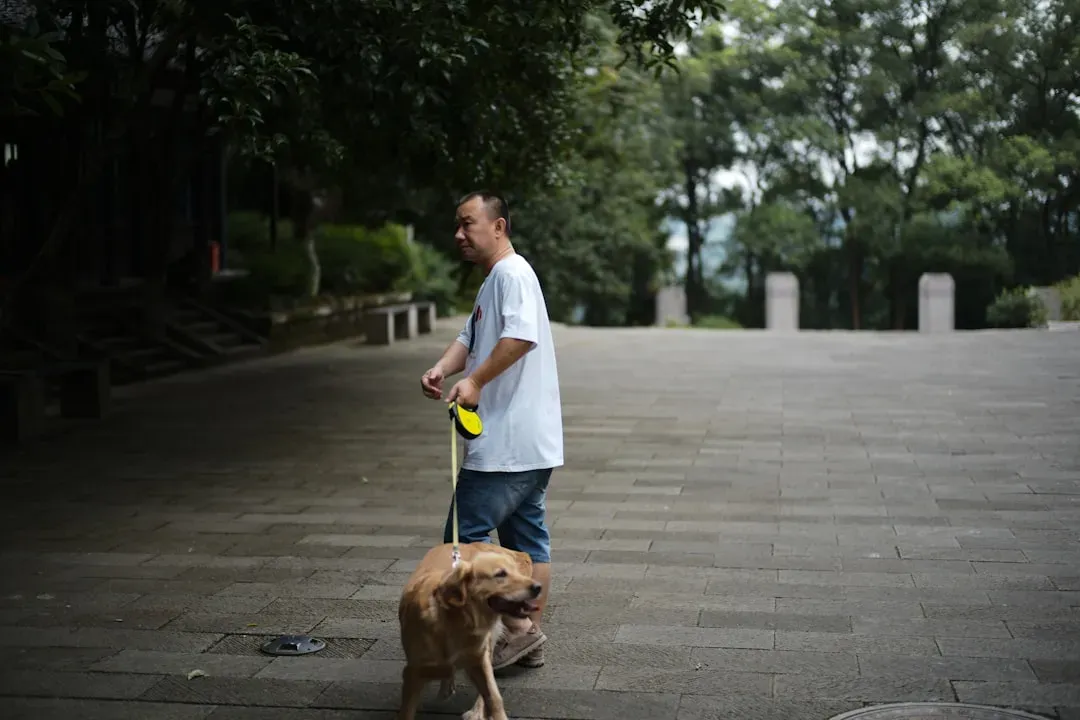
Animals feel safest when their world is predictable. Feeding times, walks, and rest periods that happen consistently help reduce stress and confusion. This isn’t about rigidity; it’s about giving your dog a reliable framework they can trust.
Routines aren’t just about structure. They help dogs feel secure, reduce anxiety, and create a foundation for consistent training and better behavior. Think of it this way: your dog can’t read a clock, so your daily patterns become their sense of order.
When safety becomes part of everyday life rather than something only considered in emergencies, pets experience a world that is calmer, more predictable, and far less stressful. This stability supports not only their physical health but also their emotional well-being and confidence.
Feed at Consistent Times Every Day

Food is love in the dog world, but it’s also about trust and security. When meals arrive at predictable times, your dog learns that their needs will be met without fail. That reliability builds something deeper than appetite satisfaction.
Feeding your dog at the same time every day not only ensures they are well-nourished but also helps regulate their digestion. The physical and emotional benefits here work together in a straightforward way.
Feeding your dog at the same time each day sends a message that their needs are seen and will be met. This consistency builds a deeper bond between you and your pet. Over time, your dog comes to associate your presence not just with food, but with dependability.
Use Positive Reinforcement, Not Punishment

When animals are anxious or afraid, their number one priority is to feel safe again. Imagine trying to learn a new language while concerned about being yelled at or ridiculed by the teacher. Our primary concern is no longer to learn the language but to avoid the unpleasant treatment. When the animal feels safe, he can be curious, inquisitive and focused on a task.
Positive reinforcement training, where you reward good behavior with treats or praise, helps build your dog’s confidence and solidifies their understanding of your expectations. Confidence and security are tightly linked in a dog’s emotional life.
Using treats and praise encourages obedience and builds trust. This method fosters a loving relationship and enhances communication. Dogs respond well to kindness, making learning enjoyable. When a dog knows a correction isn’t going to come out of nowhere, they relax. That relaxation is the foundation of genuine belonging.
Create a Dedicated Safe Space
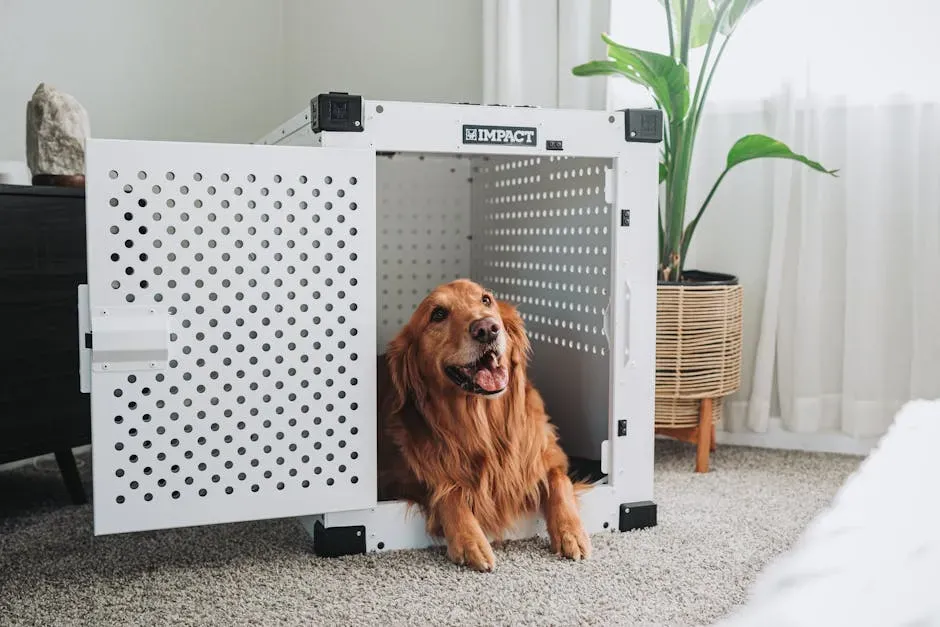
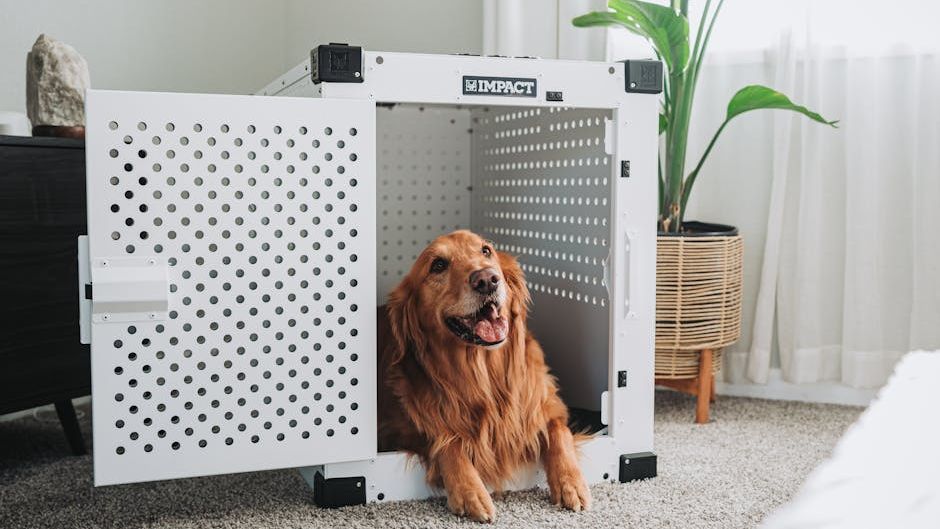
When dogs have a designated space where they feel secure, they can also better cope with changes in their environment or stressful events. Because dogs are social animals, they thrive on companionship and a sense of belonging. With a safe space, you are showing your dog that you understand and respect their needs, which fosters trust and mutual understanding.
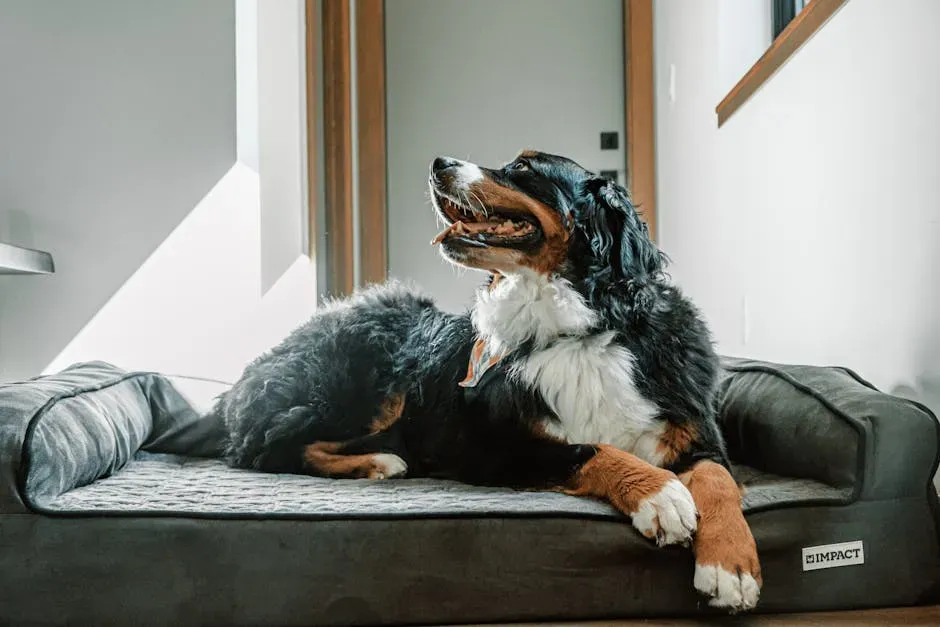
Creating a safe space for your dog provides comfort and security. A dedicated area with their bed and toys can be a refuge during stressful times. This space helps them feel grounded and part of the family.
Make sure the area is quiet, away from heavy foot traffic or loud noises, and spacious enough for your dog to stretch out comfortably. Ensure the bedding you choose for your dog is soft, durable, and the right size for them. Getting the physical details right matters more than most people realize.
Give Them Daily Undivided Attention
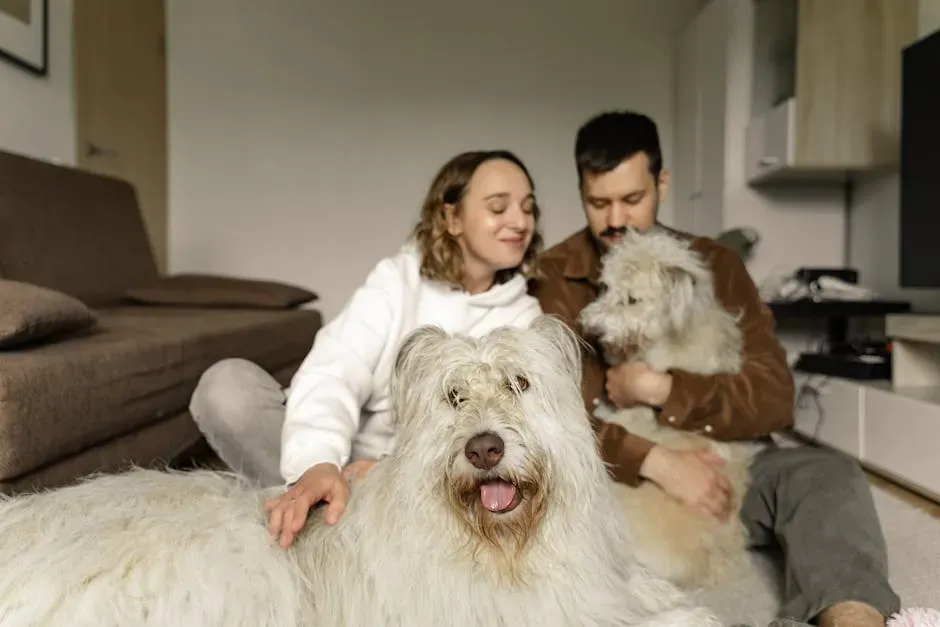
Dogs are highly social creatures and they cherish moments when the focus is entirely on them, whether through gentle petting, casual chatting, or simply sitting together quietly. Even a short session of undivided attention can ease anxiety and reinforce their sense of safety in the home.
Spending quality time with your dog is invaluable. Whether it’s a simple cuddle on the couch, a game of fetch, or a walk in the park, these moments strengthen the bond between you and your pet. The activity itself matters less than the shared presence.
Research shows that dogs preferentially directed attachment behaviors, such as approach and contact seeking, to their caregivers following separations, and played and explored more in the presence of the caregiver than a stranger. Your daily attention doesn’t just feel good to your dog. It actively reinforces their security at a behavioral level.
Respect Their Space and Boundaries

Just like humans, dogs need their personal space. Respecting your dog’s boundaries and allowing them time alone when needed is essential. This could mean letting them retreat to their bed or giving them some quiet time after a busy day. By respecting their space, you show your dog that you understand and care about their needs, reinforcing their sense of security.
Respect your dog’s boundaries within their safe space. Allow them to come and go as they please, and avoid disturbing them when they seek solace in their designated area. Respecting their boundaries reinforces the feeling of safety and trust.
A dog who is never given the option to disengage will eventually find less healthy ways to create distance. Honoring their need to step back, without making a fuss about it, tells them they’re understood.
Maintain Consistent Boundaries Within the Home
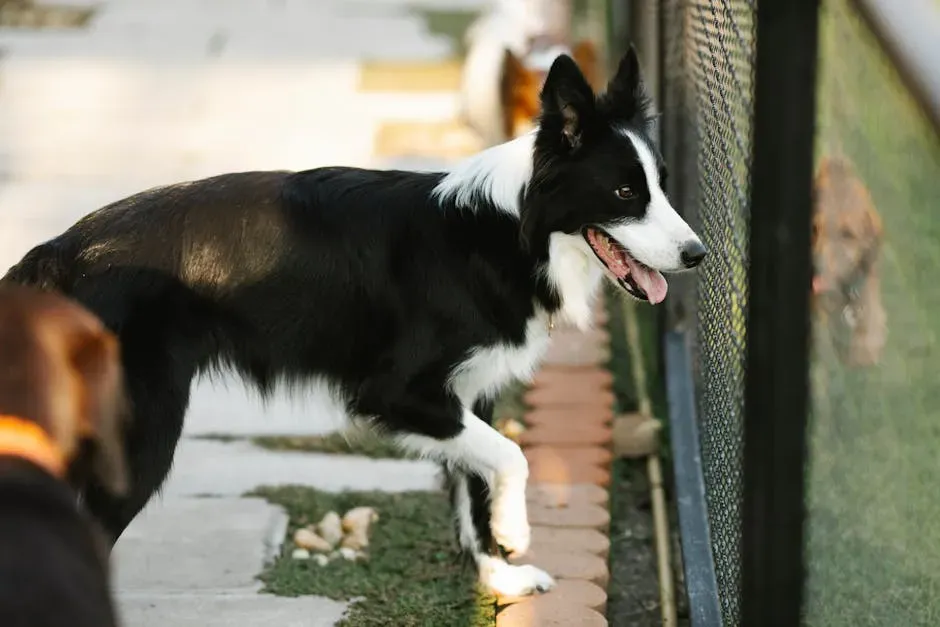
Setting and maintaining consistent boundaries is crucial for your dog’s sense of security. Dogs need to know what is expected of them and what behaviors are acceptable. Consistency in enforcing these boundaries helps your dog understand their place in the household hierarchy. When boundaries are clear and consistently upheld, your dog feels more secure and confident in their environment.
Establishing healthy boundaries is crucial for a balanced relationship. Clear limits create a sense of security and prevent behavioral issues. Inconsistency, where a behavior is sometimes allowed and sometimes not, is genuinely confusing for dogs.
When every member of the household follows the same rules, the dog doesn’t have to figure out whose signals to trust. That shared consistency is a quiet but powerful form of belonging.
Practice Short, Daily Training Sessions
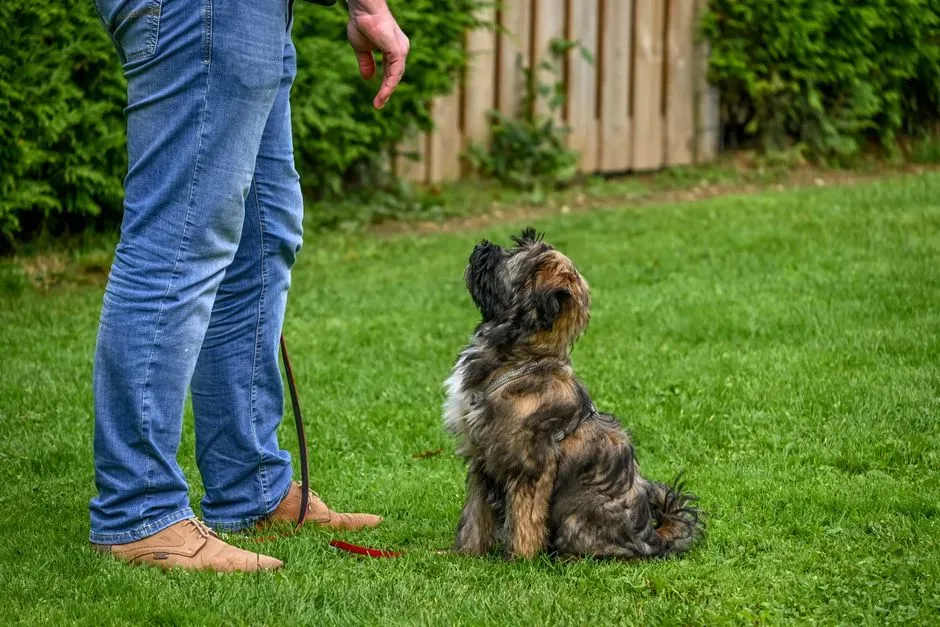
When training becomes part of the daily routine, dogs learn faster and retain skills longer. Training also gives dogs something many people don’t consider: a sense of accomplishment. Positive reinforcement training not only teaches dogs desired behaviors but also provides mental stimulation and a sense of achievement.
Short, daily sessions work best. Rather than hour-long training marathons, brief, focused sessions repeated at the same time each day are far more effective. Ten minutes of genuine engagement beats an hour of distracted practice every time.
Engaging your dog in training sessions or puzzle games keeps their mind active and prevents boredom. A mentally stimulated dog is less likely to develop anxiety or destructive behaviors. Mental fatigue from productive activity is quite different from the restlessness that comes from an understimulated mind.
Socialize Steadily and Gradually Throughout Life

Socializing your dog from a young age is a good way to eliminate fears that develop early on. Even if your dog is a bit older, you should still socialize them. Create a confident canine by taking them for long walks during the day, or to a local dog park to meet other dogs.
Taking the dog out to different places and exposing him to all sorts of situations helps the dog develop confidence and adaptability. The more restricted the animal’s world, the more he’ll be likely to feel anxious when small changes occur in his environment. A broader comfort zone means fewer situations that feel genuinely threatening.
Remember that gradual exposure is key. There is no need to rush the process. While it’s great that you’re socializing with your puppy, remember to be consistent throughout the dog’s lifetime. They should be socialized at all stages of life.
Show Regular, Genuine Affection
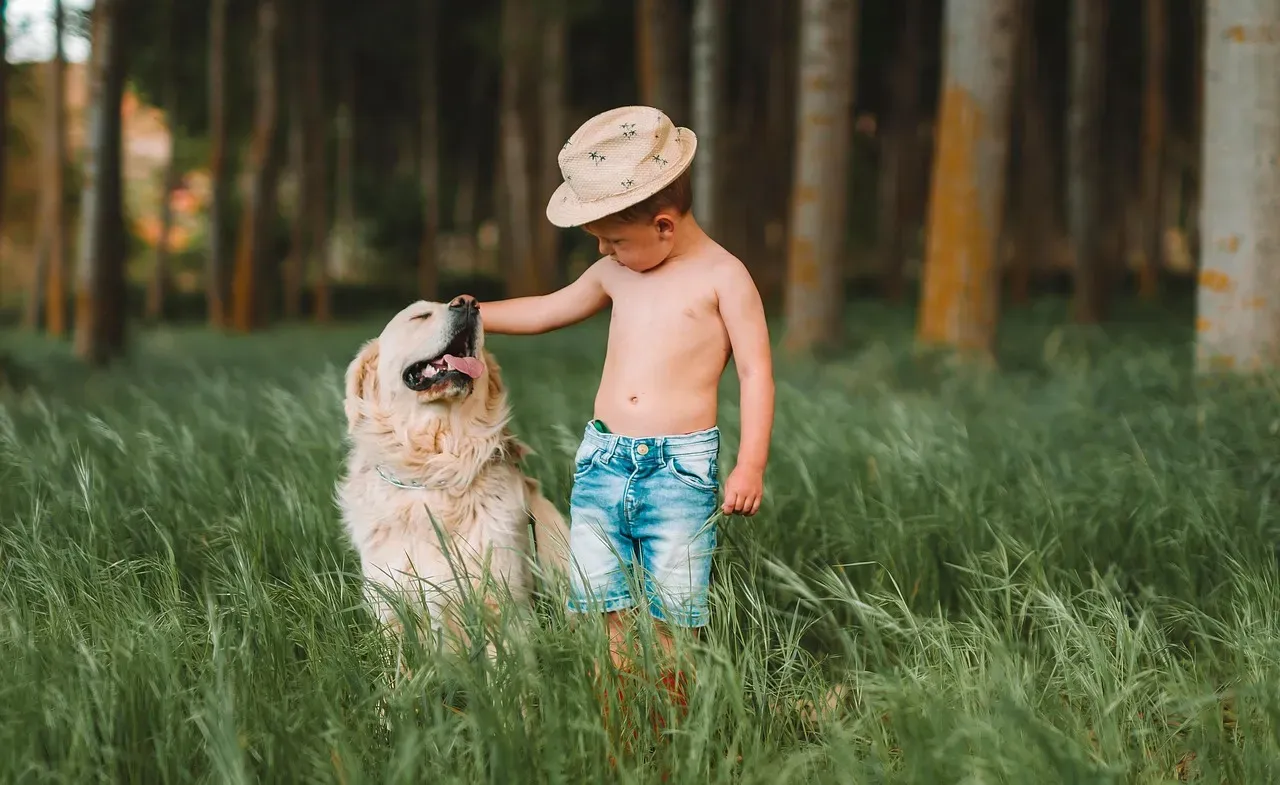
Regular affection is essential for emotional well-being. Cuddles, belly rubs, and gentle petting reinforce love and security. Affectionate interactions strengthen the bond and enhance trust. Dogs thrive on positive attention, making them feel valued and cherished.
Never underestimate the power of a loving touch or a kind word. Regularly showing affection and offering reassurance lets your dog know they are loved and valued. Whether it’s a gentle pat, a belly rub, or simply speaking to them in a soothing voice, these gestures reinforce your bond and make your dog feel safe and cherished.
Dogs are social animals and capable of forming deep bonds with their human counterparts. That capacity for bonding is genuine and reciprocal. The affection you offer each day isn’t simply absorbed and forgotten. It accumulates into something your dog carries with them.
Conclusion
A dog’s sense of security isn’t something you establish once and then set aside. It’s built quietly, through the small decisions you make every single day. The consistent walk. The calm voice. The familiar corner of the room that’s always theirs.
Pet safety is not built on one big decision. It is shaped by the small, thoughtful actions that are repeated every single day. The same is true of belonging. Your dog isn’t looking for perfection. They’re looking for patterns they can trust.
That’s worth remembering on the days when life gets busy and the walk runs short. The cumulative weight of hundreds of ordinary, caring moments is what tells your dog, more clearly than anything else, that they’re home.
