
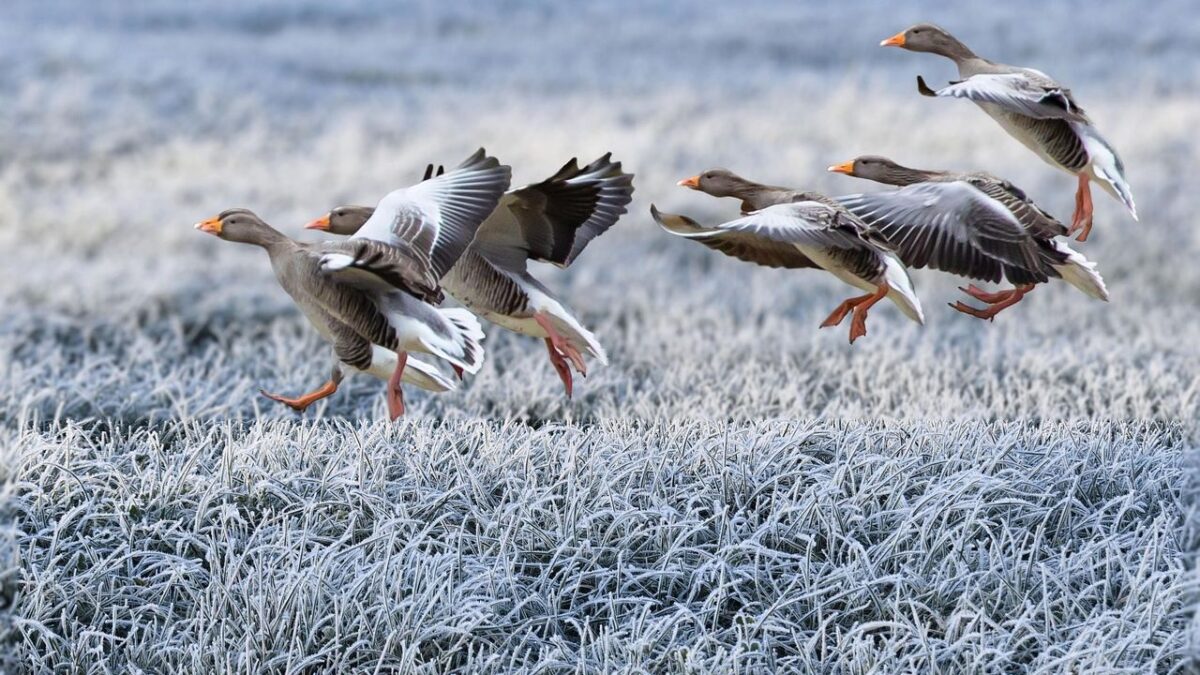
Texas has always been a state of extraordinary ecological contrast. From the bone-dry Chihuahuan Desert in the west to the humid bottomland forests of East Texas and the subtropical scrublands of the Rio Grande Valley, few places on the continent pack so much biological variety into a single boundary. That diversity has long attracted scientists, naturalists, and hunters alike.
Something significant is happening across all of it. Species are moving, some northward, some into entirely new waterways, and some into habitats they haven’t historically occupied. These aren’t random wanderings. Taken together, they form a pattern that ecologists have been quietly tracking for decades, and the pace appears to be quickening.
A State Built for Biodiversity, Under New Pressure
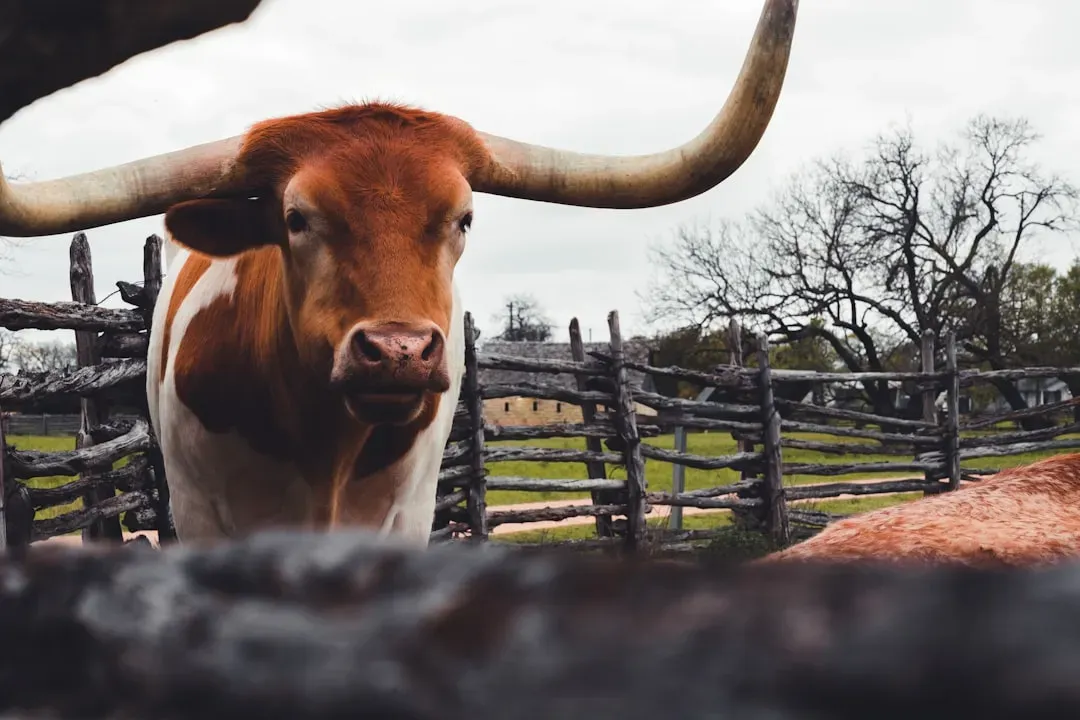
Texas has a rich natural heritage that raises the stakes for any ecological disruption. The state ranks third in the nation for endemic vertebrate species, with 126 such species found nowhere else on the globe. That’s an extraordinary concentration of life that exists precisely because Texas sits at the intersection of multiple climatic zones, each one a distinct ecological world.
Texas has a total of nearly 180 threatened or endangered animals and plants, and an additional 58 vertebrates accorded high priority in the Texas Wildlife Action Plan. These species would be the most vulnerable to climate change and complicating factors such as habitat loss and fragmentation.
Texas has a rich natural heritage, which raises the stakes for risks from climate change and other factors. The state’s endemic species richness makes it a particularly sensitive place to measure ecological change. Put simply, when wildlife populations shift here, the consequences ripple outward in ways that matter well beyond state lines.
Birds Heading North: A Documented Shift
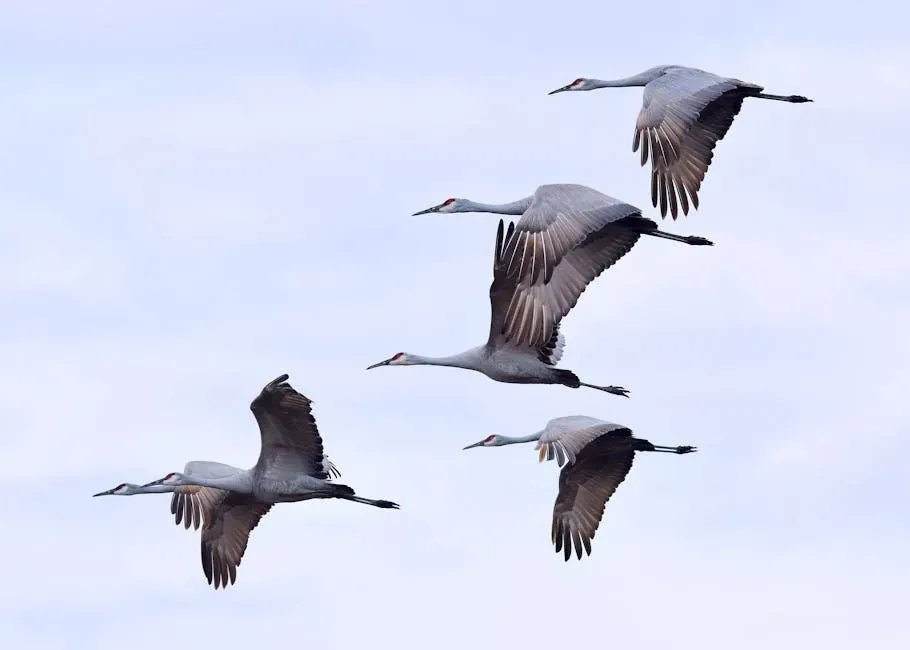
More than 70 species of South Texas birds have ranged north and east, and some scientists believe this is due to climate change. That’s not a marginal number. It represents a broad, continuing reorganization of the avian communities across the state’s southern half.
South Texas bird species are expanding northward, including the least grebe, great kiskadee, green jay, and buff-bellied hummingbird, although their range expansions are likely due also to habitat change including fire suppression and resulting brush encroachment. Climate alone isn’t the whole story, which makes the pattern both more nuanced and more instructive.
TPWD biologists have for decades been tracking the expanding northward range of white-winged dove, originally confined to the Lower Rio Grande Valley, now common in Central Texas. That shift is visible to anyone who spends time outdoors in the Hill Country or the suburbs of Austin and San Antonio, where white-winged doves have become a familiar and unremarkable sight. Their story is a small but telling example of the larger transformation underway.
Rising temperatures and shifting weather patterns affect birds’ ability to find food and reproduce, which over time impacts local populations, and ultimately continent-wide populations, too. The ripple effects of these changes reach well beyond any single species or county.
Fish Are on the Move Too
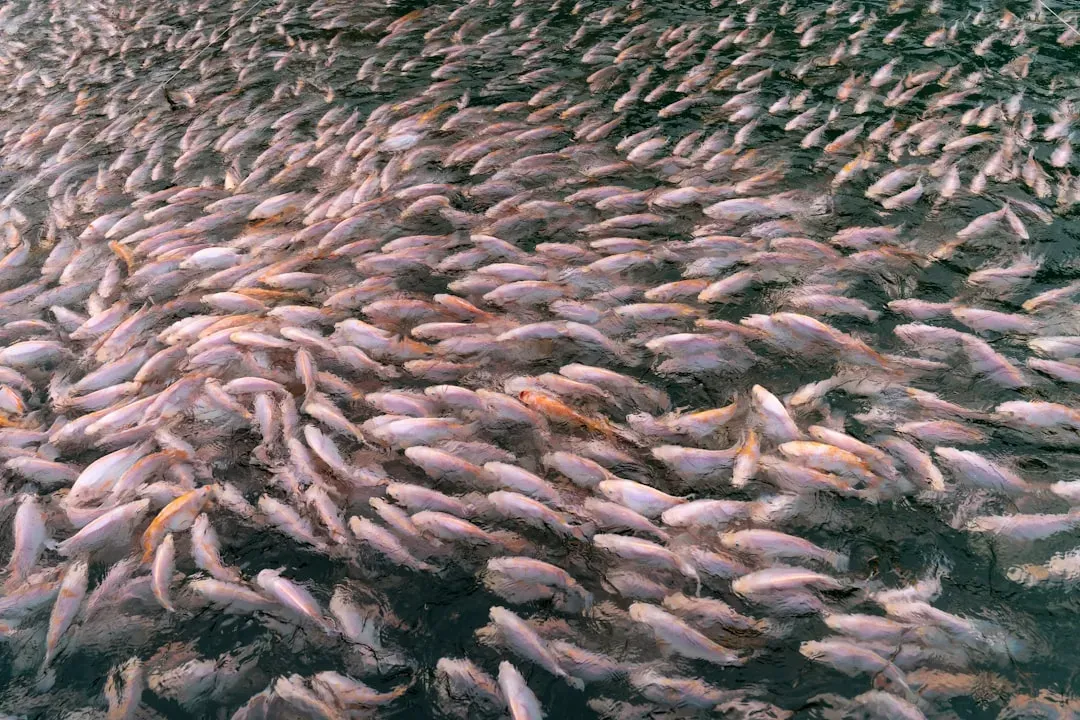
Gray snapper have been ranging farther north since the 1990s. Once found only in the lower Laguna Madre and off the extreme southern shore of Texas, they are now migrating all the way up to Sabine Lake near Port Arthur, and are routinely caught by anglers there. That’s a substantial shift in range for a marine fish, and it’s well documented by sport fishers who have watched the change unfold over time.
Snook, a large game fish that favors warmer water, have also been appearing more frequently in Texas waters. For anglers accustomed to traveling to Florida or Mexico for snook, sightings in Texas coastal waters have become a genuine novelty, and increasingly a regular one.
Higher temperatures in lakes, wetlands, and rivers will likely result in lower dissolved oxygen, which could mean more fish kills. Rates of decay will accelerate, possibly leading indirectly to eutrophication and more frequent blooms of harmful algae such as golden alga and red tide. The same conditions that favor warm-water species newcomers can be deeply hostile to those already adapted to Texas’s native aquatic ecosystems.
Mangroves and Plants Rewriting the Coast
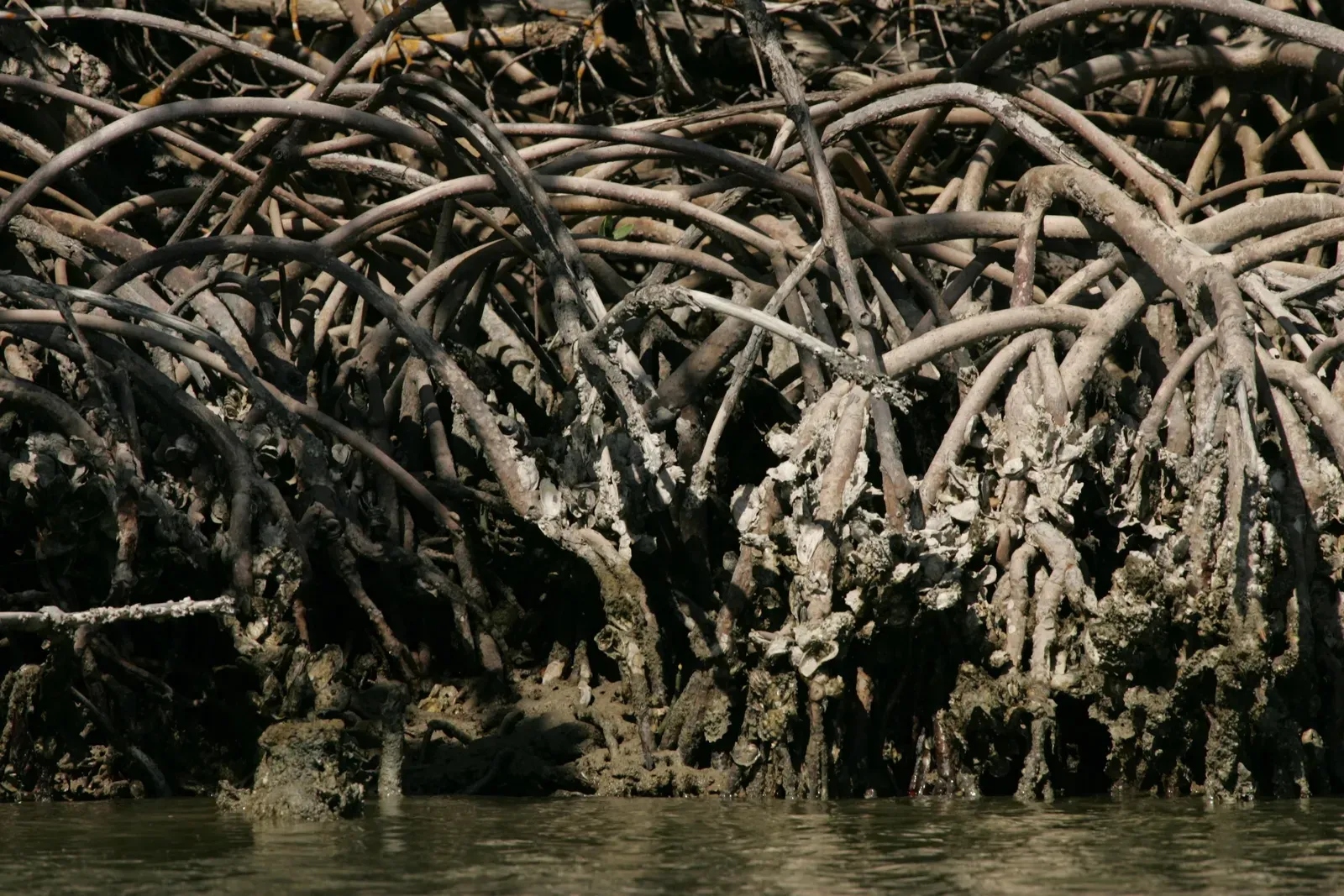
Early maps showed no red mangrove north of the Rio Grande estuary, and today they are appearing as far north as the edge of Matagorda Bay. That’s a northward creep of hundreds of miles, driven in part by milder winters that no longer deliver the hard freezes that historically held subtropical vegetation in check.
Tropical plant species like mangroves are moving north as cold snaps that used to stop them become less frequent. Along the Texas coast near Aransas National Wildlife Refuge, mangroves are encroaching into salt marshes that provide winter habitat for endangered whooping cranes. Land managers worry that if the expansion continues, it will shrink winter habitat for these rare birds.
Woody shrubs invading prairie grasslands are favored by increases in concentrations of CO2, changes in soil moisture cycles, fire suppression, and soil disturbances. This process, known among ecologists as woody encroachment, restructures entire plant communities and in doing so alters the habitat value for countless species that depend on open grassland or savanna conditions. It’s a slow transformation, but a consequential one.
Habitat Fragmentation: The Hidden Obstacle
Human population growth and resulting land fragmentation, or the division of single ownership properties into two or more parcels, have had profound effects on the Texas landscape. Changing land use and fragmentation alters natural habitats, which can threaten the viability of those habitats and sustainability of wildlife populations. Such changes will increase pressures on natural resources throughout the state, especially near growing metropolitan areas.
Habitat fragmentation poses one of the greatest threats to Texas wildlife. For species trying to expand into new ranges, a fragmented landscape is a minefield of impassable barriers. Roads, fences, subdivisions, and agricultural conversion can sever the pathways that animals need to move, breed, and adapt.
The Robert L. B. Tobin Land Bridge in Texas connects two sides of Phil Hardberger Park, divided by the busy Wurzbach Parkway. The bridge provides a crossing for both animals and people, expanding the total area of the park and increasing awareness of the issue of habitat fragmentation. Since its completion in 2020, all species of known mammals present within the park have been observed using the bridge. It’s a practical, local demonstration of what connectivity can achieve.
Texas has seen remarkable success with collaborative corridor projects. The Neches River Corridor in East Texas connects multiple wildlife management areas, private properties, and conservation lands to create a migration pathway for waterfowl and other species. In South Texas, private ranches work together with the Laguna Atascosa National Wildlife Refuge to create connected habitat for endangered ocelots.
Invasive Species: Movement in the Wrong Direction
Non-native plant and animal species that are introduced either by design or by accident can cause unintended harmful consequences. Non-native species may become invasive, spreading rapidly, displacing native species and threatening community relationships that are necessary to sustain the aquatic environment. In a state as large and ecologically varied as Texas, these introductions can gain significant ground before anyone fully registers the threat.
Chinese tallow has invaded woodlands and coastal prairies. Left unchecked, the invasion changes these diverse habitats into practical monocultures, reducing diversity and habitat integrity for native plants and animals. The speed at which a single invasive tree species can homogenize a habitat is unsettling. Where once there was a mosaic of plant communities, Chinese tallow leaves behind a near-uniform canopy.
In the United States, invasive species are now considered to be the second greatest threat to species listed under the Endangered Species Act, preceded only by loss of habitat. The same is likely true in Texas, where invasive species compete with native flora and fauna for valuable resources and ever-shrinking habitat.
Imported red fire ants in eastern Texas have had profound, if not fully understood, adverse impacts on many wildlife species. Eighteen non-native fish species have been documented in Texas as well as a number of snail and bivalve species. Some have had an extremely negative impact on native fish communities. The cumulative pressure of so many introductions compounds the challenge of managing any single one of them effectively.
What Conservation Looks Like Going Forward
As the Earth warms, species tend to shift to northern latitudes and higher altitudes. Rising temperatures are lengthening growing seasons and changing migration patterns of birds and butterflies. Texas, sitting at the ecological crossroads it does, will continue to be a place where those shifts are especially visible and consequential.
At Neches River National Wildlife Refuge in East Texas, the U.S. Fish and Wildlife Service acquired more than 3,000 acres of prime habitat for wintering and nesting migratory birds in the area’s ecologically valuable bottomland hardwood forests. Once covering nearly thirty million acres across the Southeastern United States, today only a small percentage of original bottomland hardwood forests remain. Protecting what’s left matters more than ever, precisely because species in transition need somewhere to arrive.
Conservation efforts focused on ecologically significant landscapes, including priority watersheds, aquifer recharge zones, wildlife corridors, and migratory bird flyways, are designed to maximize on-the-ground impact. These aren’t abstract priorities. They are the connective tissue that allows a state undergoing rapid ecological change to remain biologically resilient.
Roughly half of the world’s 4,000 species are on the move, with many migrating northward toward higher latitudes. For ecologists and conservationists, understanding how these species’ viable habitats expand and contract in the context of a rapidly shifting climate is critical. Texas, vast and varied as it is, offers one of the most compelling natural laboratories anywhere on the continent for watching that process unfold in real time.
Conclusion
The story of Texas wildlife is no longer just about what lives here. It’s increasingly about what’s arriving, what’s retreating, and what’s struggling to hold ground in between. The shifts documented across birds, fish, coastal vegetation, and grassland communities aren’t isolated curiosities. They are pieces of the same ecological puzzle, assembled by warming temperatures, altered habitats, and the relentless pressure of a fast-changing landscape.
Texas has the biodiversity, the land, and the institutional knowledge to respond thoughtfully. Private landowners, conservation organizations, and state agencies have already shown what’s possible when they work in the same direction. The challenge going forward is doing it at the scale that the moment actually requires.
Wildlife doesn’t wait for policy cycles or budget approvals. The borders are already moving. The more useful question now is whether the people who steward this land can move with them.
