
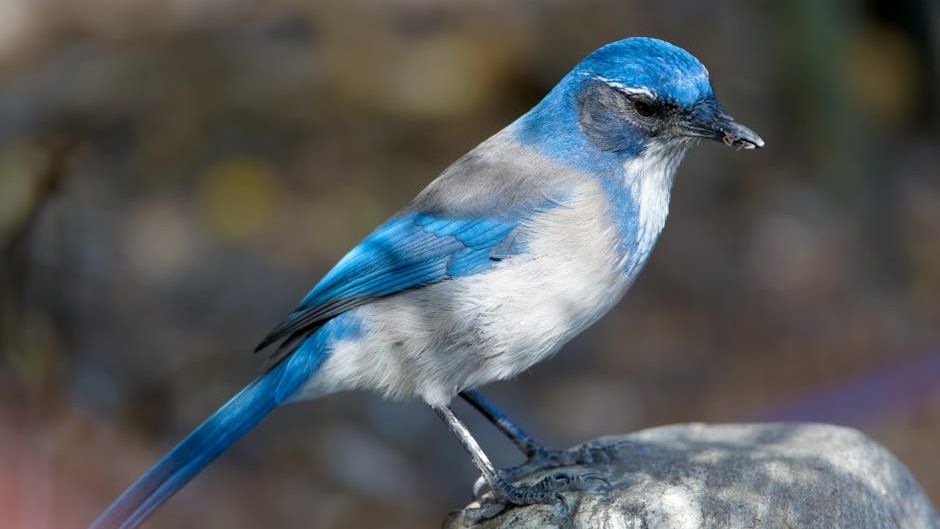
Florida is one of those rare places where nature genuinely competes with everything else the state has to offer. The state’s peninsular geography spans from subtropical to tropical zones, which, combined with its distinctive geology and climate, contribute to habitat diversity and an extraordinary array of species. Swamps, sandhills, coastal mangroves, coral reefs, and ancient scrub ridges all crowd into one peninsula, creating a kind of accidental wildlife refuge on a massive scale.
With more than 4,000 identified animal species, Florida ranks as the seventh-most biodiverse state in the nation, and it is also in the top five states for number of endemic species, meaning they’re found nowhere but Florida. Some of these creatures have become so intertwined with Florida’s identity that the state is simply unimaginable without them. Here are ten of the most iconic.
The Florida Panther: Ghost of the Everglades
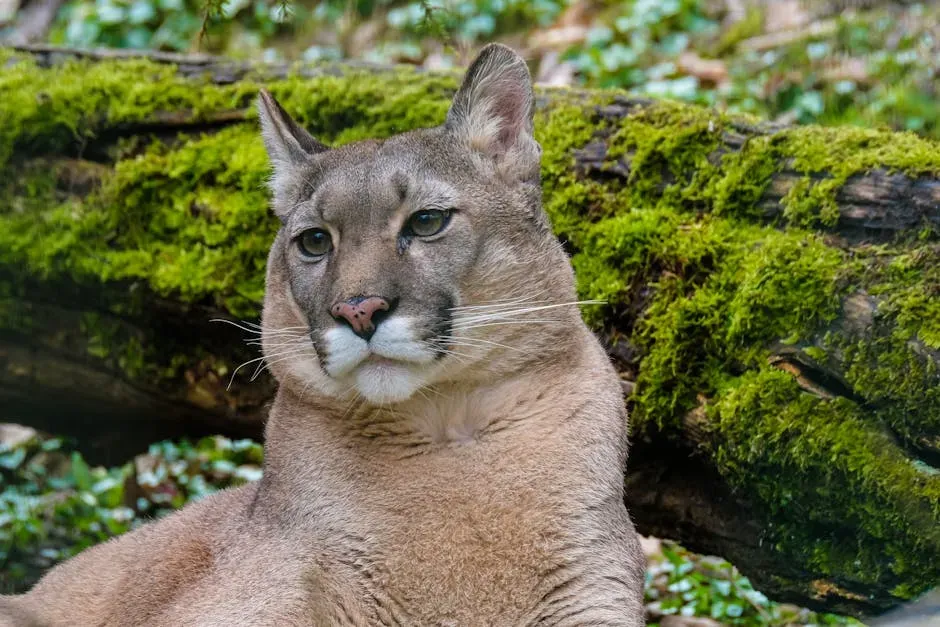
The Florida Panther is the state’s official animal, and this elegant predator mainly resides in the forests and swamps of southern Florida, notably in the Everglades. Few wildlife encounters anywhere in North America feel as significant as catching even a glimpse of one.
The Florida panther differs from other cougar populations by having longer legs, a smaller size, and a shorter darker coat, with a skull that is broader and flatter with highly arched nasal bones. These physical traits make it genuinely distinct, not just geographically isolated.
With only around 200 individuals left in the wild, they’re critically endangered. Panthers are vital to their ecosystems, preying on animals like deer and hogs, but habitat loss and vehicle collisions remain significant threats to their survival.
The panther was chosen in 1982 as the Florida state animal by the state’s schoolchildren, which says something quietly meaningful about how deeply this animal lives in the Florida imagination.
The American Alligator: Florida’s Living Fossil
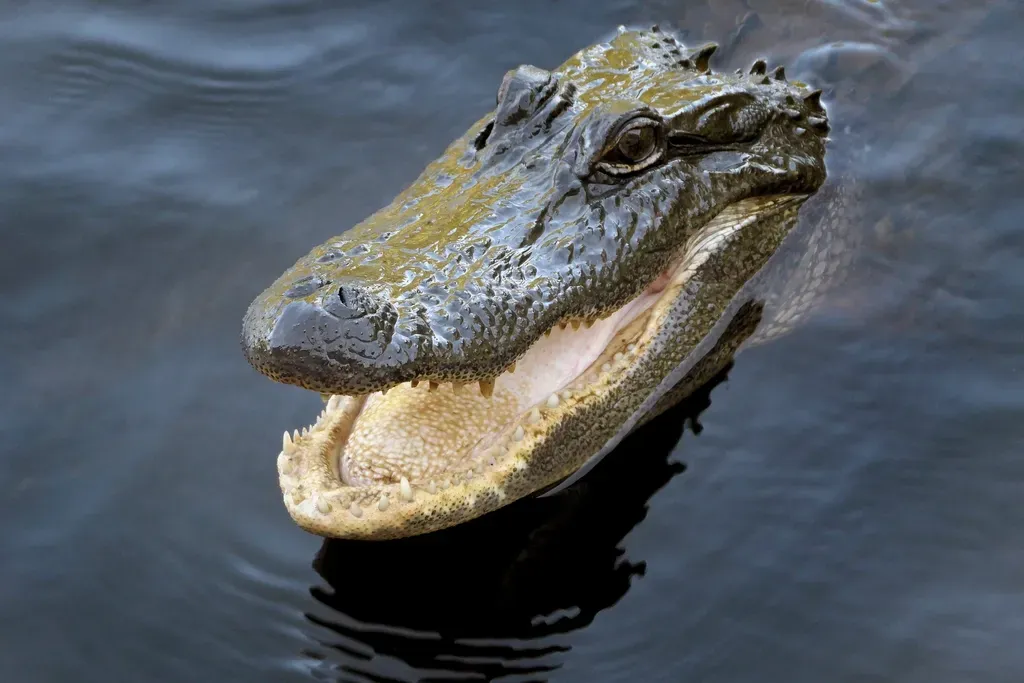
The American alligator is one of the most iconic reptiles in Florida, growing up to 14 feet long and 800 pounds, and they live in freshwater rivers, lakes, swamps, canals, and marshes throughout the state. They have been here far longer than any human civilization, and they behave like it.
Found in freshwater rivers, lakes, and swamps across the state, they are a keystone species crucial to maintaining their ecosystems. These reptiles were once endangered but have seen population recovery thanks to conservation efforts. With powerful tails and sharp teeth, they’re best viewed from a safe distance.
The holes alligators dig become vital oases that provide water for other wildlife, including birds, fish, and turtles, making the alligator an essential ecosystem engineer. This role is often overlooked. People focus on the teeth; ecologists focus on the landscape-level service.
The saying among Floridians is that any freshwater body of any size can hold a gator. It’s not uncommon to see them in neighborhood ponds, golf course water hazards, and roadside canals.
The West Indian Manatee: Sea Cow of the Springs
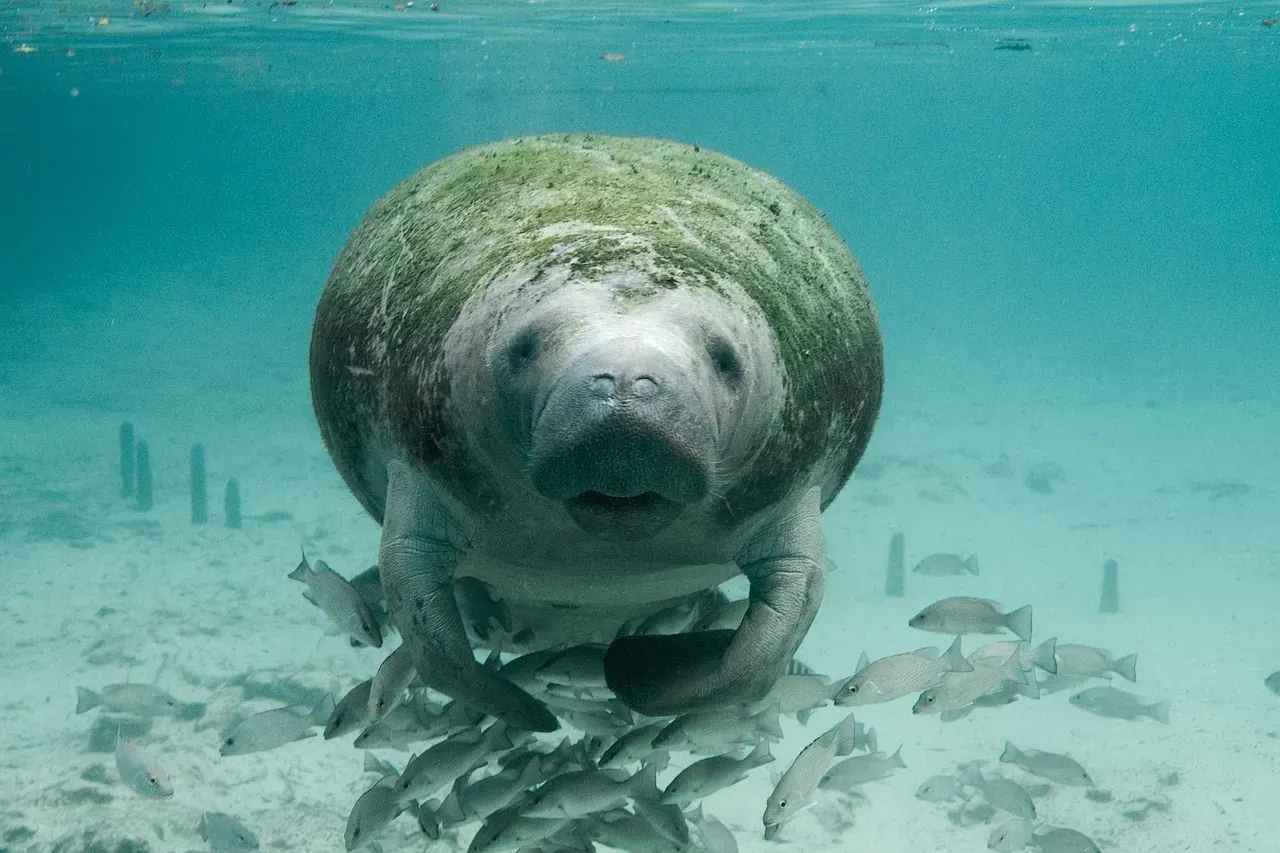
The gentle manatee, often called the “sea cow,” is one of Florida’s most beloved creatures. This herbivorous marine mammal thrives in warm waters such as rivers and bays, often congregating near natural springs during cooler months. There is something deeply calming about watching one drift through crystal-clear water, unbothered by nearly everything.
Despite their size, they can grow over 13 feet long and weigh more than 1,000 pounds, yet they are incredibly graceful swimmers. That combination of immense size and total gentleness is what makes them so memorable.
These peaceful animals are threatened, with vessel collisions and habitat loss being common dangers. Responsible boating around manatee zones remains one of the most direct ways the public can help.
Manatees are commonly found in warm springs and coastal waters, such as Crystal River, Blue Spring State Park, and Homosassa Springs. Blue Spring State Park and Crystal River offer some of the best opportunities to spot manatees gliding peacefully in their natural habitat.
The Florida Scrub-Jay: The Only Bird That Belongs Solely to Florida
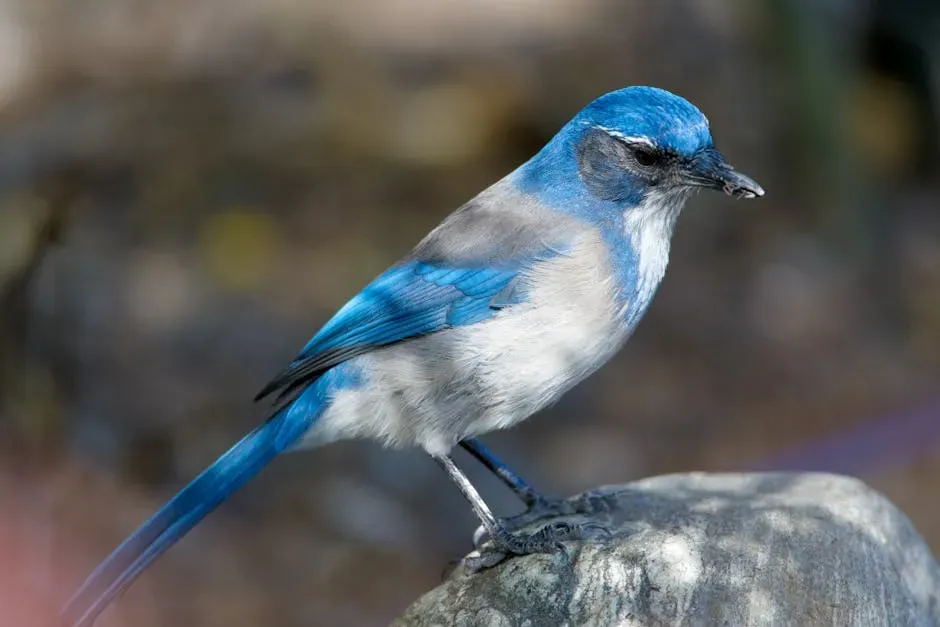
The round-headed, blue and gray Florida Scrub-Jay is the only bird species that lives exclusively in Florida, where it occurs in patches of low-growing scrub oak in sandy soils. No other state can claim it. No other habitat will do.
Florida scrub-jays live in family groups that consist of a breeding pair and young helpers, which are usually the offspring of the pair. Scrub-jays begin breeding around two to three years of age and will continue breeding throughout their lifetime. Scrub-jays are cooperative breeders, as offspring of the breeding pair may stay as helpers for one or more years to help raise other young and defend the territory.
The scrub-jay population has declined 90% in the past century due to habitat loss, fragmentation, and fire suppression. That number is sobering, particularly for a bird that has lived in Florida for millions of years.
The current Florida scrub-jay population is estimated at about 7,700 to 9,300 birds. Conservation efforts, including prescribed burning to maintain open scrub habitats, give cautious reason for optimism.
The Key Deer: The Tiny Deer of the Florida Keys
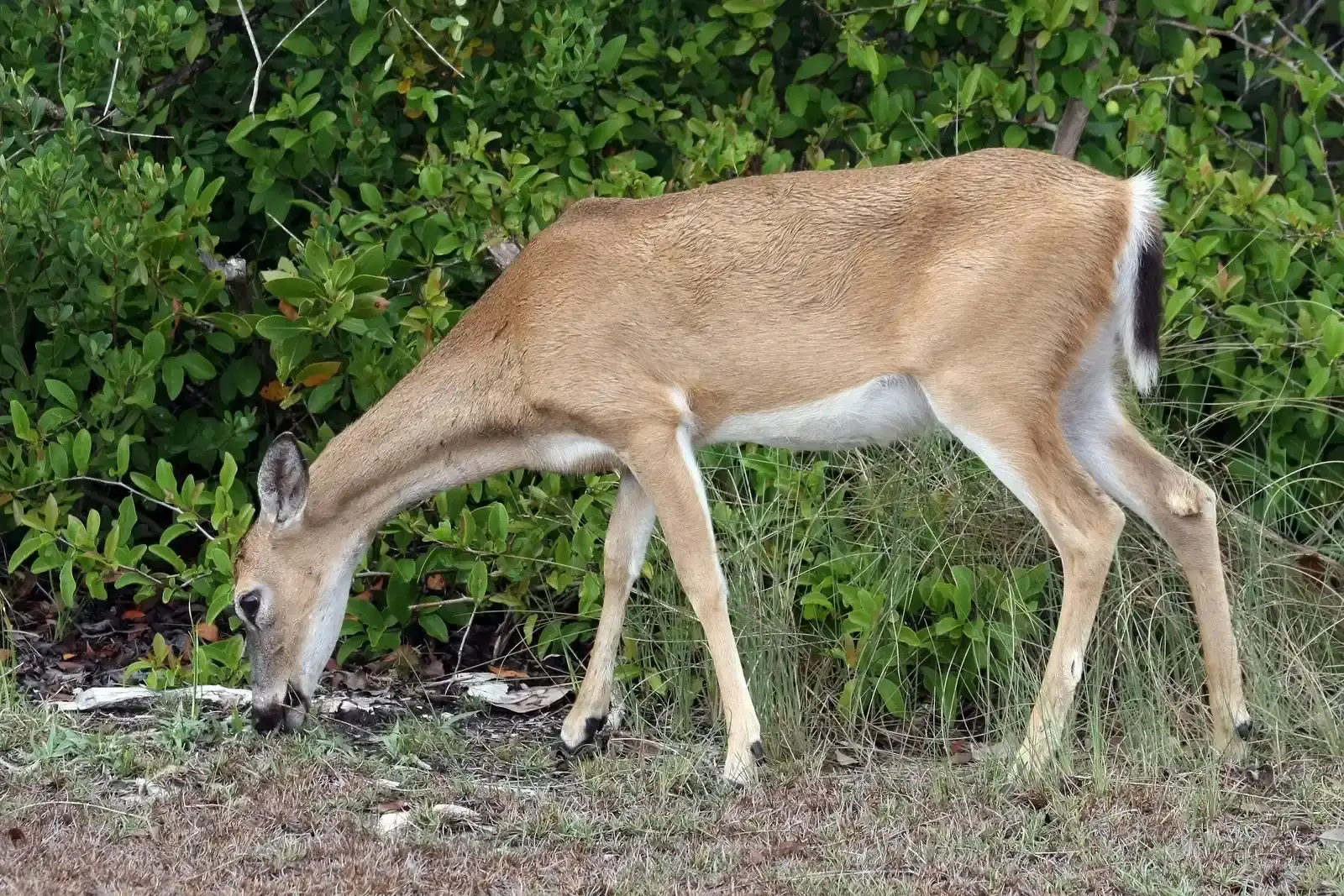
The Key Deer is a miniature subspecies of the white-tailed deer, found exclusively in the Florida Keys. These adorable, housecat-sized animals are listed as endangered due to habitat destruction and vehicle collisions. They’re remarkably calm around humans, which has made them a unique attraction.
A subspecies of the White-Tailed Deer, they are mostly found in Big Pine Key. That tiny slice of land in the lower Keys is essentially their entire world, which makes every sighting feel like a privilege.
A smaller subspecies, the Key deer, lives only in the Keys and numbers around 800 animals. Decades of legal protection and conservation work have brought them back from the edge, though threats from road traffic and sea level rise remain real concerns.
The Gopher Tortoise: Florida’s Underground Architect
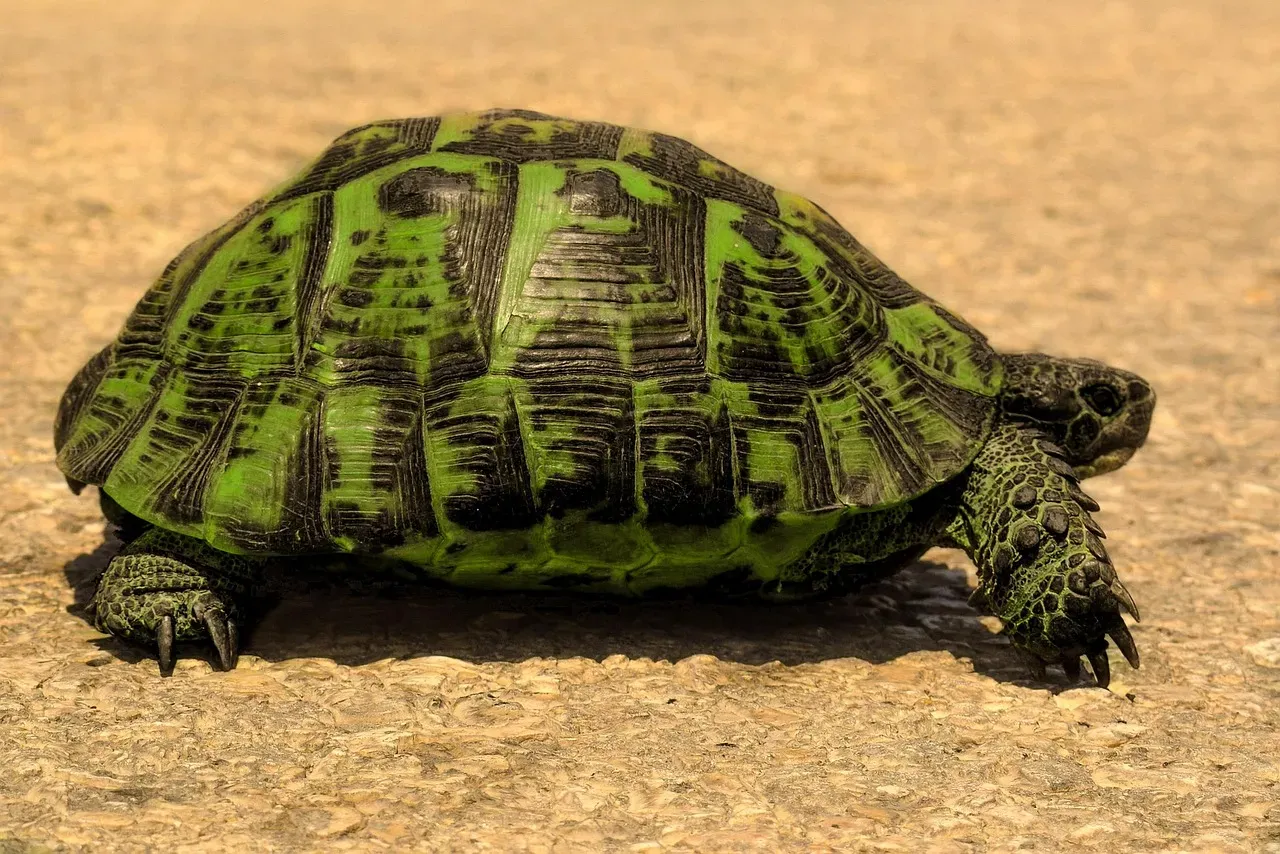
Gopher tortoises are long-lived reptiles that occupy upland habitat throughout Florida including forests, pastures, and yards. They dig deep burrows for shelter and forage on low-growing plants. Gopher tortoises share their burrows with more than 350 other species, and are therefore referred to as a keystone species.
Burrows average 15 feet long and 6.5 feet deep, though they have been documented reaching up to 40 feet long and 10 feet deep. That is not a hole in the ground. That is an apartment building for dozens of species.
The gopher tortoise is the only tortoise in the eastern United States, and in 2008, it was designated as the official state tortoise of Florida. Its importance to Florida’s upland ecosystems is difficult to overstate.
Gopher tortoise populations have declined significantly throughout their range, especially in the western and northern areas of Florida. Habitat loss, road mortality, fire suppression, and ongoing development continue to threaten this keystone species and the 350+ species that rely on its burrows for shelter.
The Roseate Spoonbill: Florida’s Pink Jewel
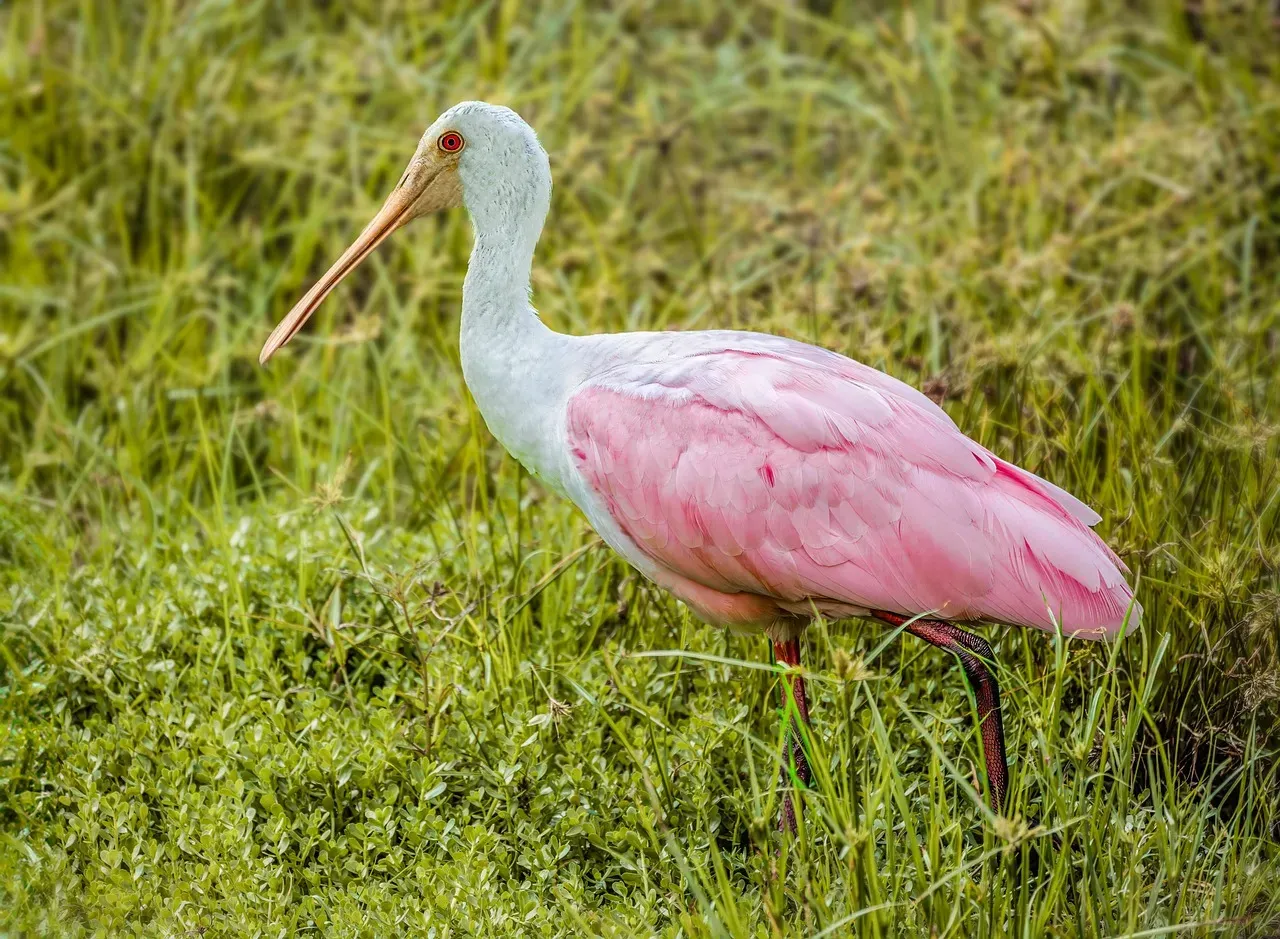
Among Florida’s most striking feathered inhabitants is the Roseate Spoonbill, a bird so uniquely beautiful it often leaves first-time observers utterly mesmerized. This charismatic bird is truly Florida’s pink jewel, easily spotted against the green mangroves and blue waters it calls home.
Known for its vibrant pink plumage, the Roseate Spoonbill is an elegant wading bird found in Florida’s wetlands, with unique feeding behavior and nesting habits that depend on fragile coastal habitats. The bill, shaped like a flattened spoon, swishes through shallow water to filter out small fish and crustaceans.
The color itself is tied directly to diet. The pink pigmentation comes from carotenoid-rich prey in Florida’s coastal shallows. A bird kept away from those habitats gradually loses its distinctive color, which makes habitat protection a matter of both survival and identity for the species.
Roseate Spoonbills are creatures of the shallow waters, perfectly at home in the rich, nutrient-dense environments of Florida’s coasts. Corkscrew Swamp Sanctuary near Naples is one of the finest places to observe them in a genuinely wild setting.
The American Crocodile: Florida’s Saltwater Predator
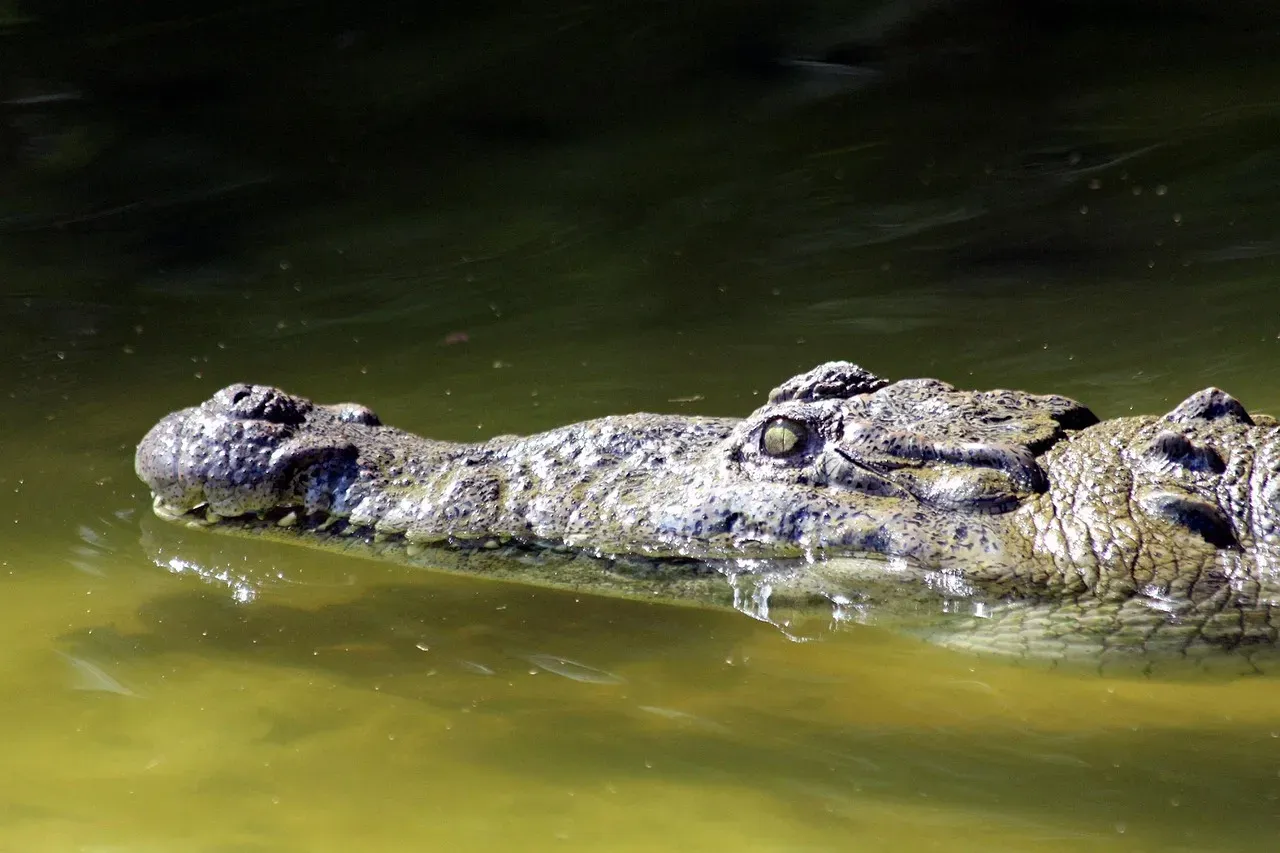
Florida is unique in that it is the only place in the world where both alligators and crocodiles coexist. That single fact alone sets Florida apart from virtually every other wildlife destination on Earth.
Unlike alligators, which live mainly in freshwater habitats like rivers and lakes, crocodiles prefer saltwater environments like creeks near ocean coasts where they can hunt for their food using powerful jaws equipped with sharp teeth. The two species look similar at a glance but occupy very different ecological niches.
They face many threats, including the destruction or alteration of their wetland homes due to development projects that take away vital nesting sites needed for reproduction purposes. American crocodiles in Florida are primarily concentrated in the southern tip of the state, particularly around Florida Bay and the Keys.
The Florida Black Bear: Wanderer of the Wild Interior
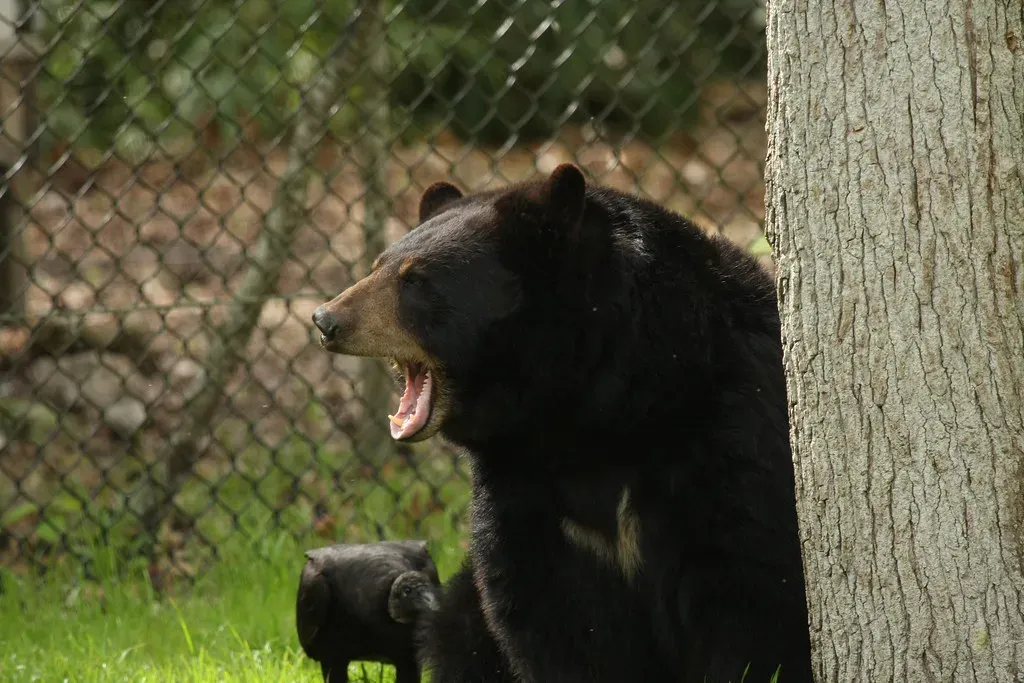
The Florida Black Bear, a subspecies of the American Black Bear, represents Florida’s wild side. It is larger and more wide-ranging than most people expect, given how developed much of the state has become.
Florida black bears have year-round food in this warm climate and can weigh up to 500 pounds. Unlike bears further north, they don’t hibernate in the traditional sense, remaining active year-round in Florida’s mild winters.
Ellie Schiller Homosassa Springs Wildlife State Park is home to a world-class wildlife rehabilitation facility that hosts ambassador animals, including the Florida black bear. Wild sightings are increasingly common in communities bordering forested areas, particularly in central Florida and the Panhandle.
The Florida Bonneted Bat: Rarest of the Rare
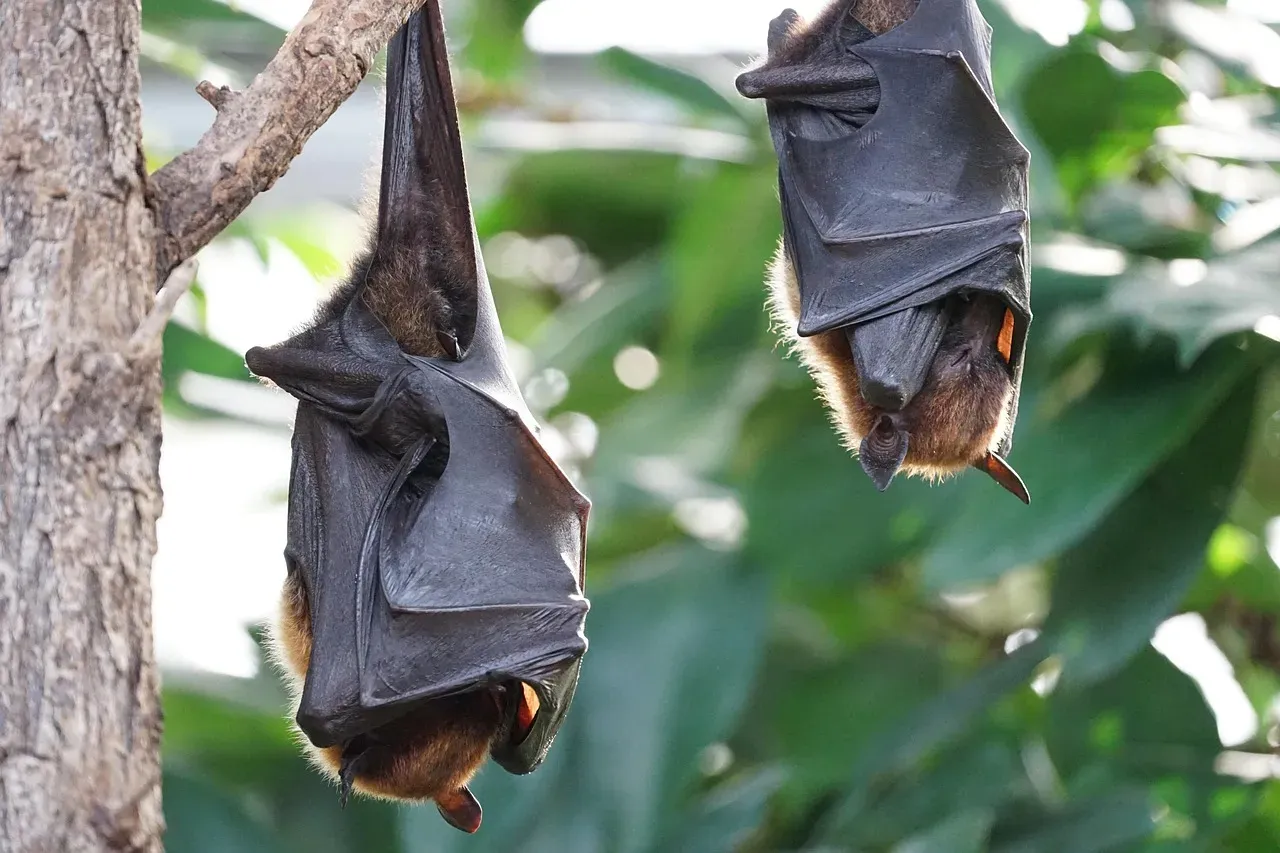
The Florida bonneted bat is a species of bat endemic to southern Florida. It has one of the smallest geographical distributions of any New World bat and has been called “one of the most critically endangered mammal species in North America.” It is protected under the Endangered Species Act.
Most visitors to Florida never know this bat exists. It roosts in natural cavities and old woodpecker holes, venturing out at dusk to forage over open landscapes and wetlands. Its large, forward-pointing ears are unmistakable if you know what you’re looking for.
The Florida mouse is the only mammal genus endemic to Florida, and the bonneted bat shares that distinction of being a creature shaped entirely by Florida’s particular geography and isolation. Both are reminders that Florida’s wildlife story extends far beyond the famous faces.
Conclusion: A State Unlike Any Other
Florida wildlife is one of the top reasons people come to the state, with wildlife viewing providing a substantial annual economic impact and supporting tens of thousands of jobs. That speaks to something real: people are drawn here not just for beaches and theme parks, but for animals they simply cannot see anywhere else.
What makes Florida’s wildlife genuinely compelling is that it exists alongside millions of people, in backyards and golf courses and springs and suburban retention ponds. The panther slips through the same landscape where people commute. The scrub-jay holds its territory a few feet from a subdivision fence.
The state’s biodiversity is not tucked away in some distant wilderness. It presses up against everyday life, which makes conservation here feel both urgent and personal. Protecting these ten species means protecting the very character of a place that exists nowhere else on the map.
