
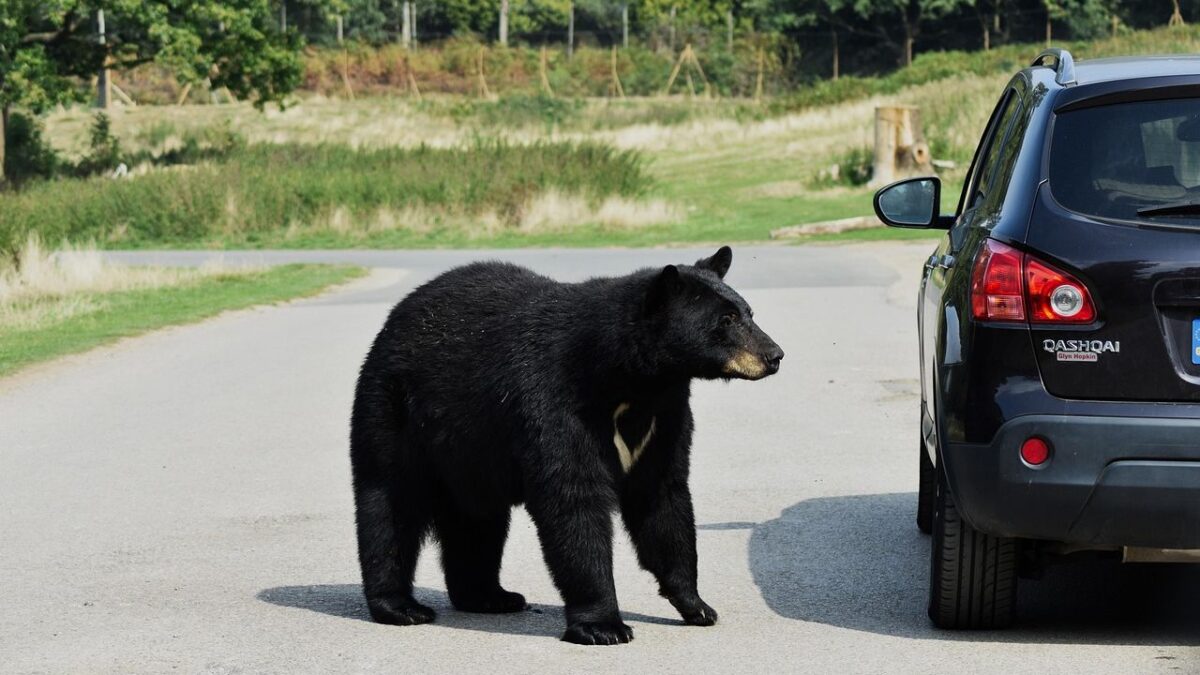
Few conservation stories in recent American history are quite as striking as what has happened with Florida’s black bears. A species that was quietly slipping toward regional collapse just a few decades ago has staged a recovery that wildlife managers point to with genuine pride. Today, bears are back in forests, swamps, and increasingly, in neighborhoods that sit at the edge of wild lands. That’s both a triumph and a tension worth understanding.
Wildlife biologists estimate that roughly 11,000 black bears once roamed across the Florida peninsula, traveling through the state’s pine flatwoods, swamps, and oak scrub, following the annual fruiting cycle of acorns and palmetto berries and traveling widely to find mates. What followed was a long, painful collapse. Then, slowly, something changed.
From the Brink: How Florida’s Bear Population Fell and Rose Again
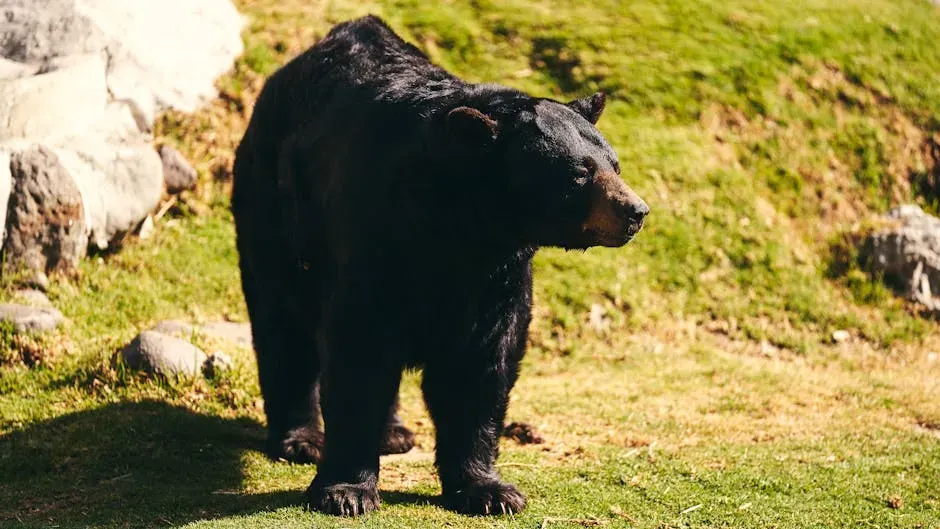
From its pre-Columbian peak, the Florida black bear population fell precipitously. Between unregulated hunting and habitat loss, bear populations dwindled, and by the 1970s the species had bottomed out with fewer than 500 bears left in the wild.
On the heels of a worldwide focus on conservation and wildlife preservation, including the first Earth Day in 1970 and the signing of the Endangered Species Act in 1973, the state of Florida turned to safeguarding its native bears. In 1974, the FWC classified the Florida black bear as a threatened species.
In 2012, the Florida black bear was officially classified as a “Recovered” species after decades of concerted efforts aimed at habitat restoration, reducing human-wildlife conflicts, and raising public awareness. That reclassification was not a formality. It reflected decades of patient, disciplined work that genuinely moved the needle.
The black bear population has come back from just several hundred bears in the 1970s to over 4,000 today and is one of Florida’s most successful conservation efforts. That kind of recovery doesn’t happen by accident.
What Drove the Recovery: Conservation Tools That Actually Worked
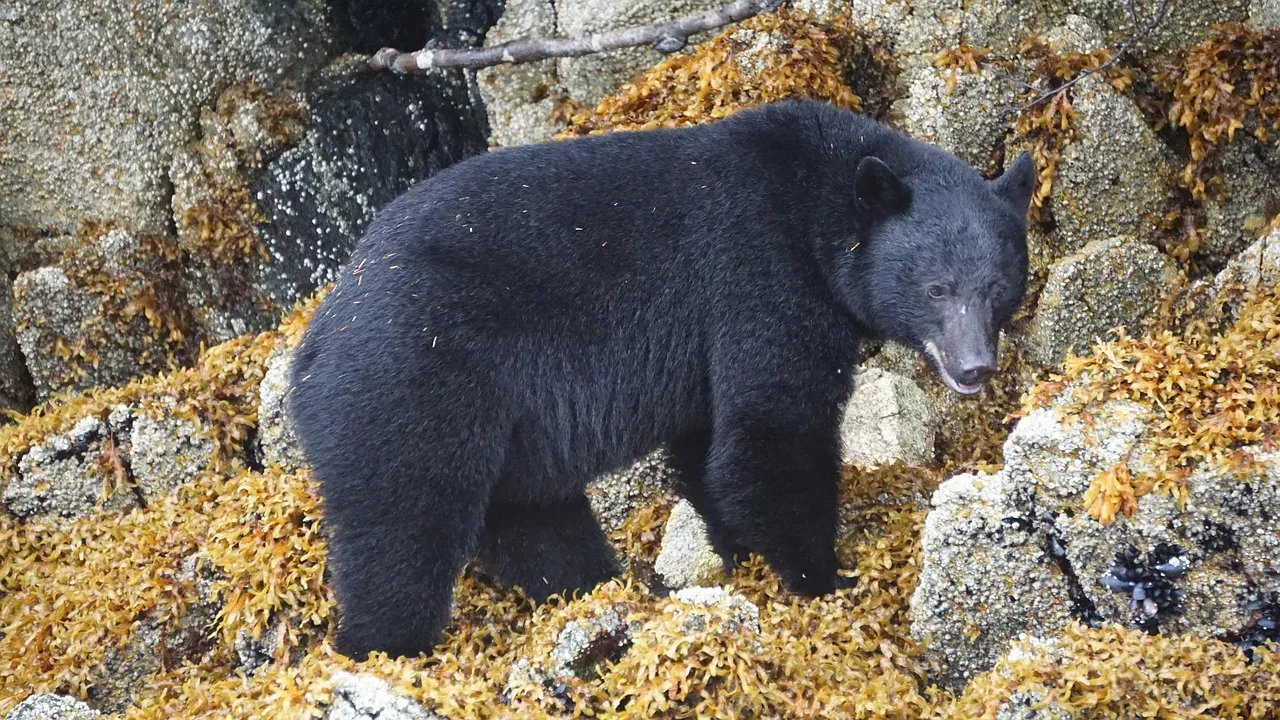
Conservation efforts, including a ban on bear hunting in 1994, habitat protection, and public education, helped the population recover. Each of those three pillars mattered, and none of them worked in isolation.
Thanks to the collaborative efforts of the Florida Fish and Wildlife Conservation Commission, state and federal agencies, local governments, non-profit groups, residents, and businesses, the black bear population in Florida has rebounded from just several hundred bears in the 1970s to over 4,000 today.
As an “umbrella species,” protecting black bears also benefits other species sharing their habitats. Wildlife corridors have been especially important in this regard. Wildlife corridors, which connect fragmented habitats, have been a critical tool in addressing habitat isolation. These corridors enable bears to roam freely, find mates, and avoid dangerous crossings.
Florida’s 2019 Black Bear Management Plan, developed in collaboration with wildlife scientists, outlines the state’s framework for balancing species health with human coexistence. This plan remains the foundation for all bear-related policies in the state.
Growing Pains: Bears, People, and a Shrinking Divide
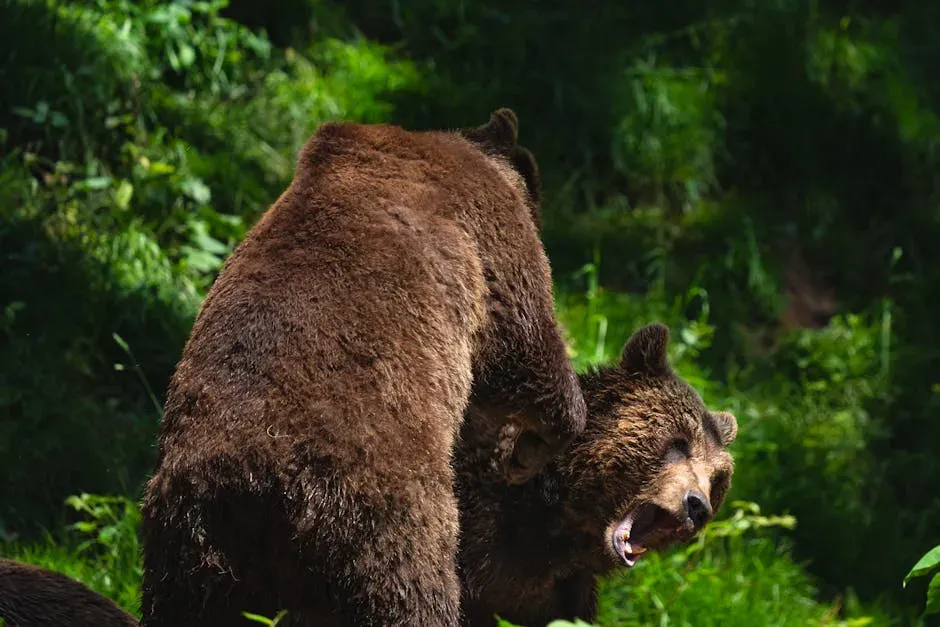
Recovery, it turns out, creates its own complications. As the bear population has grown, so has the human population sharing the same landscape. During the ten years since Florida’s last bear hunt in 2015, the state’s black bear population has grown modestly. Meanwhile, Florida’s human population has been booming, with 3 million more people living in the state since the last hunt.
As their habitats shrink, bears are pushed into smaller, disconnected areas, making it harder to find food, mates, and safe spaces to roam, while also increasing their risk of vehicle collisions, one of the leading causes of bear mortality.
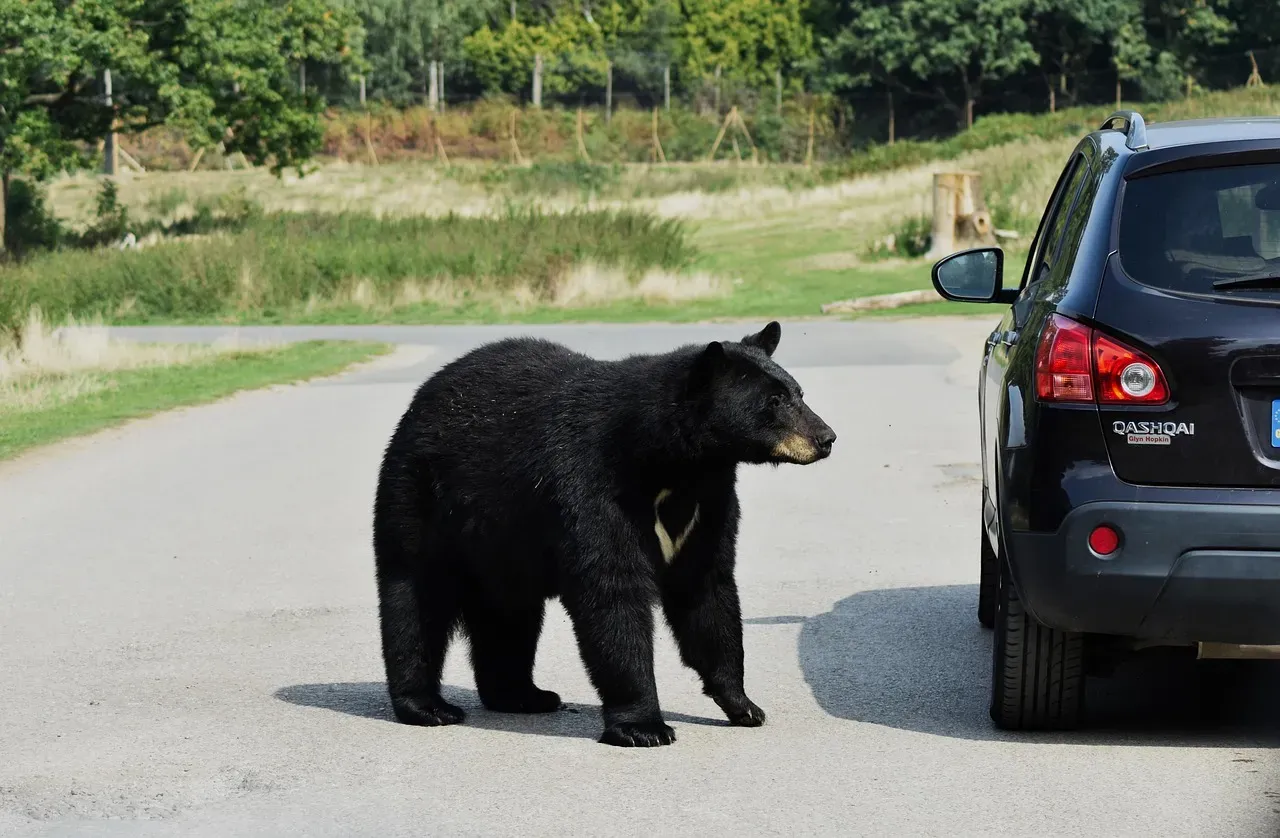
Bear country is home to roughly 1.3 million households, with many edges where urbanization meets wild and natural spaces. That’s a lot of people living very close to wild animals that can weigh several hundred pounds and detect food from more than a mile away.
Human-bear interactions have increased, particularly in suburban areas where bears are attracted to unsecured garbage, pet food, and bird feeders. Outreach programs by Florida’s Fish and Wildlife Conservation Commission teach residents how to bear-proof their properties and minimize attractants. Some communities have gone further. Seminole County passed an ordinance in December 2015 requiring residents to secure trash from bears. That year, residents made nearly 700 complaints about bears. By 2024, that number dwindled to 308.
The Hunt Debate: Managing Success Responsibly
With a recovered population comes a difficult policy question: what comes next? While there is enough suitable bear habitat to support current bear population levels, if the four largest subpopulations continue to grow at current rates, there will not be enough habitat at some point in the future. That reality pushed Florida wildlife officials toward a significant decision.
On December 6, 2025, the first bear hunt in ten years since 2015 commenced, ending on December 28. Only 172 permits were issued via lottery from a staggering 163,459 applications, reflecting immense interest while keeping harvest limits conservative.
The FWC’s Bear Management and Research Programs collected and analyzed data and determined that four of the seven Bear Management Units could be hunted in a sustainable manner without decreasing the bear population. The FWC set the number of permits available to equal the maximum number of female bears that could be removed without reducing the population in each Bear Management Unit.
Still, the debate has not been settled. A preliminary look at FWC’s decennial black bear census indicates black bear numbers in the Osceola region decreased by nearly two thirds over the past decade, in sharp contrast to arguments from proponents of the upcoming hunt. Despite the overall recovery success, the species remains protected under state law and requires ongoing monitoring. Data-driven management policies are crucial to address conservation challenges and ensure long-term stability.
What the Future Holds for Florida’s Black Bears
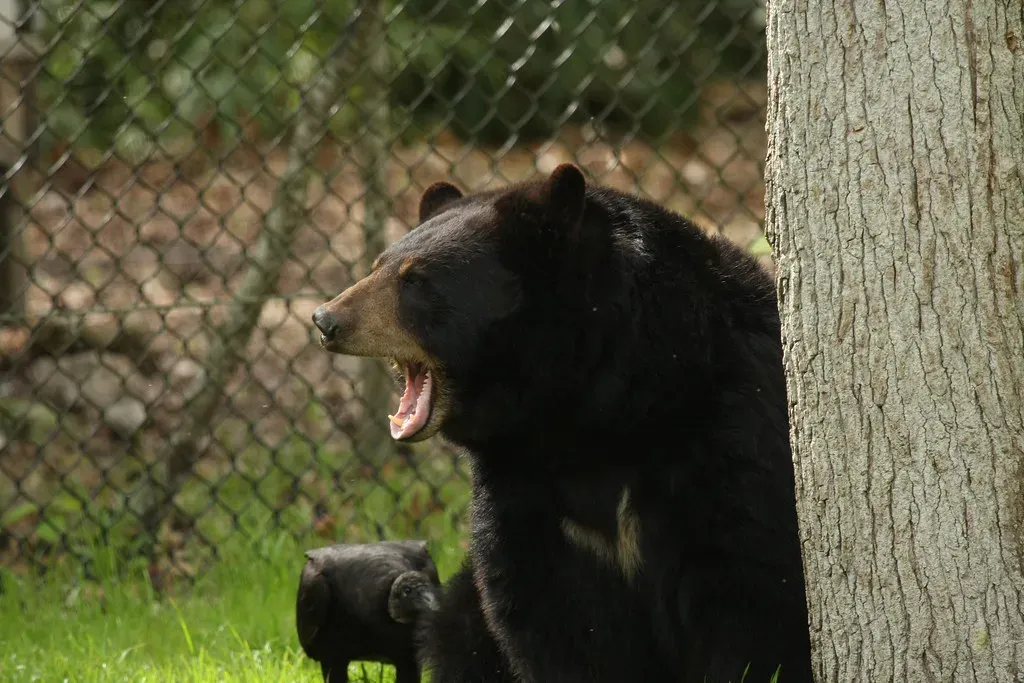
The primary threats to the Florida black bear today are habitat loss and fragmentation, which have significantly reduced the amount of available land for them to roam. That challenge isn’t going away on its own, especially given how fast Florida continues to develop.
Florida’s remaining black bears require vast, protected habitats to thrive. As the state’s human population surpasses 23 million, the need for preserving natural spaces has never been more urgent.
Without connected wildlife corridors and access to appropriate food sources, bear populations cannot thrive and may become genetically isolated. These bears are scattered across small subpopulations hemmed in by habitat loss and urban sprawl. They can’t easily intermingle, and vehicle collisions cause the vast majority of bear deaths in the state.
The Florida black bear’s journey from a threatened species to multiple huntable subpopulations is a testament to what can be accomplished through cooperative conservation and responsible management. The next chapter will depend on how well science, community behavior, and policy can stay aligned as the landscape continues to change.
Conclusion
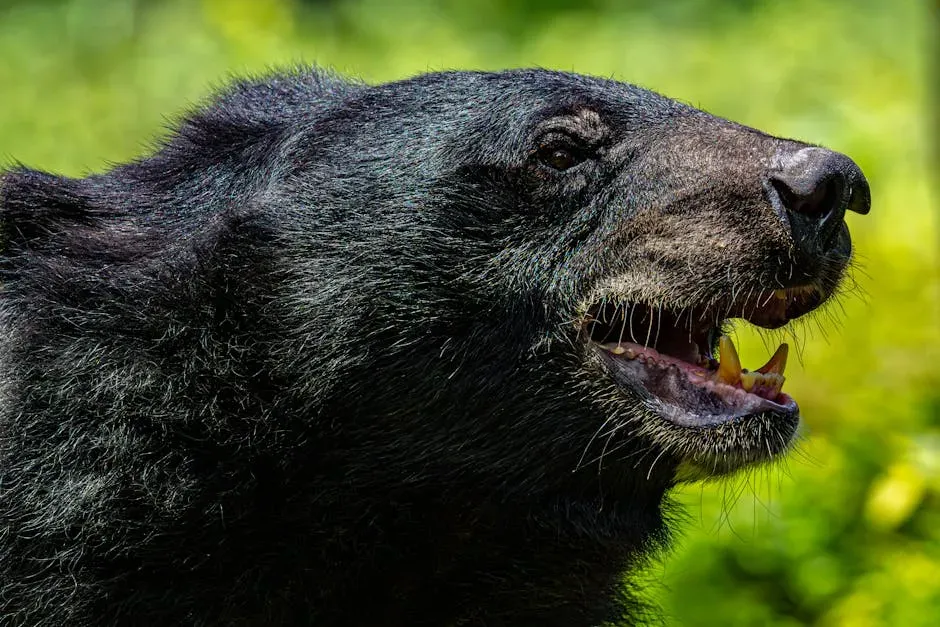
Florida’s black bears have come a long way from the edge of local extinction. With dedicated conservation efforts, the Florida black bear population rebounded. Today, FWC biologists estimate the black bear population in the state to be around 4,000 bears, and by most accounts, the Florida black bear is an ecological success story.
That story, however, is still unfolding. The tensions between growth, habitat, human encroachment, and management policy are real and won’t be resolved by a single hunting season or a single ordinance. An increase in human-bear interactions indicates that management and conservation of black bears will require more than just additional lands. It will require a change in our behavior, too.
Perhaps the most honest takeaway is this: Florida proved that a species teetering on the edge can recover when people decide it matters. Whether Florida can hold onto that success as its landscape grows more crowded and more complicated is the harder question, and one that residents, managers, and bears themselves will all have a stake in answering.
