
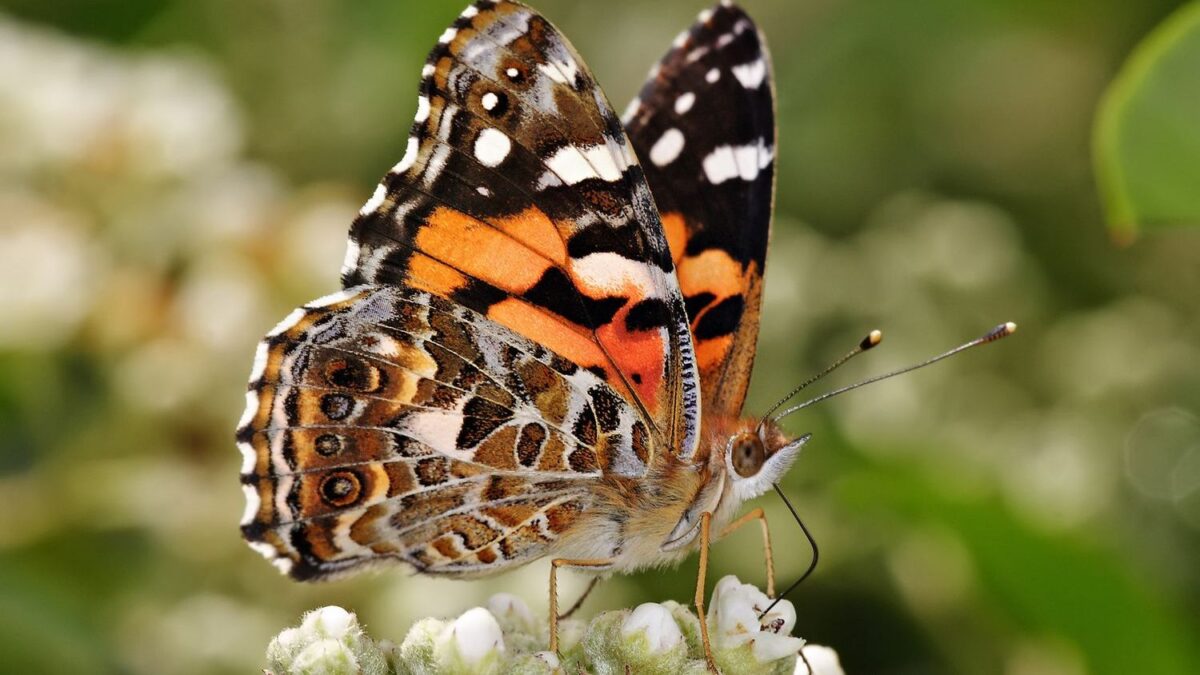
Walk through a well-managed wildflower meadow in the eastern or midwestern United States these days, and you might notice something that wasn’t a given just a decade ago. Color. Movement. Wings.
The backdrop to this quiet resurgence isn’t entirely cheerful. Overall butterfly numbers across the US fell by roughly 22 percent between 2000 and 2020, according to one of the most comprehensive studies ever conducted on these pollinators. Previous research has pinpointed pesticide use, habitat loss, and climate change as the major causes of butterfly declines. Yet within that sobering picture, a handful of species are responding to targeted conservation work, meadow restoration, and native planting in ways that genuinely encourage.
These seven species offer a more nuanced story. Some are recovering slowly and cautiously. Others are showing more immediate signs of resilience when their habitat is restored. None of them are fully out of the woods, but all of them offer evidence that meaningful change is possible.
1. Monarch Butterfly (Danaus plexippus)
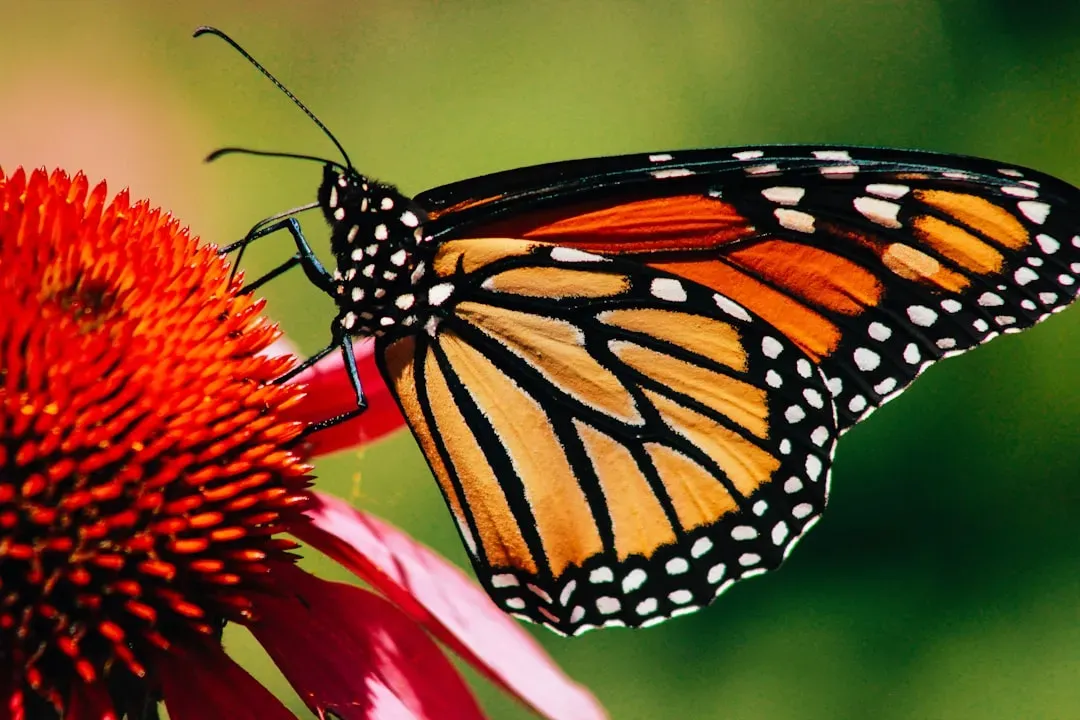
The monarch is probably the most watched butterfly in the country, and for good reason. Its story swings from alarm to cautious hope almost year by year. The eastern monarch butterfly population nearly doubled in 2025, with the population wintering in central Mexico’s forests occupying 4.42 acres, up from 2.22 acres during the previous winter.
That uplift was not purely the result of conservation action. Scientists attribute much of that year’s population growth to better weather conditions in 2024, with less severe drought than in previous years along the butterflies’ migration route. Weather, in other words, still drives a lot of the variability. The butterfly’s deeper trajectory remains a serious concern.
Eastern monarchs have declined by roughly 80 percent since the 1980s, while the western population has fallen by more than 95 percent, edging them toward extinction. Land-use changes in the United States, combined with the widespread use of herbicides and insecticides, have contributed to the loss of milkweed and other nectar plants adult monarchs need to feed from. The rebound is real and worth noting. The underlying fragility is equally real.
2. Karner Blue Butterfly (Lycaeides melissa samuelis)
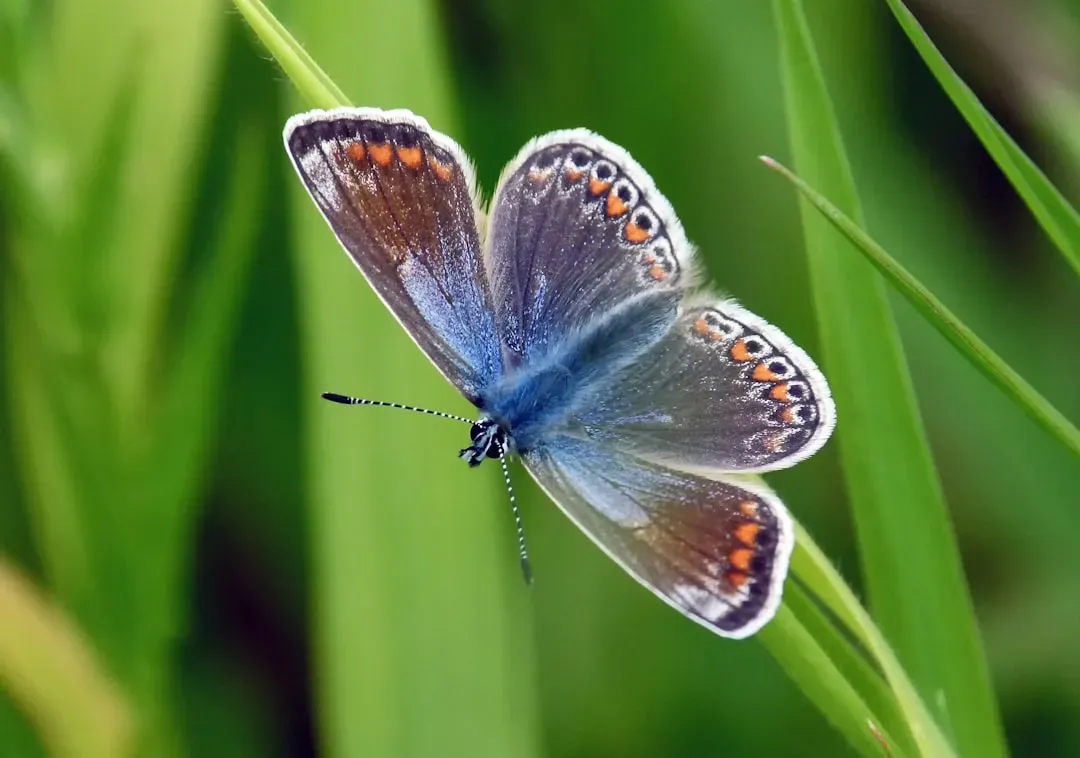
Few butterflies have a more specific and demanding relationship with their habitat than the Karner blue. Karner blue caterpillars feed only on the leaves of the wild lupine plant, and because of that dependency, the reproductive success of the species is critically tied to the availability of that single plant. Lose the lupine and you lose the butterfly.
The Karner blue experienced drastic declines in the 1970s and 1980s and is now believed to be extirpated in Illinois, Iowa, Pennsylvania, Maine, and New Hampshire, as well as the Canadian province of Ontario. It is listed as endangered by the US government. The comeback, where it is happening, is modest but measurable.
The Wisconsin Statewide Karner Blue Butterfly Habitat Conservation Plan now has more than 50 partners and over 792,000 acres enrolled, with Wisconsin now considered the stronghold for the species. Local conservation efforts concentrating on replanting large areas of wild blue lupine are having modest success at encouraging the butterfly’s repopulation. It is careful, patient work, measured in acres of lupine rather than dramatic numbers.
3. Eastern Black Swallowtail (Papilio polyxenes)
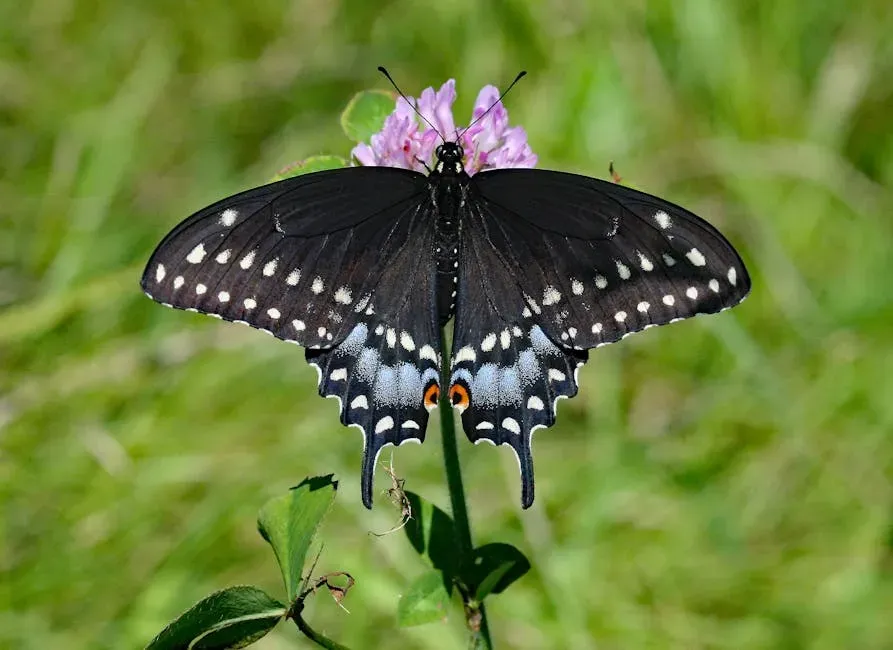
The Eastern black swallowtail is one of the more resilient meadow butterflies in North America, partly because its caterpillars are not locked into a single food plant. The Eastern black swallowtail is a butterfly found throughout much of North America, and it has proven more adaptable than some of its more specialized relatives.
The Eastern black swallowtail uses a variety of herbs in the carrot family for its larvae, though females select food plants based on visual and chemical variations. That flexibility matters greatly in fragmented landscapes. Meadows with native wildflowers, fennel, dill, parsley, and wild carrot provide solid habitat corridors where this species can establish and rebuild numbers.
The black swallowtail has a wingspan of roughly 6.9 to 8.4 centimeters, and the upper wing surface is black with two rows of yellow spots that are large and bright in males and smaller and lighter in females. Where meadow restoration programs have been introduced, this species is often among the first to return visibly, serving as a useful early indicator of improving habitat quality.
4. Great Spangled Fritillary (Speyeria cybele)
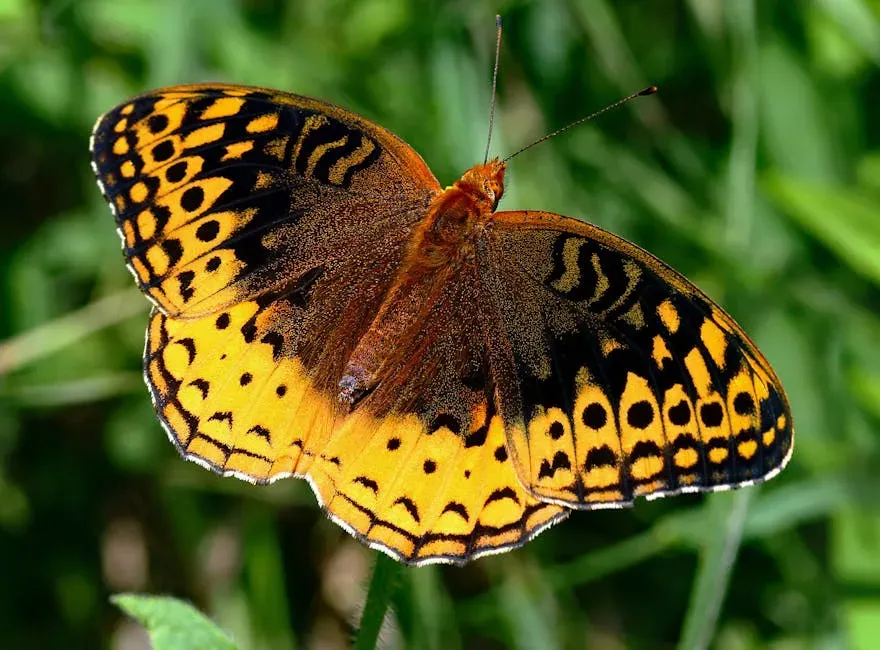
The Great Spangled Fritillary is a striking, large orange butterfly with a silvery-spotted underwing that is unmistakable in a sun-drenched meadow. It depends on native violets for its caterpillar stage, making it one of the species most tied to the presence of diverse, undisturbed meadow ground cover. Native wildflower meadows featuring plants such as ironweed, black-eyed Susan, goldenrod, aster, milkweed, and coneflower attract many types of butterflies and moths, creating the varied habitat that species like the Great Spangled Fritillary need.
This species has been observed returning in improved numbers at sites where native meadow management has been prioritized over recent years. It tends to fly in a single summer brood, which makes annual variation in conditions more immediately visible in population counts.
Recommendations from butterfly recovery researchers include ensuring that host plants for caterpillars and nectar plants for adults are available throughout the entire growing season, as well as protecting butterfly habitats from pesticides. The Great Spangled Fritillary responds well to exactly that approach, rewarding patient meadow managers with a noticeable increase in sightings when the right conditions are maintained consistently over several seasons.
5. Poweshiek Skipperling (Oarisma poweshiek)
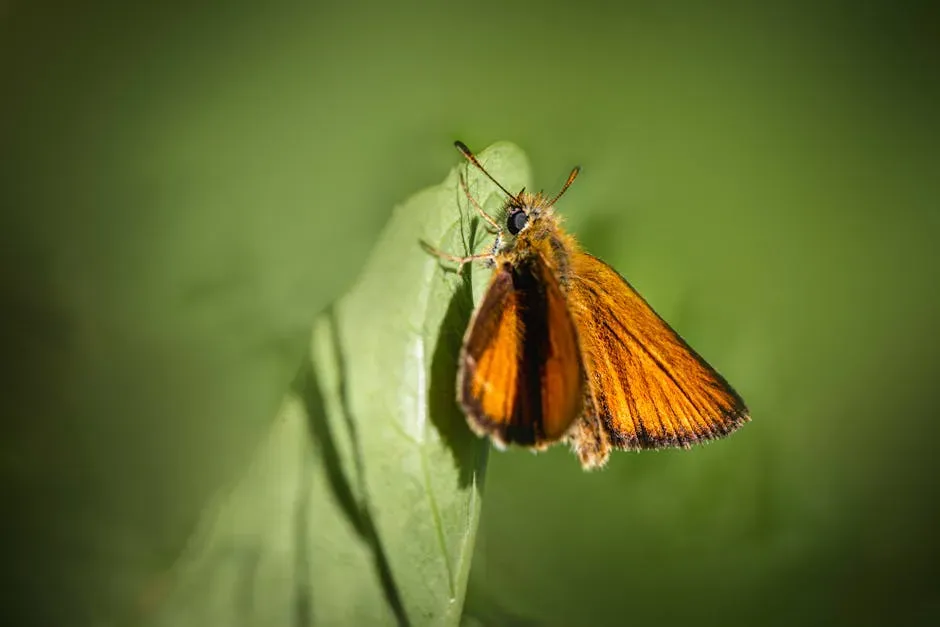
The Poweshiek skipperling is not a butterfly most casual observers would recognize, but its story is one of the more extraordinary in American conservation right now. This tiny prairie butterfly was once thought to be sliding irreversibly toward extinction.
Researchers at the Minnesota Zoo have worked tirelessly to establish a successful rearing and release program for the endangered Poweshiek skipperling, alongside the threatened Dakota skipper. They established successful rearing and breeding facilities for both butterfly species, something that had never been attempted before, and oversaw the first reintroductions of these butterflies in the United States.
As a result of these efforts, the Poweshiek skipperling has exhibited an astounding population increase from about 250 individuals in 2013 to approximately 1,500 in captivity and ready to release in the US in 2025. Those numbers remain fragile, and in-the-wild recovery will take years. Still, the trajectory represents a genuine conservation achievement that few would have predicted a decade ago.
6. Pearl Crescent (Phyciodes tharos)
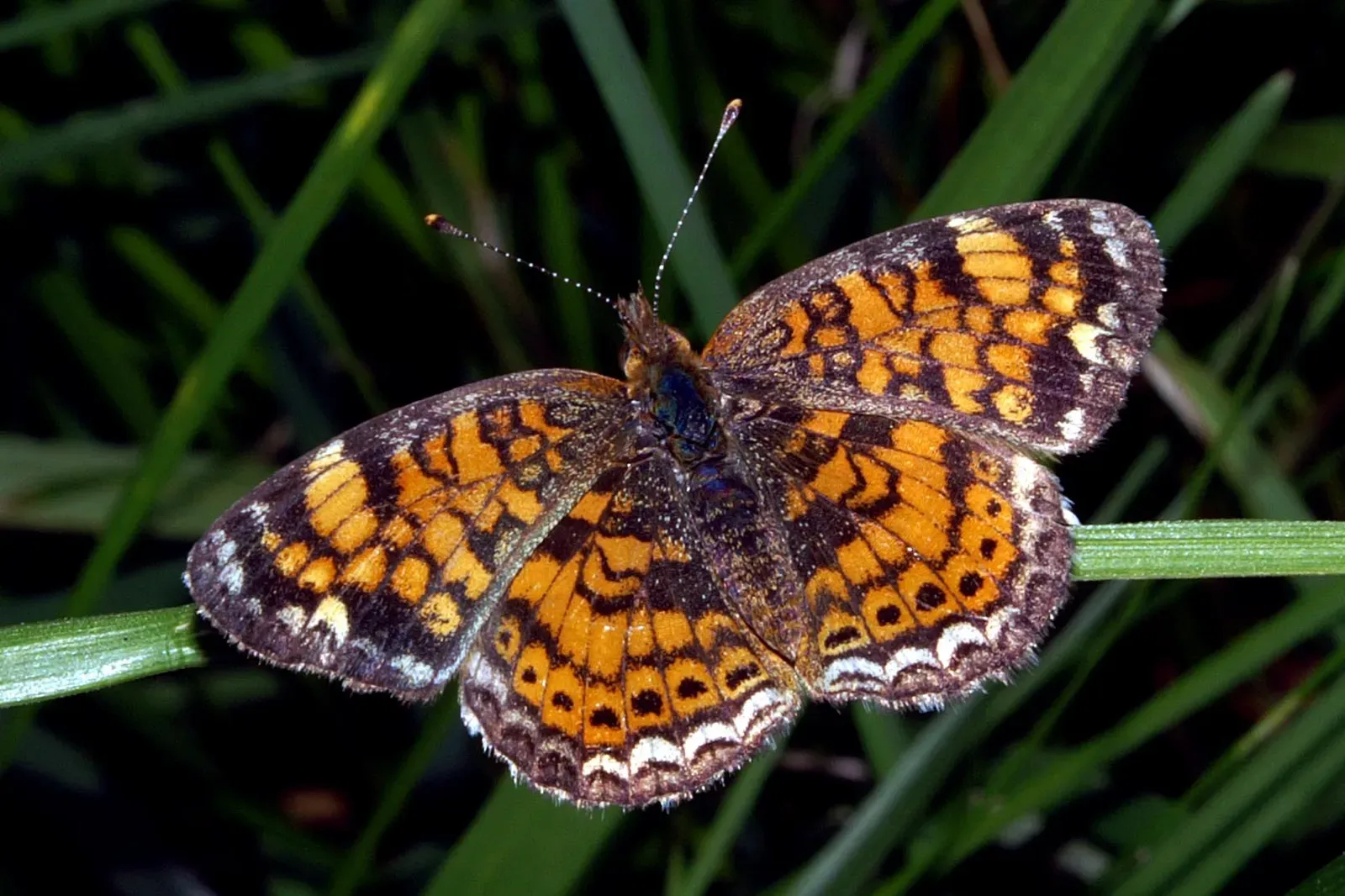
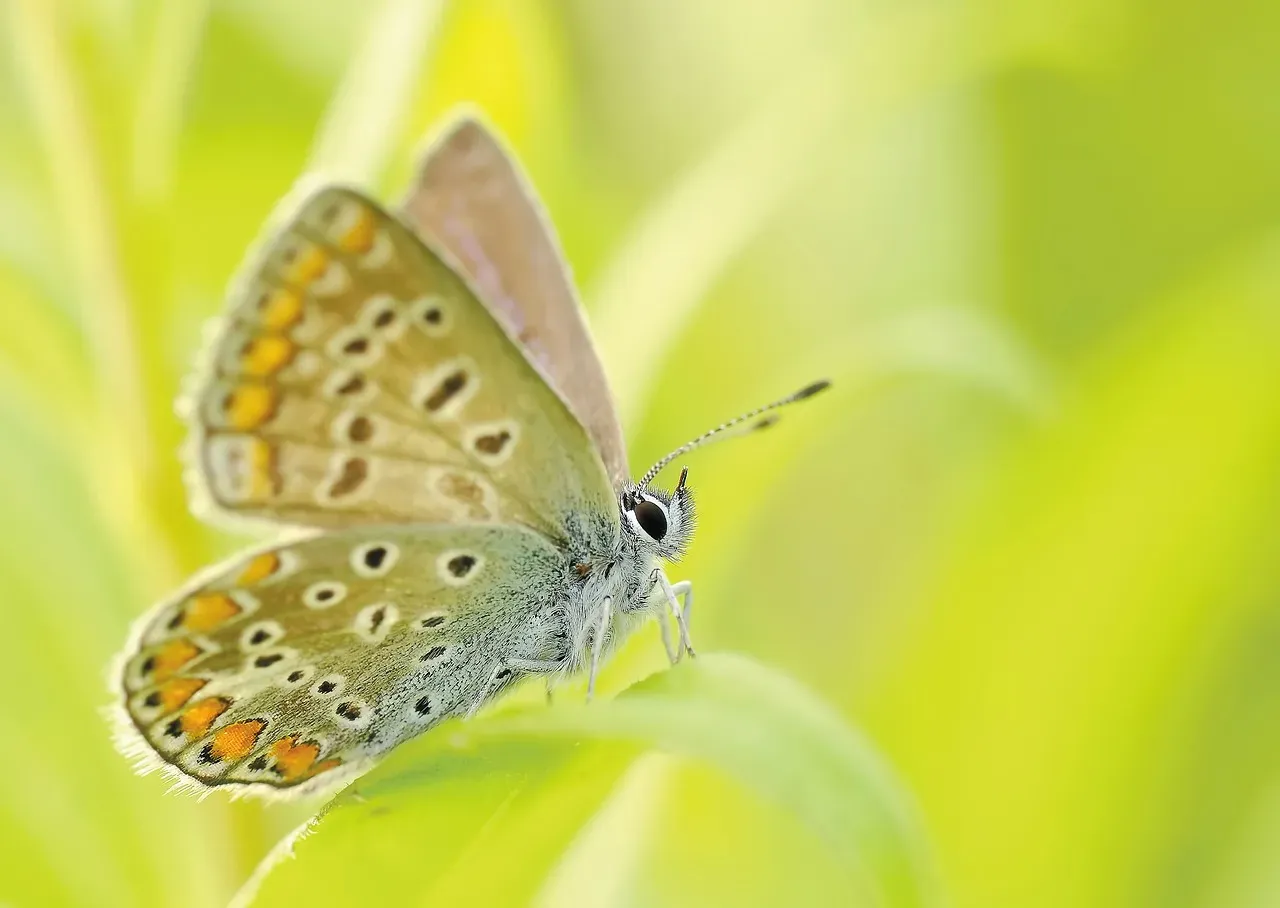
The Pearl Crescent is a small, intensely orange butterfly with dark markings that is found in open meadows and fields across much of the eastern and central United States. It is among the more adaptable of the meadow species, capable of producing multiple broods per season when conditions are favorable.
Butterflies found at restored native meadows include Pearl Crescent, along with monarch, black swallowtail, Eastern tailed-blue, and many types of skippers. Its presence in a meadow is often a sign that the habitat has sufficient aster species, which are the primary caterpillar host plant, and enough open flowering area to support flight and feeding across multiple generations.
The Pearl Crescent’s comeback in managed meadows is less dramatic than some headline species but arguably more telling. It is widespread enough that its return to previously depleted sites reflects genuine, measurable habitat improvement rather than isolated reintroduction efforts. Meadow stewards frequently list it as one of the first species to reappear in restored areas with native asters.
7. Painted Lady (Vanessa cardui)
![7. Painted Lady (Vanessa cardui) (By fir0002 flagstaffotos [at] gmail.com
Canon 20D + Sigma 150mm f/2.8 + Canon MT 24-EX, GFDL 1.2)](https://nvmwebsites-budwg5g9avh3epea.z03.azurefd.net/aatg/0304c58f5140a970ea4660a080345600.webp)
The Painted Lady is one of the most widely distributed butterflies in the world, yet it has faced real local and seasonal variability in the United States that makes its meadow comeback worth noting. Originally it was thought that because they were among the first butterflies to appear in spring they overwintered in some northern states, but their presence is now considered a function of migration, with stronger southern populations leading to larger numbers migrating north.
This species is particularly responsive to native thistle, ironweed, and other composite flowers that thrive in restored meadows. When those plants are present at scale, Painted Lady numbers can increase quite rapidly within a single season due to the butterfly’s relatively short reproductive cycle and strong migratory instincts.
The Painted Lady is also a useful example of what recent studies have confirmed: some of the butterflies most in danger of losing ground actually fare better when their habitats are actively managed by humans. Intentional meadow stewardship, not simply leaving land alone, turns out to be one of the most effective tools for welcoming species like the Painted Lady back in meaningful numbers.
What Drives These Recoveries: The Role of Meadow Restoration
Across these seven species, a consistent thread emerges. Habitat is the single most determining factor. The first comprehensive attempt to identify the core conservation actions needed for butterfly recovery across hundreds of species and diverse US landscapes points toward the same priorities repeatedly: native plants, pesticide reduction, and active land management.
Research has pinpointed insecticides as rising above other threats, including habitat loss and climate change, in reducing butterfly abundance and diversity. Removing or reducing pesticide use near meadow habitats has demonstrable effects on butterfly populations, often showing results within just a few seasons.
The picture is not uniformly optimistic. A study published in Science found that butterfly populations across the United States experienced a 22 percent decline in abundance from 2000 to 2020. The recoveries described here are real, but they exist against that difficult backdrop. They are bright spots in a larger trend that still requires serious attention from policymakers, landowners, and ordinary gardeners alike.
Conclusion: Fragile Progress Worth Protecting
What these seven species have in common is not just that they are returning to meadows. It is that their returns are conditional. Each of them depends on sustained, deliberate human effort, whether that is planting native wildflowers, reducing pesticide use, managing lupine habitat, or supporting captive rearing programs.
The Poweshiek skipperling’s jump from 250 individuals to 1,500 is extraordinary. The eastern monarch’s near-doubling in wintering habitat in 2025 is genuinely encouraging. The Pearl Crescent’s quiet reappearance in restored meadow after meadow may be less dramatic, but it carries its own significance. Each of these recoveries is a measurable answer to a specific set of conservation actions.
The broader decline in US butterfly populations is not reversed. But these species suggest, plainly and without exaggeration, that recovery is biologically possible when the conditions are right. The meadow, it turns out, is still waiting for the butterflies to come back. It just needs us to make it worth returning to.
